|
In the ceaseless pouring of our inner worlds into many lived experiences, our days unravel around quiet, continuous acts of transference. A painting could become a mirror. A sculpture, a wound. A cabinet might recall the warmth of a childhood kitchen. A building might echo a road never taken.

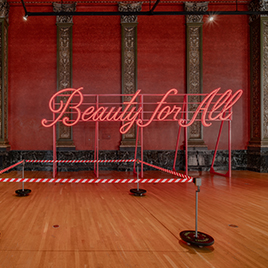
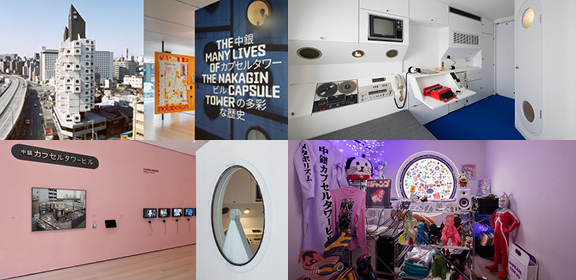
We inherit beliefs, project fears, replay joys. Our associations, never fixed, shift and refract, akin to light passing through stained glass. In architecture, art and design, transference is not just metaphor; it is the medium through which memory, emotion and meaning move. This week's STIRfri unpacks transference in its layered forms. A review of a MoMA exhibition on a demolished Metabolist icon narrates its life
|
|
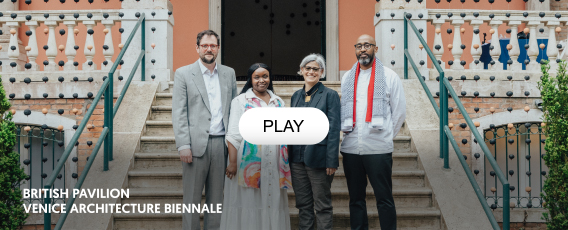
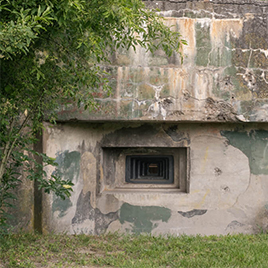
through a salvaged fragment; an architectural relic that speaks. 'Ghotul', an Indian film, rooted in Indigenous traditions, opens up refreshingly tender conversations around consent and sexual agency. A feature on the British Pavilion at the Venice Architecture Biennale transfers values of repair, humility, and ecological respect into the very fabric of built space. A once-forgotten Slovak bunker, now a contemporary home, holds onto memory rather than erasing it.
Gleaning from these narratives, we are left with a lingering question: What does a space remember—and, in turn, what of ourselves do we unknowingly leave behind in it?

|