
Pavilion Park
The Stupa
- Studio
- Earthling Ladakh
- Architect
- Sandeep Bogadhi
- Where
- Pavilion Park, Purana Qila
- Open
- 4 Dec - 21 Mar
About the pavilion
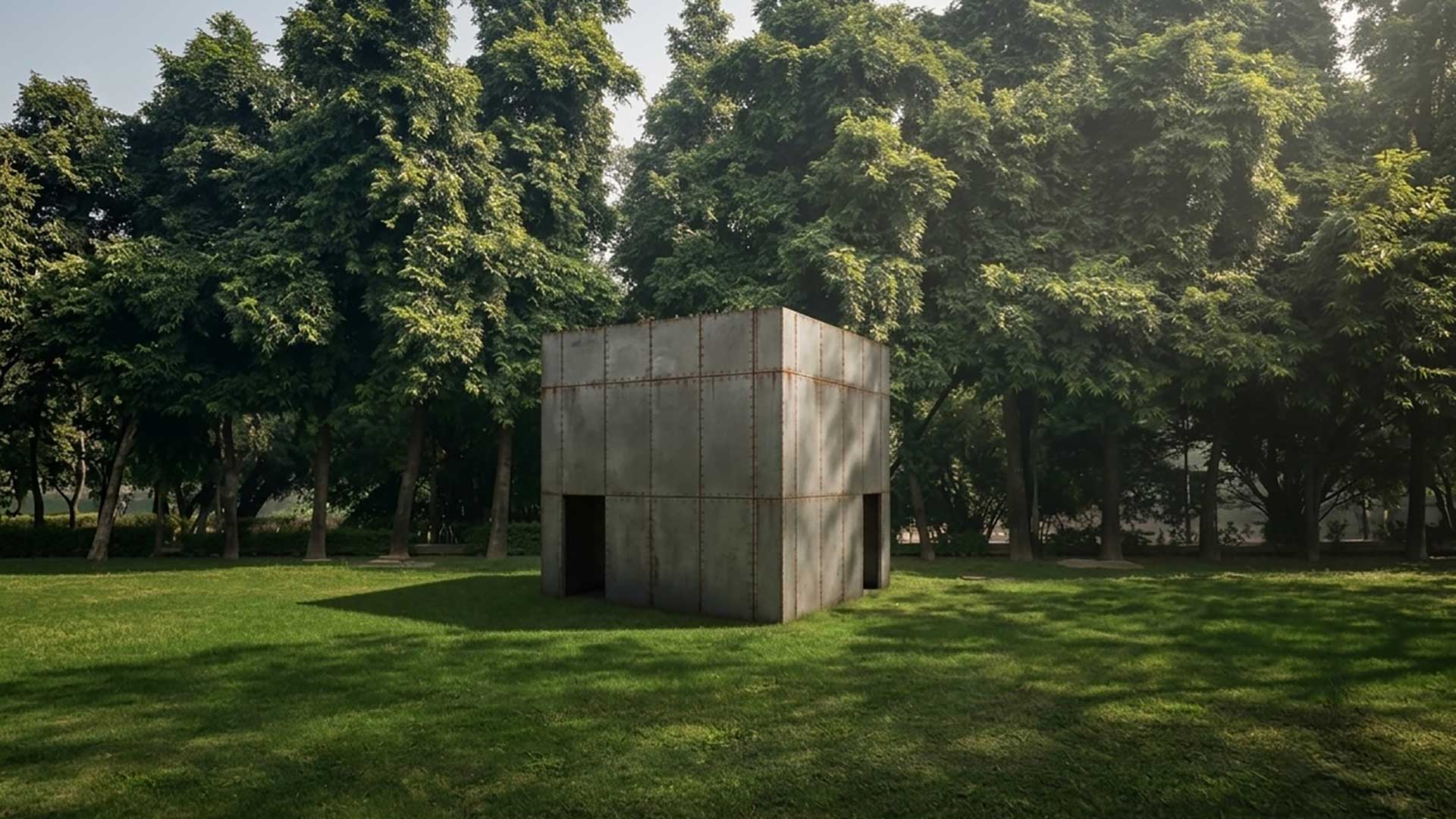
The pavilion is inspired by the stupa which is common across the landscapes of Himalayas, including Ladakh. The very idea of a stupa is conceived around temporality and impermanence, fitting within the tenets of ‘Pavilion City’.
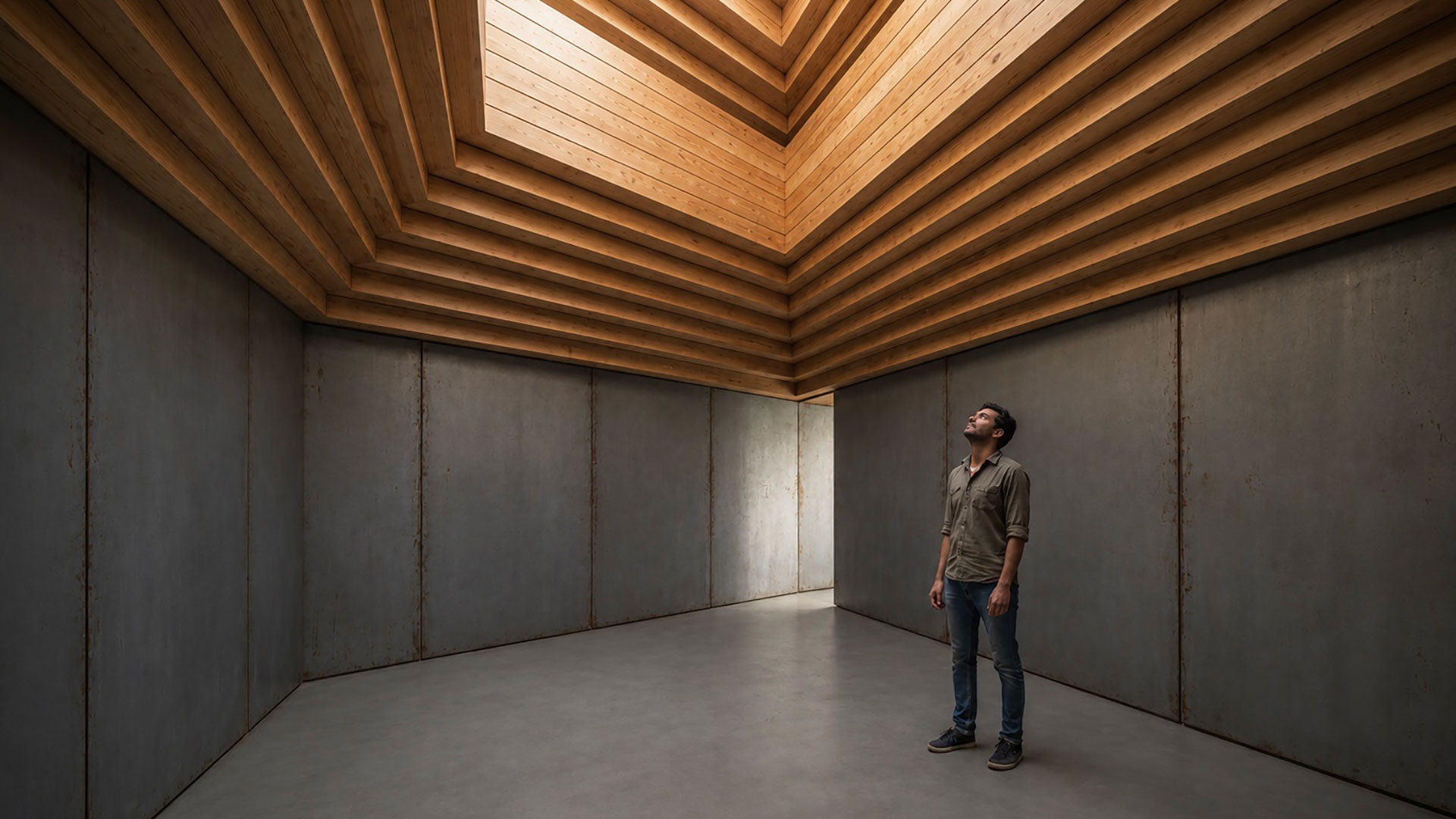
The essence of a stupa lies inside it and the only way to reach its core is in its degradation. In a time where we talk about good architecture as something that is timeless and ages gracefully, the pavilion is designed with the concept of impermanence in mind. Even in its degradation, it has an afterlife. At its centre is a box which contains seeds to start again, precious metals to barter, scriptures in the form of knowledge and medicinal herbs to heal.
This pavilion explores these ideas of temporality and the concepts of form and void.
With Purana qila as a site of intervention, the Pavilion brings a form originating in the Himalayan landscape into dialogue with the landscape of ruins. For the visitor, this pavilion is an introspective space to pause and reflect on the temporality of the human condition.
From the studio’s presentation