Enter your details to sign in
Don’t have an account?
Sign upOr you can sign in with
a single account for all
STIR platforms
All your bookmarks will be available across all your devices.
Stay STIRred
Already have an account?
Sign inOr you can sign up with
Verification link sent to check your inbox or spam folder to complete sign up process



We use cookies and similar technologies, to help provide you with a better, faster, and safer experience while delivering content
tailored to your interests.
By clicking on the AGREE button, closing this banner, clicking or navigating the website, you consent to the use of all cookies and similar technologies for the purposes we describe in our
Privacy Policy.
We use several cookies that are related to the functionality, security & user preferences,
analytics, and advertising. While some are essential, you may choose to dis-allow the use of others.
Please choose your preference, or opt for the best experience by closing this banner, clicking or navigating the website.
For more detailed information please read our Privacy Policy
 Connect
Connect
Connect





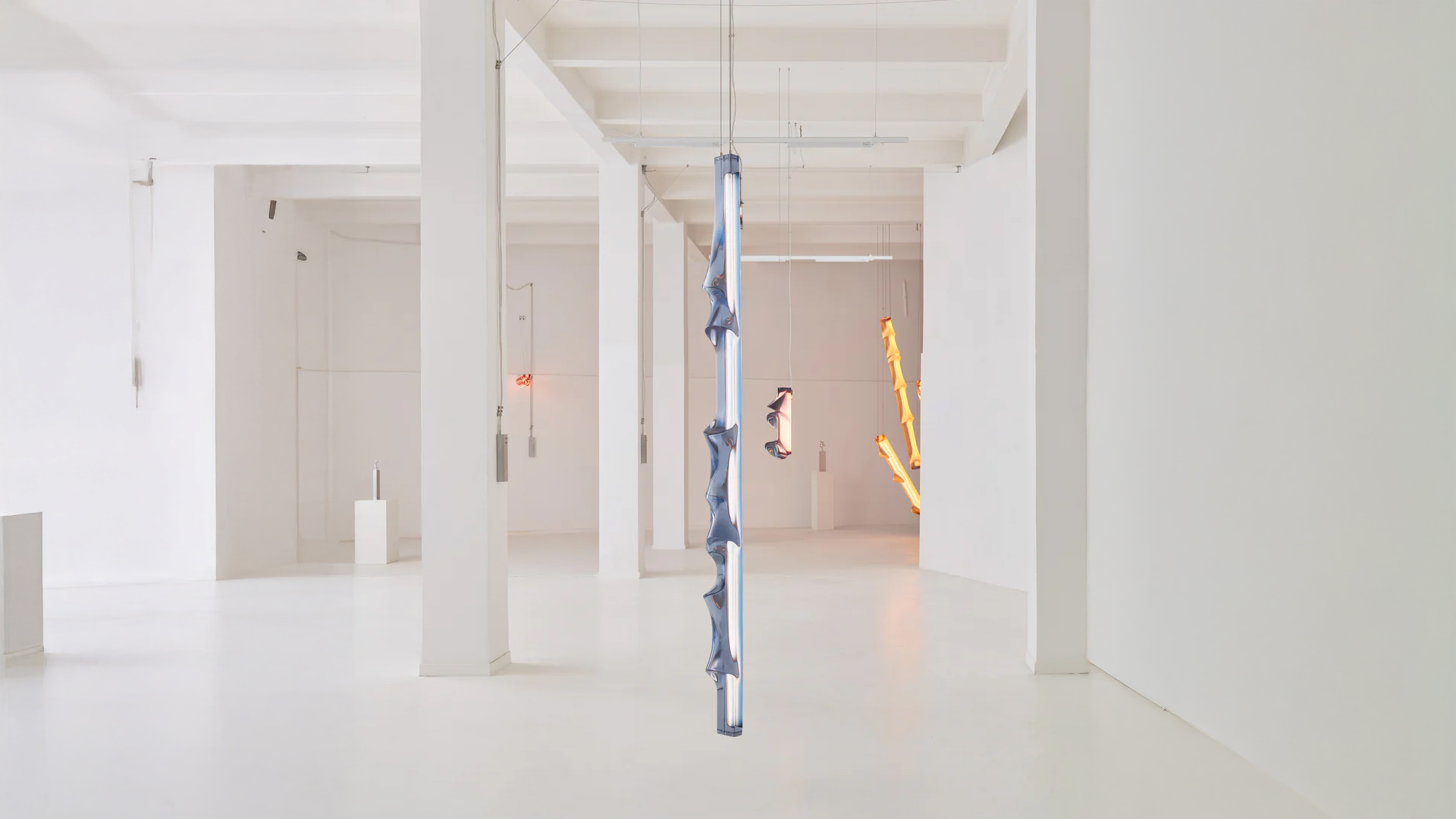
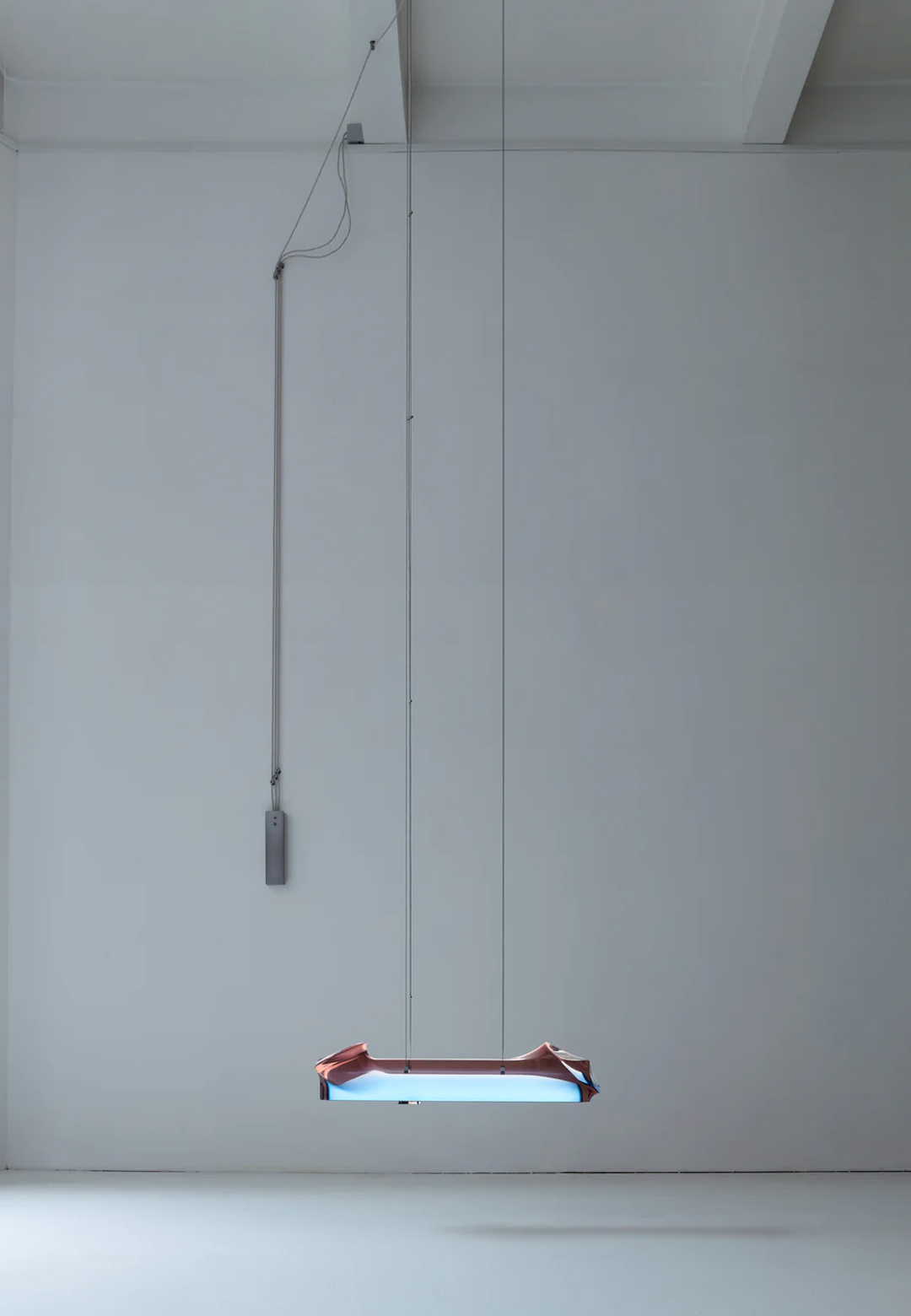
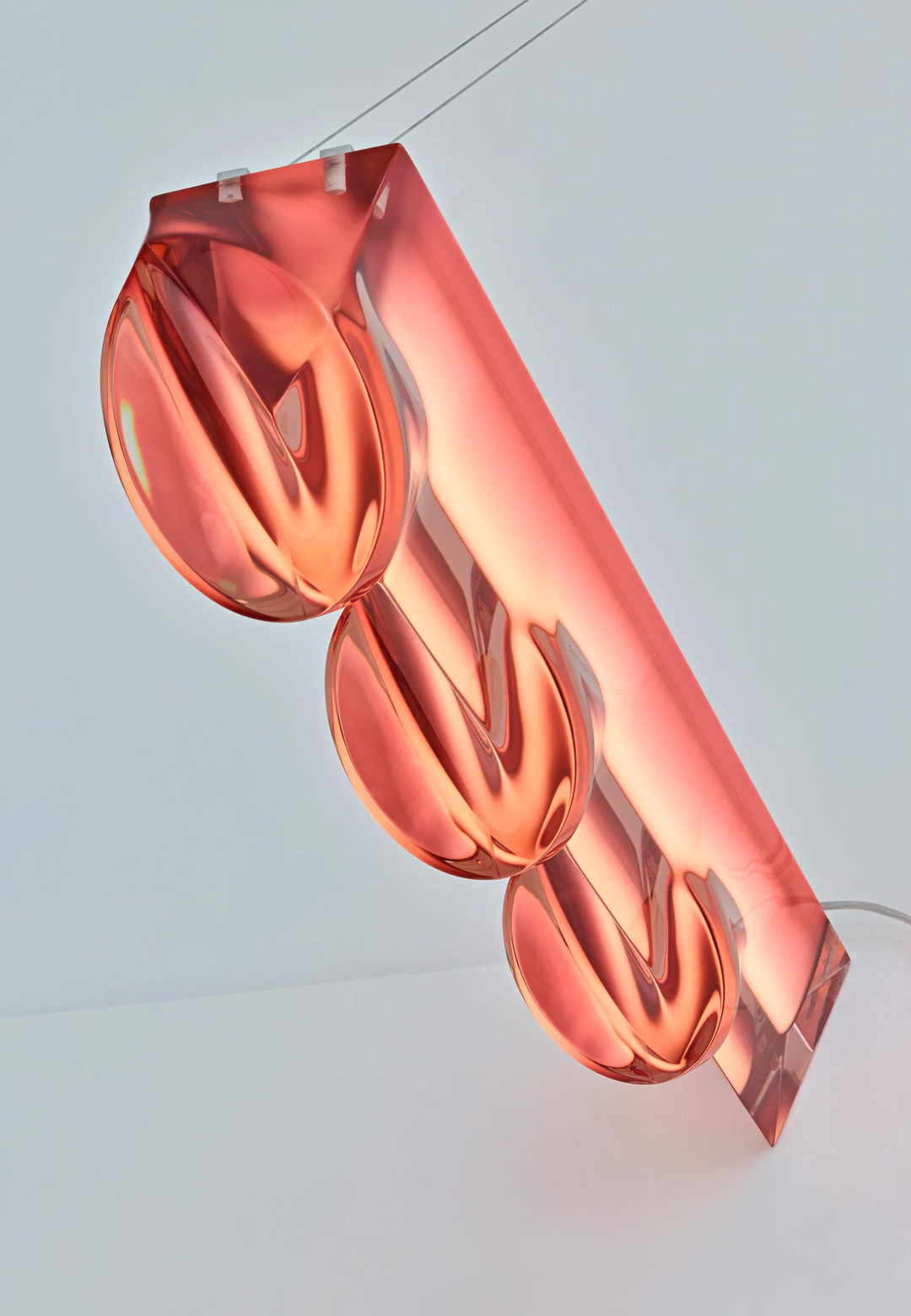
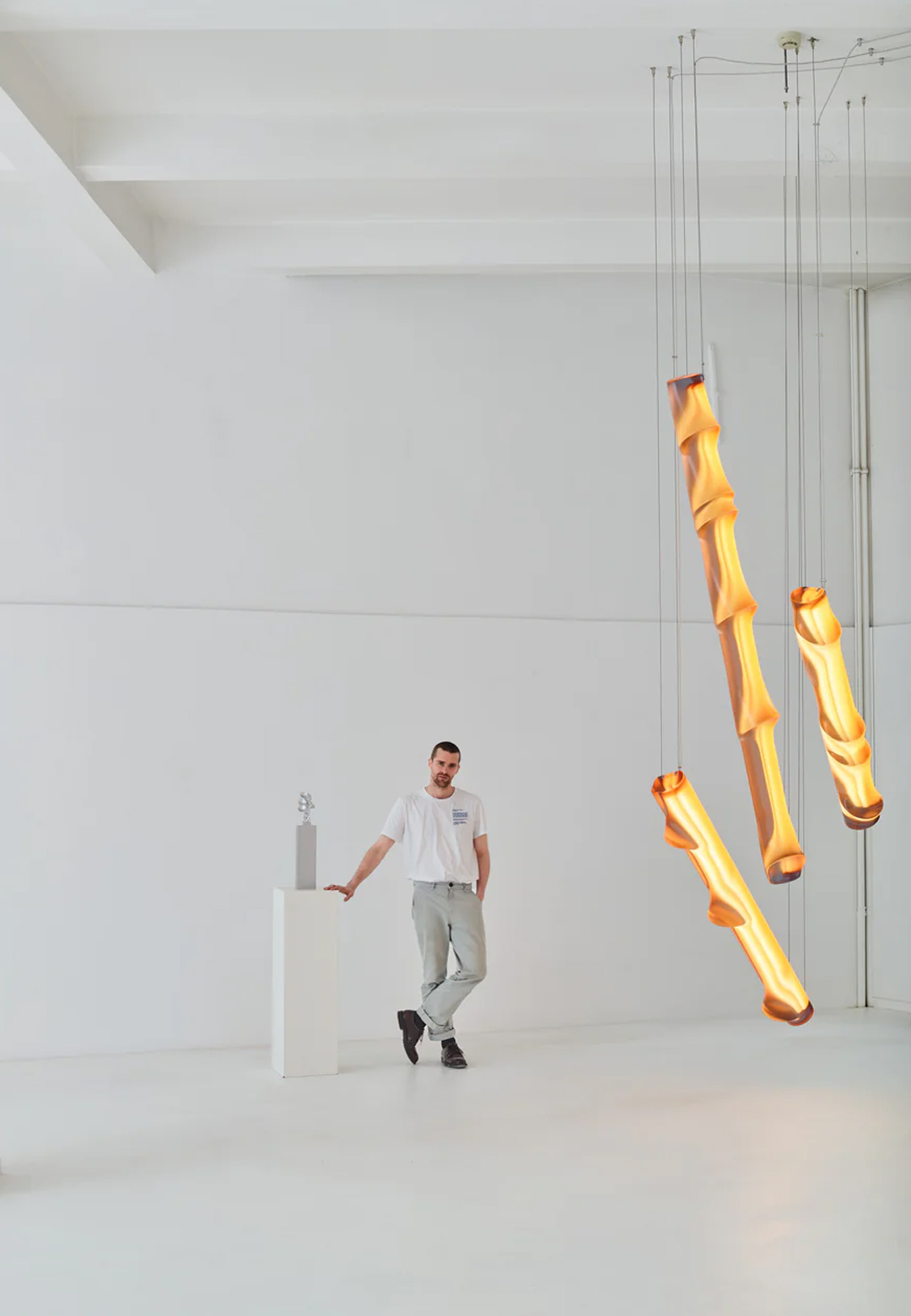
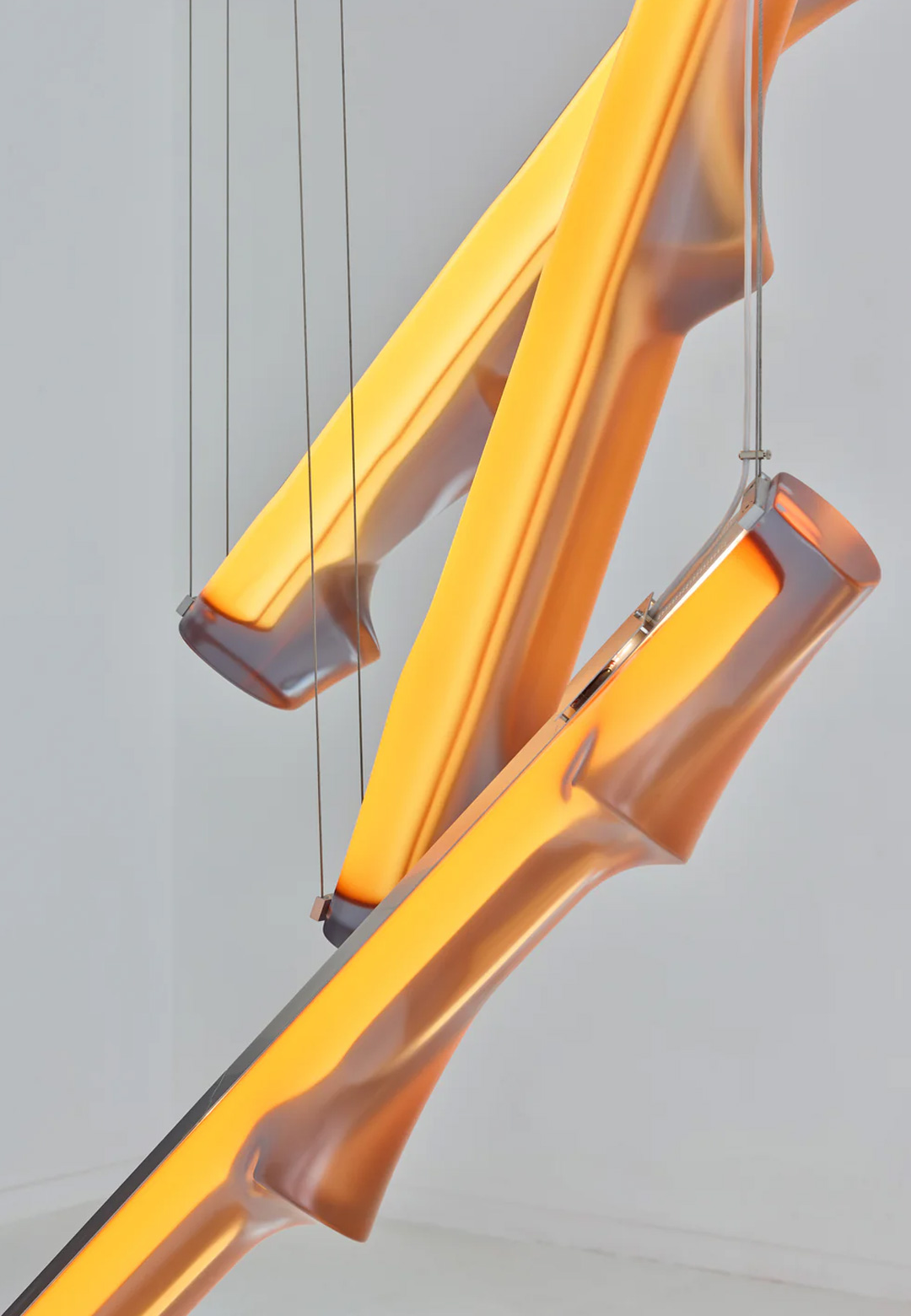
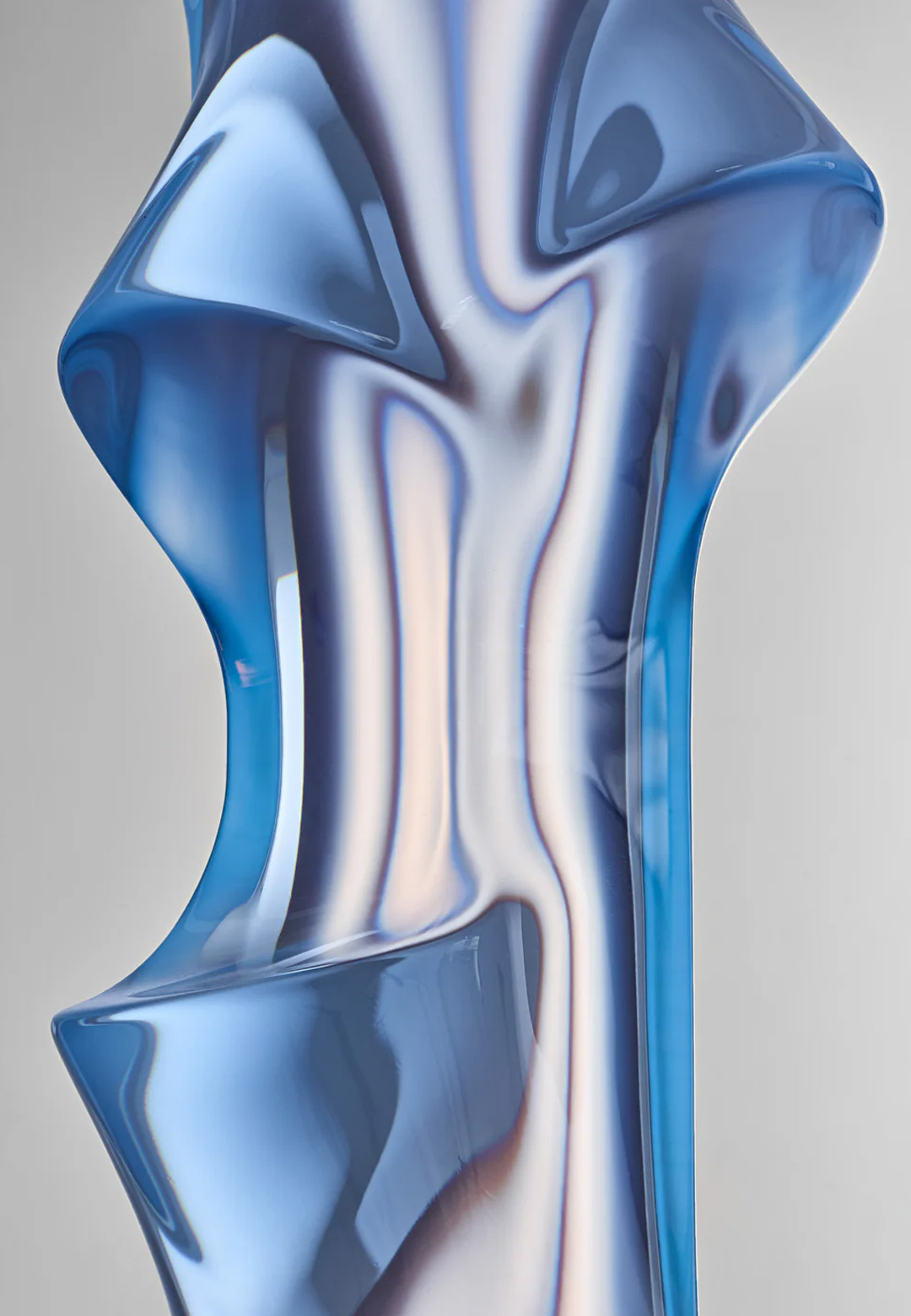
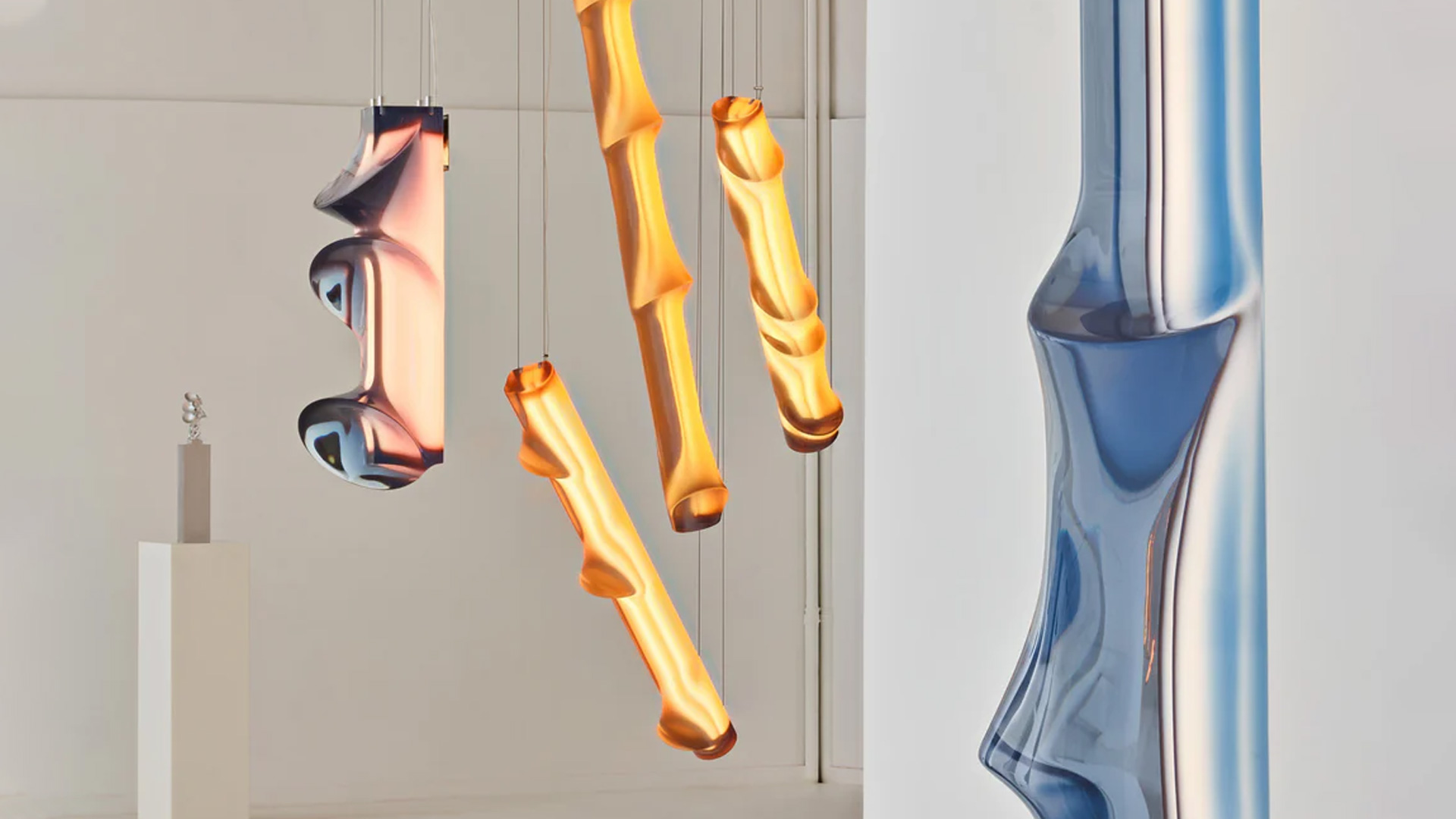
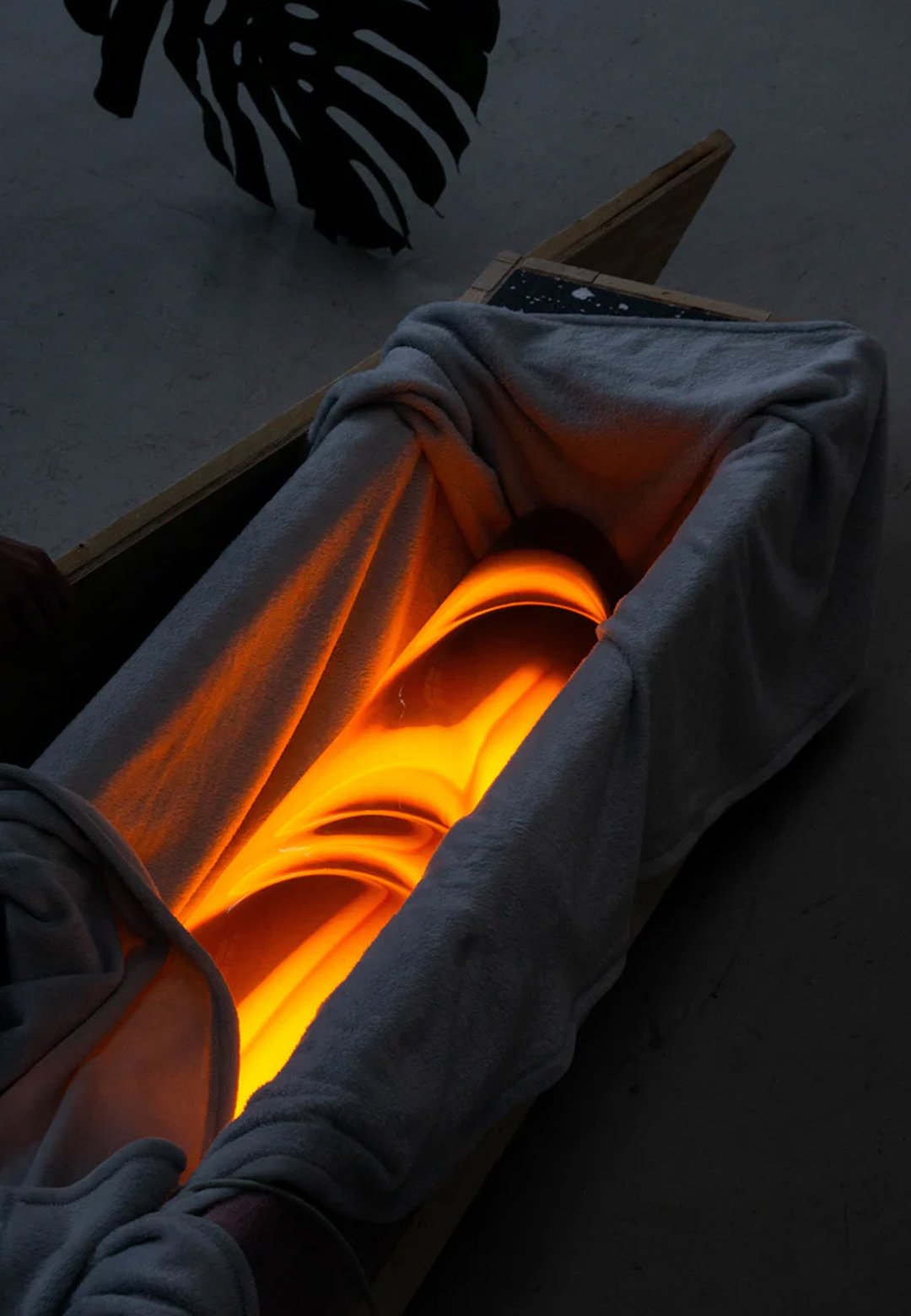
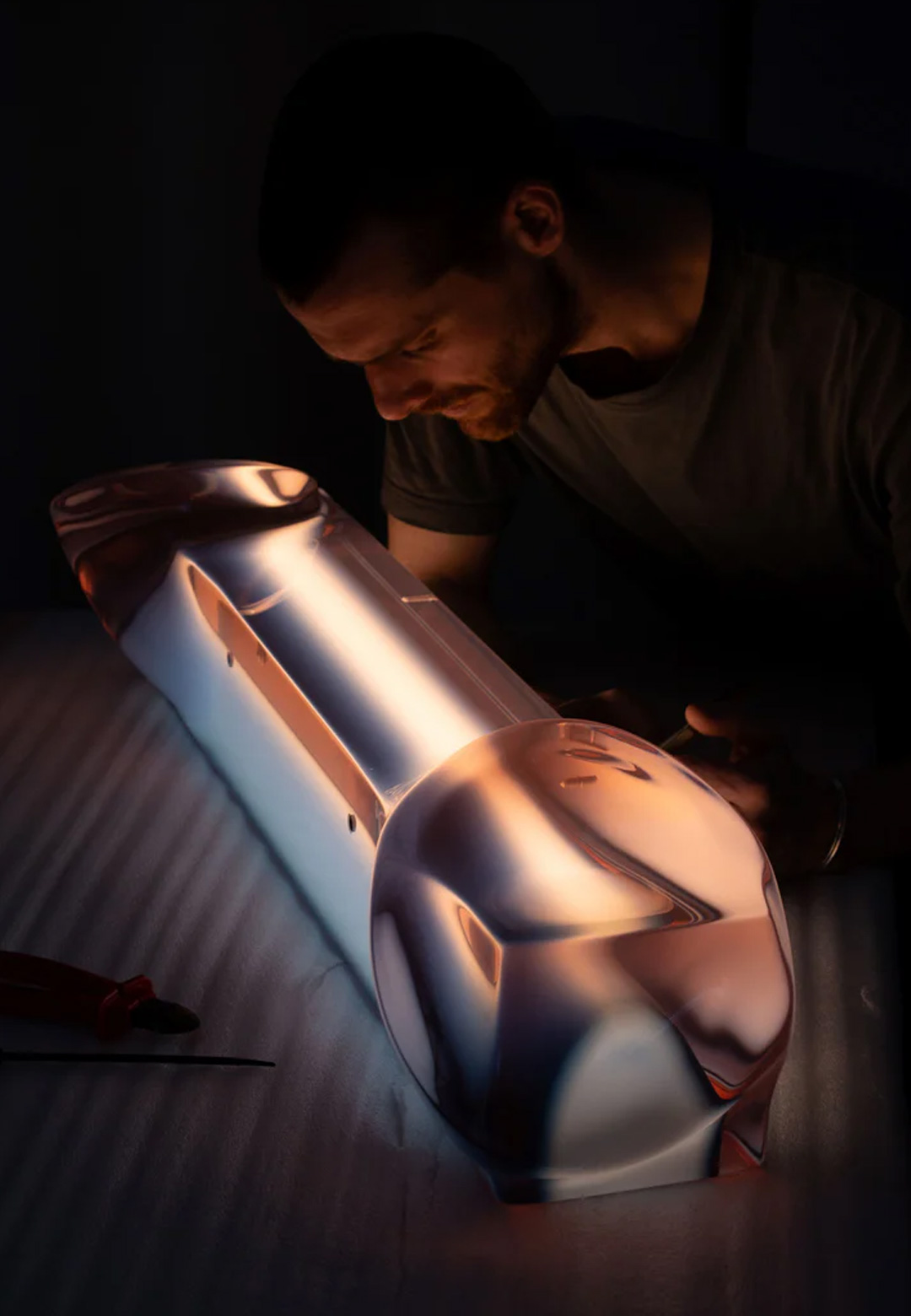
Lima Charlie by Rotterdam-based designer Laurids Gallée begins with the idea of transmission and considers how an object can signal without carrying a message. Lima Charlie is radio shorthand for 'loud and clear.' The title sets the frame: transmission as structure and reception as something that always depends on position. The exhibition brings together five resin light works and a small set of aluminium wall pieces. Light is captured inside the resin bodies. Colour is built into the volume and carried through it by refraction. The gradients are tuned: a controlled colour drift that recalibrates as you move. The works do not resolve from a fixed point.
Each sculpture emits and redirects light within its own body, shifting with every step the viewer takes. They behave like silent antennas, sending nothing yet received entirely through perception.
Because they act as transmitters, their forms follow the same internal logic. Volumes stretch into beams, tilt into cones or widen into dish-like curves. These shapes do not imitate devices; they grow from the way a transmitting body naturally organises itself. Within this clarity, there is always a controlled deviation. Elements twist, rotate or collide just enough to interrupt perfect order. They become objects that almost obey their own system, but not entirely. Their components merge into uninterrupted volumes. Simple geometric primitives become seamless bodies in which light bends and the surface behaves like a lens. The material stands still and the image never does.
A minimal system in the room composed of aluminium blocks and exposed lines quietly traces the path that feeds each sculpture. It acts as a reminder that even the simplest transmission relies on its own structure. The aluminium wall pieces are machined from sketch-like models and read as small studies in infrastructure: masts, carriers, connectors. The same logic shows up in the suspension hardware. Brackets, cables and fittings are treated as part of the work’s syntax, not something to disappear.
These works appear built to communicate, yet they have nothing to declare. They remain loud and clear in their behaviour and find completion only through the act of being seen.



 Sign in with Google
 Sign in with email