Enter your details to sign in
Don’t have an account?
Sign upOr you can sign in with
a single account for all
STIR platforms
All your bookmarks will be available across all your devices.
Stay STIRred
Already have an account?
Sign inOr you can sign up with
Verification link sent to check your inbox or spam folder to complete sign up process



We use cookies and similar technologies, to help provide you with a better, faster, and safer experience while delivering content
tailored to your interests.
By clicking on the AGREE button, closing this banner, clicking or navigating the website, you consent to the use of all cookies and similar technologies for the purposes we describe in our
Privacy Policy.
We use several cookies that are related to the functionality, security & user preferences,
analytics, and advertising. While some are essential, you may choose to dis-allow the use of others.
Please choose your preference, or opt for the best experience by closing this banner, clicking or navigating the website.
For more detailed information please read our Privacy Policy
 Connect
Connect
Connect





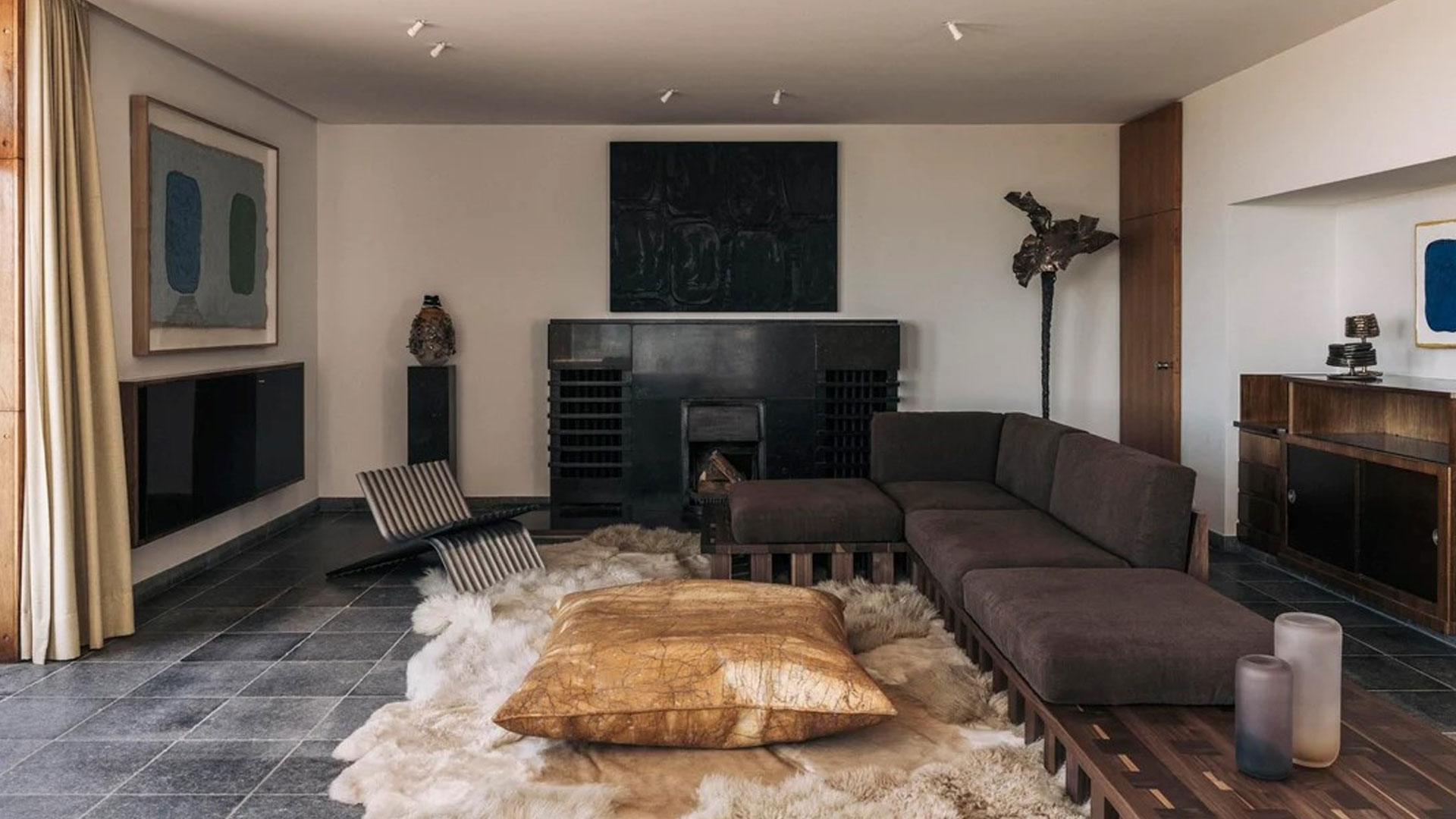
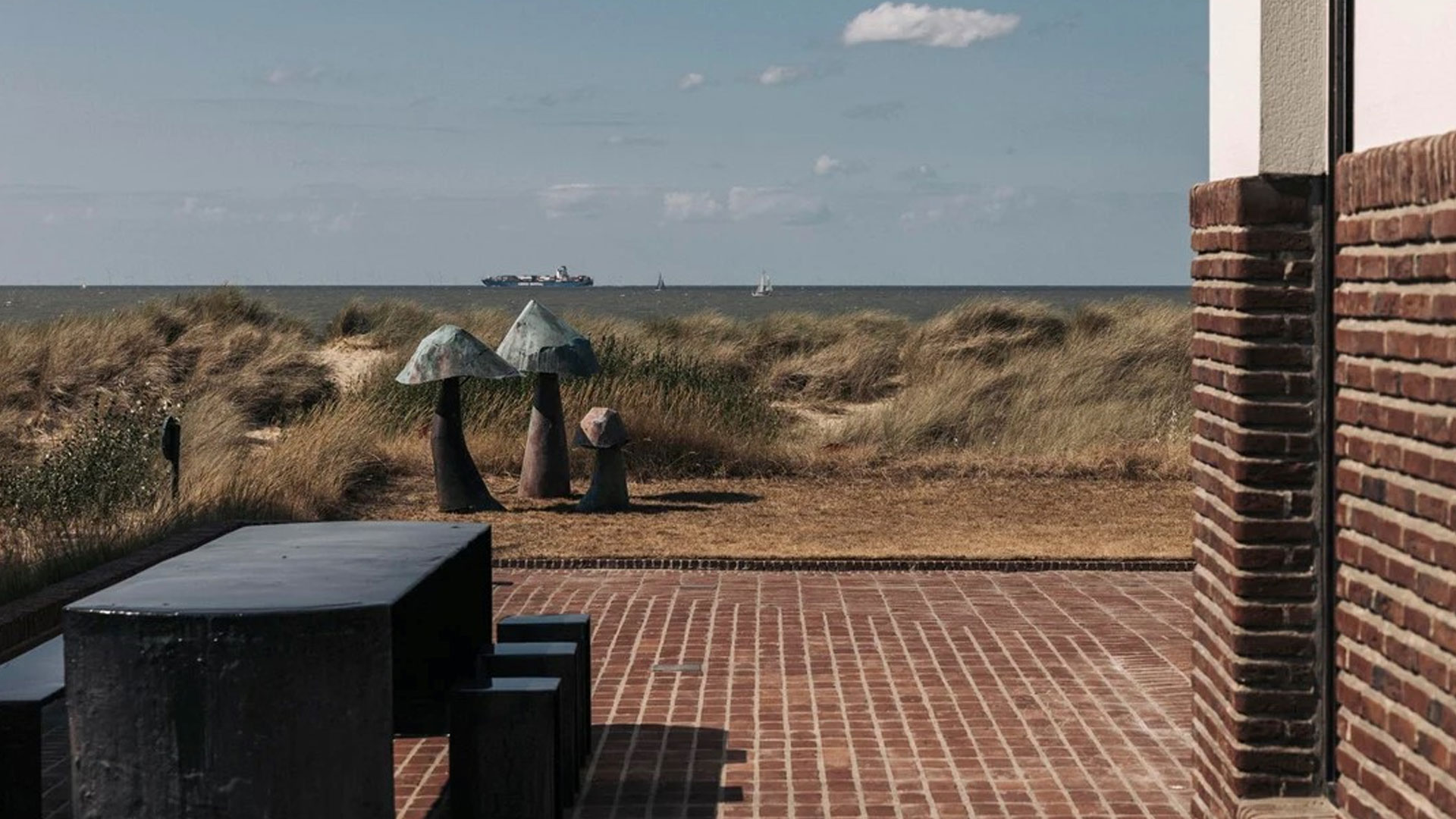
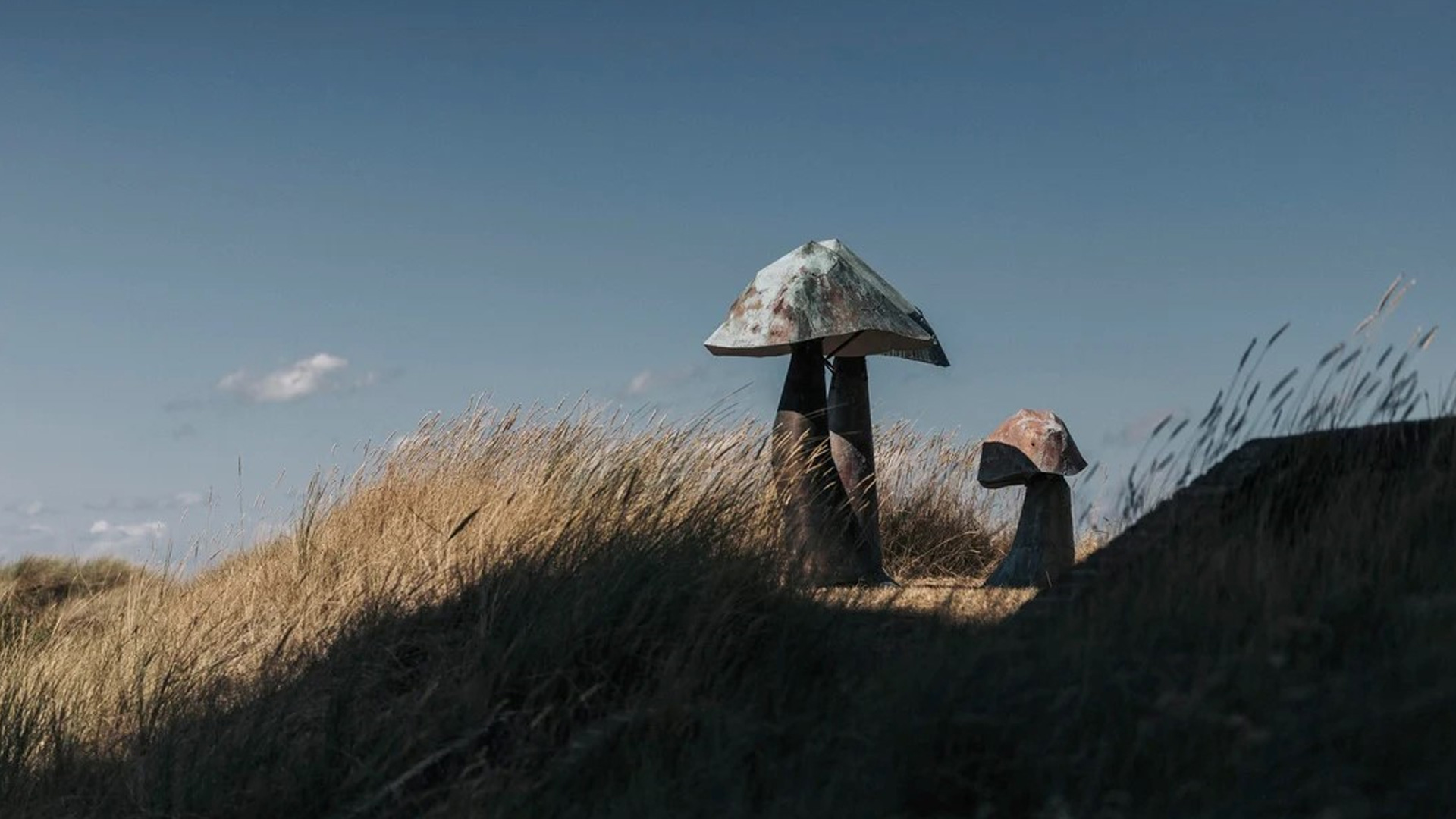
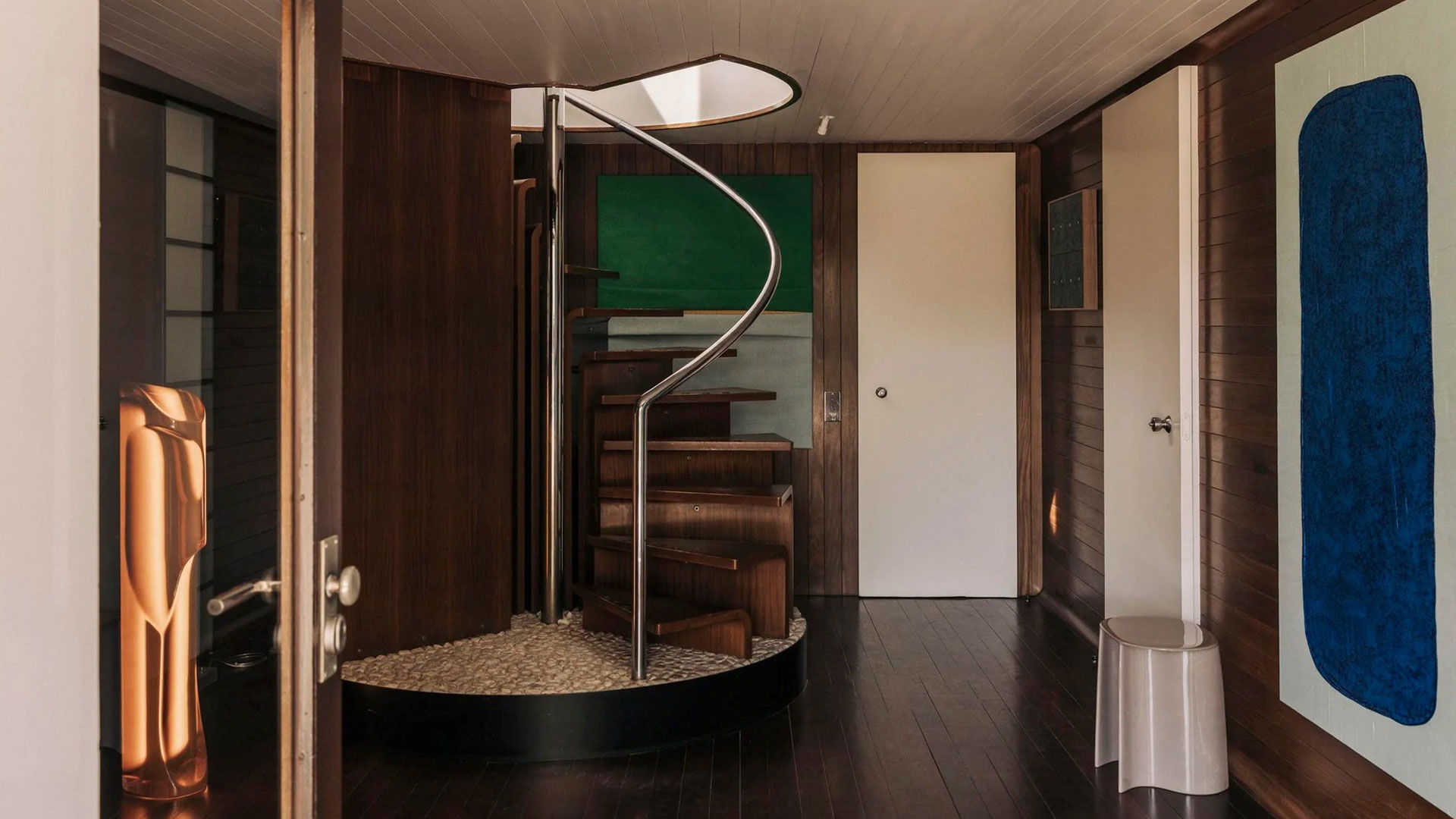
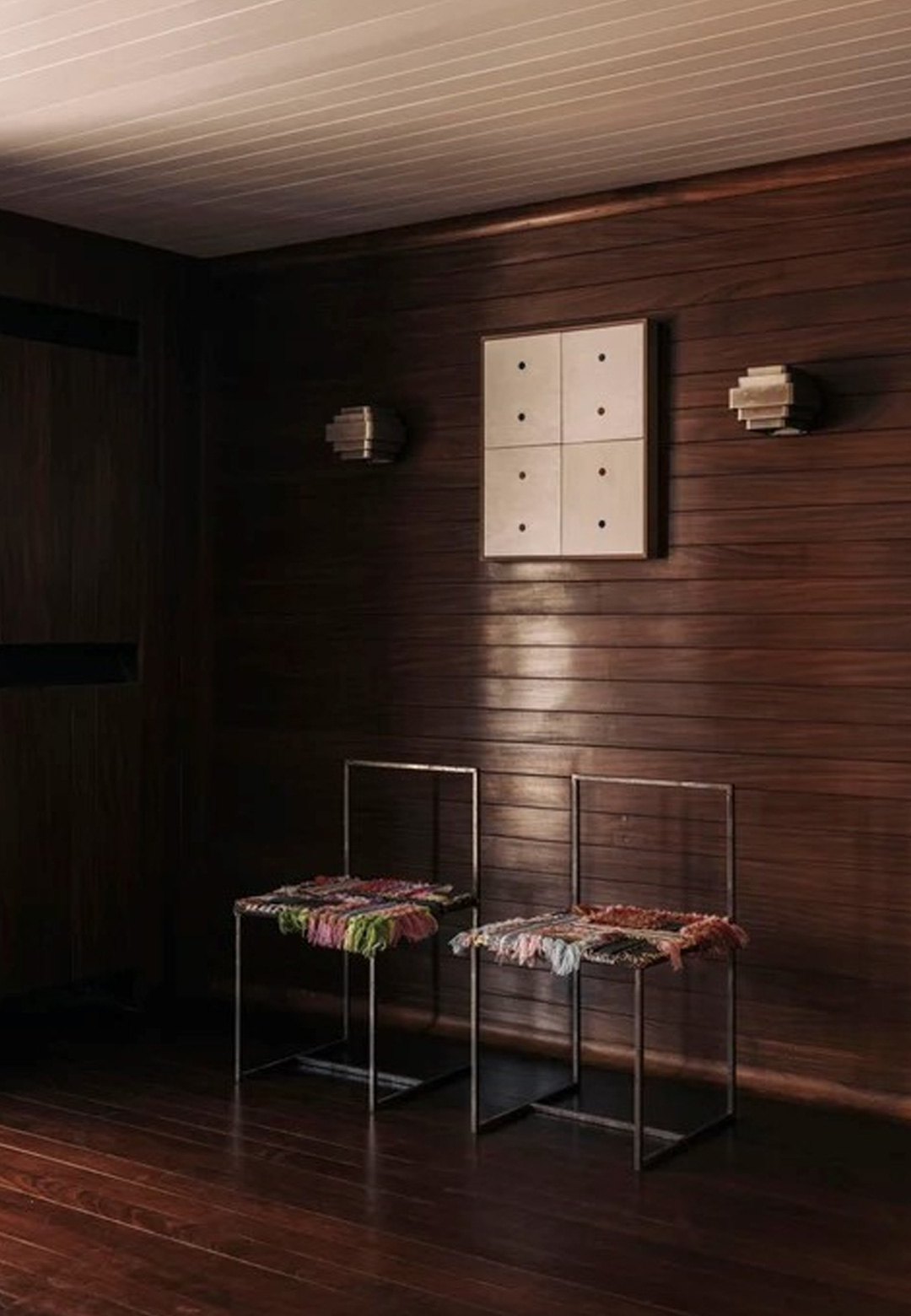
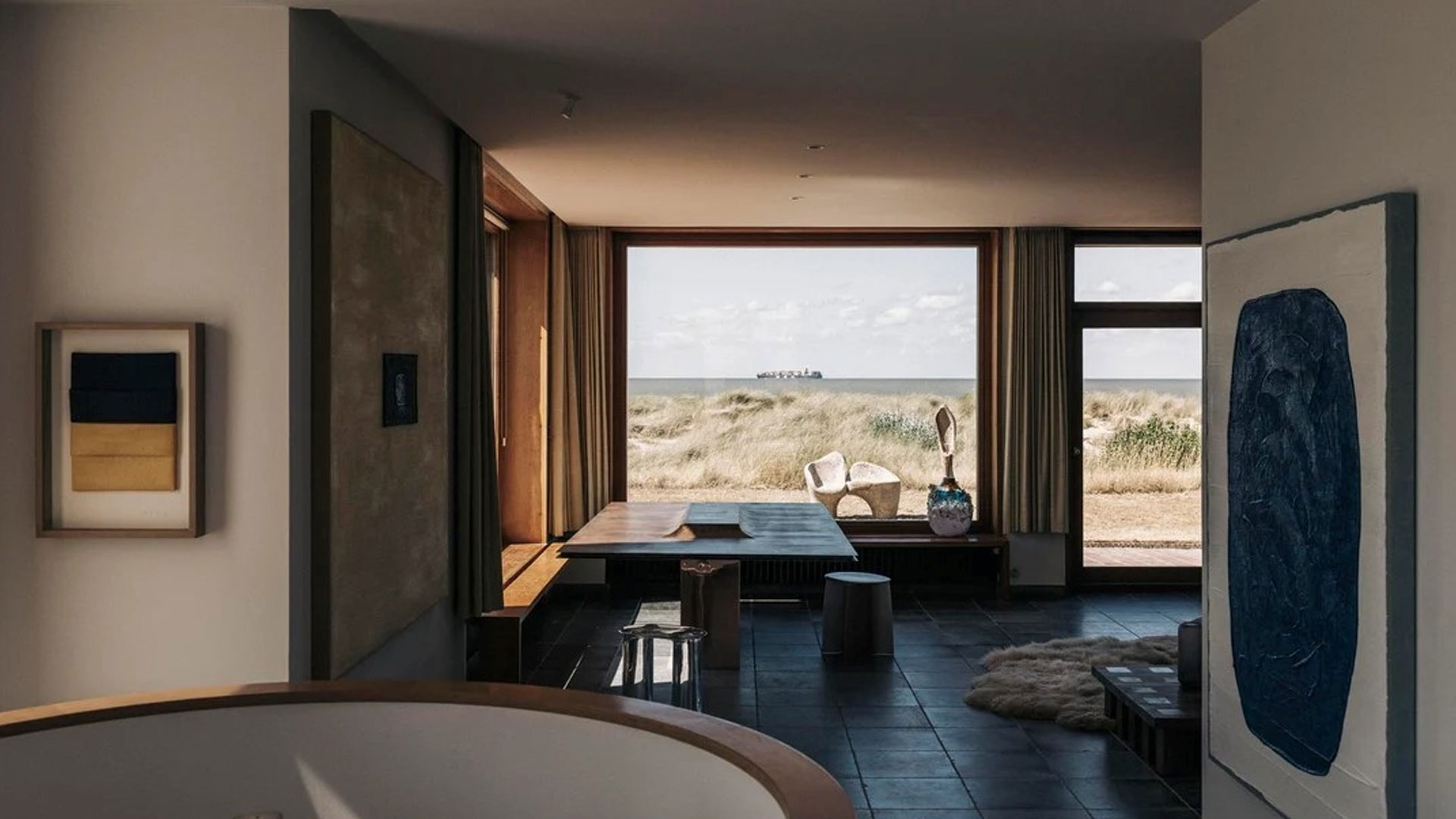
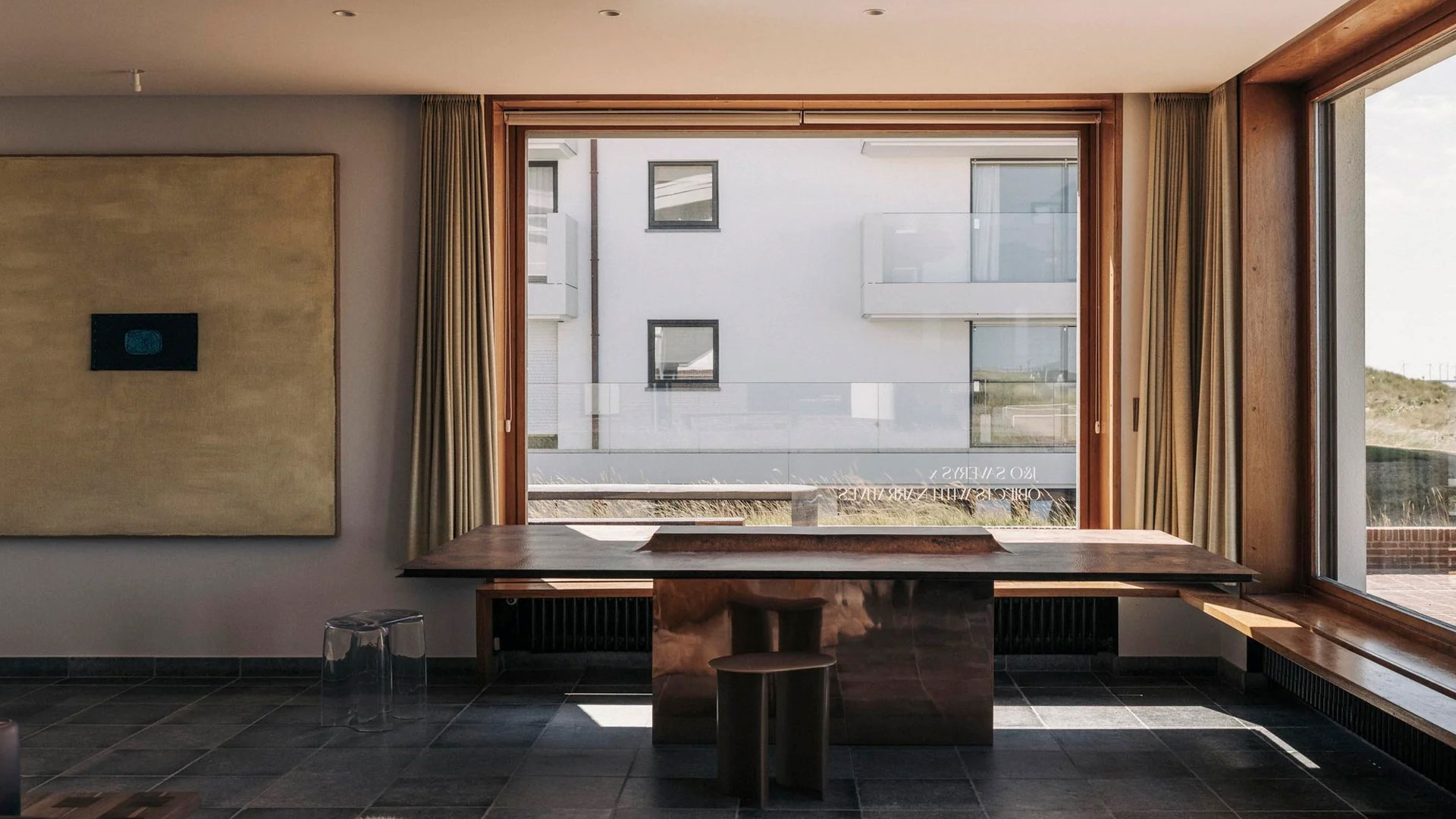
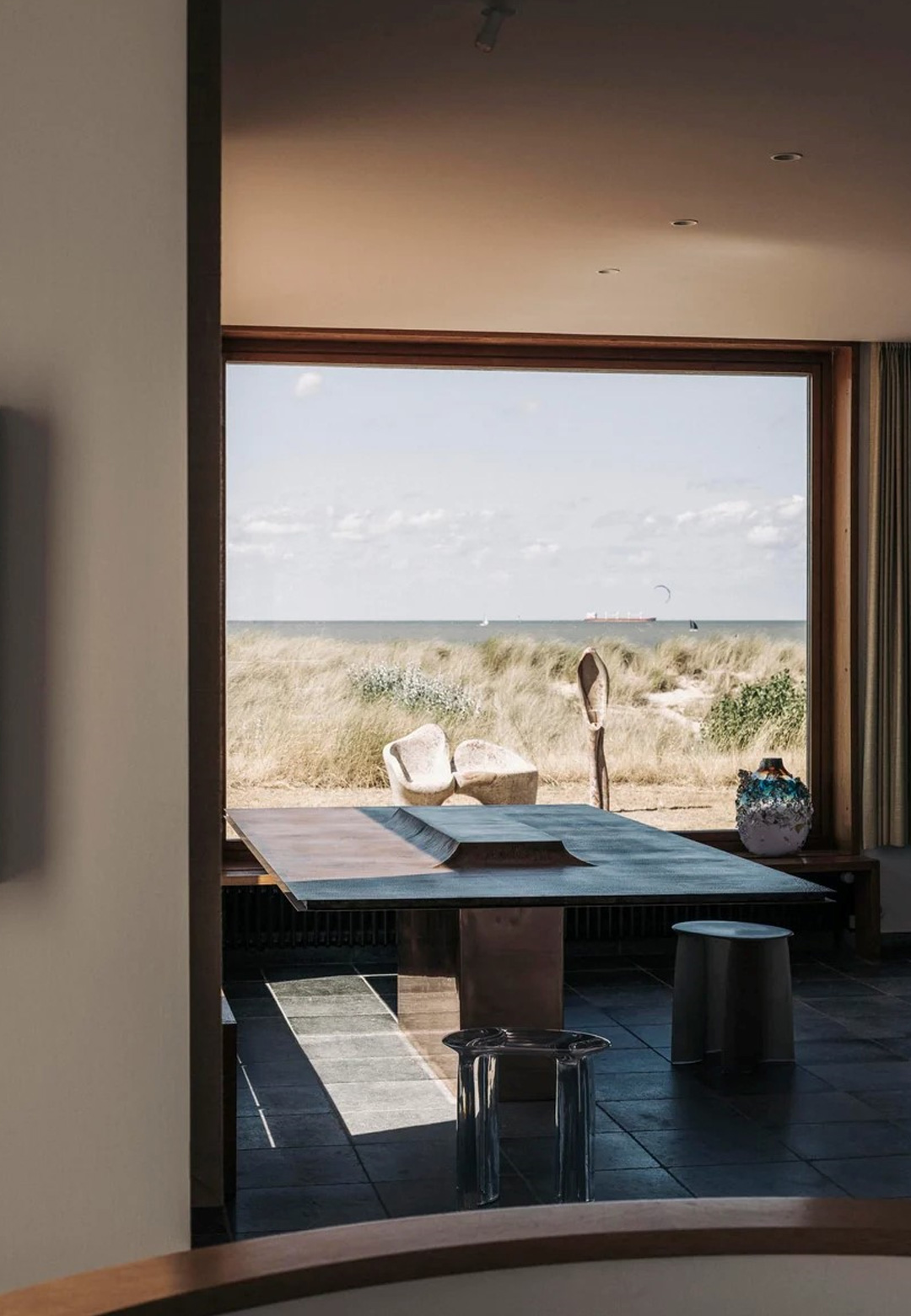
Commissioned by Maurice Colman and completed in 1931, Villa Westhinder was designed by the Belgian architect Henry Van de Velde, who, alongside Victor Horta and Paul Hankar, is widely regarded as one of the founders of the Art Nouveau movement in Belgium. Originally a painter, Van de Velde shared with his patron a deep cultural sensibility, as Colman himself was an ardent lover and collector of art. Located in the small seaside town of Knokke-le-Zoute on the Belgian coast, Villa Westhinder bears the strong influence of the International Style and the Bauhaus movement. Its silhouette stands apart from its surroundings, most strikingly through its flat roof and sweeping horizontal lines, formal gestures that echo the utopian modernist vision of architecture as a vessel for a new way of inhabiting the world. In this sense, the villa resonates with the spirit of Le Corbusier's conception of the house as a machine à vivre, a container not merely for bodies, but for a future yet to be lived.
Introducing to the Belgian seaside the modernist way of living, Van de Velde employs a modular system with plain surfaces, an open plan and simple geometric shapes, a visual language that was, at the time of its construction, a radical proposition directed squarely at what was to come.
Yet to stand inside Villa Westhinder today is to experience something more complex than a purely forward-looking gesture. The house carries within its walls a distinct sense of suspended time, a quality in which past and present seem to coexist rather than succeed one another. The clean lines and rational volumes that once announced the future have, with the passage of decades, acquired the character of memory. There is something in the house that feels at once ahead of its moment and deeply rooted in it, modernism not as rupture, but as sediment.
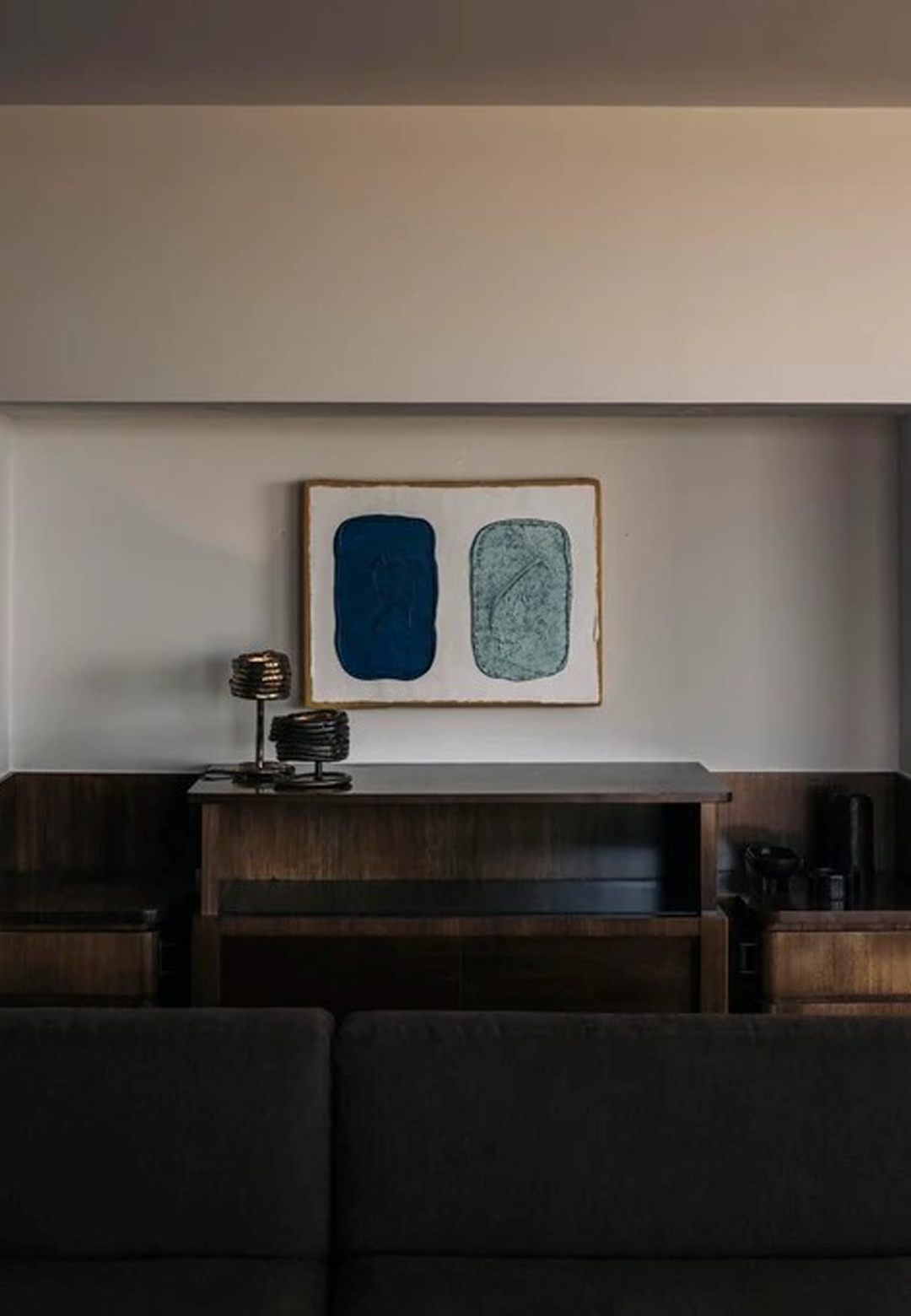
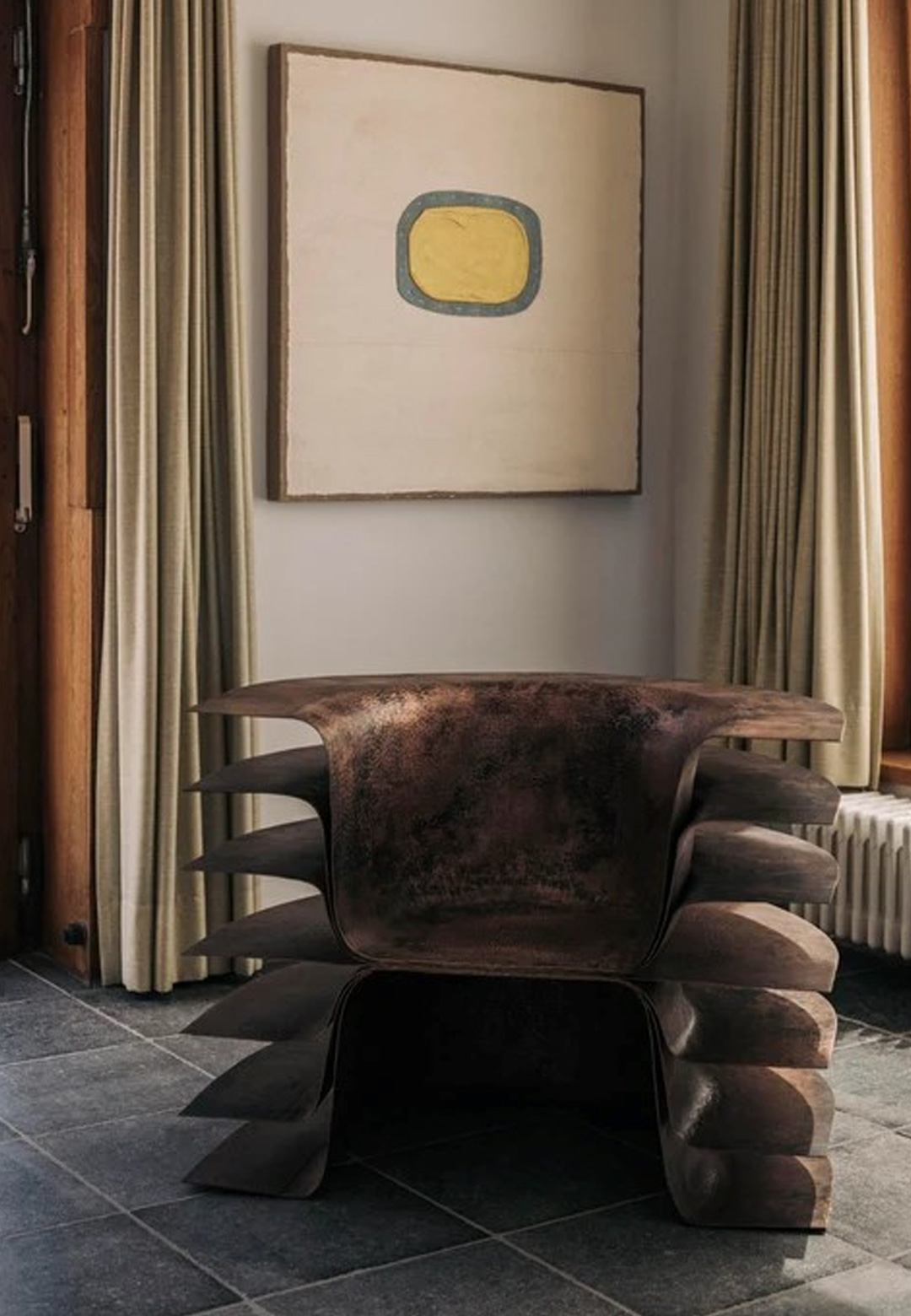
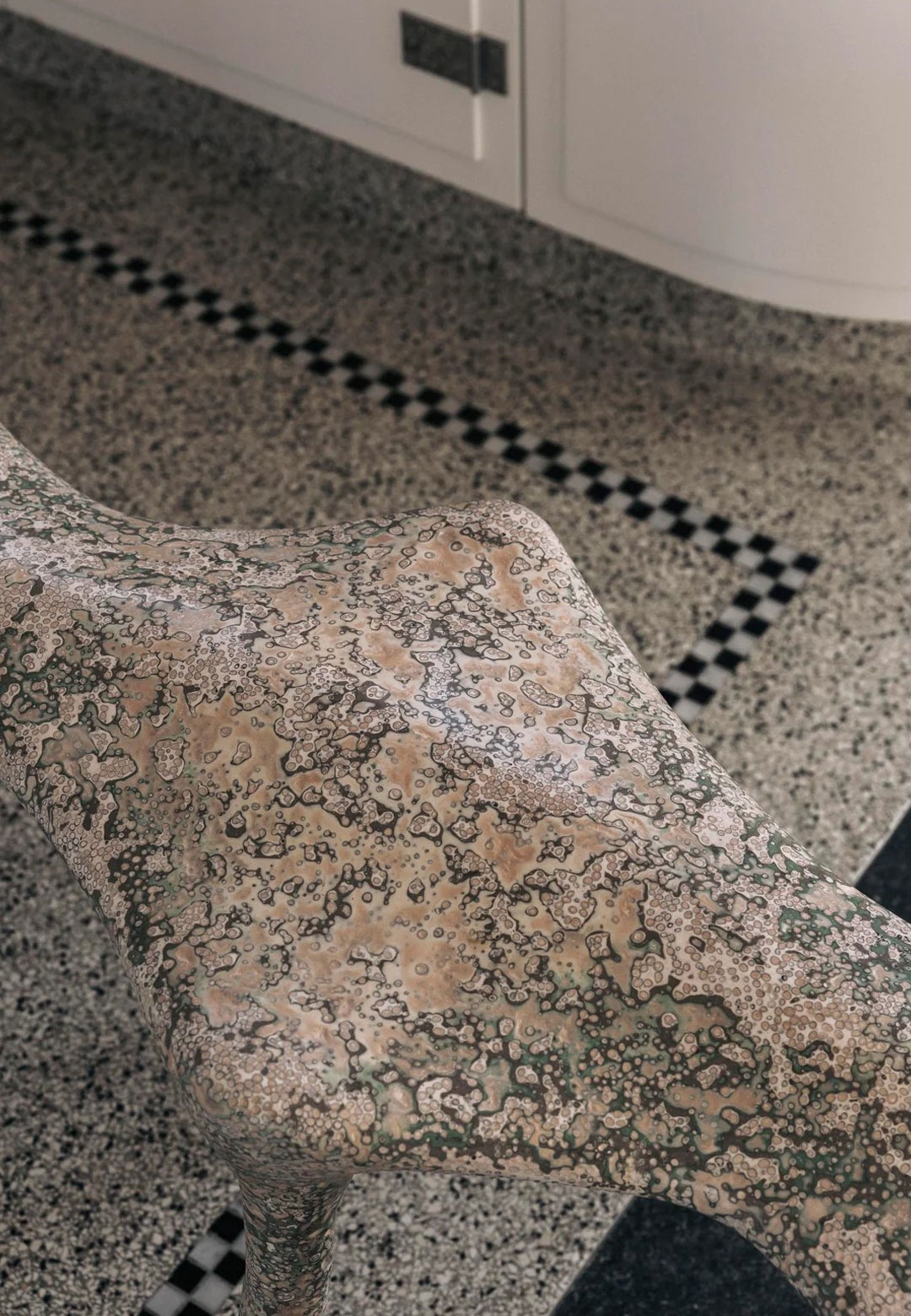
It is precisely this layered quality that OWN's intervention seeks to inhabit. This exhibition sets out to honour the house's history and architecture by bringing together pieces that reflect the iconic past defining its architectural spirit, but through the hands of contemporary artists and craftsmen. The works gathered here share with the villa a certain quality of feeling: objects that carry a vintage sensibility, not in the sense of reproduction or nostalgia, but in the way that their forms, materials and gestures seem to belong to more than one moment at once. Each piece connects, in its own way, to a different thread of time, some evoking the geometric rigour of early modernism, others the tactile warmth of mid-century making, others still the restrained confidence of a craft tradition carried quietly forward.
What emerges is a convergence of multiple timelines within a single architectural space, one shaped by successive interventions, from its original conception to Aurélie Penneman’s redesign of the kitchen and the iconic wooden hallway, resulting in a uniquely layered spatial experience. Rather than imposing a uniform contemporary voice onto a historic setting, OWN's intervention allows multiple moments to cohabit, each object bringing its own temporal signature, its own embodiment of a particular era, while remaining in quiet dialogue with the house that holds them.
The fundamental question animating this project is one of belonging: how can contemporary works find their place within an architecturally charged and historically loaded environment without erasing what came before? The answer proposed here is not assimilation, but resonance, a careful orchestration of forms, old and new, that makes the house feel not frozen in time, but richly, generously alive within it.



 Sign in with Google
 Sign in with email