Enter your details to sign in
Don’t have an account?
Sign upOr you can sign in with
a single account for all
STIR platforms
All your bookmarks will be available across all your devices.
Stay STIRred
Already have an account?
Sign inOr you can sign up with
Verification link sent to check your inbox or spam folder to complete sign up process



We use cookies and similar technologies, to help provide you with a better, faster, and safer experience while delivering content
tailored to your interests.
By clicking on the AGREE button, closing this banner, clicking or navigating the website, you consent to the use of all cookies and similar technologies for the purposes we describe in our
Privacy Policy.
We use several cookies that are related to the functionality, security & user preferences,
analytics, and advertising. While some are essential, you may choose to dis-allow the use of others.
Please choose your preference, or opt for the best experience by closing this banner, clicking or navigating the website.
For more detailed information please read our Privacy Policy
 Connect
Connect
Connect





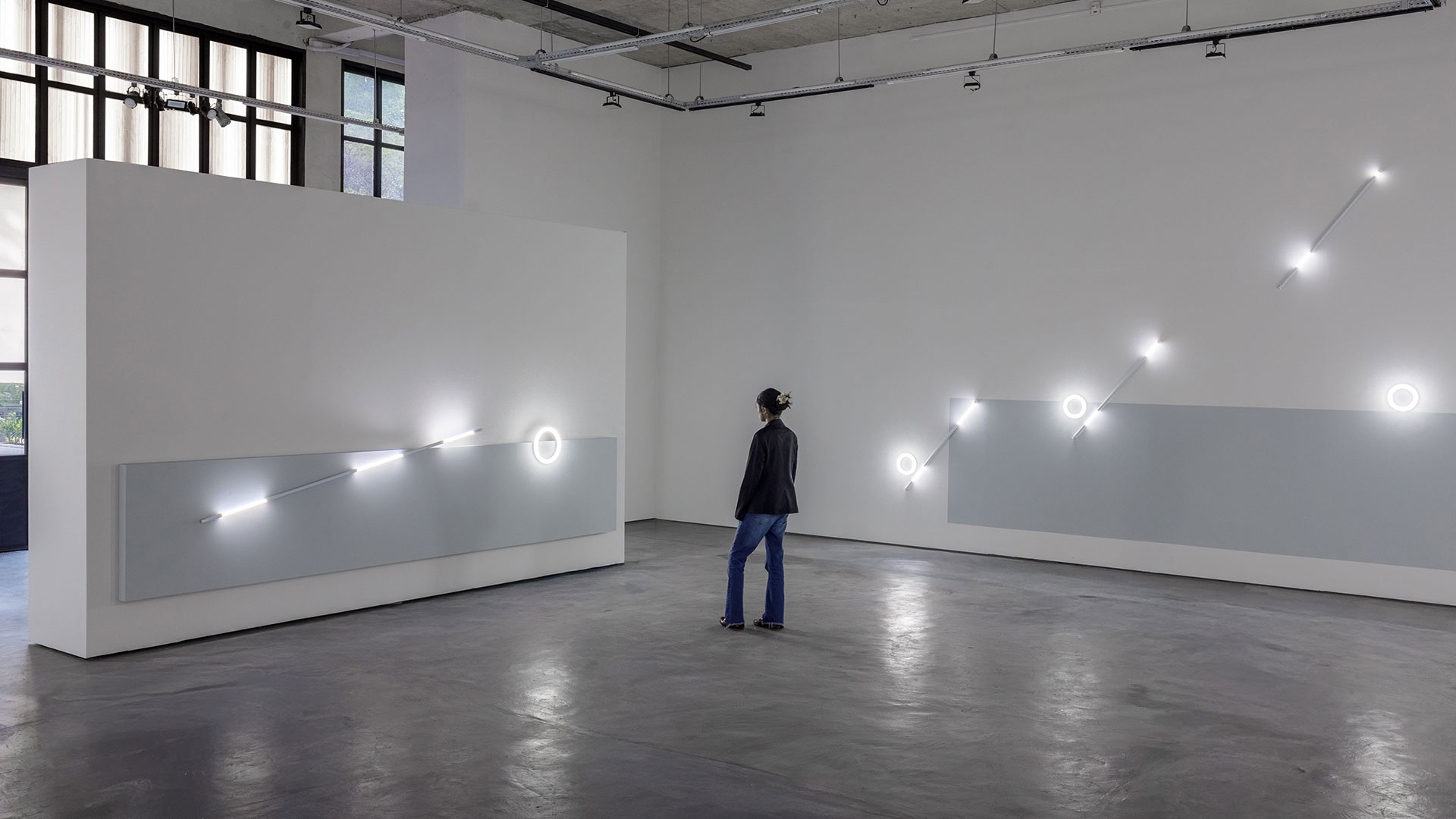
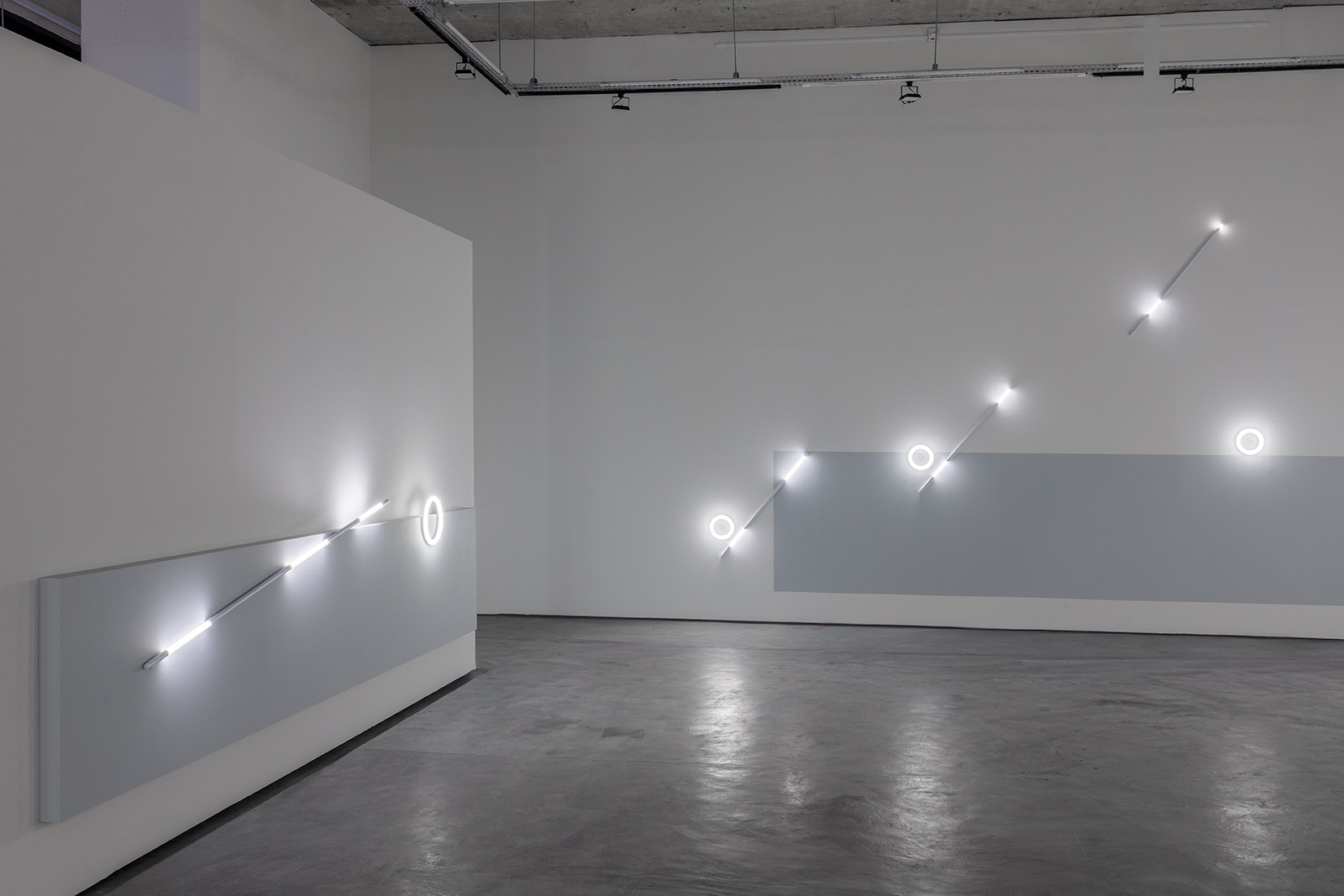
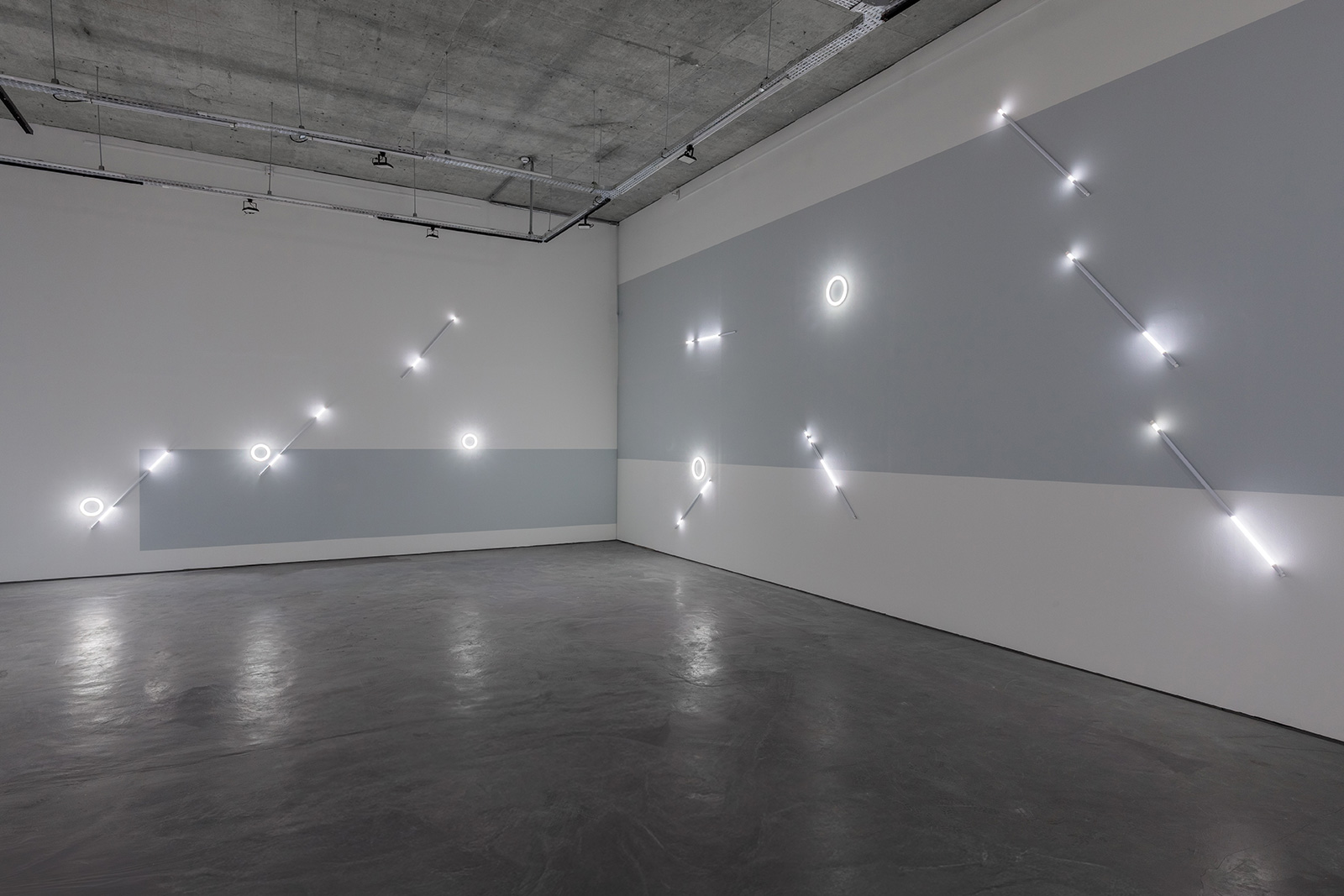
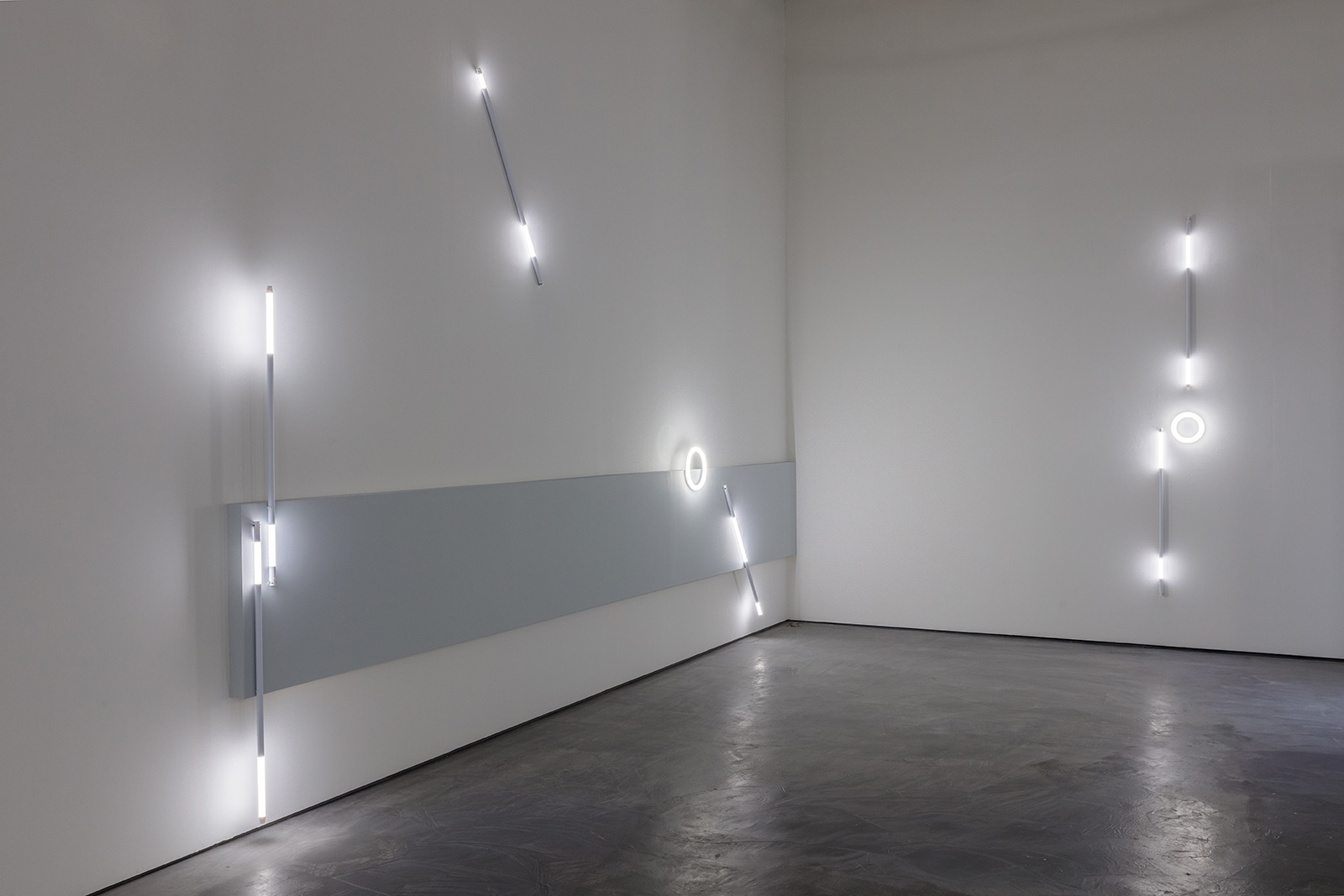
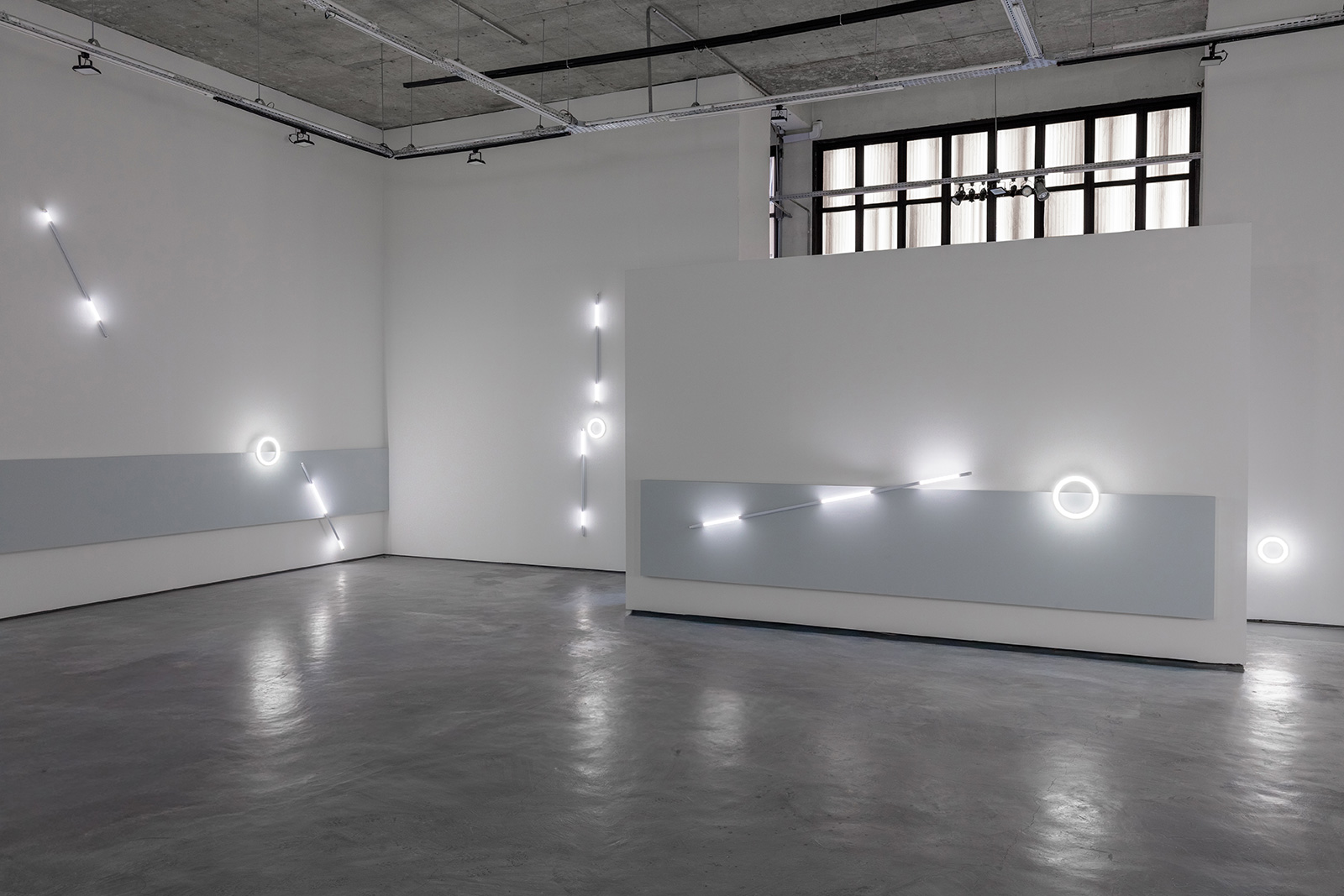
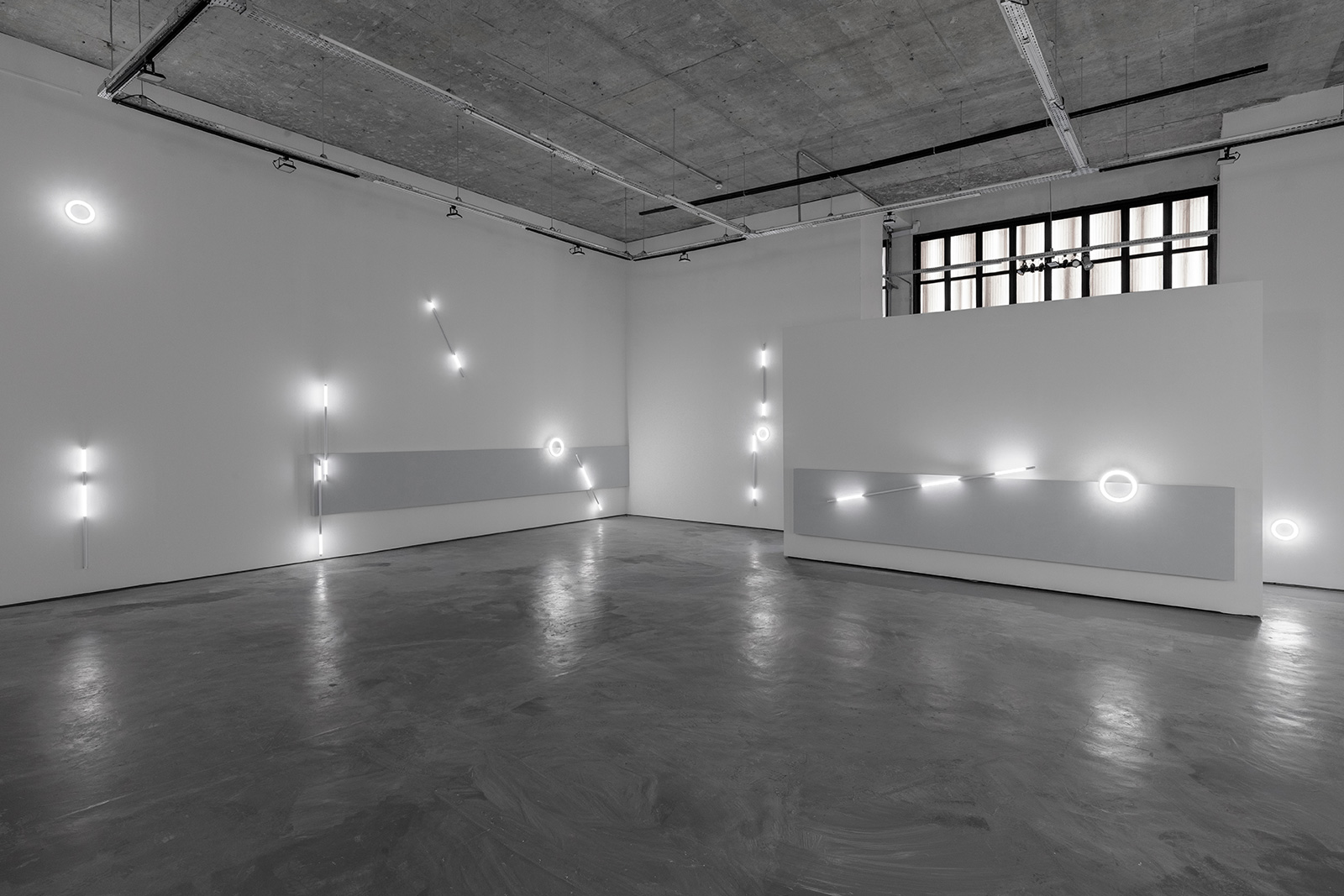
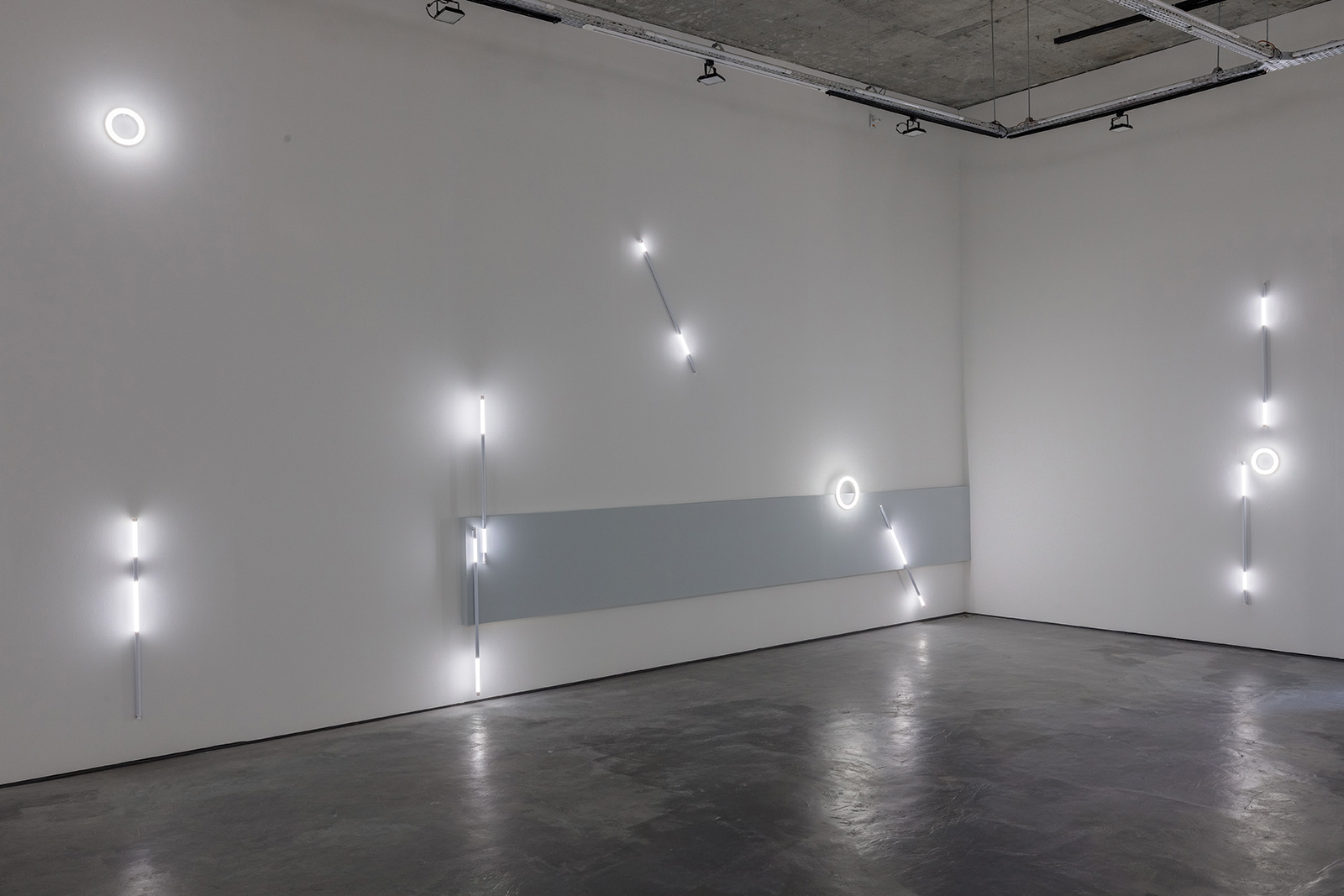
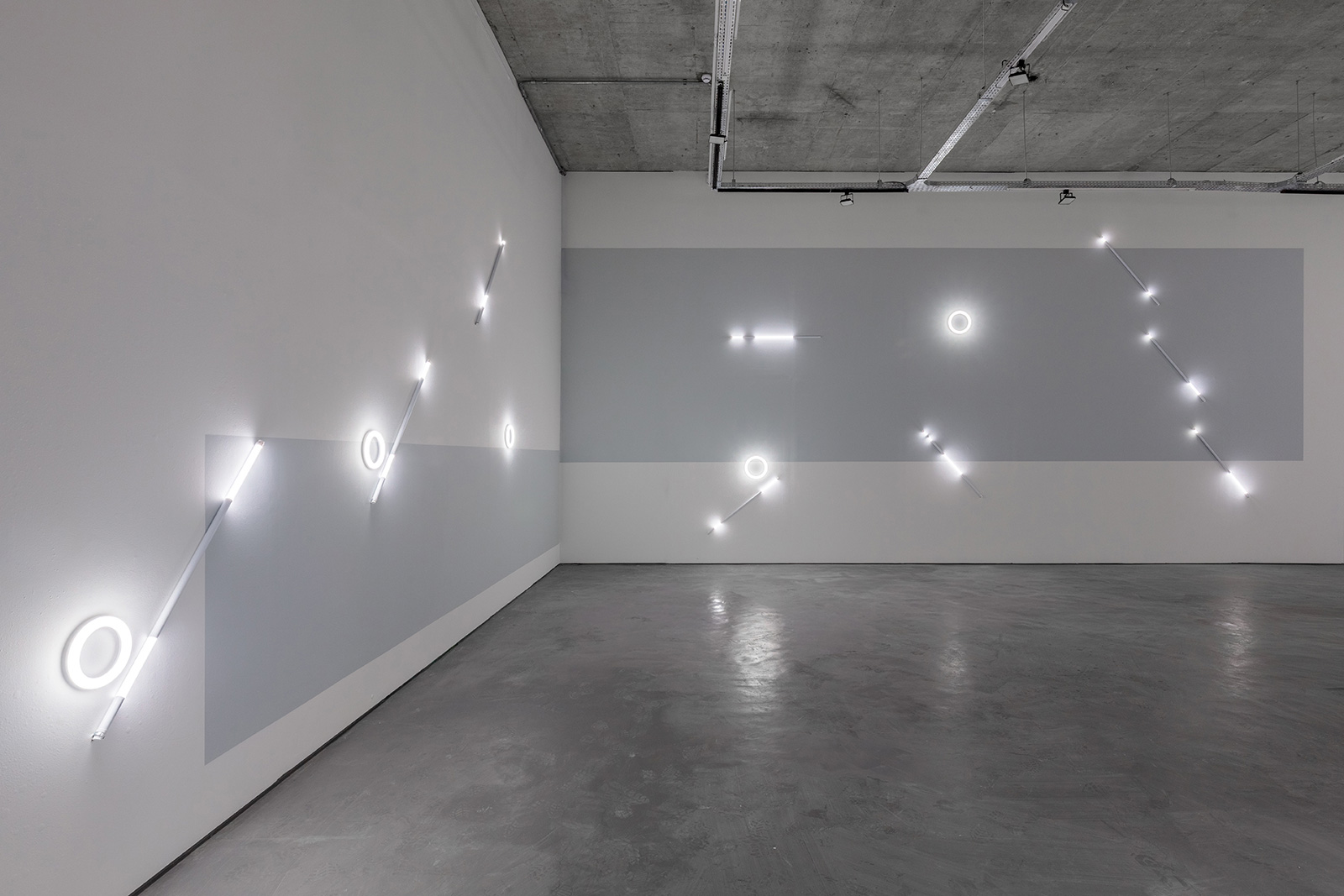
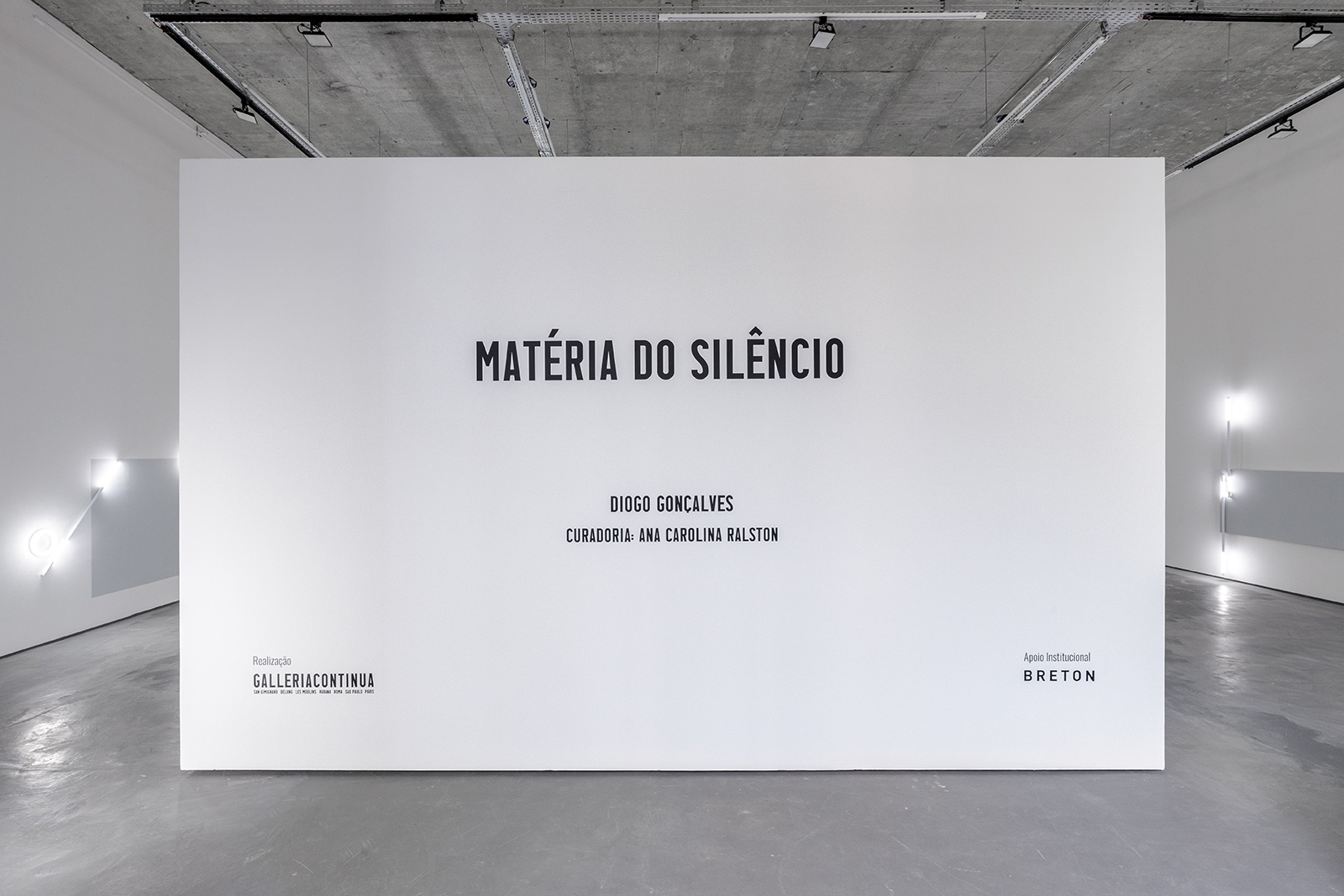
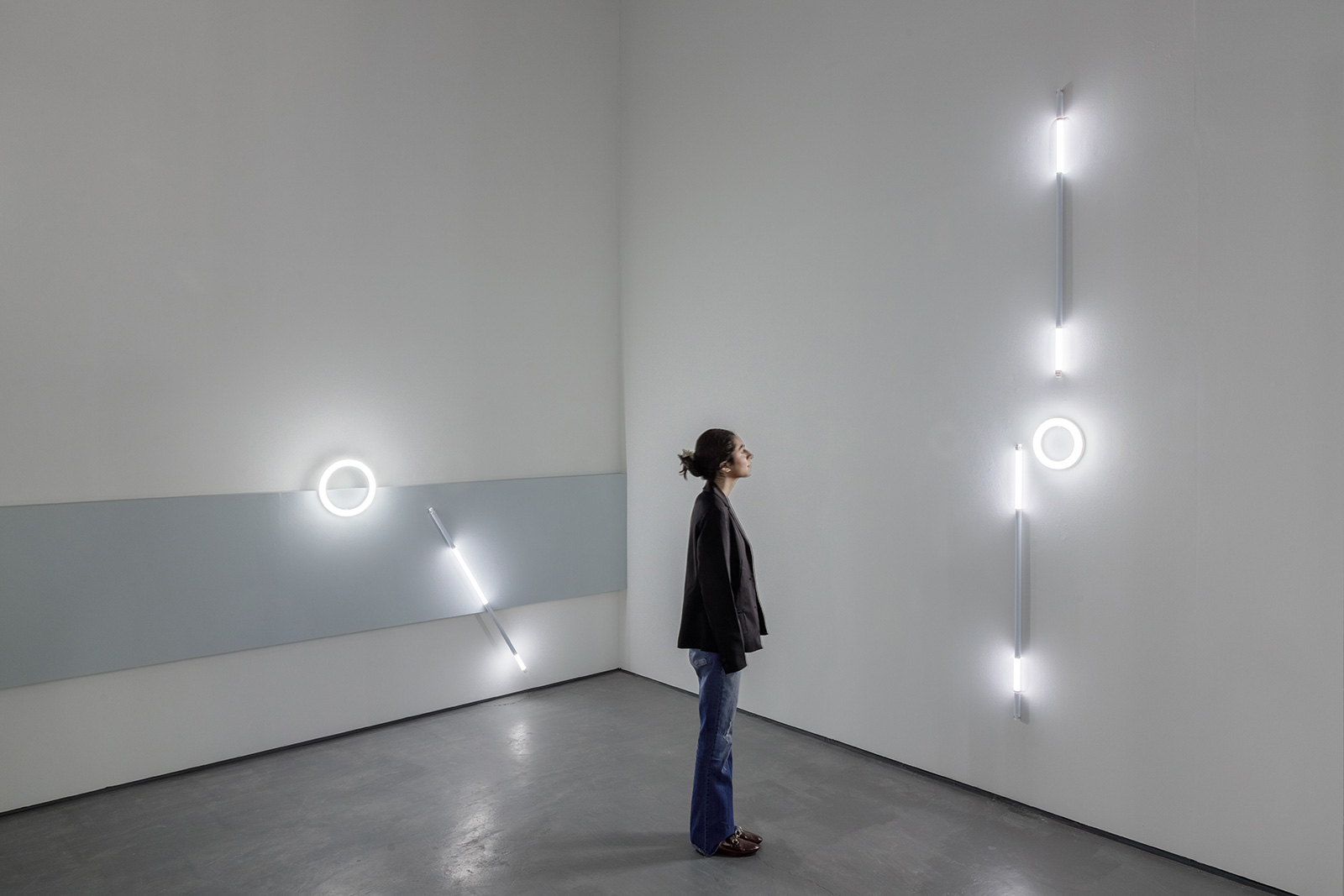
There is a short moment in the day when colours begin to fade. Light ceases to belong to things and comes to inhabit the space between them. It is in this gap—when substance seems weaker and the hiatus acquires volume—which Diogo Gonçalves builds his work. His sculptures seek to listen to their environment. Between the minimal presence of a line of light and the vastness of the void surrounding it, a silent poem emerges, composed of intervals, hesitations and apparitions. Light shifts from an instrument of visibility to a kind of language—a language which does not describe the world but creates the conditions for it to be felt.
If such poetry can occur only through the use of words and silences, the works, now gathered at Galleria Continua, São Paulo, are defined by the delicate tension between presence and absence. Each circuit made by these lamps of light seems to carry the memory of various other possible forms, as if the artist were working less through addition than [through] its loss. The gesture consists of subtracting, condensing and drawing closer to the essential. It is not a matter of reducing the world, but of creating the conditions for its invisible layers to emerge. Each gleaming trace maintains the force of many others. The form which presents itself does not appear as a definitive statement, but as the provisional deployment of countless latent possibilities.
His practice reveals a rare trust in the emptiness. The negative space ceases to be merely what remains between objects and becomes a sensitive substance—a field of imagination and lived experience. The line of light makes perceptible what escapes the hurried gaze. The viewer is invited to inhabit a state of attention. Perhaps this is why Gonçalves aligns his work with poetry—not because they translate something into words, but because they share a common condition: that of insinuating rather than asserting or just saying. As the philosopher Maria Zambrano wrote, poetry seeks elements unable to be clearly and comprehensibly spoken. The artist’s sculptures, too, seem to be generated from this threshold—this borderland where substance becomes almost immaterial and the light, rather than dispelling the mystery, embodies a provisional presence.
For the philosopher Gaston Bachelard, every poetic image heralds an emergence of language as well as a type of inhabiting the world. In Gonçalves’s work at large, this act of dwelling originates from the gesture. Even when his pieces take the form of video, installation or 3D animation, the memory of the hand remains within them: pushing, collecting and lifting the substance. Technology does not replace the sculptural experience; it becomes its day after. The artist establishes no hierarchy between physical and digital realms. Both constitute fields of research, surfaces upon which sculpture can manifest itself. What matters is not the medium, but the possibility of forging relations, tune boundaries, and spot what had previously remained underneath. This line of light—a recurring element in his practice—carries the simplicity of elemental gestures alongside the complexity of a thought which turns on through successive approaches.
There is a truth profoundly ethical in this scarcity of means. Rather than saturating the exhibition room and its walls, his light sculptures invite listening: they reveal the density of the air, the almost imperceptible vibration of light and the thickness of the intervals. Each piece seems to remind us that space is not empty, but a field of forces, memories and possibilities. Perhaps this is the rare originality of the silent poem of Gonçalves follows to create: not a poem written about light, but one written with it. It is a minimal language composed of appearances and suspensions, in which every enlightened line seems to affirm that the world still preserves invisible universes.



 Sign in with Google
 Sign in with email