Enter your details to sign in
Don’t have an account?
Sign upOr you can sign in with
a single account for all
STIR platforms
All your bookmarks will be available across all your devices.
Stay STIRred
Already have an account?
Sign inOr you can sign up with
Verification link sent to check your inbox or spam folder to complete sign up process



We use cookies and similar technologies, to help provide you with a better, faster, and safer experience while delivering content
tailored to your interests.
By clicking on the AGREE button, closing this banner, clicking or navigating the website, you consent to the use of all cookies and similar technologies for the purposes we describe in our
Privacy Policy.
We use several cookies that are related to the functionality, security & user preferences,
analytics, and advertising. While some are essential, you may choose to dis-allow the use of others.
Please choose your preference, or opt for the best experience by closing this banner, clicking or navigating the website.
For more detailed information please read our Privacy Policy
 Connect
Connect
Connect





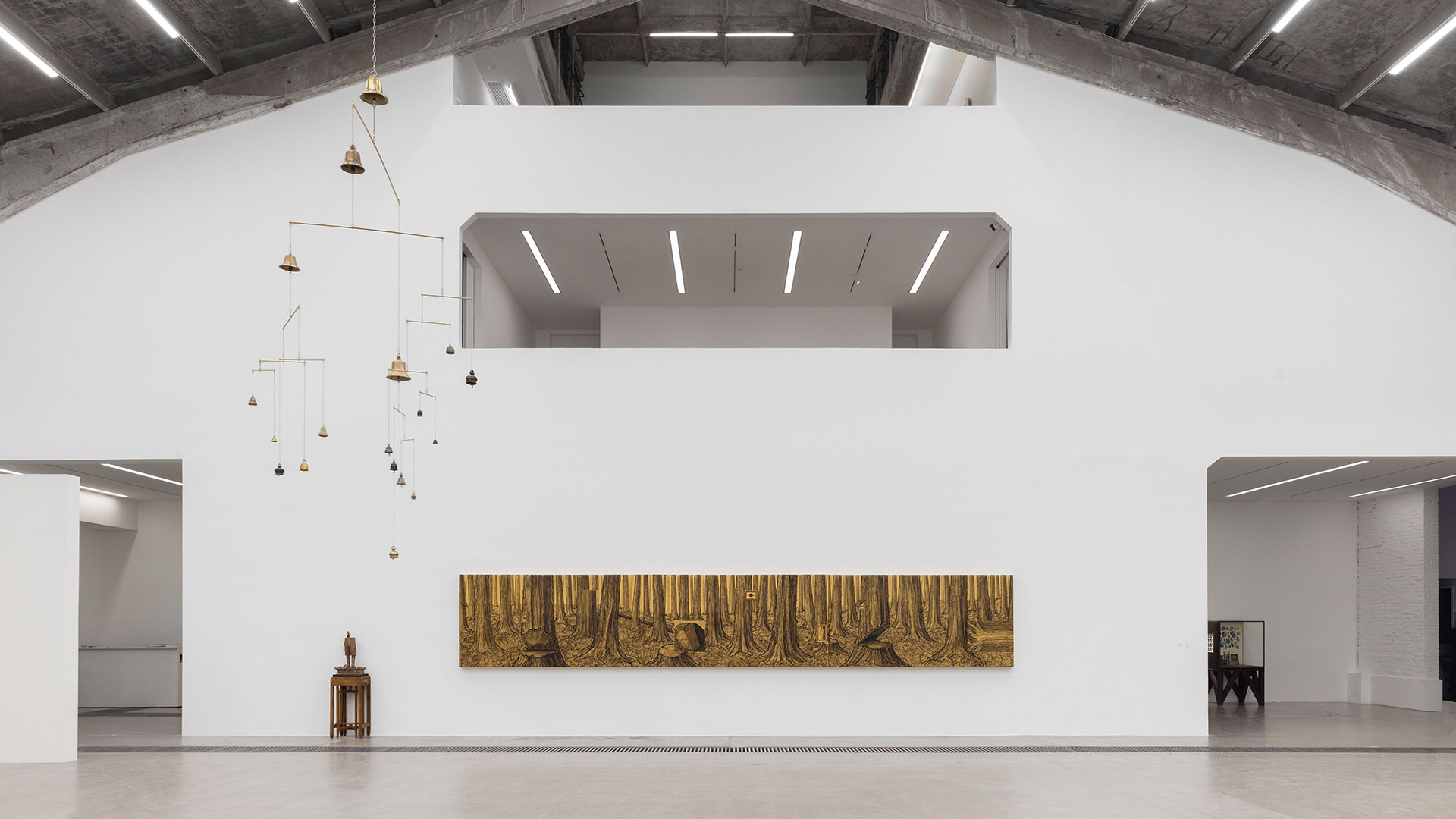
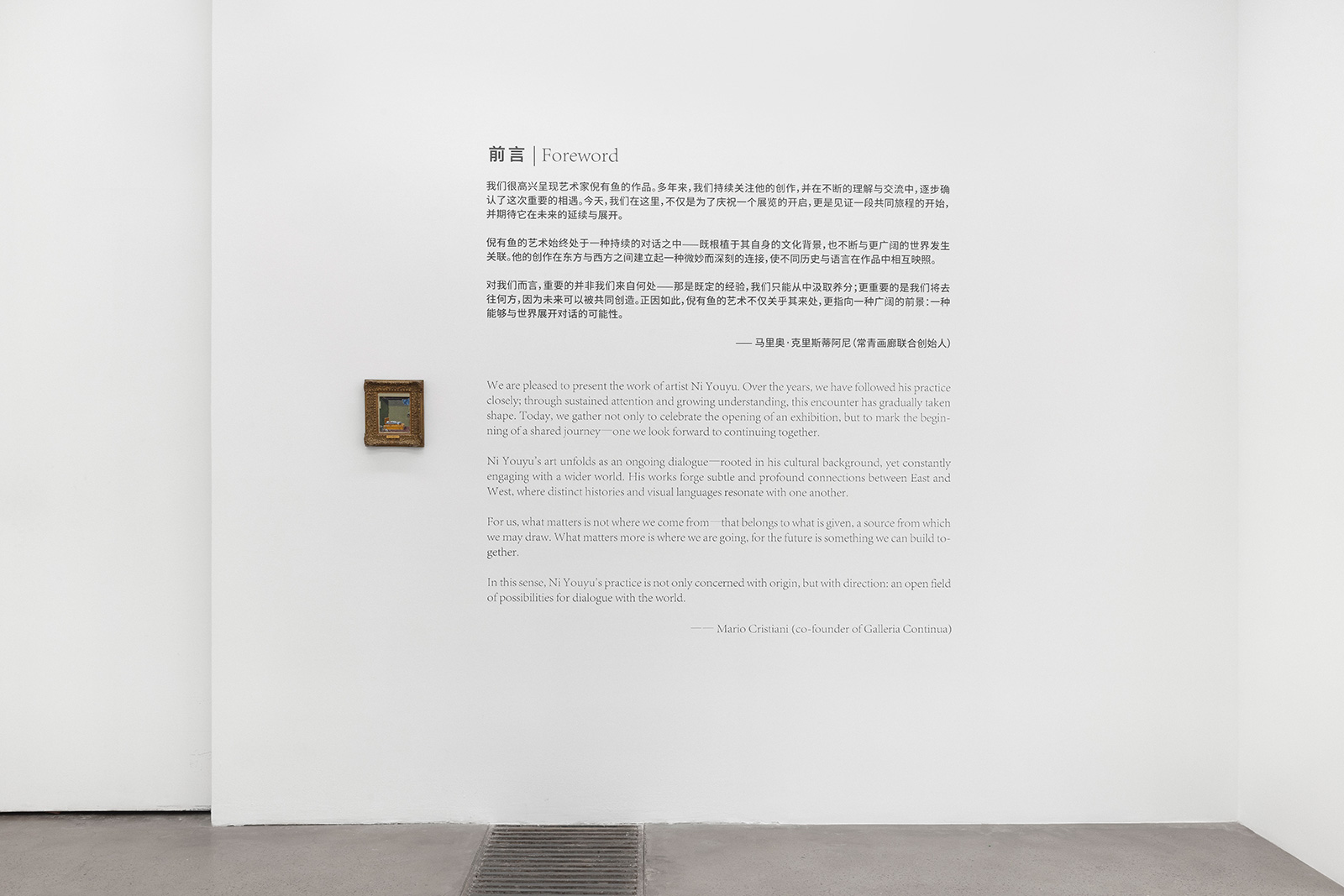
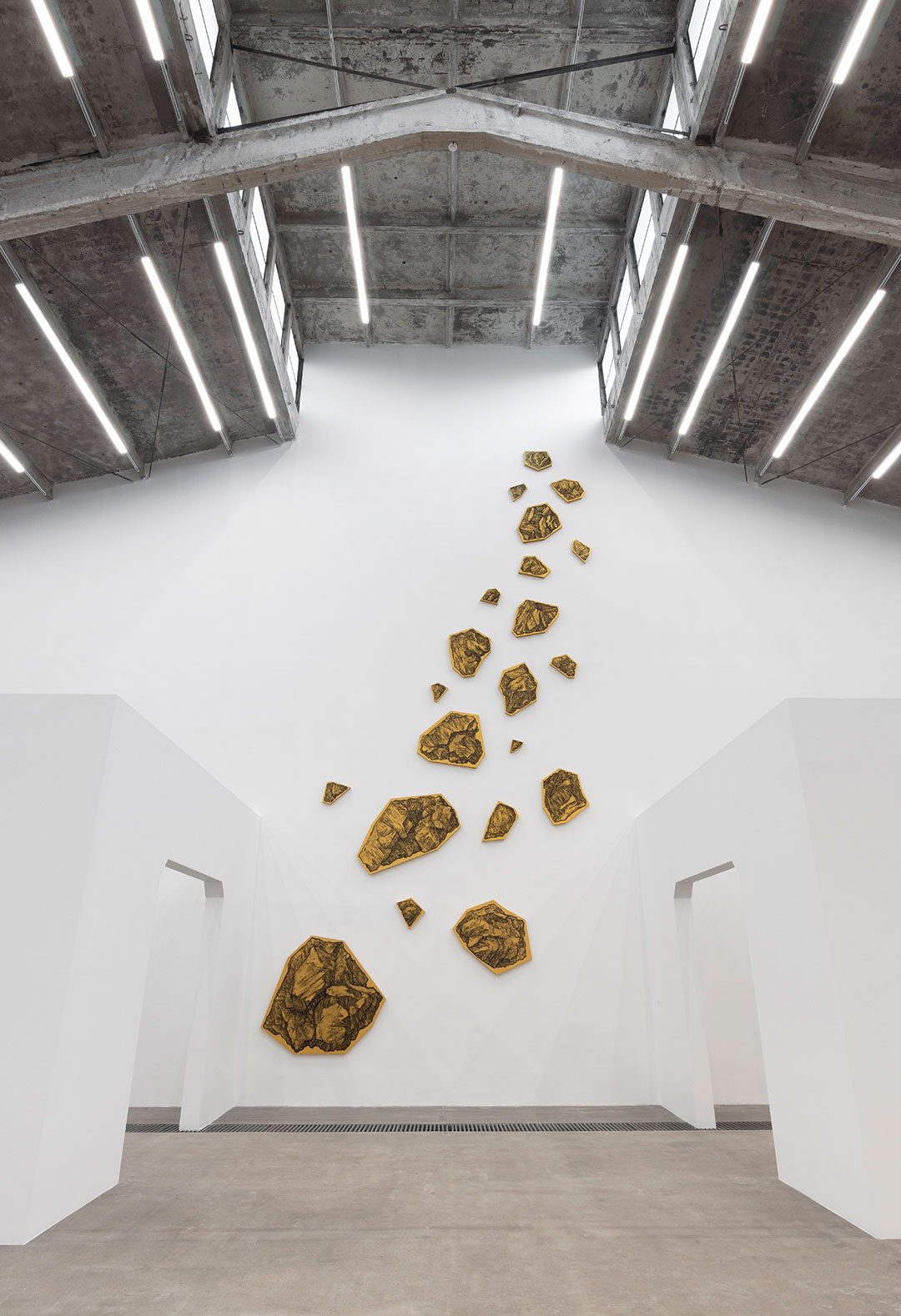
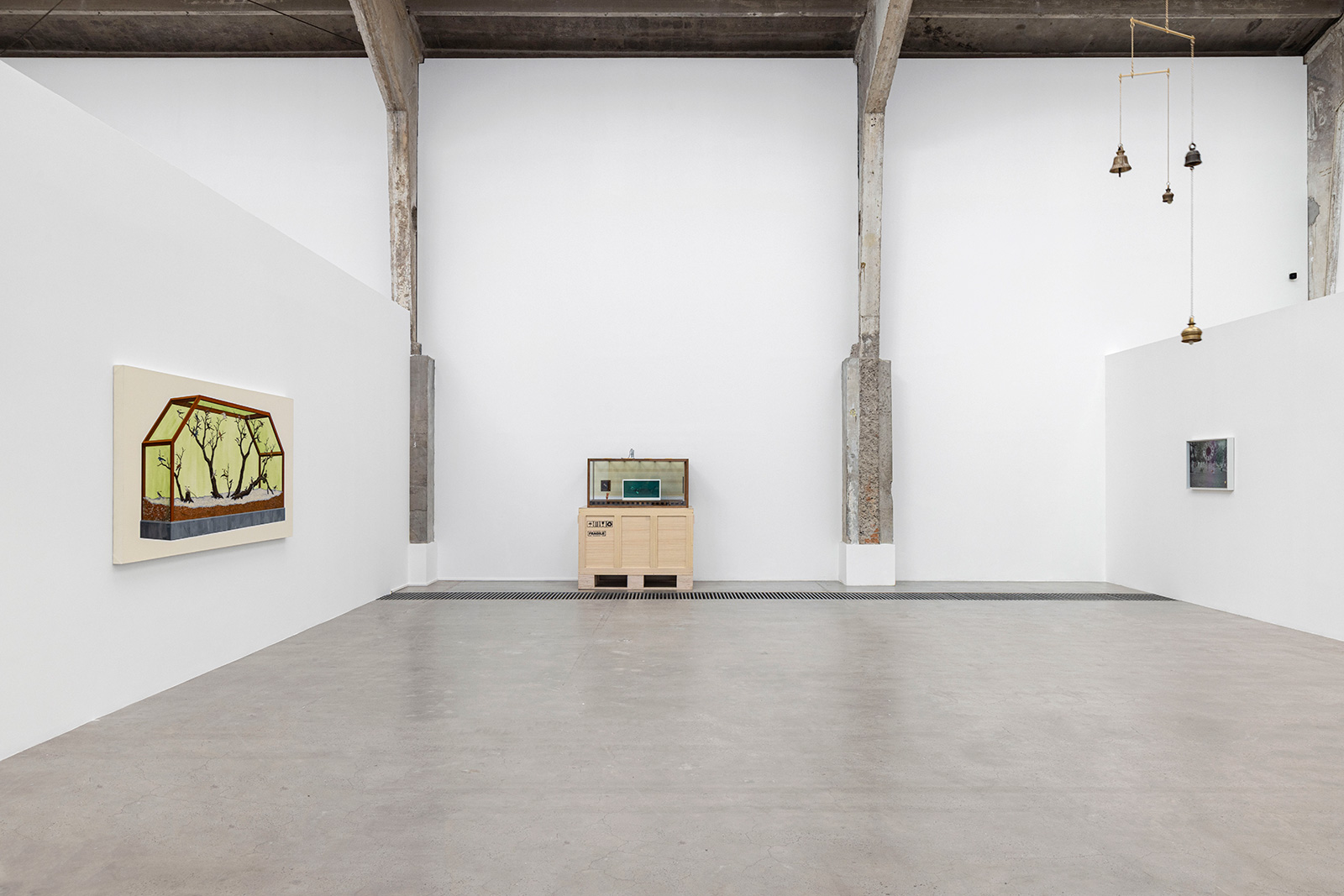
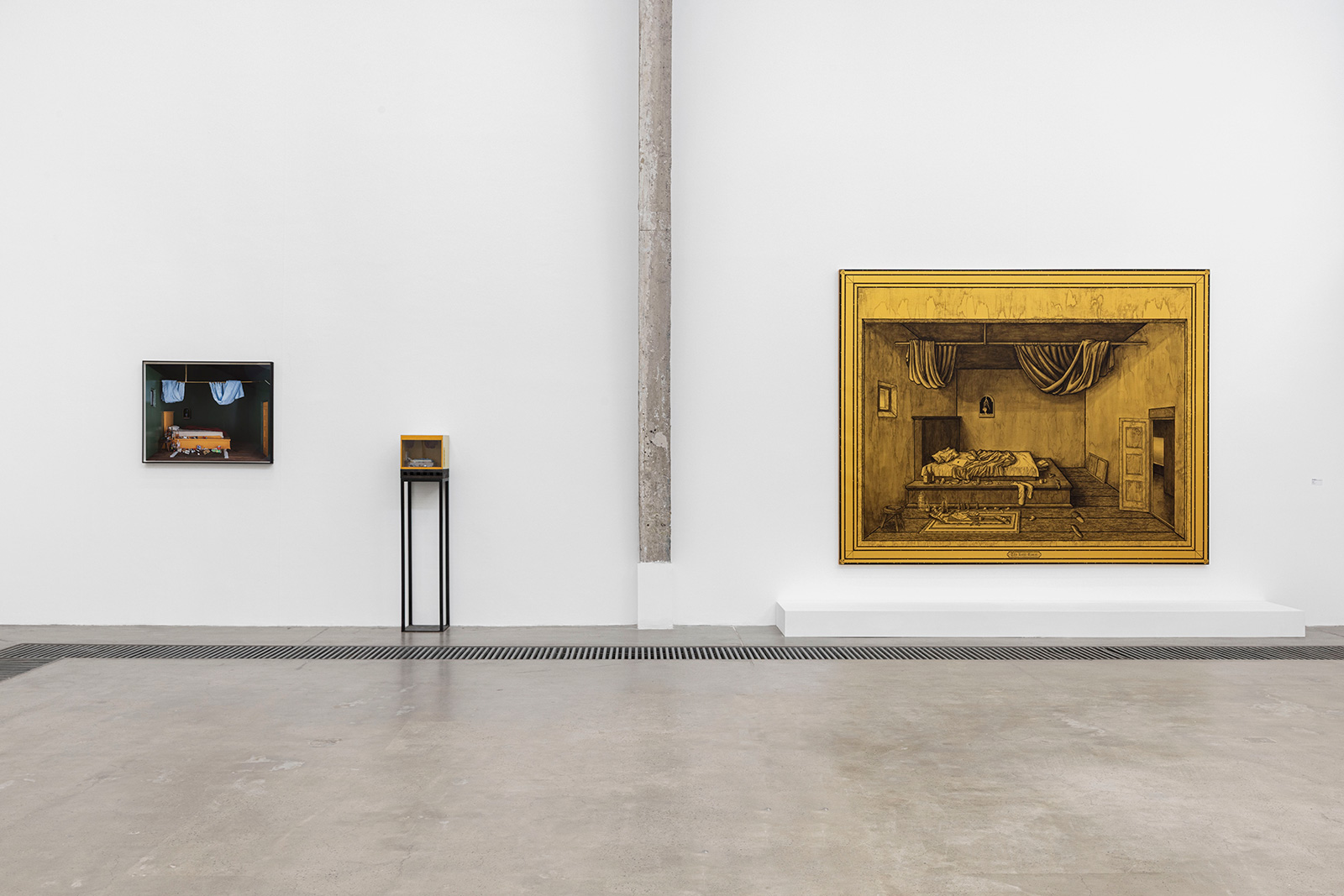
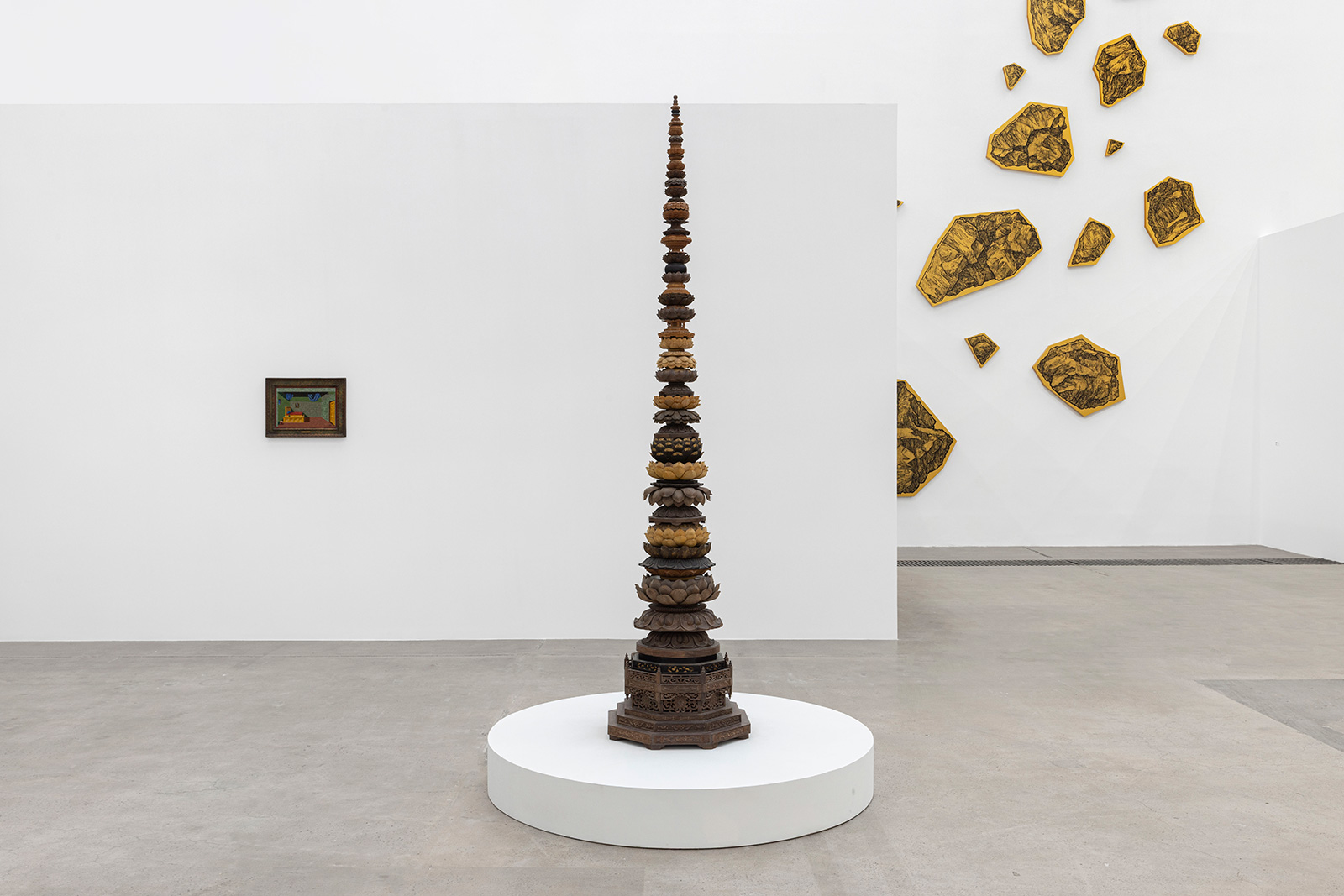
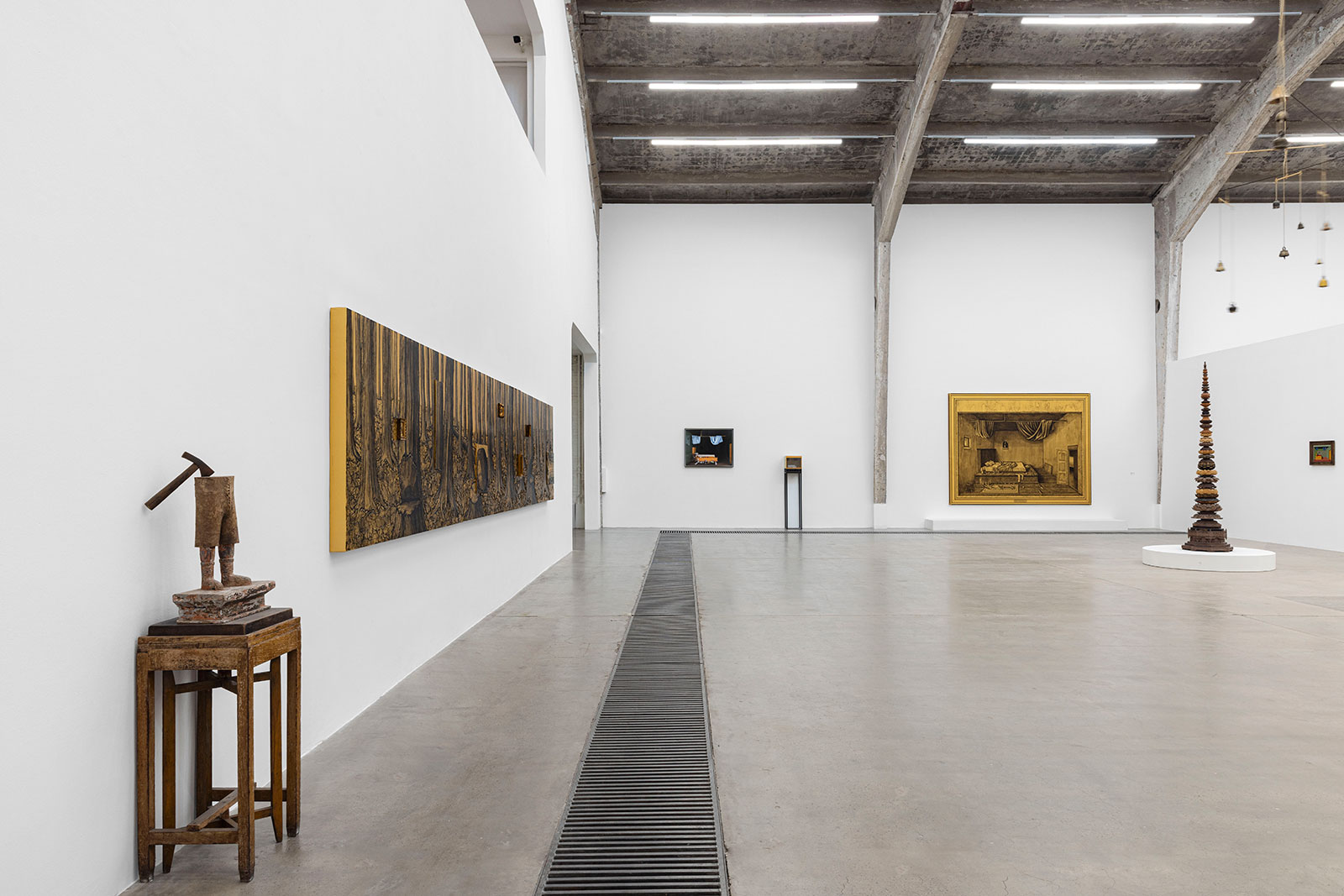
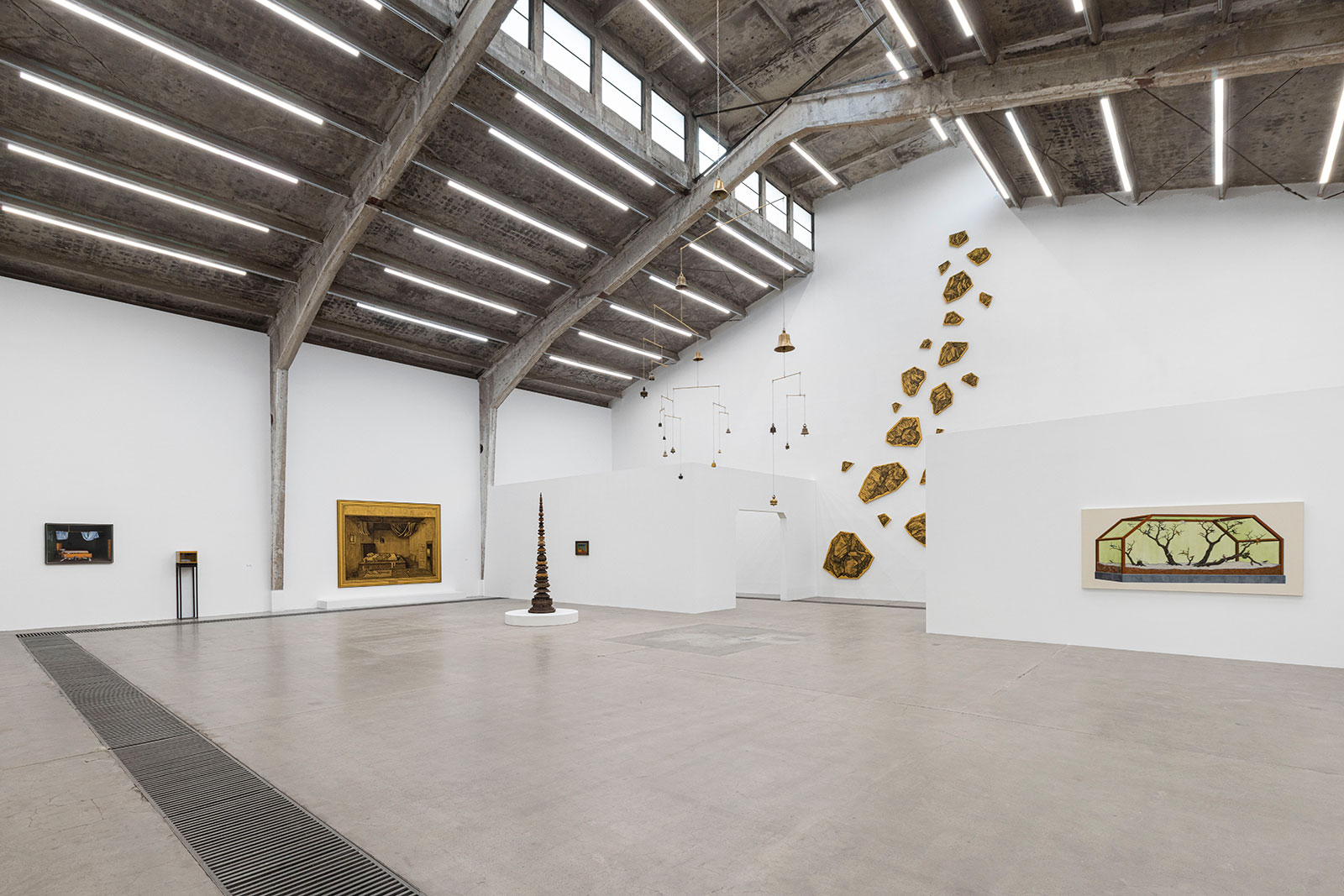
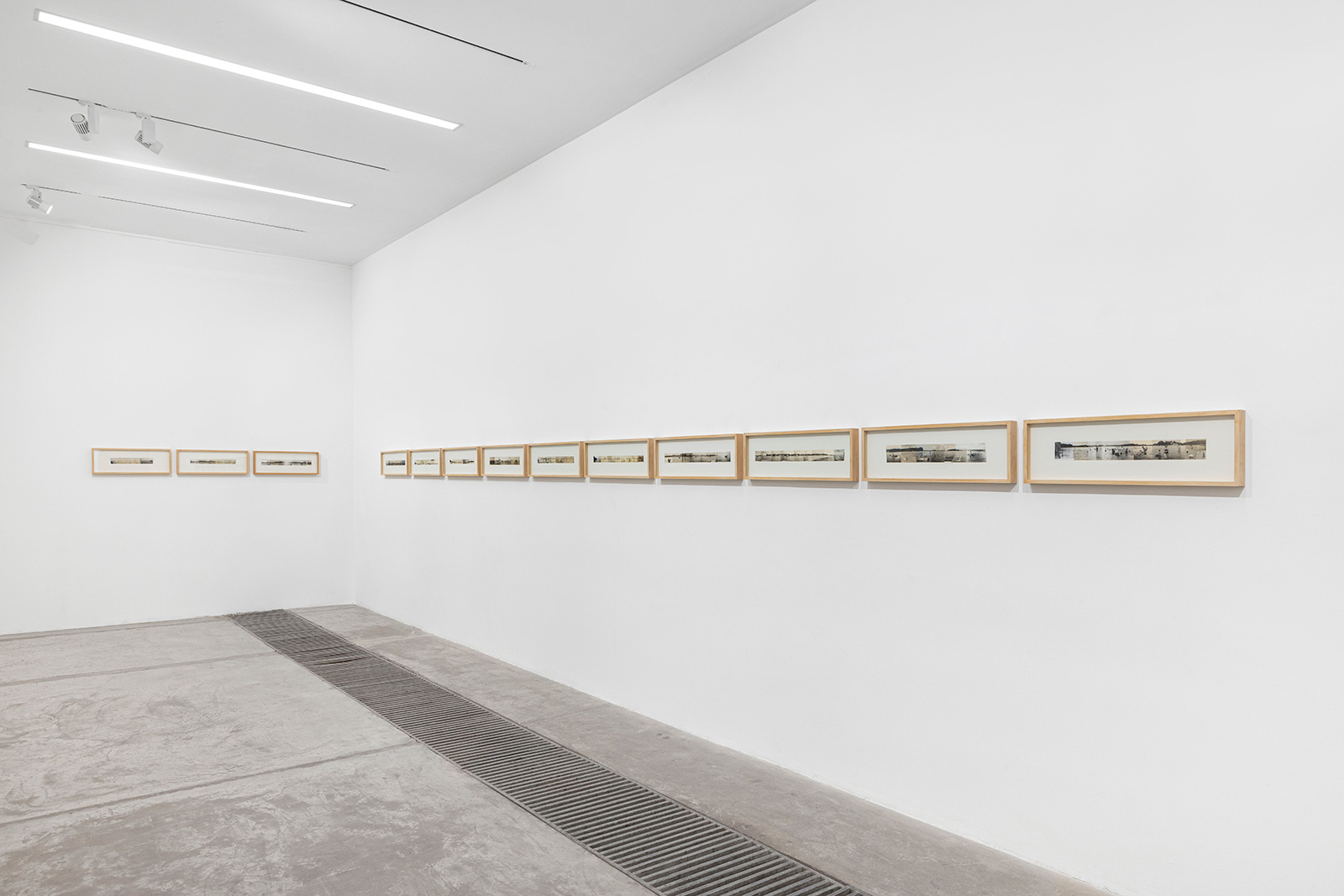
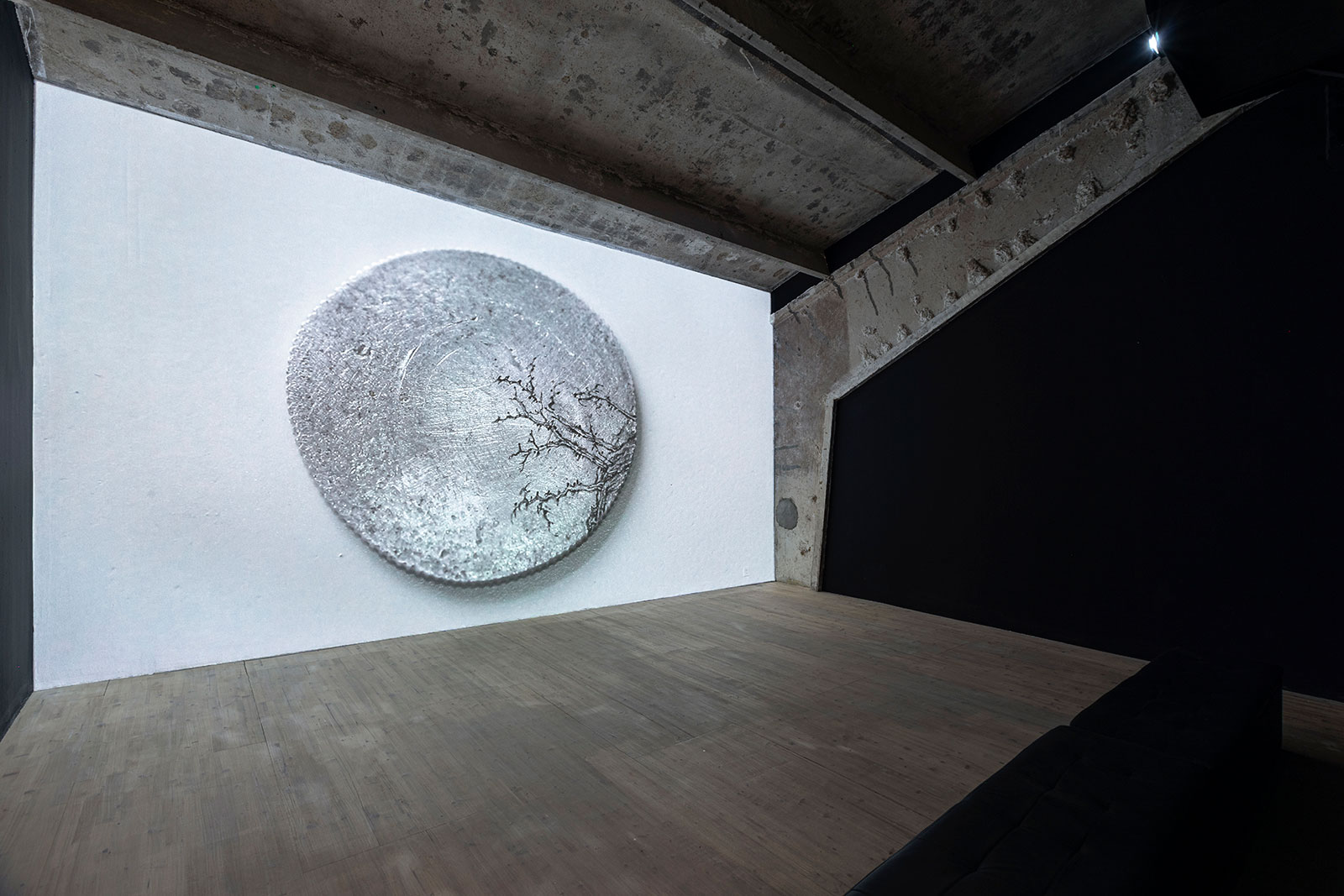
Galleria Continua presents Dawn’s Bells and Dusk’s Drums, a solo exhibition by Chinese artist Ni Youyu, at its Beijing space. This marks the artist’s first collaboration with the gallery and his first solo exhibition in Beijing. Structured around the notion of time, the showcase offers a comprehensive overview of Youyu's practice over more than a decade, tracing a continuous line of inquiry across different periods and media. Building on key projects previously presented in major museum contexts, the exhibition not only assembles key bodies of work, but also several recent creations, many of which are shown here for the first time, forming a milestone presentation within the artist’s career.
Youyu’s practice operates between conceptual thinking and meticulous craftsmanship. Drawing from both Eastern and Western art histories as well as diverse cultural contexts, he integrates the temporal traces embedded in antique materials with contemporary modes of reflection, developing a distinct artistic language through a repetitive and focused process. The exhibition title, 'Dawn’s Bells and Dusk’s Drums', derives from the cyclical rituals of Zen Buddhist practice, marking the passage from morning to evening while evoking a continuous mode of return. In Youyu’s work, time is not only accumulated through practice, but embedded within materials, images and methods as a central concern—through historical traces, the juxtaposition of elements from different periods and the slow process of making, together forming an internal structure of time within his works.
On the ground floor, the main hall presents a constellation of the artist’s key series in a display reminiscent of a European museum, where paintings, sculptures and installations are dispersed throughout the space, inviting a fluid mode of viewing. At its centre is The Painting Exhibition in the Woods V, a newly commissioned 7.2-metre-wide work and the largest to date within his Golden Water Washing painting series. Expanding upon his signature technique, the work incorporates collage and mixed media, intensifying the interplay between controlled intervention and natural process. Nearby, The Disappearing Waterfall II occupies the main wall, reducing the landscape to a fundamental tension between water and stone. Each work in this series registers the traces of repeated flows and resistances—what appears as image is in fact the sedimentation of time, a 'frozen waterfall.' Also presented for the first time is the long-conceived Dynamic Balance series, developed over fourteen years. The installation Sound of the Void, suspended from the height of the main hall, introduces a vertical, ritual-like presence that resonates with the cyclical temporality evoked by the exhibition theme.
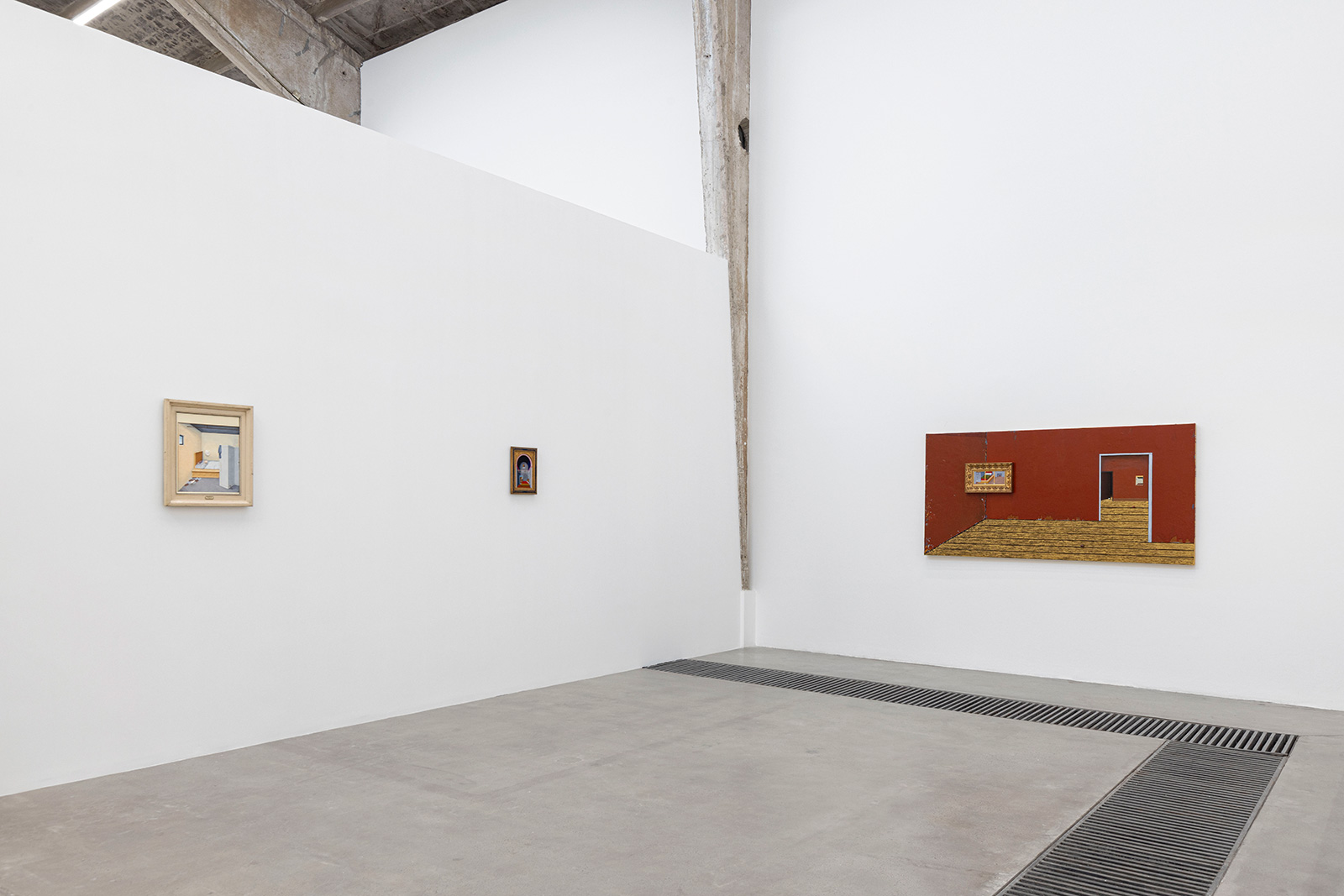
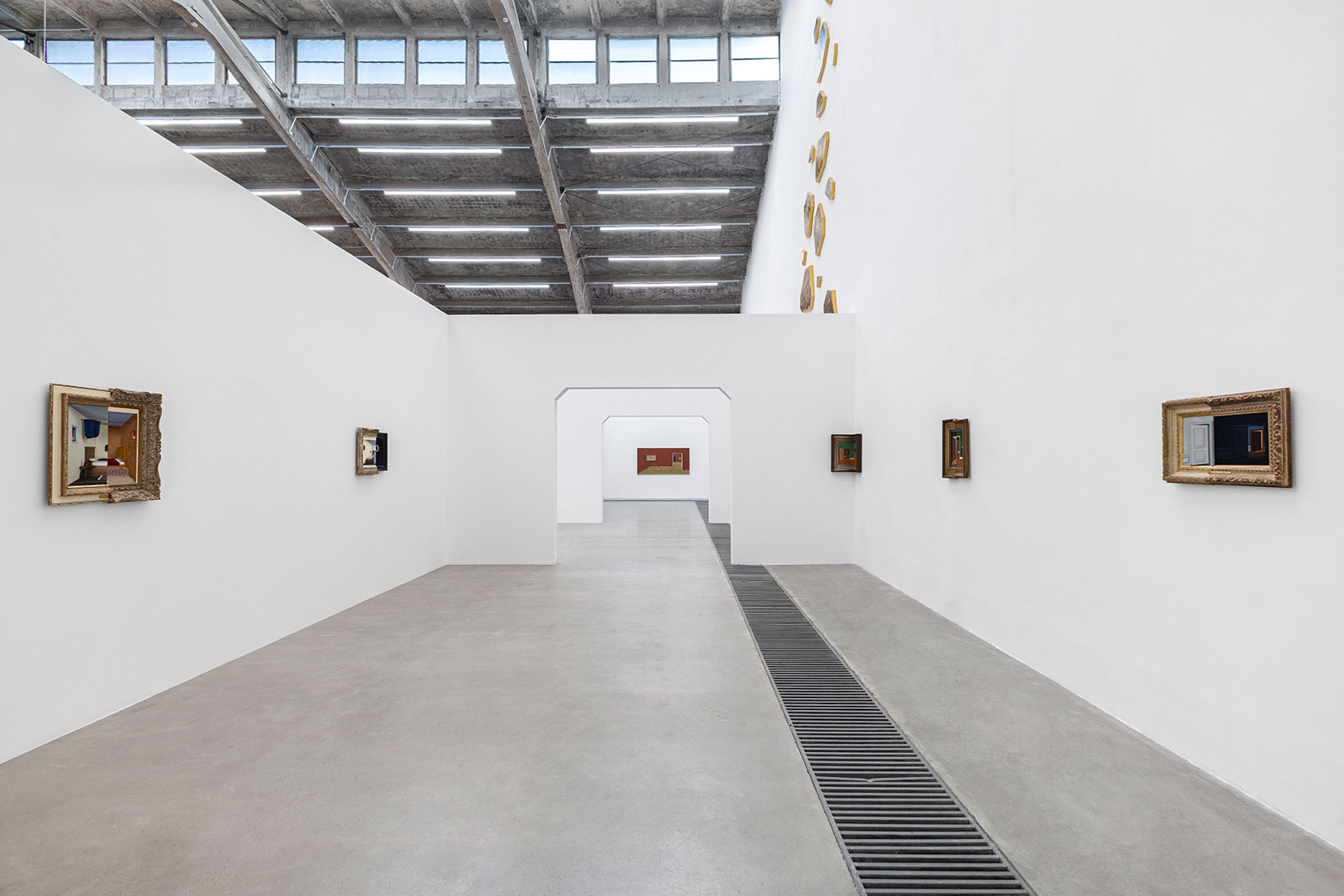
Within the main hall, two purpose-built rooms focus on smaller-scale paintings. In these works, recurring motifs such as curtains and doors articulate a threshold between concealment and revelation. Antique frames act as 'vessels of time' that in turn shape the image, while the artist’s distinctive diptych compositions create tensions through fragmentation and recombination. Together, these elements extend Youyu's ongoing investigation into illusion and reality, balancing precise control with conceptual ingenuity. Tucked discreetly into a corner, two newly developed works—embedded at a 90-degree angle—offer a subtle yet precise intervention, rewarding close attention.
The adjacent corridor on the ground floor is dedicated to Freewheeling Trip, a series initiated in 2011. Using found vintage photographs sourced globally, Youyu cuts, collages and reconfigures fragments into new visual structures. Images from different times and places are recomposed into a coherent yet fictional world, prompting a reconsideration of photography and its relationship to memory, landscape and representation.
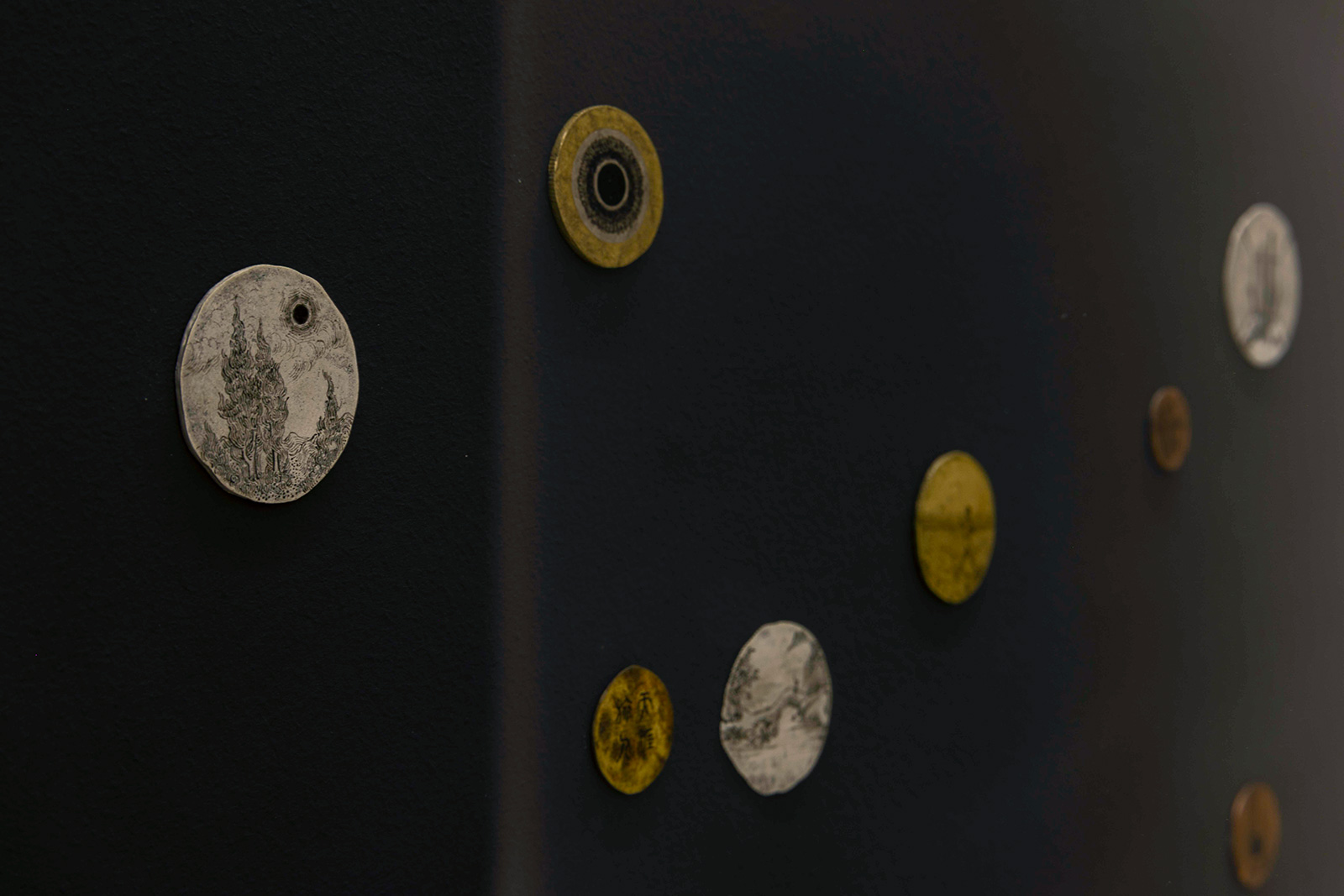
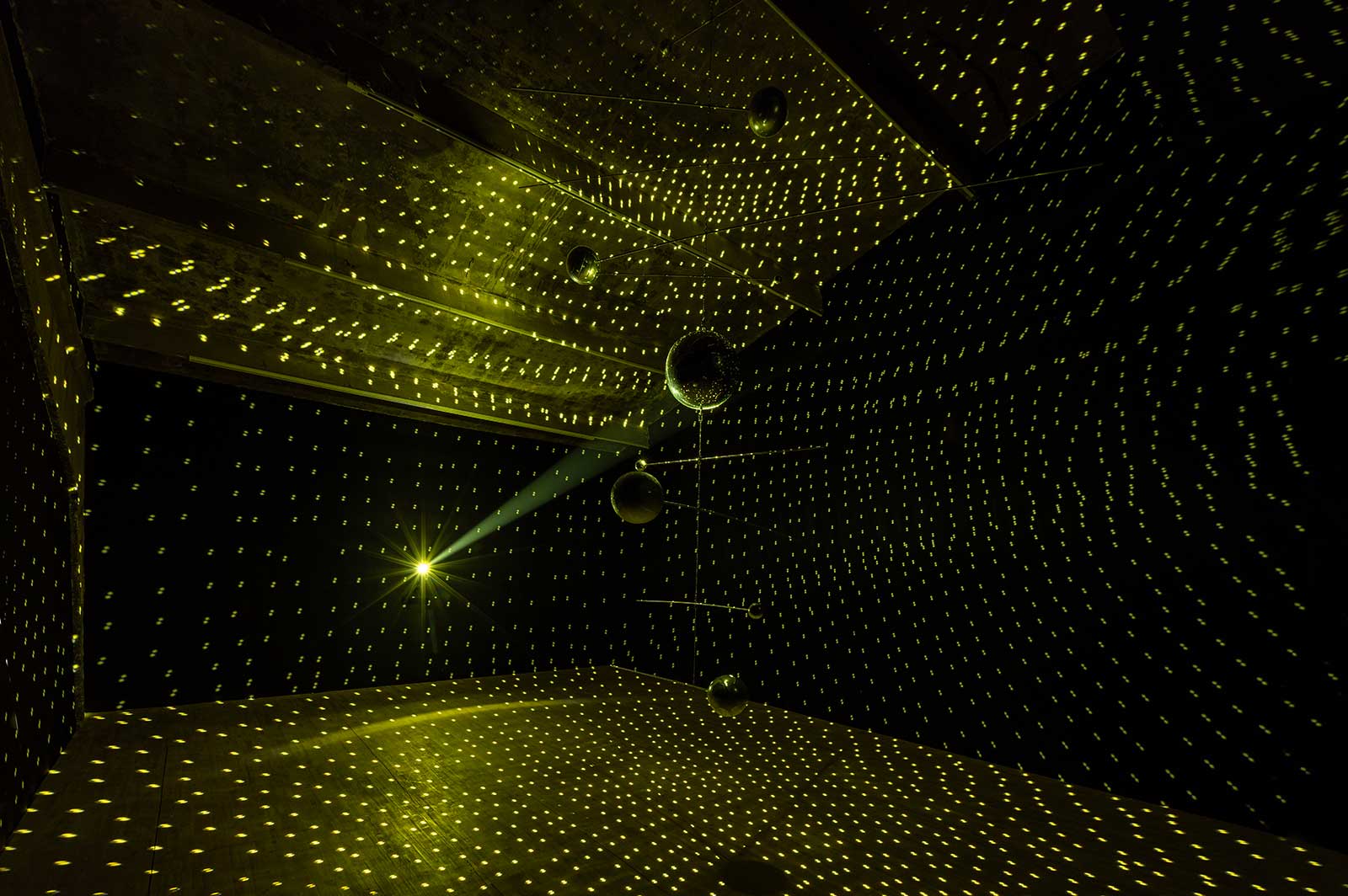
The second floor shifts towards an immersive, cosmological dimension. One side space presents Galaxy, a key project begun in 2008, in which coins—objects charged with political and economic value—are transformed into painterly units through hammering and reworking. Through this process, value undergoes a continuous transformation—from presence to absence, and back again—culminating in vast starlike constellations composed through Youyu’s accumulated labour. The work on view is the fifth and possibly final large-scale iteration of the series, following four earlier versions now held in major collections, including those of Uli Sigg, M+ Museum in Hong Kong, the Brooklyn Museum in New York and He Art Museum in Foshan. Another side space features a light-based Dynamic Balance installation related to the Solar System, in which spheres such as footballs, basketballs, tennis balls and even mirrored disco balls stand in for the sun and its planets—extending the artist’s exploration of balance, cosmic order and the latent potential of found objects.
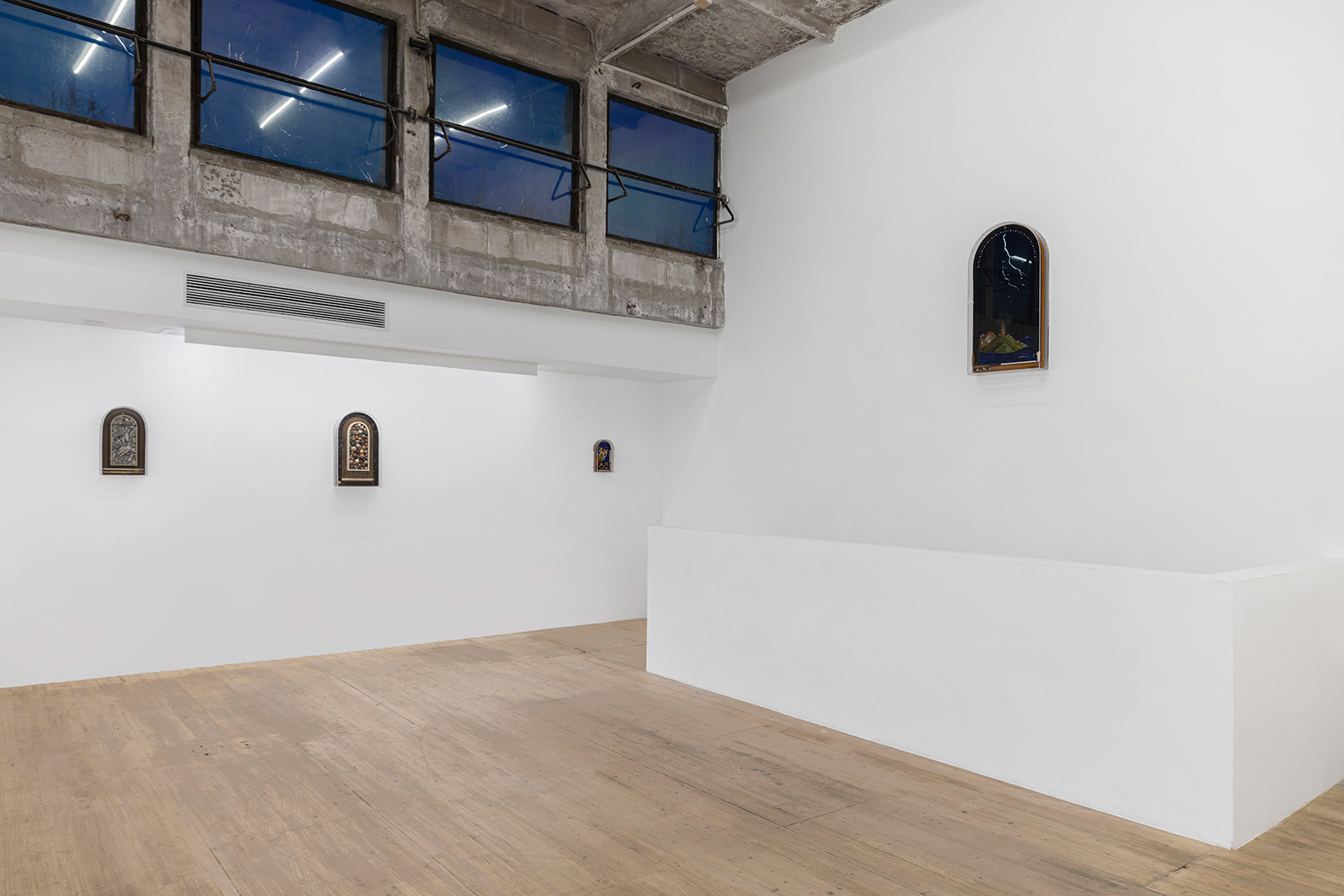
The third floor is entirely devoted to the Arch series, one of Youyu’s most recognisable bodies of work. Since 2011, the artist has transformed antique pinball machines into hybrid structures that combine elements of painting, sculpture and installation. As a cross-cultural architectural archetype, the arch resonates with the gallery’s pitched roof while also evoking a broader relationship between the human body and the cosmos, acquiring a heightened, almost ritual dimension within the exhibition. The presentation both opens and concludes with an Arch work, forming a cyclical structure that reinforces the show's underlying meditation on time.
Dawn’s Bells and Dusk’s Drums is not only a systematic reflection on Youyu’s artistic trajectory over the past decade, but also a meditation on time, perception and the conditions of making. Through the repetition of daily practice and the accumulation of material and thought, time is embedded, condensed and made visible. In this process, the exhibition also reveals an artist who, within an increasingly noisy and accelerated art world, continues to pursue a restrained yet unwavering path—one defined by persistence, clarity and a deeply personal rhythm of creation.



 Sign in with Google
 Sign in with email