Enter your details to sign in
Don’t have an account?
Sign upOr you can sign in with
a single account for all
STIR platforms
All your bookmarks will be available across all your devices.
Stay STIRred
Already have an account?
Sign inOr you can sign up with
Verification link sent to check your inbox or spam folder to complete sign up process



We use cookies and similar technologies, to help provide you with a better, faster, and safer experience while delivering content
tailored to your interests.
By clicking on the AGREE button, closing this banner, clicking or navigating the website, you consent to the use of all cookies and similar technologies for the purposes we describe in our
Privacy Policy.
We use several cookies that are related to the functionality, security & user preferences,
analytics, and advertising. While some are essential, you may choose to dis-allow the use of others.
Please choose your preference, or opt for the best experience by closing this banner, clicking or navigating the website.
For more detailed information please read our Privacy Policy
 Connect
Connect
Connect





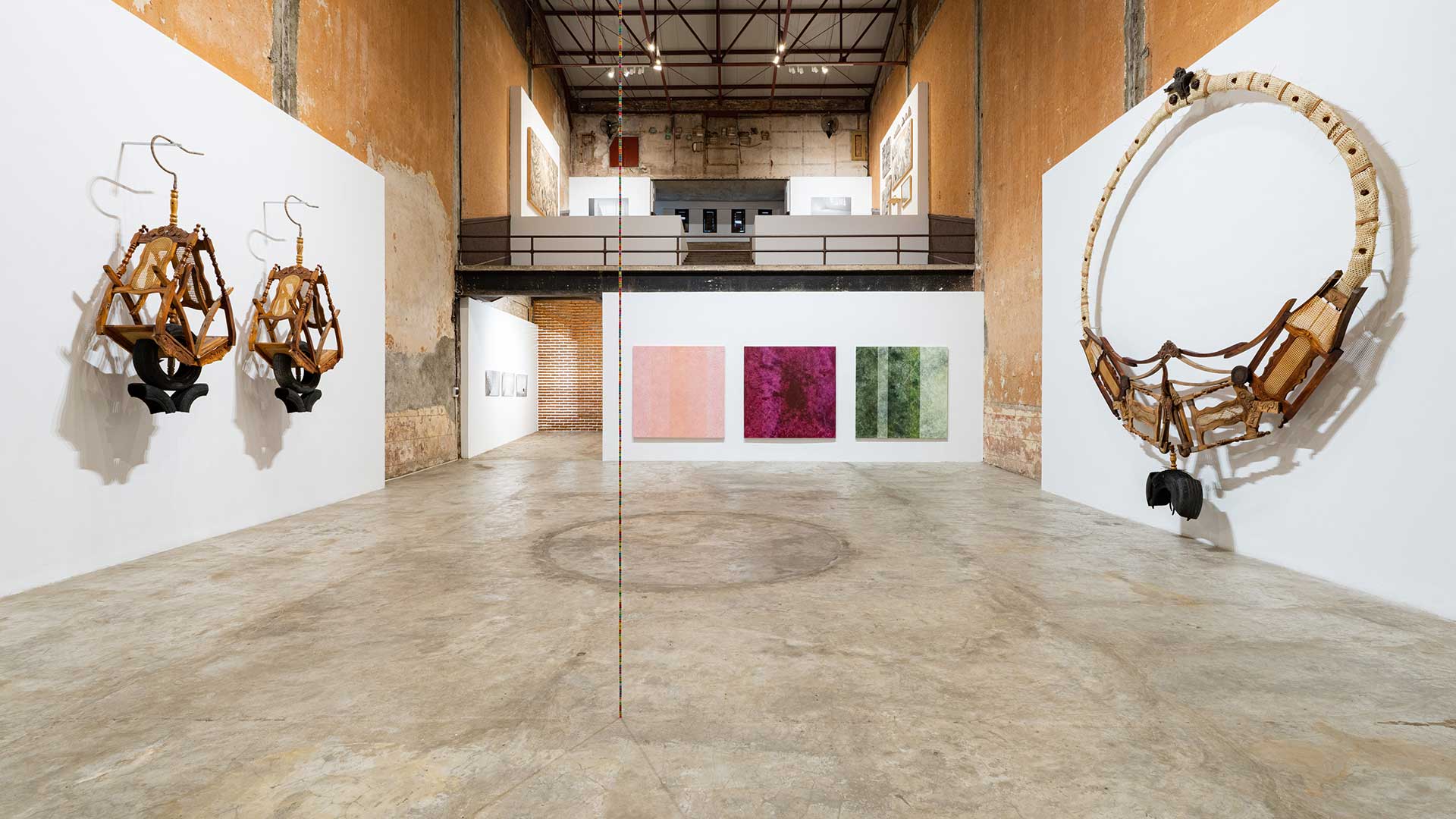
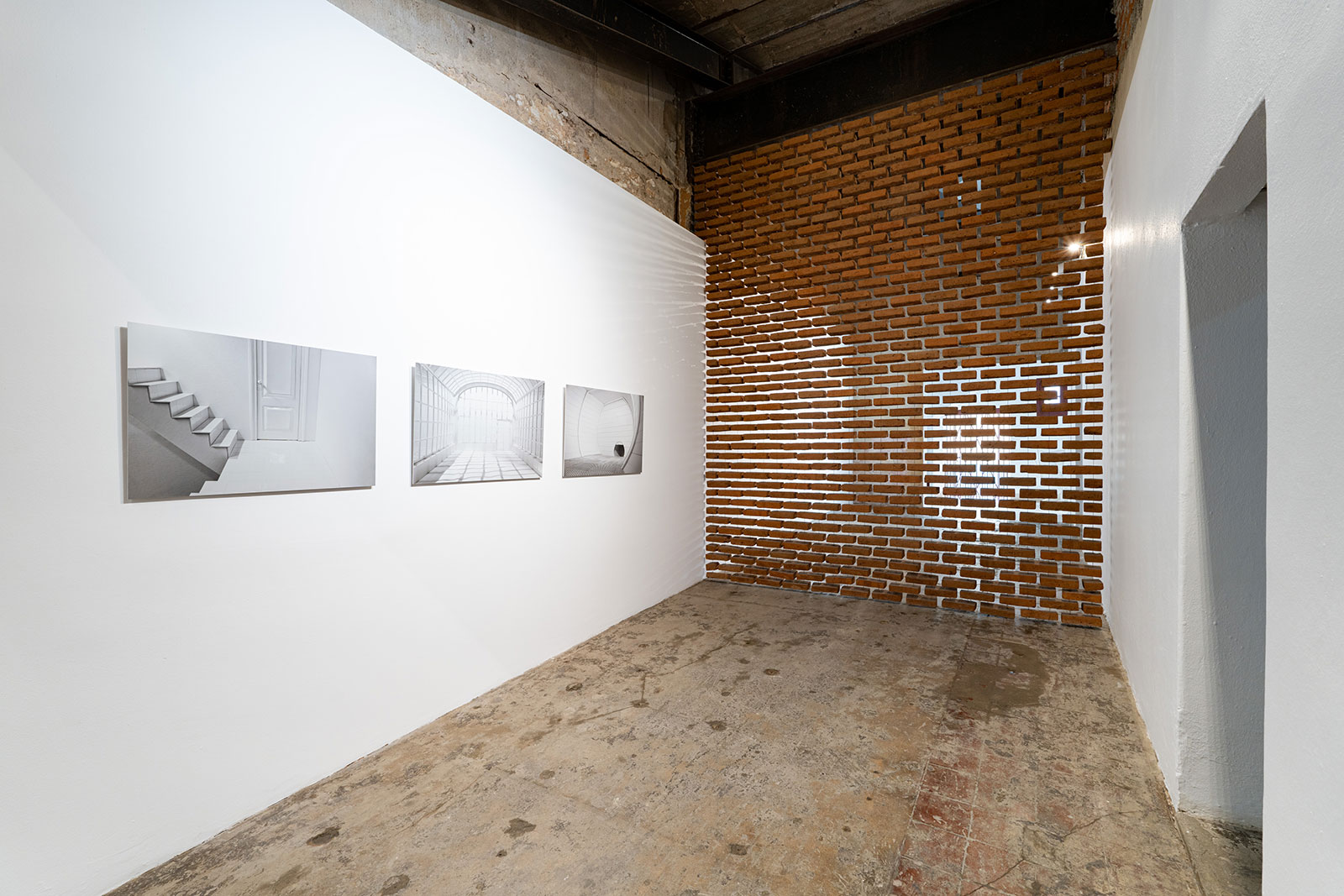
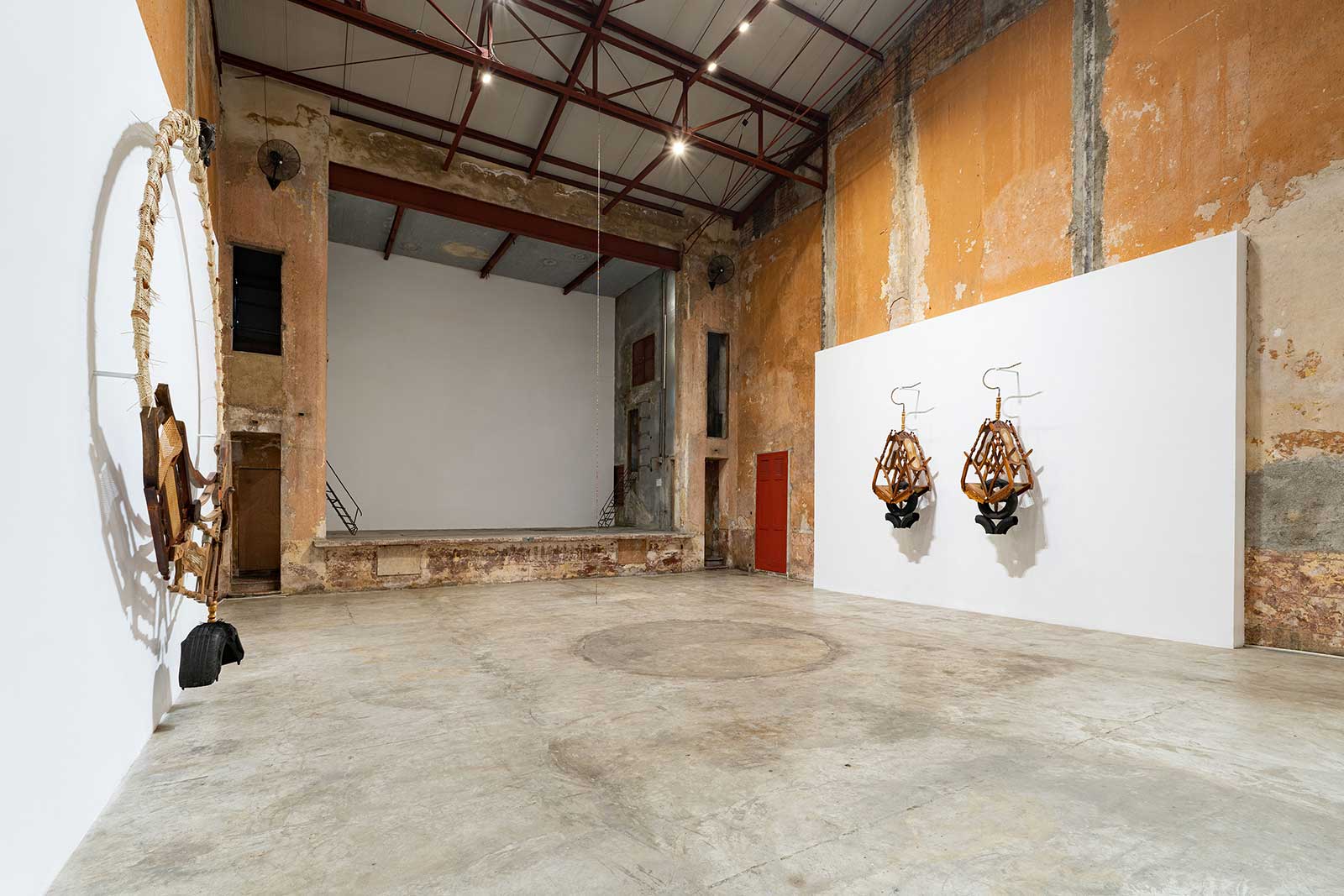
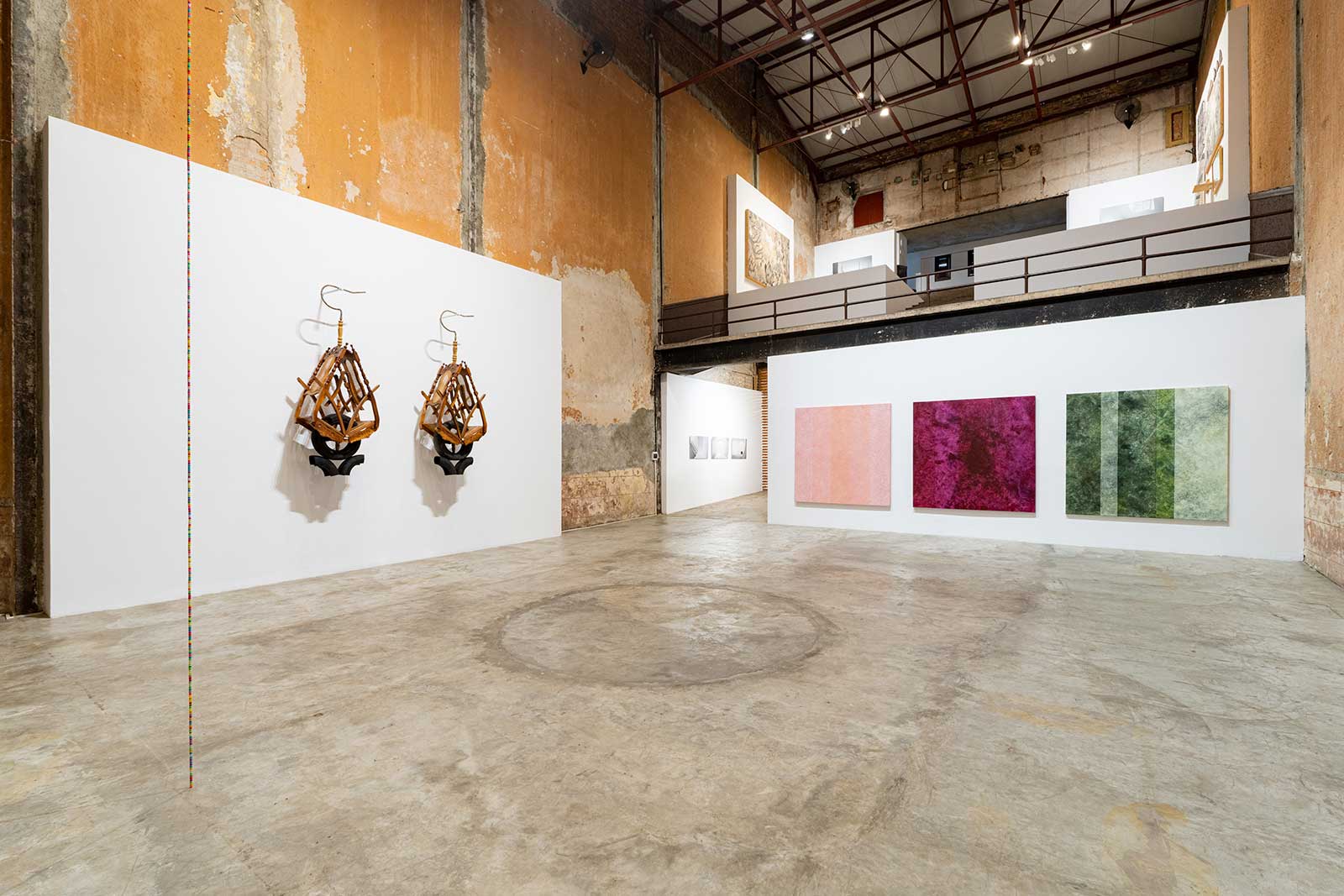
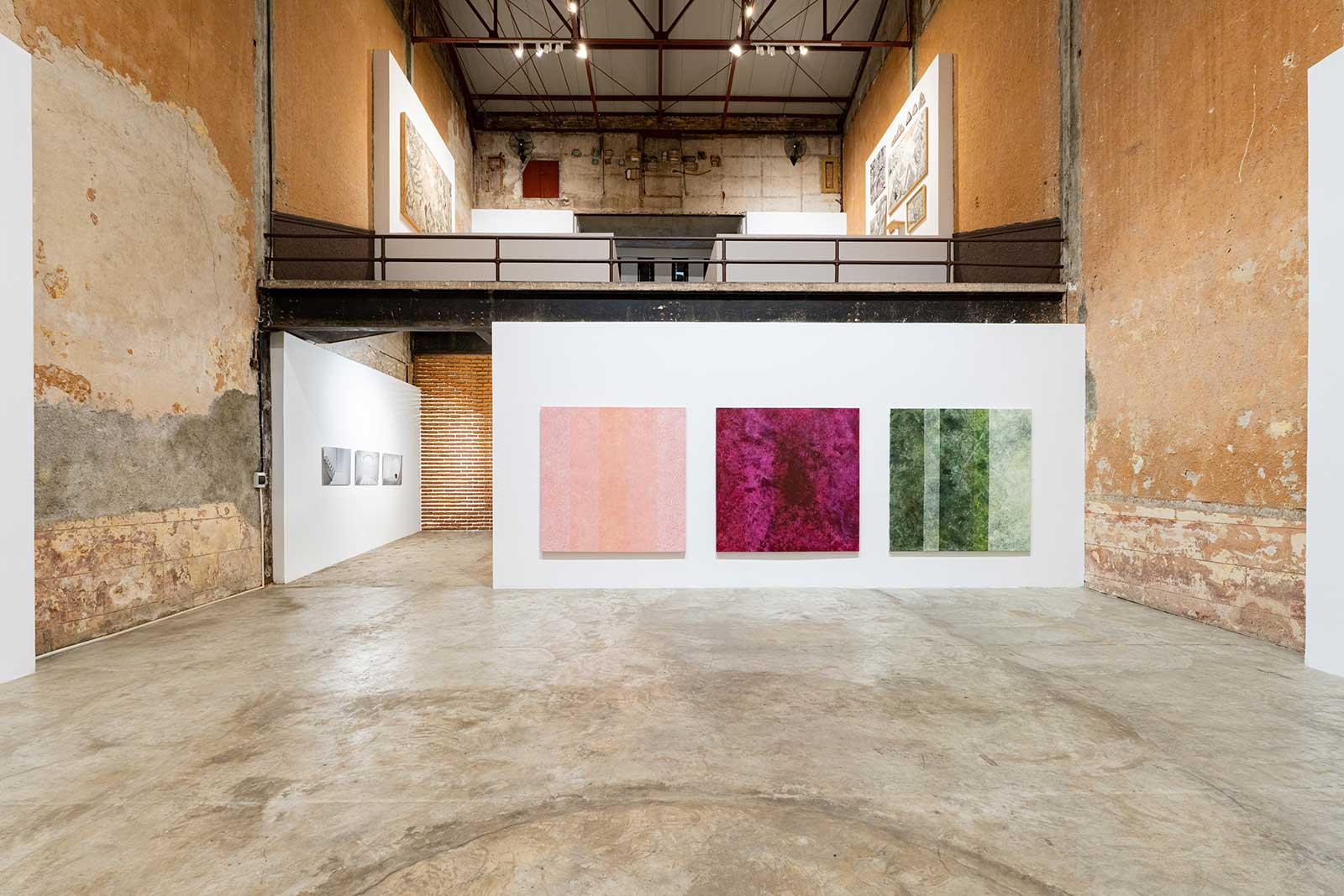
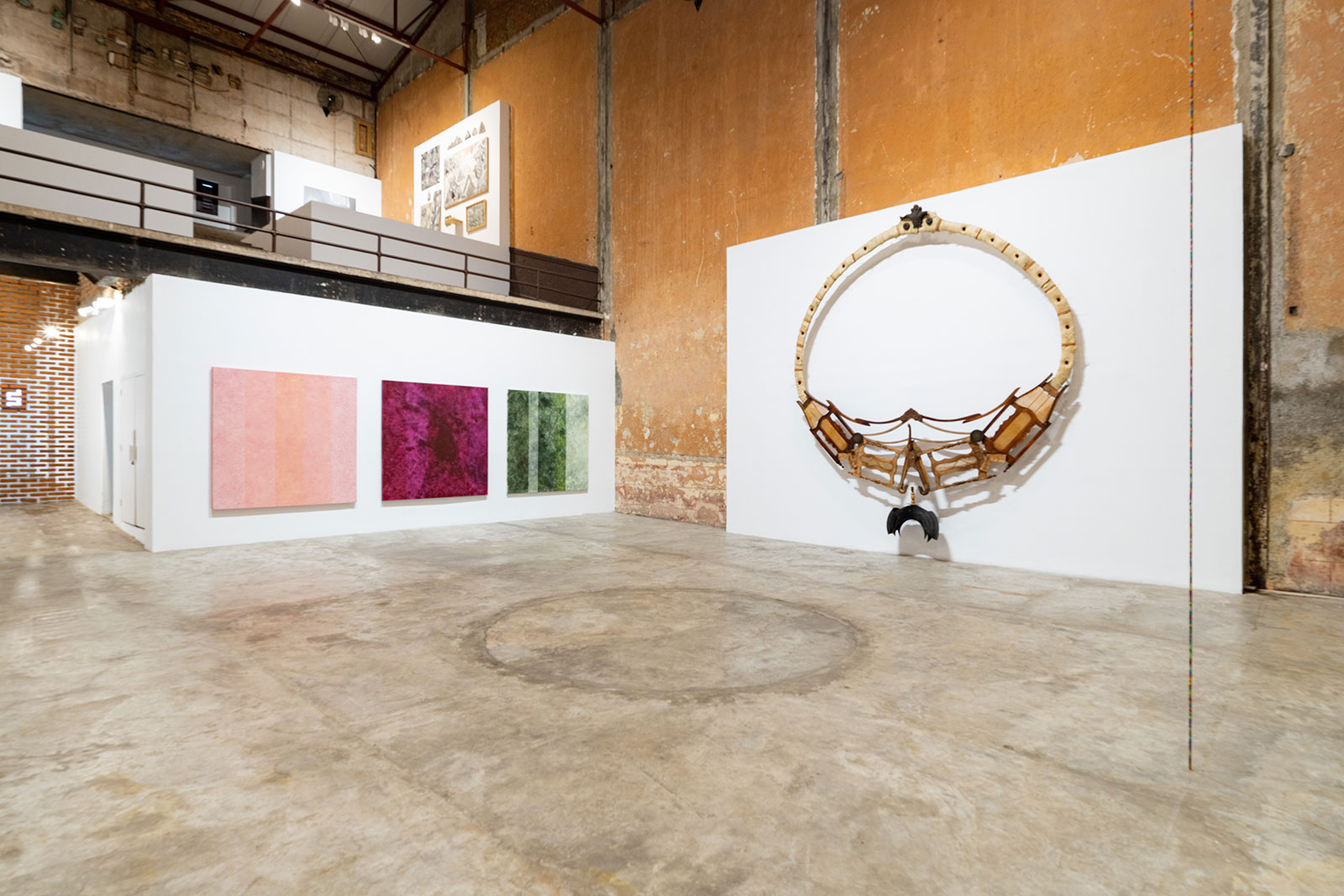
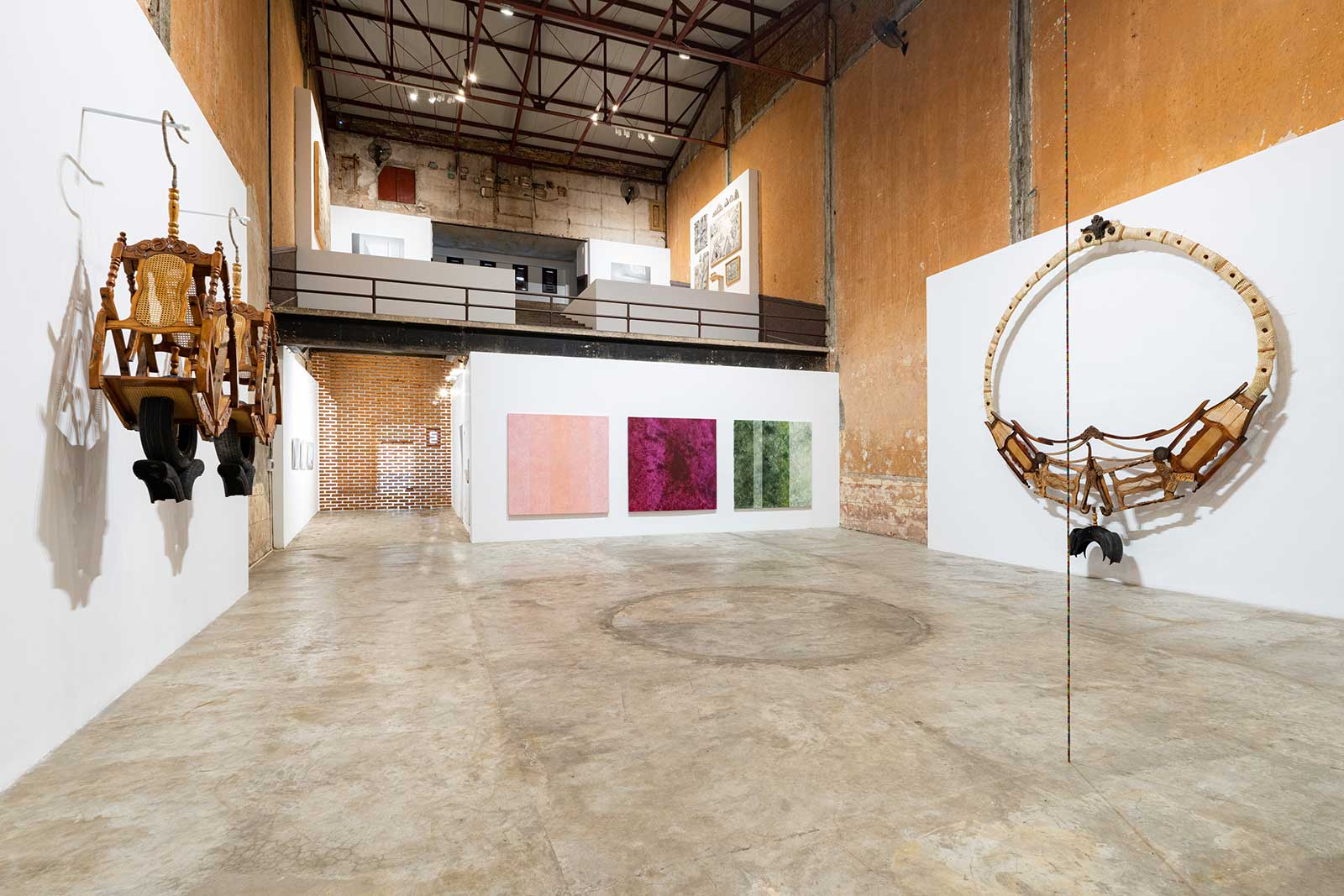
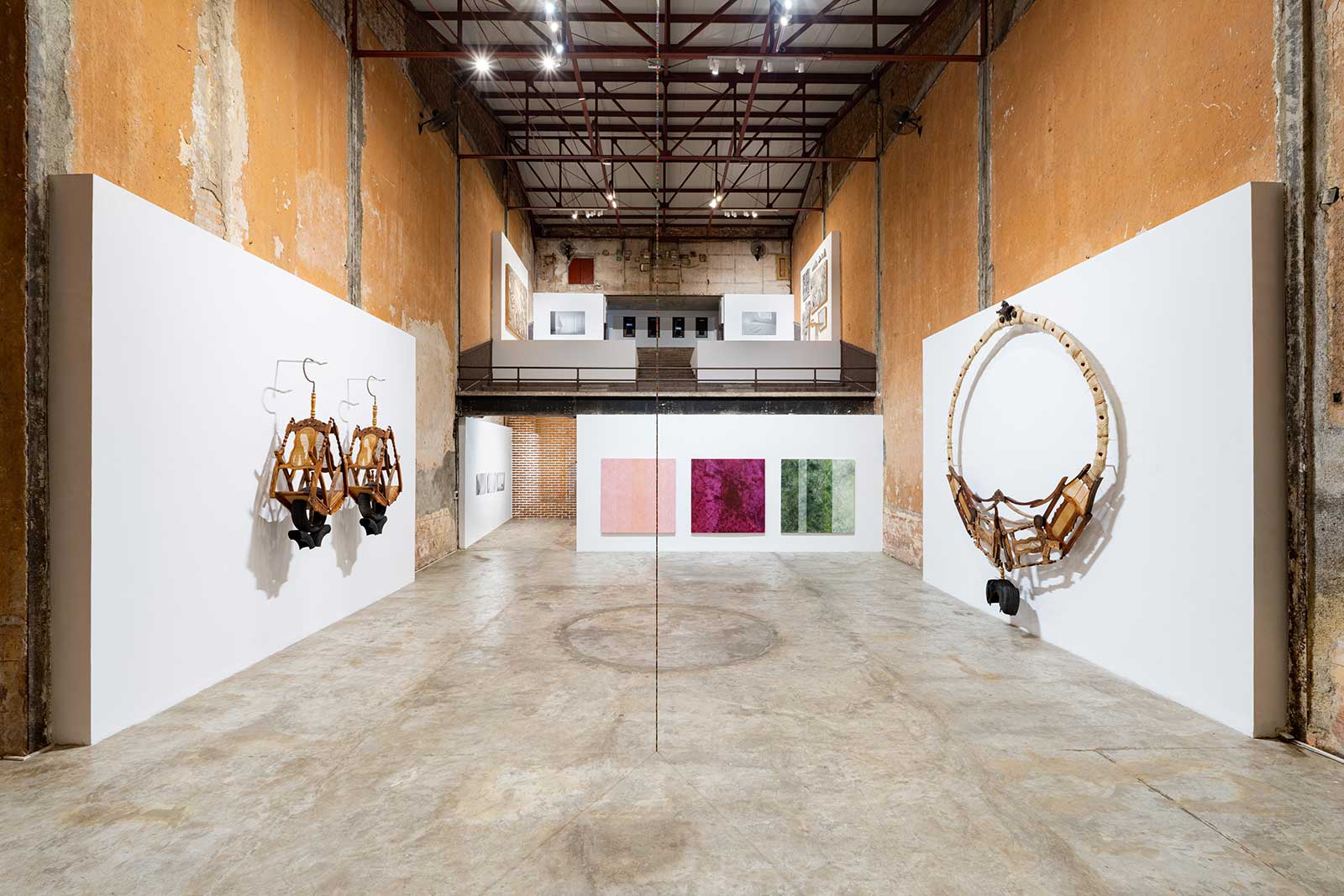
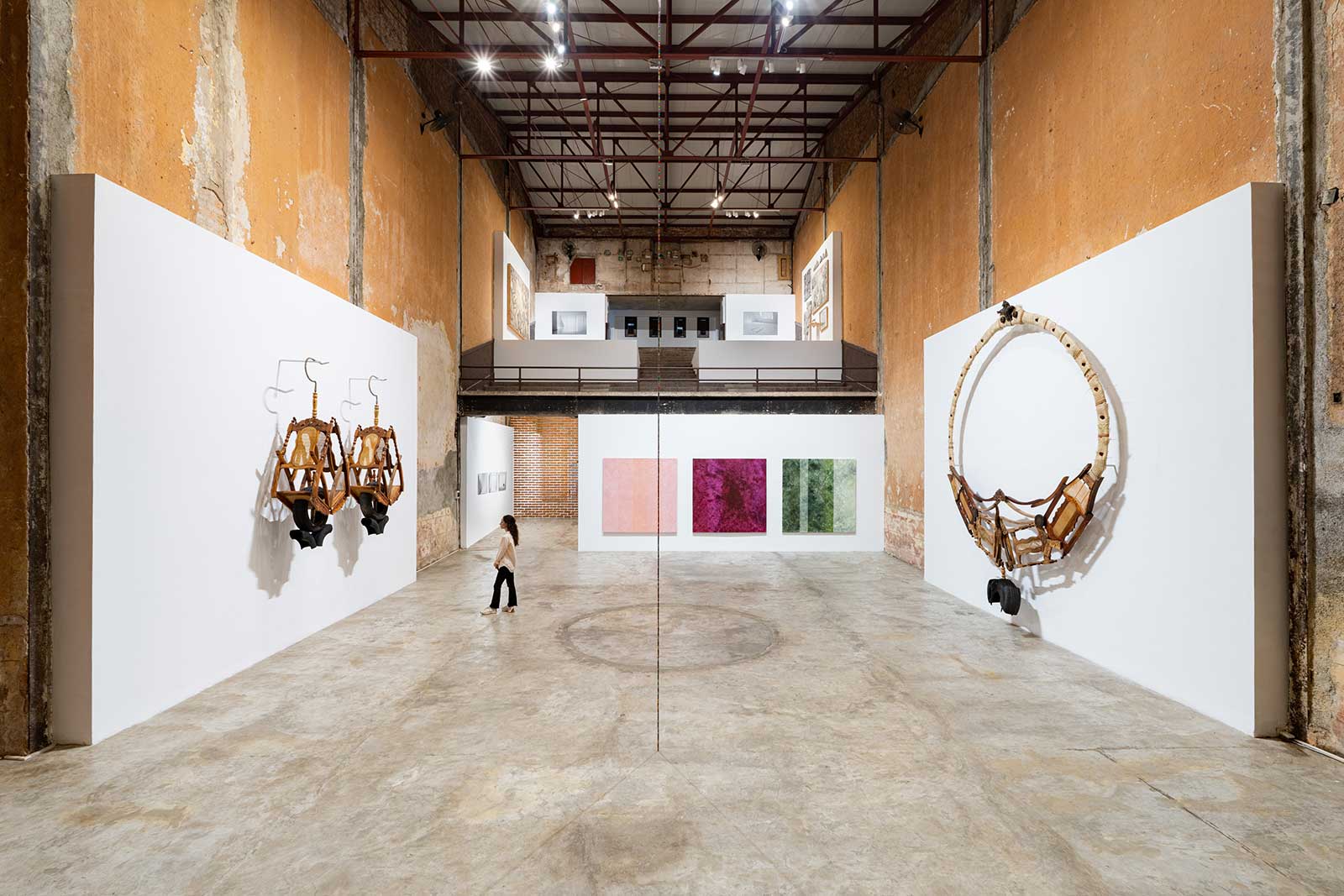
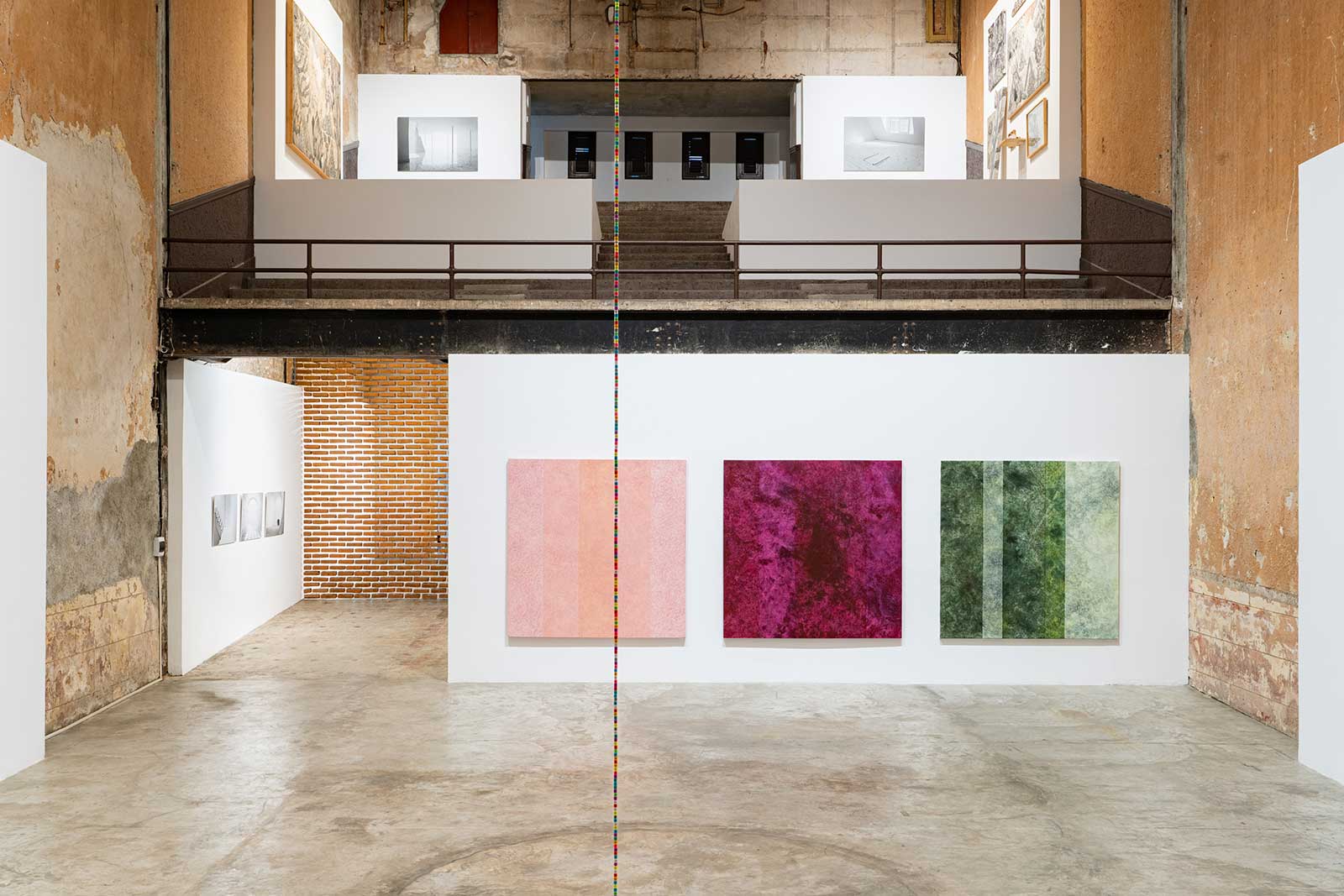
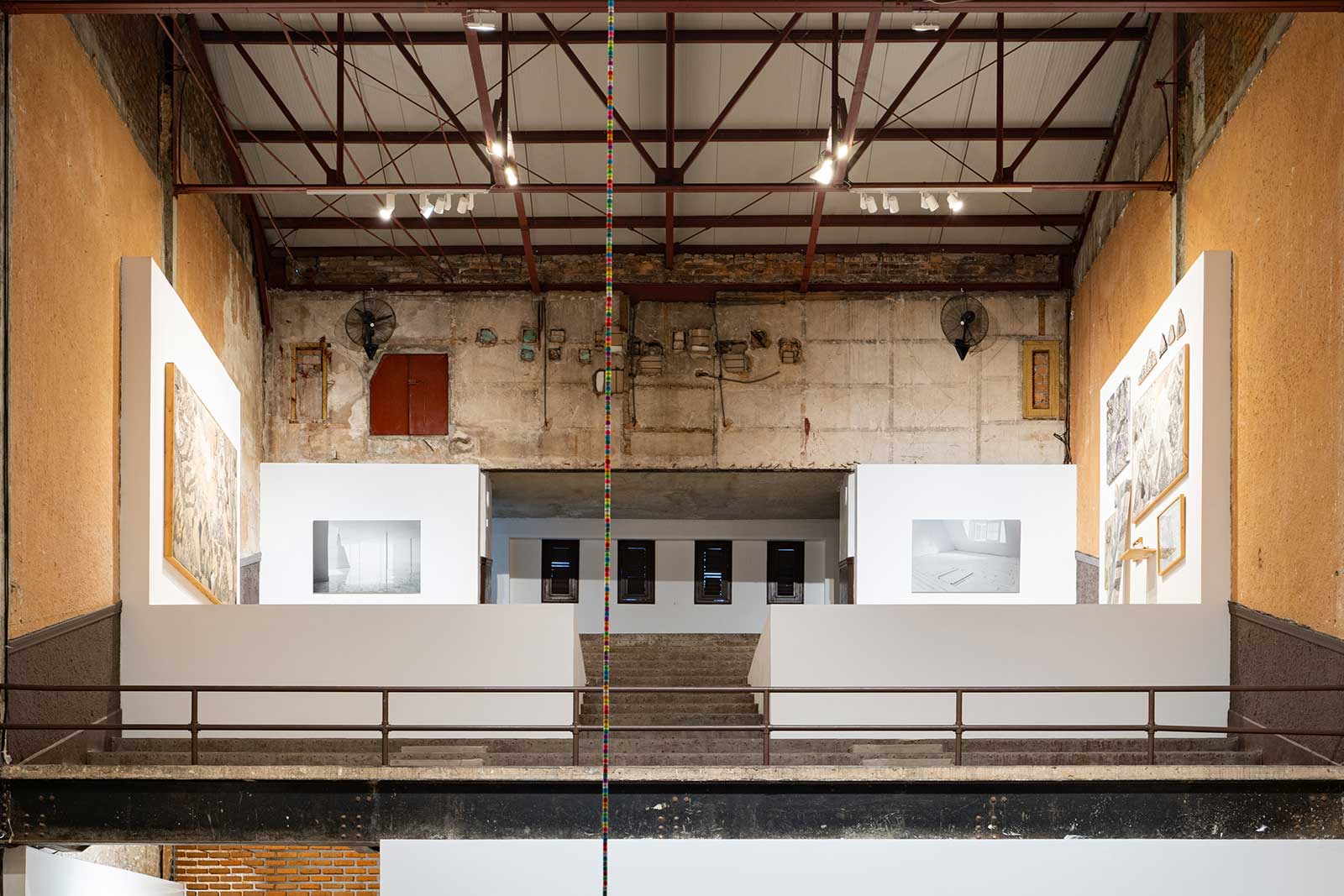
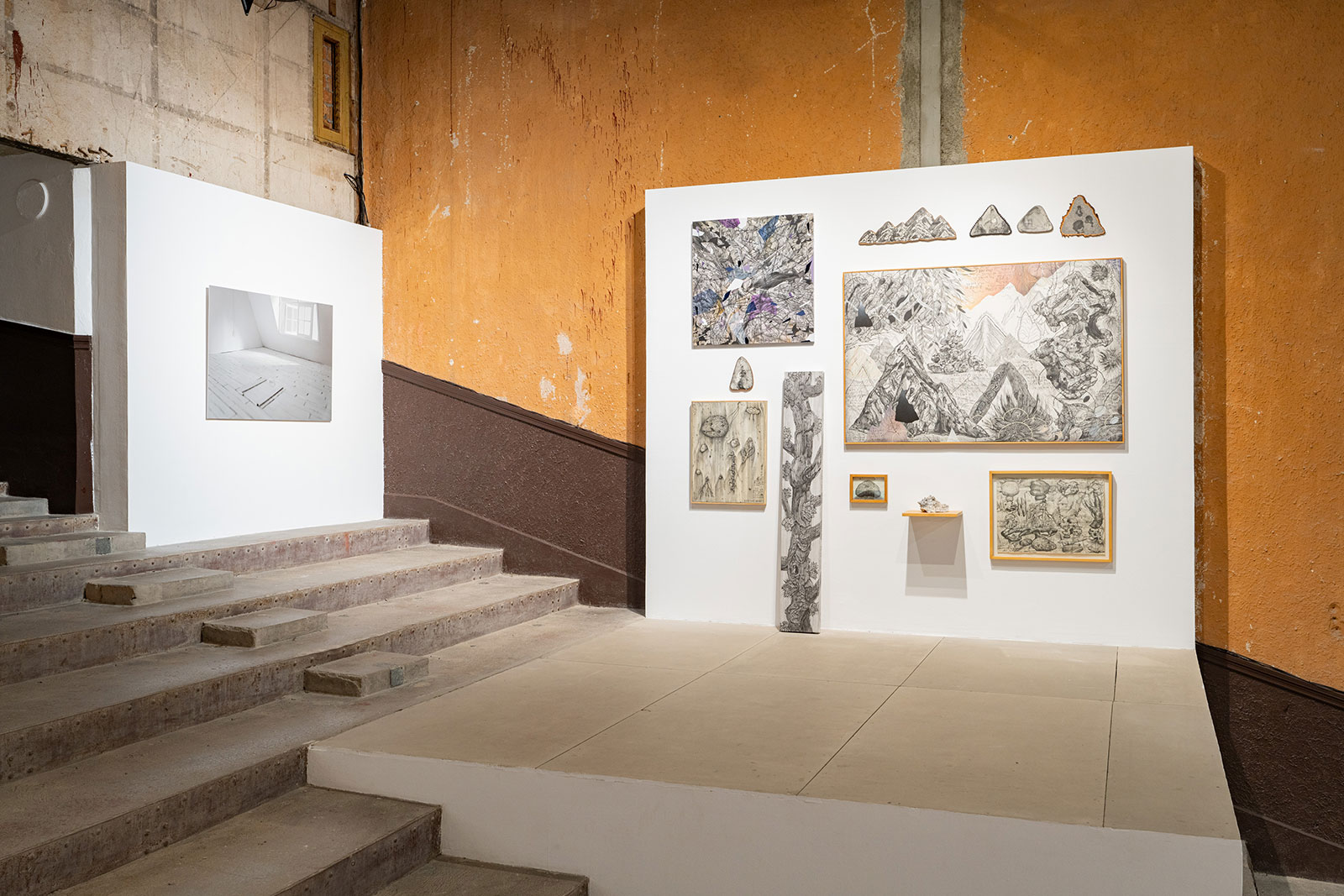
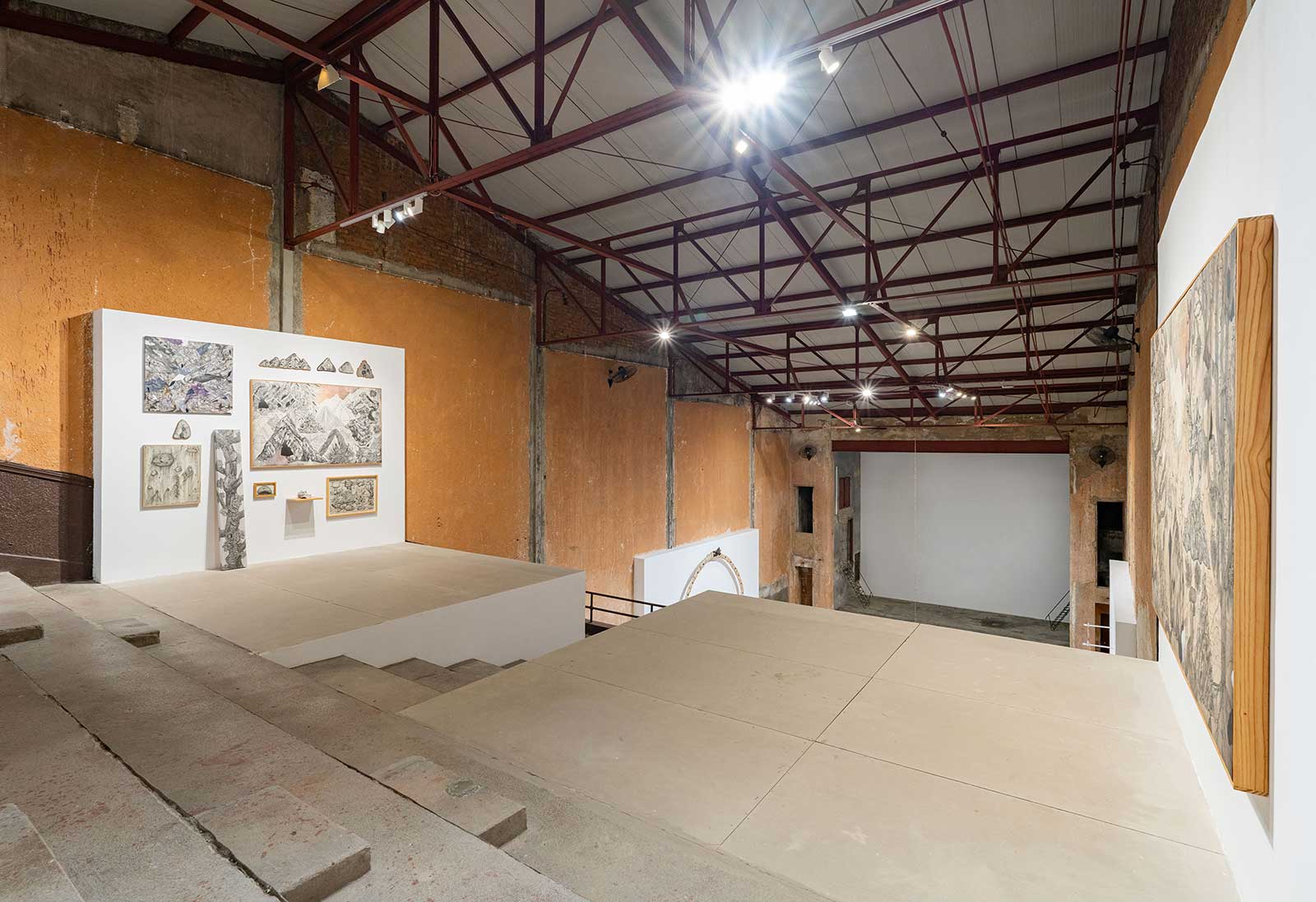
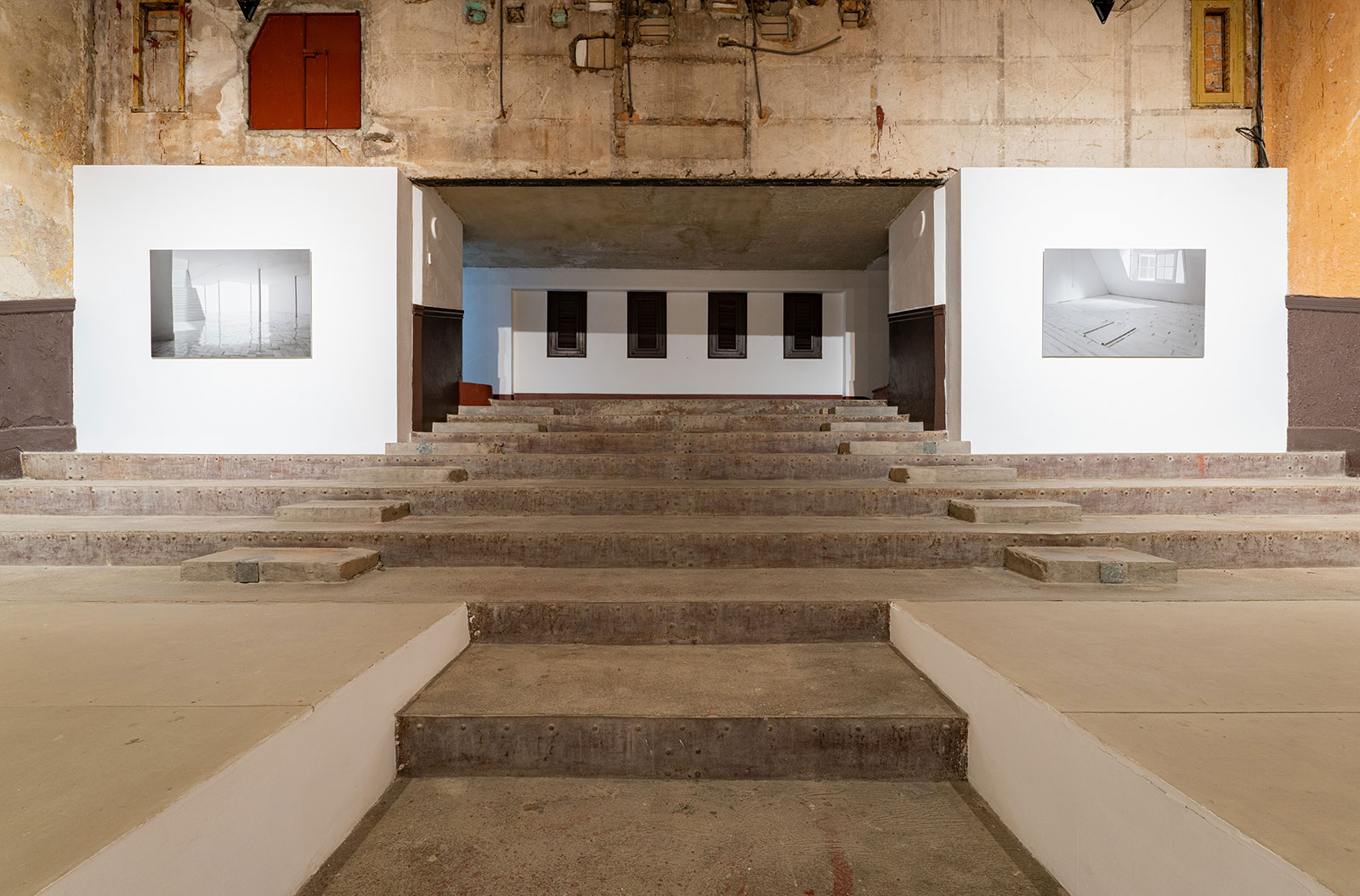
Galleria Continua / Habana presents Mientras el día no cierre (Until Daylight Fades), a collective exhibition bringing together Cuban artists Henry Crespo, Sergio Marrero, Andy Mendoza, Harold Ramírez and Linet Sánchez. The show evokes that liminal moment before nightfall, when light still lingers and with it, the possibility to create.
The exhibition is conceived as a gesture of generosity and artistic collaboration, stemming from an invitation extended by the Cuban artists on the gallery’s roster to colleagues who reside and work on the island. This initiative resonates with previous projects, such as Nido sin árbol (Nestless Tree), UNAICC, 2016. For this occasion, the show comes to life in two moments: November 2025 and March 2026.
In this first part, Osvaldo González invites Henry Crespo; José Mesías invites Sergio Marrero; José Yaque invites Andy Mendoza; Elizabet Cerviño invites Harold Ramírez; and Yoan Capote invites Linet Sánchez. These peer-to-peer invitations highlight affections, alliances and urgencies the artists have in common: to make visible and sustain that which remains, to create while it is still possible.
In the gallery's main hall, two large installations by Mendoza stand out for their poetic power. Fragments of Cuban rocking chairs and car tyres intertwine to create a striking contrast, where the wear and tear of daily life take on an almost sculptural delicacy. His 'jewels' serve as metaphors for Cuban creativity and resilience: the ability to reinvent what is available, find beauty in limitation and breathe new life into what once seemed worn out. Each element retains the memory of its past use while it is simultaneously redefined; the fragility of the domestic sphere becomes an act of resistance.
Ramírez, with a distinctly subtle approach, presents Numeral, an installation composed of hundreds of pigeon rings—numbered and in various colours—that rise in a straight line from the floor to one of the main beams of the structure of the exhibition space it occupies. Originally designed to identify and track birds, these rings, still unused, are redefined as symbols of freedom. The work creates a dialogue between power and resistance, domination and liberation, control and escape. The chromatic rhythm and repetition evoke stories, destinies and memories. By gathering them into a single line that ascends like a symbolic column, the artist reveals the quiet beauty that emerges when the individual transforms into a collective force.
Furthermore, Crespo, through his project El último jardín (The Last Garden), draws inspiration from bougainvillea flowers to explore the repetition of brushstrokes and the echoes of memory. These resilient plants, capable of blooming even in adverse climates, serve as a testament to perseverance. His garden stands as an intermediate space between what once was and the impending decay, also revealing lingering traces of the forgotten. The artist’s persistent brushstrokes reflect the resonance of memory and transform the anatomy of the sprouts into a visual leitmotif.
On the second floor of the Águila de Oro movie theatre, viewers will discover works from Marrero’s series, Efecto Mariposa (Butterfly Effect). The artist employs a creative automatism that connects the perception of reality with the evocation of memories and personal experiences. Using a methodical approach, he pre-establishes a random amount of time and selects a series of memories that ultimately dictate the visual structure of the pieces. His works document the passage of time: he records hours and days of labour, integrating this process as an essential element of the piece. The artwork becomes a journal where the natural, the fragmentary and the everyday engage in a harmonious dialogue.
Lastly, Sánchez presents a series of photographs inspired by spaces that are remembered, experienced or imagined. White and empty, these scenes evoke oblivion and the imagined construction of memory rather than an objective reality. To achieve this, the artist creates models from cardboard, wood or other materials, which she then photographs, transforming them into seemingly real places where experiences and dreams converge, and where memory unfolds as a territory both intimate and universal.
Mientras el día no cierre celebrates creativity and resilience as a vital impulse. That day which has not yet ended is not merely a metaphor for time, but a suspended space where imagining, sustaining and resisting become inseparable acts; a territory in which artistic practice persists despite everything. The exhibition translates that perseverance into visual aesthetics that invites viewers to stay alert, to create and dream while light allows it, while daylight—and life—are still on.



 Sign in with Google
 Sign in with email