Enter your details to sign in
Don’t have an account?
Sign upOr you can sign in with
a single account for all
STIR platforms
All your bookmarks will be available across all your devices.
Stay STIRred
Already have an account?
Sign inOr you can sign up with
Verification link sent to check your inbox or spam folder to complete sign up process



We use cookies and similar technologies, to help provide you with a better, faster, and safer experience while delivering content
tailored to your interests.
By clicking on the AGREE button, closing this banner, clicking or navigating the website, you consent to the use of all cookies and similar technologies for the purposes we describe in our
Privacy Policy.
We use several cookies that are related to the functionality, security & user preferences,
analytics, and advertising. While some are essential, you may choose to dis-allow the use of others.
Please choose your preference, or opt for the best experience by closing this banner, clicking or navigating the website.
For more detailed information please read our Privacy Policy
 Connect
Connect
Connect





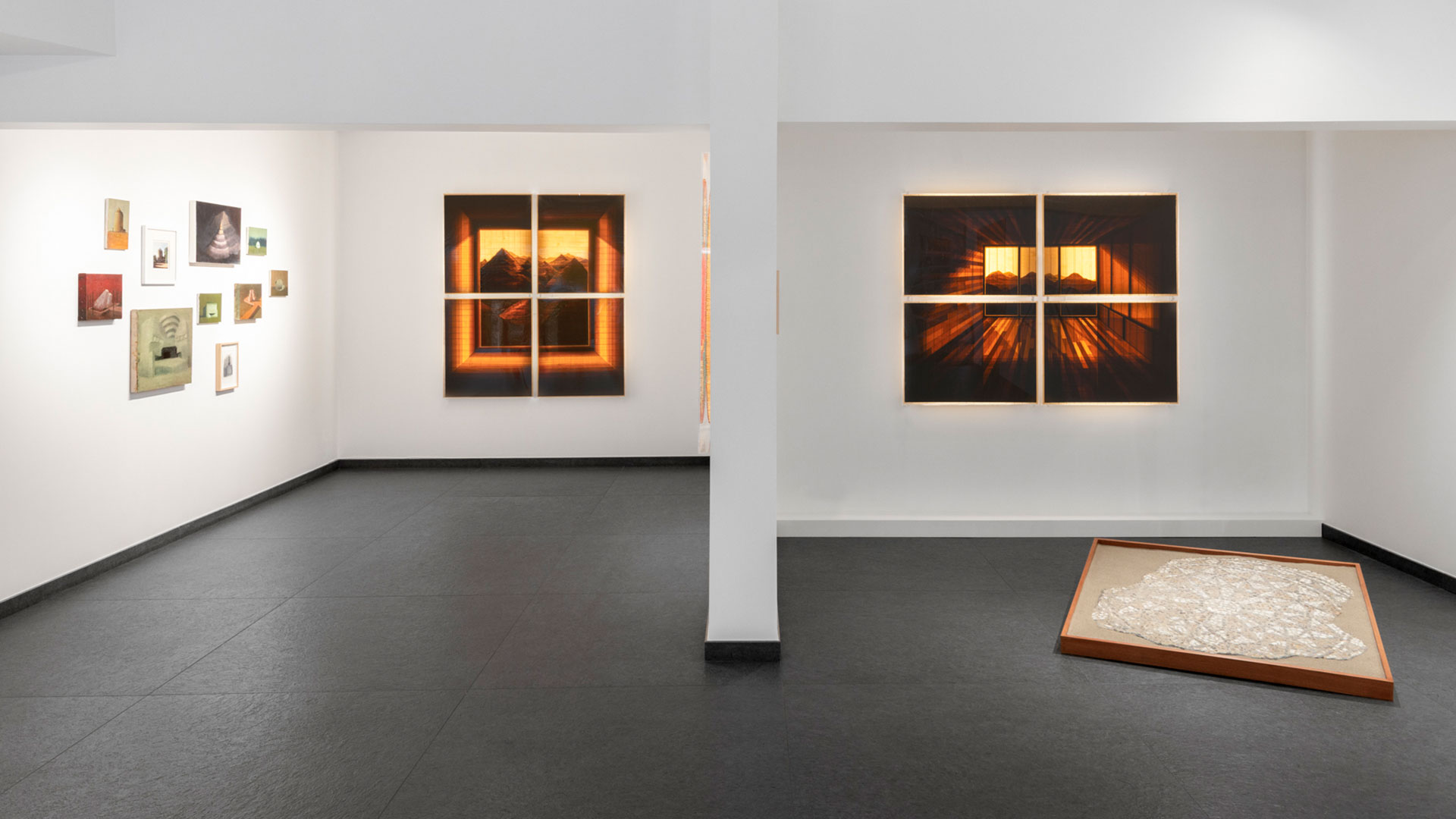
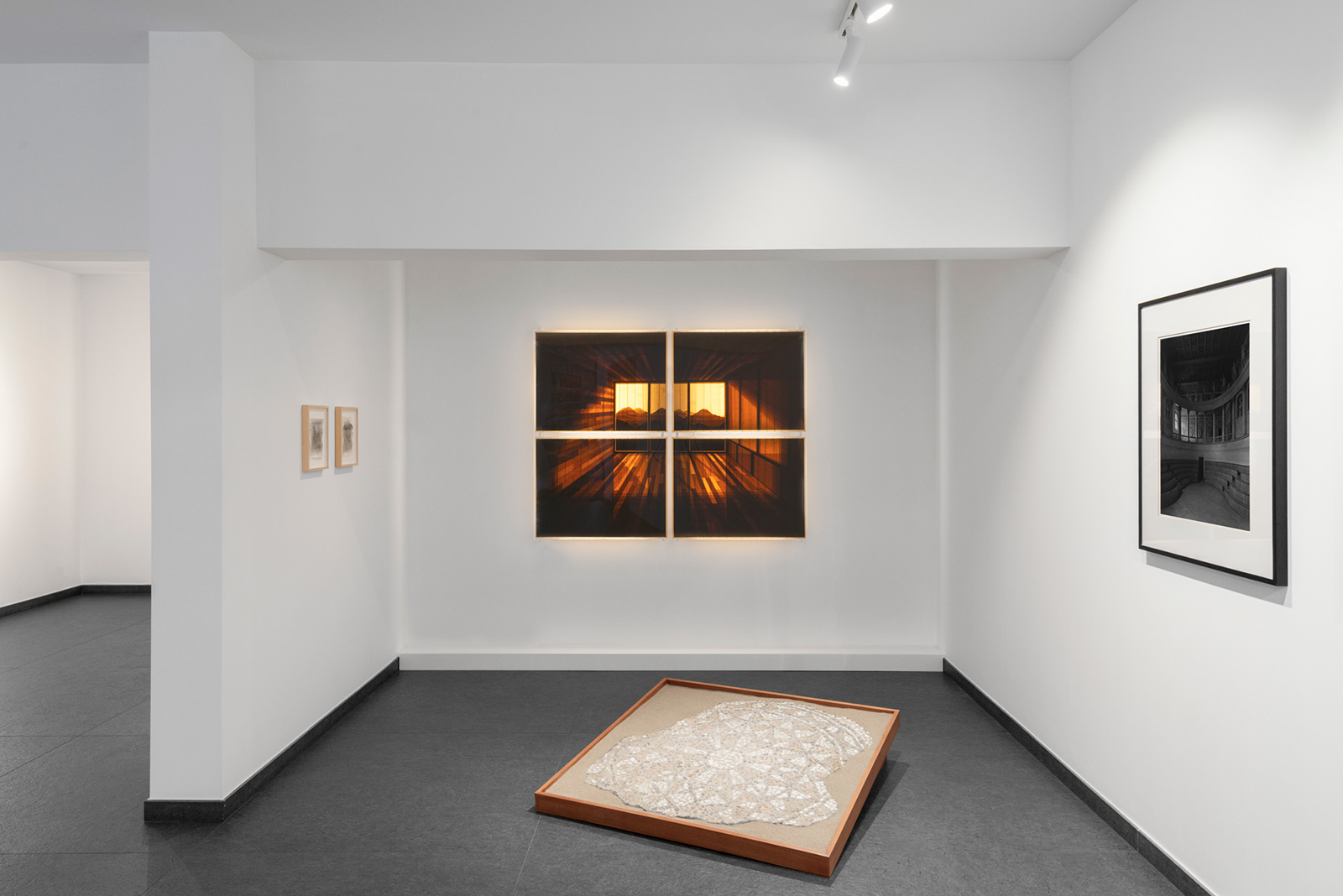
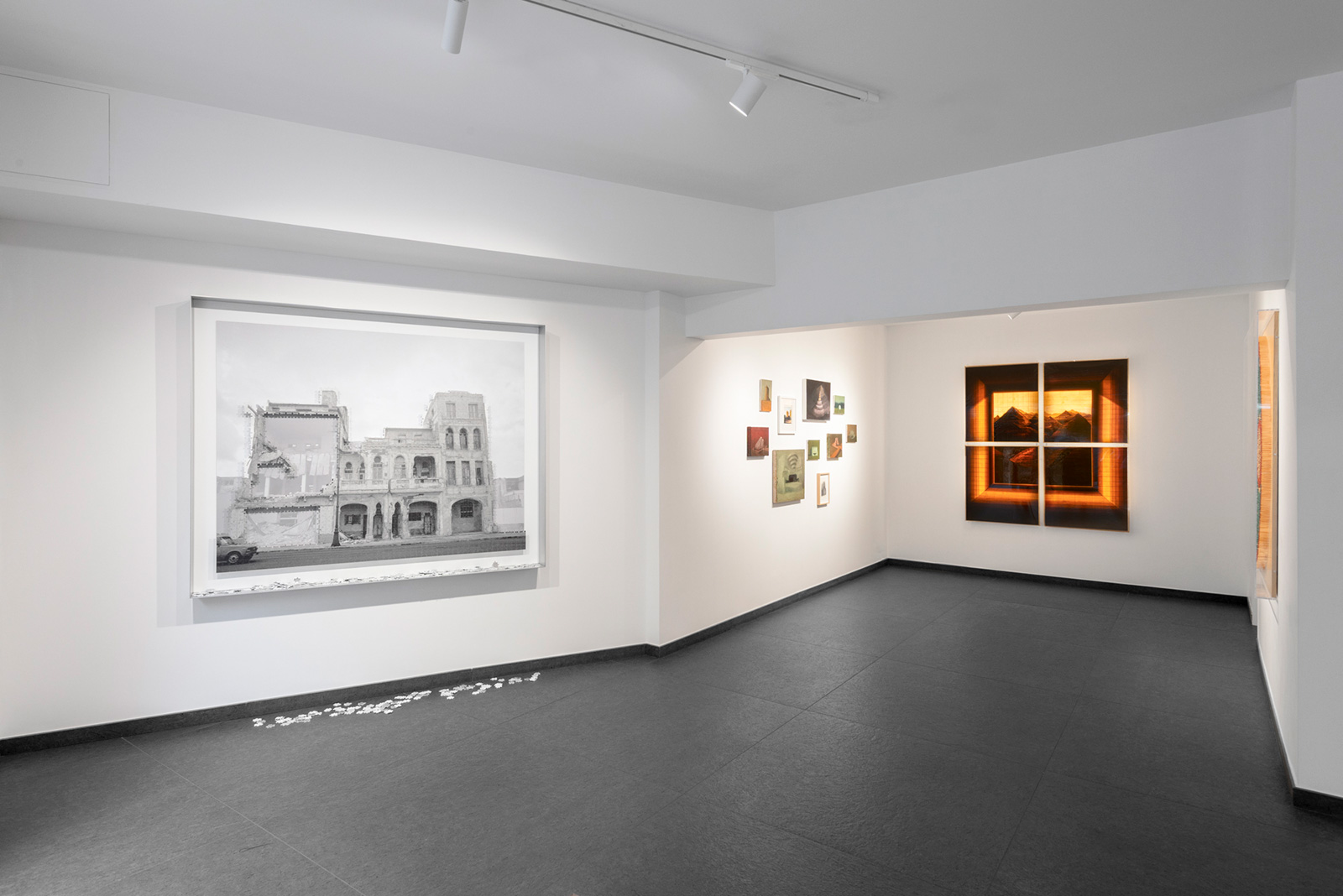
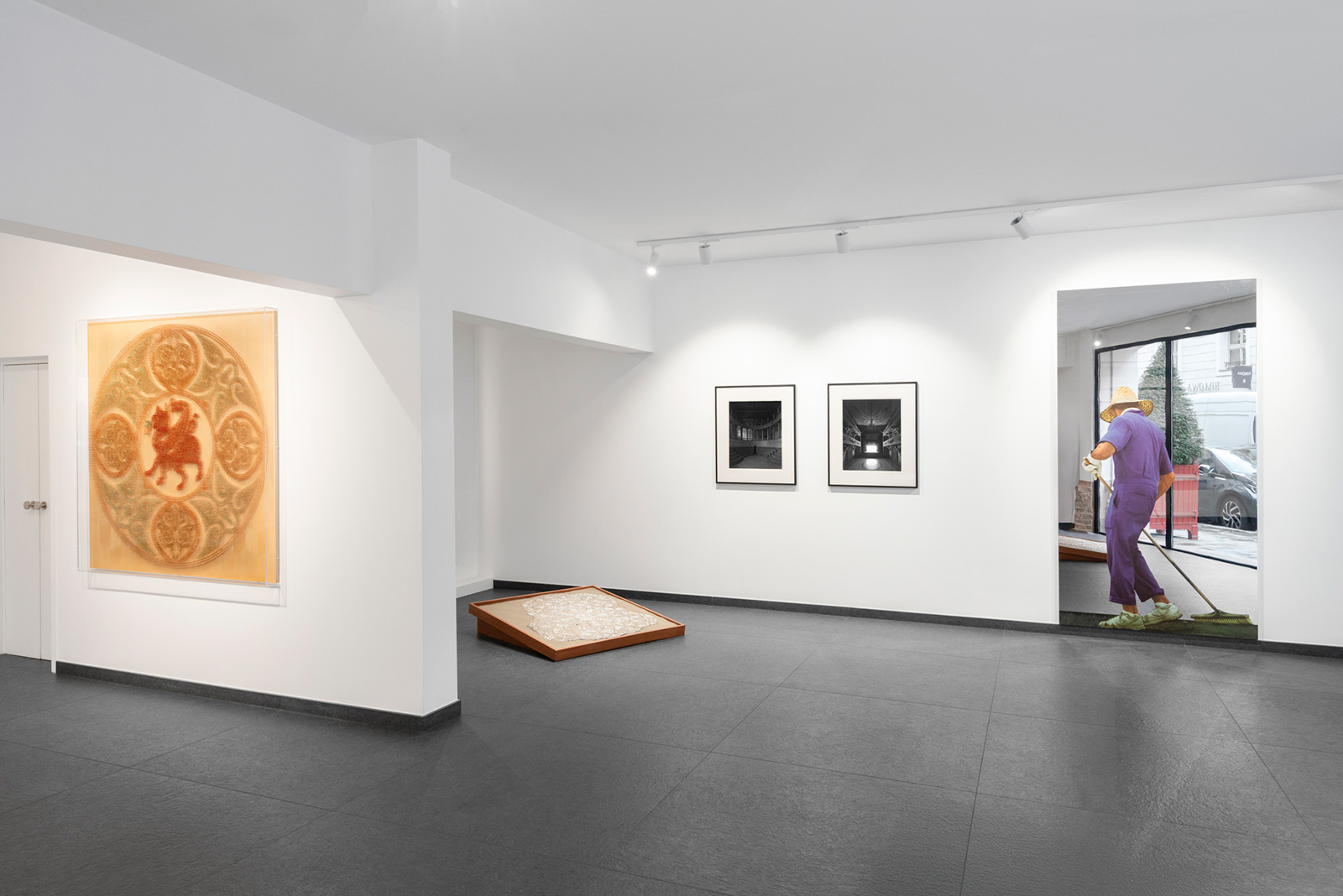
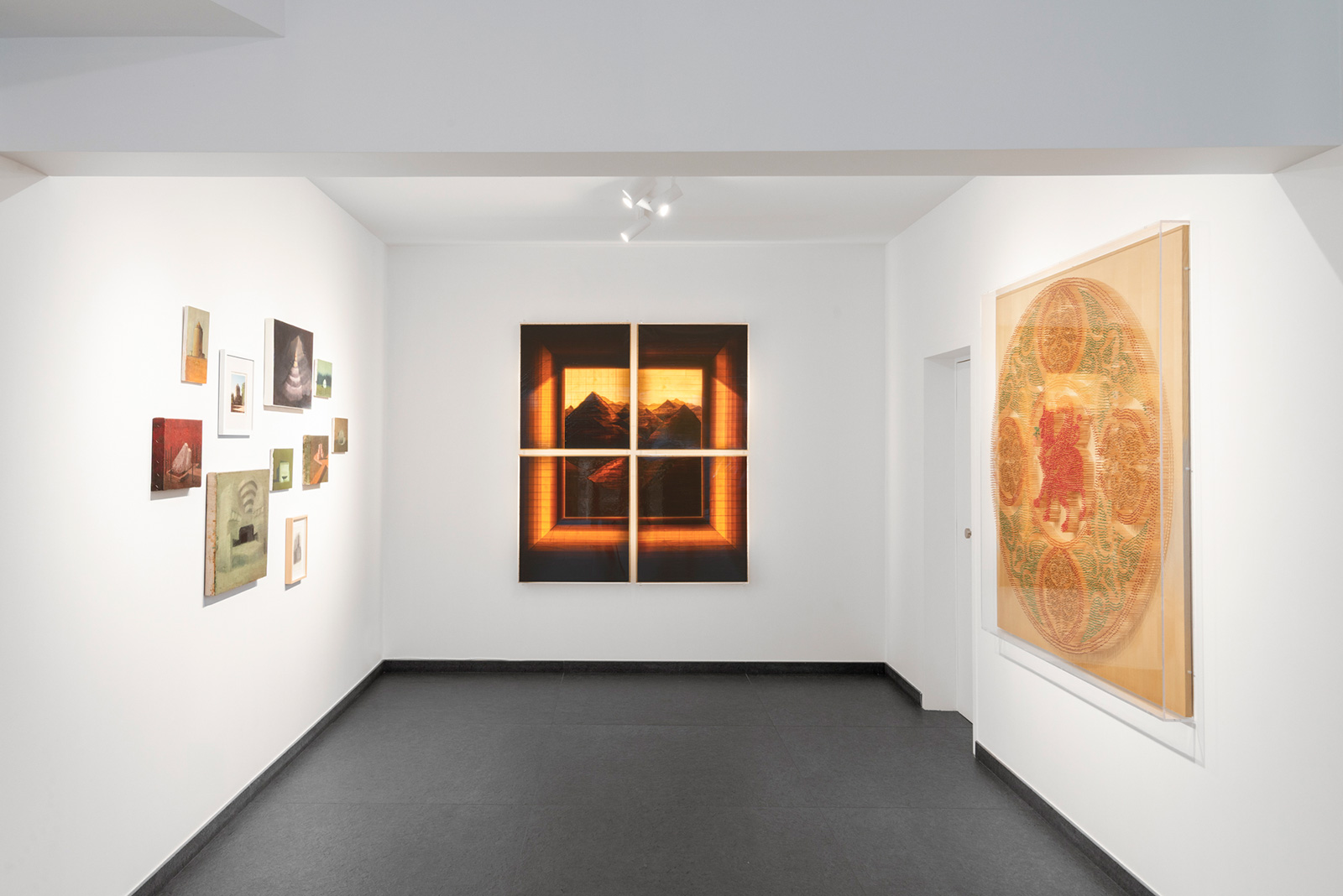
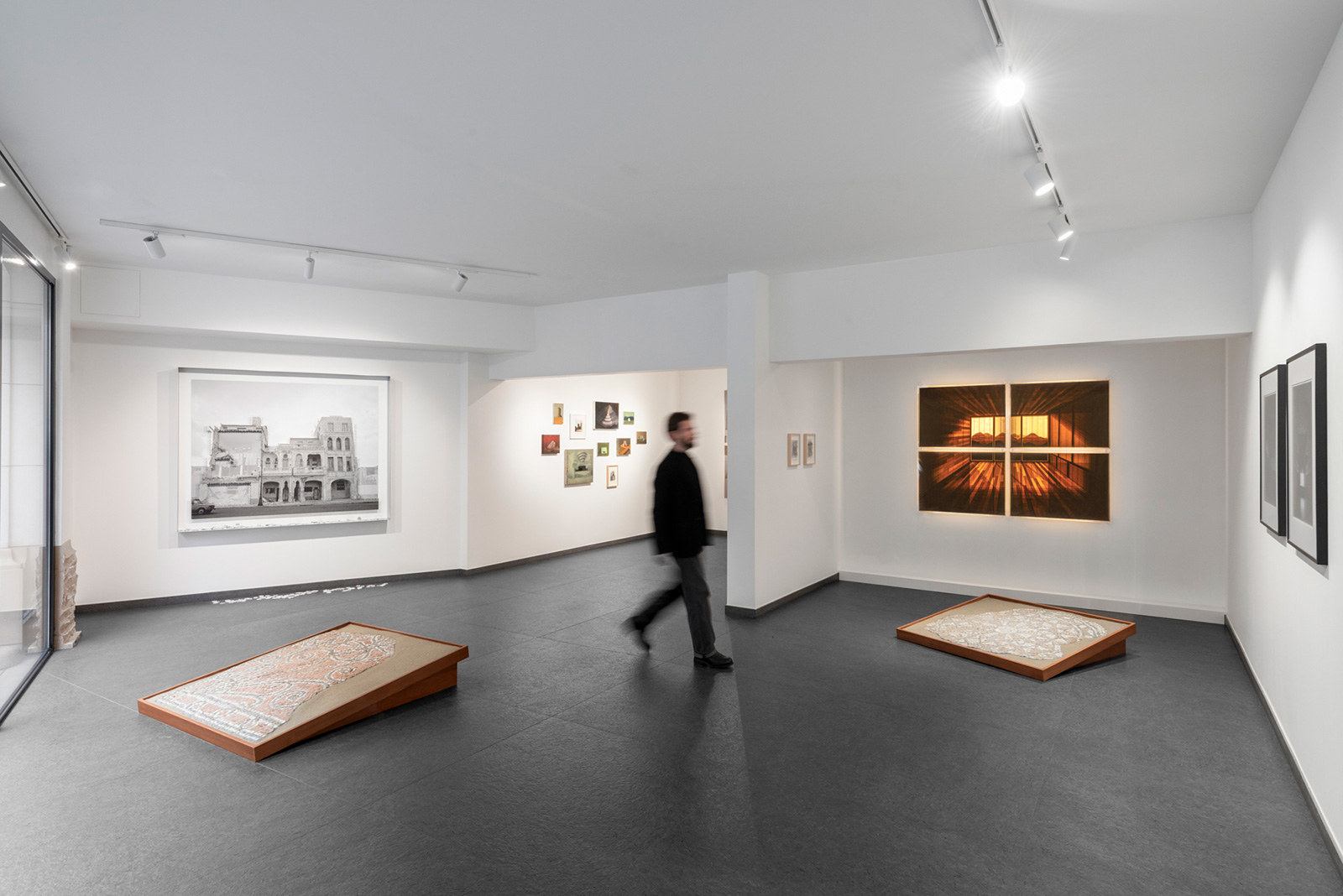
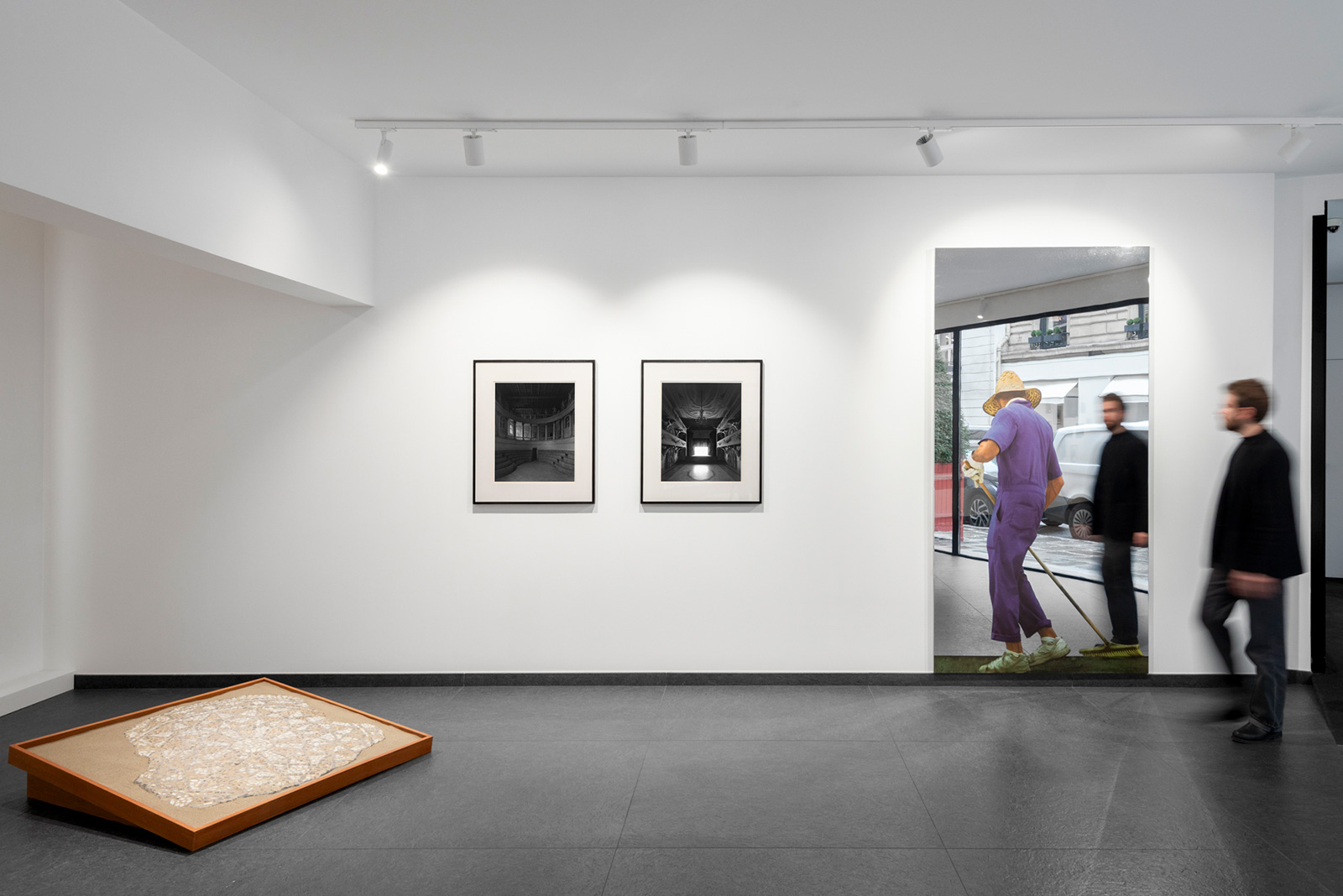
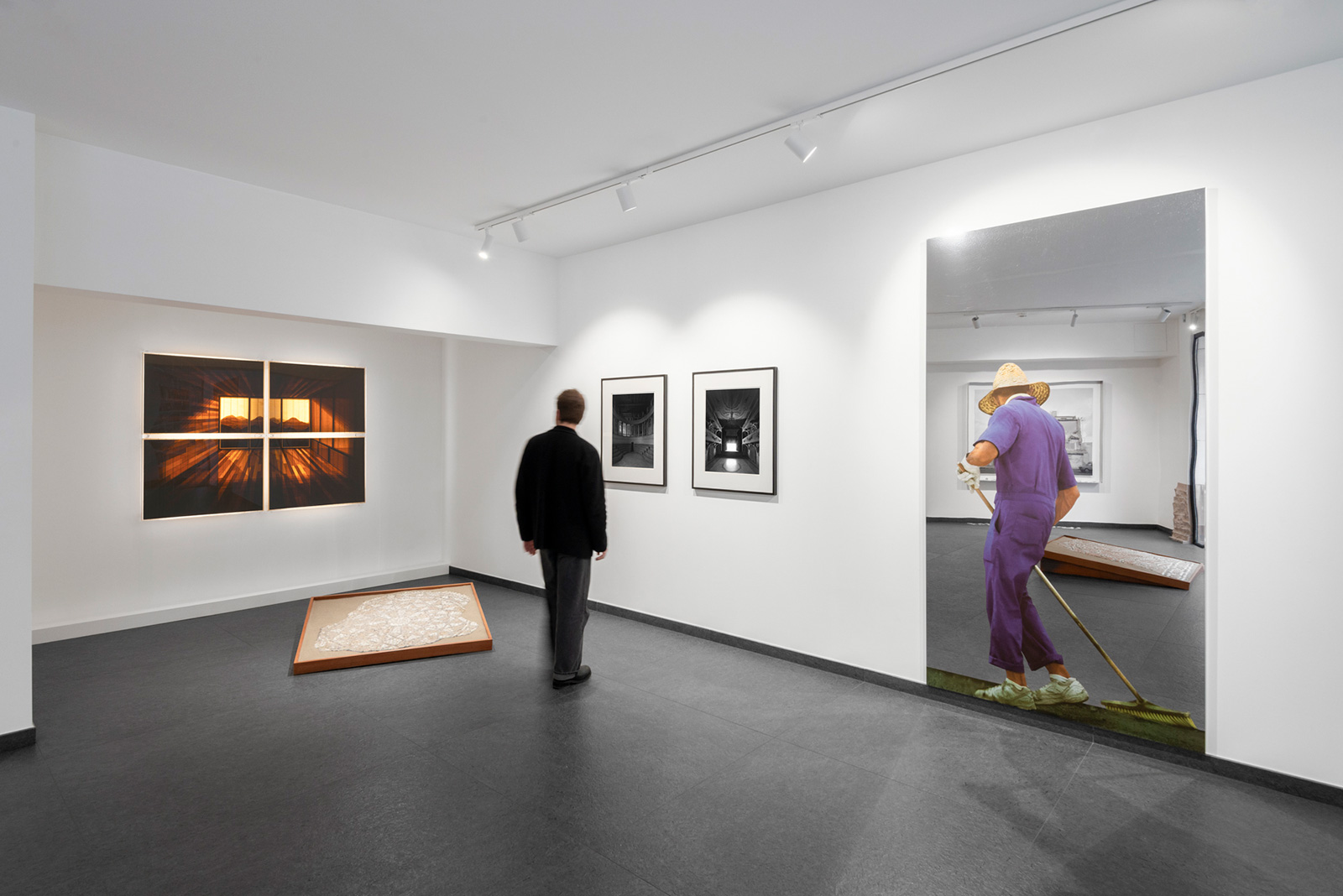
Galleria Continua / Paris Matignon presents Fragments de ville (Fragments of the city), a group exhibition that brings together major artists whose practices, each in their own way, examine the city as a space of memory, social transformation and individual projection. The show explores the intimate relationship these artists maintain with urbanity, in which the city appears both as a reflection of social mutations and conflicts and as an object of silent contemplation. Far from offering a unified vision, Fragments de ville proposes a plural reading of the city as a dynamic place, shaped by movement and change.
The creative environments specific to each artist shape this collective reflection. Cuba, with its unique political and architectural history, deeply influences the works of Alejandro Campins and Osvaldo González. Ukraine, marked by Russian imperialist aggression and the devastation of war, lies at the heart of Zhanna Kadyrova’s inquiries. Moataz Nasr, originally from Egypt, explores pan-Arab cultural identity and its relationship to the complex history of North Africa. Interior spaces, such as theatres, cinemas and historic buildings, form the primary terrain of Hiroshi Sugimoto’s global exploration. Carlos Garaicoa, for his part, questions urban architecture as a reflection of the fragility of social and political systems. Finally, Michelangelo Pistoletto, through his mirror paintings, sometimes intact, sometimes shattered, introduces the spatio-temporal dimension of the present into the artwork, making the viewer a central actor in the artistic experience.
Originally from Cuba, Campins draws inspiration from the places he moves through, while remaining deeply marked by his native island, whose history, architecture and landscapes continue to nourish his pictorial and photographic practice. His small-format paintings depict deserted architectures, devoid of any human presence, lending the scenes an atmosphere that is both enigmatic and dreamlike. In the Altars series, the artist explores Cuban monuments that have become transformed spaces, whose functions have been altered in the present, stripping these architectures of their original meaning. The Lethargy series, meanwhile, focuses on the bunker as an architectural element emblematic of troubled historical periods, striking the artist through its timeless nature, oscillating between protective necessity at certain moments and total abandonment at others.
The works of González, also originally from Cuba, take shape through meticulously superimposed layers of adhesive tape. Through this industrial material and the subtle use of light, the artist composes imaginary architectures directly inspired by the reality he experiences. His compositions evoke interior landscapes in which architecture becomes the main subject of the work, capturing fleeting moments and transitional states at the boundary between memory and perception.
Kadyrova’s Landmarks series offers an in-depth exploration of originality, imitation and historicity. In her creations, the artist experiments with the notion of 'false originals', inserting mosaics and sculptures made from locally sourced reclaimed materials into historic urban contexts, where they can pass as authentically ancient. In Landmarks (Found Mosaic), Kadyrova creates tension between genuine material and constructed artifact, thus questioning the reliability of historical narratives. The work invites viewers to reflect on authenticity, the passage of time, and the ways in which history and objects from the past can be reinterpreted, manipulated or reinvented, highlighting the infiltration of misleading information into collective consciousness.
The relationship between society and its history also manifests in Nasr’s series of works in which matches become a central tool, including The Flower. For this piece, the artist draws on the motif of a Fatimidera plate exhibited at the Museum of Cairo, itself damaged by a series of terrorist attacks that struck Egypt in the lead-up to the third anniversary of the 2011 Revolution. Through The Flower, Nasr explores fire as a force that is both destructive and creative, mirroring the nature of revolution.
A major photographer of the contemporary scene, Sugimoto explores places imbued with history and memory through his images. The works presented, drawn from his Theaters series, were produced in Italy and retrace certain stages of a famous journey undertaken in the 16th century by four Japanese emissaries, known as the 'Four Boys', sent by their country to discover Christendom. The two photographs depict the theatre of Villa Mazzacorati in Bologna and the Teatro all’Antica in Sabbioneta. Begun in 1976, the series led Sugimoto to photograph cinemas and theatres around the world. After a pause of nearly fifteen years, he resumed the project in 2013, incorporating the luminous screen into the composition. The screen’s light reveals the subtle architectural details veiled by the surrounding darkness.
The works of Garaicoa embody the idea of fragmentation conveyed by contemporary cities. Part of the Puzzles series, they are composed of fragmented urban images, some pieces of which appear to escape the composition and fall into the display case of the work, heightening the sense of disintegration. The photographs of buildings in ruins, taken in Havana, New York or Cape Town, testify both to the disappearance of buildings from collective memory and to the material collapse of the structures they represent. Puzzles embodies an extreme tension between permanence and transience.
The division of space also appears conceptually in the works of Pistoletto, inviting viewers to rethink their relationship with art. In his mirror paintings, reality is reflected and directly integrated into the work, blurring the boundary between object and subject. The viewer is no longer a simple observer, but an actor in the artistic experience, making observation both active and reciprocal. In this way, Pistoletto transforms contemplation into a living interaction between art and life.
Through these singular and complementary approaches, Fragments de ville composes a sensitive cartography of the contemporary city: fragmented, shifting and inhabited by time, memory and imagination.



 Sign in with Google
 Sign in with email