Enter your details to sign in
Don’t have an account?
Sign upOr you can sign in with
a single account for all
STIR platforms
All your bookmarks will be available across all your devices.
Stay STIRred
Already have an account?
Sign inOr you can sign up with
Verification link sent to check your inbox or spam folder to complete sign up process



We use cookies and similar technologies, to help provide you with a better, faster, and safer experience while delivering content
tailored to your interests.
By clicking on the AGREE button, closing this banner, clicking or navigating the website, you consent to the use of all cookies and similar technologies for the purposes we describe in our
Privacy Policy.
We use several cookies that are related to the functionality, security & user preferences,
analytics, and advertising. While some are essential, you may choose to dis-allow the use of others.
Please choose your preference, or opt for the best experience by closing this banner, clicking or navigating the website.
For more detailed information please read our Privacy Policy
 Connect
Connect
Connect





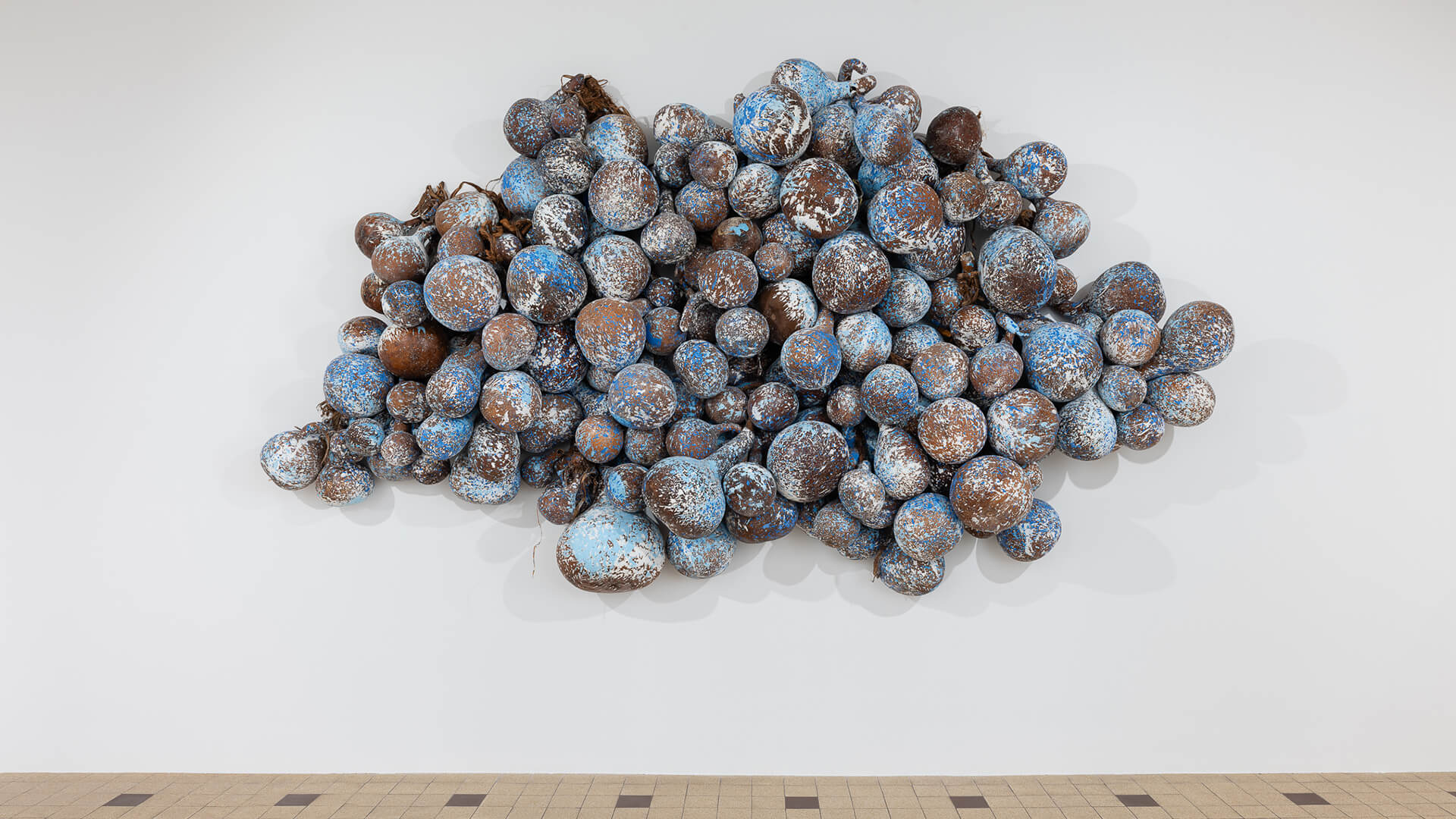
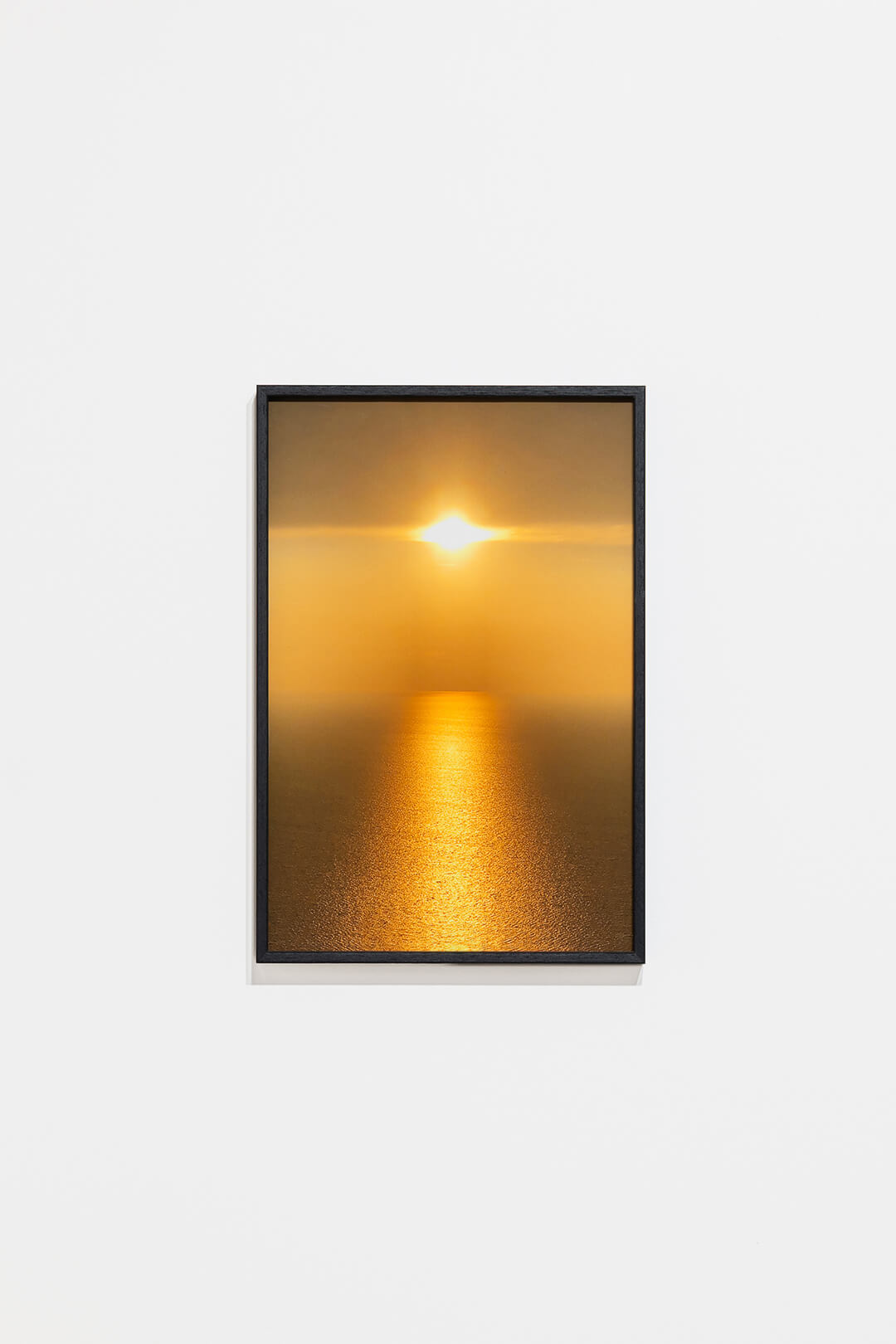
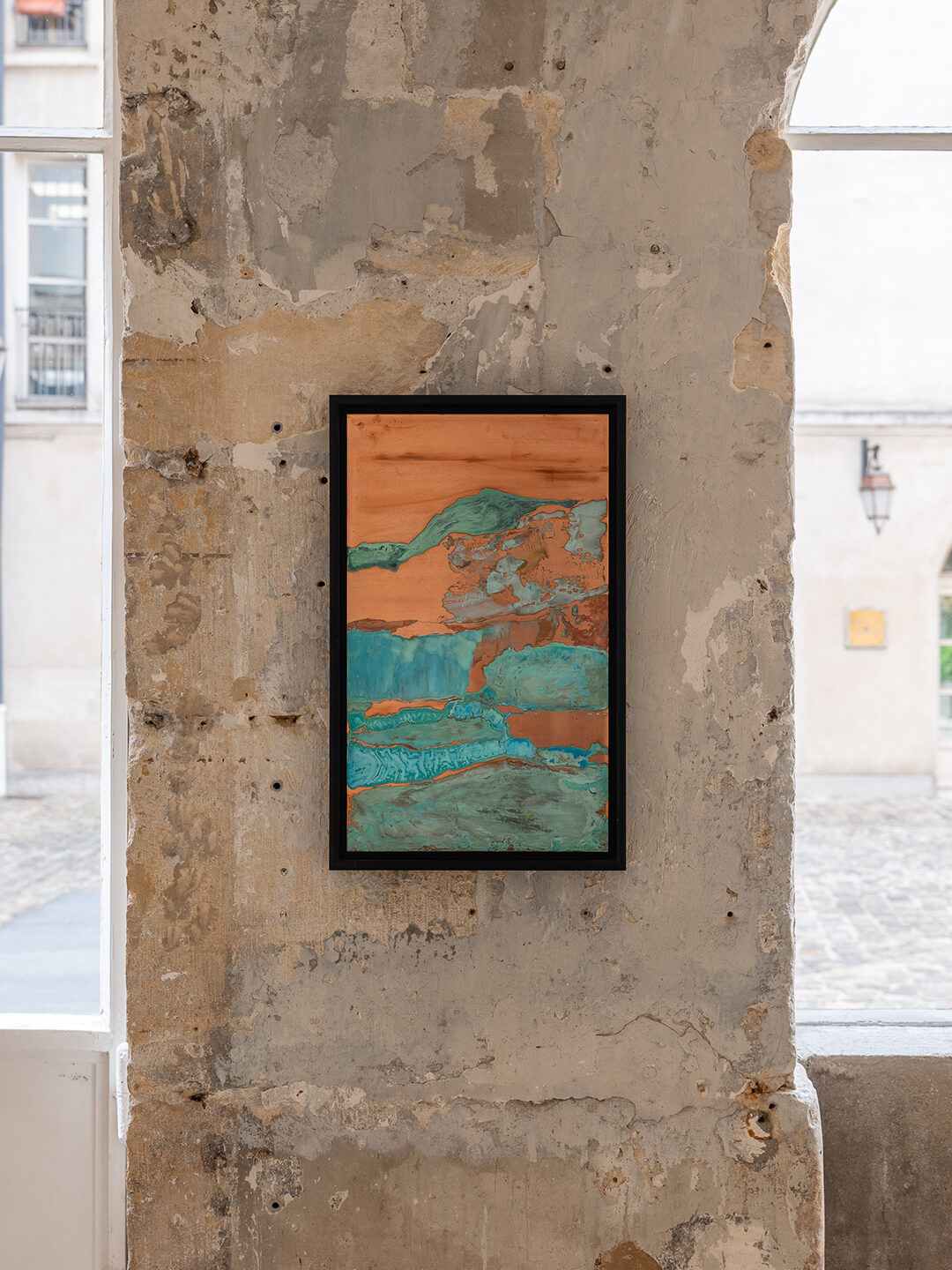
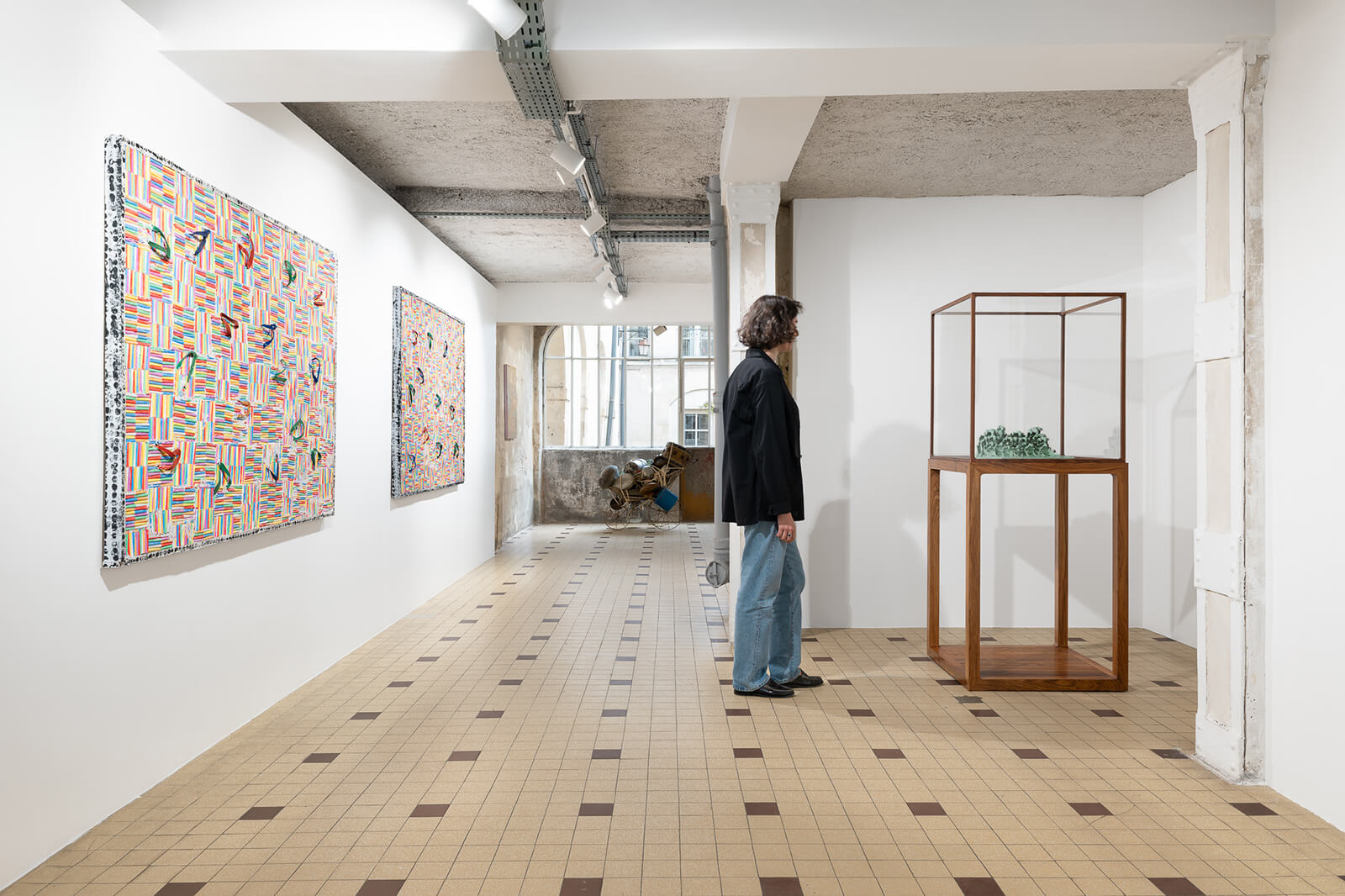
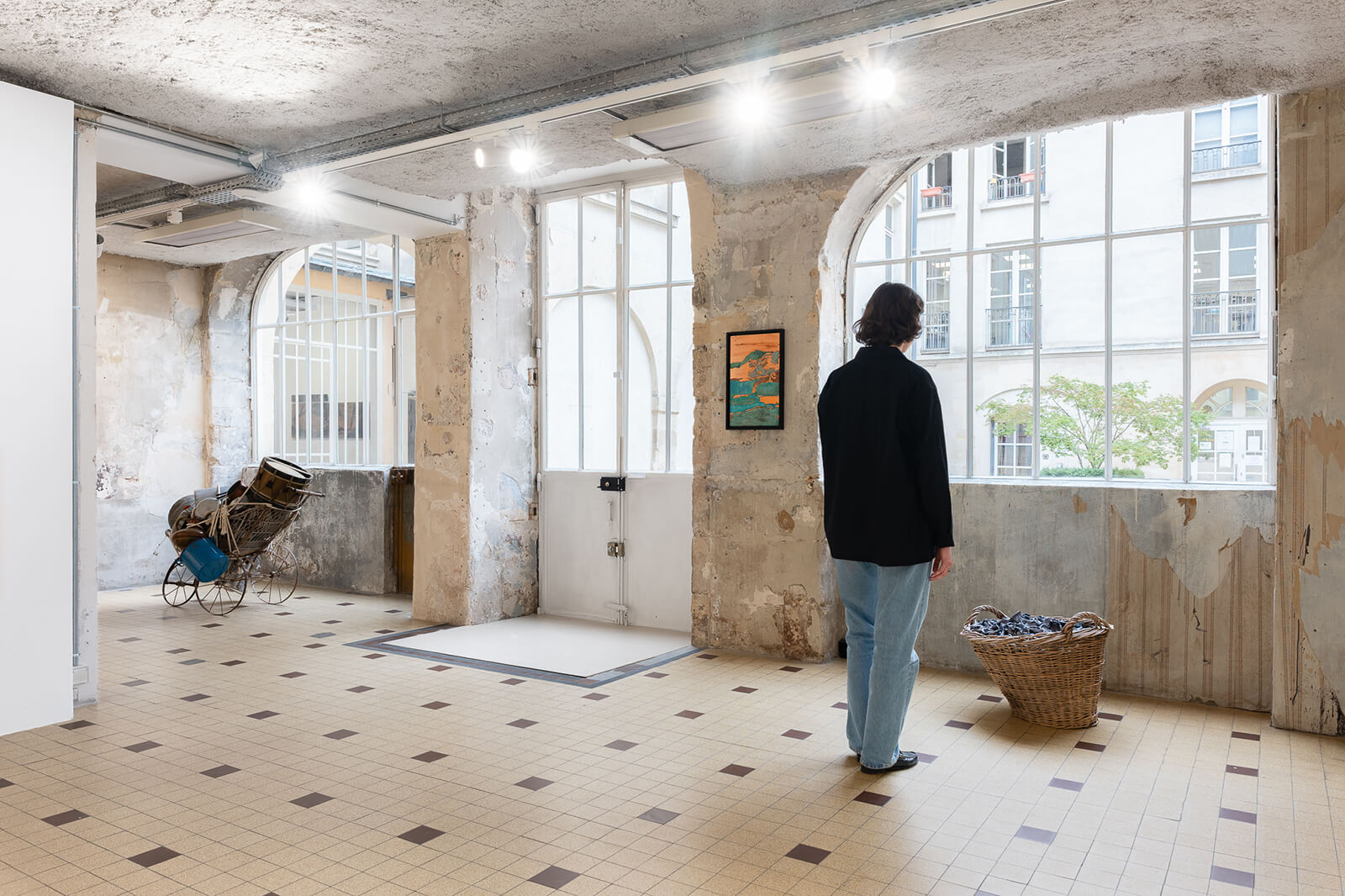
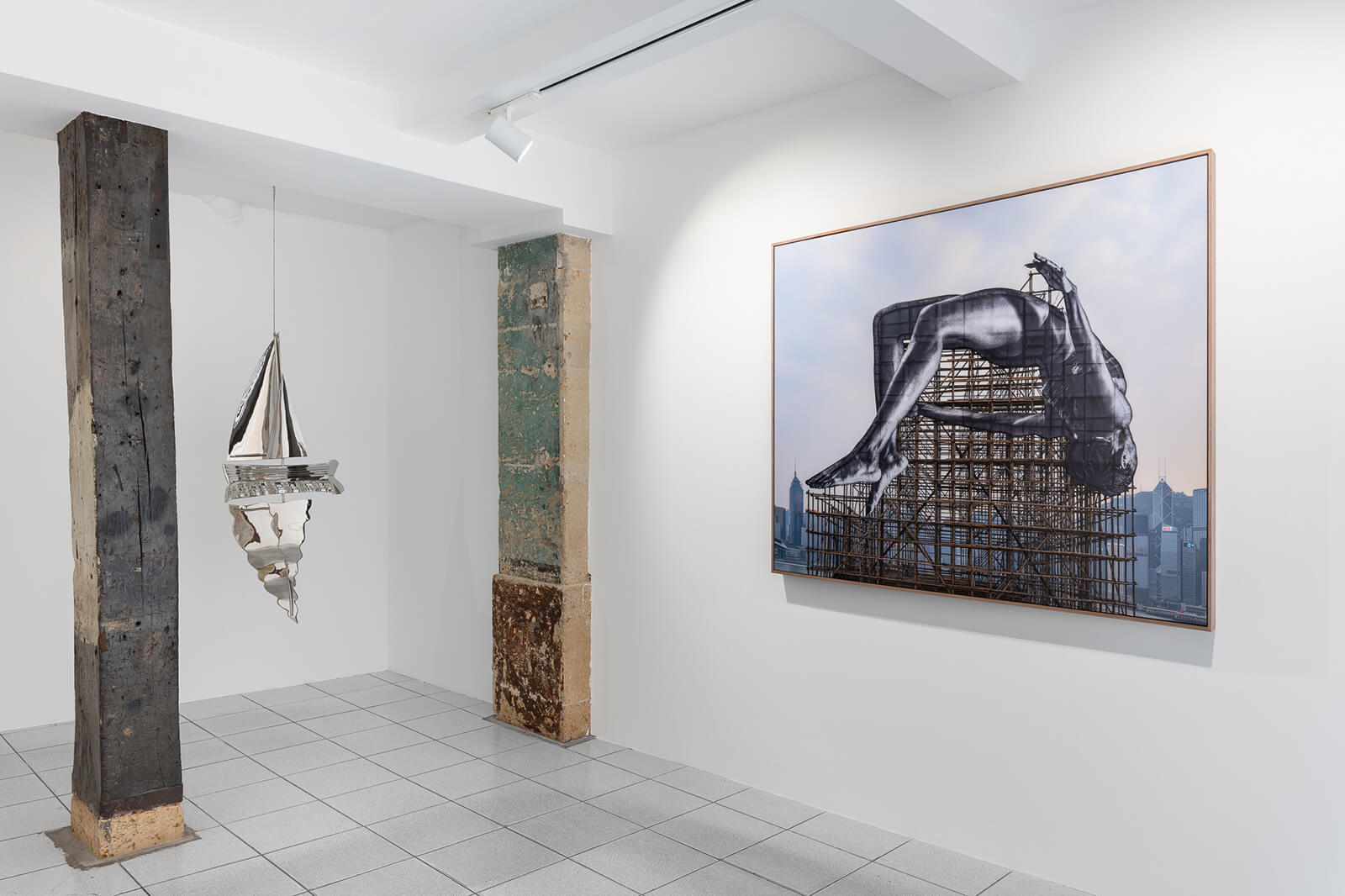
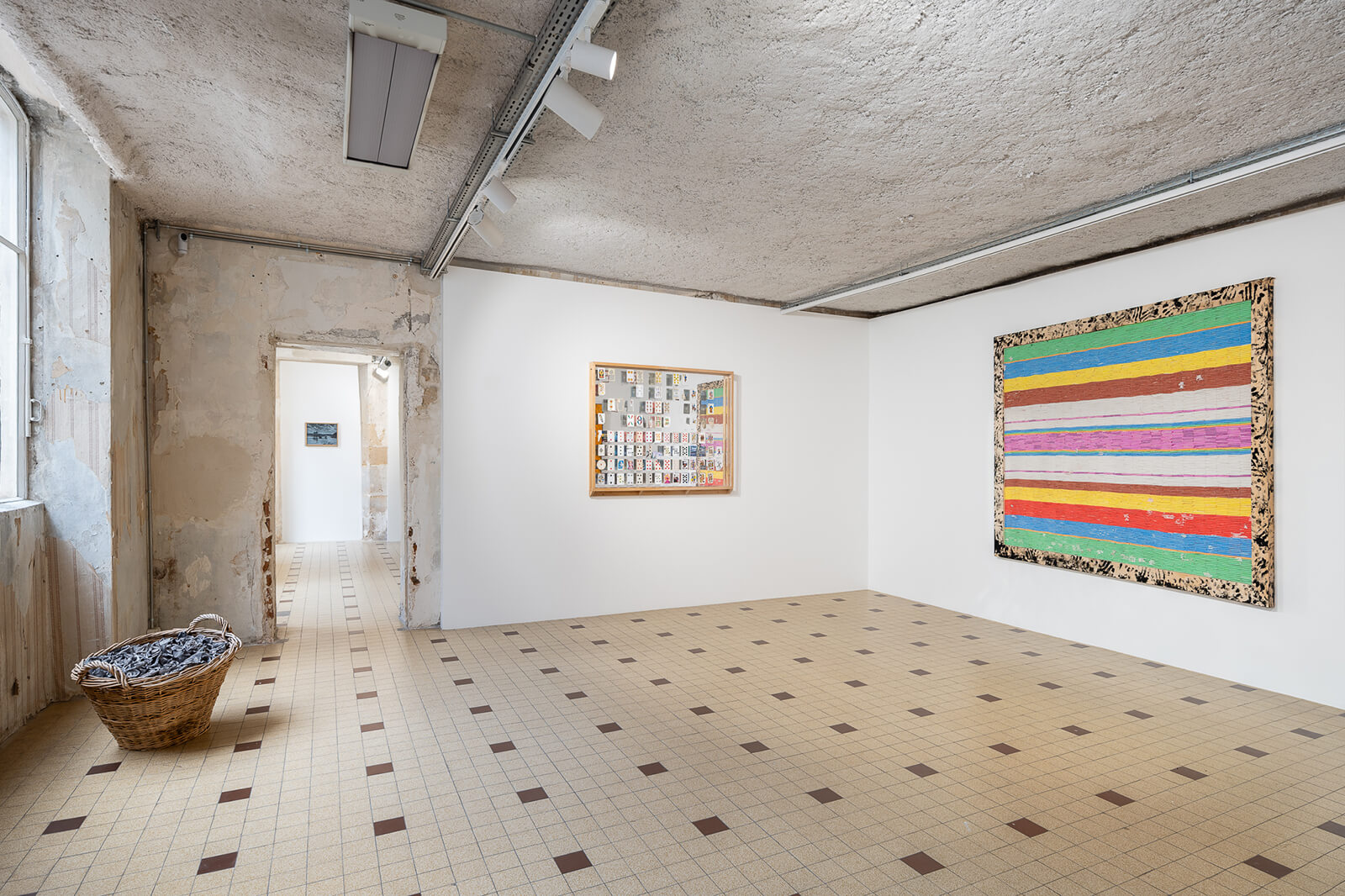
Galleria Continua presents the group show Plein Soleil, shown across its two Paris spaces, located respectively in the Marais and Matignon districts. The two exhibitions feature works by Adel Abdessemed, Ai Weiwei, Juan Araujo, Barbana Bojadzi, Hans Op de Beeck, Yoan Capote, Loris Cecchini, Elizabet Cerviño, Nikhil Chopra, Berlinde De Bruyckere, Leandro Erlich, Subodh Gupta, JR, José Mesías, Giovanni Ozzola, Serse, Nedko Solakov, Marta Spagnoli, Pascale Marthine Tayou, Nari Ward, Sislej Xhafa and José Yaque.
Bringing together artists from different generations and geographies, working across a range of practices, Plein Soleil at Paris Marais sets out to evoke the sensations we typically associate with the summer season. Light becomes material, colours intensify, while landscapes, bodies and natural elements unfold in a surge of vitality and blossoming. Hovering between contemplation and celebration of the living, the works on view in both galleries evoke that time of year when time seems to stretch, the gaze relaxes and the mind gives way to a renewed sense of lightness.
Colour emerges as the exhibition’s protagonist, infusing both spaces with a luminous, vibrant atmosphere. It calls to the mind flowering trees, the colourful parasols of summer beaches, the bustle of tourist crowds, starlit nights, the discoveries of travel and moments of leisure. Yet, beneath this apparent carefree spirit, more complex questions surface. By evoking the imagery of holidays and leisure, the exhibition invites reflection on the privilege that the very possibility of travel and movement represents. It sheds light on the environmental stakes tied to tourist mass flows, while also evoking a more subtle layer of meaning: emigration, driven by harsh political, economic or climatic realities. This way, the imagery of mobility, discovery and escape takes on a more ambivalent dimension, revealing the inequalities that underpin our relationship to movement.
Taking its title from the cinematic masterpiece Plein Soleil, whose Mediterranean atmosphere, steeped in light, creates a striking contrast between the dazzling beauty of the landscapes and the moral darkness of the plot, the exhibition engages in a similar reflection. Unlike many noir films set in shadow, the crimes committed by the protagonist of the movie are concealed in broad daylight, beneath a light that nevertheless seems to reveal everything. In much the same way, Plein Soleil allows essential questions of our contemporary societies to surface behind a joyful, summery aesthetic. It thus invites the viewer to move beyond the immediate seduction of the works and interrogate the more complex issues they convey.
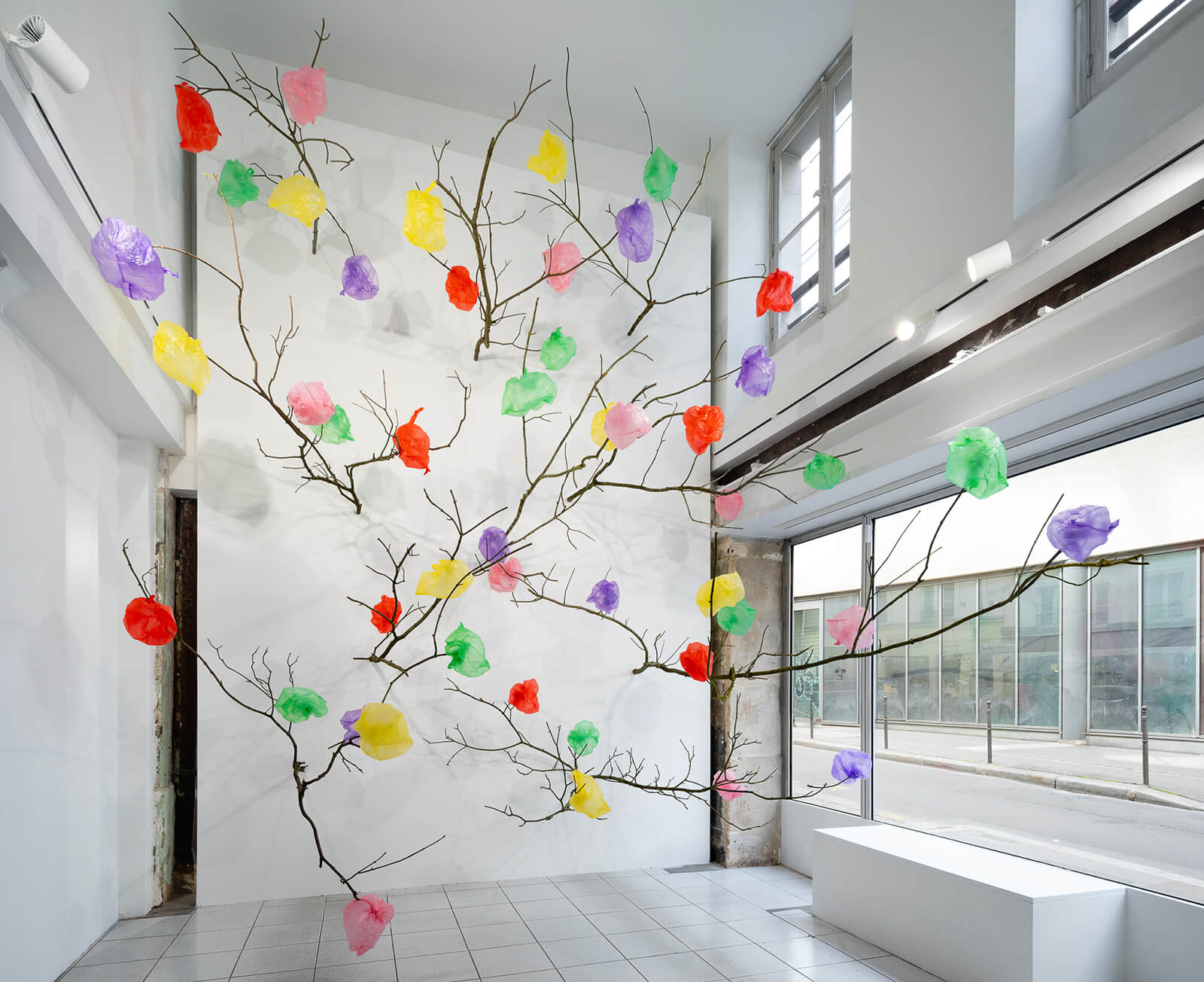
Visitors are welcomed by Pascale Marthine Tayou’s installation Plastic Tree, in which a fruit tree springs from the wall. On closer inspection, however, its fruits, or flowers, turn out to be made of plastic bags, drawing attention to the challenges of waste management and its persistence in the environment. The work thus prompts reflection on the impact of our consumption habits and the consequences of our collective actions on ecosystems.
Ai Weiwei’s sculpture Wave continues this two-sided reflection by depicting a wave whose foam metamorphoses into menacing claws. A symbol of freedom, travel and openness, the sea here reveals its most unsettling and violent face. Shifted from its epoch, an antique Chinese display cabinet becomes the support for a contemporary sculpture. Through its colours and lacquered finish, the work enters into dialogue with the tradition of Chinese porcelain, while invoking art history, from Yuan dynasty paintings to Japanese woodblock prints.
This ambivalence is equally present in Yoan Capote’s Sentimientos encontrados (melancolía). Composed of a multitude of echocardiograms forming the surface of a turbulent sea, the work evokes the countless lives suspended or lost at sea. Behind the poetry of this maritime expanse lies the tragedy of contemporary migration, recalling the fate of those who cross the waters at the risk of their lives in the hope of a better future.
Throughout a varied journey with materiality at its core, art reveals itself as a language capable of synthesising complex reflections in visual form. This is the case with Subodh Gupta’s installation Untitled, in which a stroller overflowing with everyday objects questions our relationship to material possessions, the importance we place on them in the construction of our identity and the need to carry them along in contexts of migration so as not to lose one’s memories and roots.
The duality running through the entire exhibition also takes shape in Berlinde De Bruyckere’s I Never Promised You a Rose Garden. Long drawn to decadent vitality, the fragility of life and its transitory nature, this early work, made in 1992, already reveals the themes that would go on to define the Belgian artist’s practice. By transforming a traditional symbol of beauty, a basket of roses, into an object of weight and immobility, the work expresses a fundamental paradox: forms associated with delicacy and life are rendered inert by lead, a material that evokes permanence and gravity. The work thus presents itself as a meditation on loss, memory and the impossibility of preserving life in an unchanging state.
The exhibition unfolds the full complexity of contemporary society, its contradictions and persistent inequalities, with the intention not of concealing or softening them, but of exposing them, in broad daylight.



 Sign in with Google
 Sign in with email