Enter your details to sign in
Don’t have an account?
Sign upOr you can sign in with
a single account for all
STIR platforms
All your bookmarks will be available across all your devices.
Stay STIRred
Already have an account?
Sign inOr you can sign up with
Verification link sent to check your inbox or spam folder to complete sign up process



We use cookies and similar technologies, to help provide you with a better, faster, and safer experience while delivering content
tailored to your interests.
By clicking on the AGREE button, closing this banner, clicking or navigating the website, you consent to the use of all cookies and similar technologies for the purposes we describe in our
Privacy Policy.
We use several cookies that are related to the functionality, security & user preferences,
analytics, and advertising. While some are essential, you may choose to dis-allow the use of others.
Please choose your preference, or opt for the best experience by closing this banner, clicking or navigating the website.
For more detailed information please read our Privacy Policy
 Connect
Connect
Connect





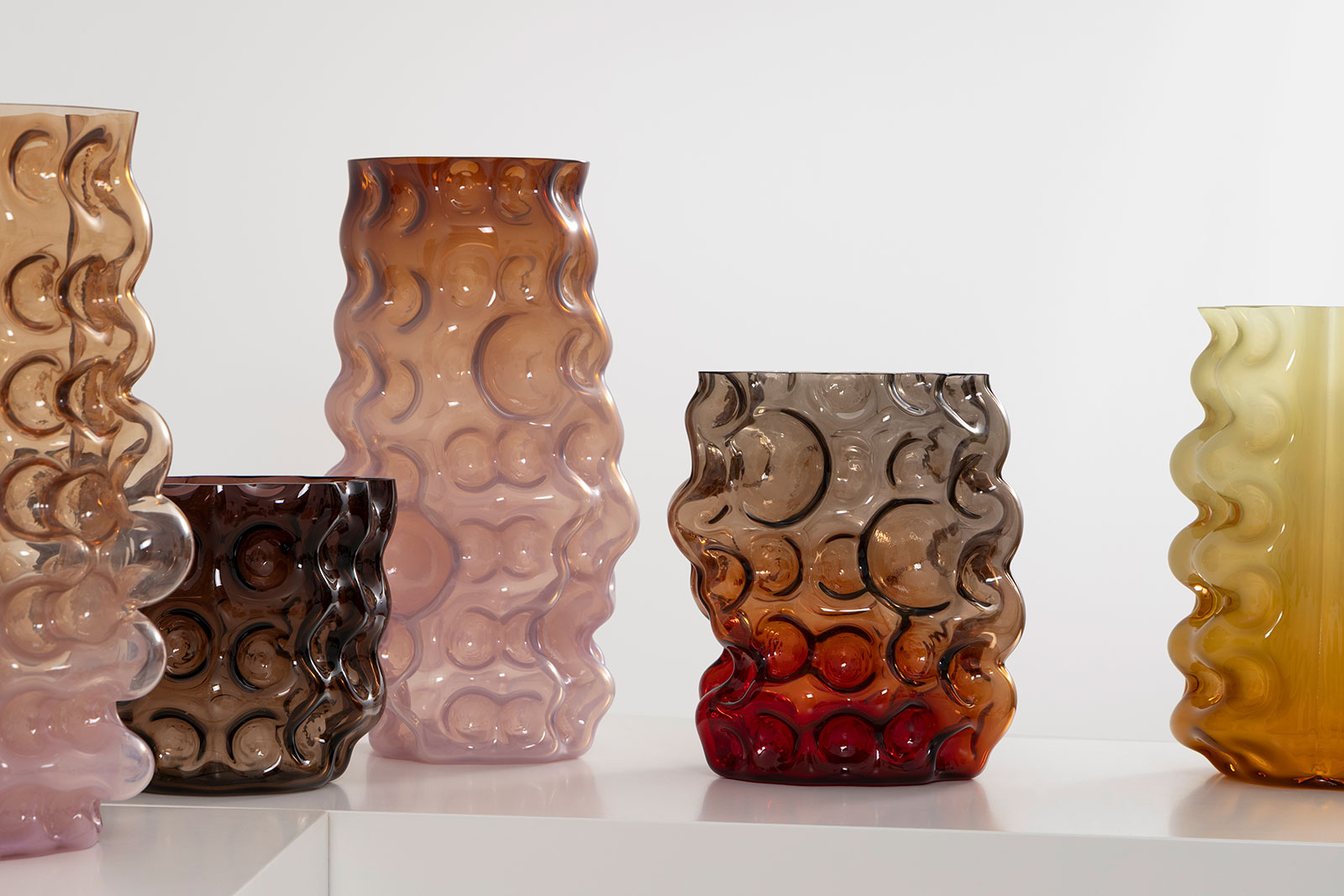
"The interaction between what you design and the form it ultimately takes, as well as responding to accidental discoveries throughout the process, fascinates me enormously," says Dutch designer and artist Tejo Remy.
Inventiveness, playfulness, reuse and chance, above all chance. These are the qualities that have defined Remy’s work for more than twenty-five years. As a designer and artist, he rarely begins with a fixed plan. Instead, his work emerges through materials, experimentation and the surprises that reveal themselves during the making process.
For Remy, designing often starts with a simple observation: a found object, an unexpected shape or a chance encounter between materials. In his studio, materials do not function merely as raw ingredients for a preconceived outcome, but as active participants in an ongoing investigation. It is a place where looking, feeling, testing and starting over are fundamental to the creative process. The unexpected moments, the so-called happy accidents, frequently become the catalyst for new ideas and discoveries.
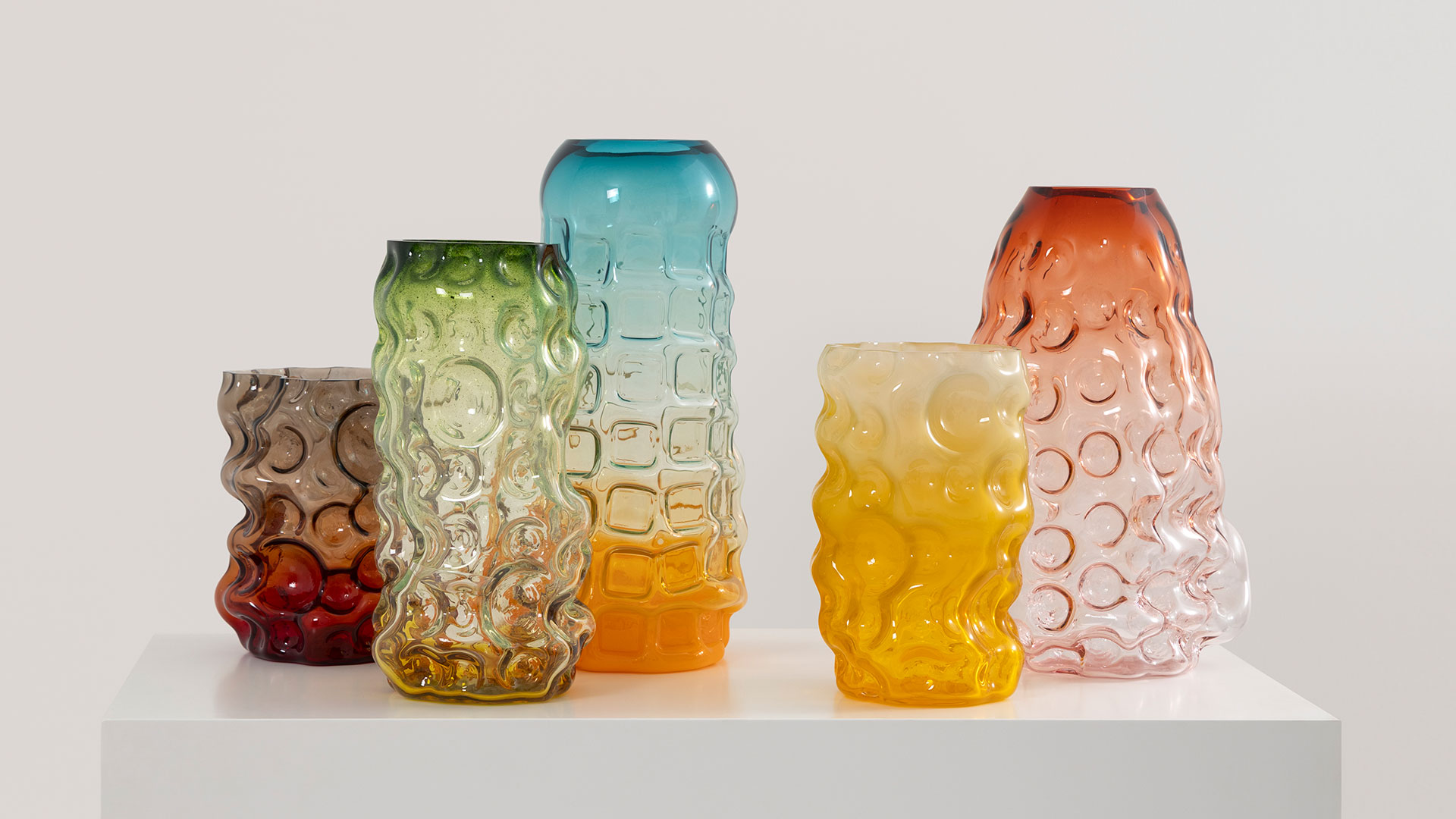
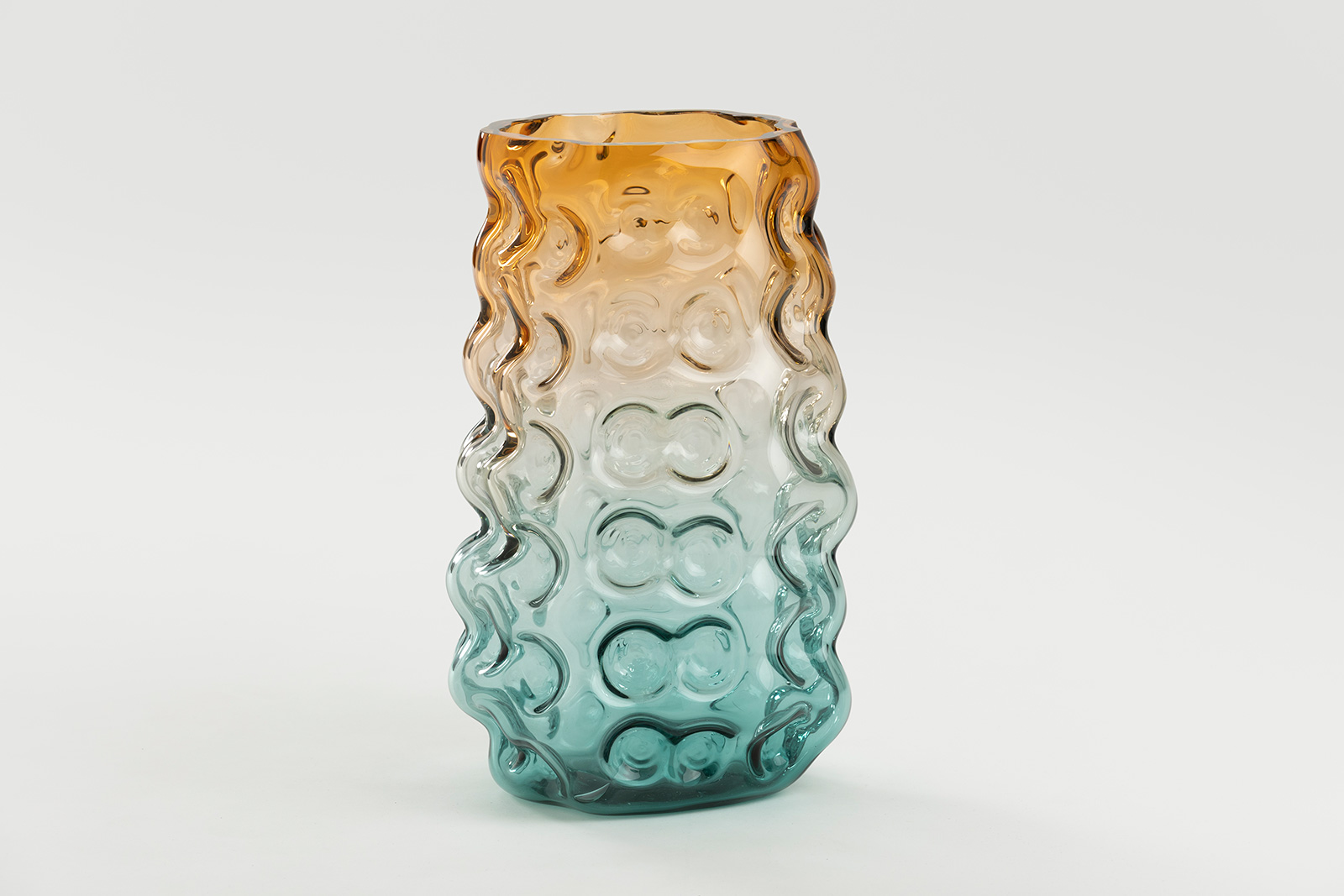
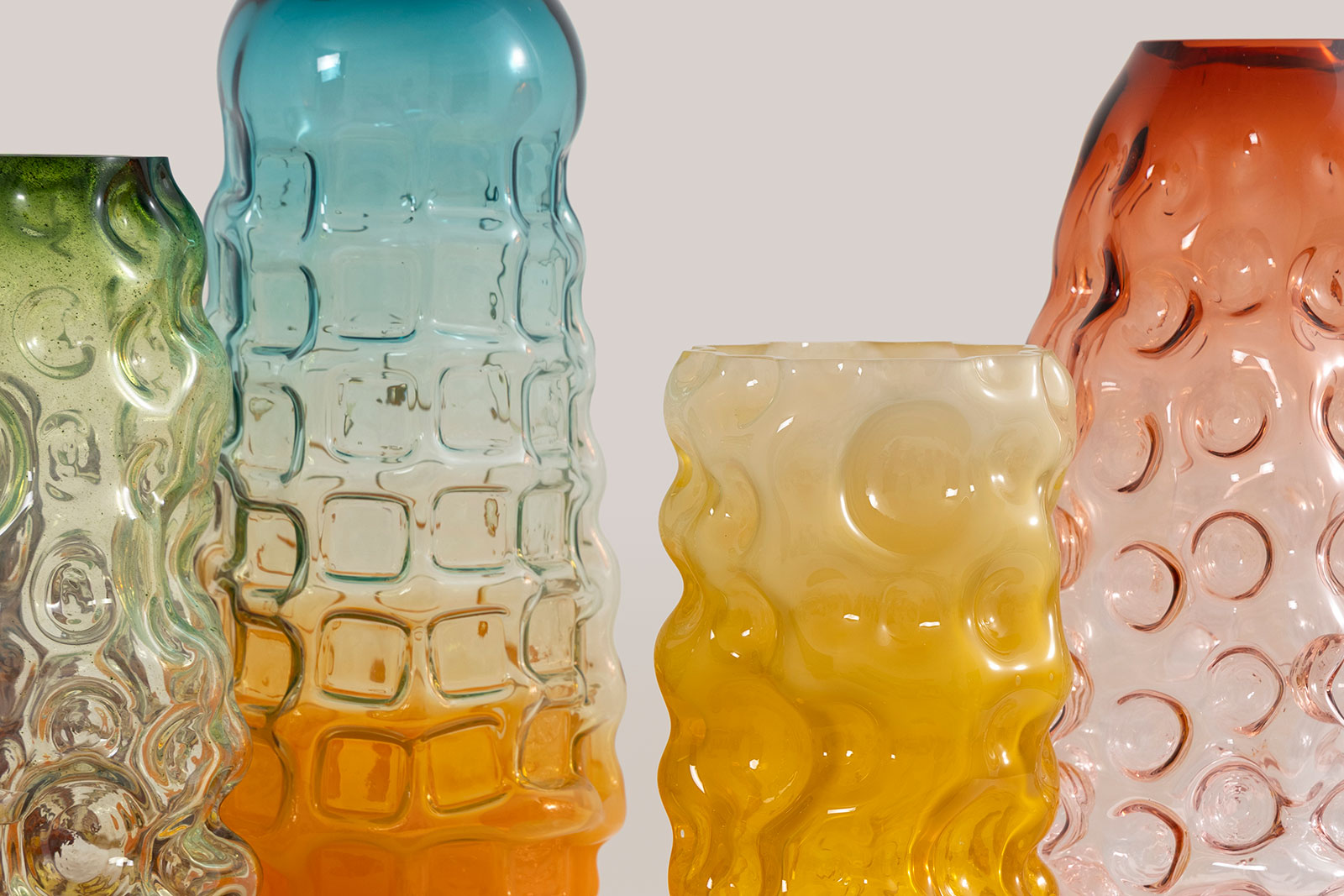
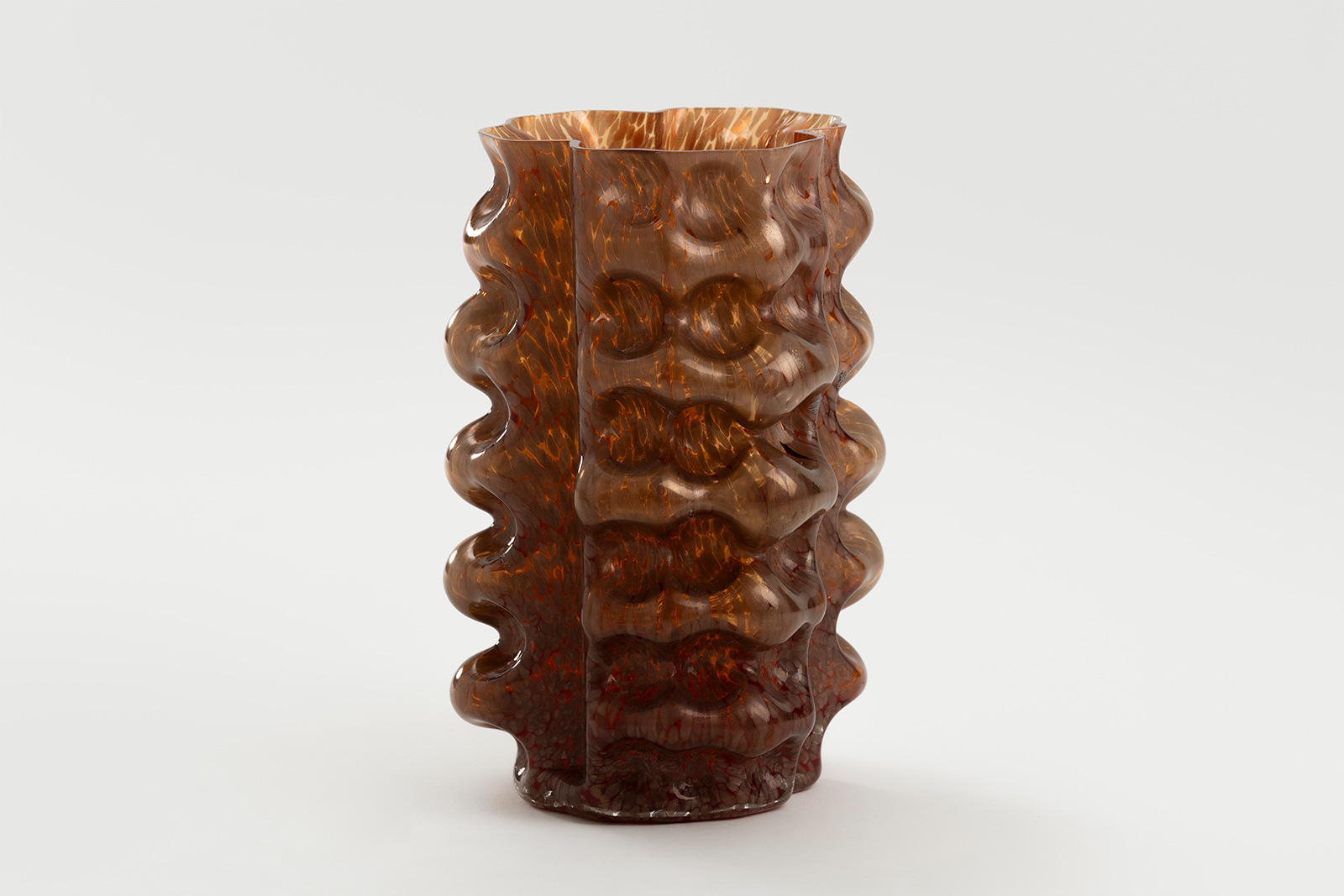
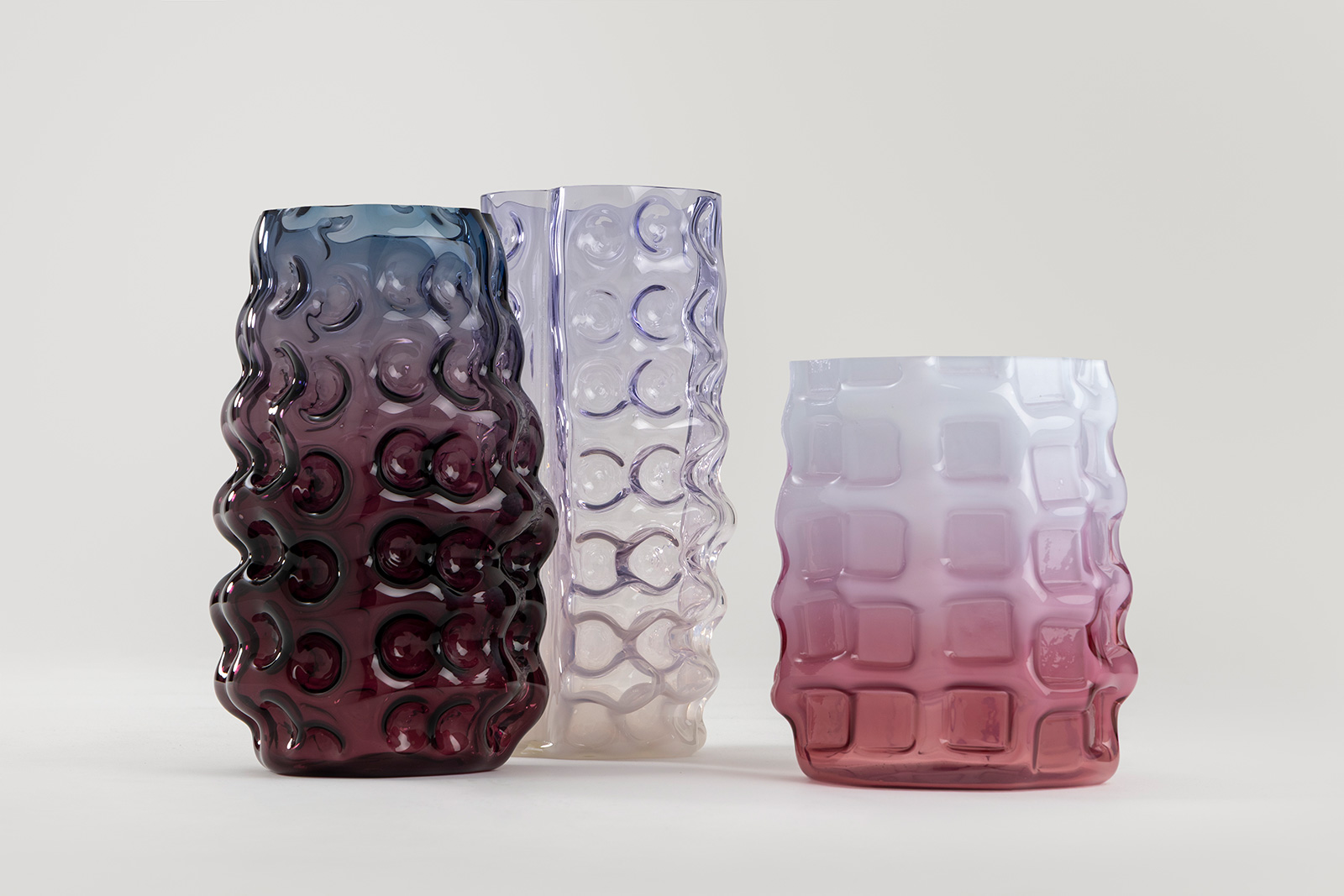
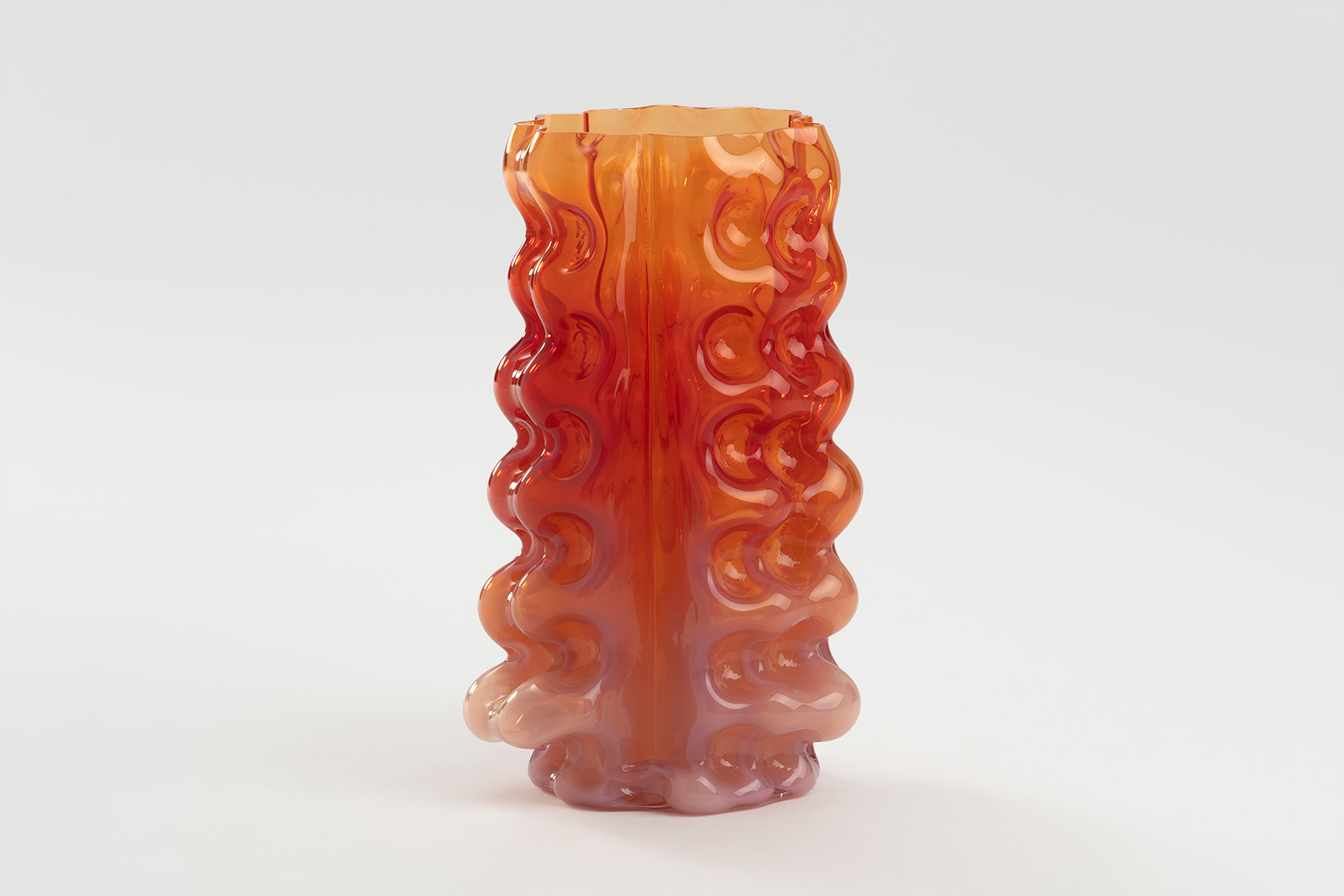
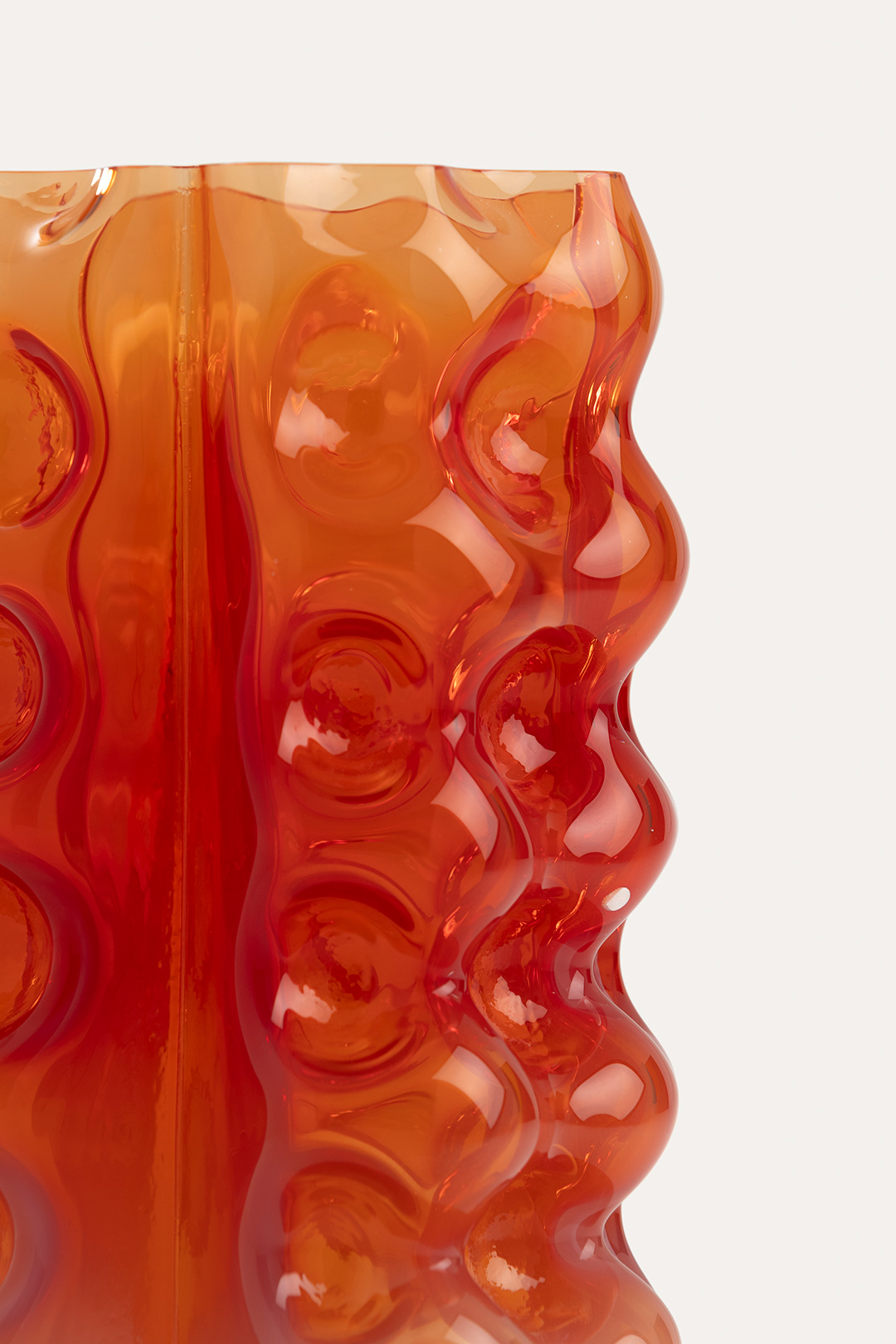
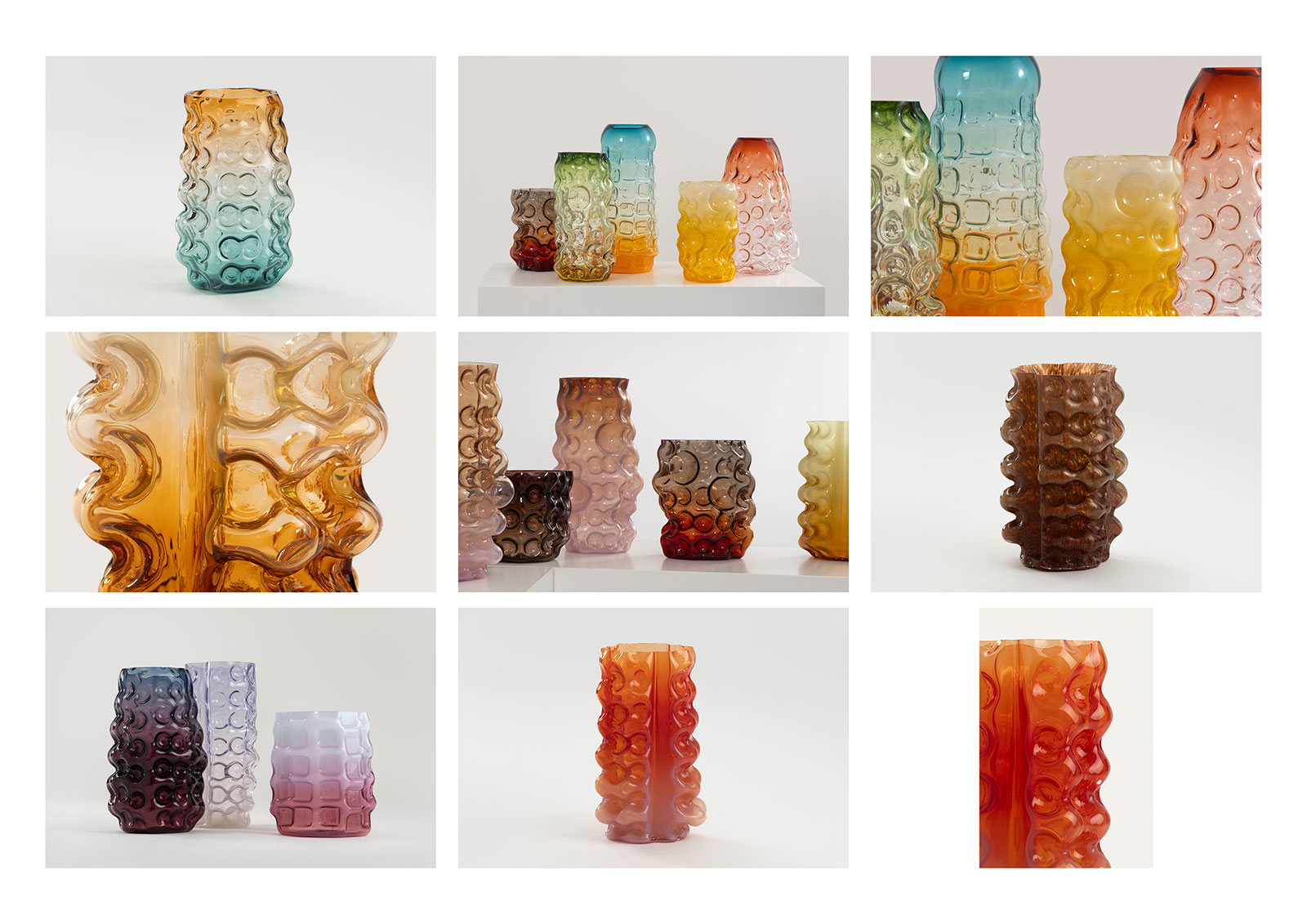
The series Solid Air, Liquid Colour is a direct result of this way of working. At Galerie kreo, Remy presents 38 unique glass vases that have emerged from years of extensive exploration of glass, form and chance. Each vase is different, each shape has its own history and every distortion tells something about the process from which it originated.
A crucial part of the research for these works took place during Remy’s residency at CIRVA in Marseille, the International Centre for Research on Glass and Visual Arts. Over two years, during which he spent ten working weeks in Marseille, he collaborated with specialised glassmakers and technicians to develop new approaches to glassblowing, glass casting and mould-making. Throughout this process, he explored how materials such as steel, wood, concrete, plaster, reed and mesh could leave their traces within the glass.
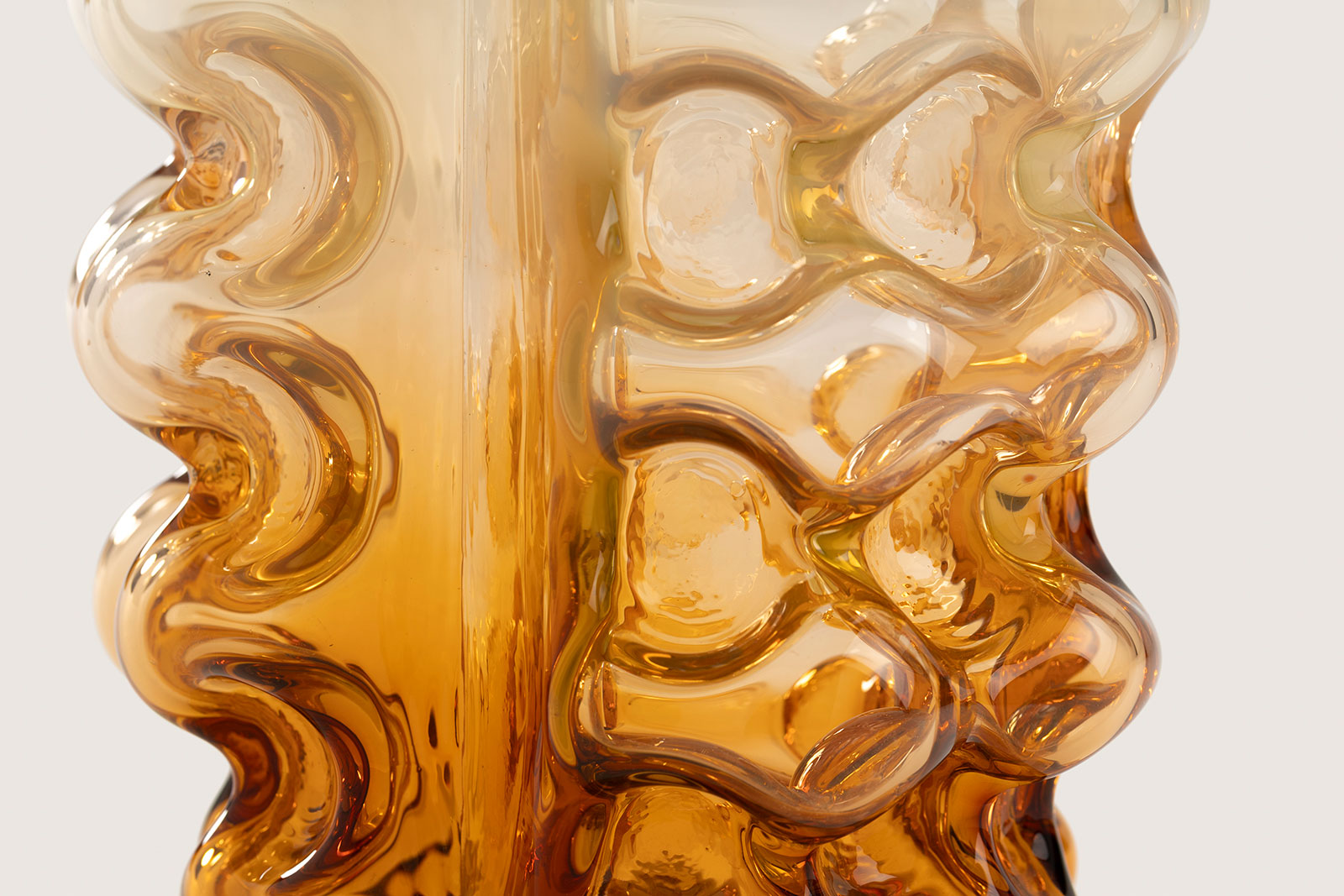
Working with moulds proved particularly fascinating. A negative form is transformed into a positive one during the blowing process, yet the result can never be completely controlled. The hot glass partly follows the constraints of the mould and partly obeys its own logic. It is precisely within this tension between control and unpredictability that the distinctive visual language of the series emerges. Some vases are subtly distorted, while others seem almost frozen in motion. They capture the moment when liquid glass solidifies, while retaining the energy of its transformation. The title Solid Air, Liquid Colour refers to this paradox. Glass is shaped by air and heat, yet it appears to remain fluid. The material is solidified and stable, but still conveys a sense of movement, softness and flow.
Colour plays an equally essential role. Unexpected nuances emerge: warm reds and oranges reminiscent of sunsets, cool blues, soft greens and transparent shades that change with the light.
Together, the vases form a visual record of a research process that continuously opens up new directions. They demonstrate how design can evolve not only from ideas, but also from experimentation, material knowledge and a willingness to embrace the unexpected. In Remy’s work, making and discovering are inseparable.
Remy (1960) is among the most influential Dutch designers of his generation. Since 1991, he has been associated with Droog, the internationally renowned design collective known for its conceptual and innovative approach to design. His work occupies the intersection of design and visual art. Rather than focusing on the product itself, his practice is driven by research, exploration and process. Remy studied at the Utrecht School of the Arts (HKU) and his work is included in museum collections around the world. Alongside his autonomous practice, he collaborates with René Veenhuizen through Atelier Remy & Veenhuizen, creating public spaces and environments that encourage interaction and encounter.
With Solid Air, Liquid Colour, Remy once again demonstrates his unique ability to bring together material, experimentation and imagination in objects that are both surprising and inevitable. Each vase is a snapshot of a process in which control and chance continuously challenge, enrich and shape one another.


 Sign in with Google
 Sign in with email