Enter your details to sign in
Don’t have an account?
Sign upOr you can sign in with
a single account for all
STIR platforms
All your bookmarks will be available across all your devices.
Stay STIRred
Already have an account?
Sign inOr you can sign up with
Verification link sent to check your inbox or spam folder to complete sign up process



We use cookies and similar technologies, to help provide you with a better, faster, and safer experience while delivering content
tailored to your interests.
By clicking on the AGREE button, closing this banner, clicking or navigating the website, you consent to the use of all cookies and similar technologies for the purposes we describe in our
Privacy Policy.
We use several cookies that are related to the functionality, security & user preferences,
analytics, and advertising. While some are essential, you may choose to dis-allow the use of others.
Please choose your preference, or opt for the best experience by closing this banner, clicking or navigating the website.
For more detailed information please read our Privacy Policy
 Connect
Connect
Connect





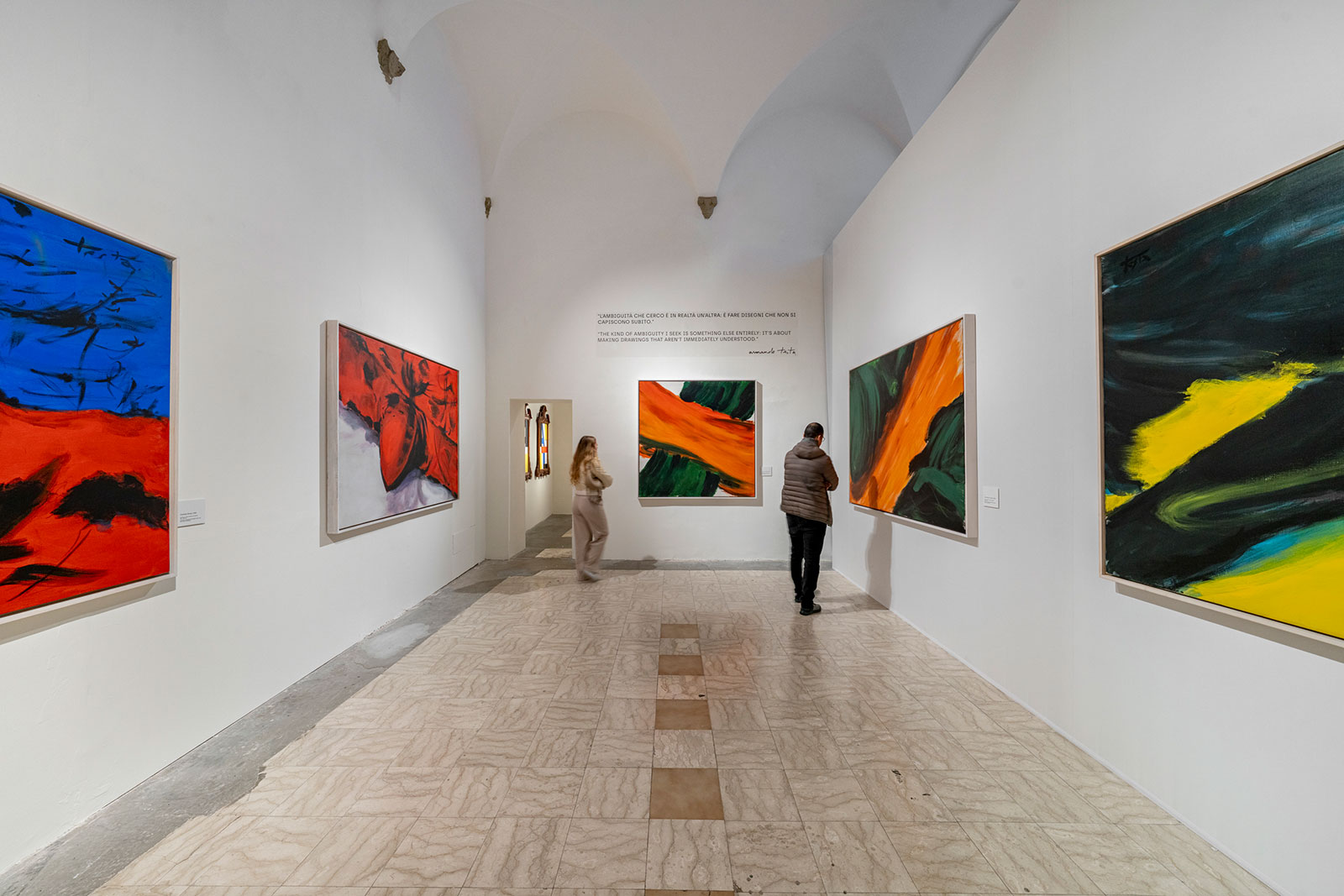
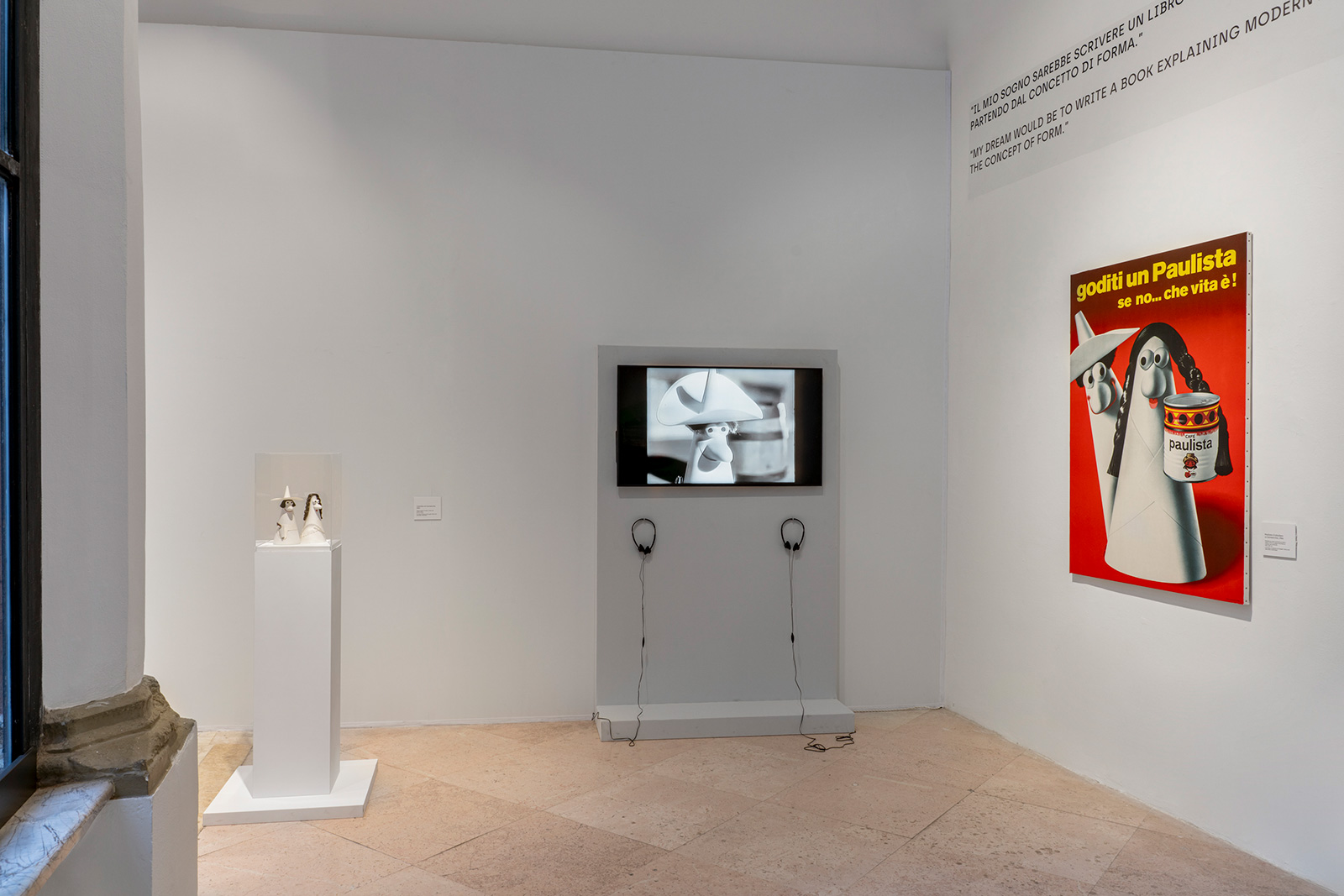
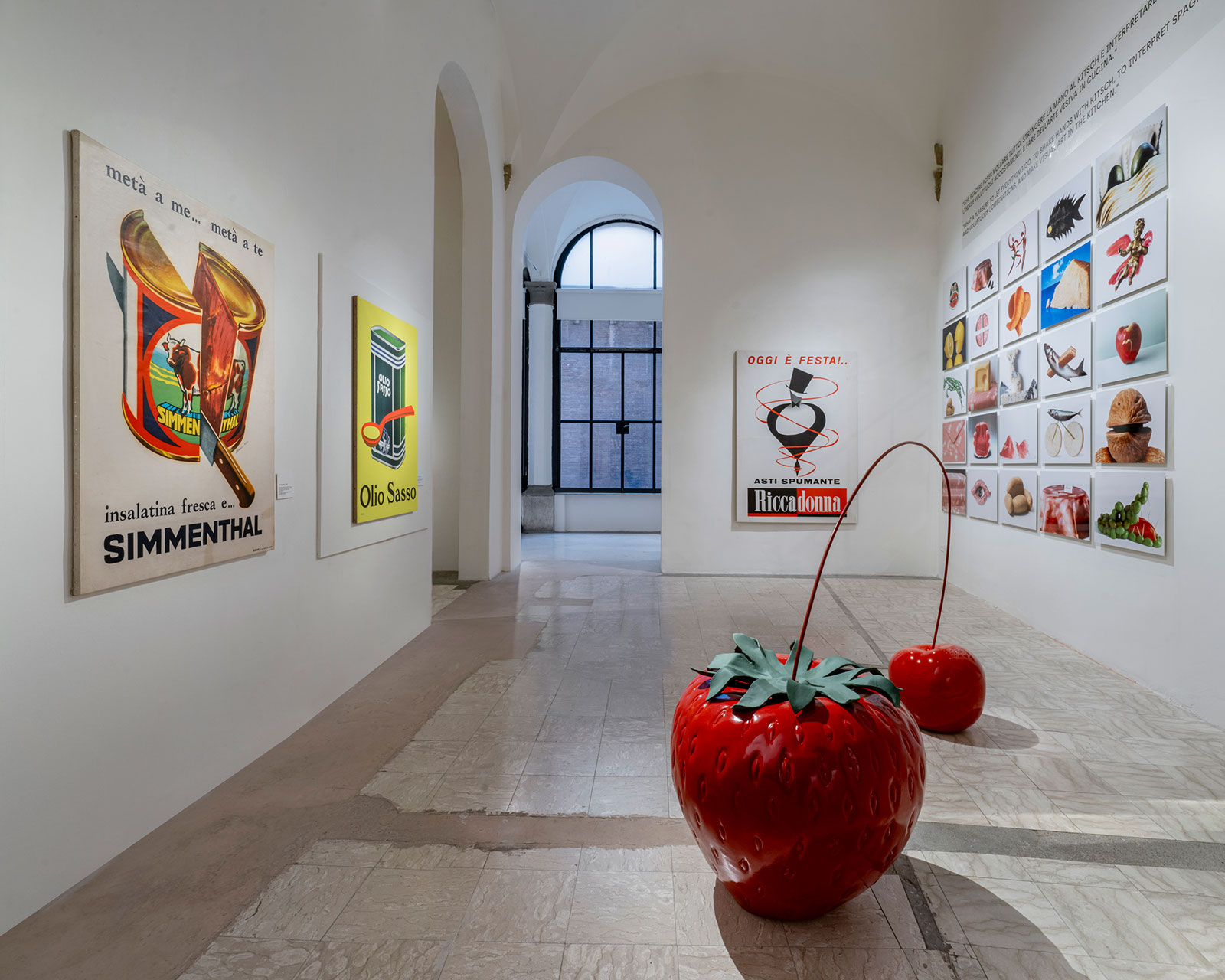
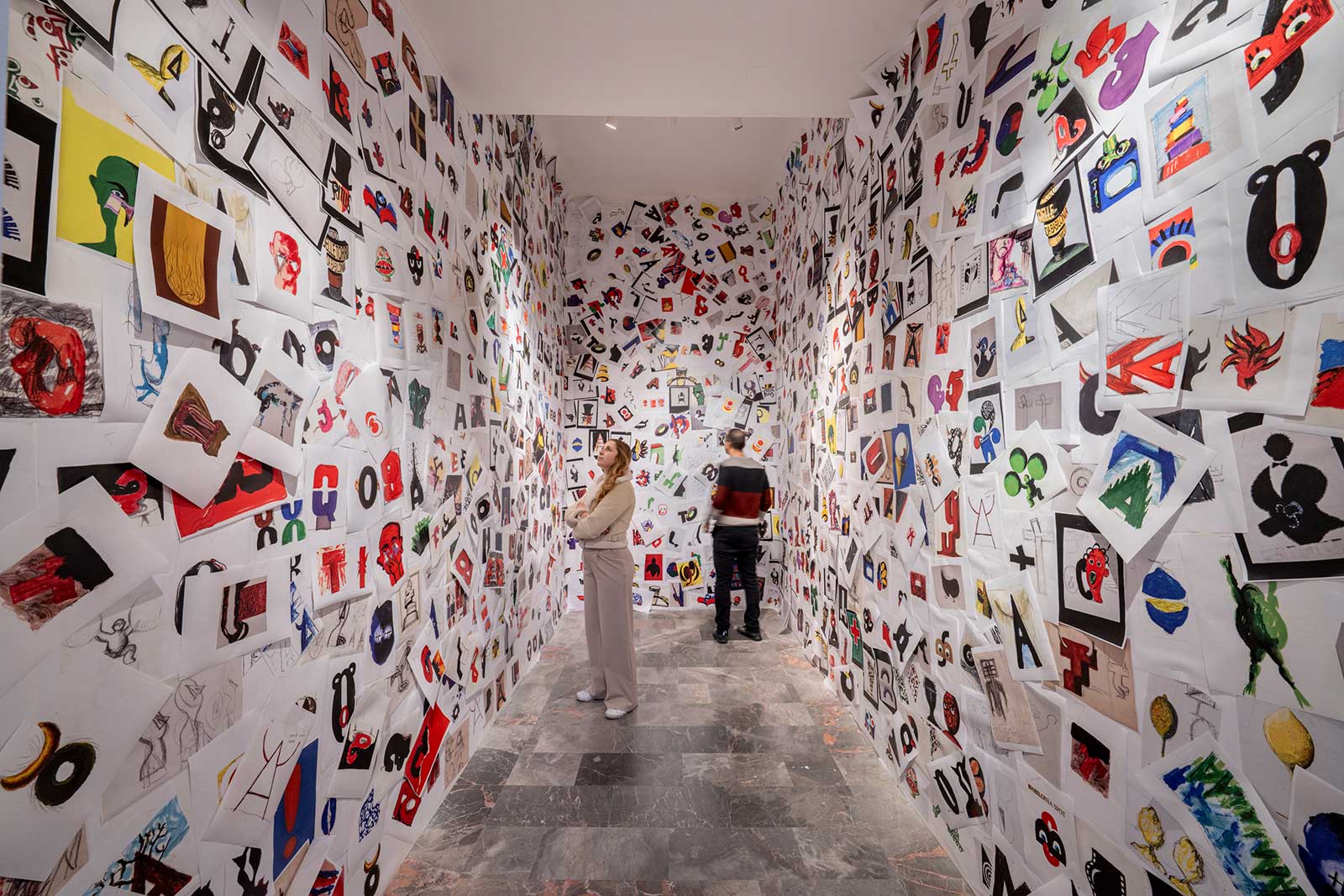
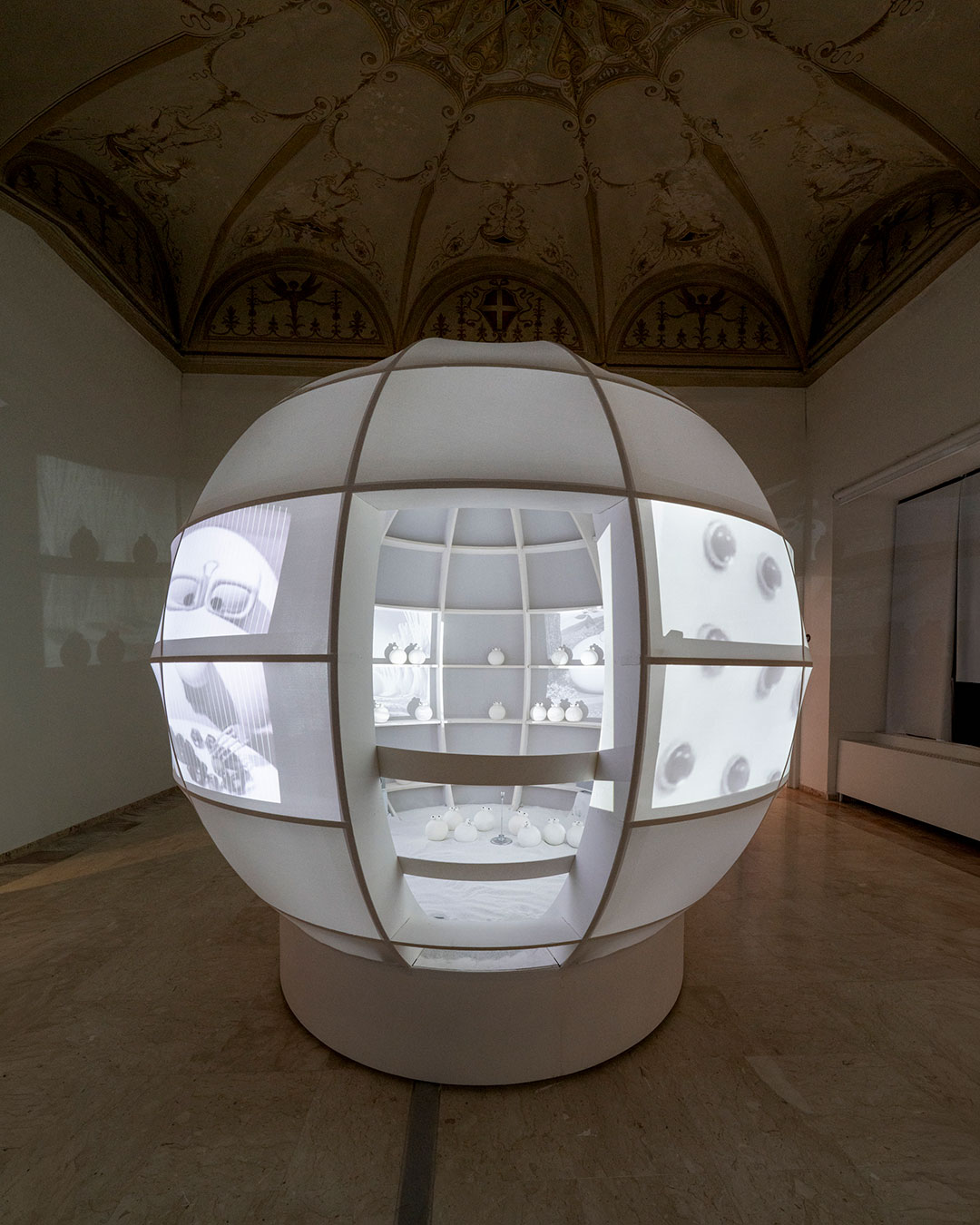
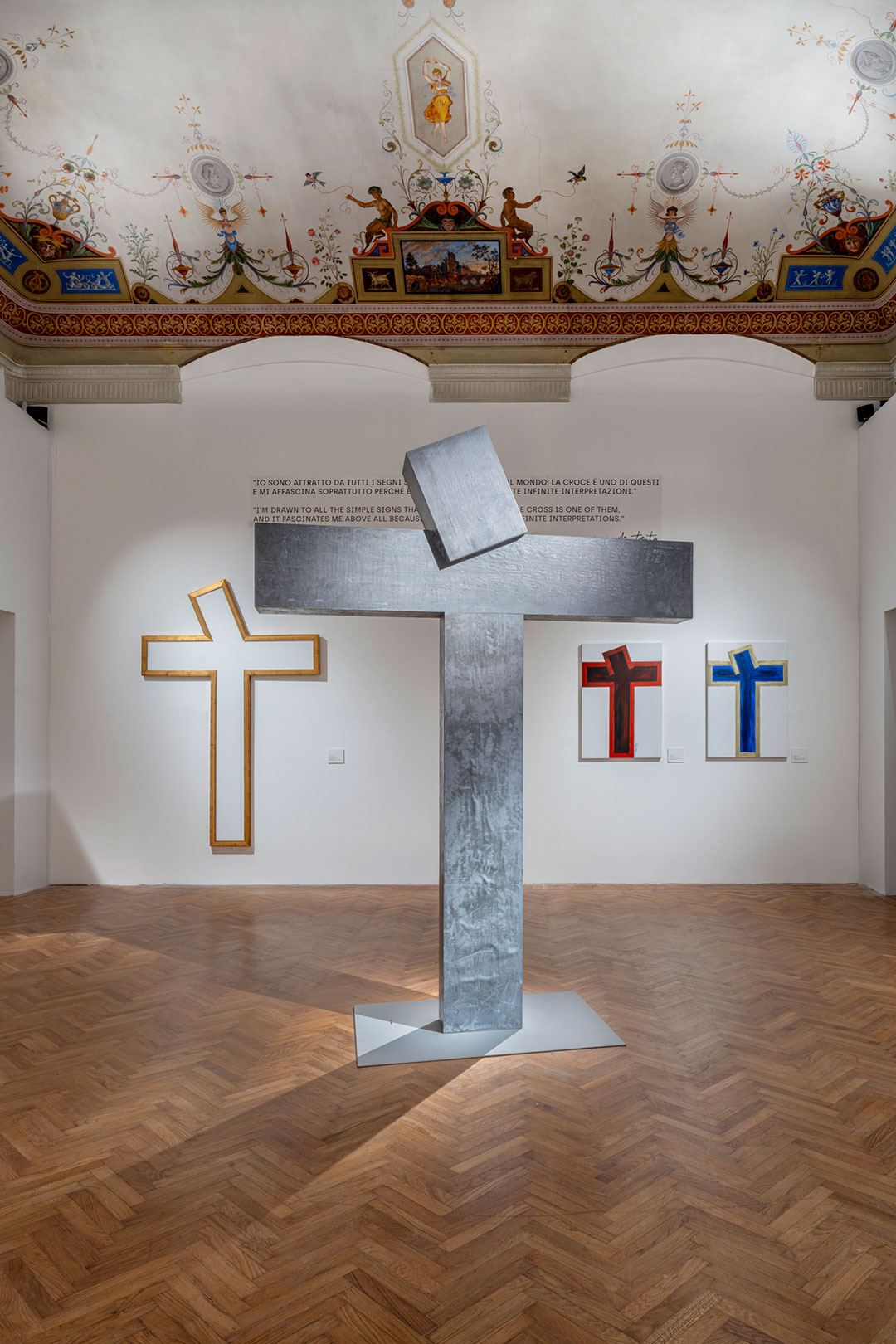
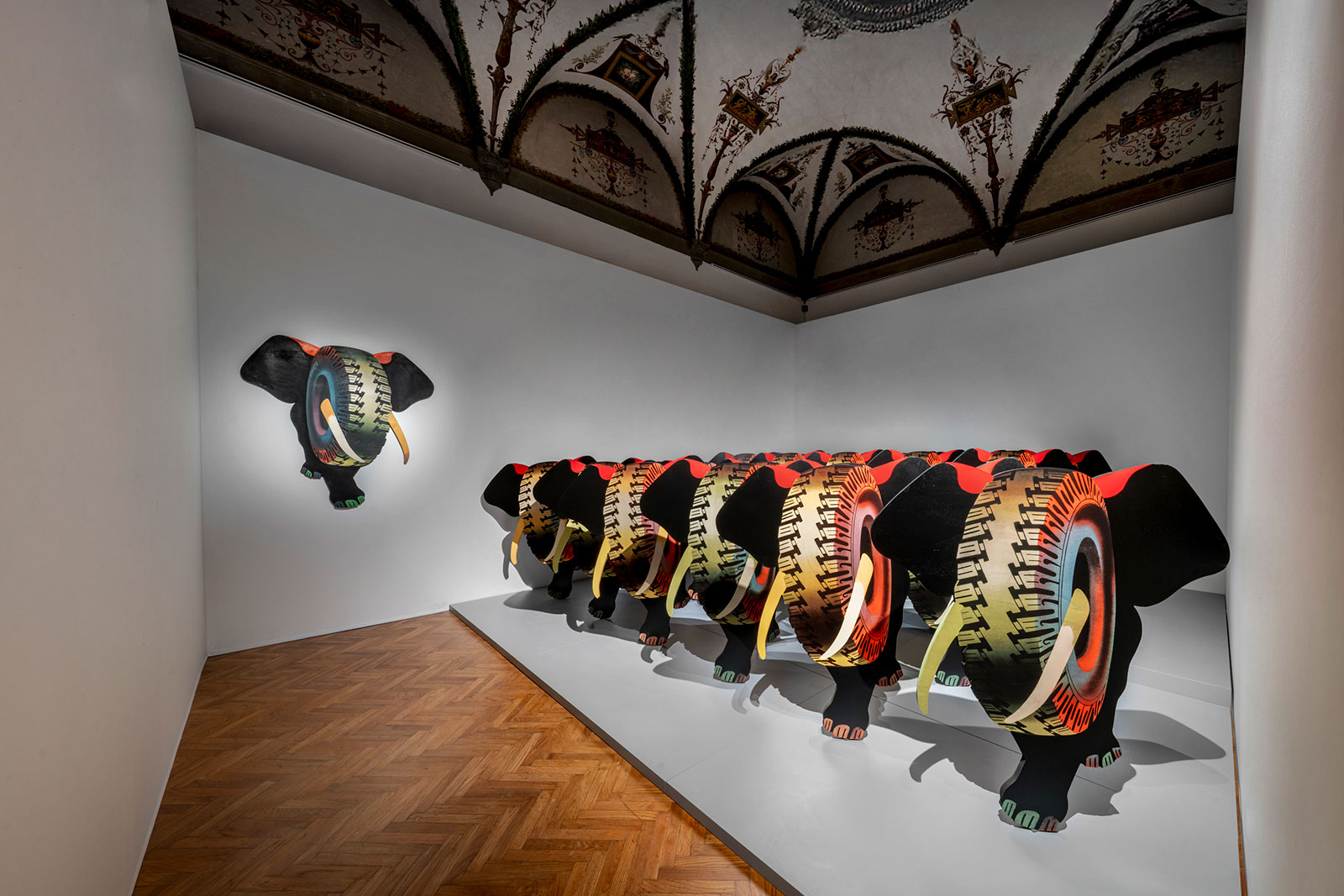
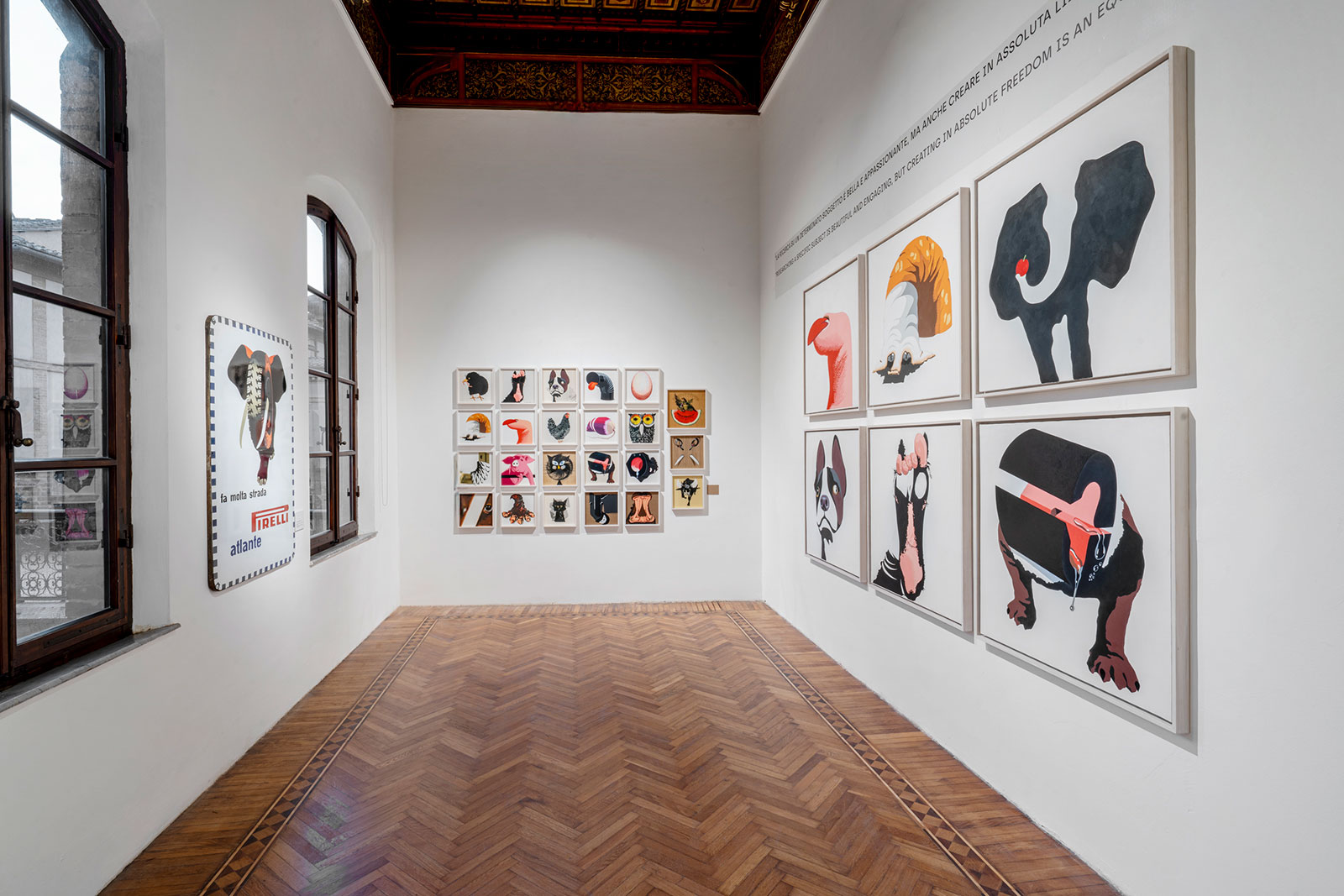
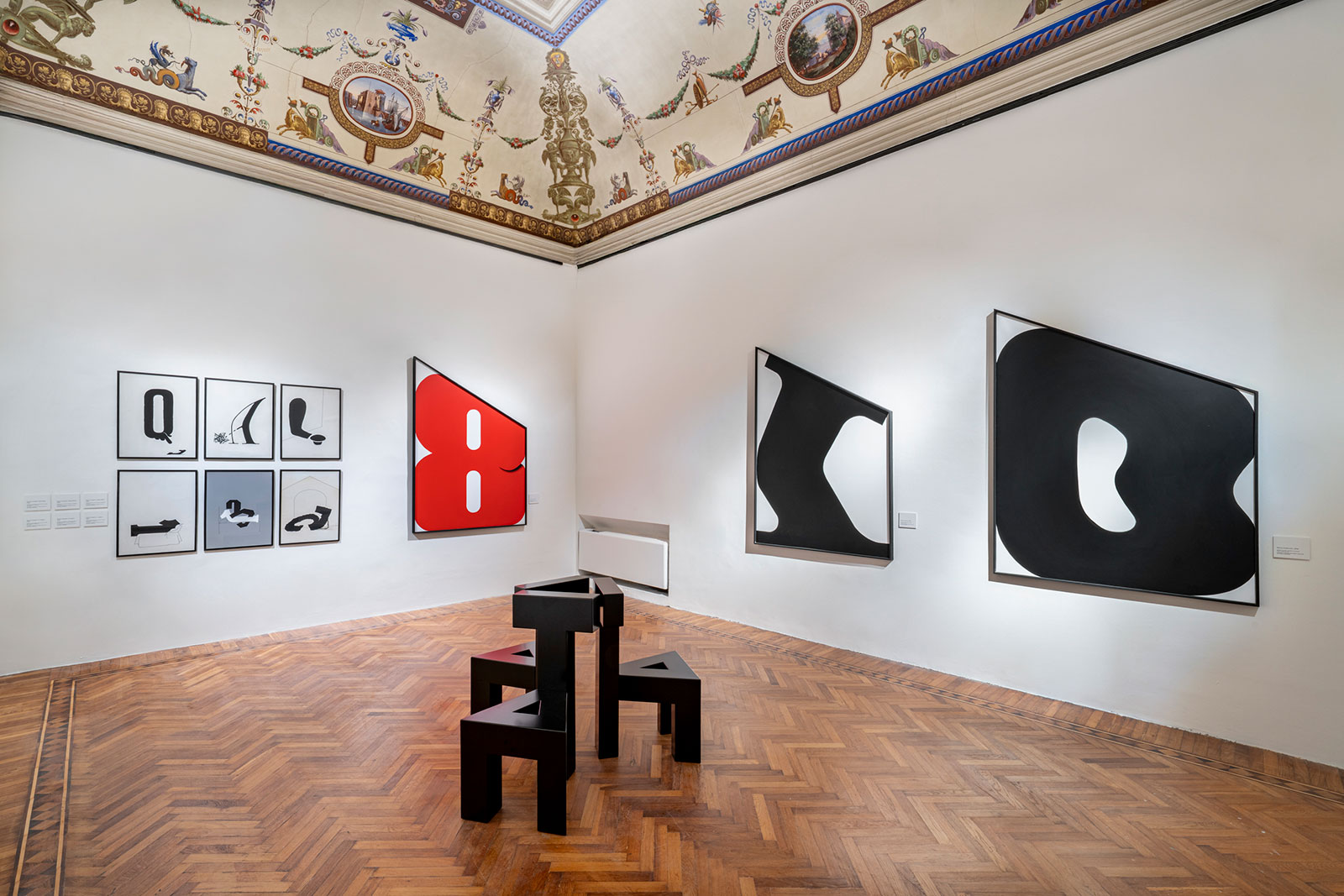
“You look at Armando Testa’s work and you think you’ve understood it, then you suddenly realise there’s more to it, an unexpected twist, a meaning turned inside out. That’s the mark of his work, a revolution that becomes amazement”. That is Gemma De Angelis Testa’s explanation for the playful expression in the exhibition's title. The Palazzo delle Papesse in Siena, Italy, is hosting a major retrospective on Armando Testa (1917–1992), curated by Valentino Catricalà and Gemma De Angelis Testa, and produced by Opera Laboratori in conjunction with Galleria Continua and Testa per Testa S.r.l.
Catricalà explains that “writing about Armando Testa is no easy task. What other crucial figure in Italian culture stands comparison with him? What is Testa? Are we sure that he was only a great advertising genius? Well, that is exactly the take on Testa that these words and this exhibition would like to overturn…”
Armando Testa. Cucù-Tetè brings together some two hundred posters, paintings, installations, sculptures, photographs, audio-visual material, preparatory and research work to offer visitors an all-round portrait of a figure who was not simply Italy’s most celebrated advertising genius; he was also an artist, a graphic artist and an inventor of radically new visual styles. The show focuses, in particular, on the audio-visual aspect, with cathode ray television sets in some of the rooms reproducing period advertisements and footage that recapture the multisensory power of his innovative and immersive output. The exhibition also highlights the fact that Testa’s intuitive communication was often the product of a creative process which took its cue from art, to transform it into a universal language capable of speaking to all and sundry. Testa reinvented visual communication, turning viewing into a thoroughly engaging experience. In fact, it is no mere coincidence that Gillo Dorfles called him a 'global visualiser'.
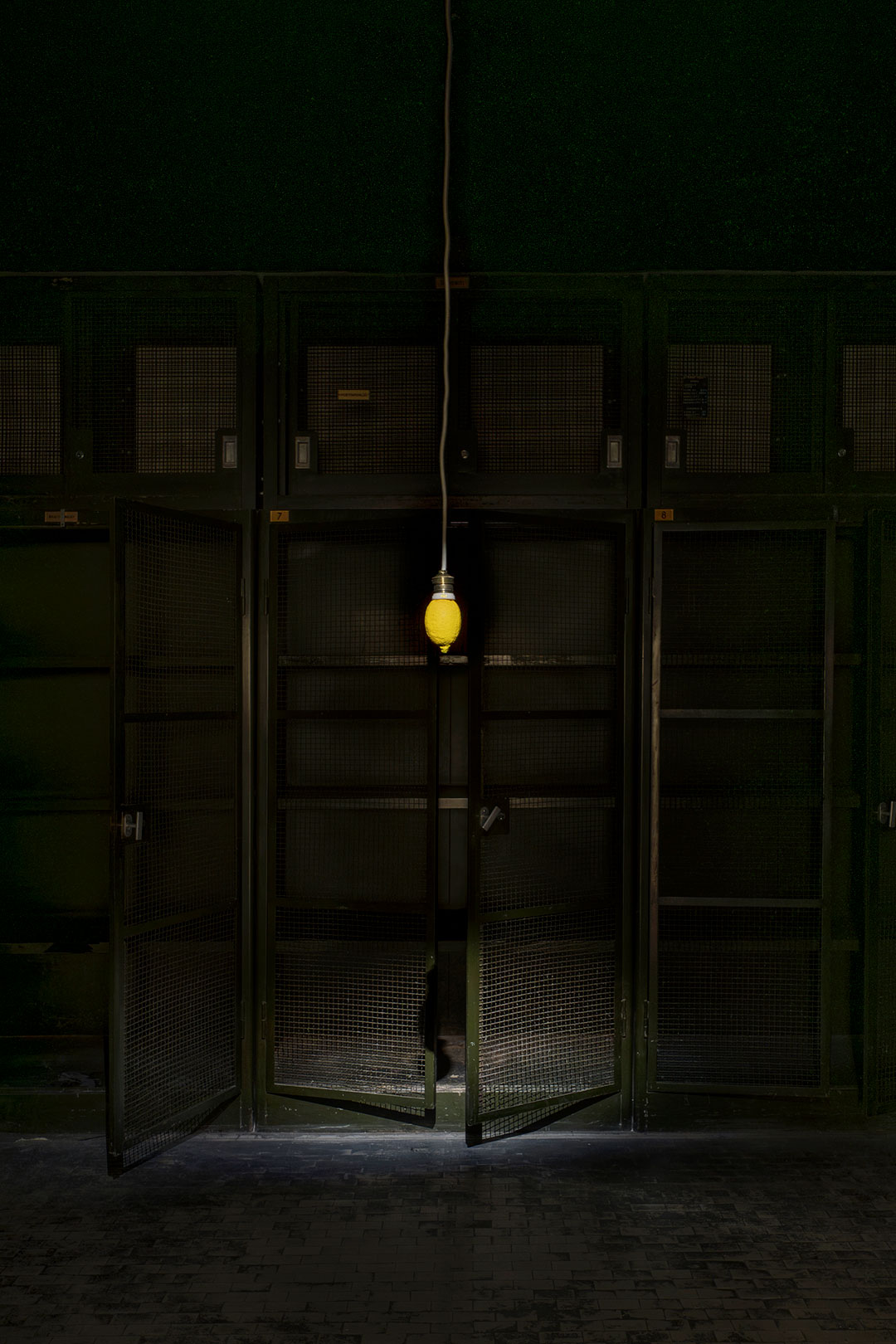
The exhibition's conceptual core is the 'niche' situated on the second floor, which is completely covered by over 400 drawings: an uninterrupted flow of shapes visually recreating Testa’s creative process and his boundless imagination. Another key installation has been set up in the strong room area, where his celebrated Lampadina Limone (Lemon Light Bulb) (1968) is on display in a totally dark room lit by a single spotlight: here, the work of art becomes a metaphor for the intuition of a genius.
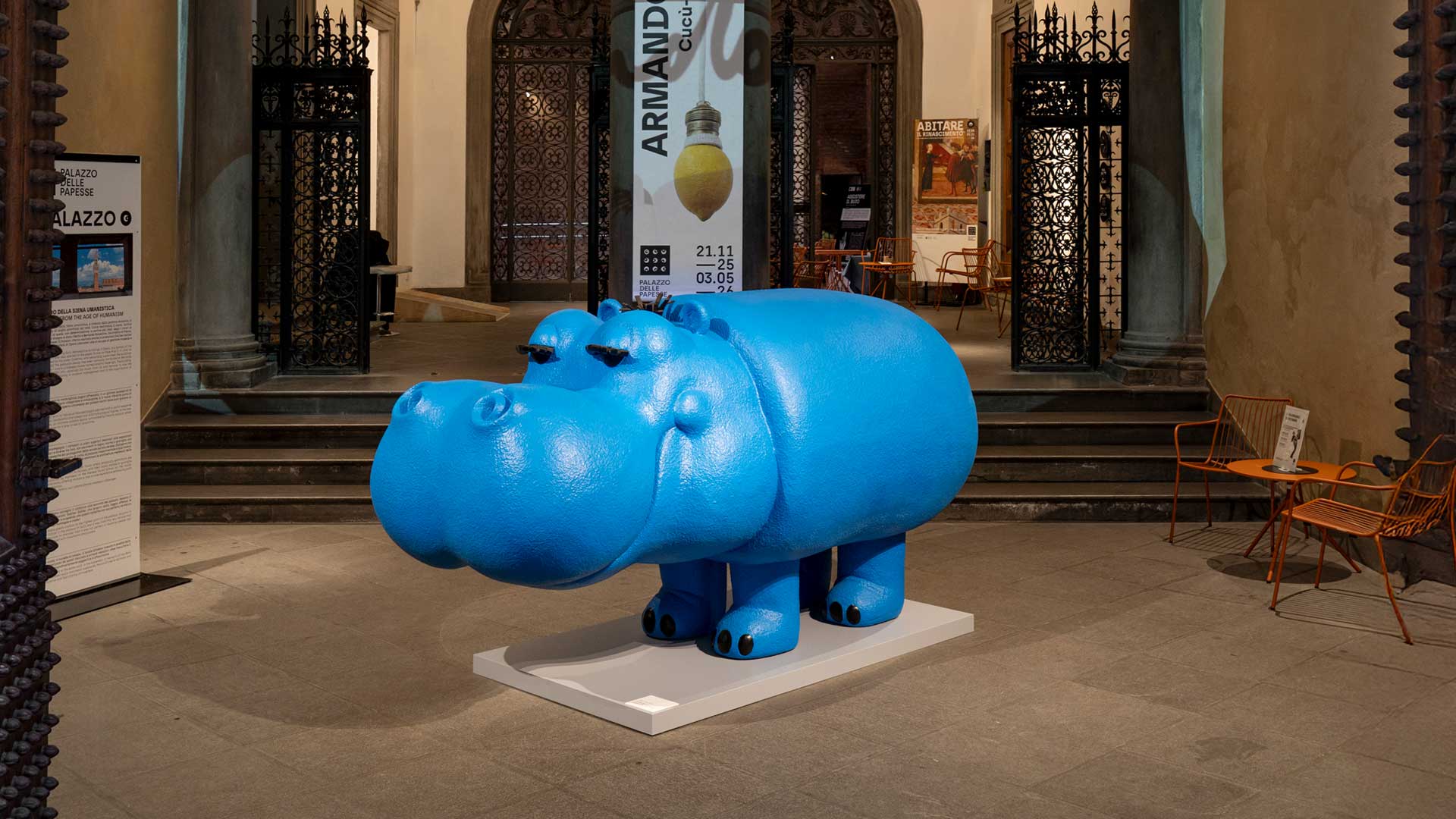
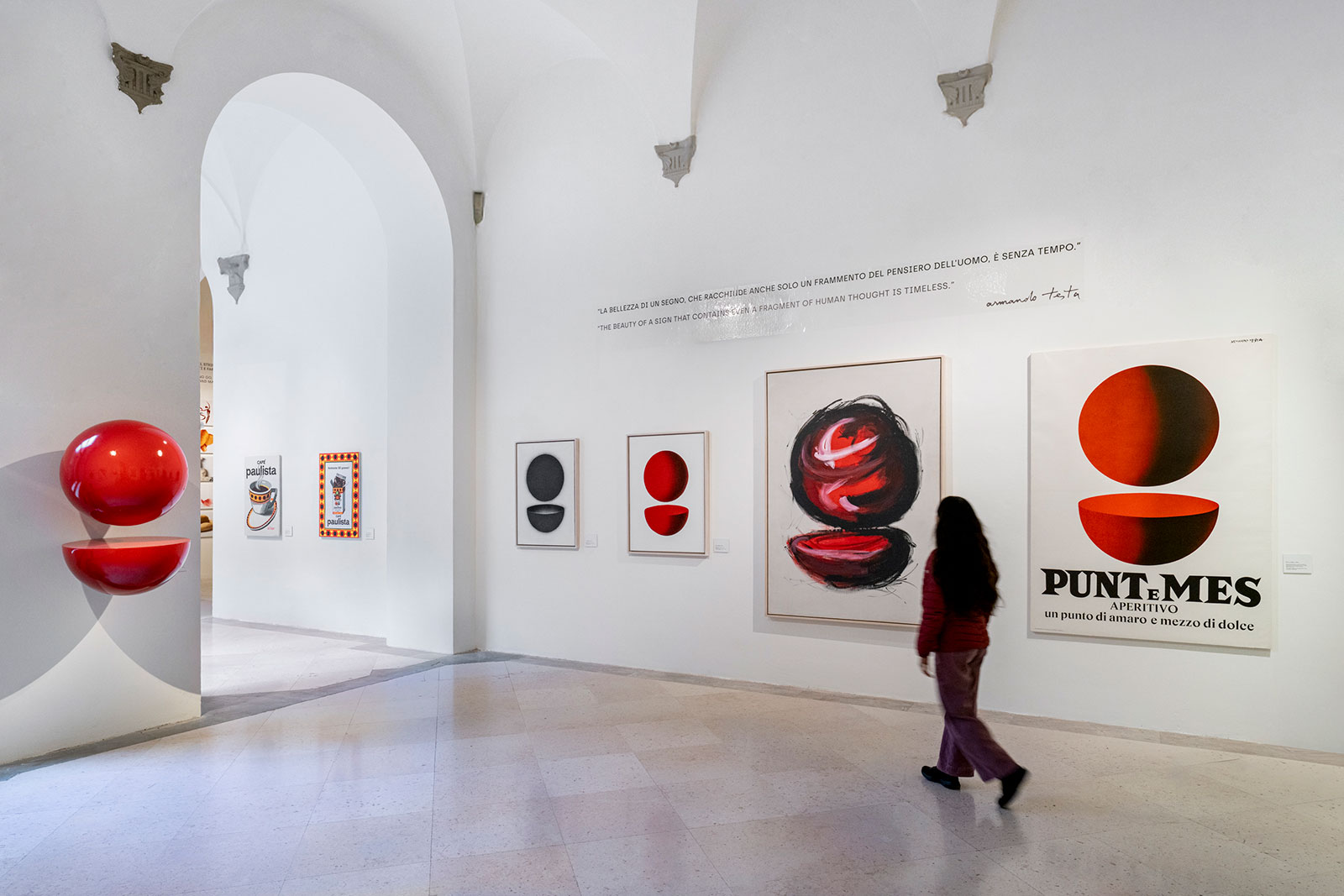
The exhibition opens on the ground floor, where visitors are greeted by the iconic Pippo, Lines’ blue hippopotamus and an unmistakable symbol of Testa’s advertising creativity. Moving up to the first floor, visitors enter a fully-fledged 'visual comfort zone' hosting some of Testa’s most celebrated work, including his poster for Punt e Mes (1960) with its nuanced hues, his fluorescent posters for Gotto (Tumbler) (1952) and Il brindisi dei due re (The Two Kings Raising a Toast) (1949) for Carpano, his campaigns for Borsalino and his posters for the 1960 Rome Olympics.
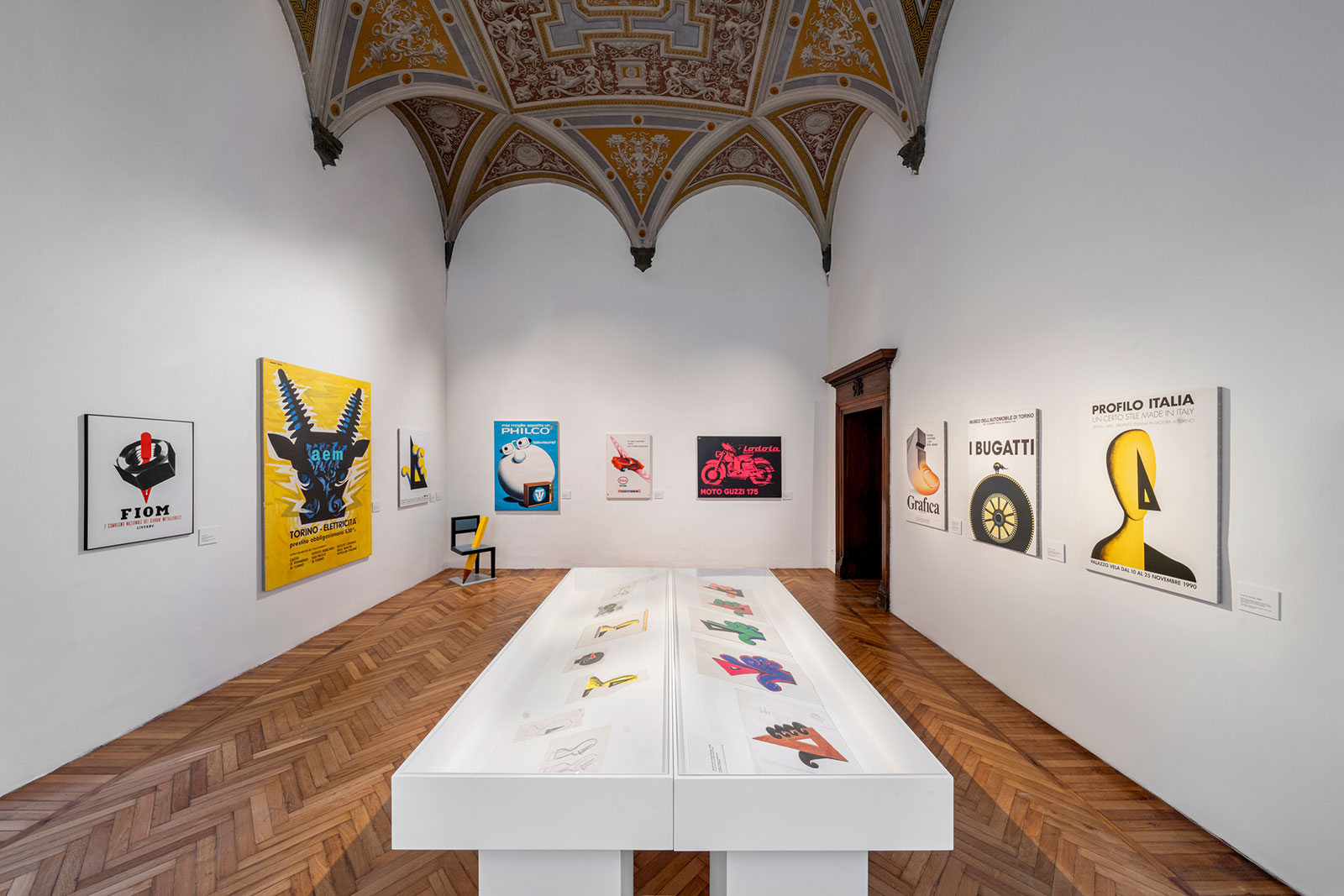
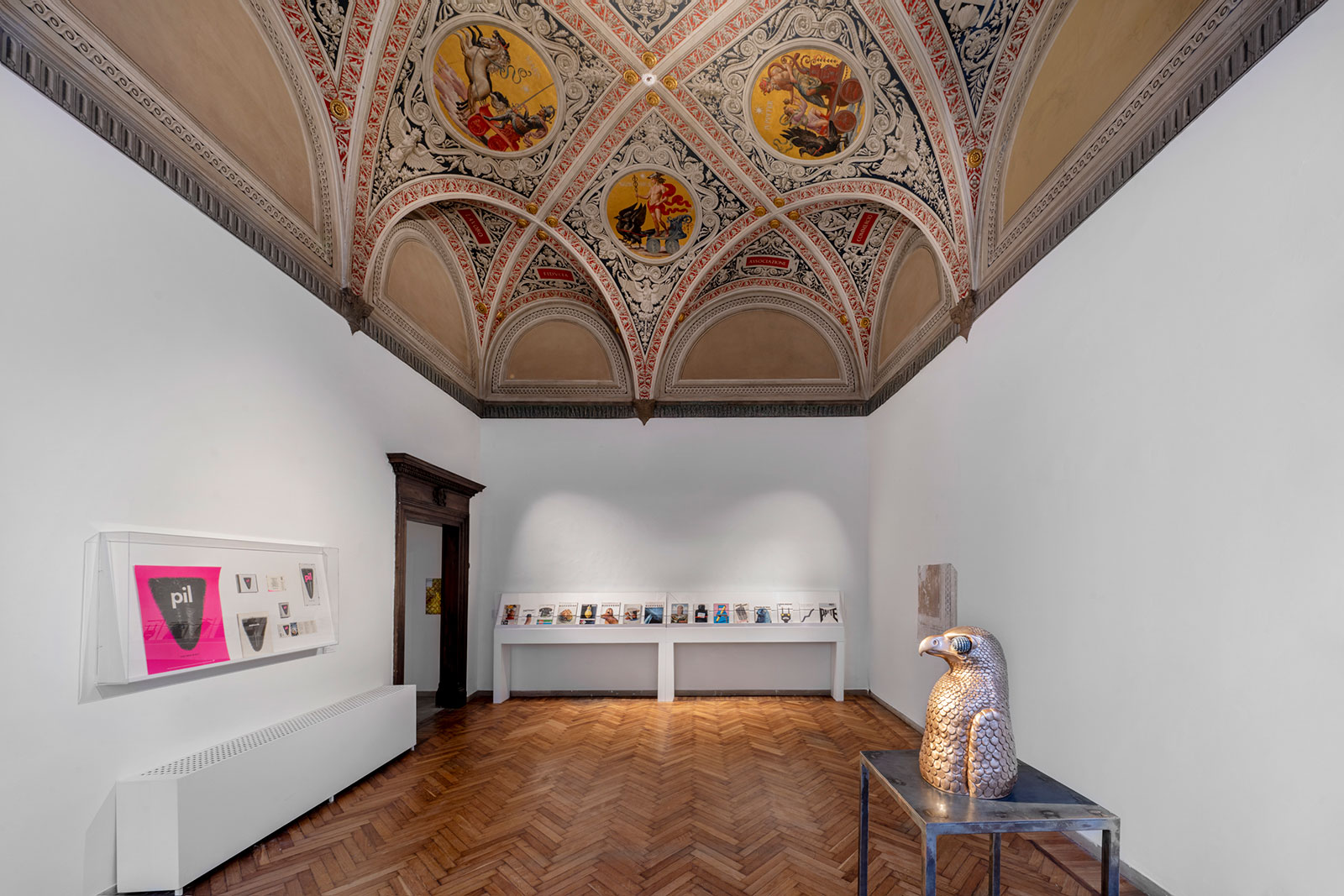
This is followed by sections exploring the relationship between art, industry and technology, with rare preparatory drawings and posters (Profilo Italia (Profile Italy), 1990; Grafica (Graphic Art) 3, 1976; Esso Hydroforming, 1955; Il mondo delle torri (The World of Towers), 1990) revealing the extent to which Testa’s graphic and advertising work was cross-disciplinary and capable of translating the industrial and technological transformations of his day into images. This section ends with the cover he designed for a rock band called the PIL in 1991, inspired by an image he had created back in 1974.
The retrospective goes on to devote abundant room to painting, Testa’s first love and his space of absolute freedom—freedom from client pressure—in which we discover an echo of American abstract art and naturalism. The section also hosts several previously unpublished posters that reveal the artistic depth of his visual style. The exhibition continues with the narrative world of Caballero and Carmencita, displayed alongside original audio-visual material on a cathode ray television set.
On the second floor, visitors are greeted by another installation, devoted this time to the Pianeta Papalla (Papalla Planet), which has been reconstructed to scale here in an effort to immerse the public in one of the visionary worlds that helped define Testa’s communicative genius. This is followed by a room exploring the Pirelli "charge of the elephants" (1954), one of his very first works and an icon of power and magnetism, as Germano Celant rightly pointed out at the time. The retrospective also includes a room devoted to the body, explored through different media—from advertising and photography to sculpture and painting—and several different aspects ranging from a reference to the sacred body, evoked by the bowed head of the cross, to the advertising body, which is never displayed in full in order to preserve that element of mystery that prompts viewers to use their imagination, and the painted body, reduced to the level of a part that stands in for the whole: the finger. This obsession, linked to Testa’s early days in the printing works, introduces visitors to the next focus, on numbers and letters, without overlooking the two rooms devoted to animals and to visual experiments with food. The tour ends with a documentary entitled Povero ma moderno (Poor but Modern) (2009) by Pappi Corsicato, which won a prize at the 66th Venice Film Festival (Horizons section – F. Pasinetti Special Award).
The exhibition is accompanied by a catalogue published by Sillabe that includes, for the first time, the essays of some of the leading scholars who have written on Testa—including Gillo Dorfles, Germano Celant, Jeffrey Deitch and Vincenzo De Bellis—alongside testimonials from such contemporary artists as Michelangelo Pistoletto, Paola Pivi, Grazia Toderi and Haim Steinbach, to mention but a few.
“After the major exhibitions on Julio Le Parc and Hugo Pratt—explained Beppe Costa, President and Managing Director of Opera Laboratori—this retrospective on Armando Testa marks a further step in our drive to enhance the Palazzo delle Papesse as an exhibition centre open to contamination between styles, between art and communication. Testa is a symbol of Italian creativity, and hosting his art in Siena means not only paying tribute to a master but also reaffirming the value of culture as a driving force for innovation and participation”.
Completing the tour of the historic building, the ground floor hosts a bookshop with merchandising and dedicated products and a bistrot, both of which, like all the other rooms in the palazzo, are accessible to visitors with impaired mobility. The cultural project in the Palazzo is also supported by: Estra, Terre Cablate, the Consorzio del Vino Brunello di Montalcino and Lavazza, while the event’s media partners are QN – La Nazione and Canale 3 Toscana. The Palazzo delle Papesse organises educational activities, inclusive tours and workshops through its 'Papesse Lab' project, to draw the public closer to art and of expanding the gaze of visitors of all ages by exploring the hidden twists of reality.
To encourage participation in all the events and exhibitions held in the Palazzo, Opera Laboratori has produced a card, called the 'tessera del curioso' or 'enthusiast’s card', which can be purchased either online or at the Palazzo's ticket office. The card entitles the holder to unlimited access for a year from the moment it is activated and to discounts on products on sale in the bookshop, on refreshments in the bistrot and on educational workshops. Cardholders can renew their membership at the end of the year to pursue their experience with unlimited access to exhibitions, events and initiatives—a chance to keep in touch with the Palazzo delle Papesse’s programme of cultural events and activities.



 Sign in with Google
 Sign in with email