Enter your details to sign in
Don’t have an account?
Sign upOr you can sign in with
a single account for all
STIR platforms
All your bookmarks will be available across all your devices.
Stay STIRred
Already have an account?
Sign inOr you can sign up with
Verification link sent to check your inbox or spam folder to complete sign up process



We use cookies and similar technologies, to help provide you with a better, faster, and safer experience while delivering content
tailored to your interests.
By clicking on the AGREE button, closing this banner, clicking or navigating the website, you consent to the use of all cookies and similar technologies for the purposes we describe in our
Privacy Policy.
We use several cookies that are related to the functionality, security & user preferences,
analytics, and advertising. While some are essential, you may choose to dis-allow the use of others.
Please choose your preference, or opt for the best experience by closing this banner, clicking or navigating the website.
For more detailed information please read our Privacy Policy
 Connect
Connect
Connect





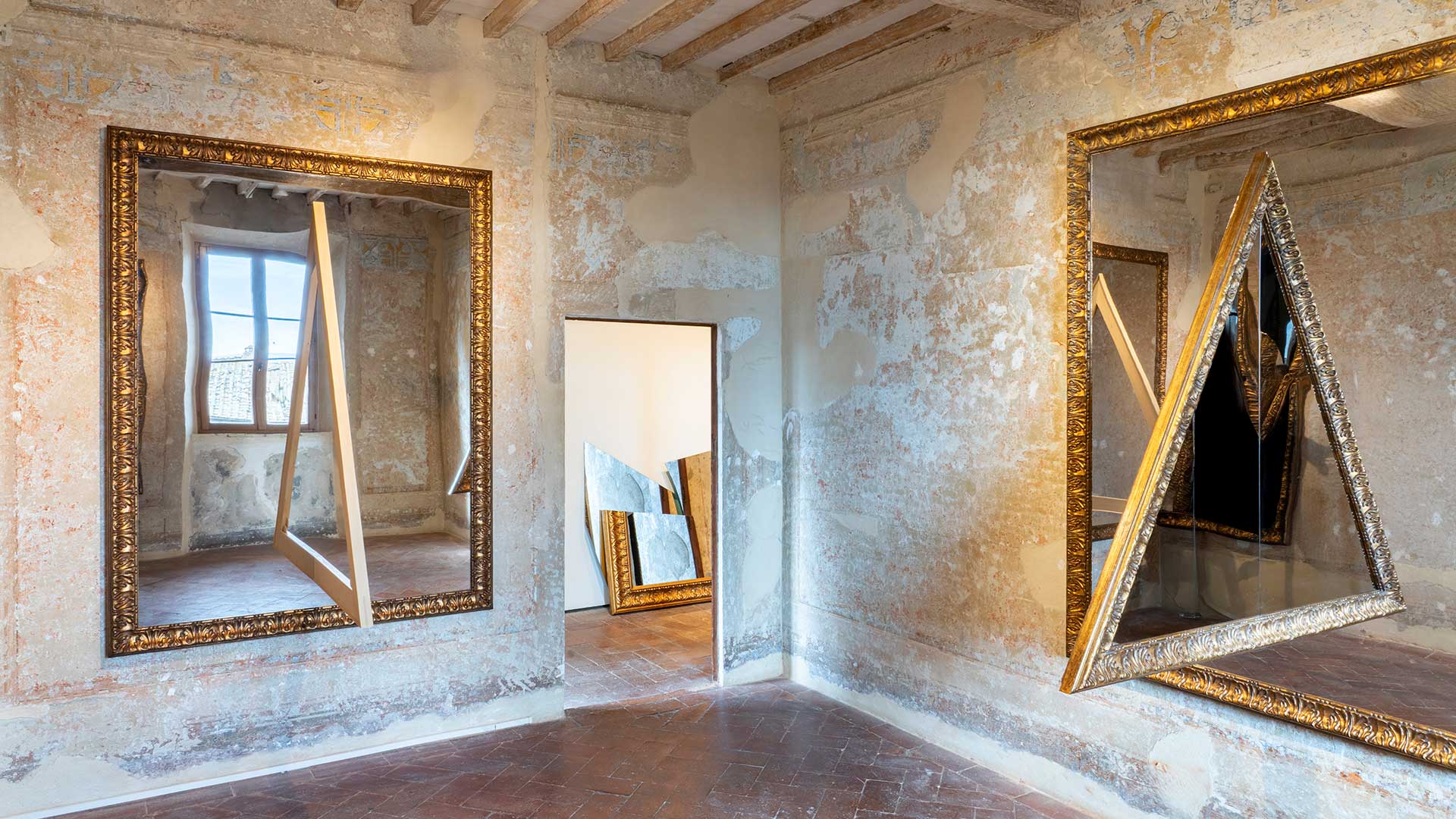
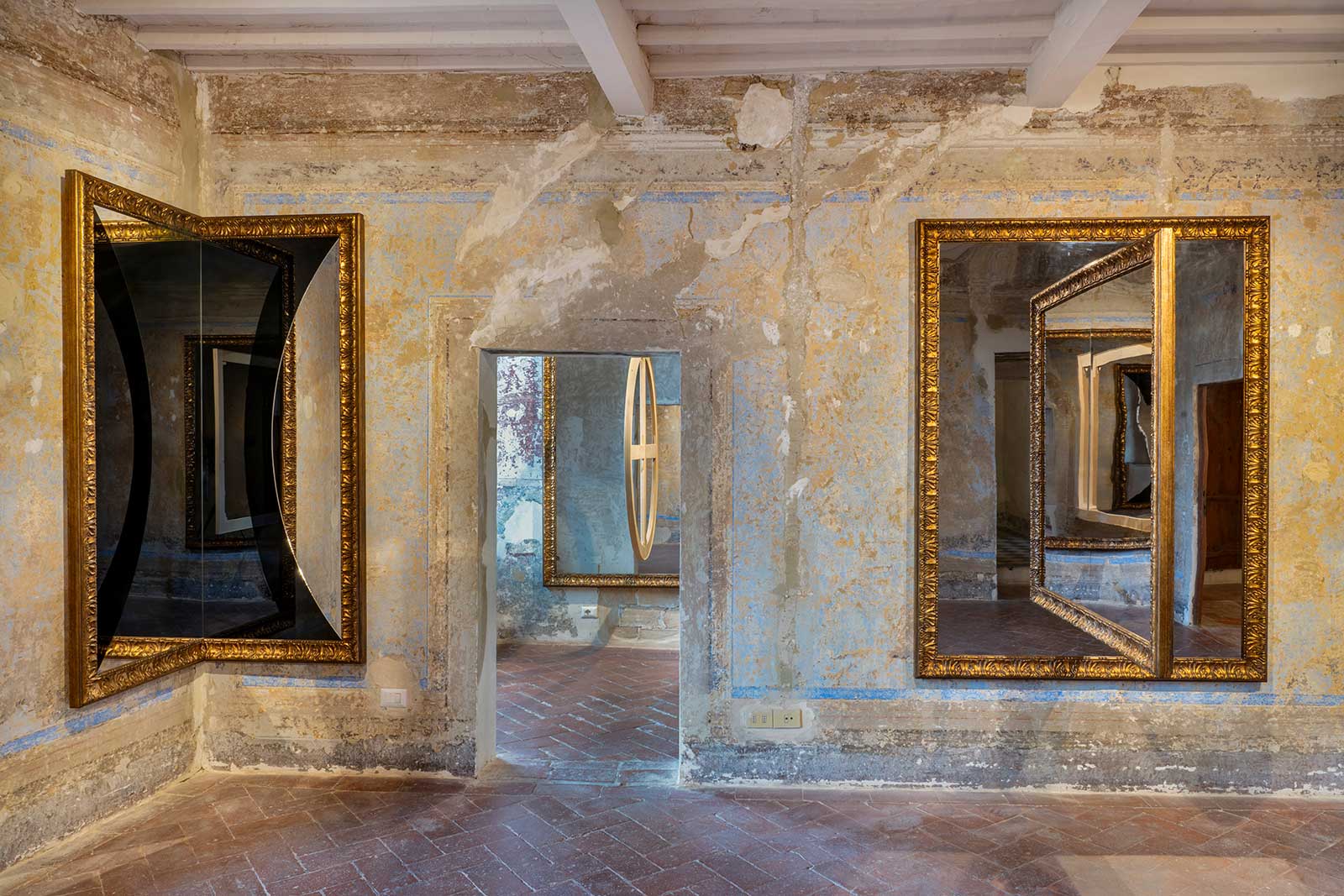
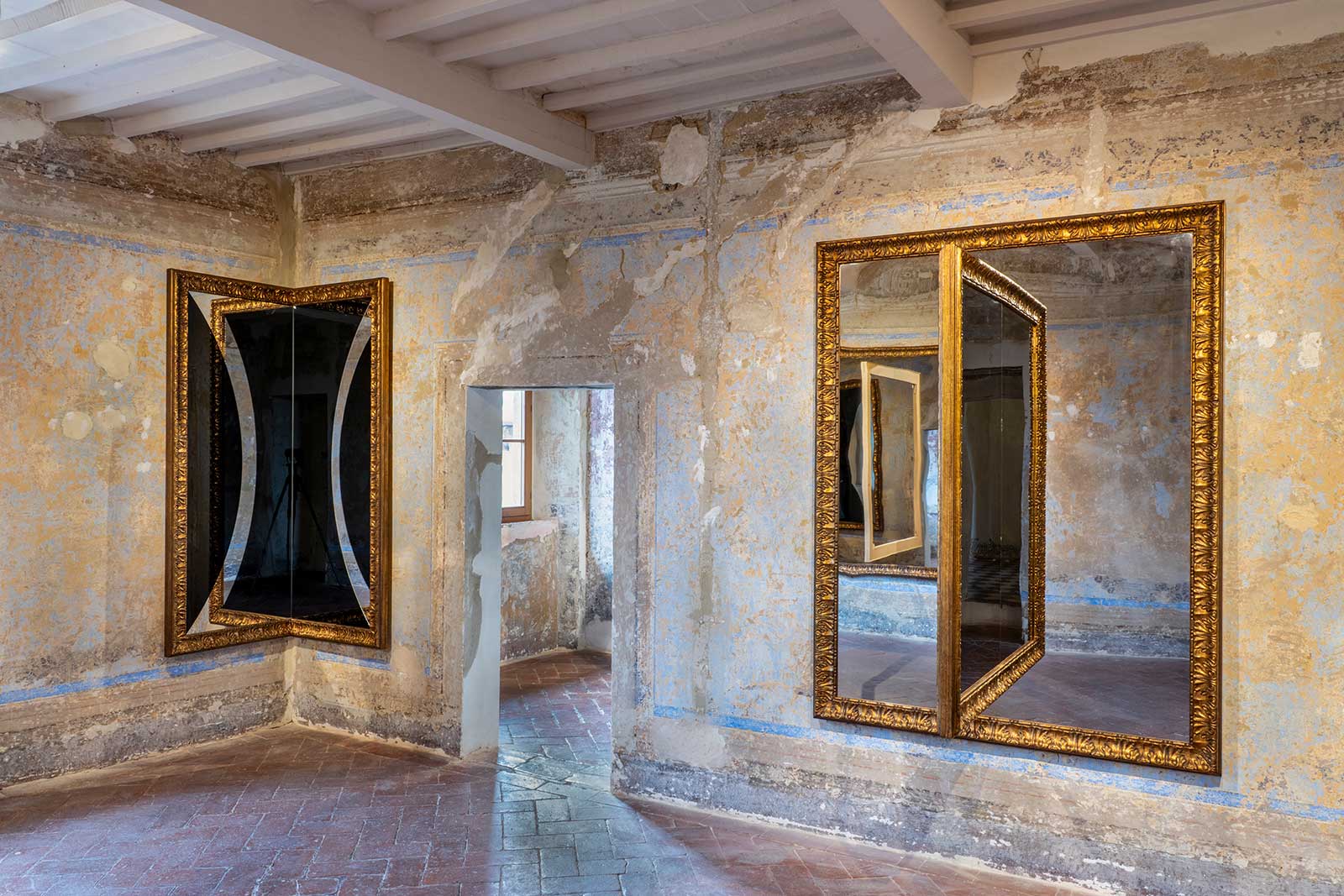
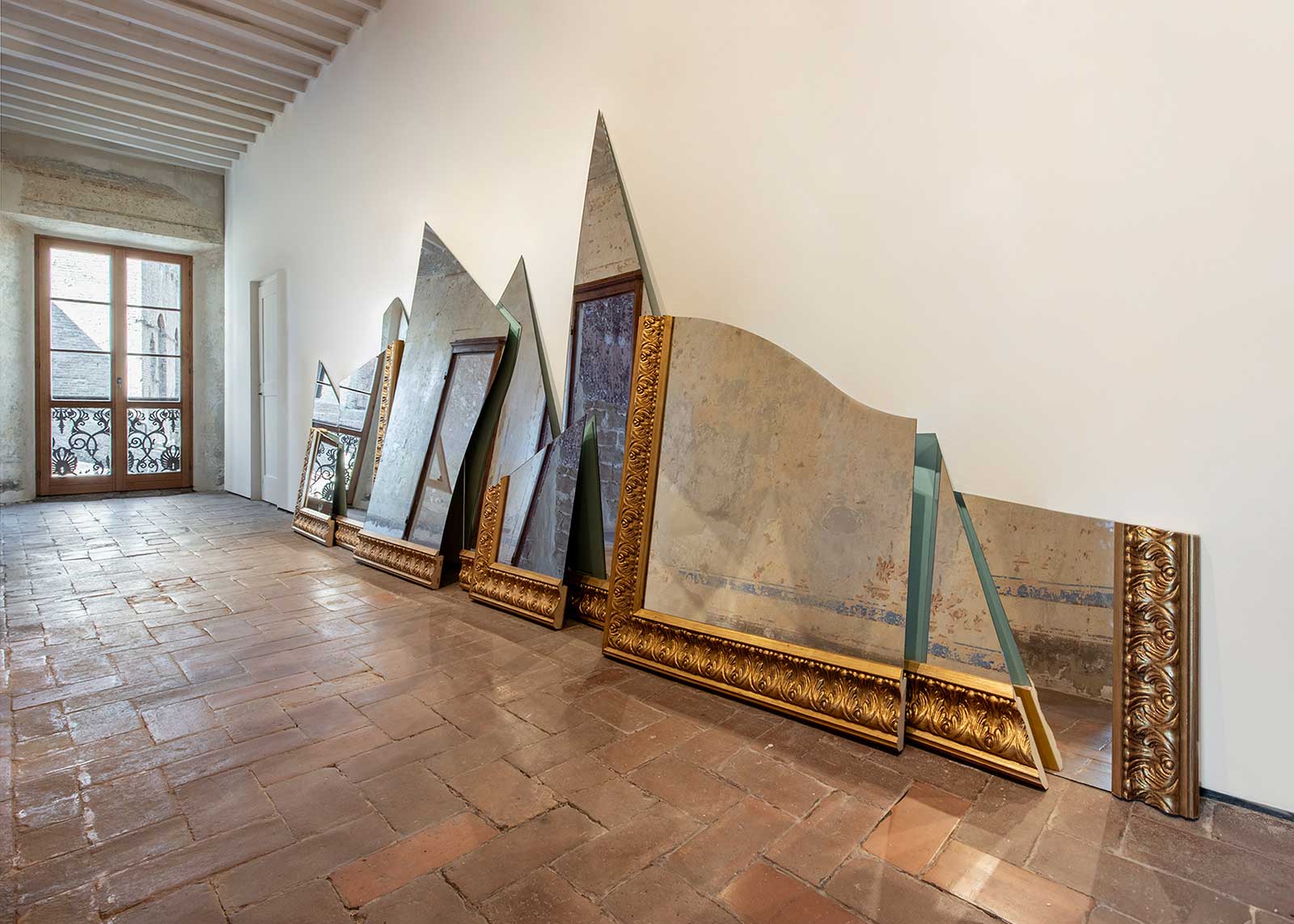
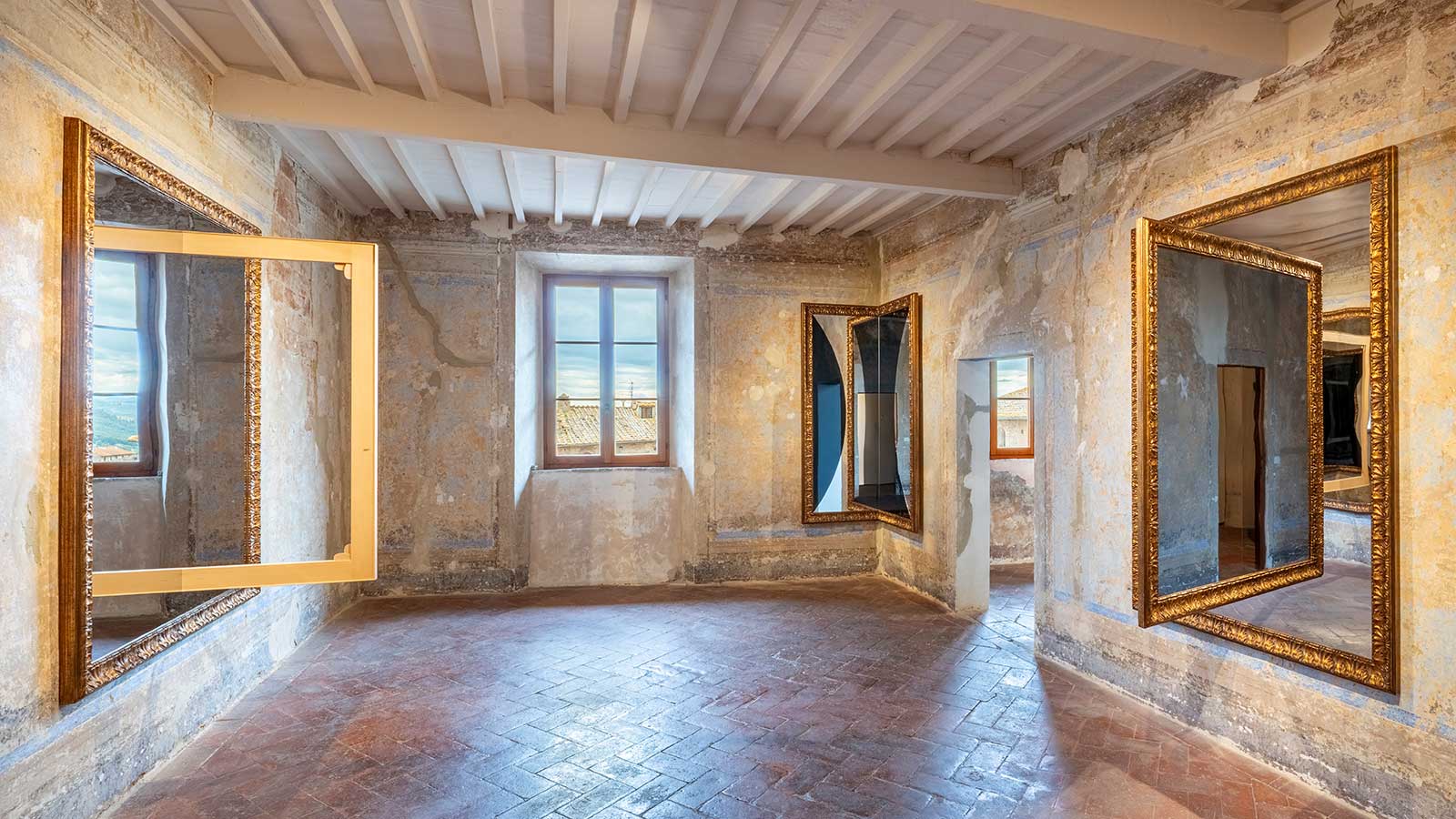
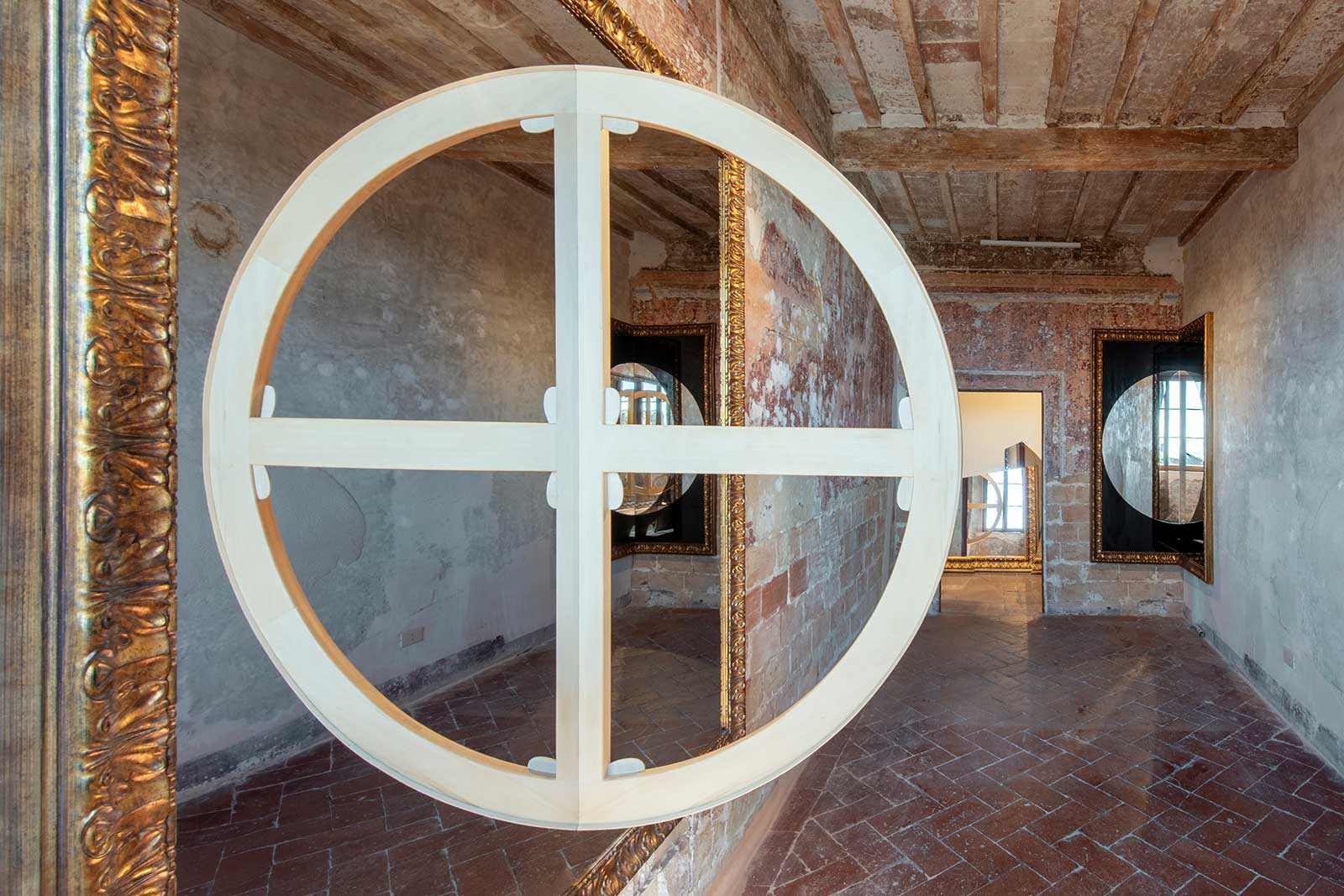
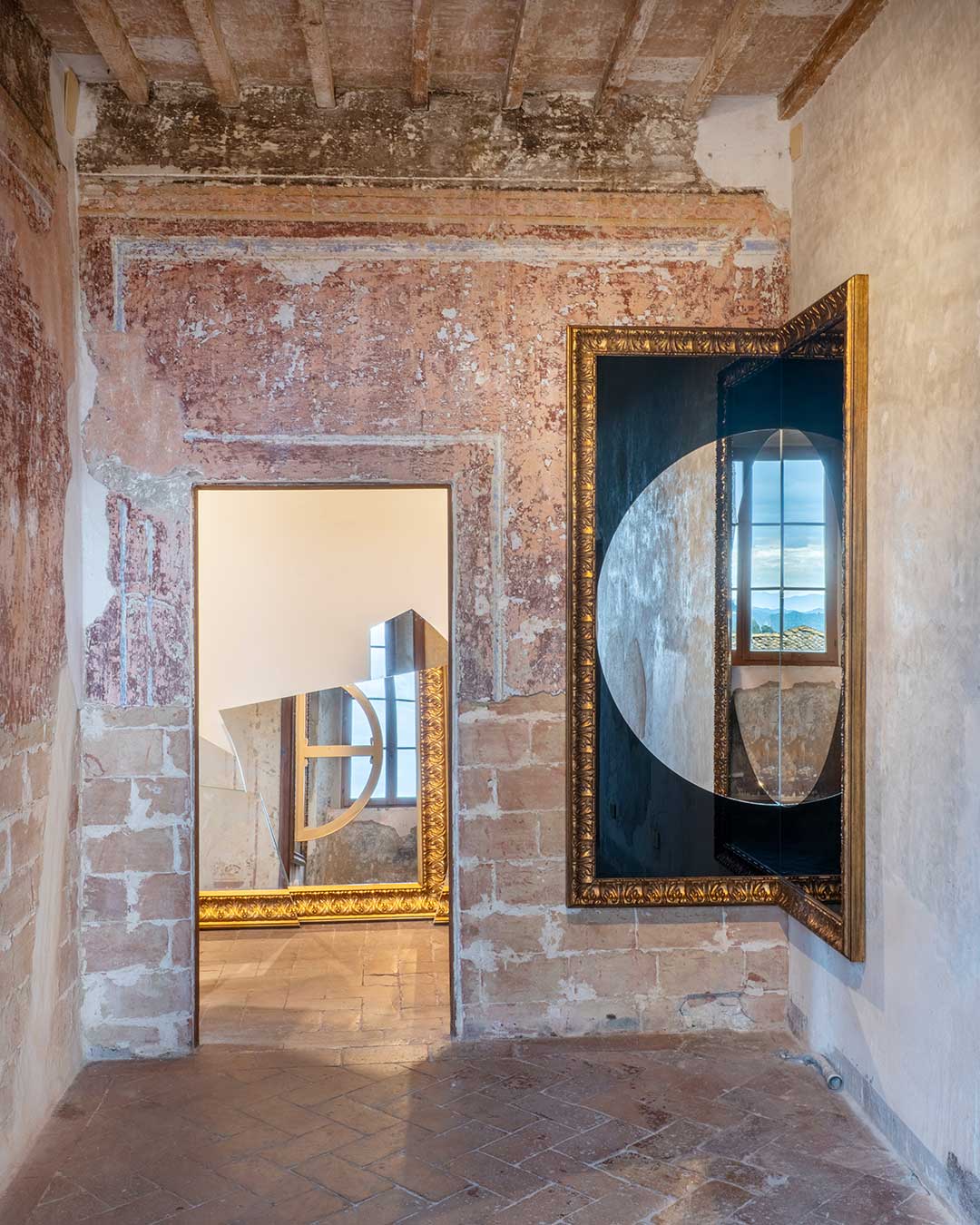
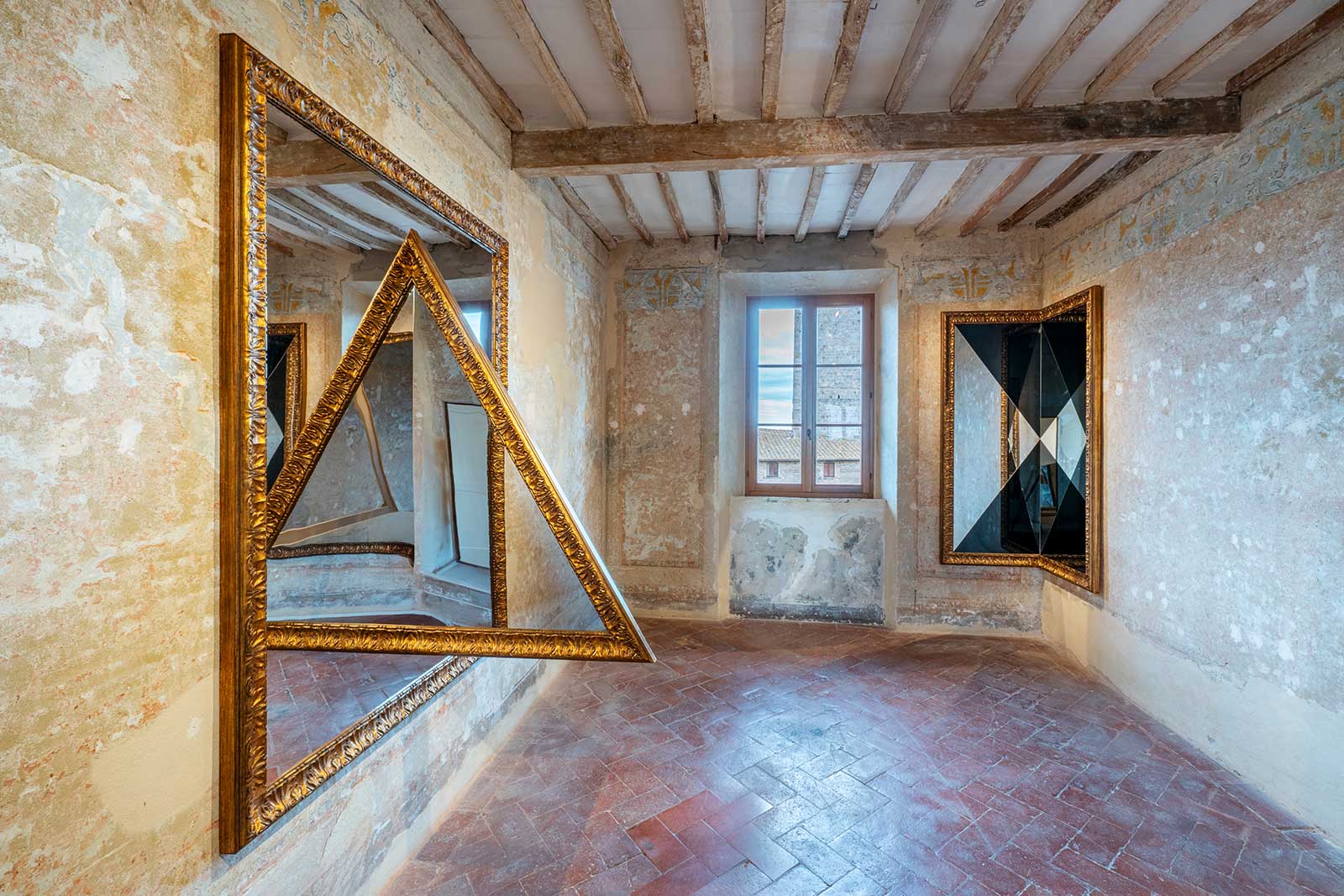
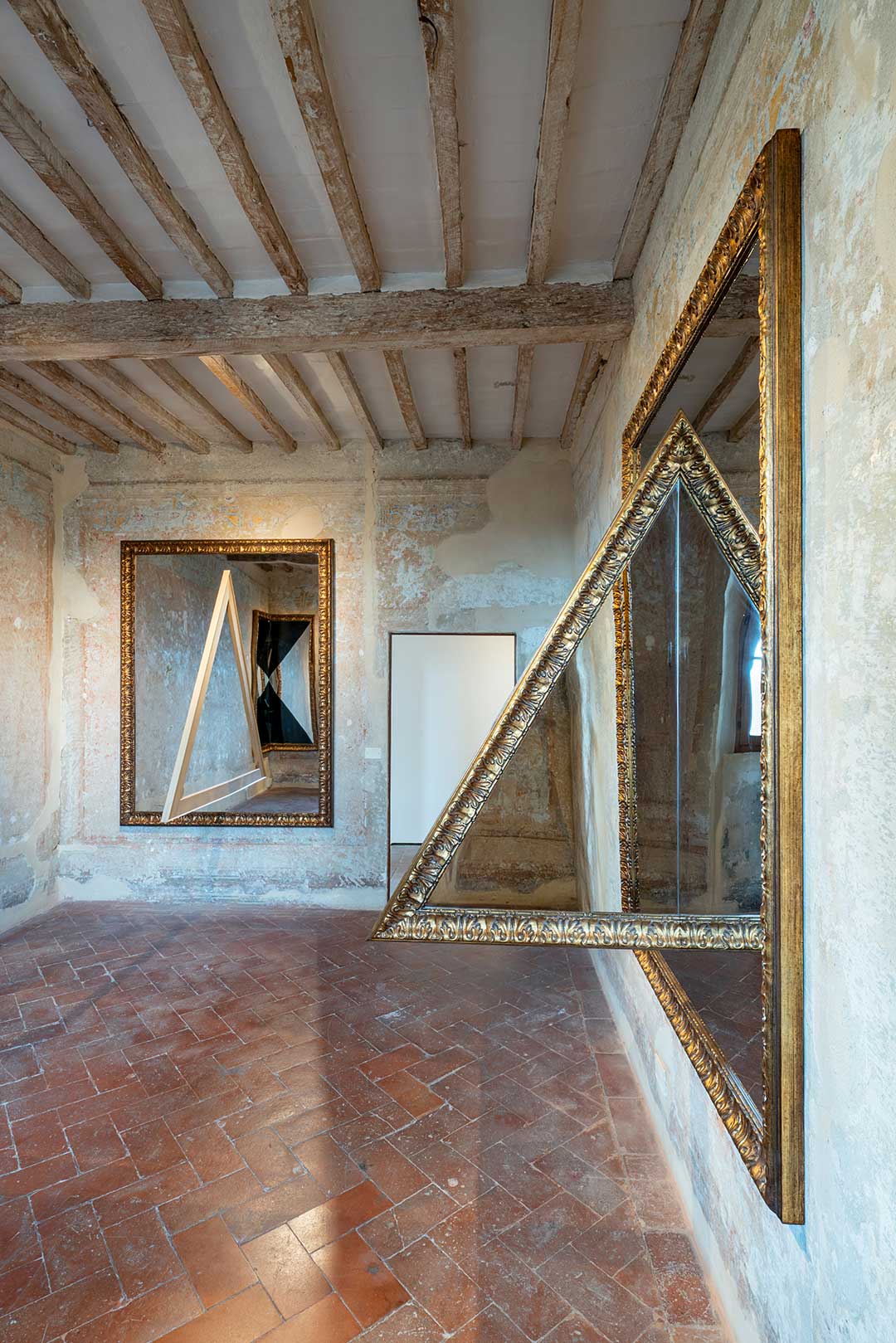
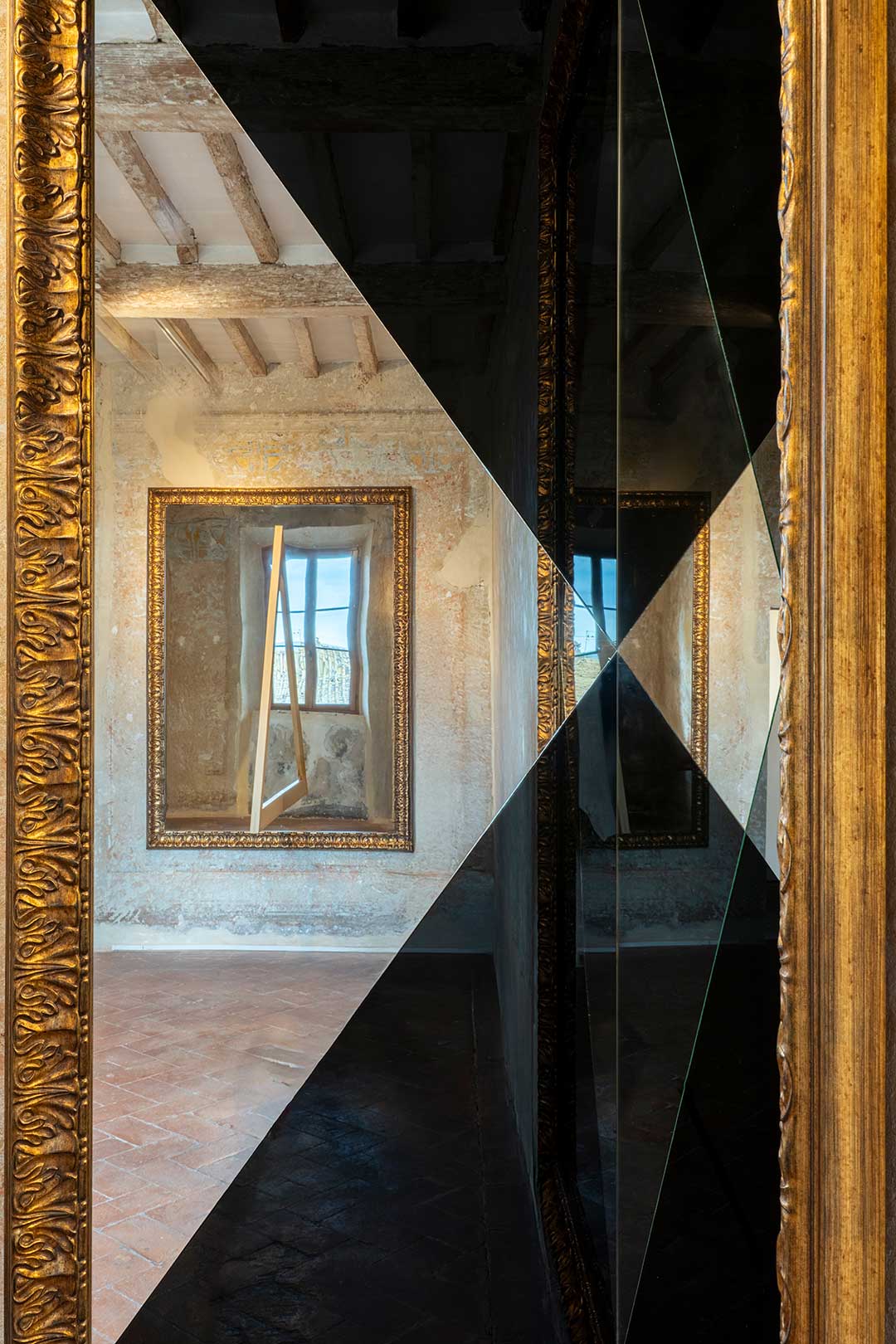
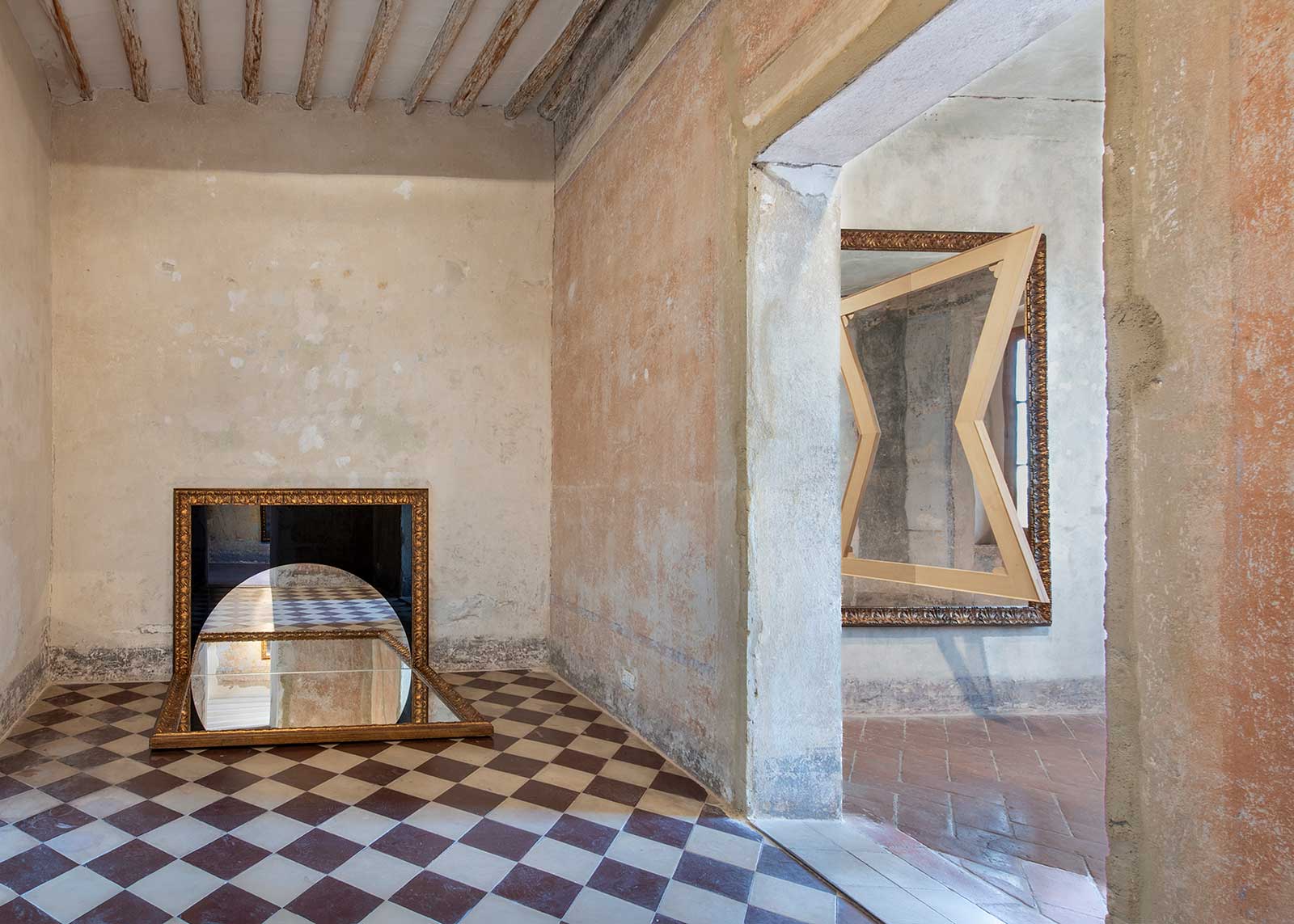
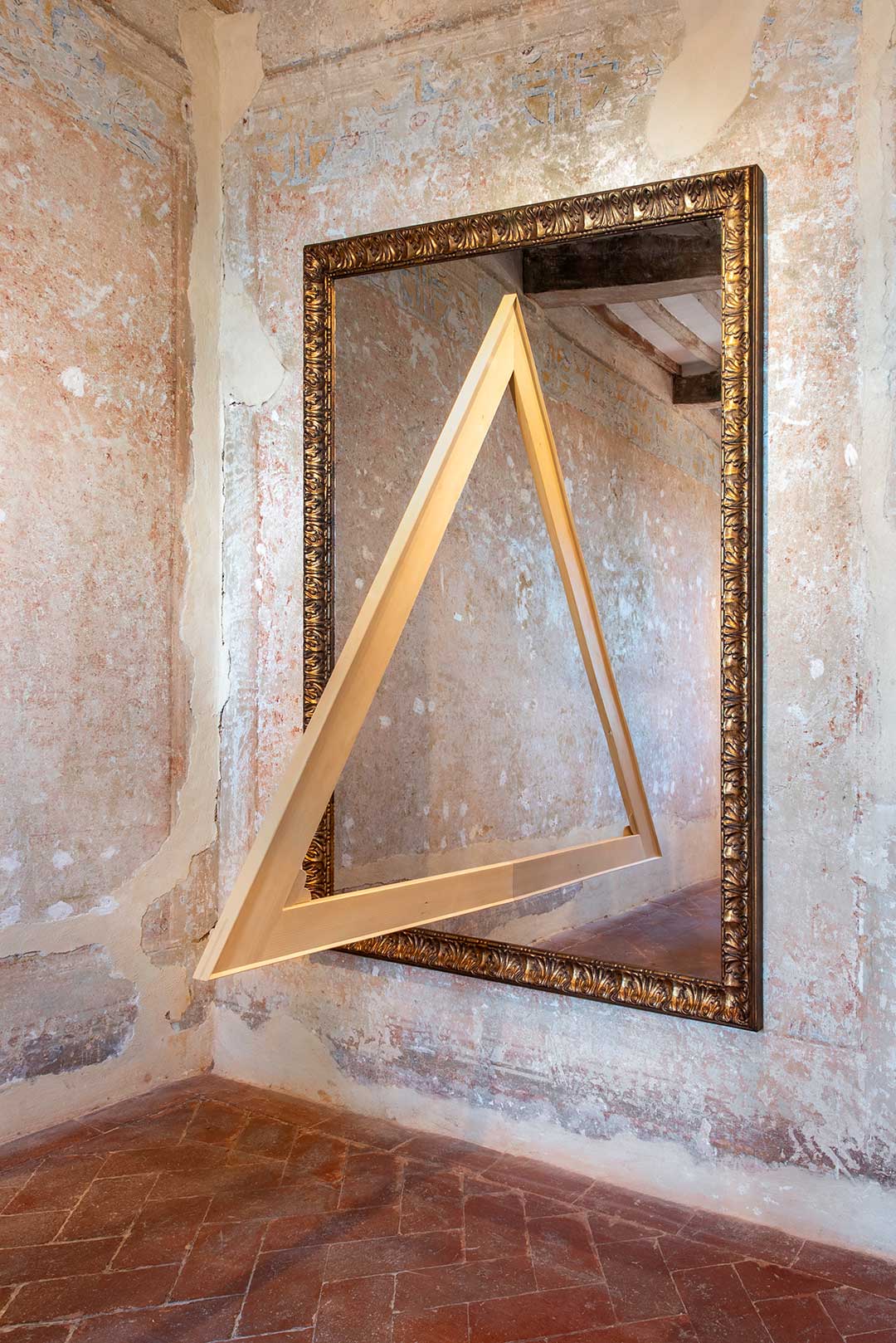
Galleria Continua presents Michelangelo Pistoletto’s solo exhibition, La Soglia. For over sixty years, Pistoletto has challenged the boundaries between art and life, inviting viewers to step into his reflective surfaces and become part of the artwork itself. Staying true to the artist’s signature element, the mirror, the exhibition features a series of both new and recent works that highlight an ongoing, evolving investigation.
La Soglia presents a series of new works created in 2025 that mark a significant development in Pistoletto’s long-standing project Divisione e moltiplicazione dello specchio – L’arte assume la religione, first conceived in 1978 through a seminal work and an accompanying reference text. In this new group of works, the artist explores the relationship between the real and the virtual dimension, between two-dimensionality and three-dimensionality and the ever-central role of the viewer. In these pieces, a real object—frames or stretchers in triangular, rectangular or Segno Arte shapes is applied to a mirror; the perception of the object changes according to the observer’s point of view, in relation to the reflection and the surrounding space. The reflective element not only reproduces and visually completes the missing portion of the object but also invites deeper contemplation, encouraging self-awareness and reflection on one’s relationship with the environment.
The concept begins with the idea that a mirror can reflect anything except itself. Yet, by cutting the mirror in two and sliding one half along the axis of division toward the other, the mirror begins to reflect itself and multiply, creating a perspective that expands infinitely. This phenomenon underpins much of Pistoletto’s work and thought, with the principle of division serving as a universal foundation for organic growth and, on a social level, as an alternative logic to accumulation and exclusion. Presented alongside this body of work is the series Black and Light, which introduces a distinct spatial and perceptual approach. Here, divided mirrors are placed in the corners of the room, and the entire surface becomes animated by shifting reflections of the environment and the viewer, exploring the dialectic between brightness and darkness within the mirrored image.
In the San Gimignano installation Uno specchio rotto (2025), framed mirror fragments are arranged on the wall, partially overlapping, visually recalling the 1981 work Il disegno dello specchio, which also featured framed mirrors, some whole, some divided. Whereas the divided mirrors in the earlier work had clean edges, cut according to a precise design, the irregular shapes and edges of the mirrors in the new work and the title itself evoke an act of breaking and crushing. This contrast underscores the temporal distance between the two works and highlights the evolution of Pistoletto’s practice within the long-running line of inquiry that began in 1978 with Divisione e moltiplicazione dello specchio - L’arte assume la religione.



 Sign in with Google
 Sign in with email