Enter your details to sign in
Don’t have an account?
Sign upOr you can sign in with
a single account for all
STIR platforms
All your bookmarks will be available across all your devices.
Stay STIRred
Already have an account?
Sign inOr you can sign up with
Verification link sent to check your inbox or spam folder to complete sign up process



We use cookies and similar technologies, to help provide you with a better, faster, and safer experience while delivering content
tailored to your interests.
By clicking on the AGREE button, closing this banner, clicking or navigating the website, you consent to the use of all cookies and similar technologies for the purposes we describe in our
Privacy Policy.
We use several cookies that are related to the functionality, security & user preferences,
analytics, and advertising. While some are essential, you may choose to dis-allow the use of others.
Please choose your preference, or opt for the best experience by closing this banner, clicking or navigating the website.
For more detailed information please read our Privacy Policy
 Connect
Connect
Connect





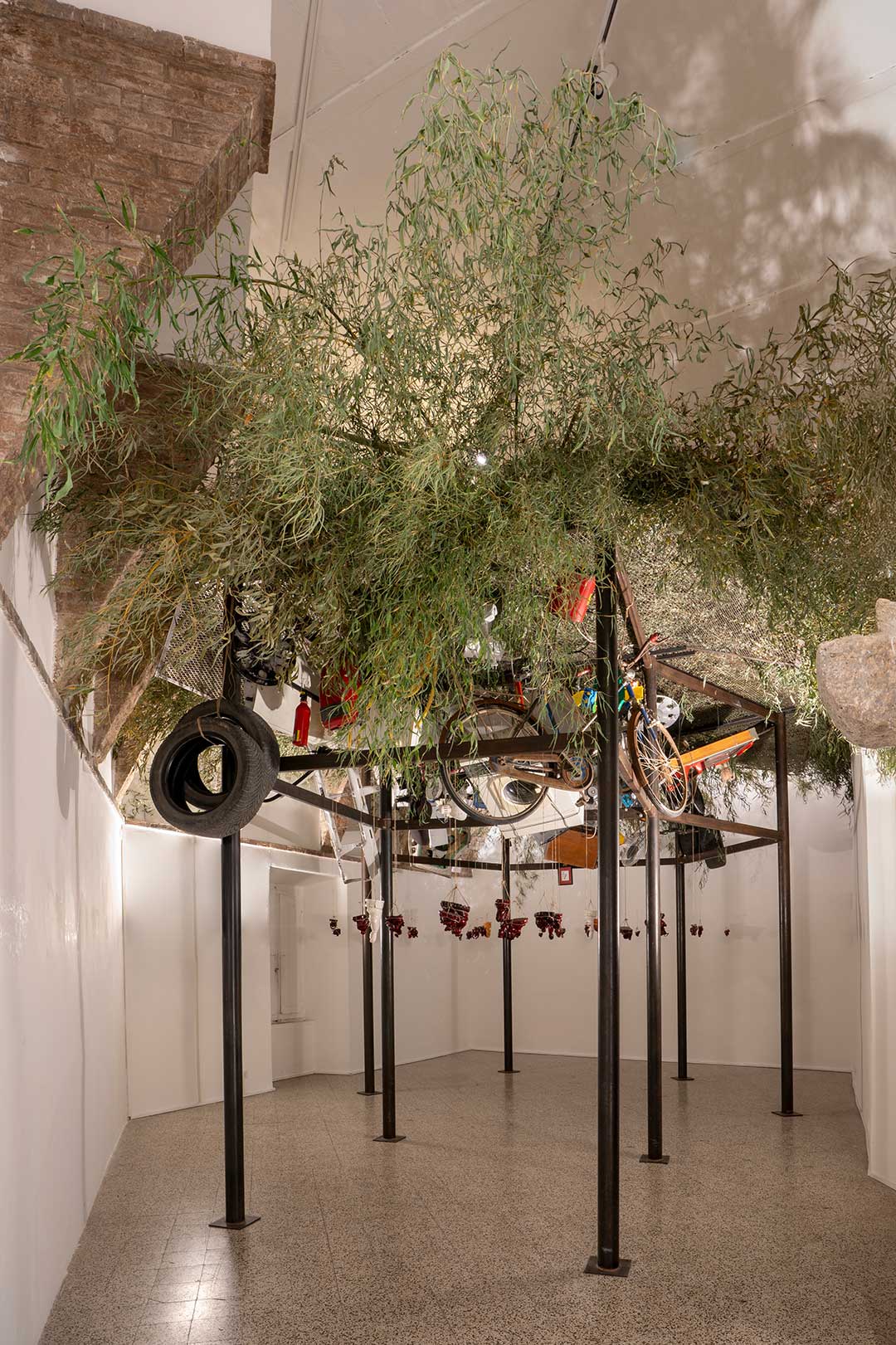
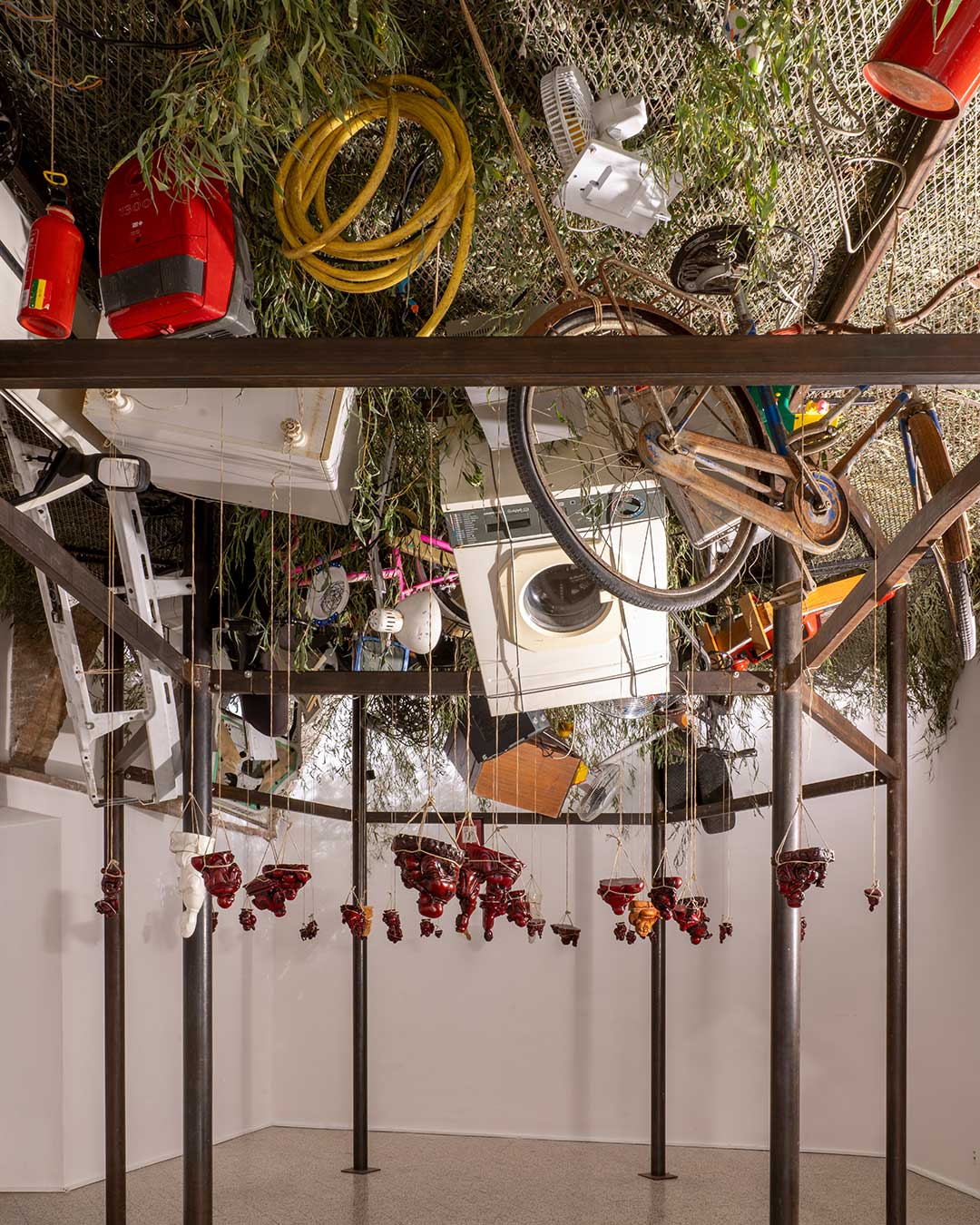
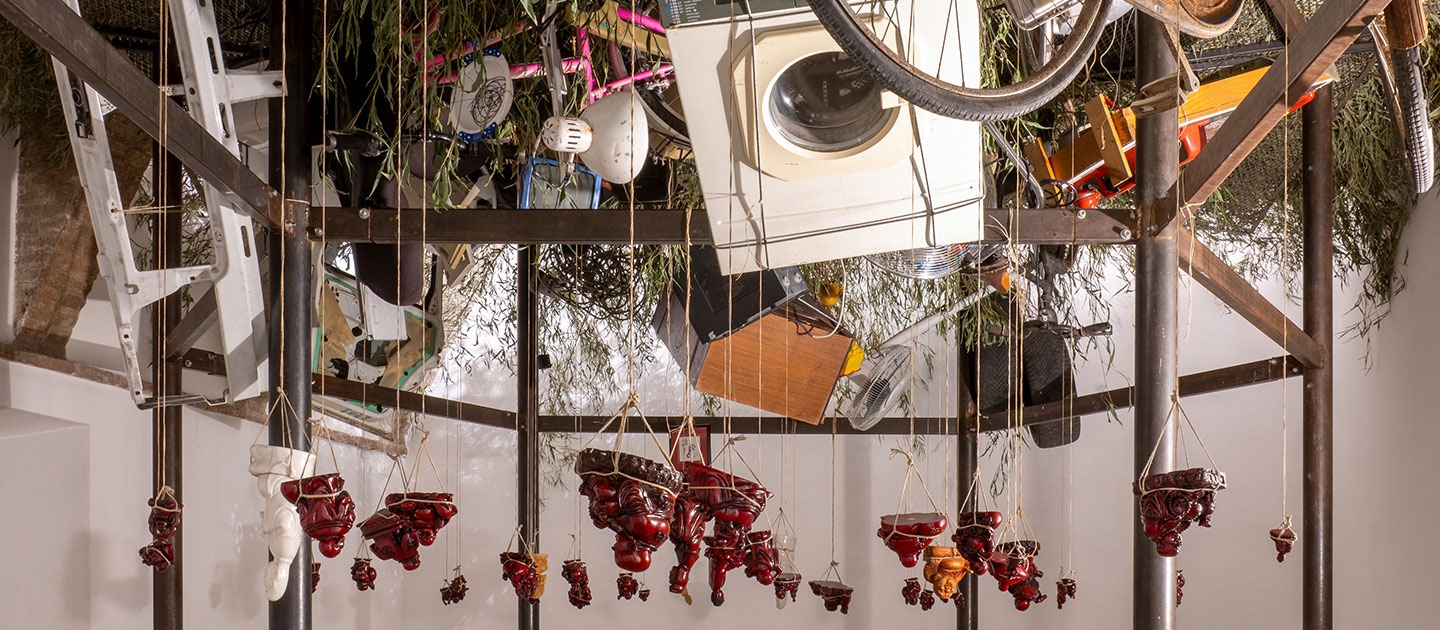
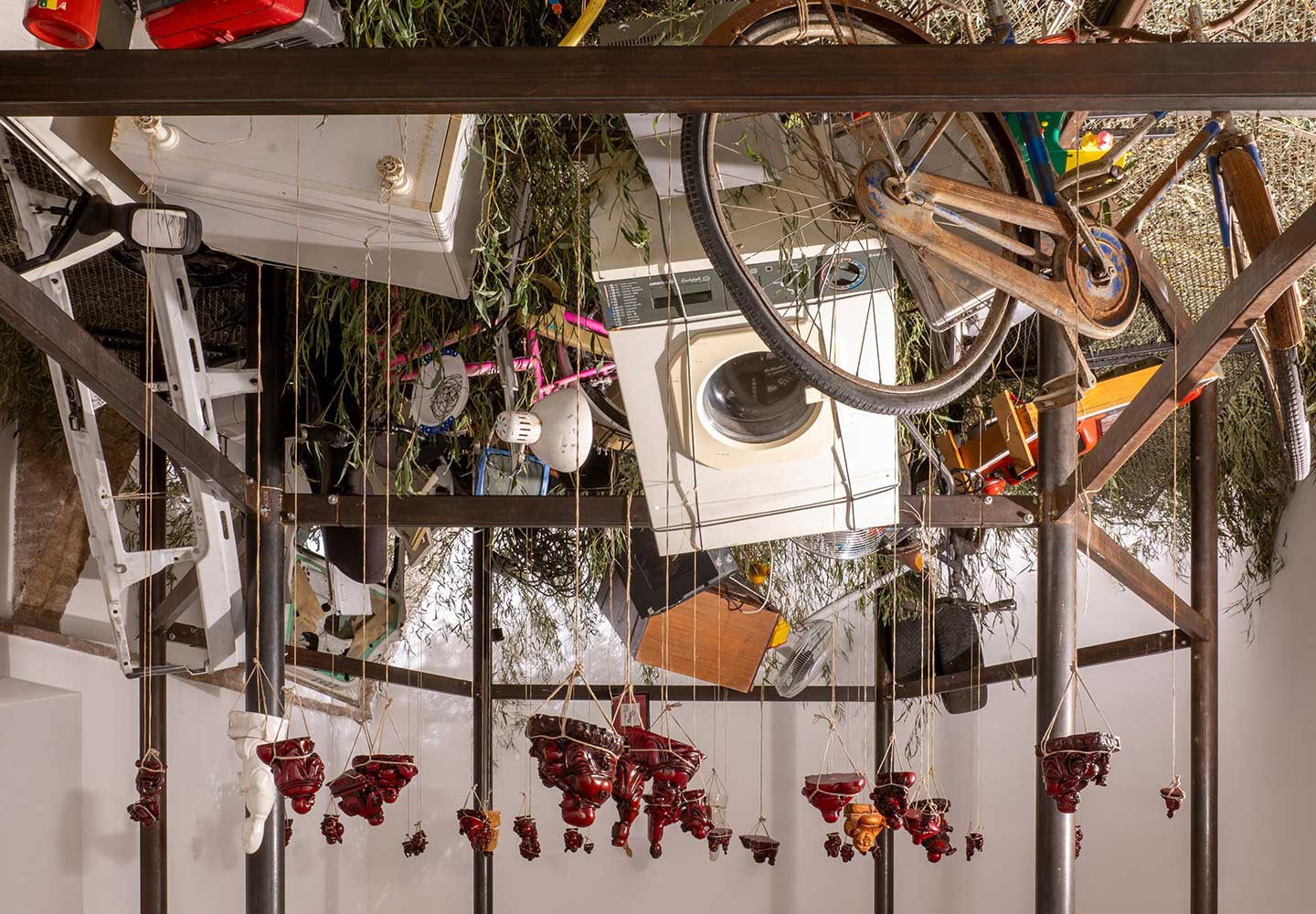
In September, Galleria Continua celebrates the thirty-fifth anniversary of the opening of its first exhibition space in the medieval town of San Gimignano. A moment that marks over three decades of commitment to dialogue and cultural exchange through contemporary art. Accompanying this celebration, together with the solo shows of Alicja Kwade, Yoan Capote and Michelangelo Pistoletto, is an exhibition dedicated to Chen Zhen, entitled Un Village sans frontières. The three founders of Galleria Continua met Chen Zhen for the first time in 1999, on the occasion of his participation in the Venice Biennale; with the artist, they established a relationship destined to mark in an indelible way, the path and the history of the gallery. It was thanks to him that the founding partners, in 2005, decided to open the first branch abroad (in Beijing) thus beginning a journey aimed at embracing the world, which continues to this day.
Twenty-five years after his premature passing, Zhen remains a protagonist of our time, an artist who made his work an example of pluralism in art. This exhibition aims to be a homage to his work which, since the end of the 1980s, has substantially contributed to the overcoming of the boundaries between Eastern and Western thought, influencing an entire generation of artists.
Initially interested in painting, Zhen began to work on installations in 1989—he reassembled everyday objects, creating works in which Chinese tradition is mixed with consumer society in a synthesis that today is prophetic. He defined “trans-experience” as the soul of his work: a union of “residence” (adapting to places), “resonance” (dialogue with the other) and “resistance” (to new cultural influences). In a conversation with his alter ego, Zhu Xian, he explains that trans-experience is not a conceptual theory but an experiential method that connects what precedes to what follows, adapting to change, accumulating experiences and activating at any moment. This concept is linked to central themes: immersion of the self in life, identification with others, exchanges and conflicts between people, society, nature, science and technology. What interests him most are these “networks of relationships.”
Zhen’s entire production is marked by his personal story, linked to an autoimmune disease diagnosed at only twenty-five years old. Deeply affected by the news, he spent three months in Tibet living together with monks, a simple lifestyle detached from the material dimension. This experience, which influenced his perception of the value of time, placed at the centre of his research the investigation of the different approaches of Eastern and Western medicine. The renewed sensitivity of Zhen toward the human body and the will to make his work a therapeutic and purifying act emerge in several works centred on physical elements, including the internal organs.
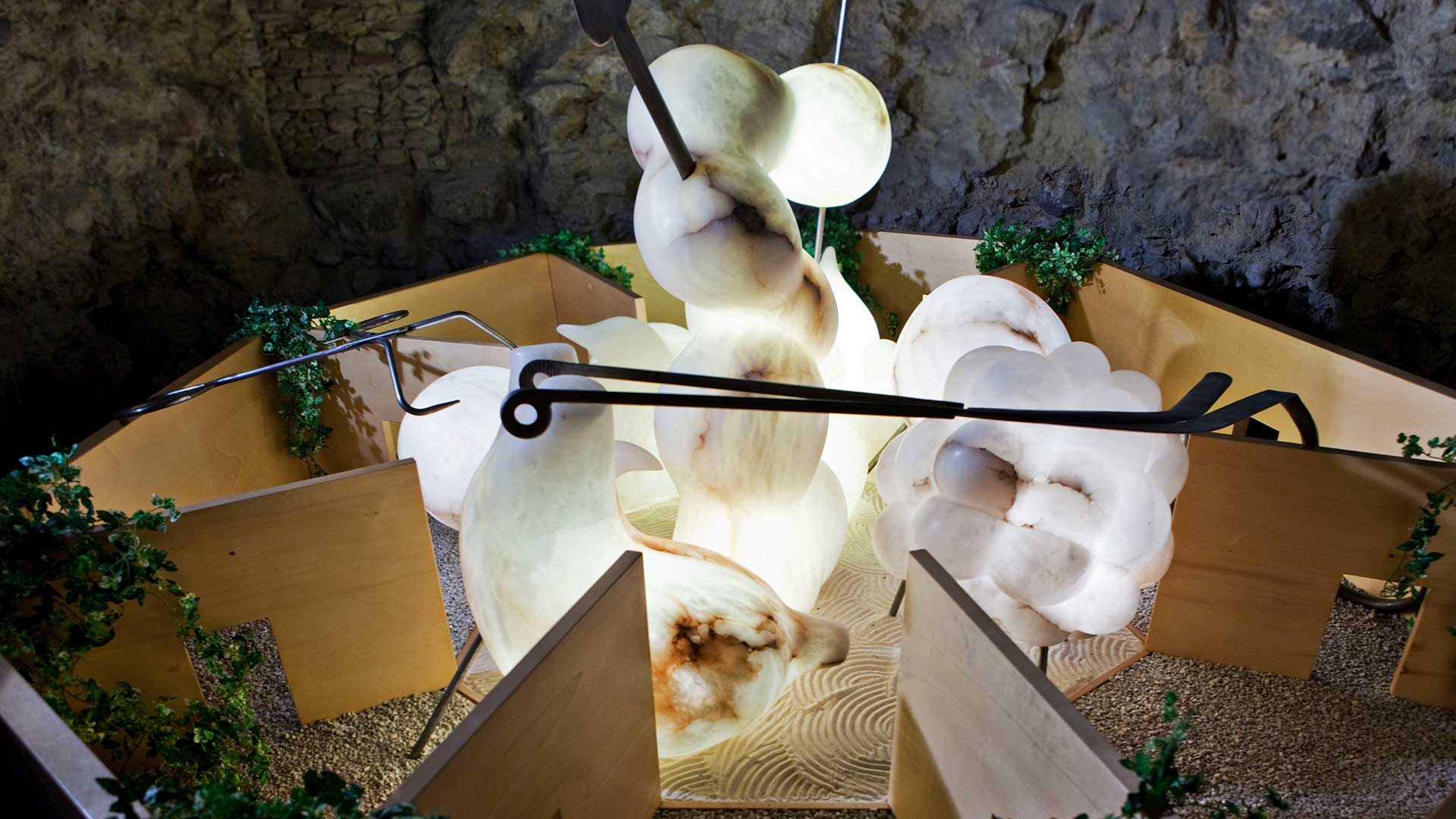
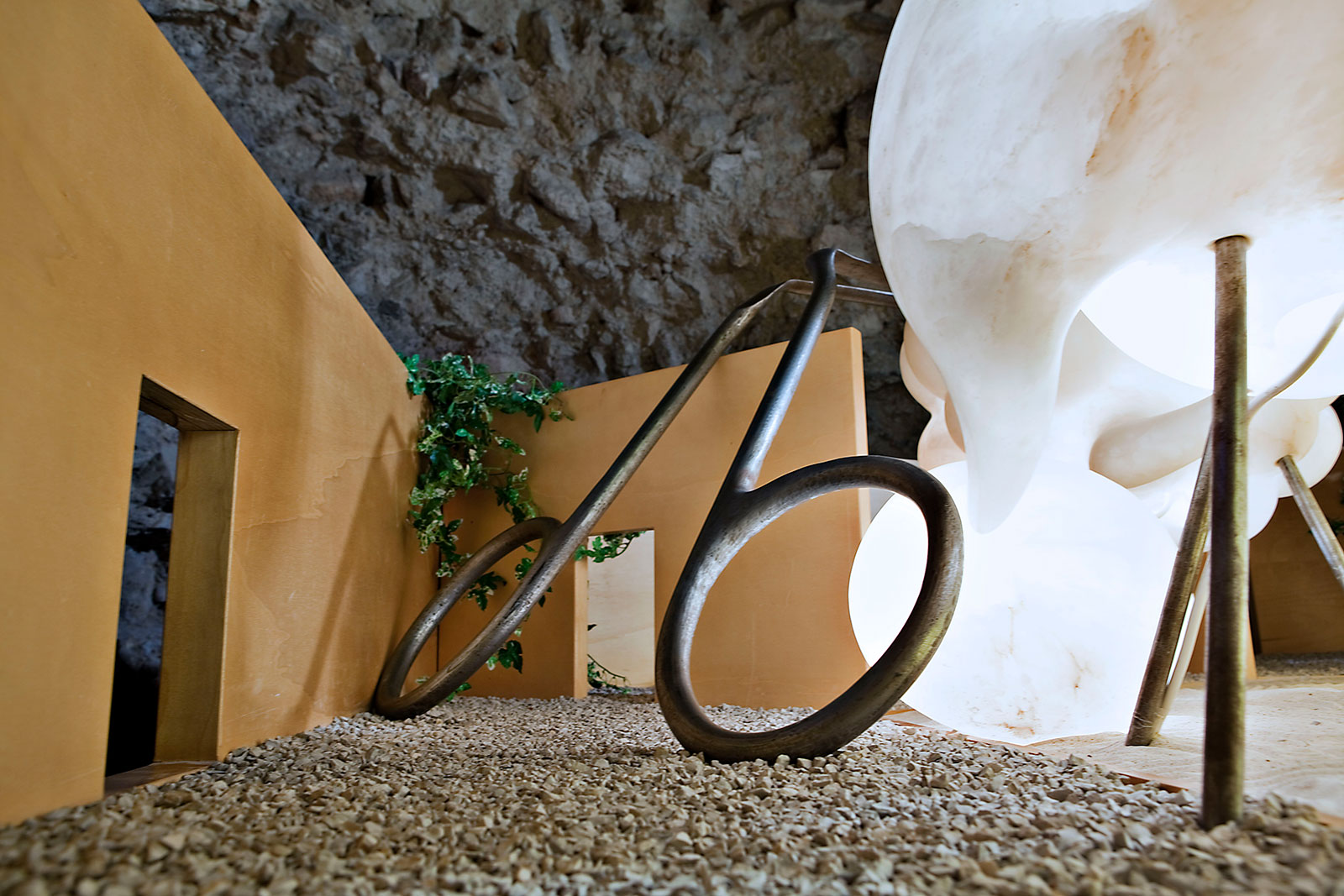
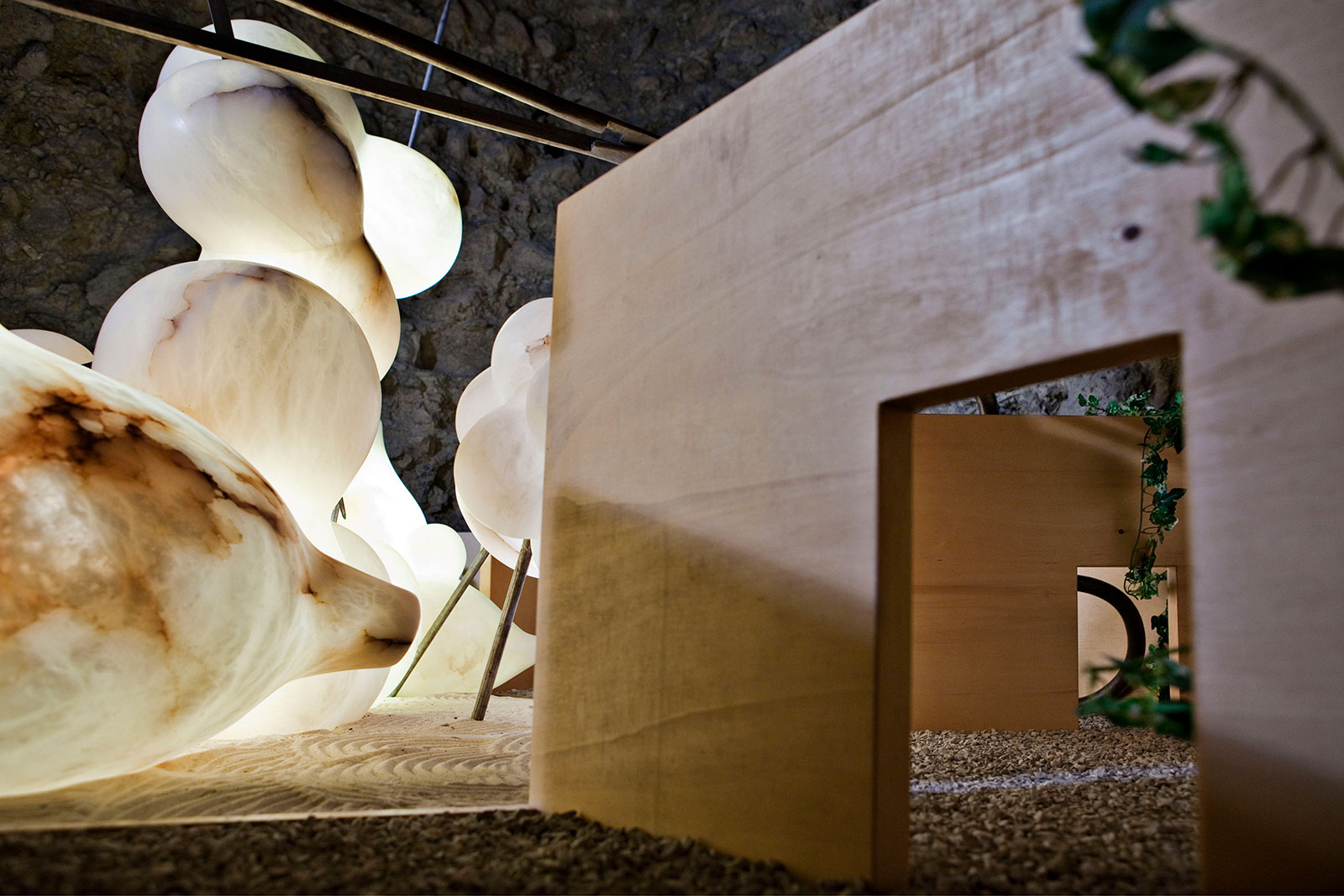
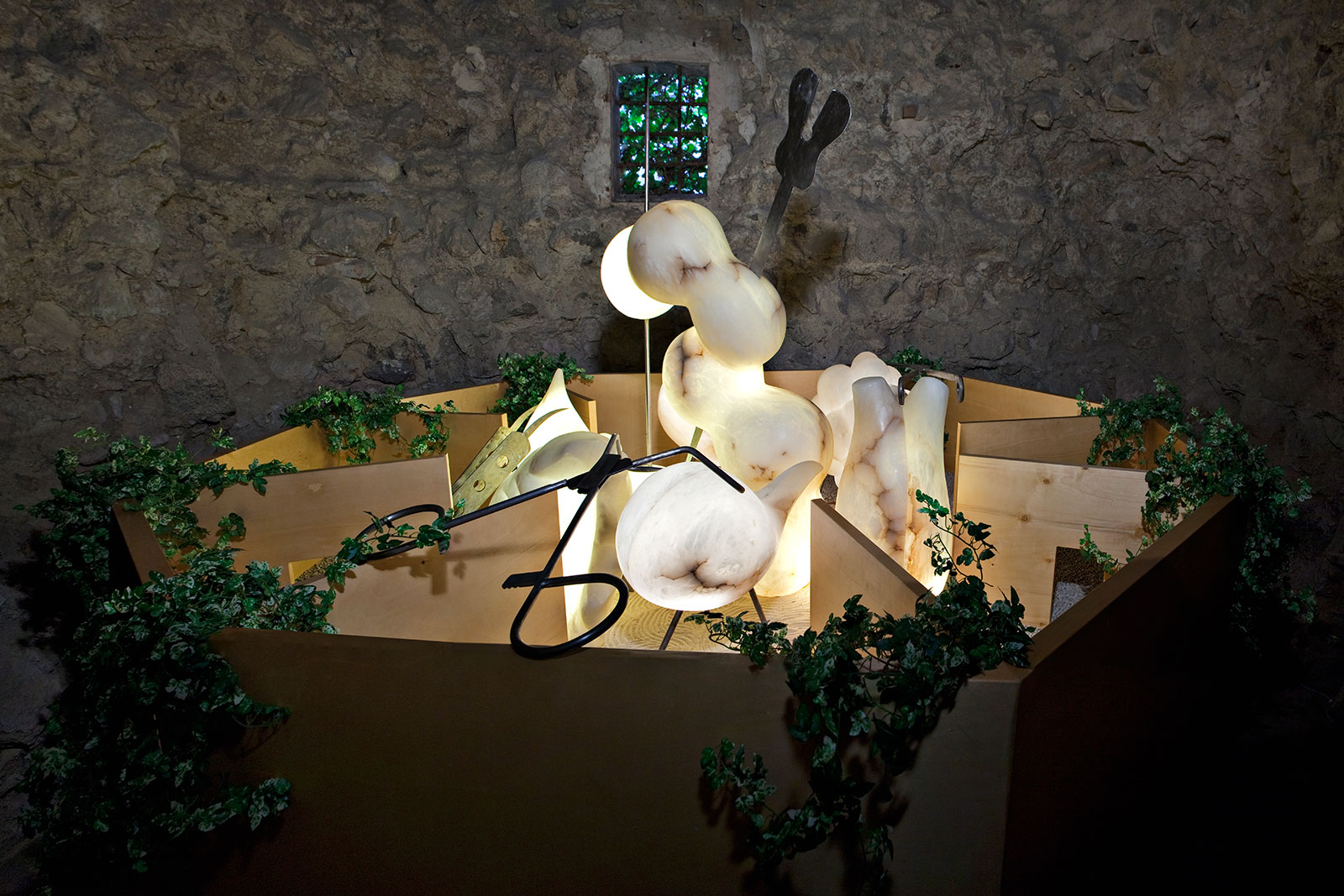
Zen Garden: one of the works that Zhen created in 2000 for his first solo exhibition in the spaces of Galleria Continua in San Gimignano, is part of a cycle of works centred on the representation of the human body and its internal organs as a space of transformation. In this work, the artist, through the internal landscape of the body, overlaps two elements, the connective nature of Qi and the incomplete nature of Western medicine, creating a ground of dialogue between body and spirit. A polygonal wooden fence houses inside it plants, sand, gravel and large white and luminescent cocoons with sinuous lines traversed by menacing surgical instruments, scalpels, scissors and retractors. Zen Garden is a complex work that invites reflection on the body, on transformation, on the relationship between individual and environment, and on the search for inner balance through the fusion of different elements. Through the small wooden door, we can glimpse the idea of a micro-macro Zen temple, which Zhen dreamed of building on the Tuscan hills.
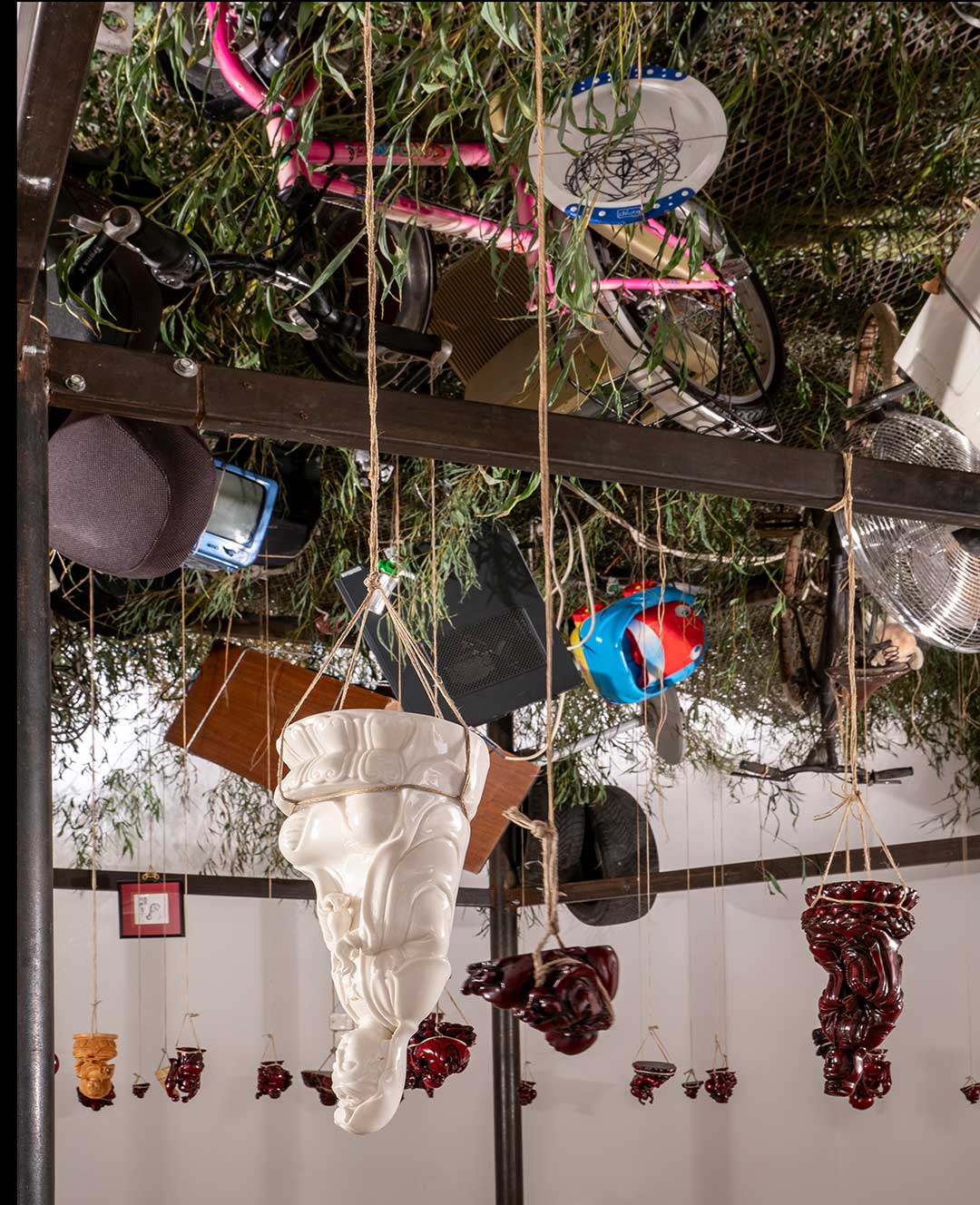
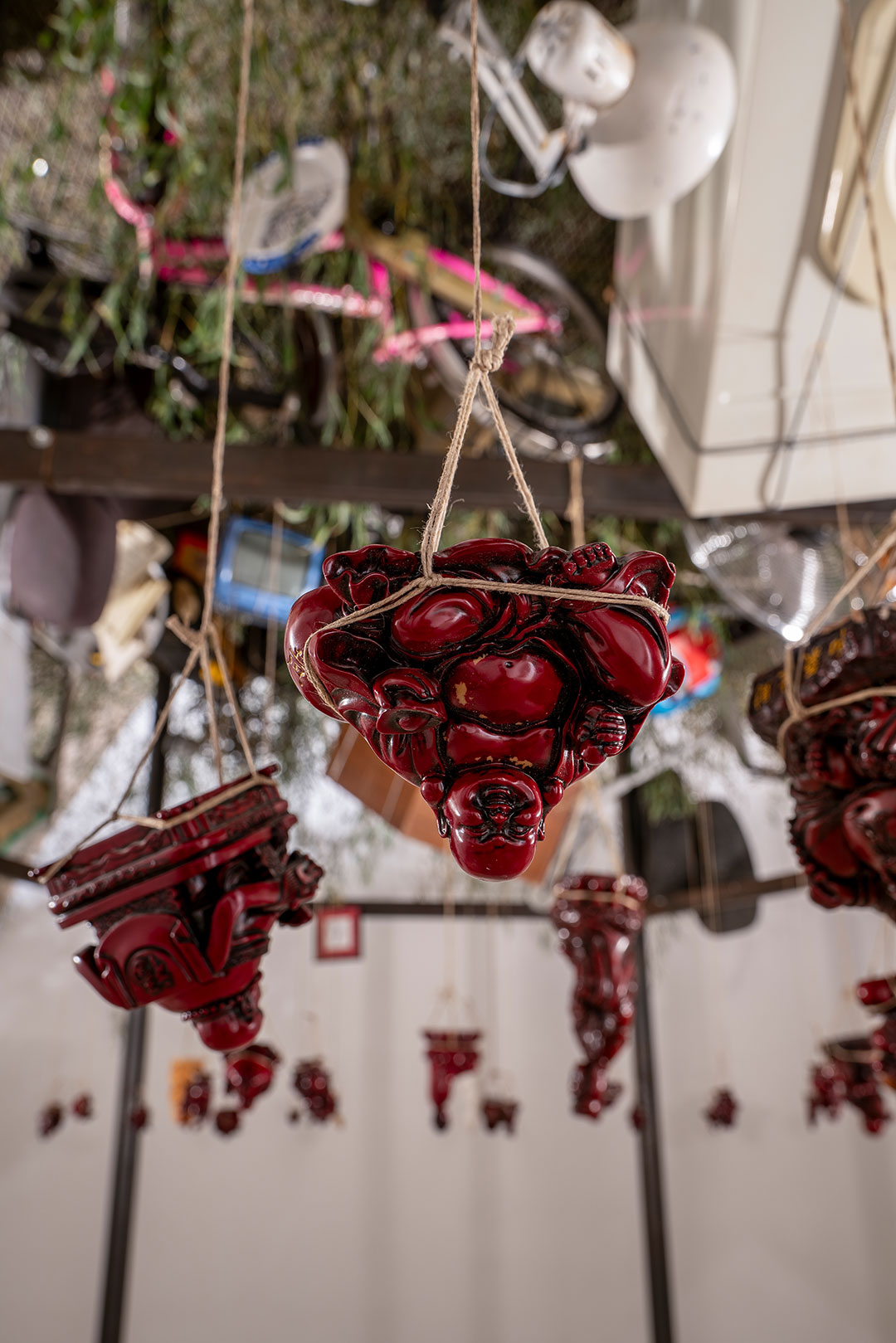
Fu Dao / Fu Dao is a work created in 1995, inspired by an episode experienced in Shanghai. Entering a restaurant, Zhen noticed a Chinese character meaning “good fortune” hung upside down. The owner explained to him that the word “upside down” is pronounced the same as “arrival,” thus transforming the image into a message that announces the arrival of fortune. In Chinese, the pronunciation “Fu” can mean both “happiness” and “Buddha,” while “Dao” means both “upside down” and “arrival.” The expression Fu Dao / Fu Dao can therefore be interpreted simultaneously as “Buddha upside down” and “arrival of happiness.” Zhen then asked himself: does the upside-down Buddha perhaps symbolise the arrival of happiness? This simple gesture thus becomes the starting point for a broader reflection: the tension between tradition and modernity, between spirituality and materialism, between East and West. In this work, the inverted character “happiness” is not only a symbol of luck, but reflects the complexity of the relationships between beliefs, wealth and cultural identity in the contemporary world.
Zhen has always had great trust in man and in future generations. In the work that gives the exhibition its title, Un Village sans frontières (2000), the artist uses candles to build a “universal village” composed of the symbolic number of 99 children’s chairs collected from all over the world. “The fact of using candles (in China, the candle is a symbol of a man’s life) has a special meaning: to build a village without borders, that it is up to us to begin—declared Chen Zhen—but our hope is always directed to future generations.”



 Sign in with Google
 Sign in with email