Enter your details to sign in
Don’t have an account?
Sign upOr you can sign in with
a single account for all
STIR platforms
All your bookmarks will be available across all your devices.
Stay STIRred
Already have an account?
Sign inOr you can sign up with
Verification link sent to check your inbox or spam folder to complete sign up process



We use cookies and similar technologies, to help provide you with a better, faster, and safer experience while delivering content
tailored to your interests.
By clicking on the AGREE button, closing this banner, clicking or navigating the website, you consent to the use of all cookies and similar technologies for the purposes we describe in our
Privacy Policy.
We use several cookies that are related to the functionality, security & user preferences,
analytics, and advertising. While some are essential, you may choose to dis-allow the use of others.
Please choose your preference, or opt for the best experience by closing this banner, clicking or navigating the website.
For more detailed information please read our Privacy Policy
 Connect
Connect
Connect





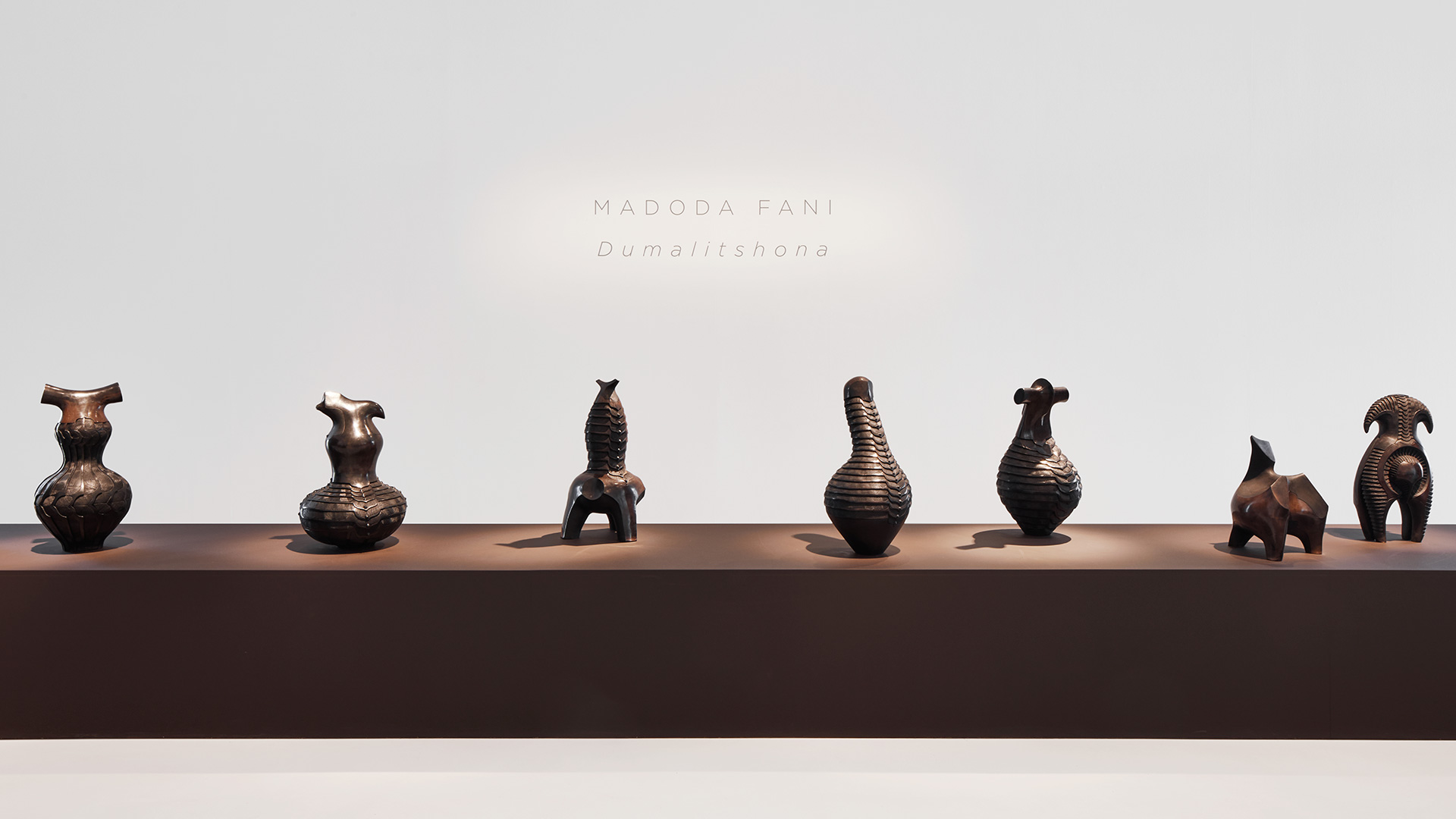
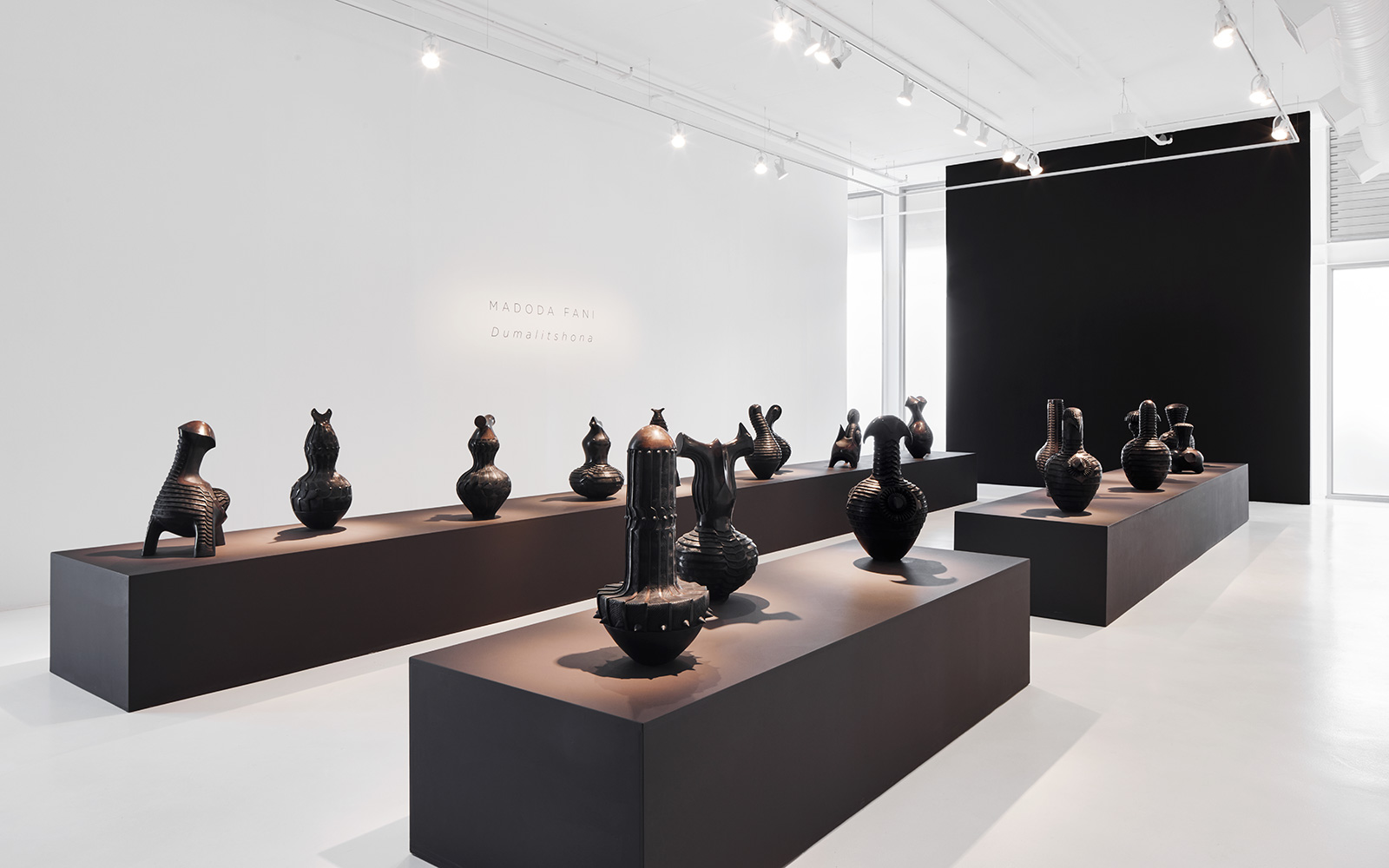
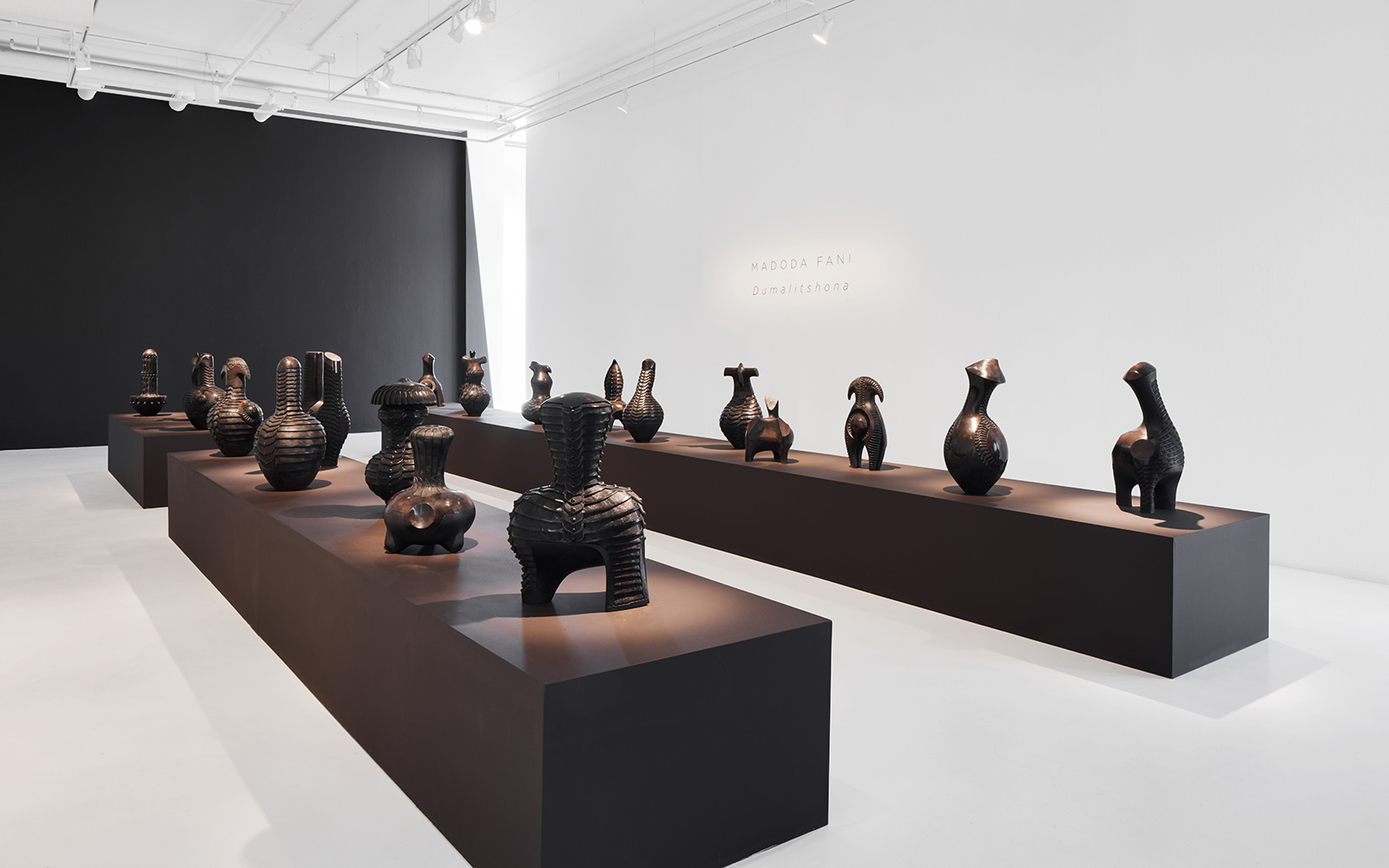
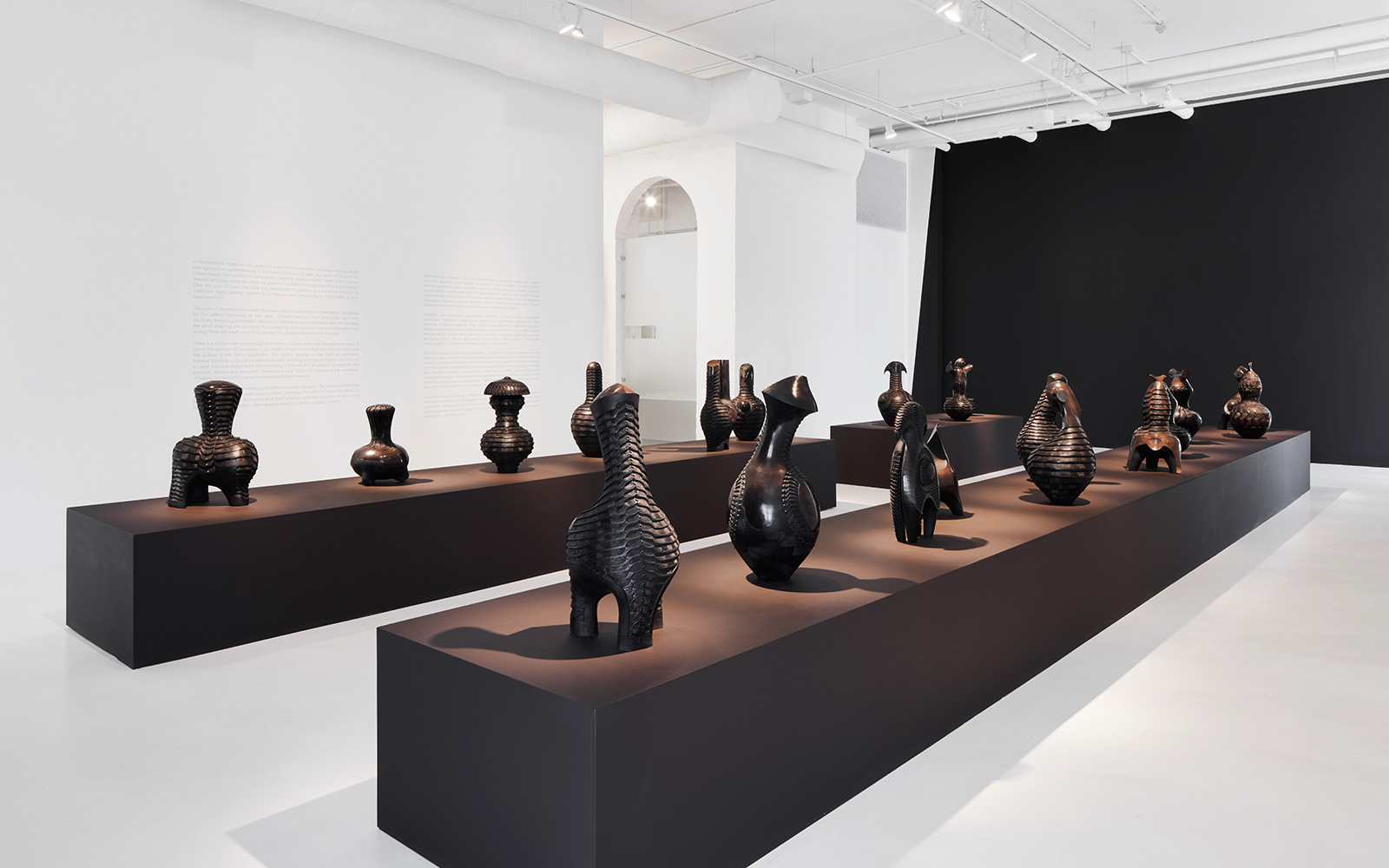
Southern Guild is pleased to present Dumalitshona, a solo exhibition of ceramic sculptures by Madoda Fani, on show in Cape Town from November 22 – January 29, 2026. Fani summons a new anthropomorphic language holding weight and buoyancy in equal measure, a symbiotic invocation of earth and spirit in tribute to his Xhosa lineage. Dumalitshona, meaning “beyond matter”, refers to the isibongo—traditional praise name—that the artist was given by the elders in his community in recognition of his achievements. Over the past 10 years, he has established his practice as a sculptural evolution of traditional Nguni pottery, stretching its contours and reimagining the pure expressive form of ceramics beyond functionality.
The works in Dumalitshona oscillate between volume and surface, an interrelation highlighted by the uniform treatment of their dark, unglazed exteriors. Fani hand-builds each form intuitively, foregoing preparatory sketches or working to a predetermined idea. He describes the meditative act of sculpting and carving as the experience of being partly here and partly elsewhere, saying, “Time stills itself. I am entirely at ease. The clay tells me where it wants to go.”
Many of the exhibition’s works have ample round bases that give rise to attenuated necks; several stand on tripod legs planted in the earth, while others taper upwards into sharp hooks. Fani’s silhouettes twist and sway, buoyed by their inherent strength, poised between this world and the next. In their precision and purity, the sculptures offer an illusory viewing experience: at first encounter, they appear to have been carved from timber or cast in bronze, revealing their clay origins only on closer inspection.
There is a rhythm that runs through Fani’s work—a quiet pulse that animates each piece. It stirs within the contours of his vessels, in the ripples of each incision that seem to extend beyond the form’s peripheries. This rhythm belongs to clay itself: an earth-born material bound to cycles of transformation, ever returning to its origin; from soil to form, fire to hand, from completion back into becoming. It is the rhythm of paradox: of surrender and precision, stillness and movement, fullness and void. Within this cadence is the meditation of making, the patient conversation between mind and medium.
Fani’s aesthetic influences are consistent across his oeuvre: the articulation of his forms points to an interest in Samurai armour, H. R. Giger’s alien creatures and insect anatomy. The works in this series assume a supple dynamism, animated by an architectural complexity both organic and mechanical. With its declarative stance and sickle-shaped head, Ntaba zoLundi (meaning 'mountain of abundance') is striking for its skilfully sculpted profile and pronounced figuration. The work embodies a warrior-like energy, potent and resolute.
Dumalitshona marks a culminating point within Fani’s artistic trajectory. The series embodies the discipline required on the path toward mastery, revealing the hand of a maker who listens to his material as deeply as he commands it. Fani’s practice is one born not only of skill, but of surrender; a divine yielding to a lifelong apprenticeship in rhythm, patience and fire.



 Sign in with Google
 Sign in with email