Enter your details to sign in
Don’t have an account?
Sign upOr you can sign in with
a single account for all
STIR platforms
All your bookmarks will be available across all your devices.
Stay STIRred
Already have an account?
Sign inOr you can sign up with
Verification link sent to check your inbox or spam folder to complete sign up process



We use cookies and similar technologies, to help provide you with a better, faster, and safer experience while delivering content
tailored to your interests.
By clicking on the AGREE button, closing this banner, clicking or navigating the website, you consent to the use of all cookies and similar technologies for the purposes we describe in our
Privacy Policy.
We use several cookies that are related to the functionality, security & user preferences,
analytics, and advertising. While some are essential, you may choose to dis-allow the use of others.
Please choose your preference, or opt for the best experience by closing this banner, clicking or navigating the website.
For more detailed information please read our Privacy Policy
 Connect


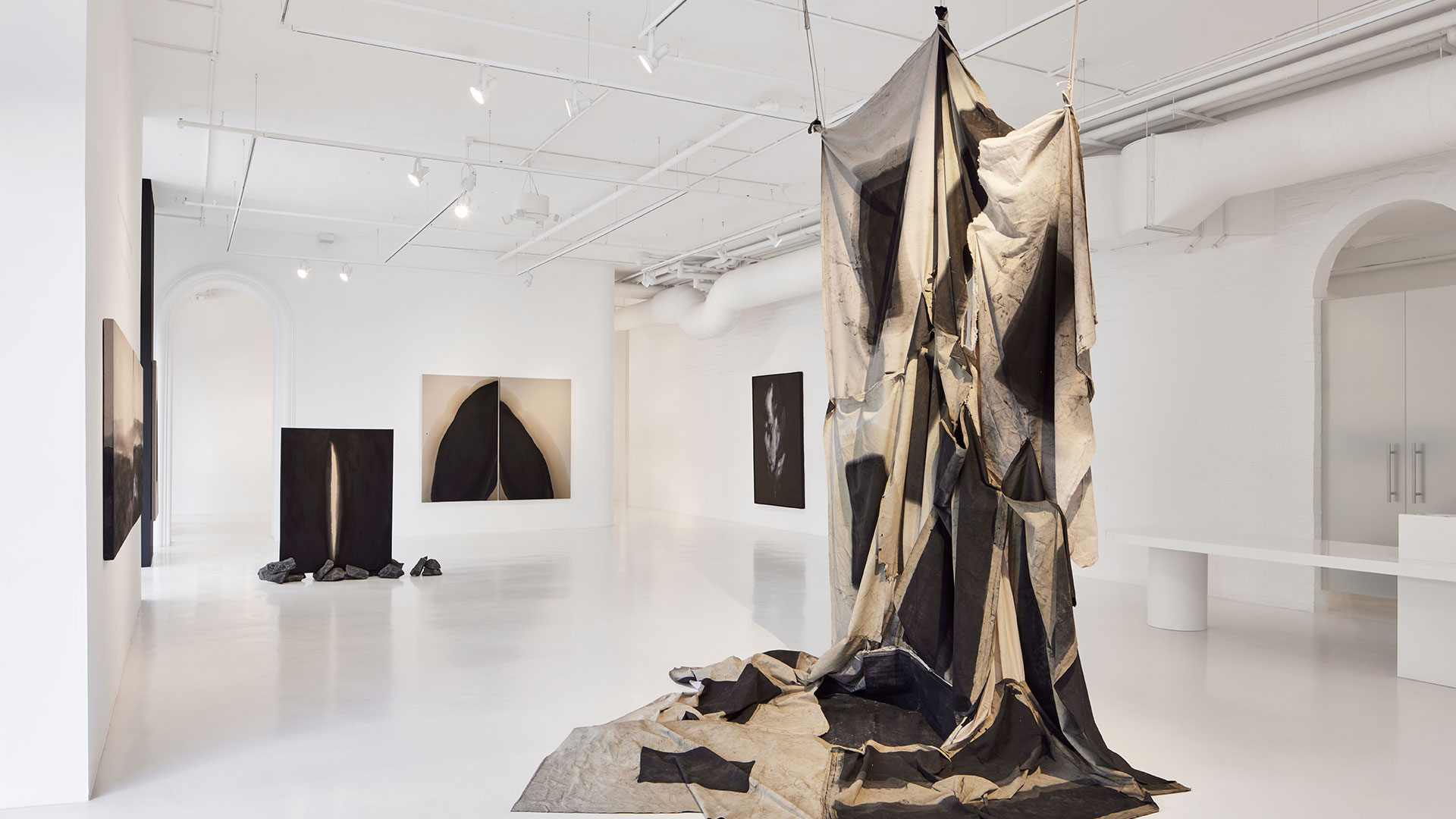
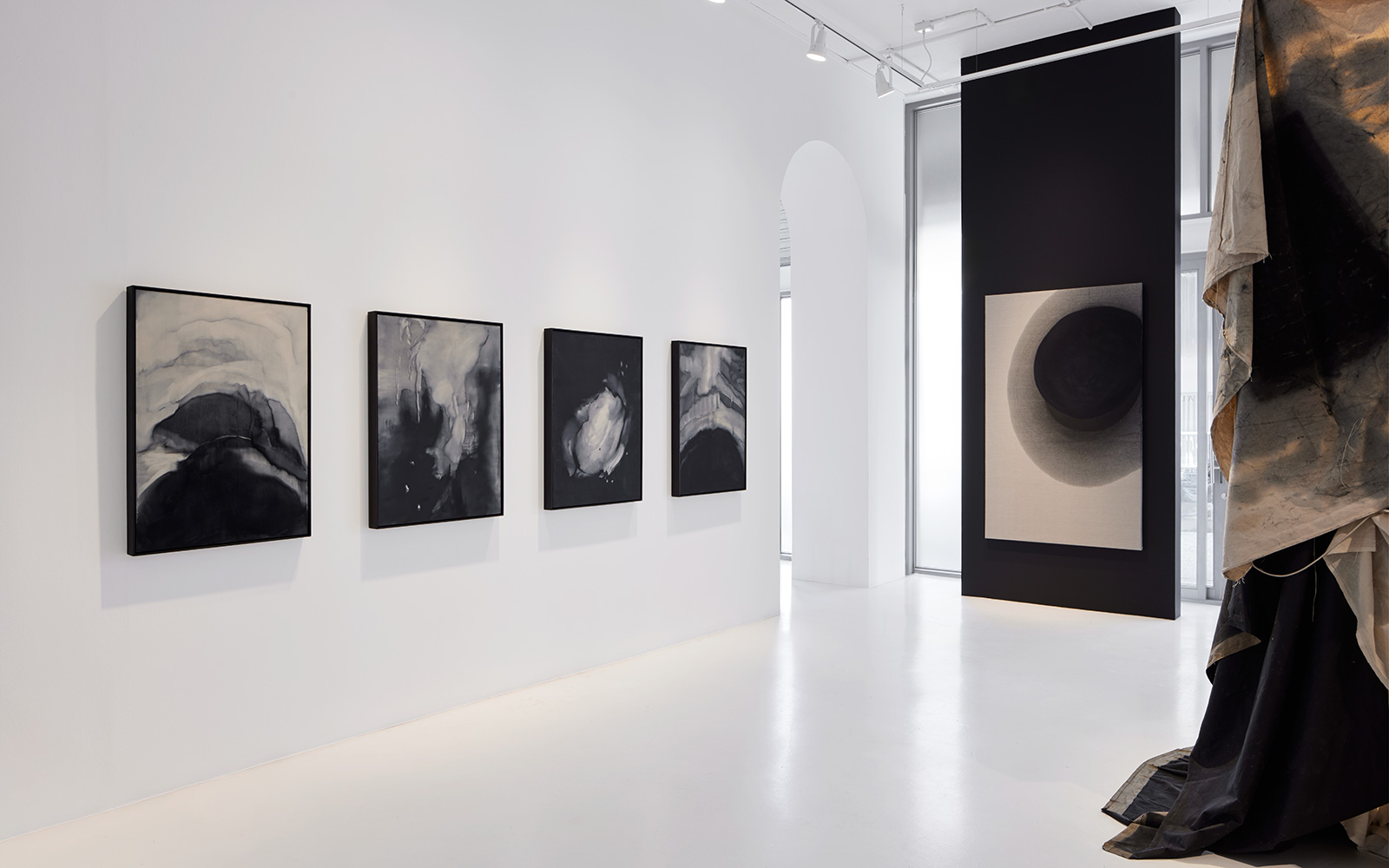
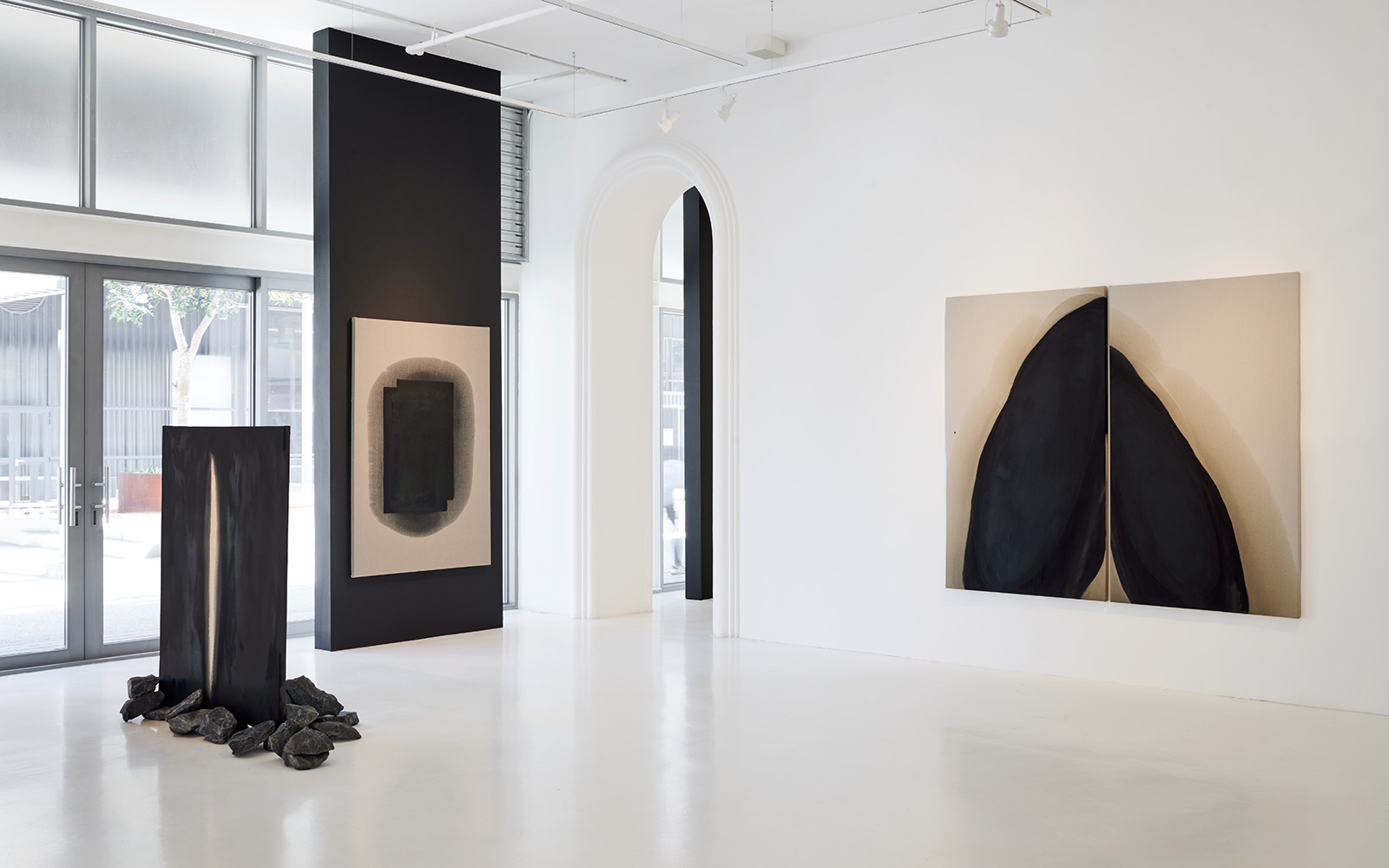
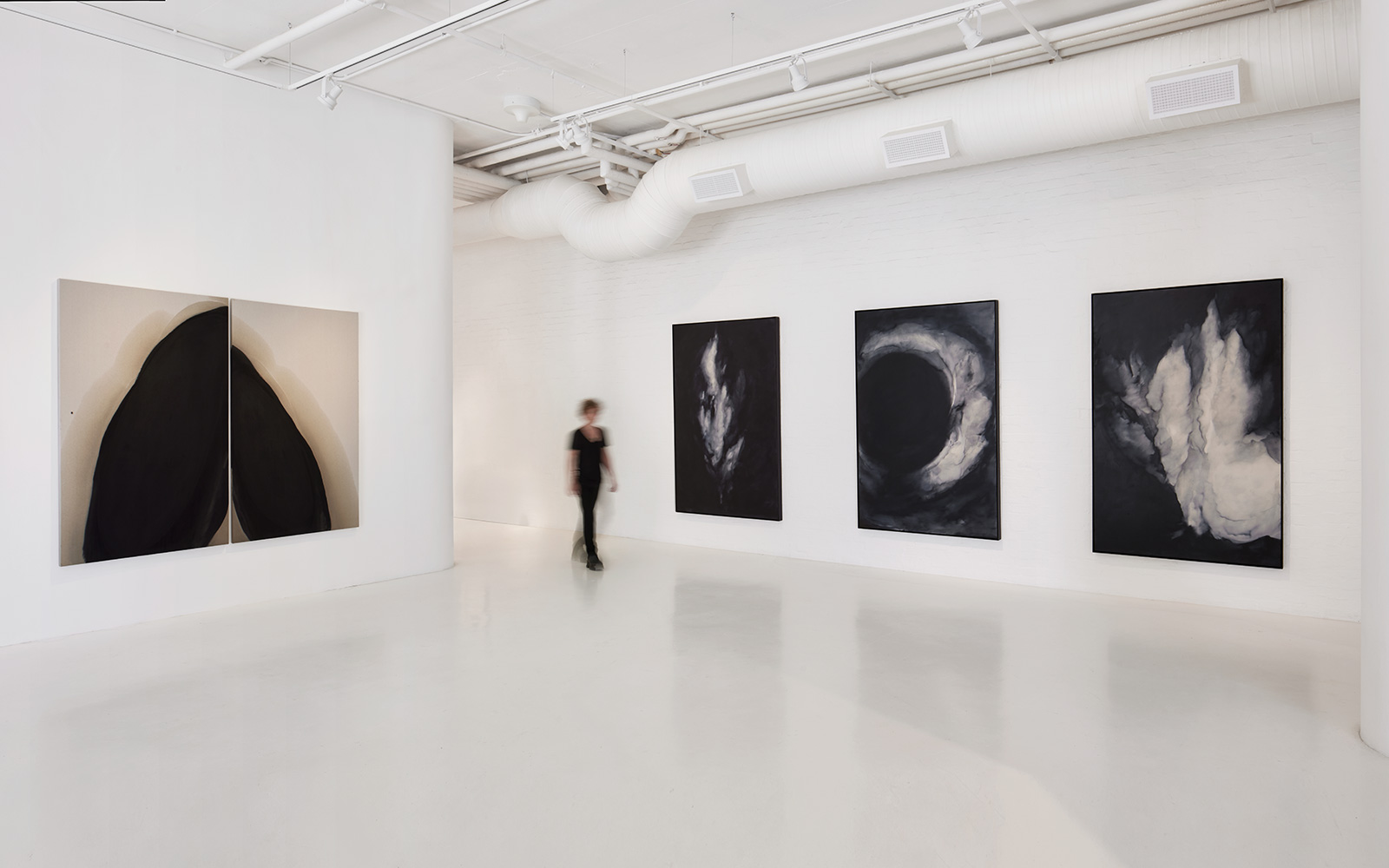
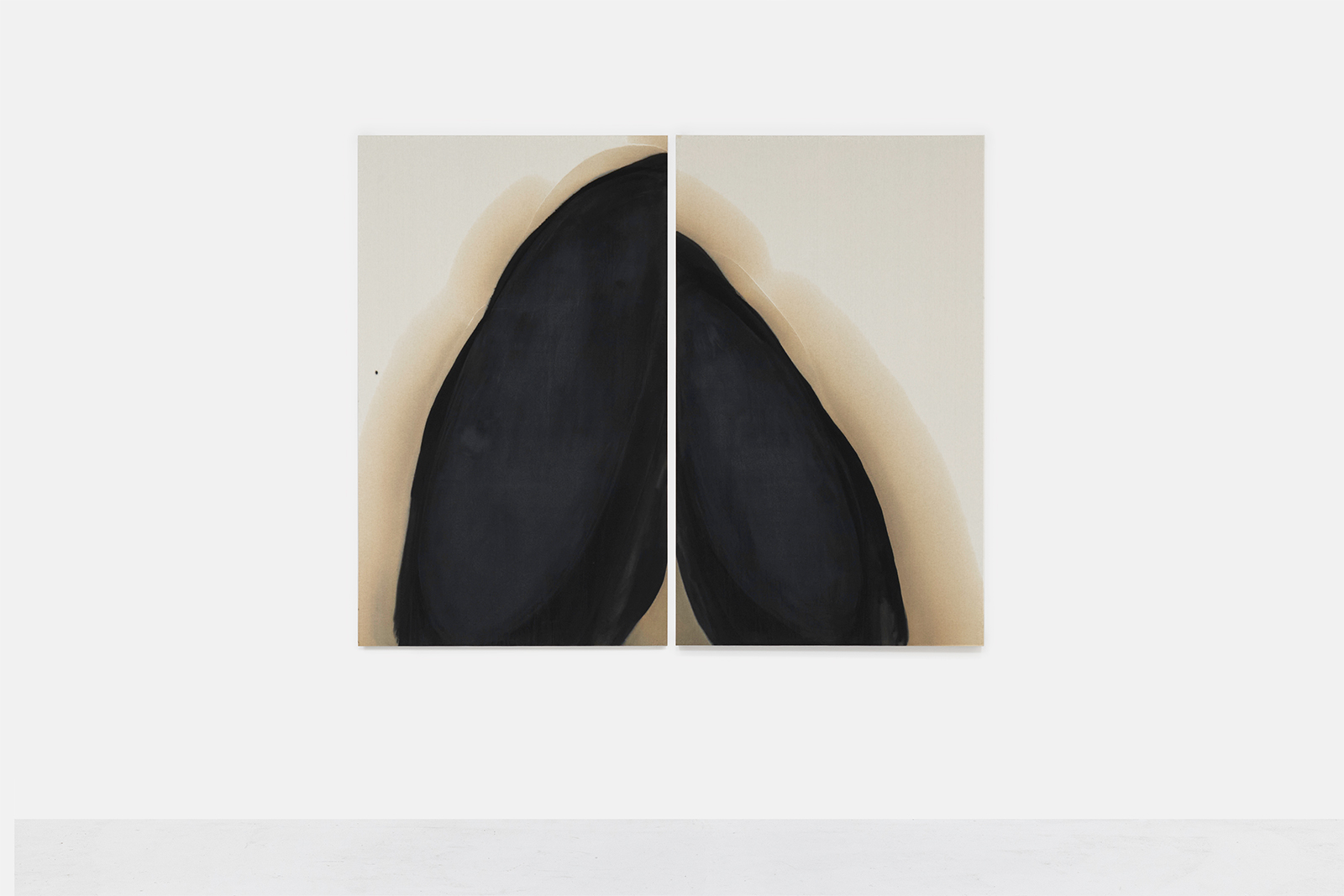
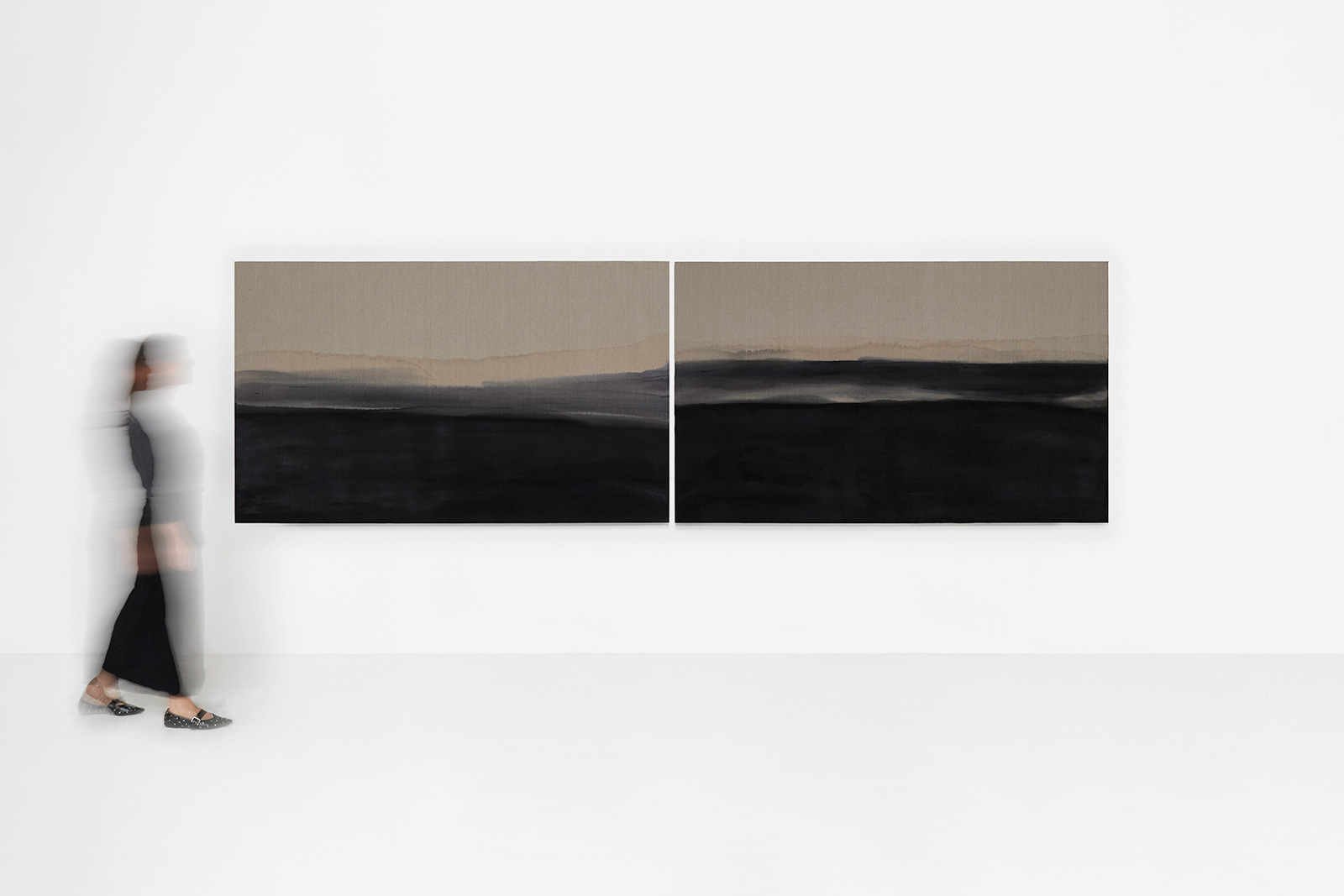
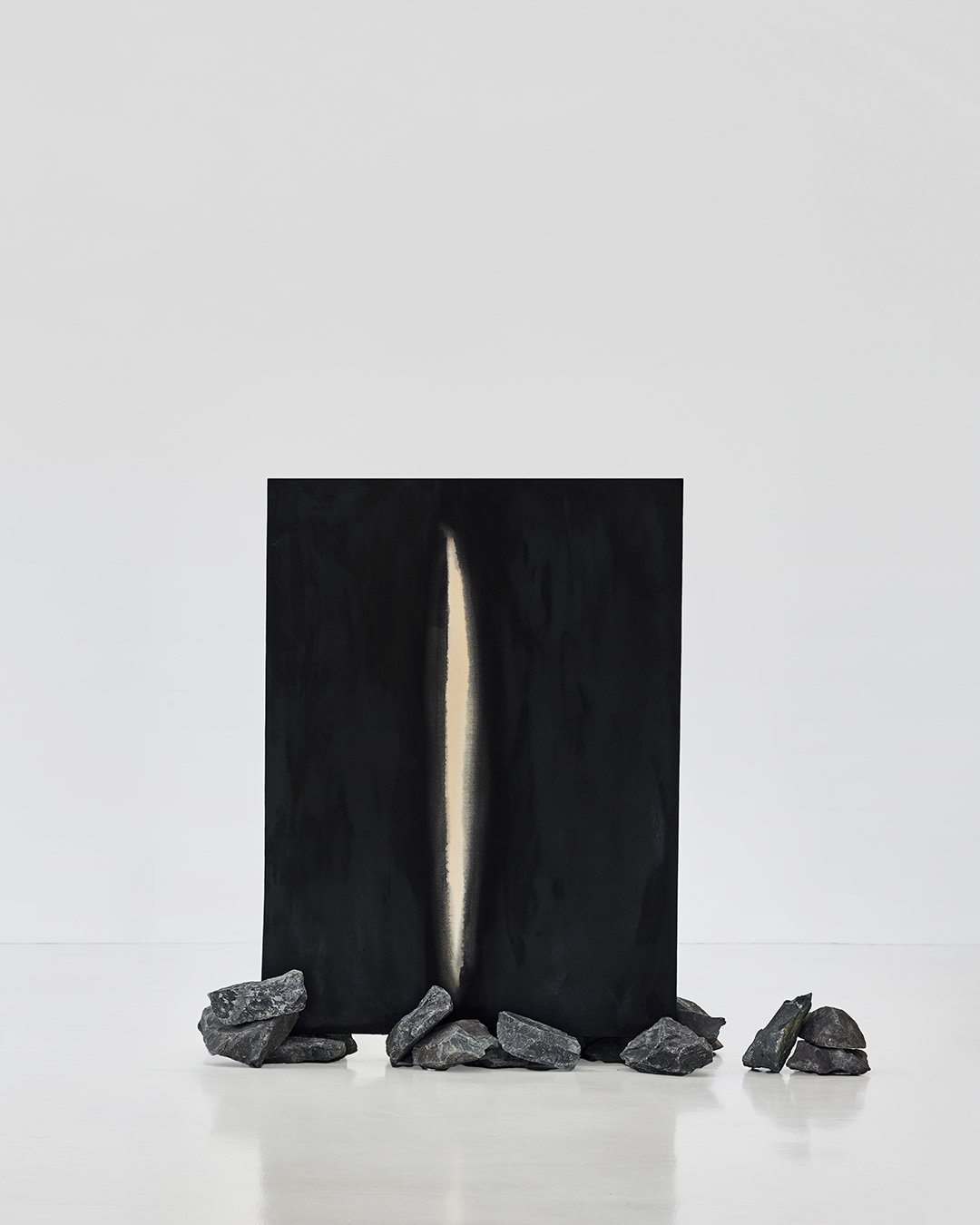
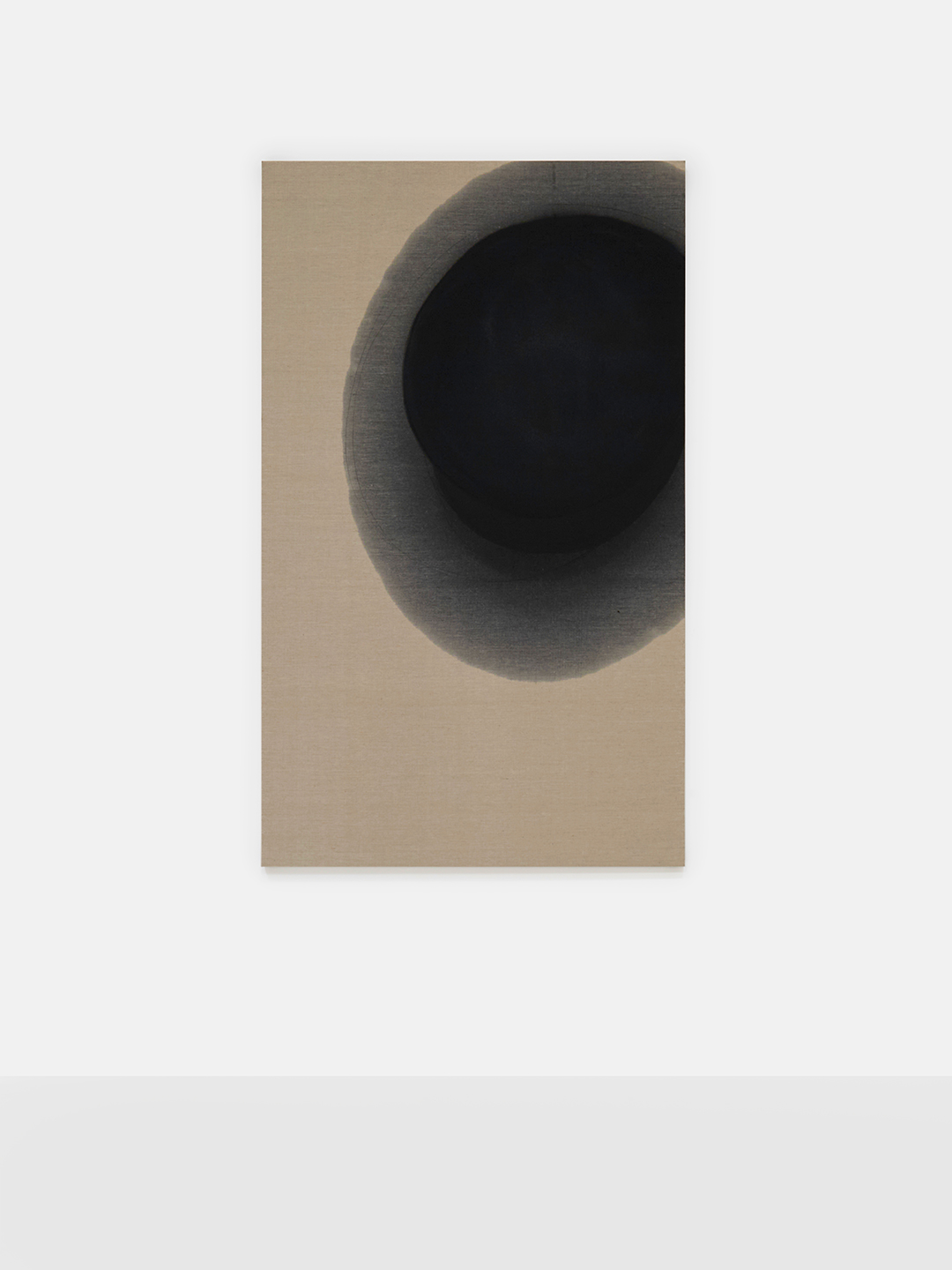
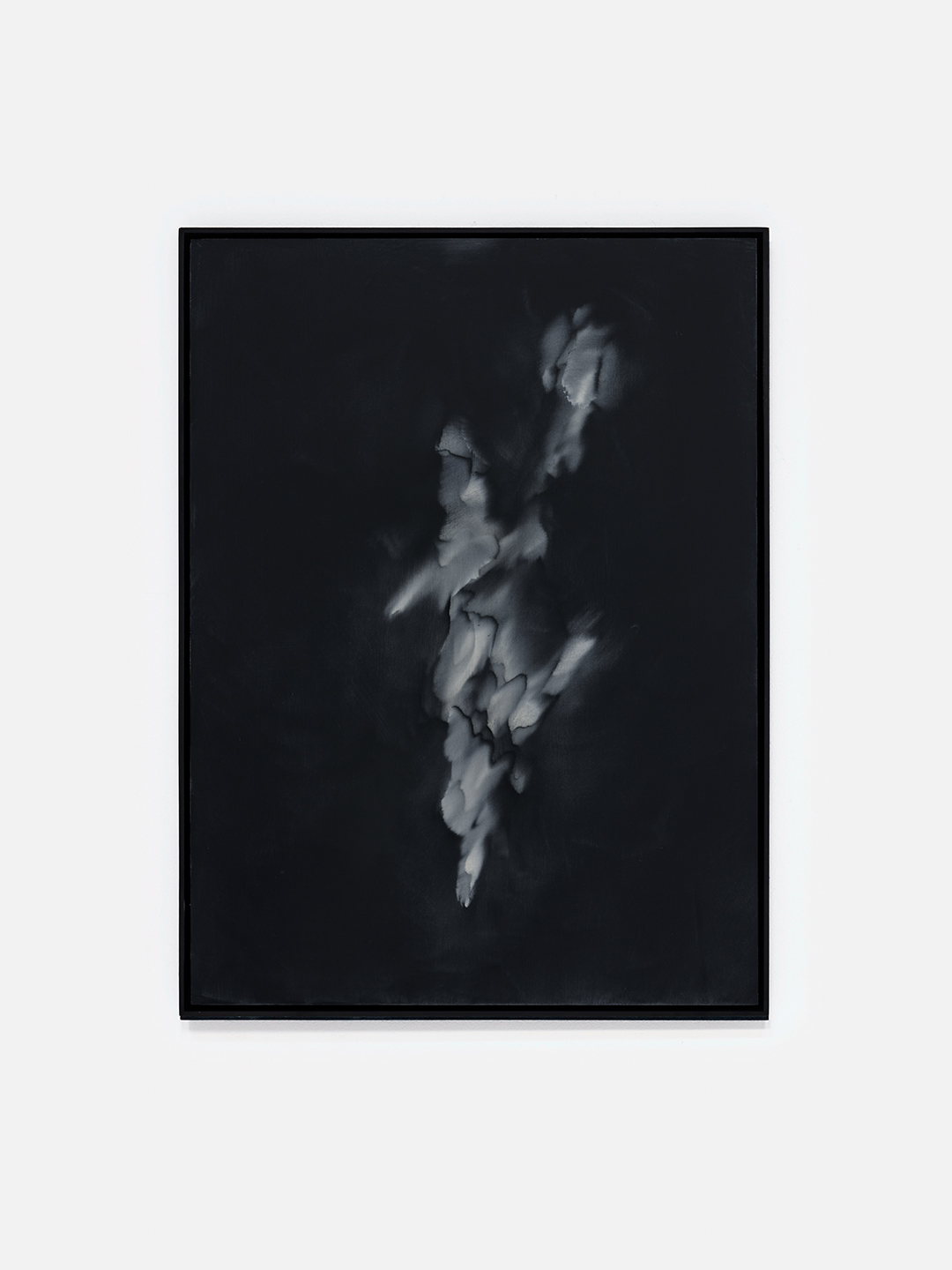
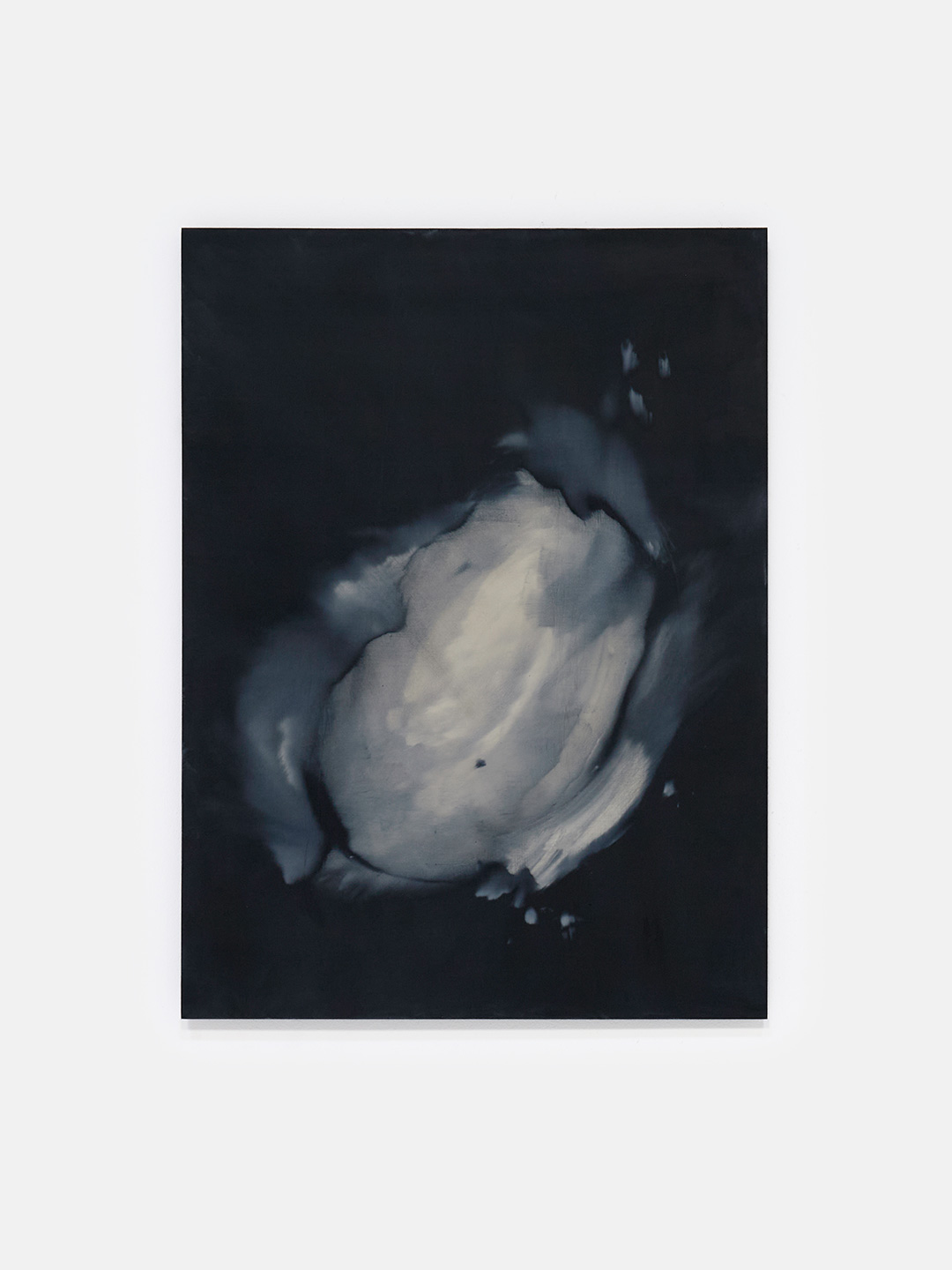
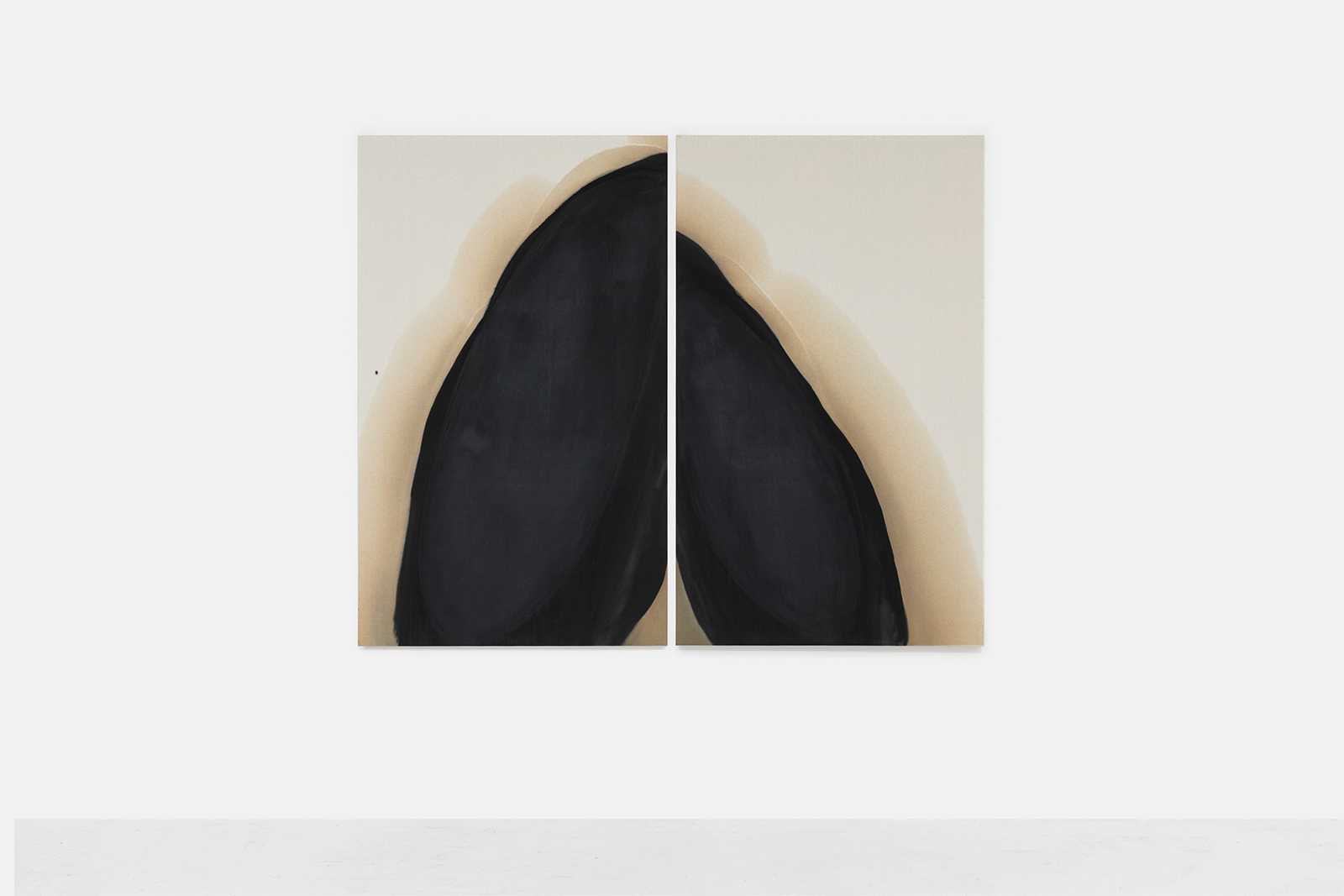
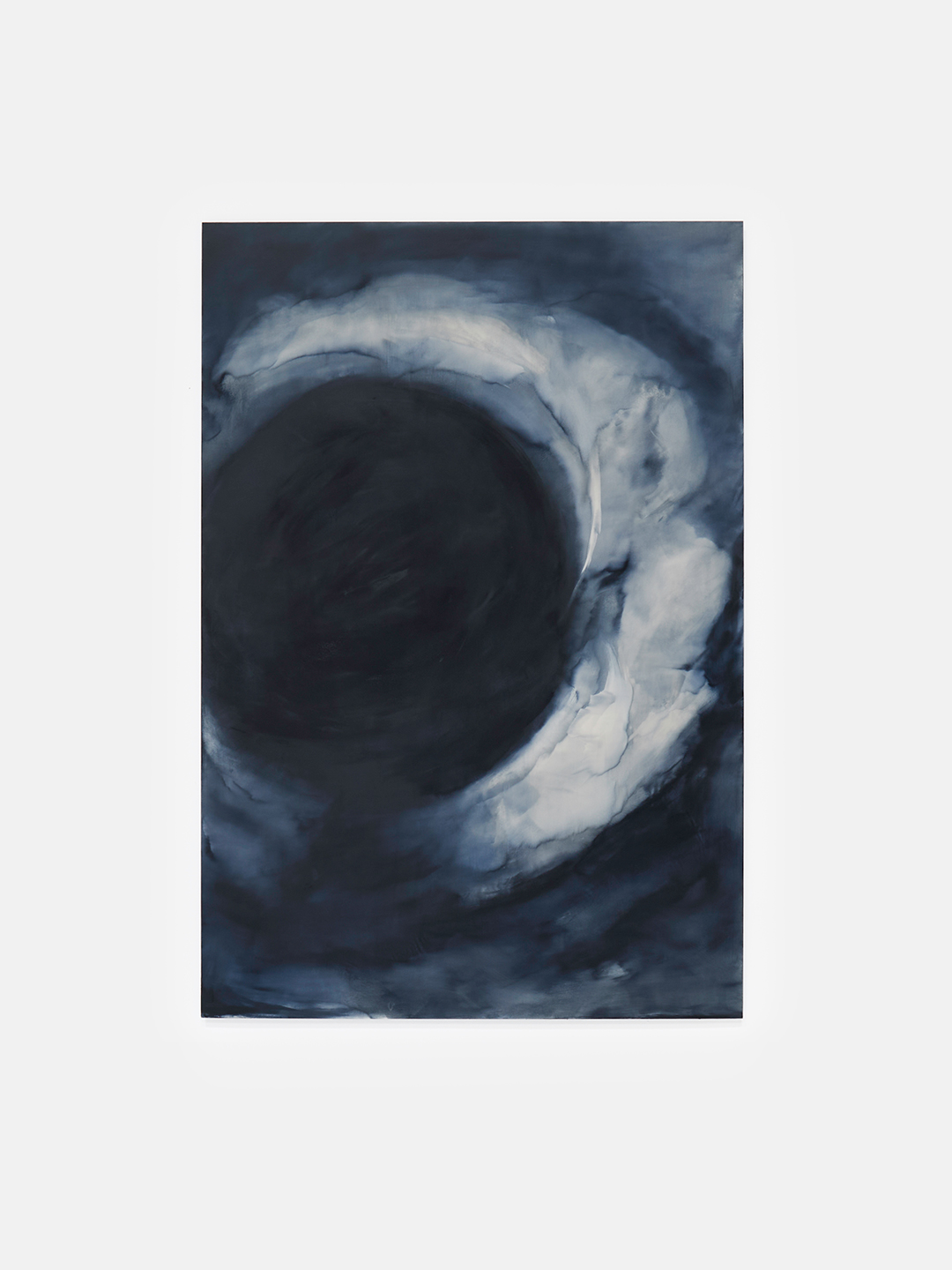
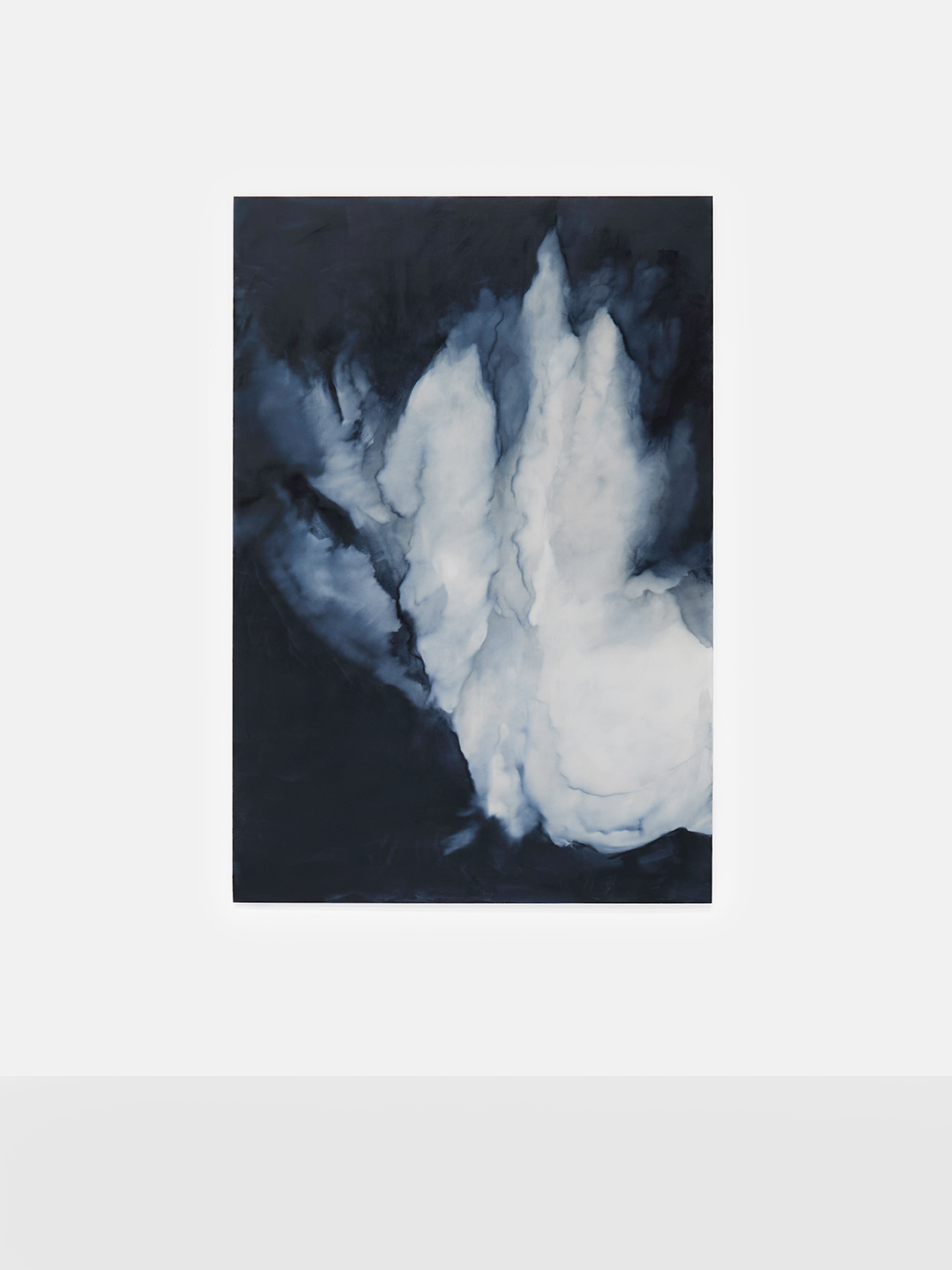
Every Buried Sun is Alexandra Karakashian’s second solo exhibition with the gallery. Presenting new large-scale works on aluminium alongside oil paintings on canvas, works on paper and installations, the exhibition extends Karakashian’s longstanding investigation into the natural world, materiality and loss. Across this new body of work, she turns towards what persists through rupture and the quiet processes of transformation unfolding beneath the surface, tracing relationships between light and darkness, burial and emergence.
Karakashian’s practice is shaped by histories of migration and displacement, including her family’s experience of the Armenian Genocide and by the consequences of extraction, environmental degradation and human intervention in the environment. While previous bodies of work have traced fracture across histories and inheritances, Every Buried Sun pays closer attention to what survives in their wake. Rather than imagining repair as a return to an unbroken state, Karakashian considers the processes through which matter breaks down, alters and takes on new forms, and the residues that remain.
Central to this thinking is Karakashian’s longstanding use of used engine oil and her evolving understanding of oil drawn from beneath the earth as a form of 'ancient sunlight'. Formed from organic matter, buried and transformed over millions of years, oil contains energy absorbed by living organisms in the distant past. This material reality introduces a generative contradiction: a substance that appears black and dense holds within it traces of ancient life and light. Light becomes something that can be absorbed, stored and transformed, while the oil itself bears the accumulated weight of industry, extraction, conflict and ecological crisis. Material, political and spiritual associations converge within it, extending its significance beyond its immediate physical presence.
For Karakashian, materials are never passive. Used engine oil, salt, charcoal, paper, textile and pigment act upon the formation of her work, each with distinct properties and connotations. They spread, pool, absorb and shift beyond the gestures of her application, with the artist relinquishing a degree of control over how they behave.
Every Buried Sun expands this vocabulary through aluminium, following several years of experimentation with the material. Its rigid, resistant surface offers a counterpoint to the absorbency and fragility of paper and textile, allowing the works to change in relation to the viewer, the gallery and the movement of light.
Light consequently operates throughout the exhibition as a physical condition as much as a conceptual thread. It moves through linen, reflects off a contained pool of oil and shifts across surfaces over the course of the day. Transient and continually changing, light alters the materials and spaces it encounters, moving between states of presence and absence. Light and darkness no longer operate as polarities, but as conditions capable of existing within one another.
Burial and resurfacing unfold across different scales: oil is drawn from beneath the earth; histories continue to act upon the present; what appears absent can remain active below the surface. To unearth, in this context, is not to discover something previously unknown, but to recognise what has remained present without being clearly seen. These ideas extend into Karakashian’s broader consideration of attention and witnessing at a moment when images of war, genocide, ecological collapse and human suffering circulate with unprecedented immediacy. Her inherited relationship to the Armenian Genocide makes questions of how histories are seen, remembered and repeated inseparable from the violence of the present.
Painting offers a deliberately different temporal register. Rather than compete with the speed of contemporary image culture, Karakashian uses abstraction to create a slower space for looking. “When everything is immediate, attention itself becomes fragile,” she says. Her paintings ask viewers “to remain with something a little longer, without rushing towards certainty or resolution.”
Every Buried Sun ultimately locates these questions within a continuum that exceeds an individual lifespan. For Karakashian, inheritance extends beyond the familial: landscapes, political histories, environmental damage, systems of extraction and ways of seeing pass between generations. “The earth inherits what we leave behind,” she states, collapsing distinctions between human and geological archives.
This new body of work becomes an exercise in persistence rather than recovery. What has passed from view has not necessarily disappeared. Light remains stored within matter; histories continue to exert their presence; materials and forms return altered by what has been imposed upon them. Painting becomes a space in which accumulation and erosion, rupture and repair can coexist, and through which what cannot be easily represented might nonetheless be held.



 Sign in with Google
 Sign in with email