Enter your details to sign in
Don’t have an account?
Sign upOr you can sign in with
a single account for all
STIR platforms
All your bookmarks will be available across all your devices.
Stay STIRred
Already have an account?
Sign inOr you can sign up with
Verification link sent to check your inbox or spam folder to complete sign up process



We use cookies and similar technologies, to help provide you with a better, faster, and safer experience while delivering content
tailored to your interests.
By clicking on the AGREE button, closing this banner, clicking or navigating the website, you consent to the use of all cookies and similar technologies for the purposes we describe in our
Privacy Policy.
We use several cookies that are related to the functionality, security & user preferences,
analytics, and advertising. While some are essential, you may choose to dis-allow the use of others.
Please choose your preference, or opt for the best experience by closing this banner, clicking or navigating the website.
For more detailed information please read our Privacy Policy
 Connect
Connect
Connect





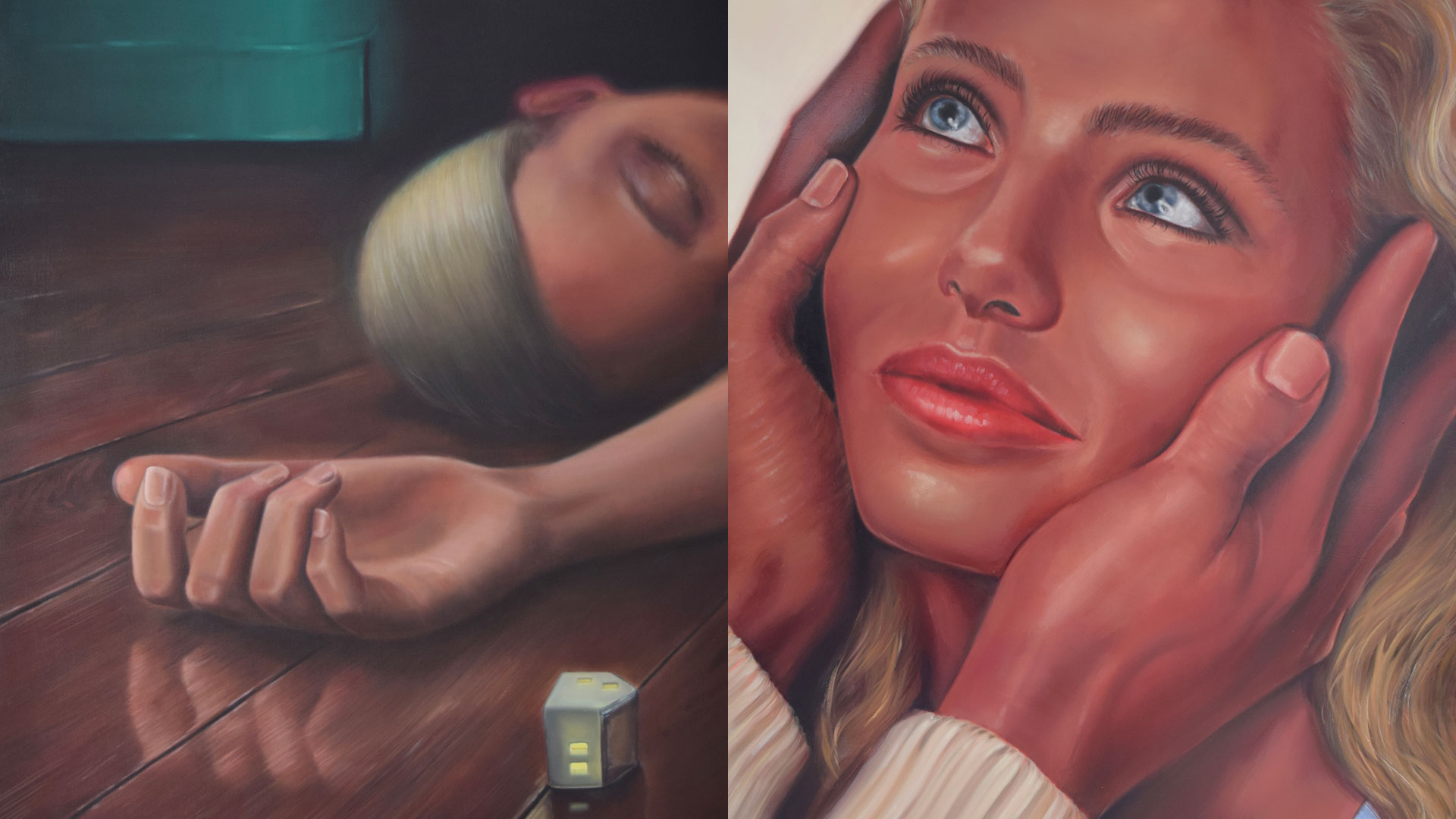
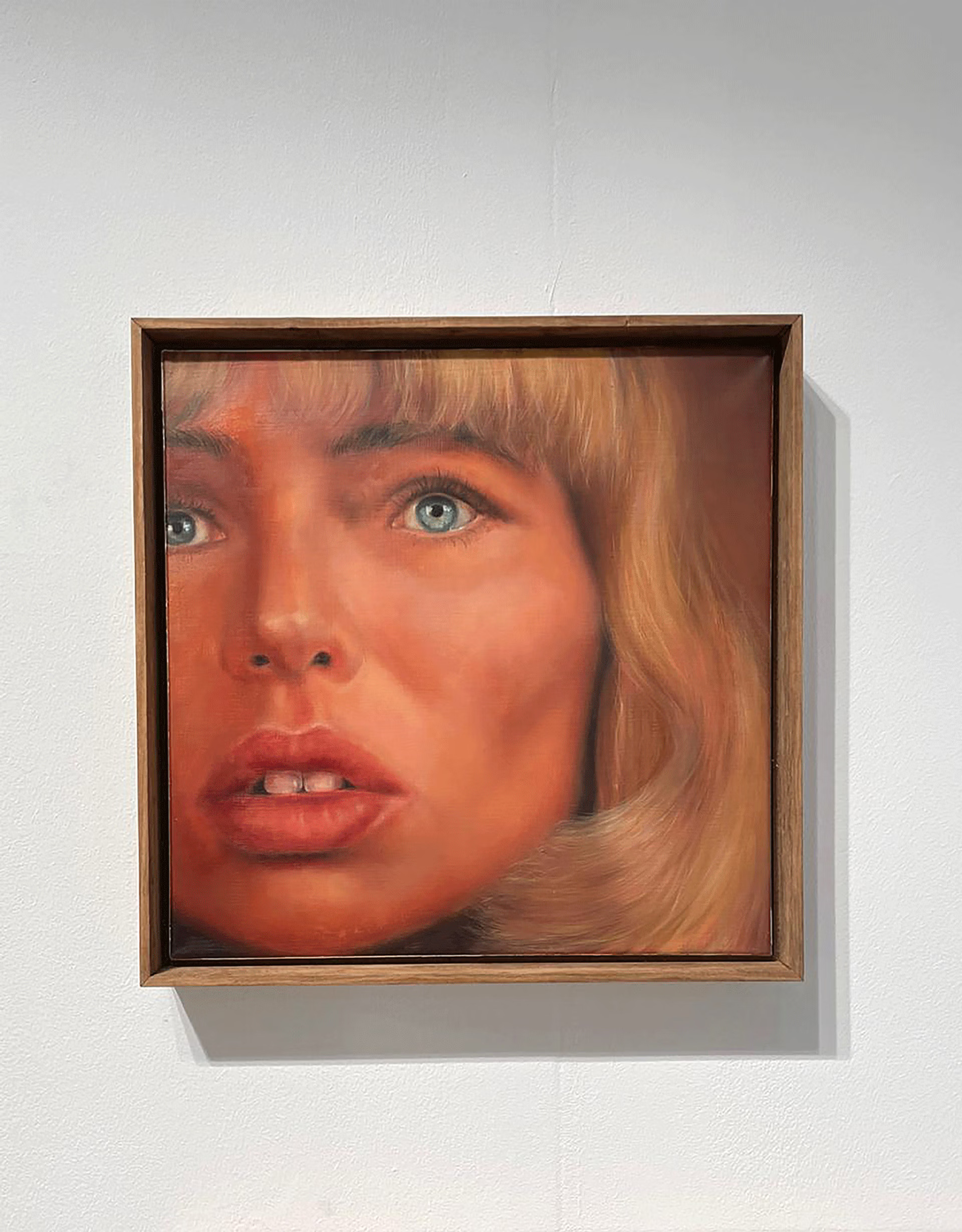
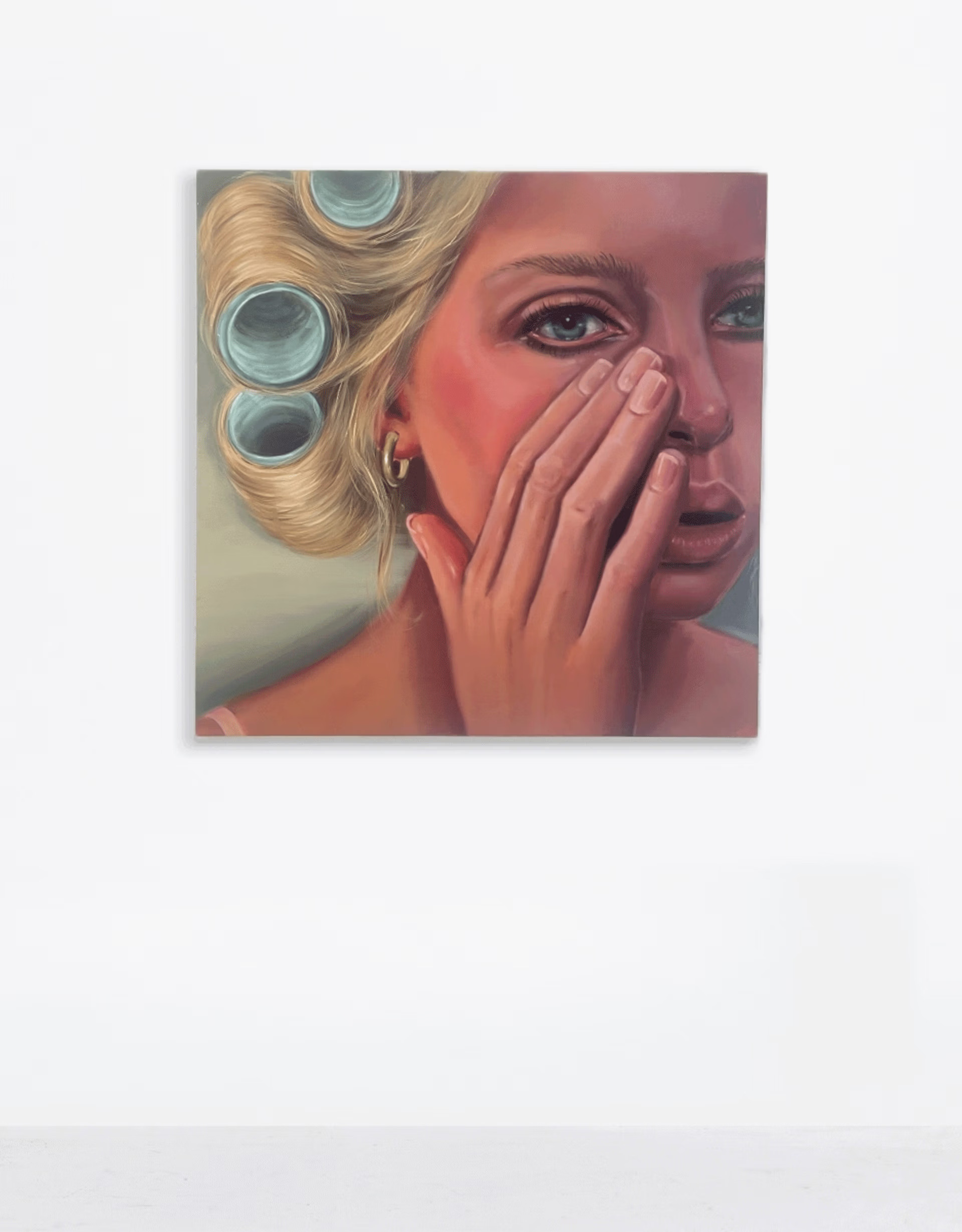
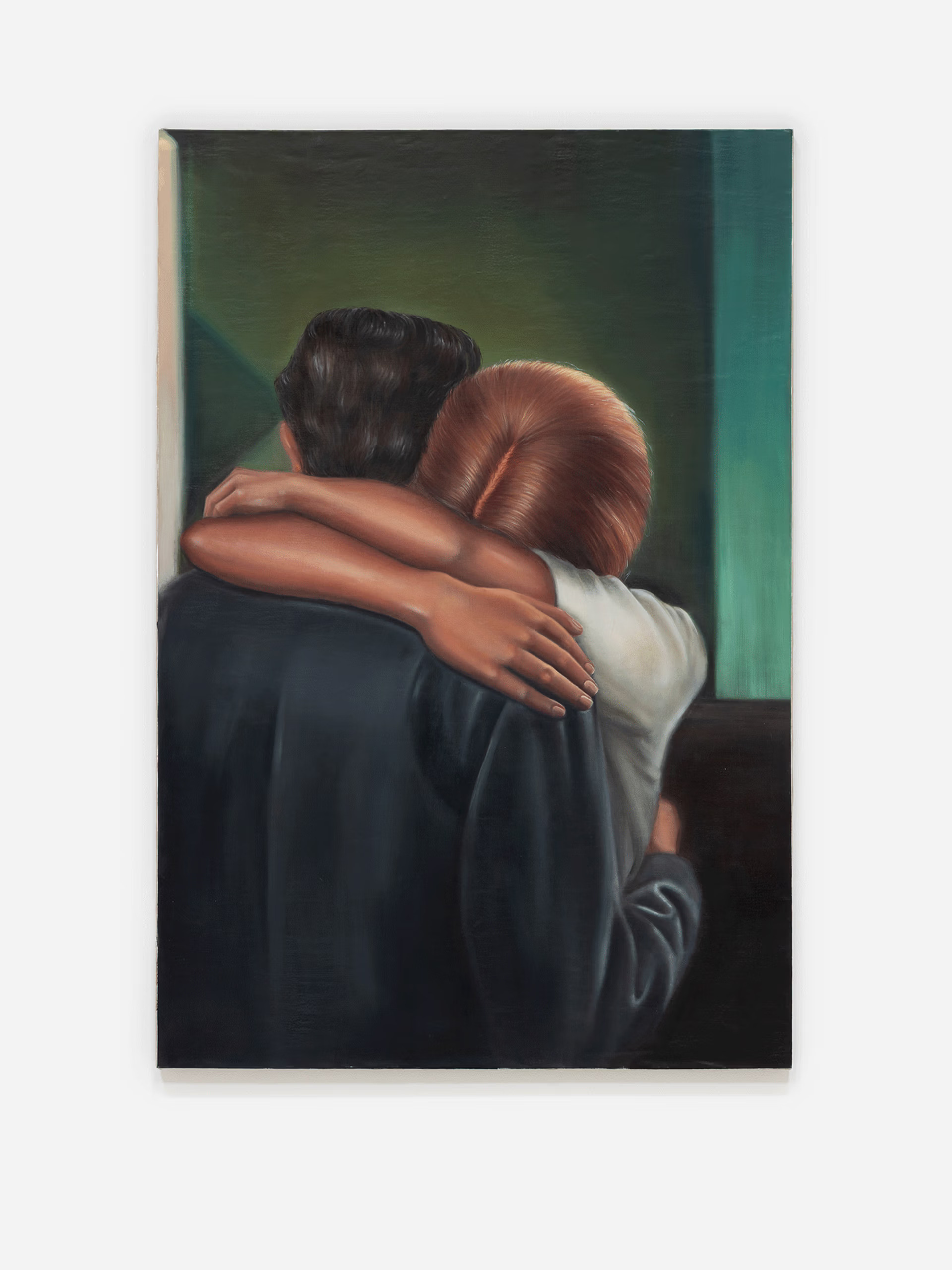
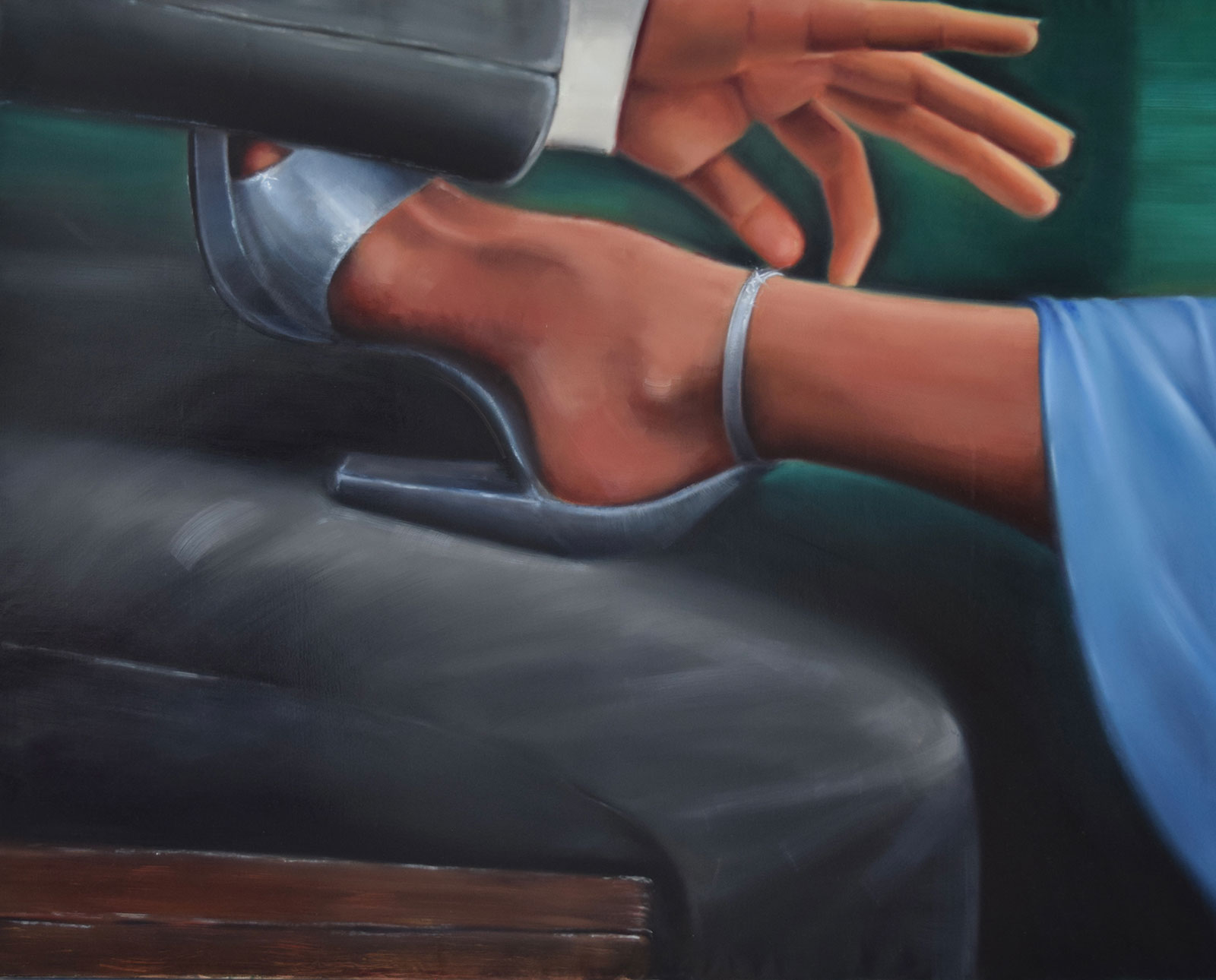
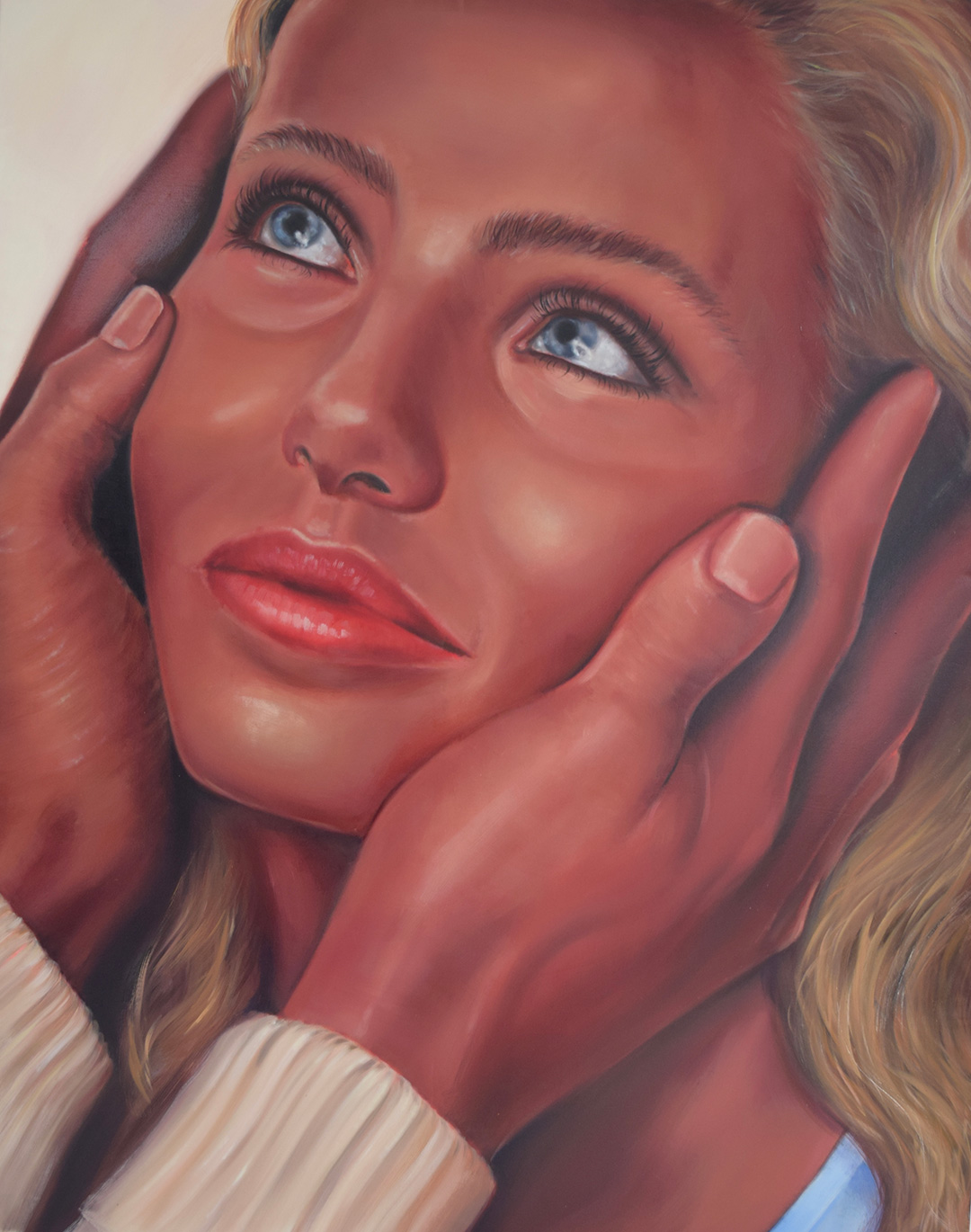
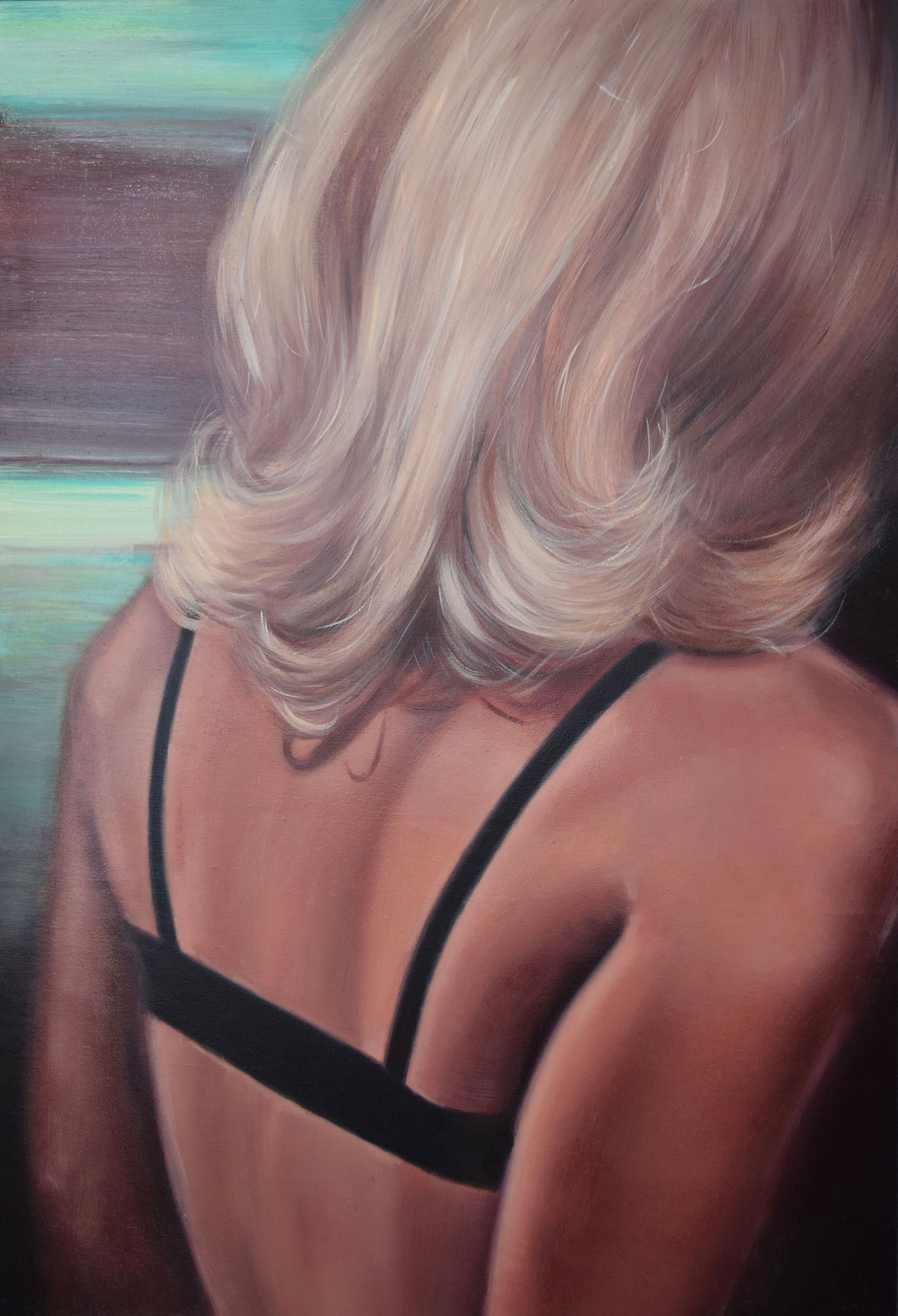
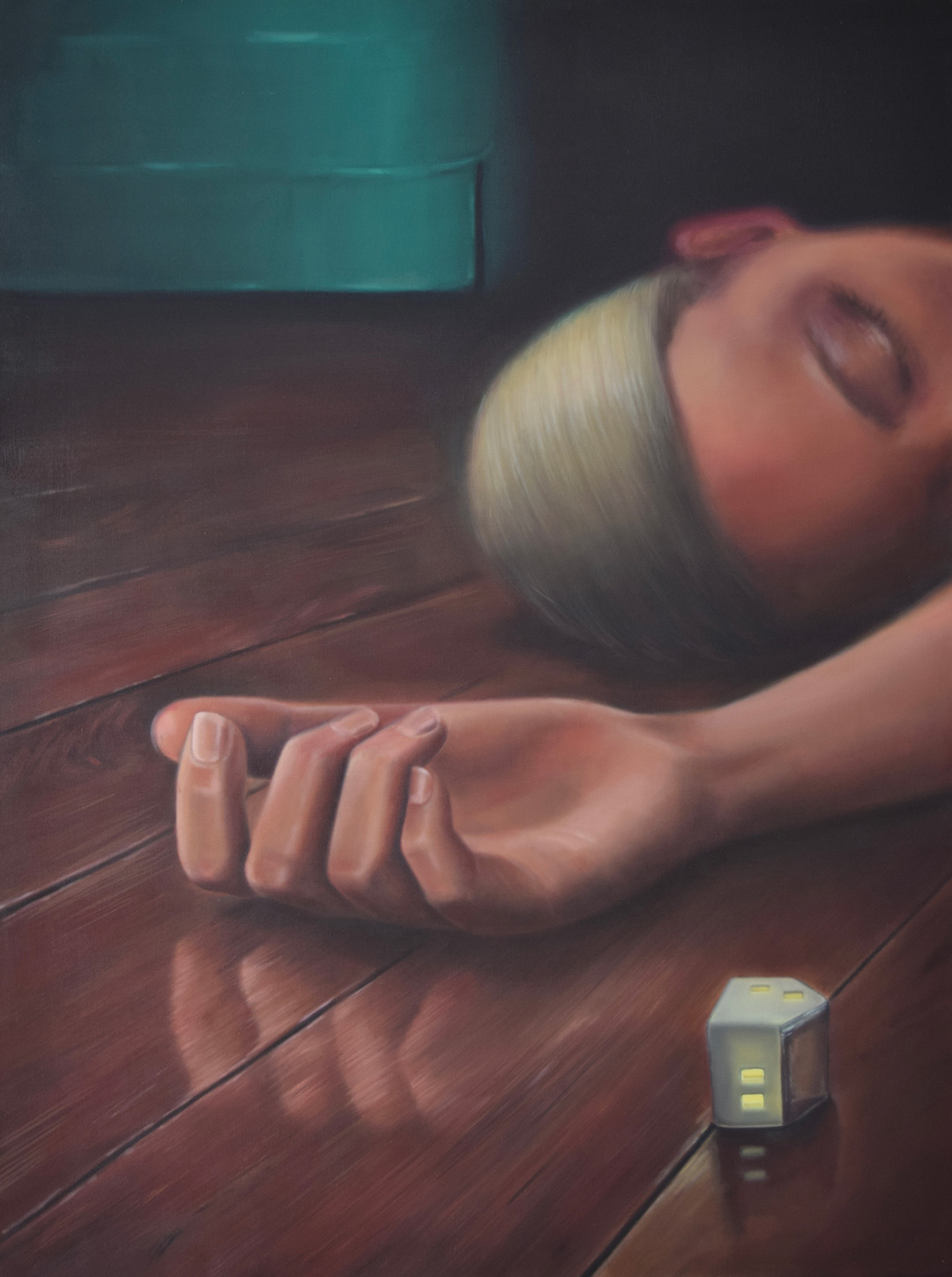
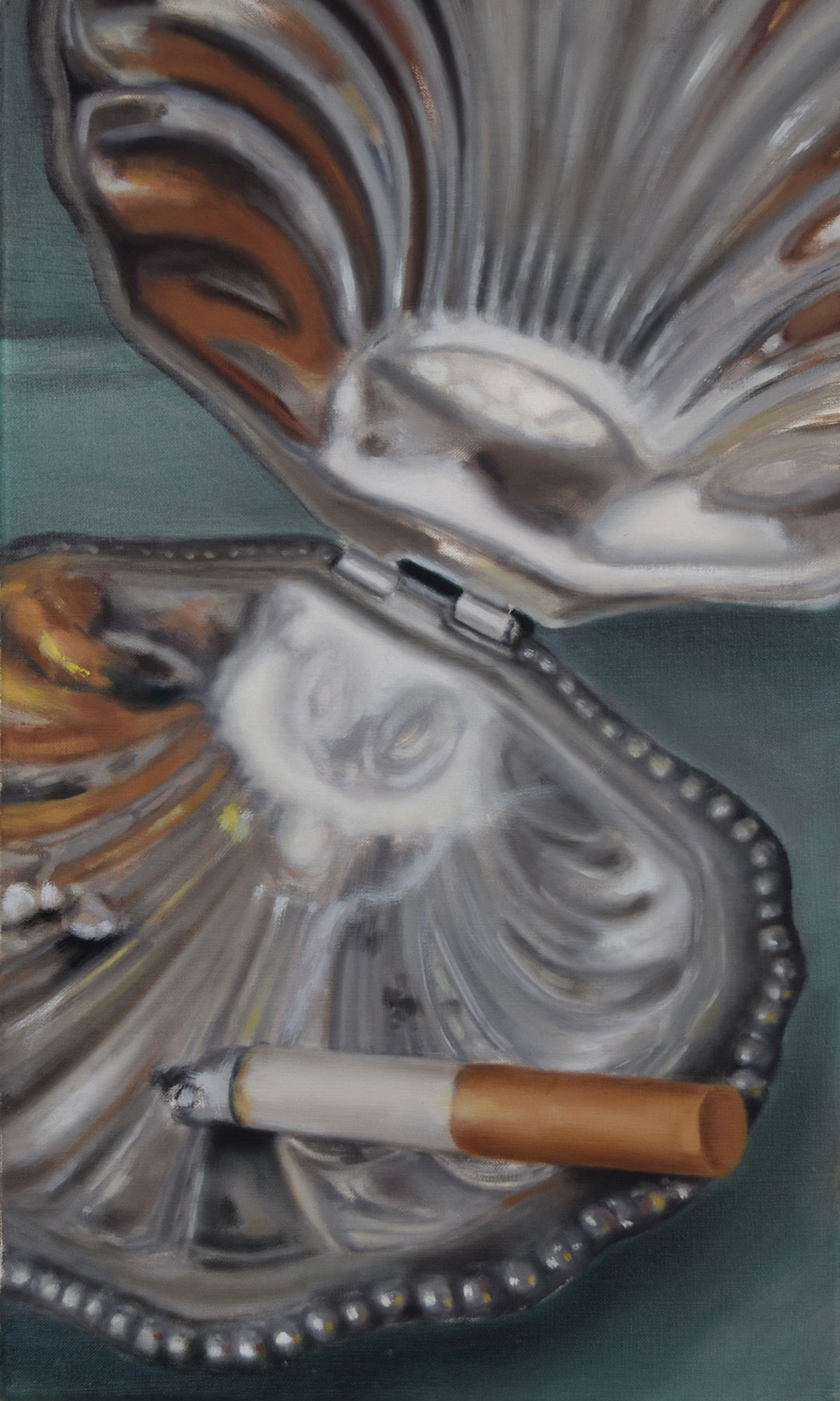
Southern Guild Cape Town presents How to Like It, a solo exhibition of new oil-on-linen paintings by London-based artist Lucy Robson. Robson’s latest body of work unfolds as a sustained enquiry into the psychic and cultural architectures of romantic desire. Her paintings stage scenes of heightened intimacy—tightly cropped, emotionally charged, and formally seductive. They linger on singular fragments in time: a woman’s face cradled by the hands of an unnamed lover, her expression suspended between surrender and alarm; a pair of bare, sunburnt breasts, simultaneously offered up and withheld.
Drawing from the visual languages of film, 90s fashion editorials and art history, Robson’s compositions bring the viewer into uneasy proximity with a recurring blonde, blue-eyed subject. This deliberate constraint produces a voyeuristic encounter: one looks in, but never without implication. The gaze at play feels familiar, shaped by long-standing ways of seeing and representing a particular feminine ideal within Western media. It becomes difficult to locate where this gaze begins or ends; it shifts between image, subject and viewer, folding back on itself, informing not only how the subject is seen but how desire itself is structured.
Across the exhibition, a constellation of recurring motifs emerges. Flushed skin registers a pervasive yearning while hands, often belonging to an off-frame male protagonist, gesture toward power, instruction and control. Domestic interiors oscillate between sanctuary and confinement. At first glance, these scenes read as sensuous, even indulgent, but upon closer inspection, this world feels increasingly unstable, burdened with a sense of quiet foreboding.
Central to the presentation is a hyperbolic, fatalistic idea of 'love'—the pull toward desires that feel knowingly, almost willingly, self-destructive. Robson traces the cyclical progression between fantasy and its eventual undoing, where seduction gives way to projection and disillusionment. How to Like It interrogates the enduring scripts of Hollywood romance that continue to contour feminine subjectivity. As novelist Margaret Atwood articulates it: 'Up on a pedestal or down on your knees, it's all a male fantasy… You are a woman with a man inside watching a woman.' Robson’s figures inhabit this doubled condition, at once subject and spectator, complicit in and resistant to the high-femme fantasies they perform.
The exhibition’s title extends this line of enquiry. How to Like It echoes the instructional language of women’s magazines, particularly those prevalent in the 90s and early 2000s, with their promise that erotic desire, intimacy, and self-presentation can be learned, managed, and optimised. It recalls the imperative tone of 'how to' guides, invoking the authority of publications such as the Financial Times’ How to Spend It, where aspiration is packaged as guidance.
For Robson, this didactic voice is less reassuring than coercive, pointing to the many culturally embedded ways that feminine desire is disciplined and performed over time. The works interrogate the origins of the longings that structure heterosexual romantic life, revealing them as deeply entangled with (if not fundamentally authored by) inherited cultural scripts.
Robson’s engagement with these questions is both autobiographical and critically self-aware. Her work acknowledges its place within a distinct visual and cultural economy, one predominantly swayed by Western ideals of beauty and self-adornment. References to cinematic melodramas such as Far from Heaven (2002) and figures like Margaux Hemingway point to the rupture between romanticised femininity and lived experience, where glamour and visibility often mask deeper psychic strain and unrealised possibilities for self-determination.
Within her hyperstylised interiors, Robson constructs a kind of domestic theatre, inflected with the mood and visual language of neo-noir—intimate, controlled, and charged. Echoing the tensions of A Doll’s House (1879) by Henrik Ibsen, the home emerges not as a site of comfort or security but a space shaped by performance and constraint. The paintings suggest that even as broader social conditions shift, the underlying narratives governing love and gender persist with remarkable tenacity.



 Sign in with Google
 Sign in with email