Enter your details to sign in
Don’t have an account?
Sign upOr you can sign in with
a single account for all
STIR platforms
All your bookmarks will be available across all your devices.
Stay STIRred
Already have an account?
Sign inOr you can sign up with
Verification link sent to check your inbox or spam folder to complete sign up process



We use cookies and similar technologies, to help provide you with a better, faster, and safer experience while delivering content
tailored to your interests.
By clicking on the AGREE button, closing this banner, clicking or navigating the website, you consent to the use of all cookies and similar technologies for the purposes we describe in our
Privacy Policy.
We use several cookies that are related to the functionality, security & user preferences,
analytics, and advertising. While some are essential, you may choose to dis-allow the use of others.
Please choose your preference, or opt for the best experience by closing this banner, clicking or navigating the website.
For more detailed information please read our Privacy Policy
 Connect
Connect
Connect





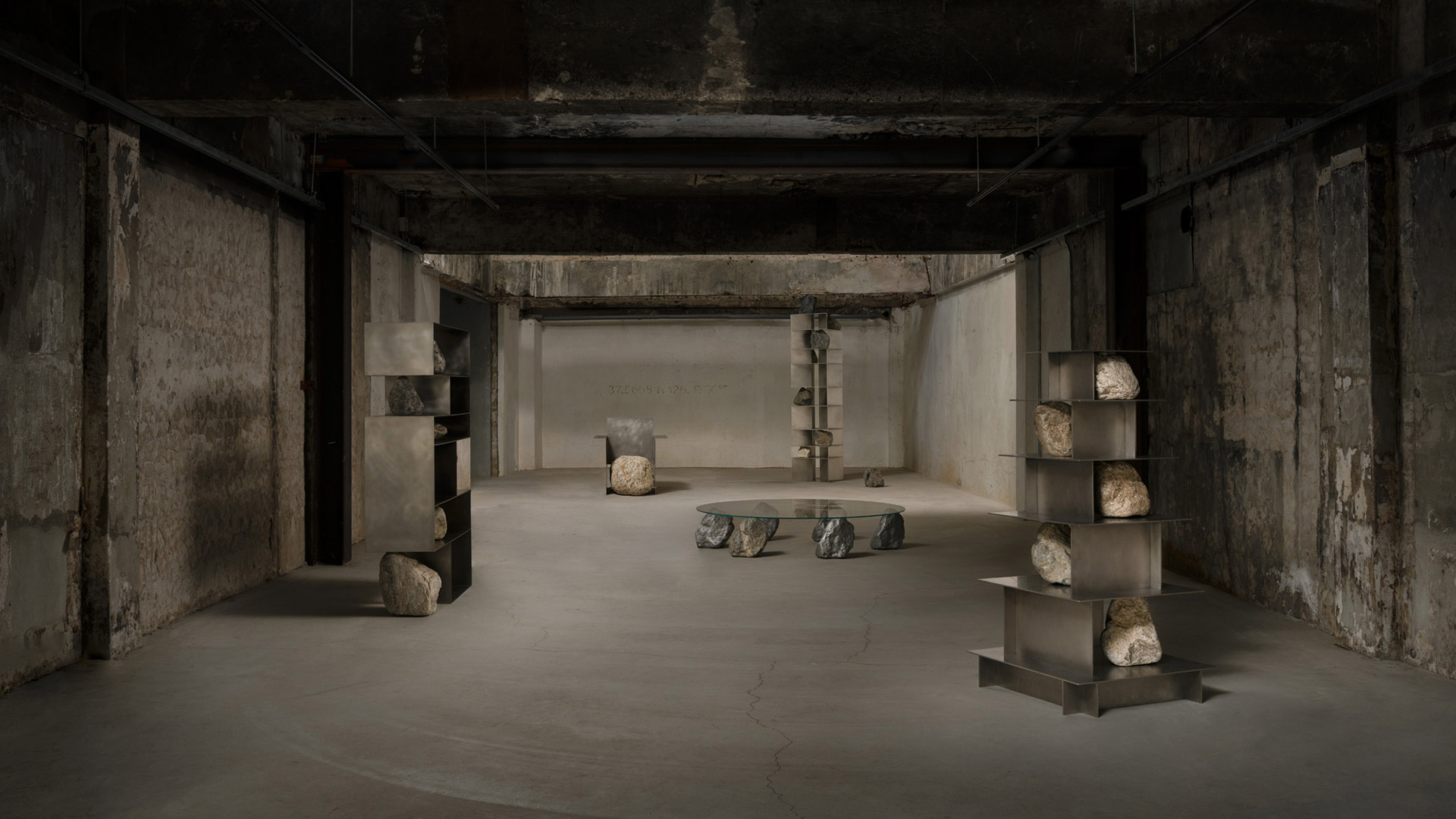
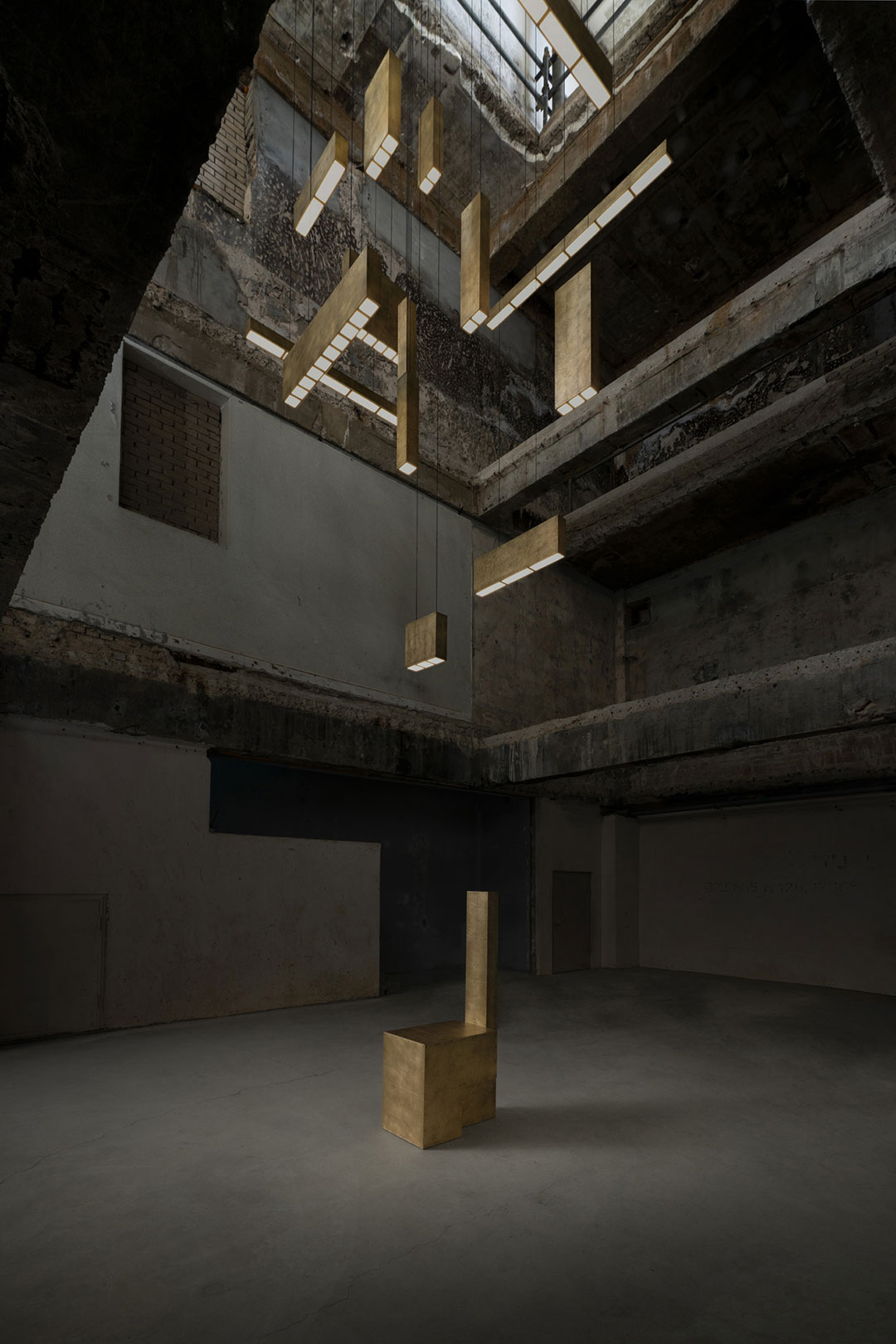
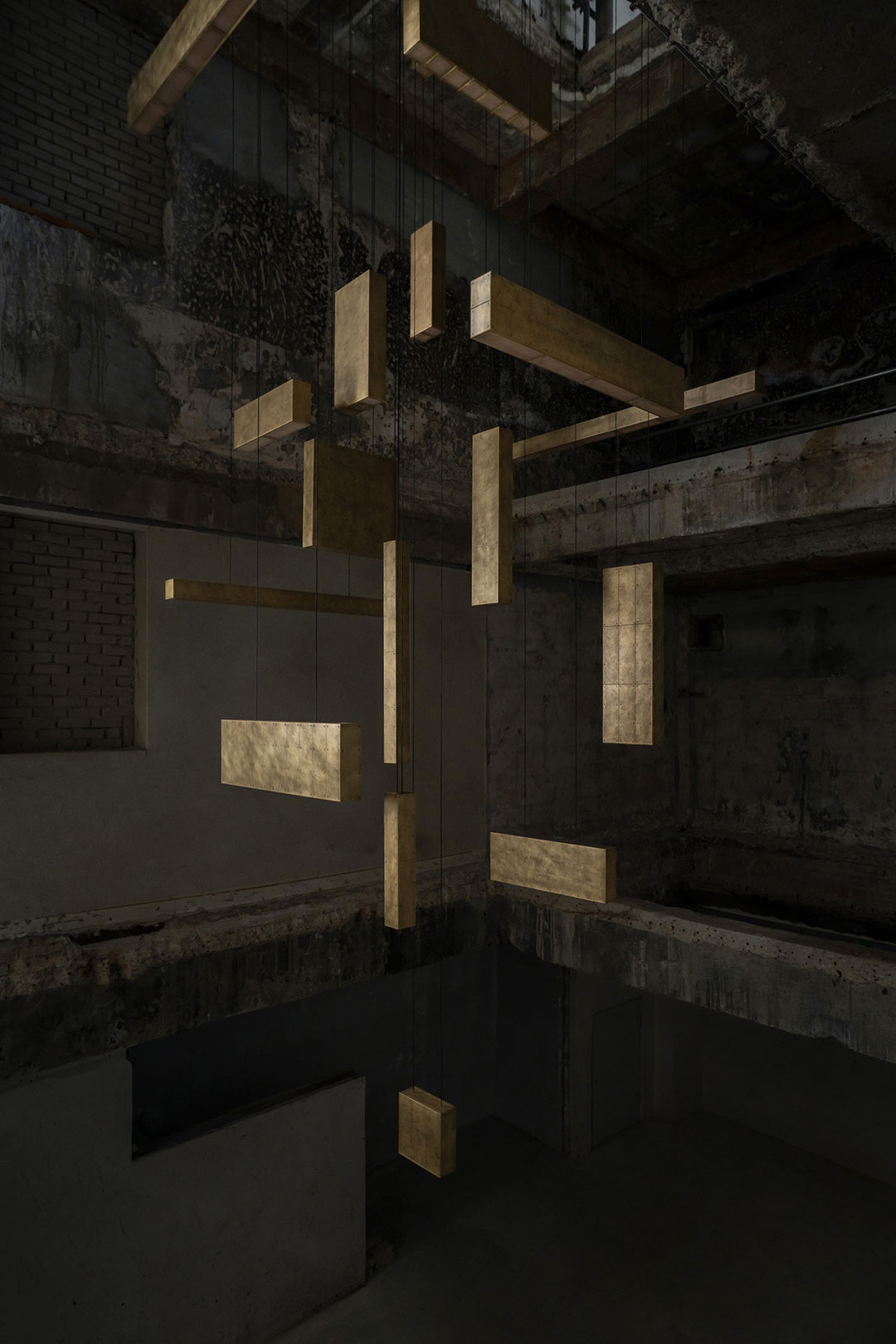
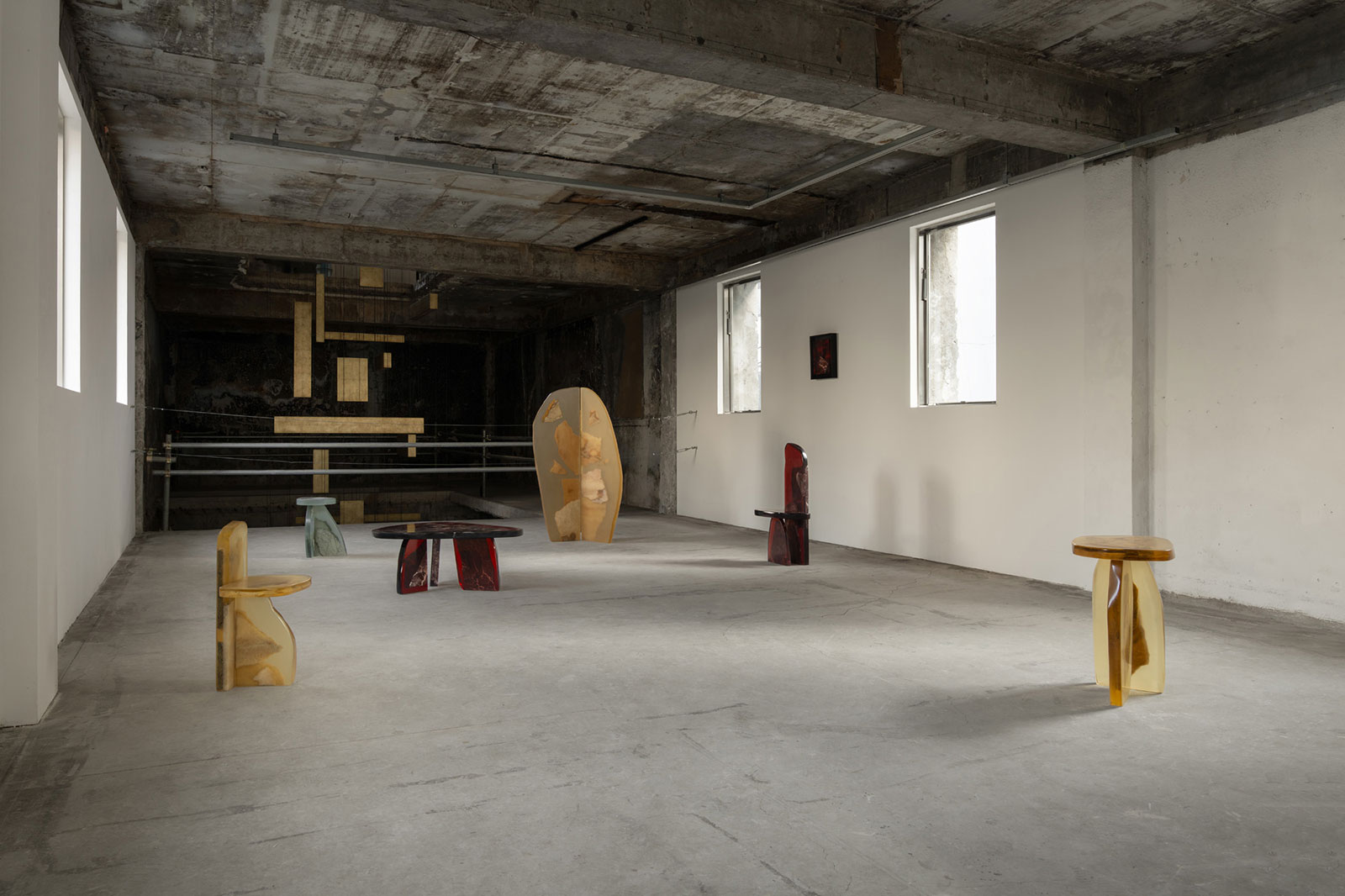
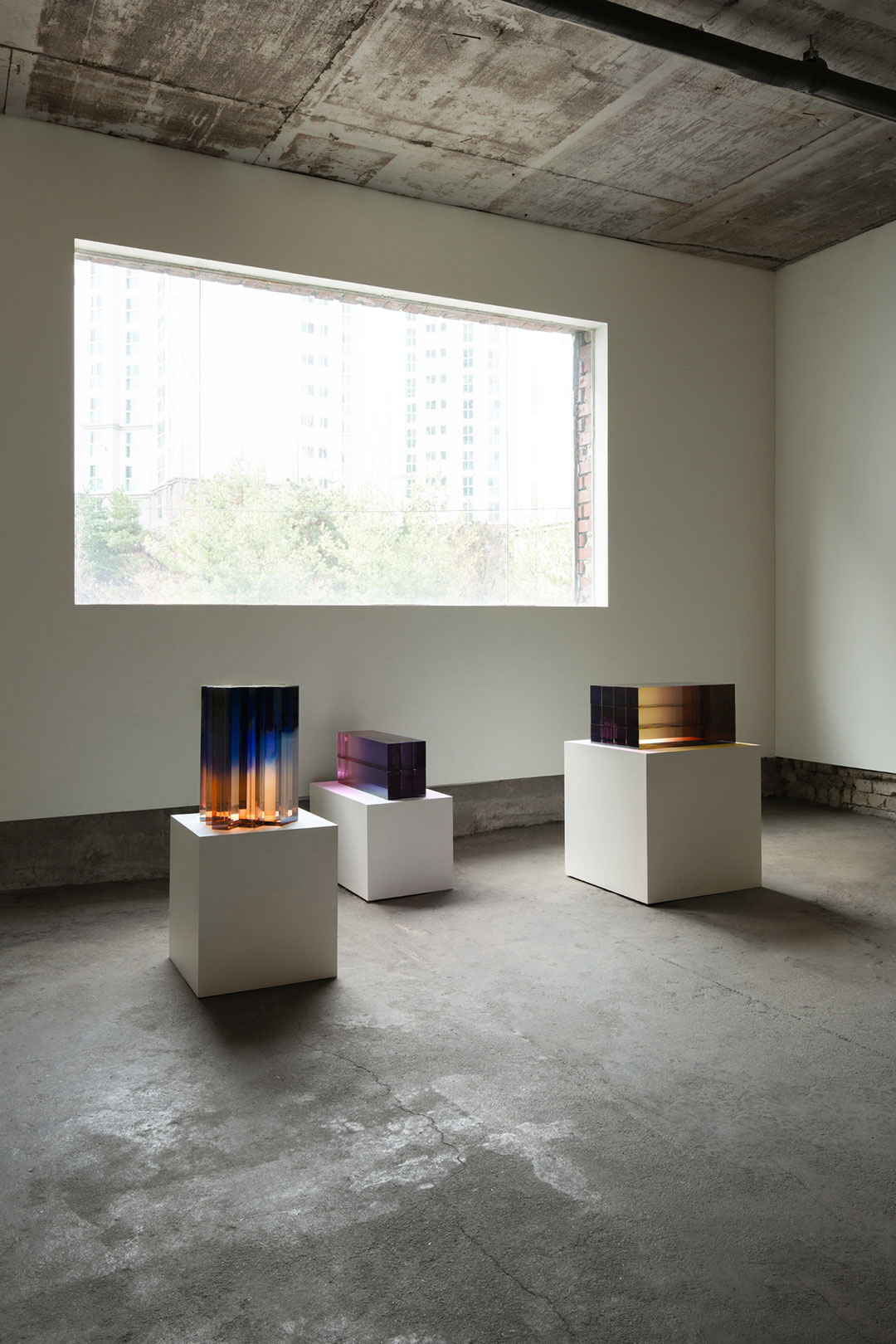
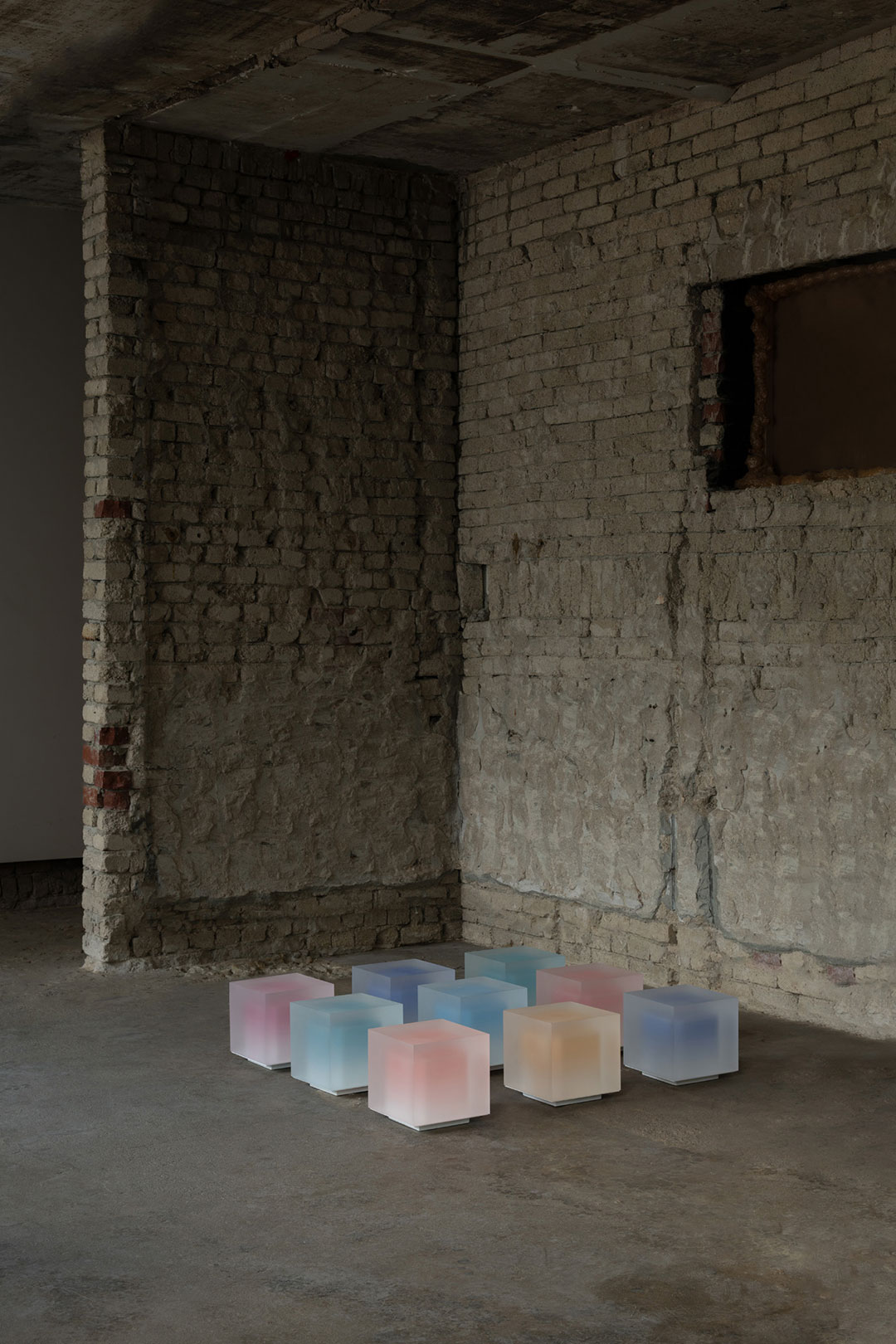
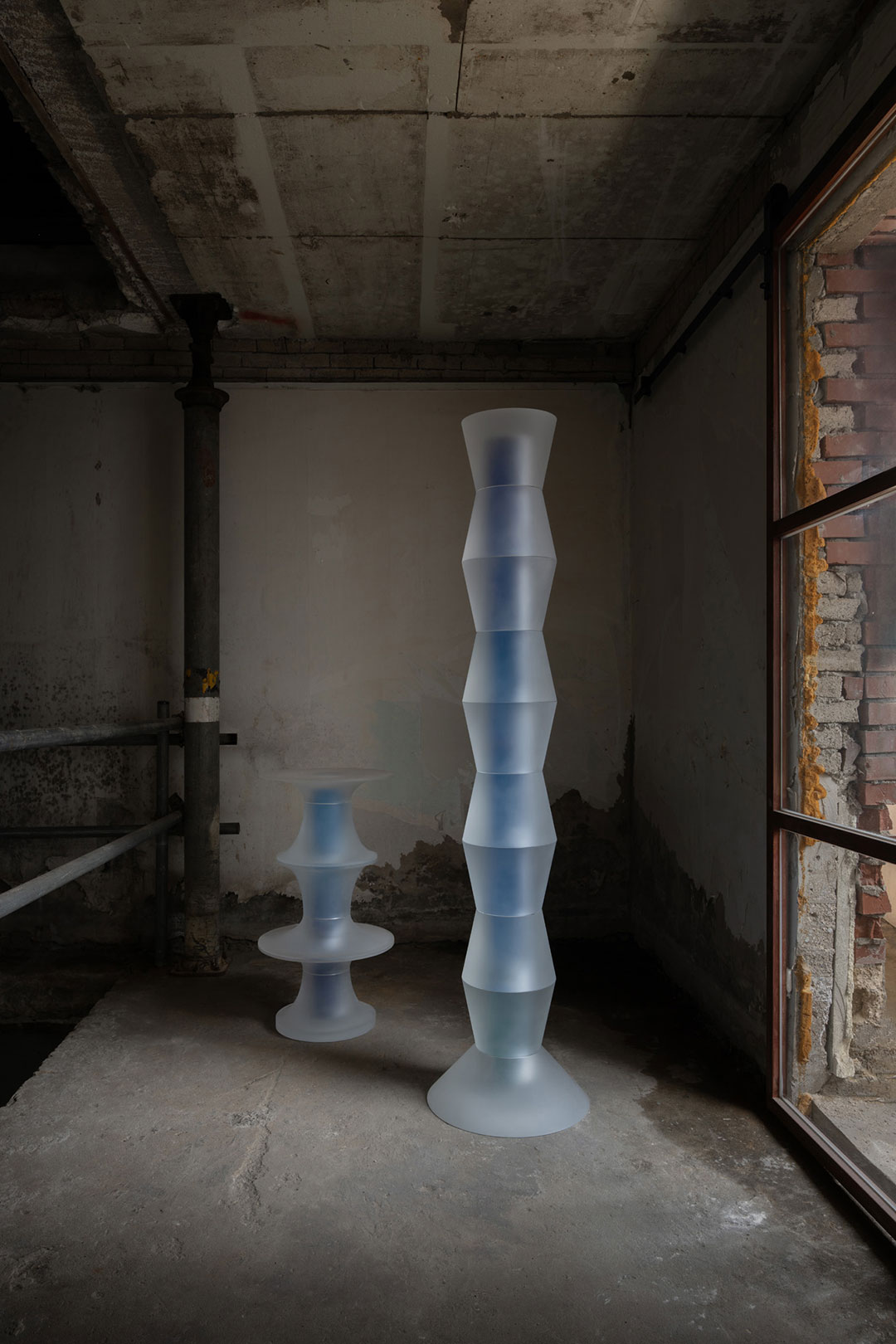
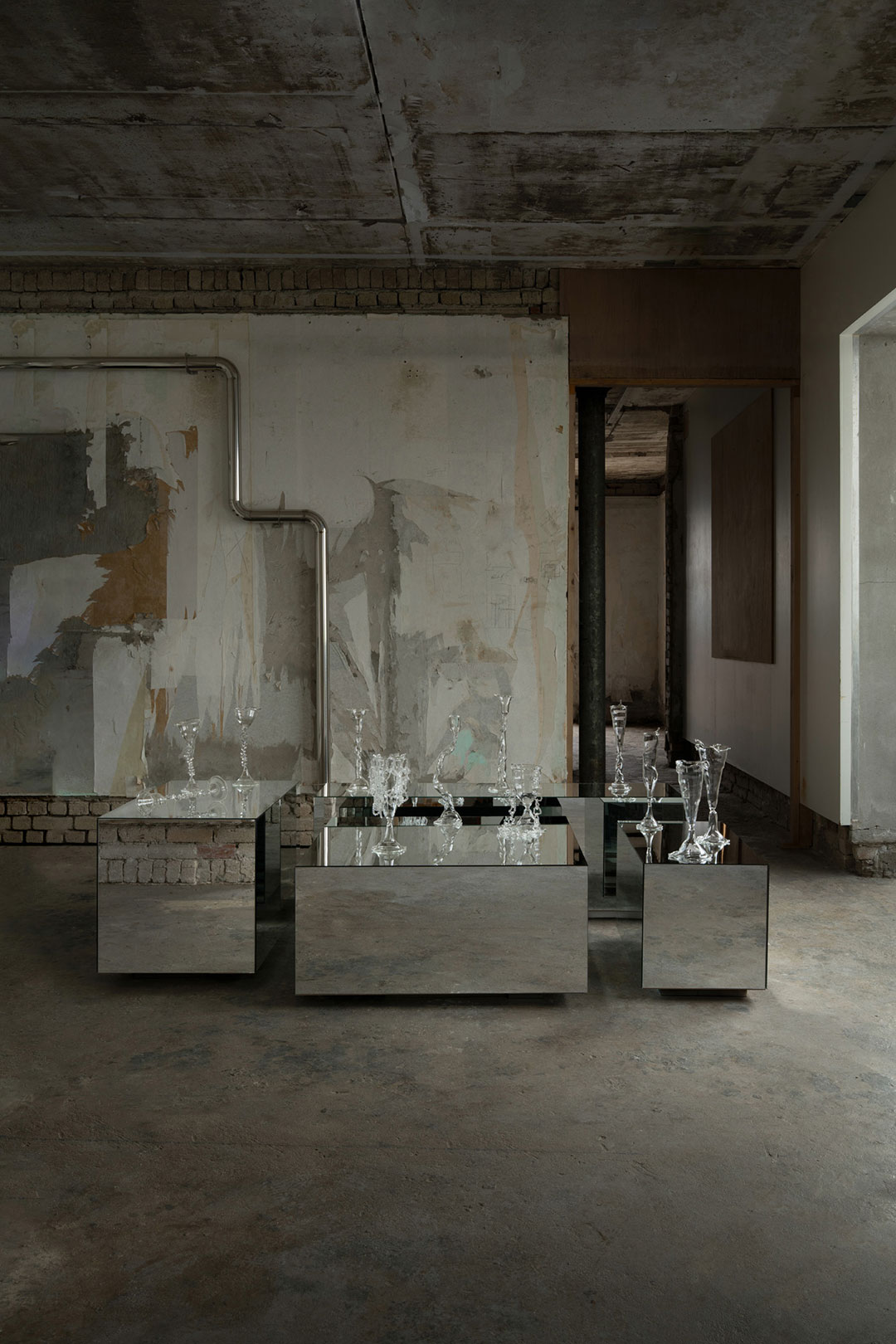
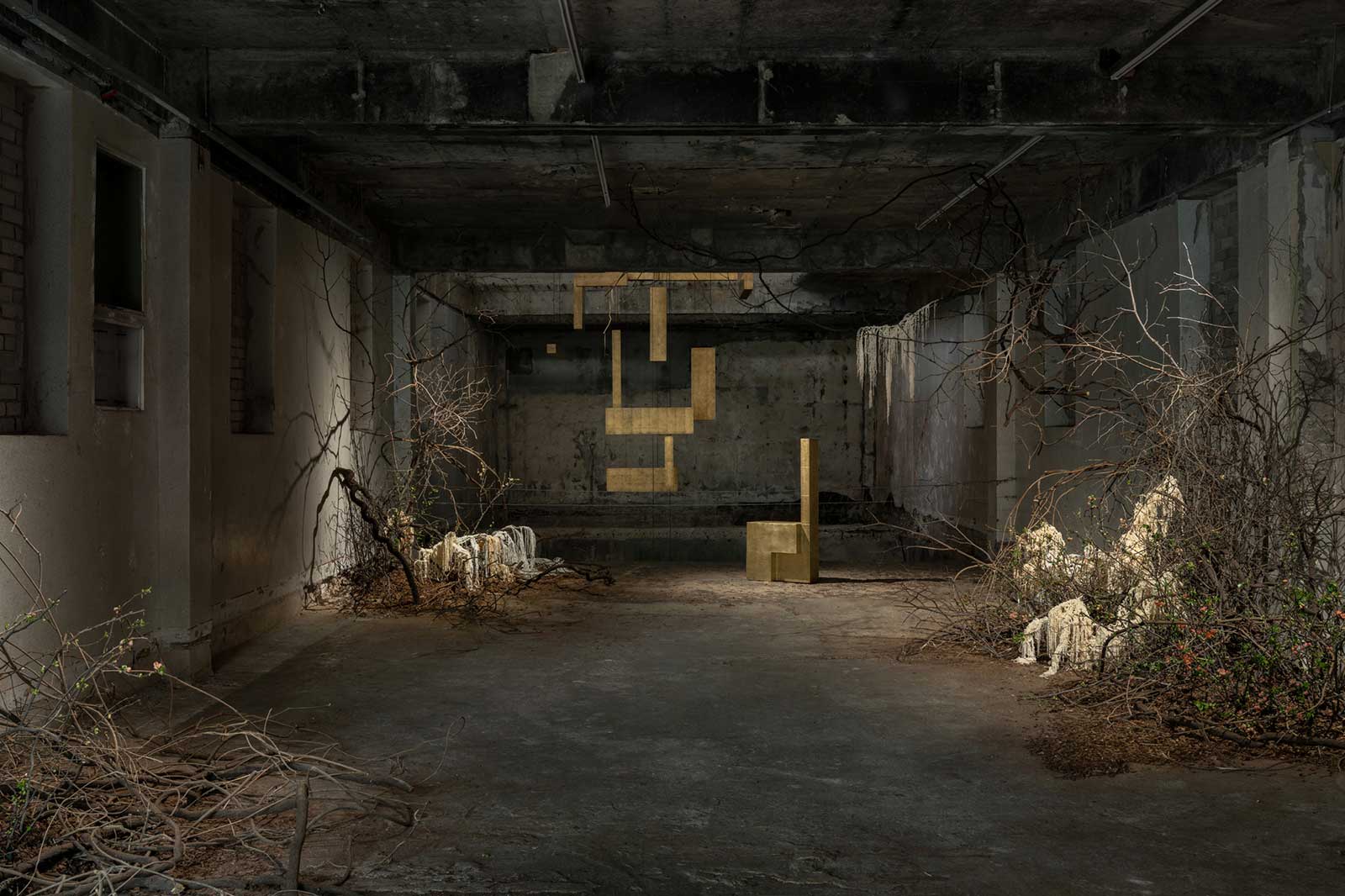
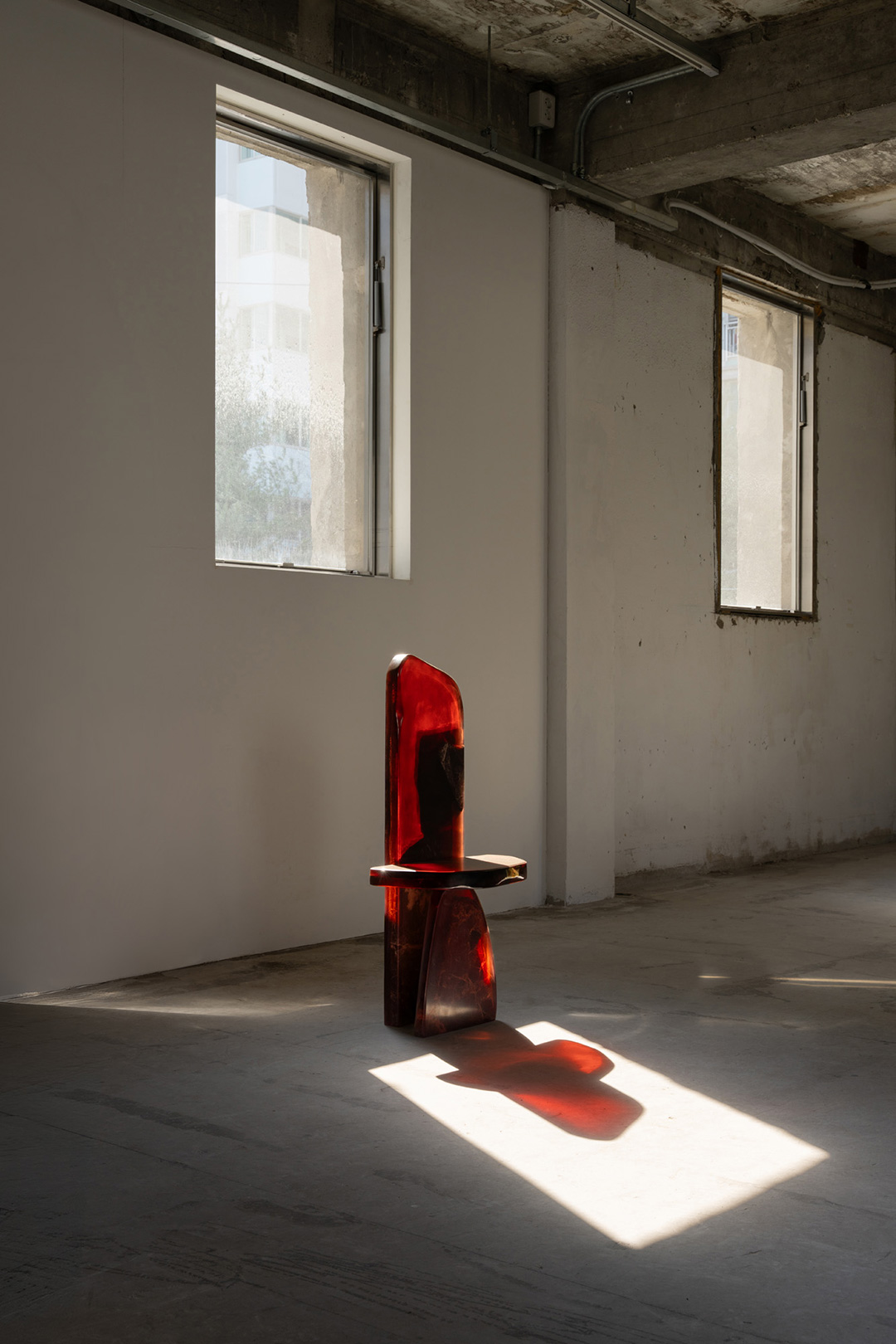
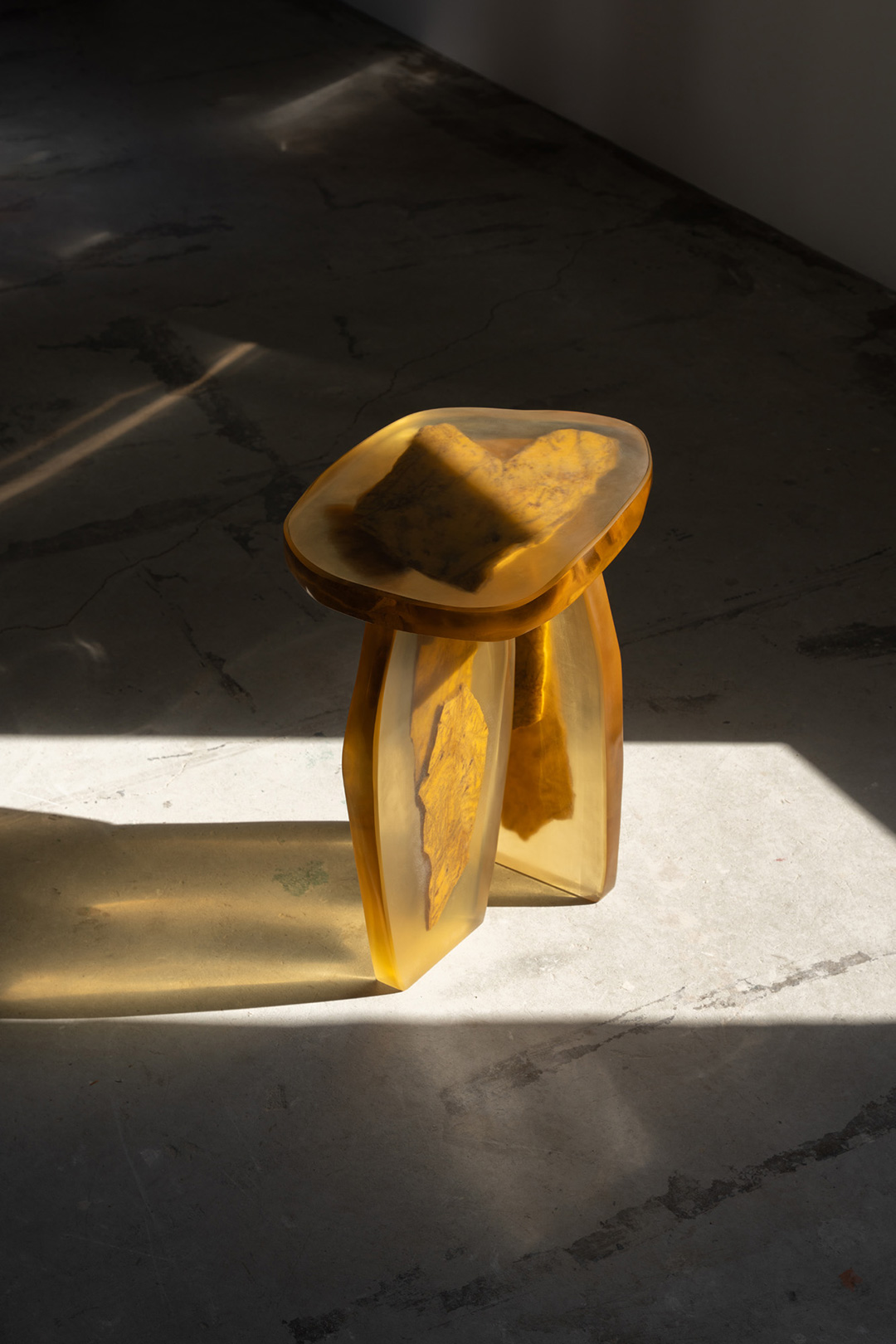
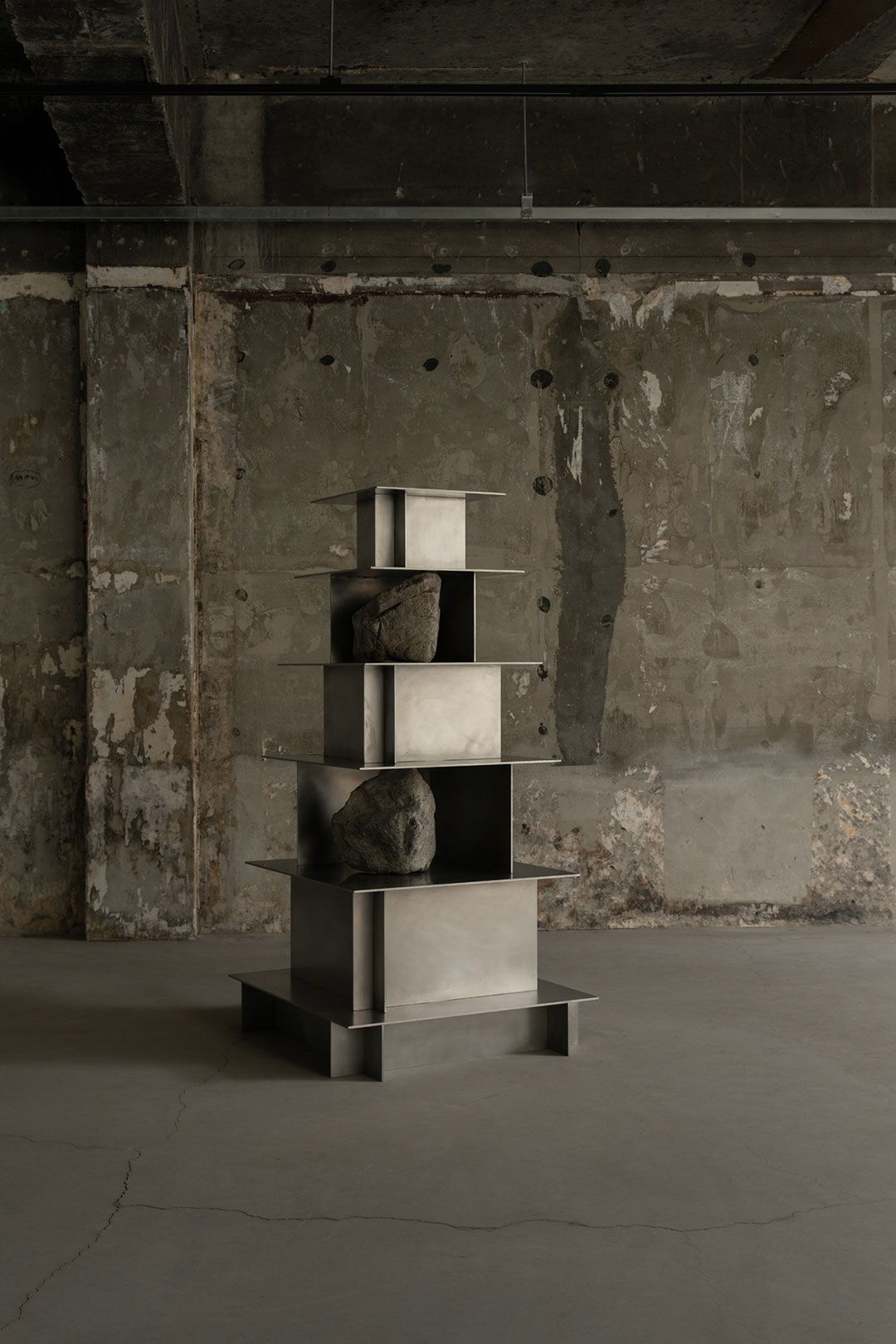
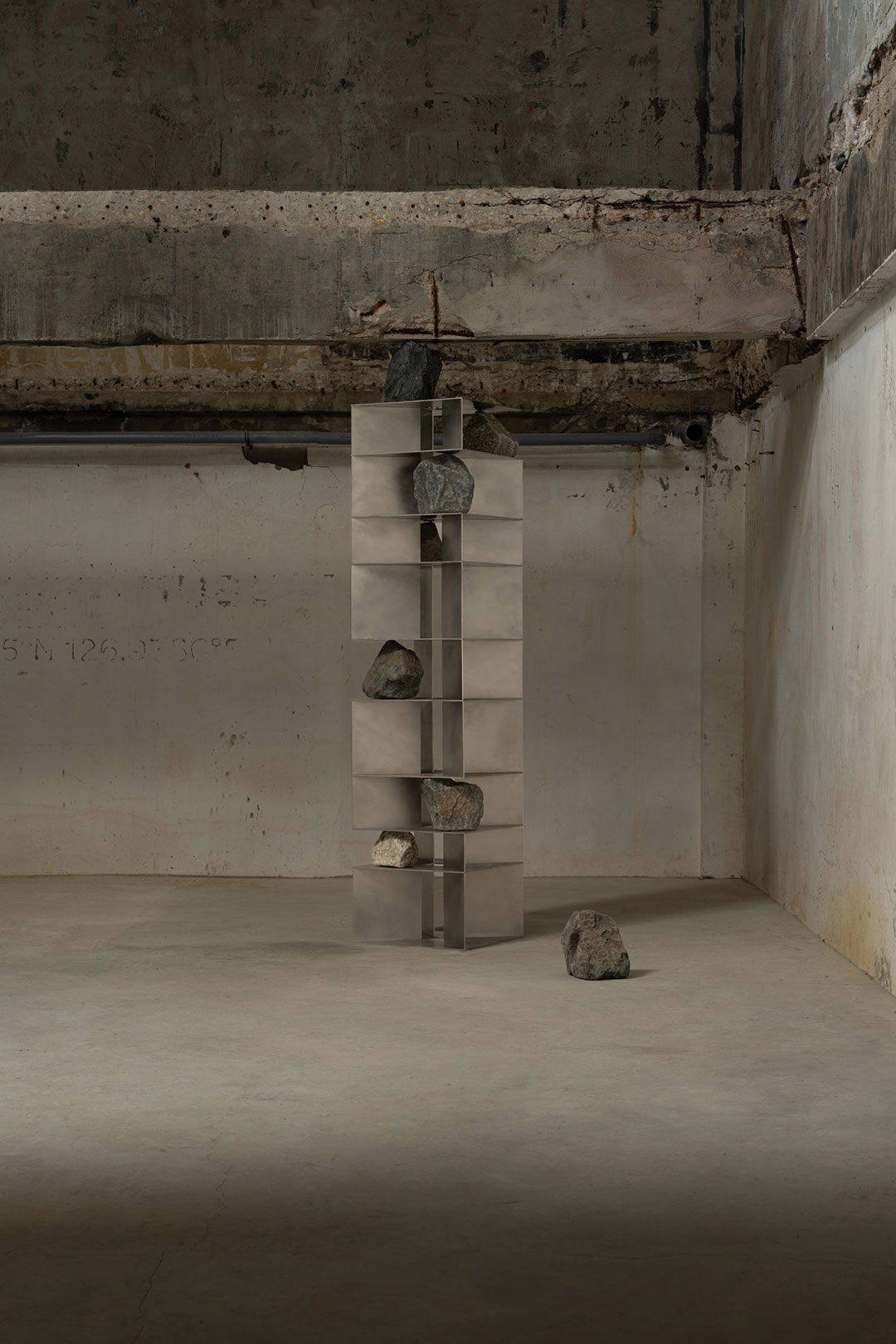
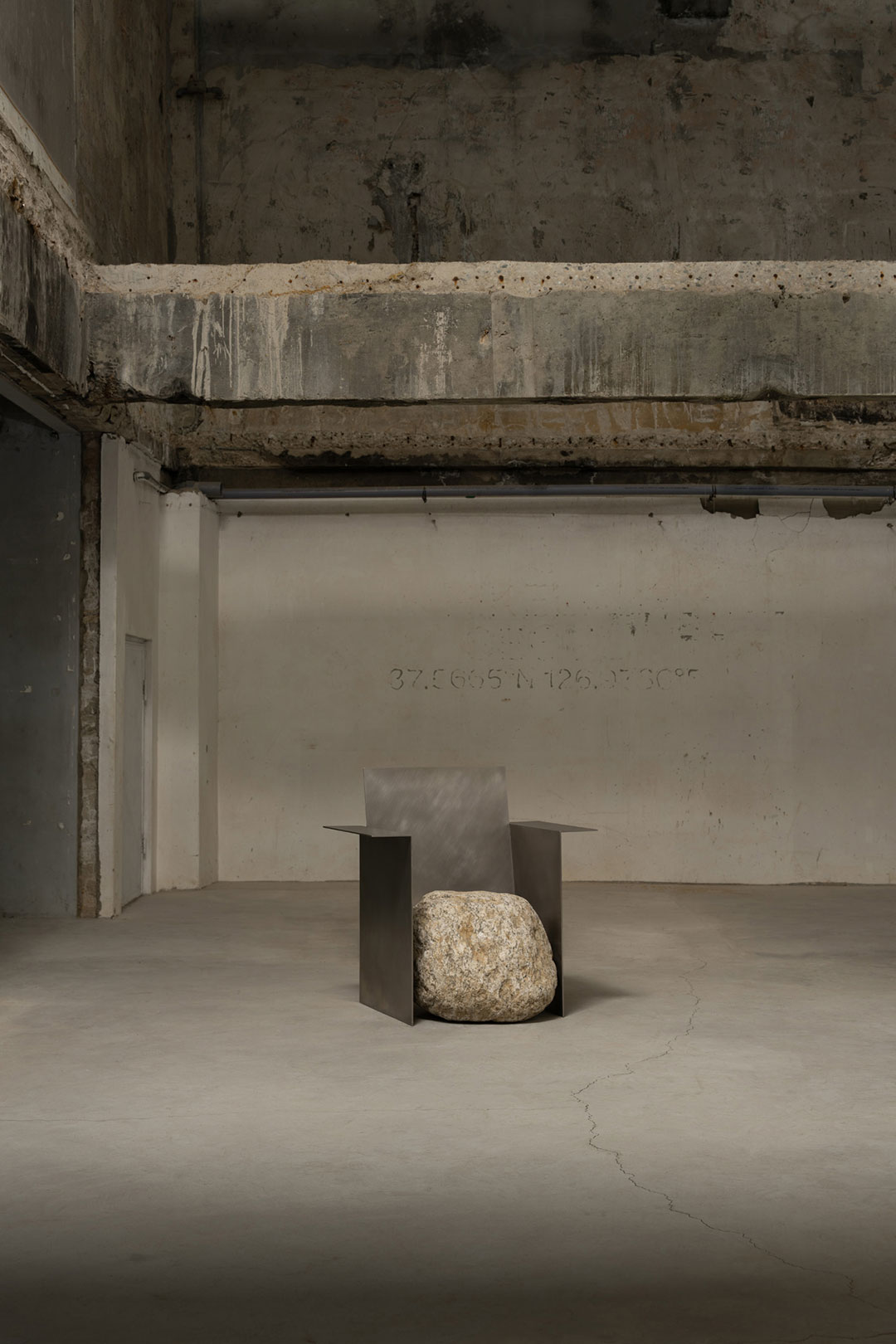
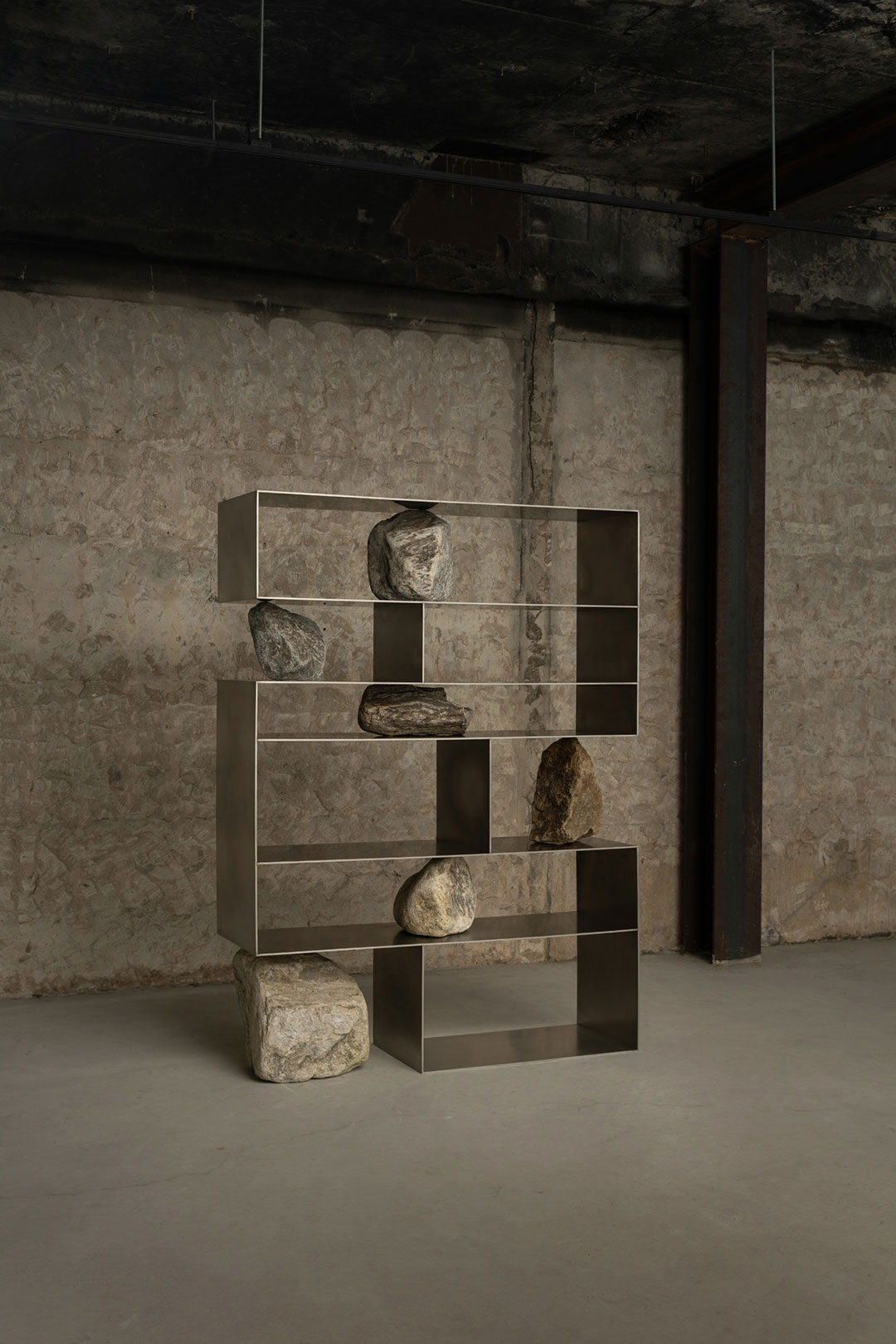
For its latest exhibition in Seoul, Galerie Philia continues its mission of situating contemporary design within meaningful architectural and cultural contexts. Over the past decade, Philia has staged exhibitions in sites charged with history and symbolism—from Jean Nouvel’s villas, to Le Corbusier’s Cité Radieuse, and Oscar Niemeyer’s Museum of Contemporary Art in Niterói. Each project affirms the gallery’s curatorial ethos: design is never neutral, but always shaped by place, narrative, and the dialogue it opens across time and culture. Three years after the remarkable exhibition Surfaces and Cavity presented at Define Seoul, the gallery returns to the city with a renewed curatorial proposition.
Curated by Ygaël Attali, Philia’s co-founder and art director, this new chapter extends the gallery’s long-standing exploration of sculptural design as a cultural and philosophical language.
Presented in collaboration with Maison Navie, Human After All brings together a new wave of Korean designers—FICT Studio, Hyungshin Hwang, Lee Sisan, Saerom Yoon, Studio Chacha and Min Seon Kong. While diverse in approach, their practices share a common impulse: to move beyond function toward sculptural presence, to explore materiality as a language and to articulate a distinctly Korean sensibility within the global landscape of collectible design.
The chosen venue powerfully amplifies this curatorial intention. Originally built as a public bathhouse in the 1980s and later converted into a church, the building embodies cycles of use, memory and reinvention. Its vertical core, spanning from basement to a skylit roof, channels natural light through raw concrete textures, creating an atmosphere both sacred and cinematic. In this context, the works are not simply displayed but staged within a layered architectural narrative—a vessel of memory and transformation that mirrors the designers’ own exploration of material metamorphosis.
Philia’s curation emphasises the affinities between space and work. The concrete rhythms of the building resonate with the textured geometries of Hyungshin Hwang’s layered forms; cascading light echoes the chromatic surfaces of Saerom Yoon’s pieces; the rawness of the structure parallels Lee Sisan’s dialogue between natural and artificial matter; while the intimacy of the upper levels invites encounters with the subtle material experiments of Studio Chacha and the organic sensitivity of Min Seon Kong. In FICT Studio’s craft-driven reinterpretations, one senses the same tension that defines the venue: between utility and transcendence, between the everyday and the monumental.
Human After All marks the first chapter of a trilogy developed by Galerie Philia across Asia this year, exploring the evolving relationship between the human and the machine in contemporary design. Following Seoul, subsequent exhibitions in Shenzhen and Tokyo will extend this inquiry across distinct cultural and technological contexts, examining how designers negotiate craftsmanship, digital processes and material intelligence within an increasingly hybrid creative landscape.
Through Human After All, Philia seeks to illuminate how Korean design today navigates the crossroads of tradition and innovation. These designers honour craftsmanship while embracing experimentation, draw from cultural memory while addressing a global audience, and create objects that exist simultaneously as functional works and poetic presences. By placing them within this raw and resonant architectural framework, and under the curatorial direction of Attali, Galerie Philia reaffirms its commitment to design as a form of cultural storytelling—transcultural, transformative and profoundly human.



 Sign in with Google
 Sign in with email