Enter your details to sign in
Don’t have an account?
Sign upOr you can sign in with
a single account for all
STIR platforms
All your bookmarks will be available across all your devices.
Stay STIRred
Already have an account?
Sign inOr you can sign up with
Verification link sent to check your inbox or spam folder to complete sign up process



We use cookies and similar technologies, to help provide you with a better, faster, and safer experience while delivering content
tailored to your interests.
By clicking on the AGREE button, closing this banner, clicking or navigating the website, you consent to the use of all cookies and similar technologies for the purposes we describe in our
Privacy Policy.
We use several cookies that are related to the functionality, security & user preferences,
analytics, and advertising. While some are essential, you may choose to dis-allow the use of others.
Please choose your preference, or opt for the best experience by closing this banner, clicking or navigating the website.
For more detailed information please read our Privacy Policy
 Connect
Connect
Connect





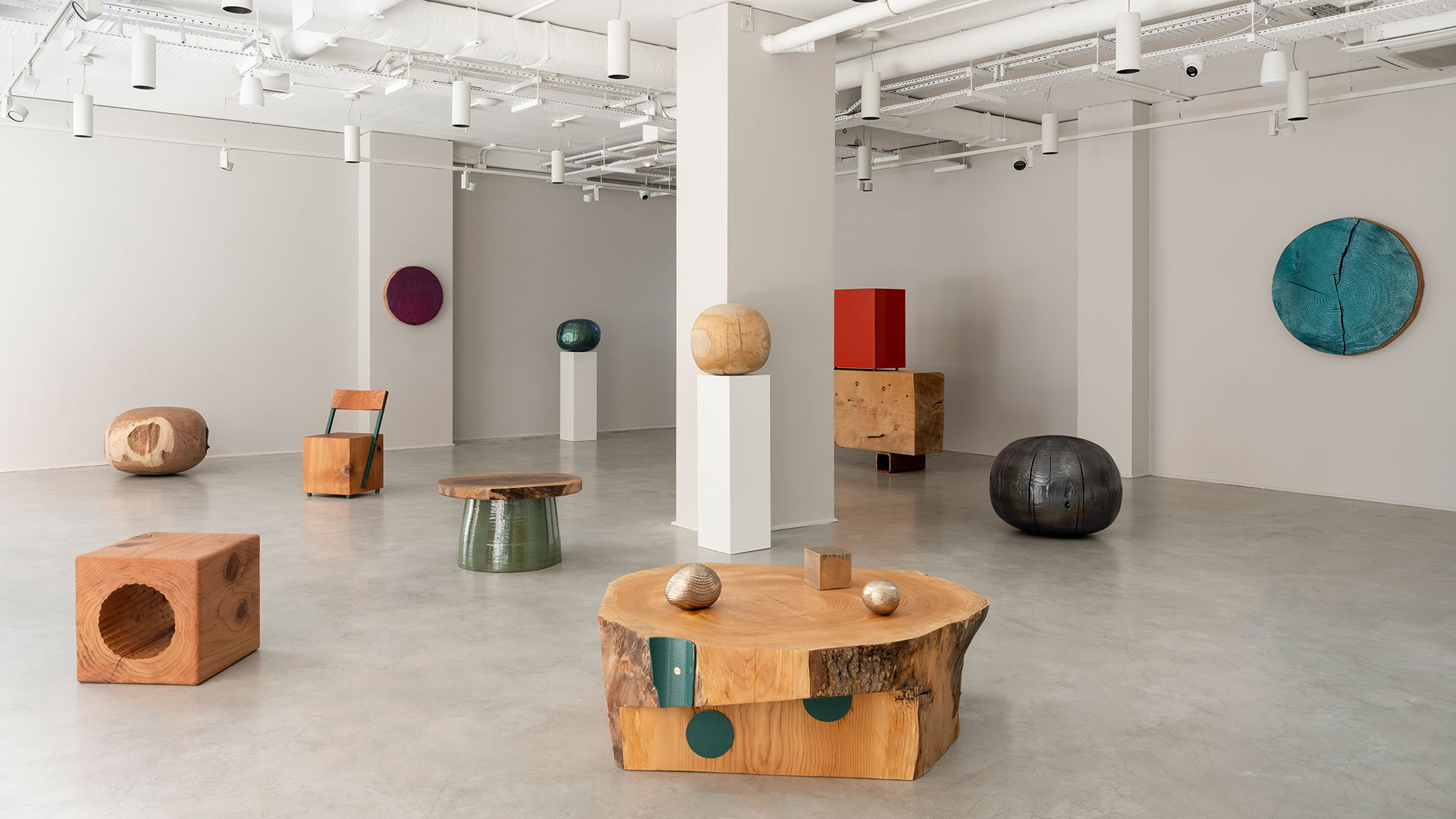
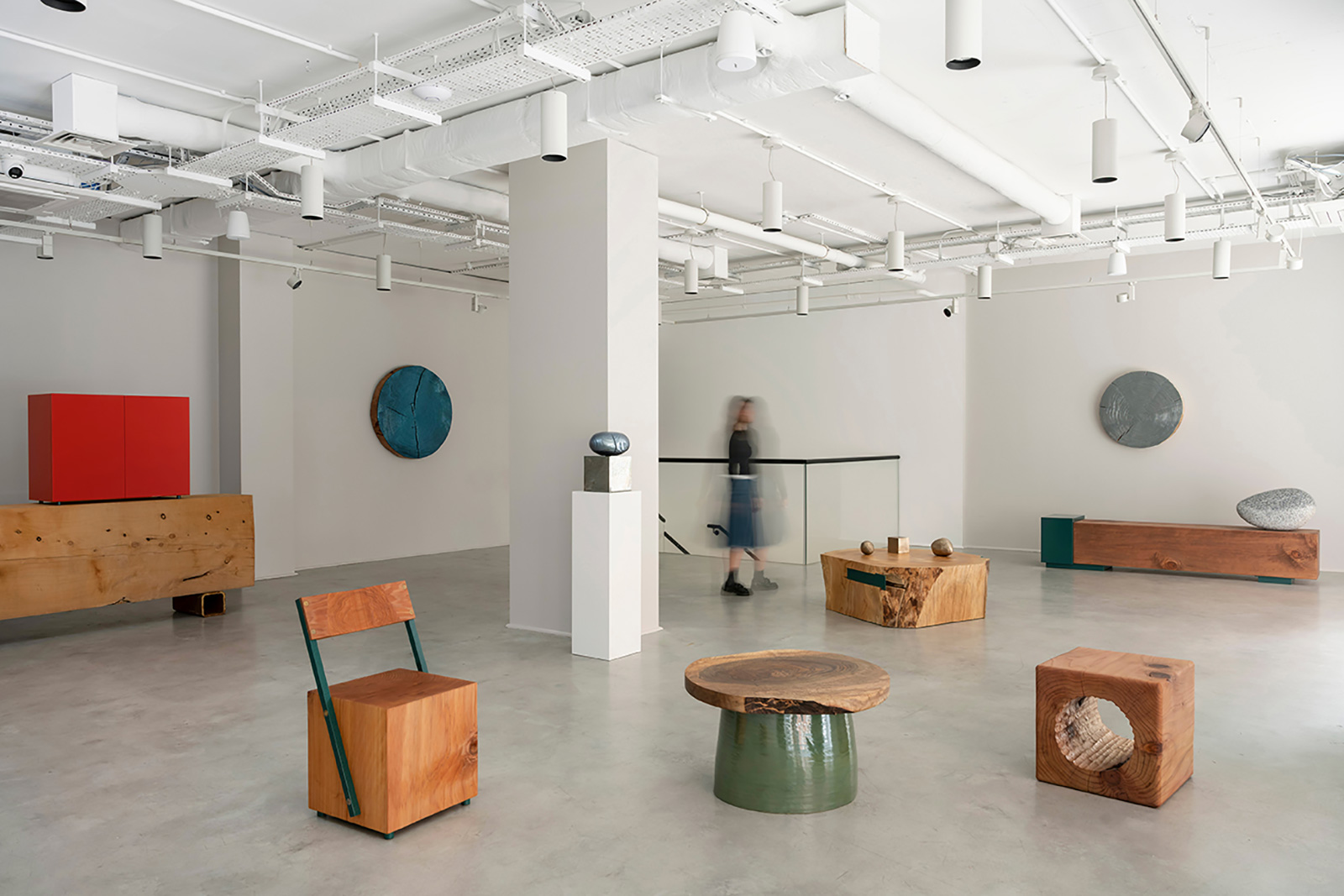
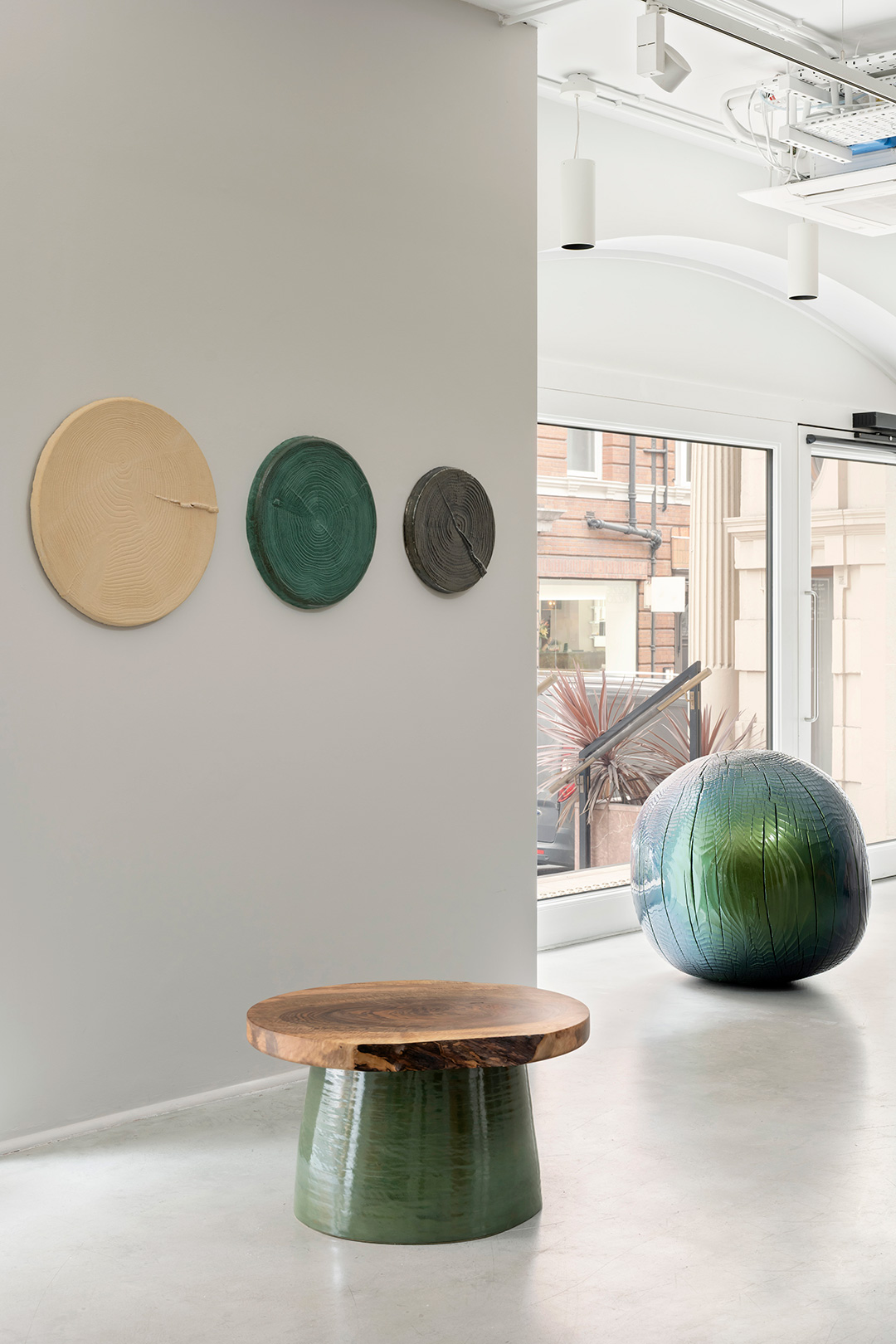
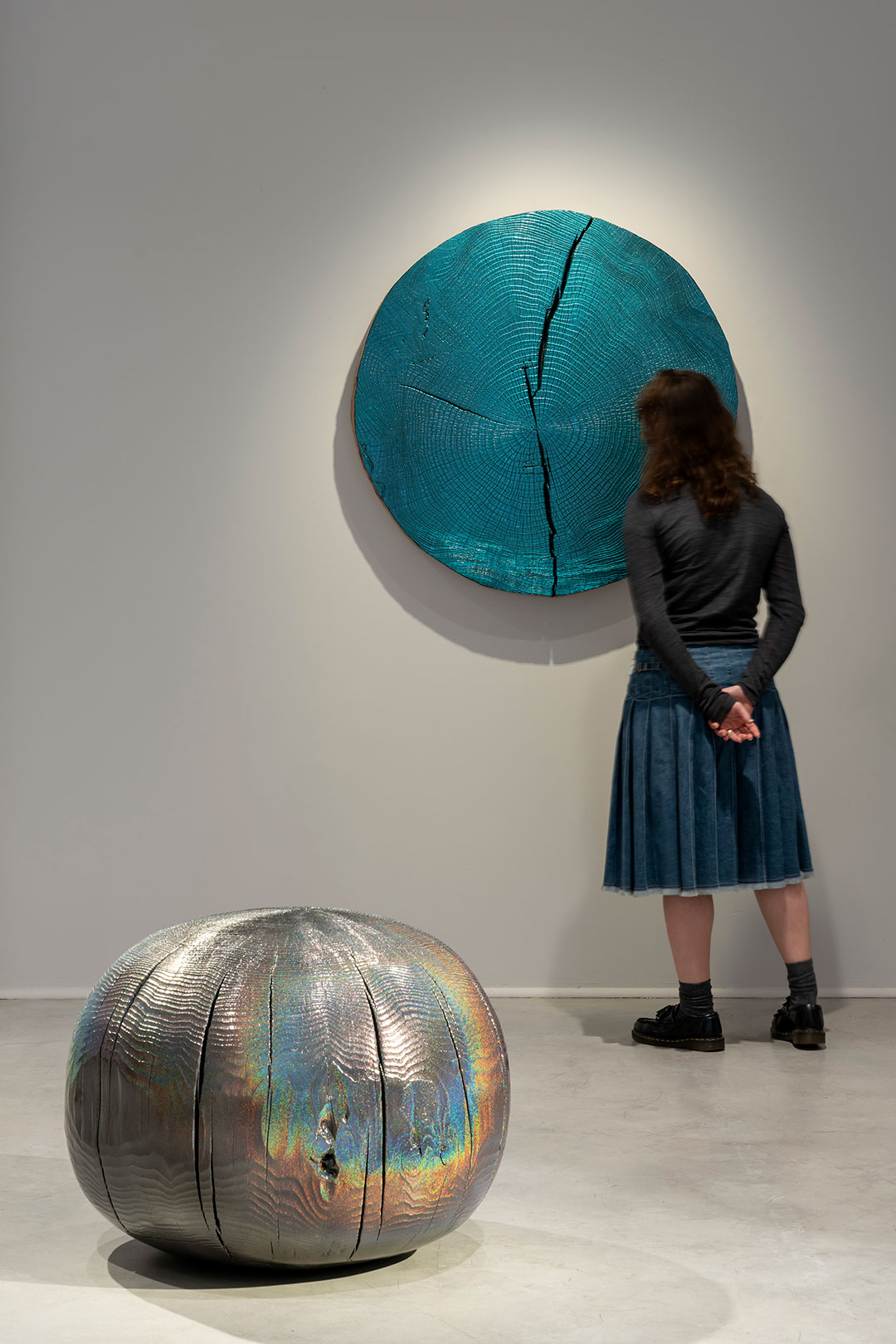
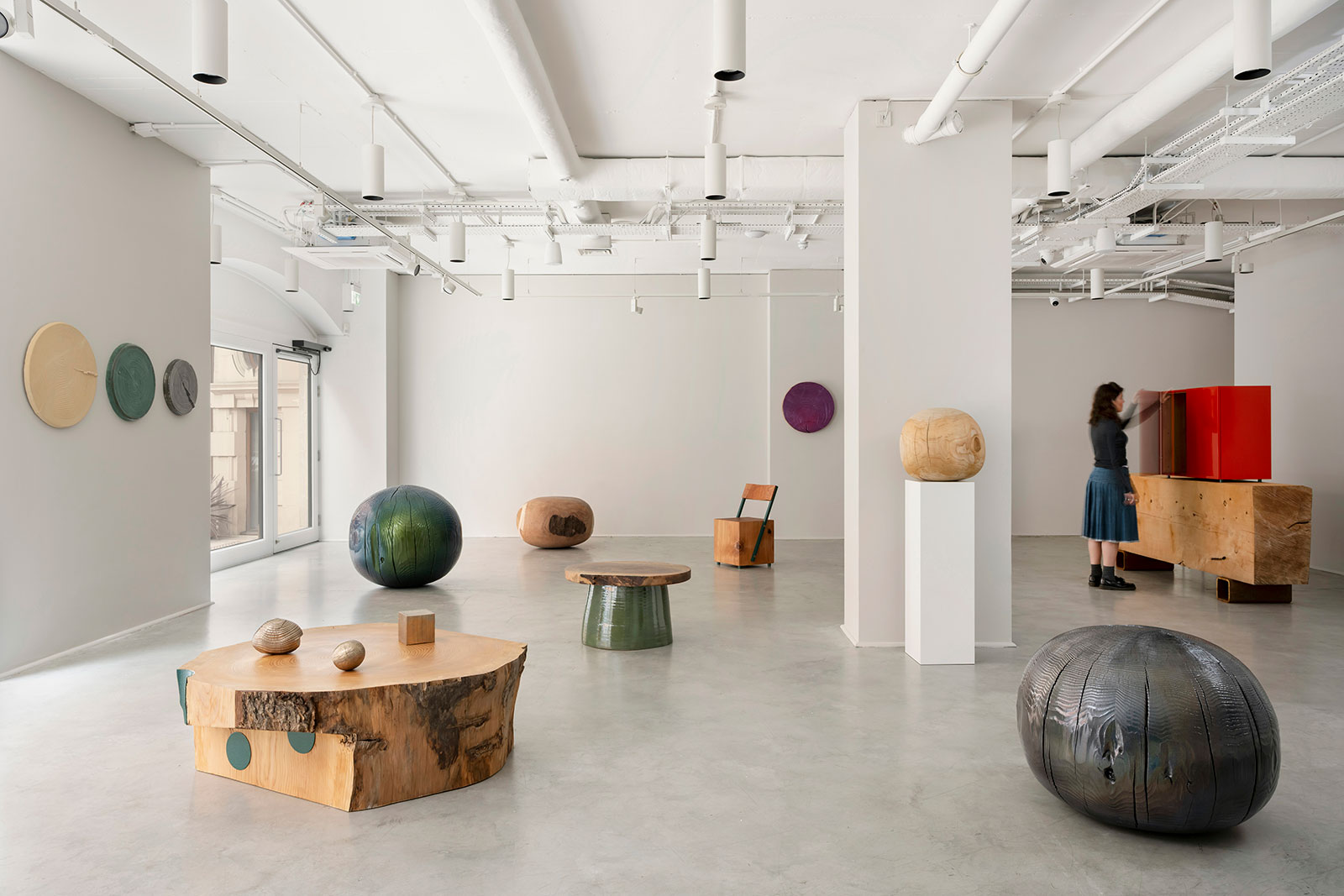
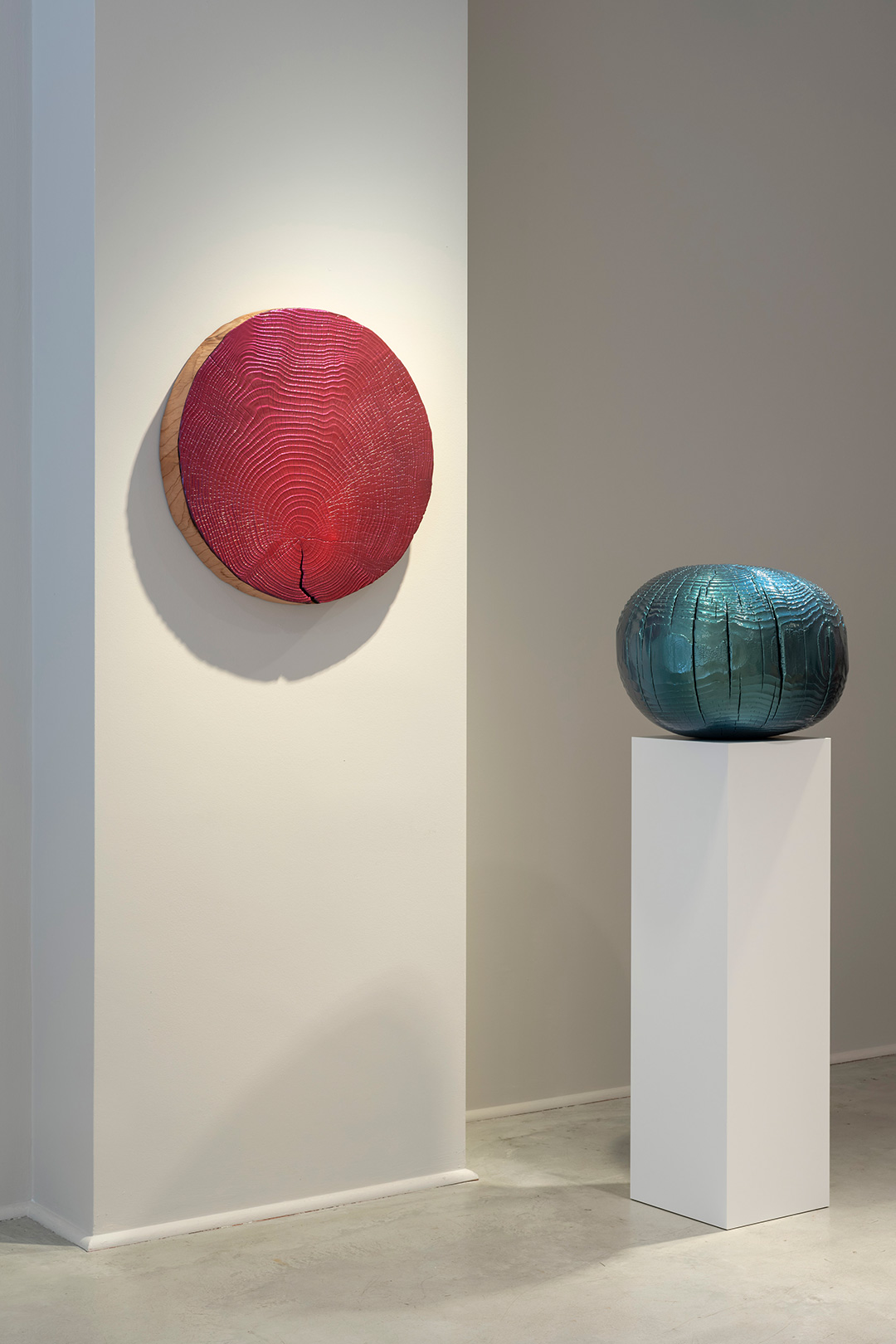
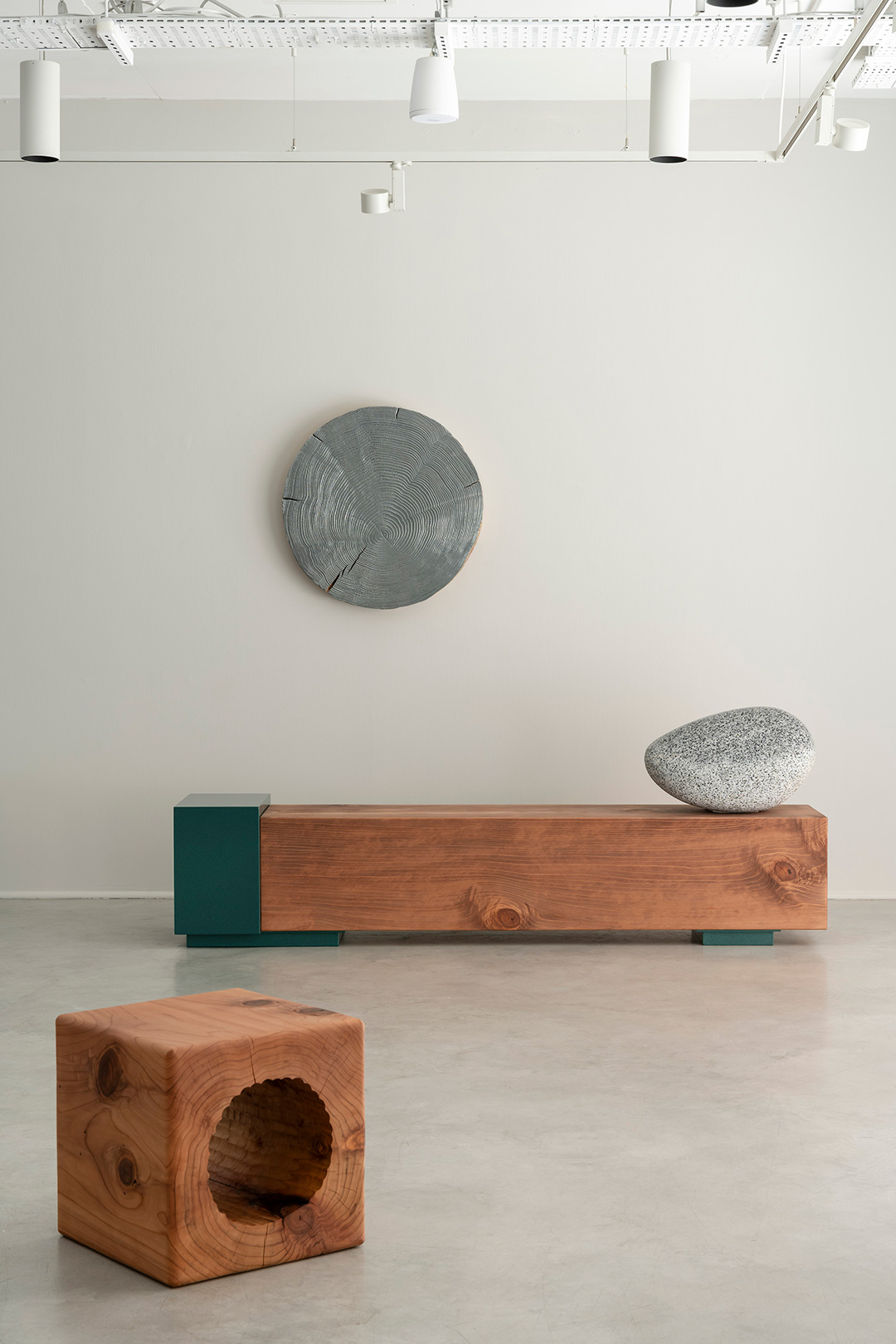
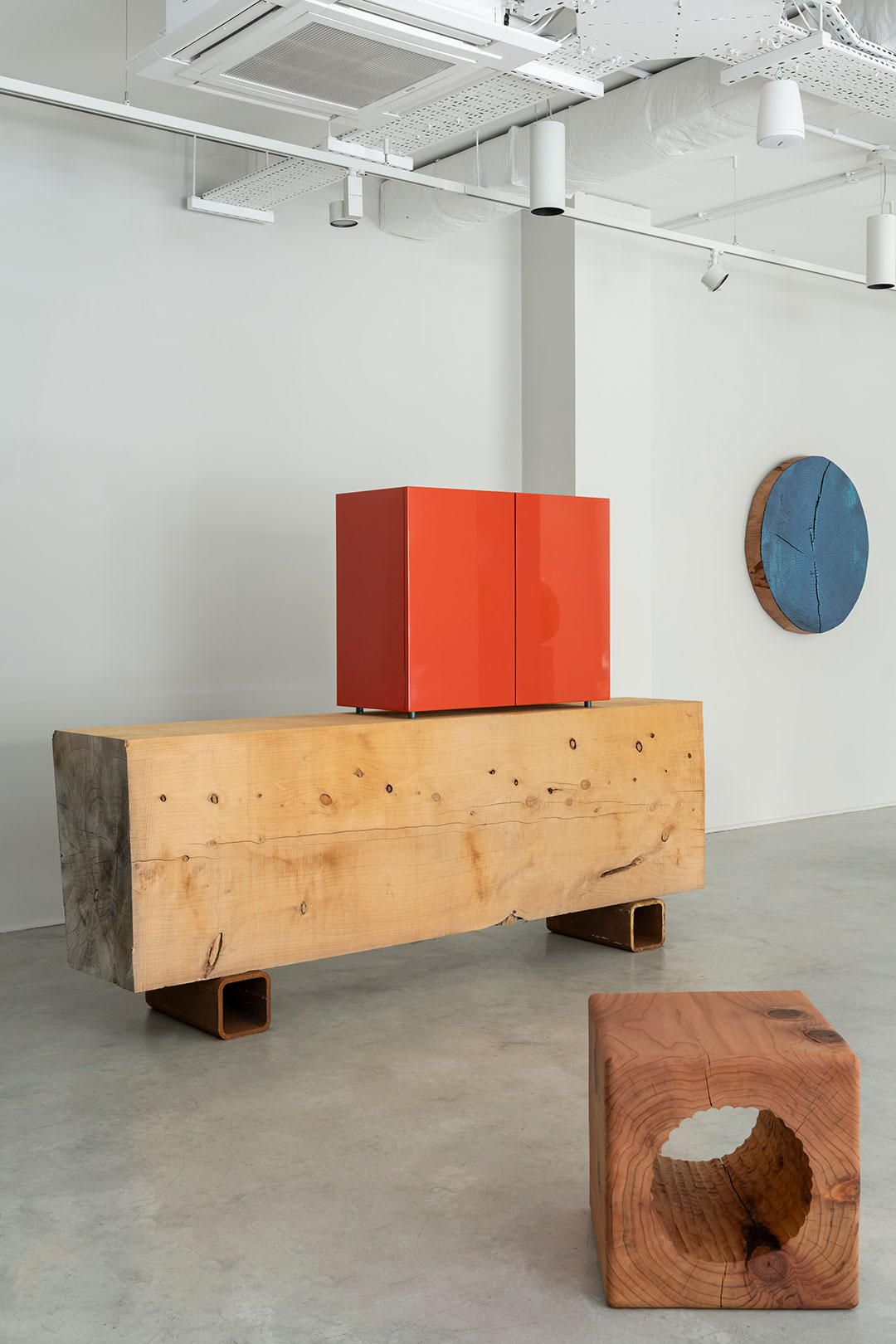
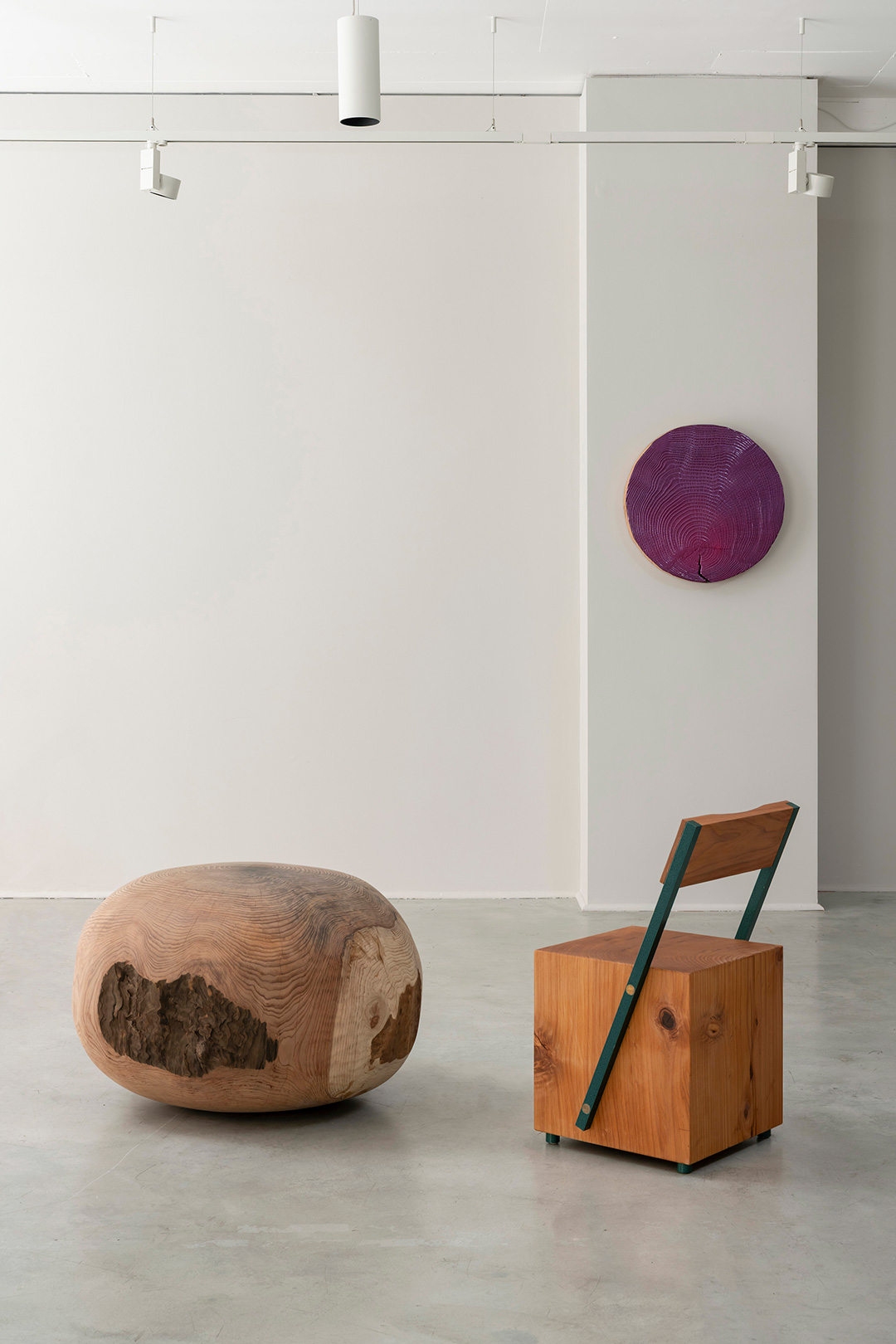
This Autumn Gallery FUMI is thrilled to present Pacific, the first-ever gallery exhibition to showcase design pieces by San Francisco-based artist Jesse Schlesinger. Marking a pivotal moment in his career, this show will be the first in the UK dedicated to Schlesinger, who recently joined FUMI’s roster of acclaimed international makers. To celebrate this new representation, the gallery will also present one of his works at PAD London. For this landmark exhibition, Schlesinger has conceived a brand-new series of sculptures and furniture, reflecting the broad spectrum of his two-pronged art and design practice over the past 15 years.
Primarily using locally salvaged wood, he creates designs that are fundamentally linked to his deep reverence for local materials, craftsmanship, and his surrounding environment. The exhibition’s title, Pacific, encapsulates various influences that are fundamental to the new works, from the ocean itself to the definition of the word and its related concepts. Schlesinger’s works also embody a quixotic call for peace in these turbulent times. The recurring use of circular shapes acts as a red thread throughout the exhibition, representing both an archetypal pre-“art” symbol as well as a cycle of decay and renewal. Testament to this, Schlesinger preserved the shape of a discarded monumental block of deodar cedar to craft a spectacular coffee table. This sensorial object invites meditation and contemplation through the variation of its surfaces and the fragrance of the wood. Meanwhile, the man-made components pay homage to the legacy of critical cultural insights by California’s most eminent 20th century thinkers, including Joan Didion, Rachel Kushner, and Robert Irwin. These interventions are simultaneously a form of healing and a critique of the environmental disregard and capitalist individualism that are exacerbated by current political climates.



 Sign in with Google
 Sign in with email