Enter your details to sign in
Don’t have an account?
Sign upOr you can sign in with
a single account for all
STIR platforms
All your bookmarks will be available across all your devices.
Stay STIRred
Already have an account?
Sign inOr you can sign up with
Verification link sent to check your inbox or spam folder to complete sign up process



We use cookies and similar technologies, to help provide you with a better, faster, and safer experience while delivering content
tailored to your interests.
By clicking on the AGREE button, closing this banner, clicking or navigating the website, you consent to the use of all cookies and similar technologies for the purposes we describe in our
Privacy Policy.
We use several cookies that are related to the functionality, security & user preferences,
analytics, and advertising. While some are essential, you may choose to dis-allow the use of others.
Please choose your preference, or opt for the best experience by closing this banner, clicking or navigating the website.
For more detailed information please read our Privacy Policy
 Connect
Connect
Connect





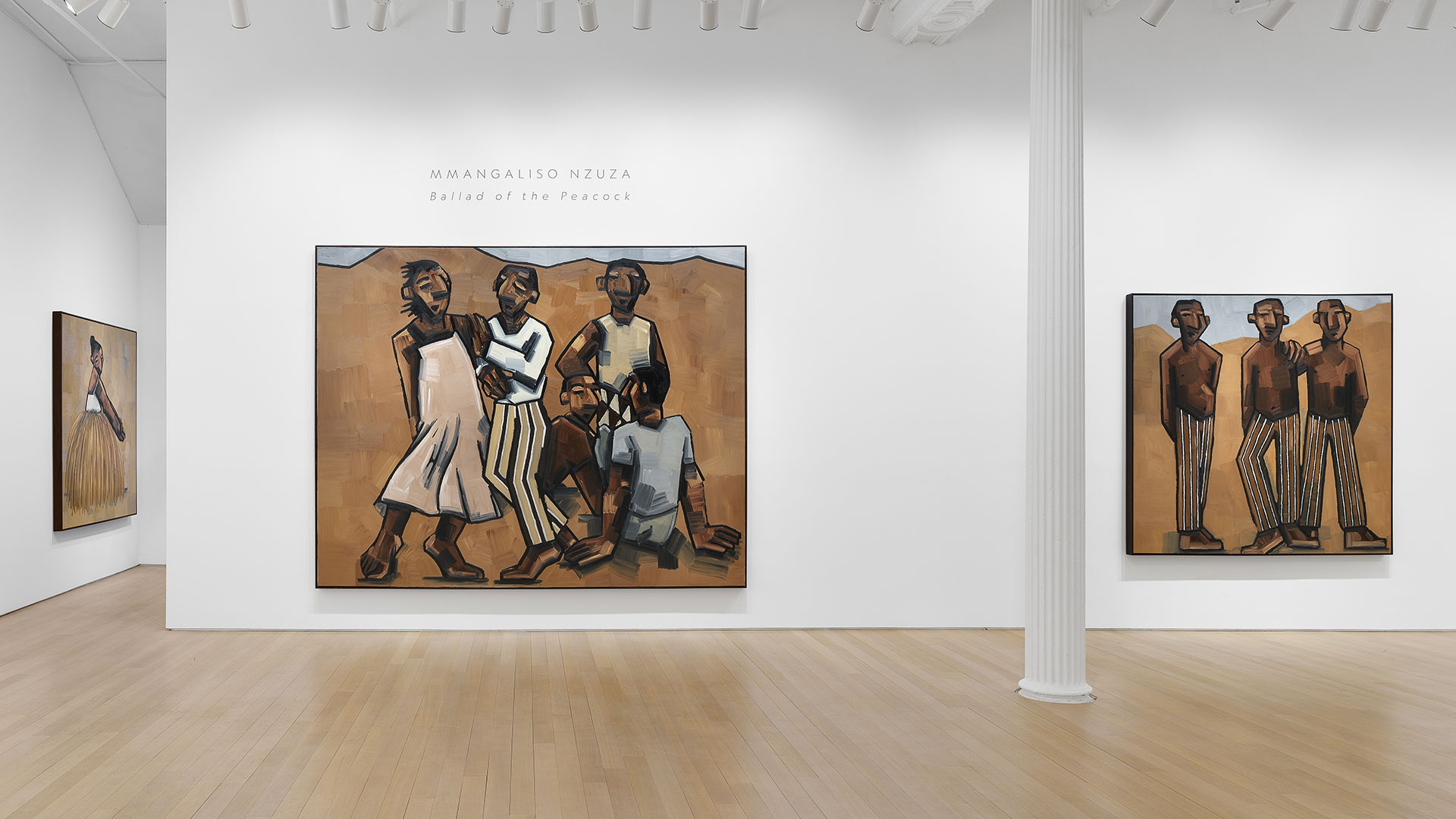
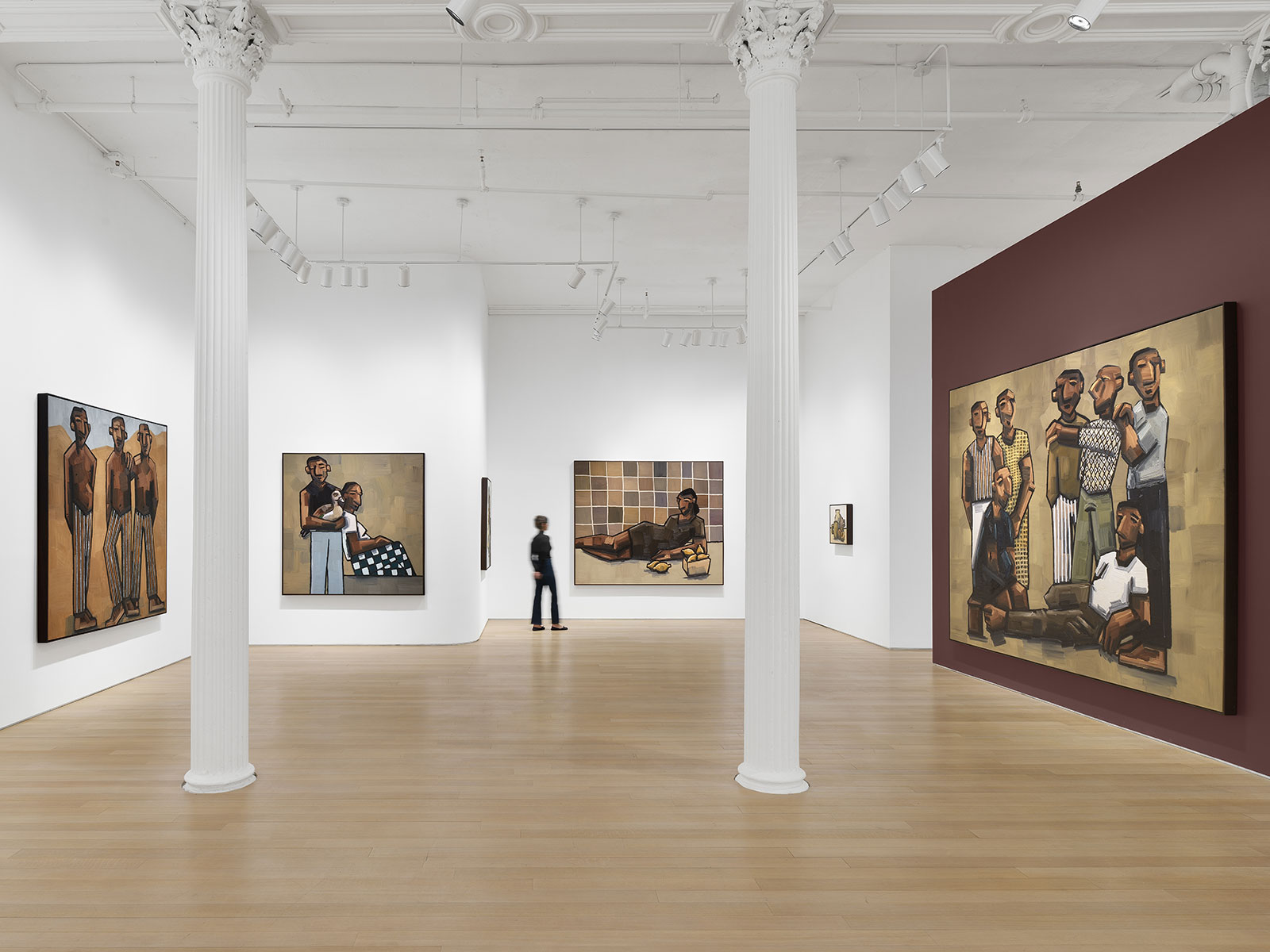
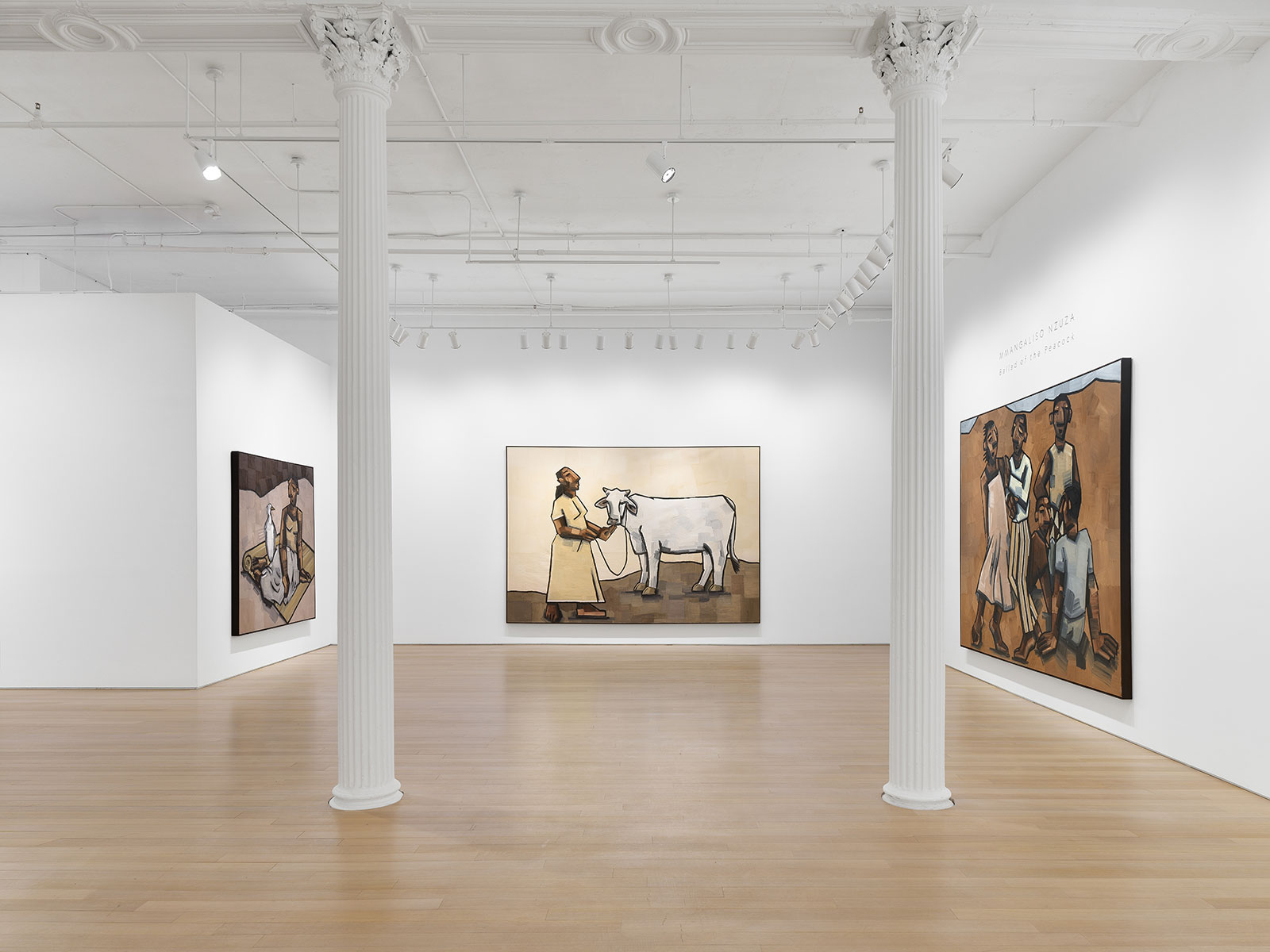
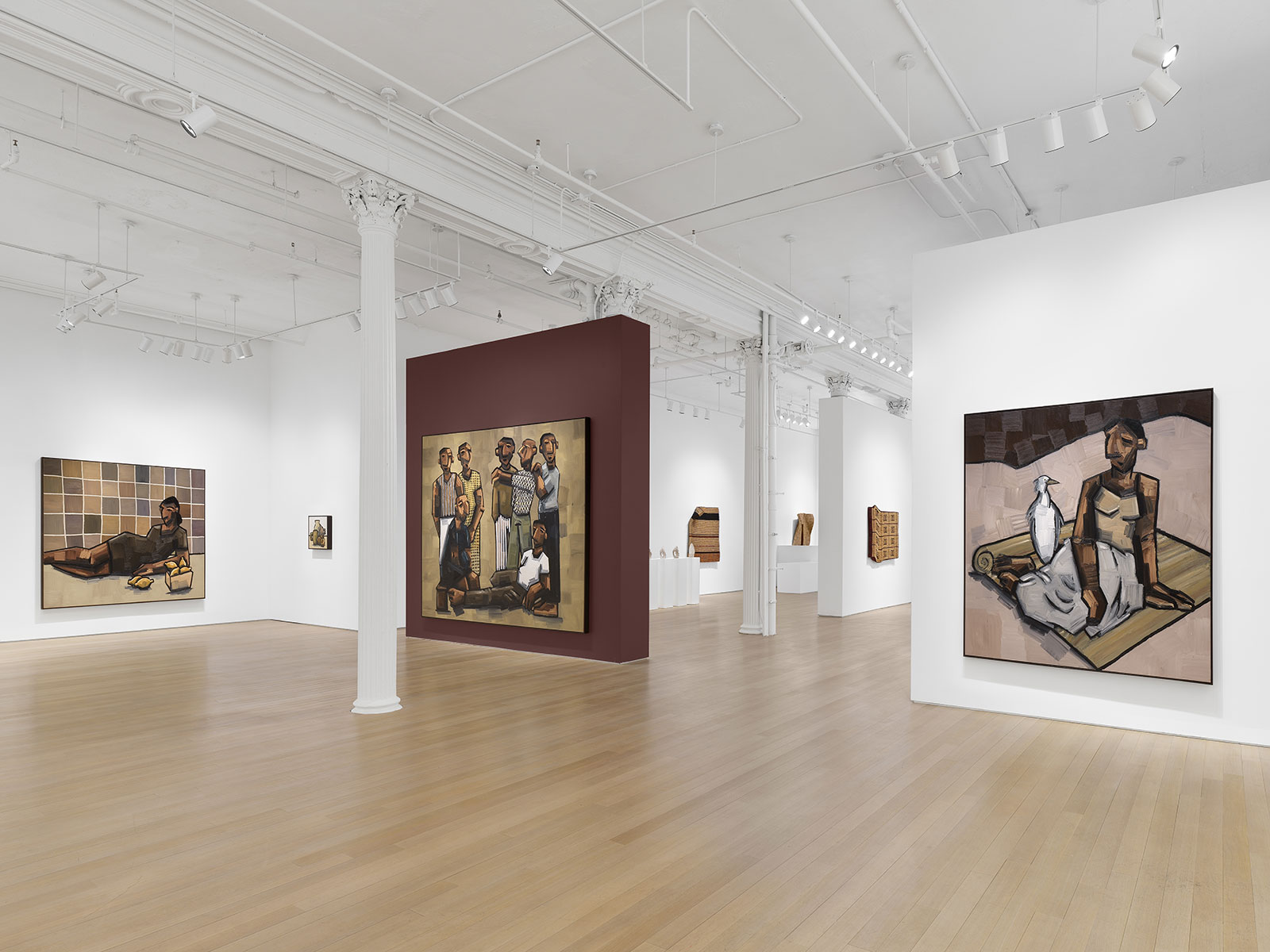
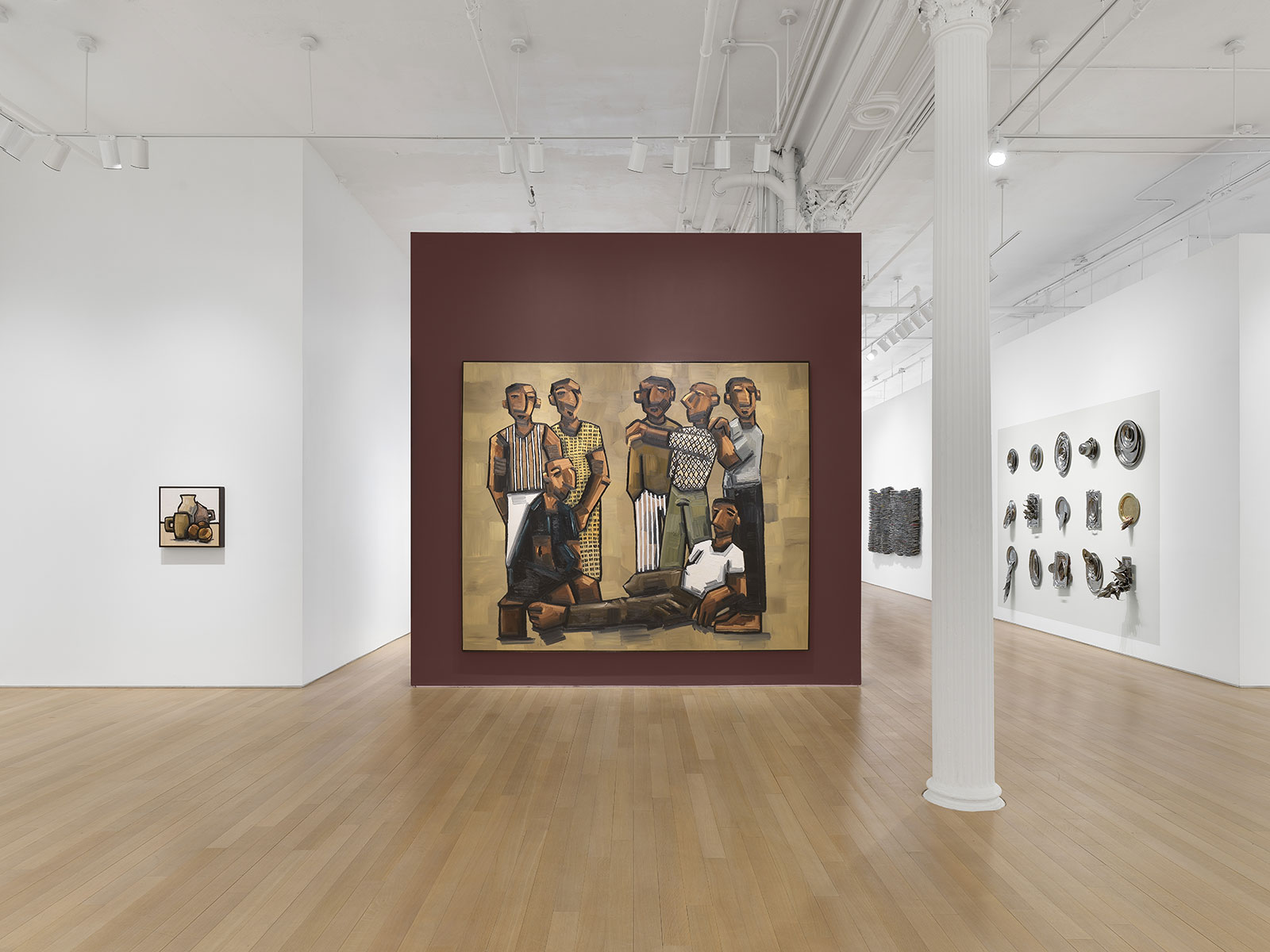
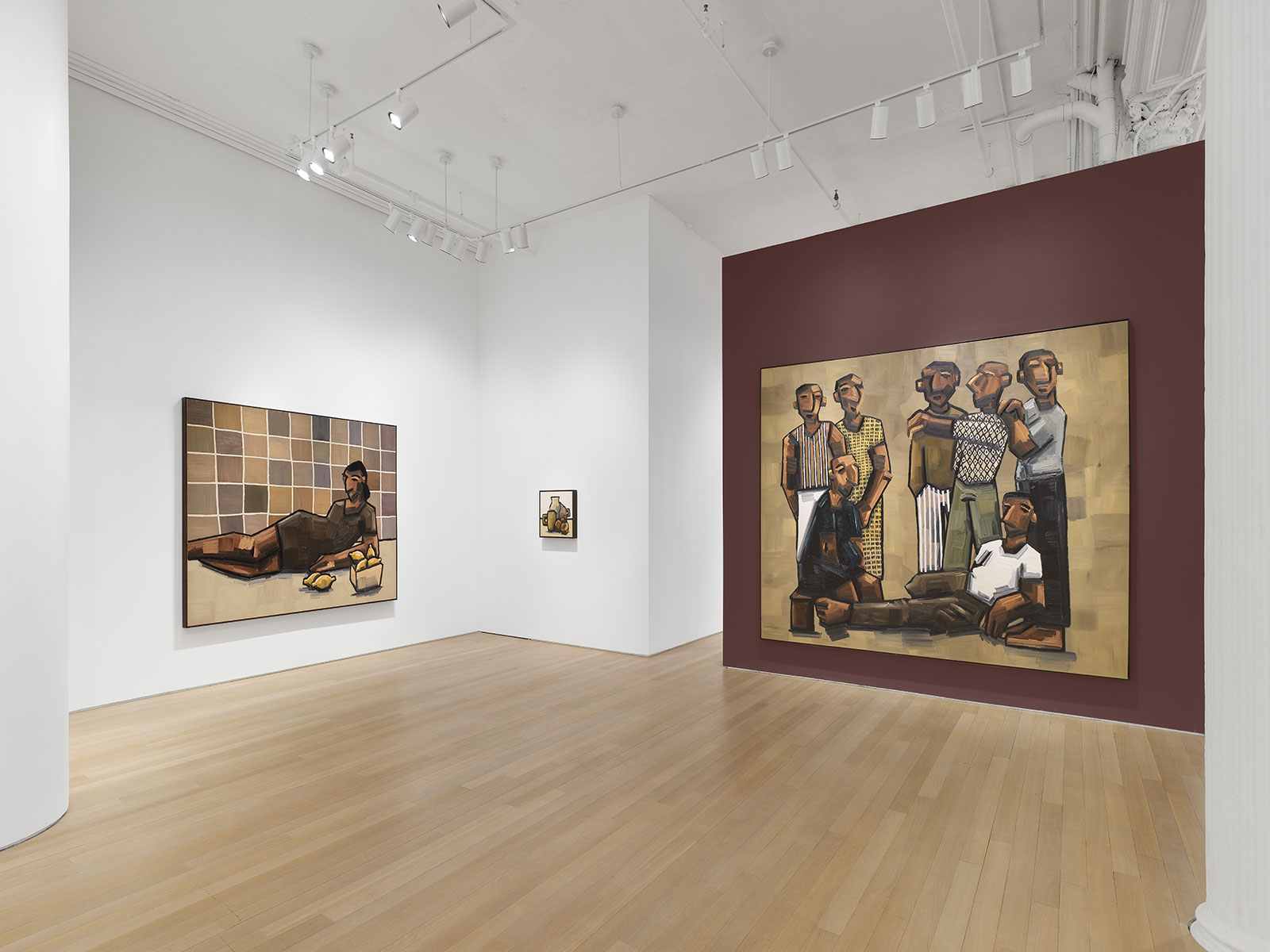
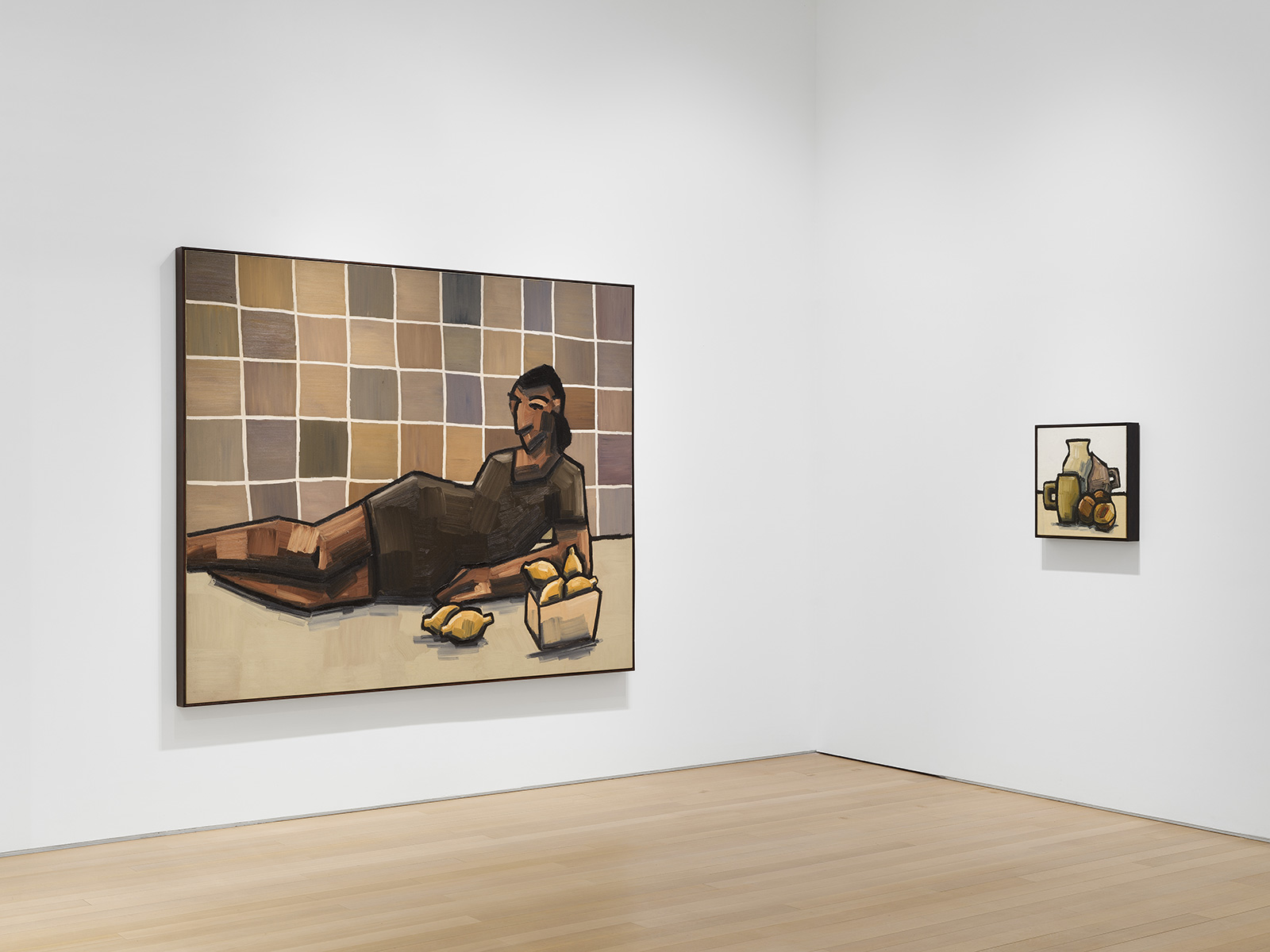
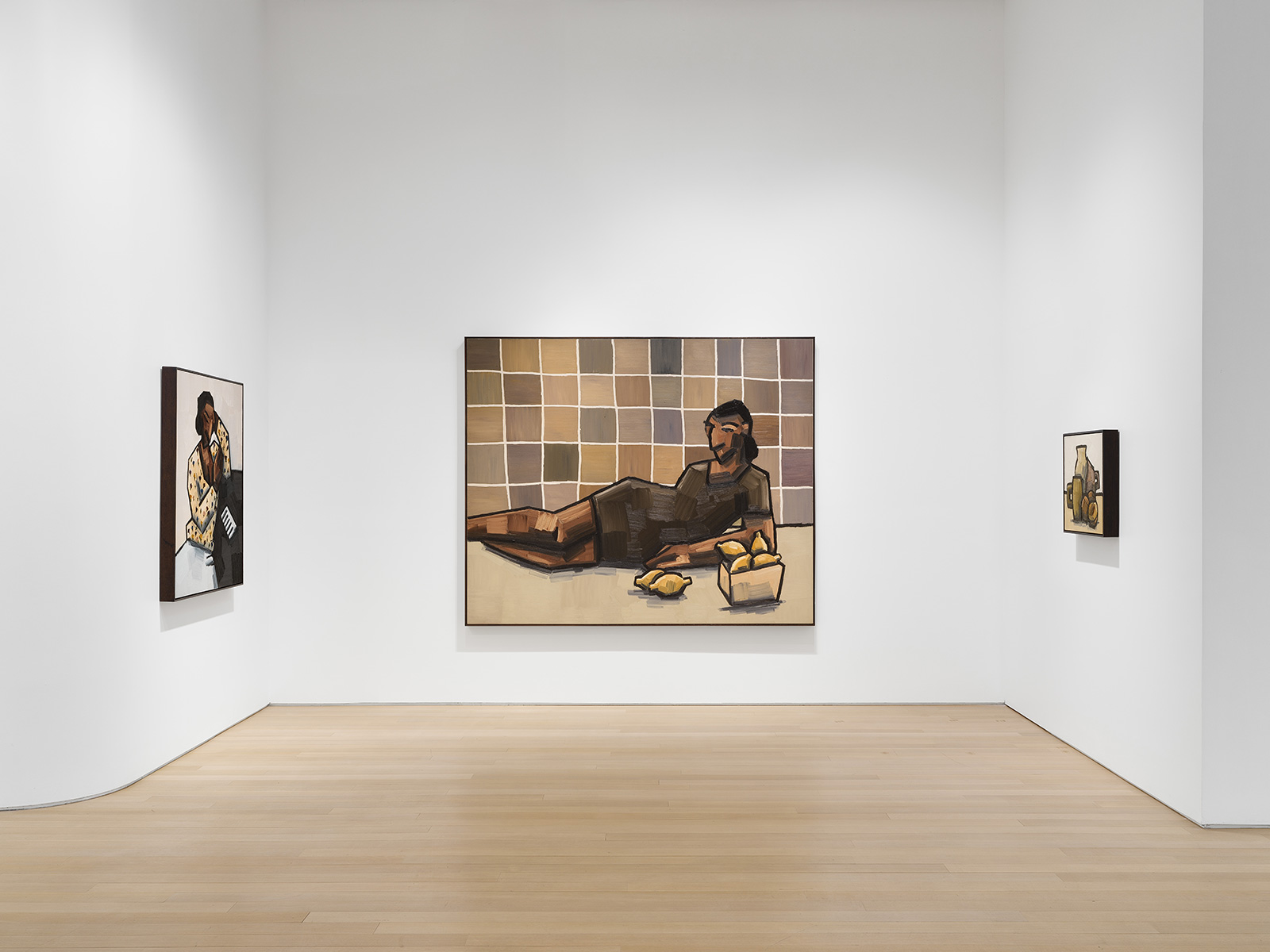
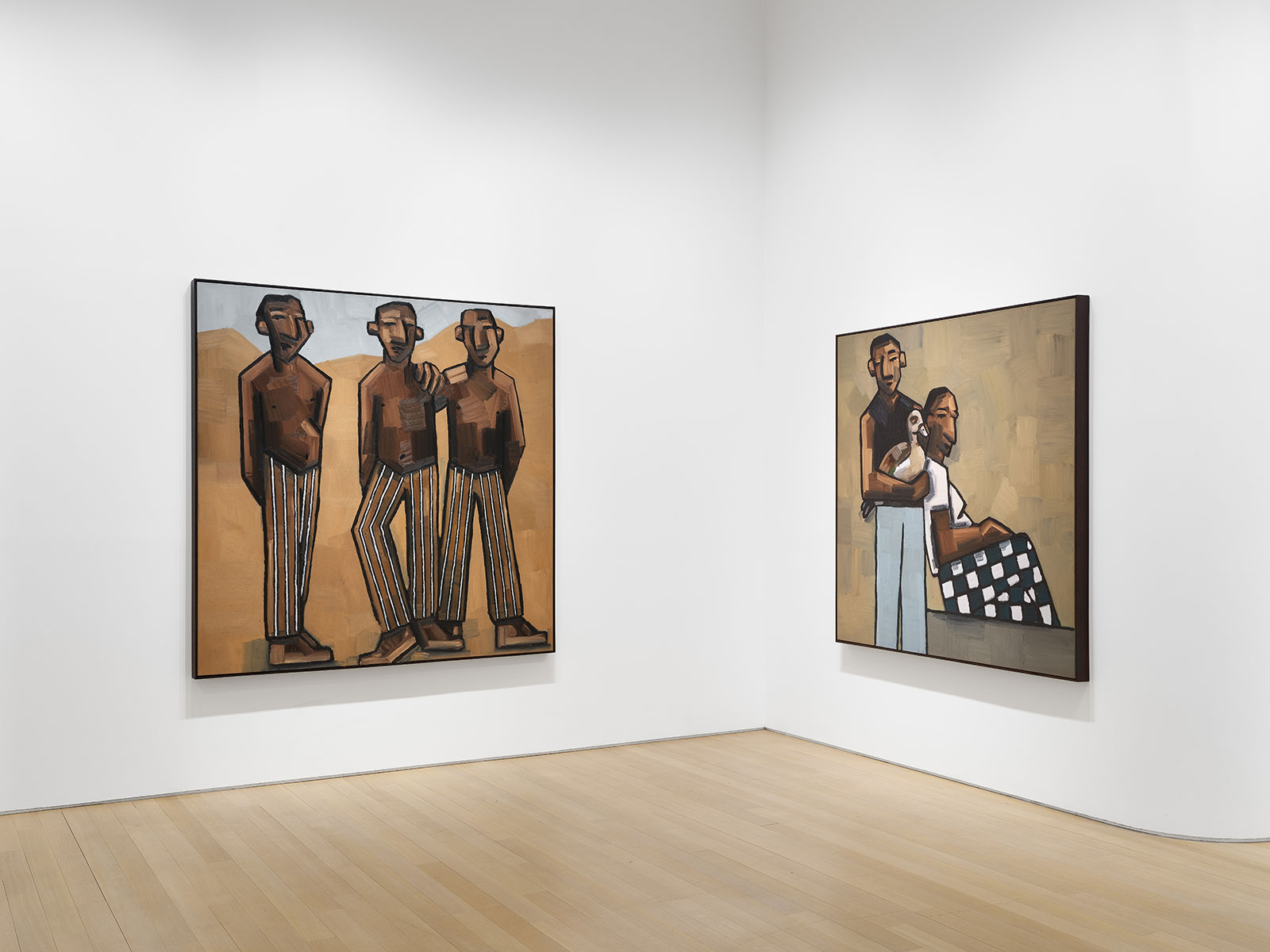
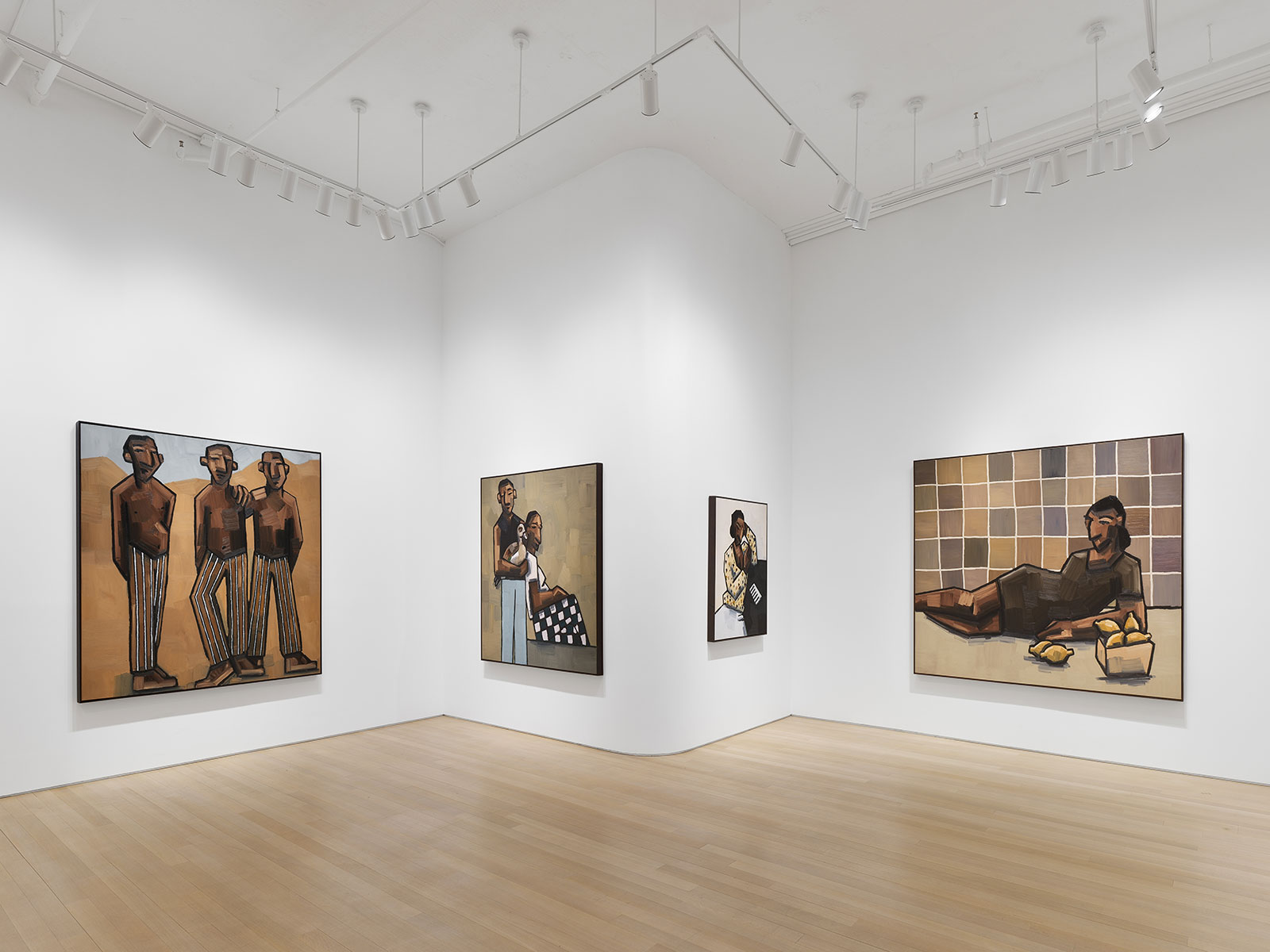
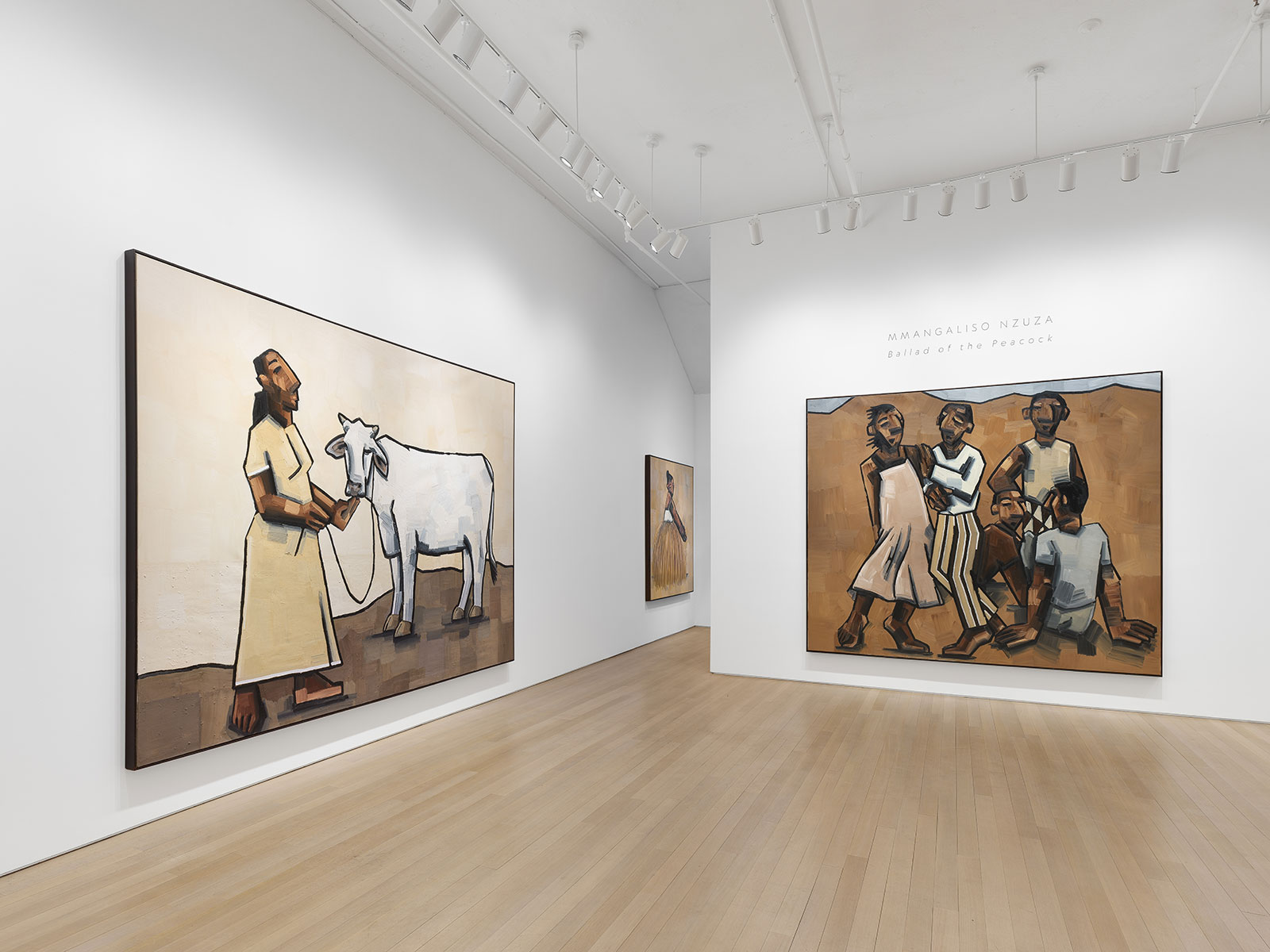
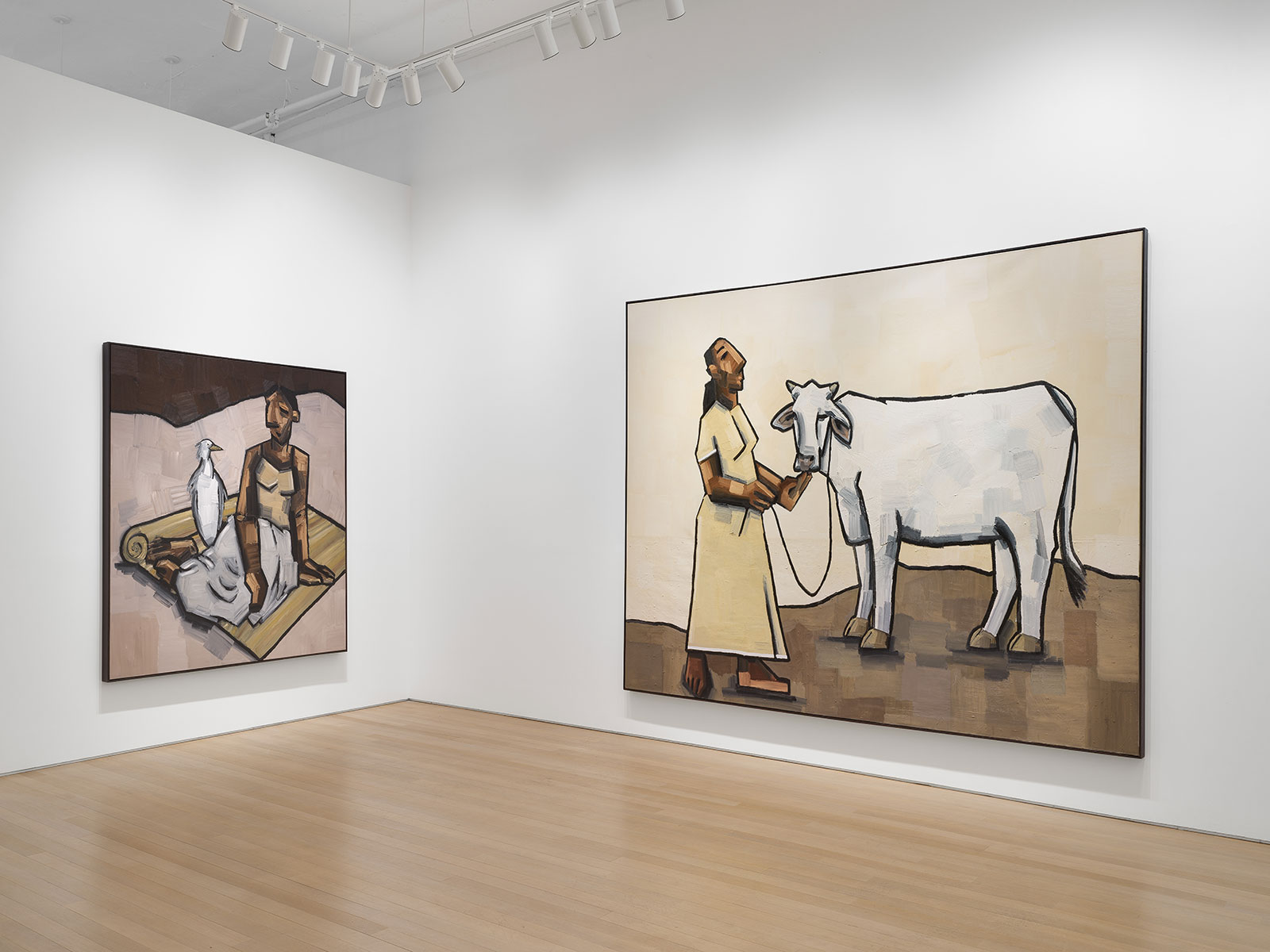
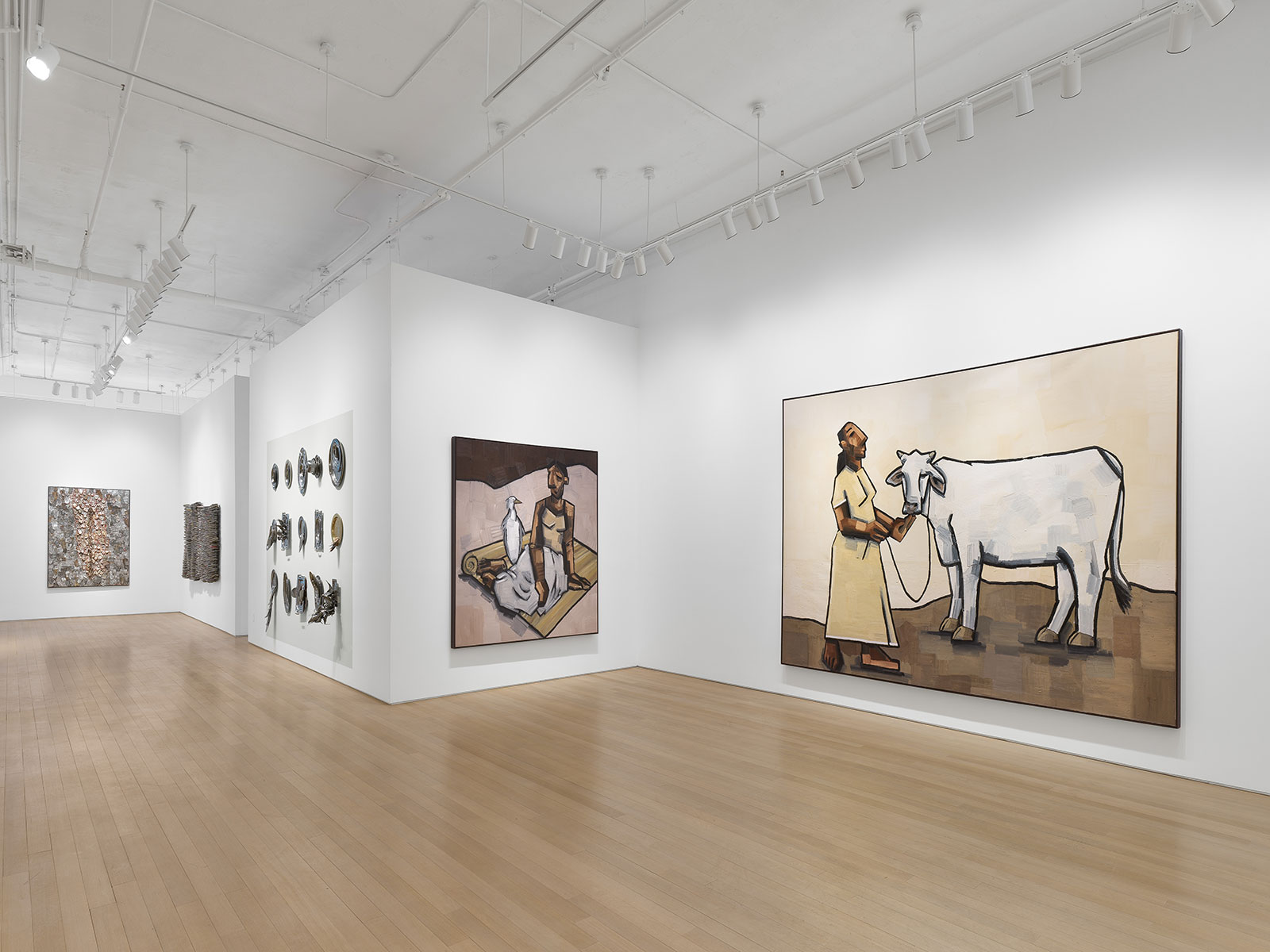
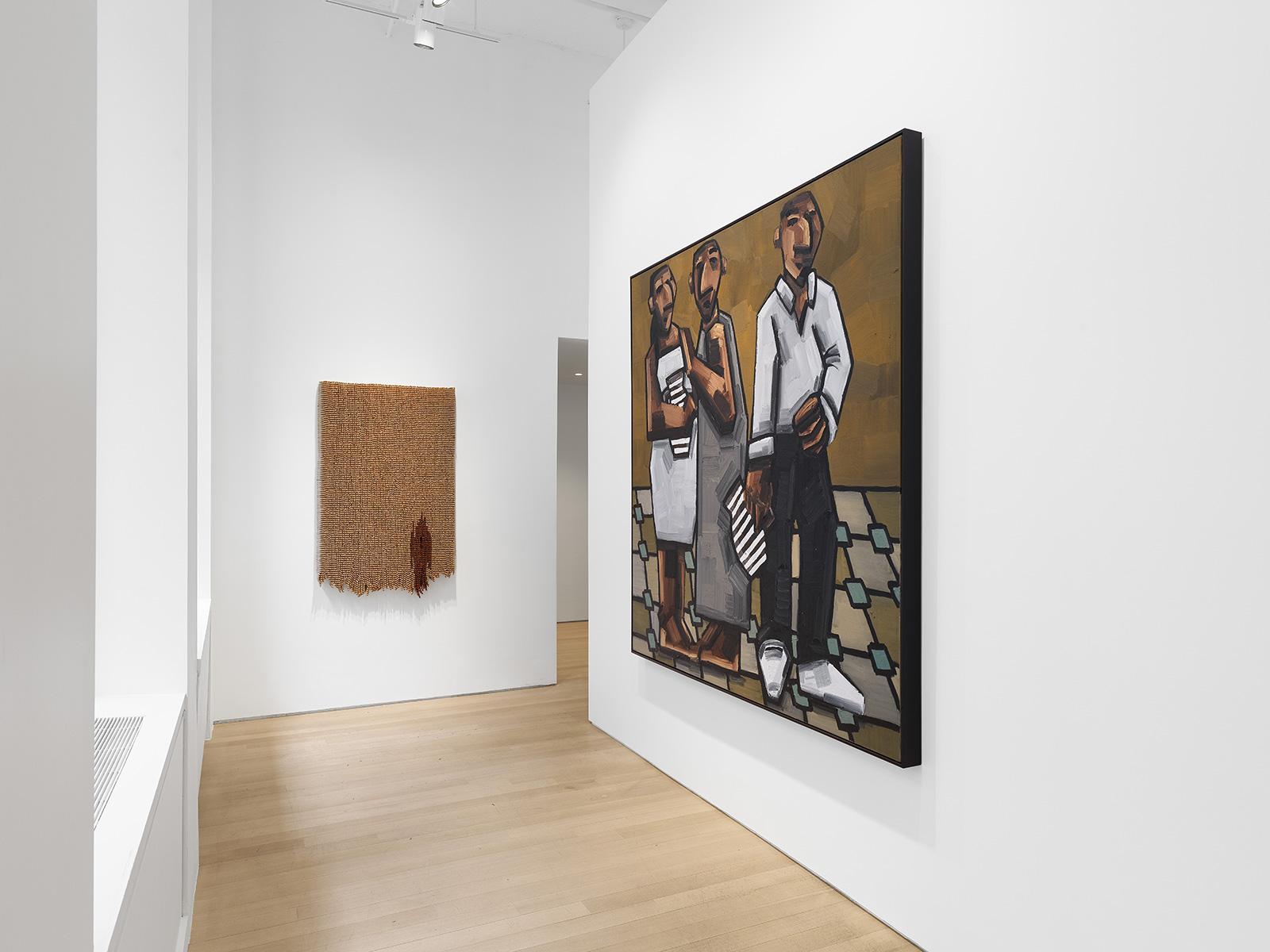
Southern Guild inaugurates its permanent New York gallery in Tribeca with Ballad of the Peacock, a new solo exhibition by South African painter Mmangaliso Nzuza. The presentation marks the artist’s second solo show with the gallery and his first in the United States, introducing American audiences to one of the most distinctive emerging voices in contemporary figurative painting. Working from his studio in Cape Town, Nzuza constructs psychologically charged scenes populated by a recurring cast of figures whose calm, self-possessed presence subtly destabilises the viewer’s gaze. Across landscapes, interiors and fashion-inflected tableaux, these characters appear at once archetypal and intimate, occupying the pictorial space with quiet authority.
Drawing on influences ranging from Western art history and contemporary Black portraiture to fashion photography and textile design, Nzuza’s paintings explore the politics of looking, identity and self-fashioning. Often inspired by the fashion magazines that fill his studio, patterned garments operate as expressive 'second skins', transforming clothing into a language of performance, adornment and personal mythology.
Nzuza’s Ballad of the Peacock is imagined across a series of scenes that recall canonical moments in Western art, nod to contemporary Black practices and fashion histories or gesture homeward to the stillness of Nongoma, KwaZulu-Natal. Across this plurality of settings, what remains nearly constant is the haunting of a singular presence: a bold yet quiet character or figure who occupies the field and easily absorbs—or perhaps even revels in—the viewers’ attention.
Nzuza’s character repeats itself almost compulsively, its likeness shapeshifting and multiplying across canvases, staring into distant natural landscapes or pensively regarding those looking in from the other side. At times, this presence appears as a fashionable man, a languishing woman, or a figure leading livestock, while at others, it multiplies, becoming a huddled group staged against a natural backdrop, regarding onlookers from its many near-identical faces. Despite exuding ease, the character is insistent, structuring the viewer’s reading of the scenography through its unyielding presence.
While Nzuza imagines his canvases as a domain for the articulation of his inner world, whether or not this character constitutes an unconscious exercise in self-portraiture remains unknowable. But what does seem certain, formally or psychically, is the artist’s strict separation of figure from field. The figures resist blending with the scene, asserting a strong will for definition—of the self, of the world, or both. Rendered with sure, dark outlines and filled with impressionist-inspired blending and cubist-inflected blocking, Nzuza’s figures are at once painterly and highly stylised; free, yet ultimately contained.
Through these composed yet enigmatic figures, Ballad of the Peacock positions Nzuza within a lineage of Black painters who continue to challenge historical dynamics of representation while articulating a distinctly contemporary sensibility.



 Sign in with Google
 Sign in with email