Enter your details to sign in
Don’t have an account?
Sign upOr you can sign in with
a single account for all
STIR platforms
All your bookmarks will be available across all your devices.
Stay STIRred
Already have an account?
Sign inOr you can sign up with
Verification link sent to check your inbox or spam folder to complete sign up process



We use cookies and similar technologies, to help provide you with a better, faster, and safer experience while delivering content
tailored to your interests.
By clicking on the AGREE button, closing this banner, clicking or navigating the website, you consent to the use of all cookies and similar technologies for the purposes we describe in our
Privacy Policy.
We use several cookies that are related to the functionality, security & user preferences,
analytics, and advertising. While some are essential, you may choose to dis-allow the use of others.
Please choose your preference, or opt for the best experience by closing this banner, clicking or navigating the website.
For more detailed information please read our Privacy Policy
 Connect
Connect
Connect





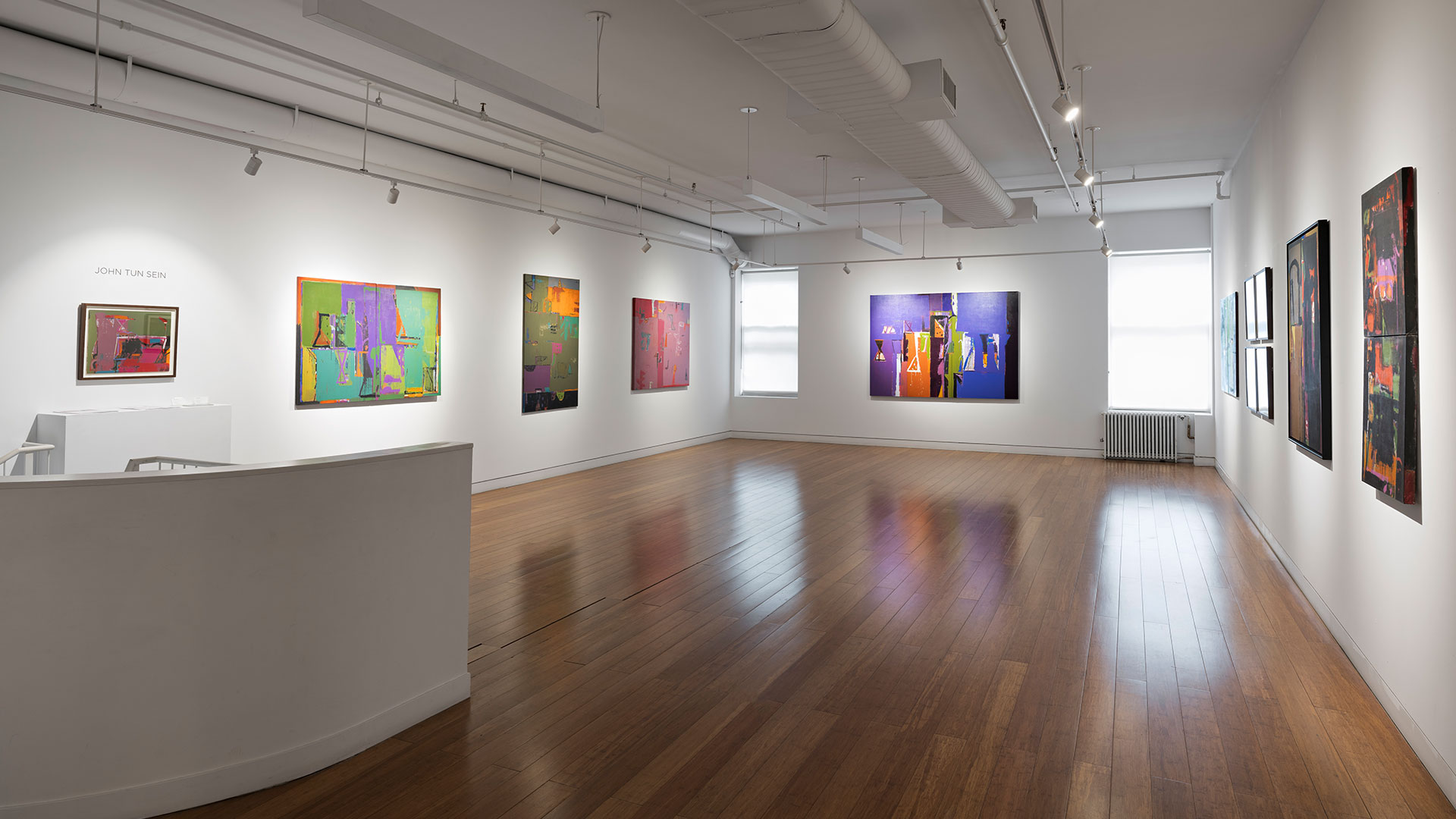
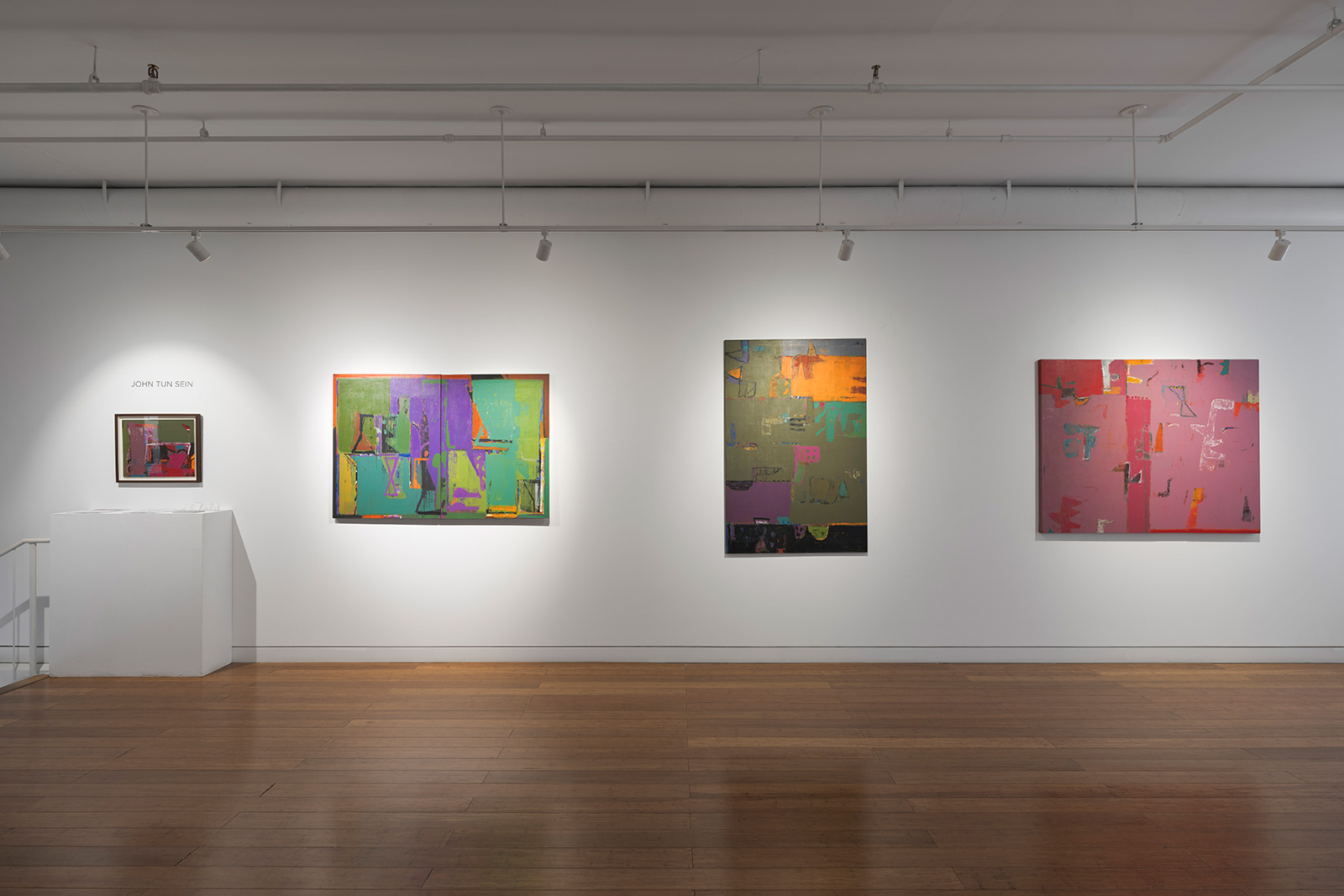
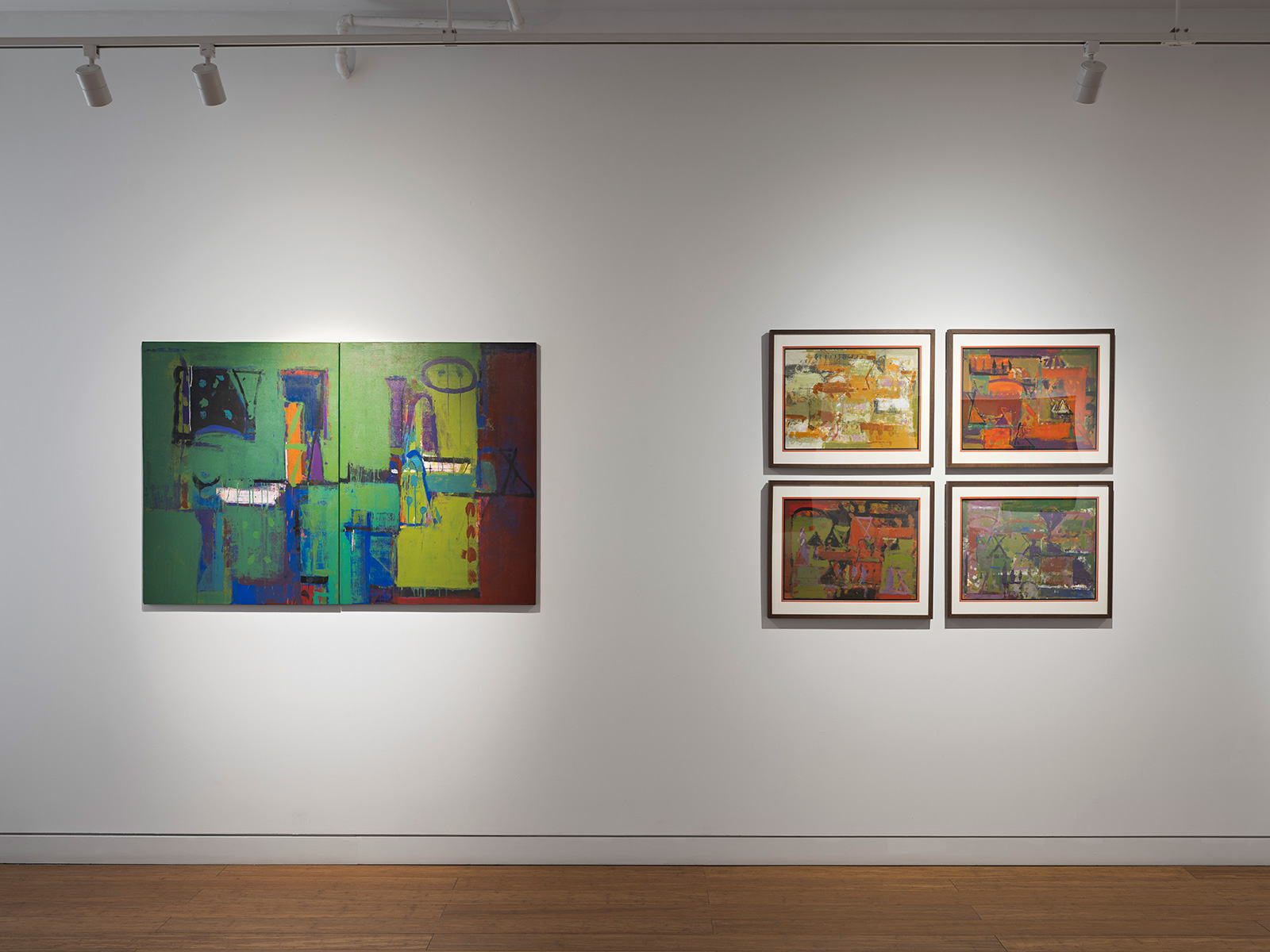
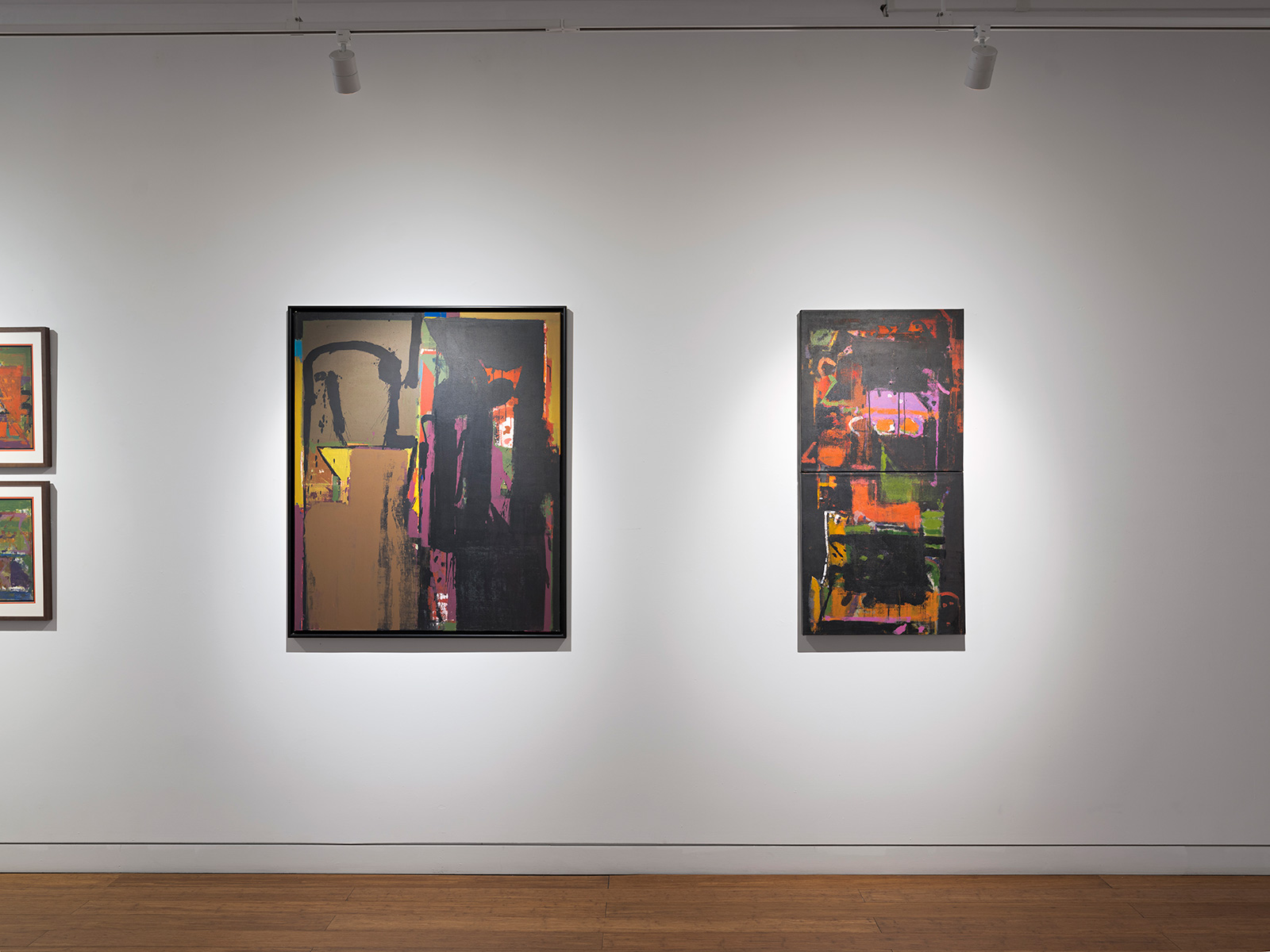
Aicon Art presents John Tun Sein, an exhibition of the late artist's abstract paintings. Bringing together a focused group of works from 2007, the exhibition revisits a deeply concentrated moment in the artist’s practice, when painting itself became both subject and process.
Trained in painting at the Sir J.J. School of Art in Bombay, where Prabhakar Kolte was a formative mentor, Tun Sein developed an abstraction rooted in the primacy of the painterly act. Kolte was once quoted as saying, “I paint first and see later, rather than see first and paint later.” Tun Sein’s practice may be understood in a similar spirit. However, unlike the heroic gestures often associated with Abstract Expressionism, his spontaneity was not driven by outward drama or theatrical intensity, but by an internal mechanism designed towards formal tensions. His work turned the painter's hand back onto itself.
This show presents that 'formal expressionism' through a group of intimate mixed-media works on canvas board and larger acrylic paintings on canvas. The small works carry the immediacy of studies, in hand with the distinction of a fully formed painterly world. In them, childlike marks, layered colour and seemingly casual gestures recall the freedom of Paul Klee, while resisting any fixed symbolic language.
The larger canvases expand this vocabulary into broader fields of colour and structure. Horizontal works open into atmospheric expanses, while the vertical formats suggest suspended architectures or interior scaffolds. Together, the works move between compression and expansion, form and formlessness.
Kolte once affectionately referred to Tun Sein as 'little Buddha', invoking the artist’s inward clarity and calmness. Tun Sein’s paintings did not seek to narrate the politics of the world, nor did they depend on declarative meanings. Instead, they sustained a magnetic visual presence through the lived experience of painting itself.
The exhibition considers Tun Sein’s belief in painting as an 'expanded totality' that began in personal experience and extended outward through the work. His paintings do not explain themselves; they ask to be felt. In their restless marks and contemplative surfaces, they invite viewers into a space where painting becomes less an image than an experience of looking.


 Sign in with Google
 Sign in with email