Enter your details to sign in
Don’t have an account?
Sign upOr you can sign in with
a single account for all
STIR platforms
All your bookmarks will be available across all your devices.
Stay STIRred
Already have an account?
Sign inOr you can sign up with
Verification link sent to check your inbox or spam folder to complete sign up process



We use cookies and similar technologies, to help provide you with a better, faster, and safer experience while delivering content
tailored to your interests.
By clicking on the AGREE button, closing this banner, clicking or navigating the website, you consent to the use of all cookies and similar technologies for the purposes we describe in our
Privacy Policy.
We use several cookies that are related to the functionality, security & user preferences,
analytics, and advertising. While some are essential, you may choose to dis-allow the use of others.
Please choose your preference, or opt for the best experience by closing this banner, clicking or navigating the website.
For more detailed information please read our Privacy Policy
 Connect
Connect
Connect





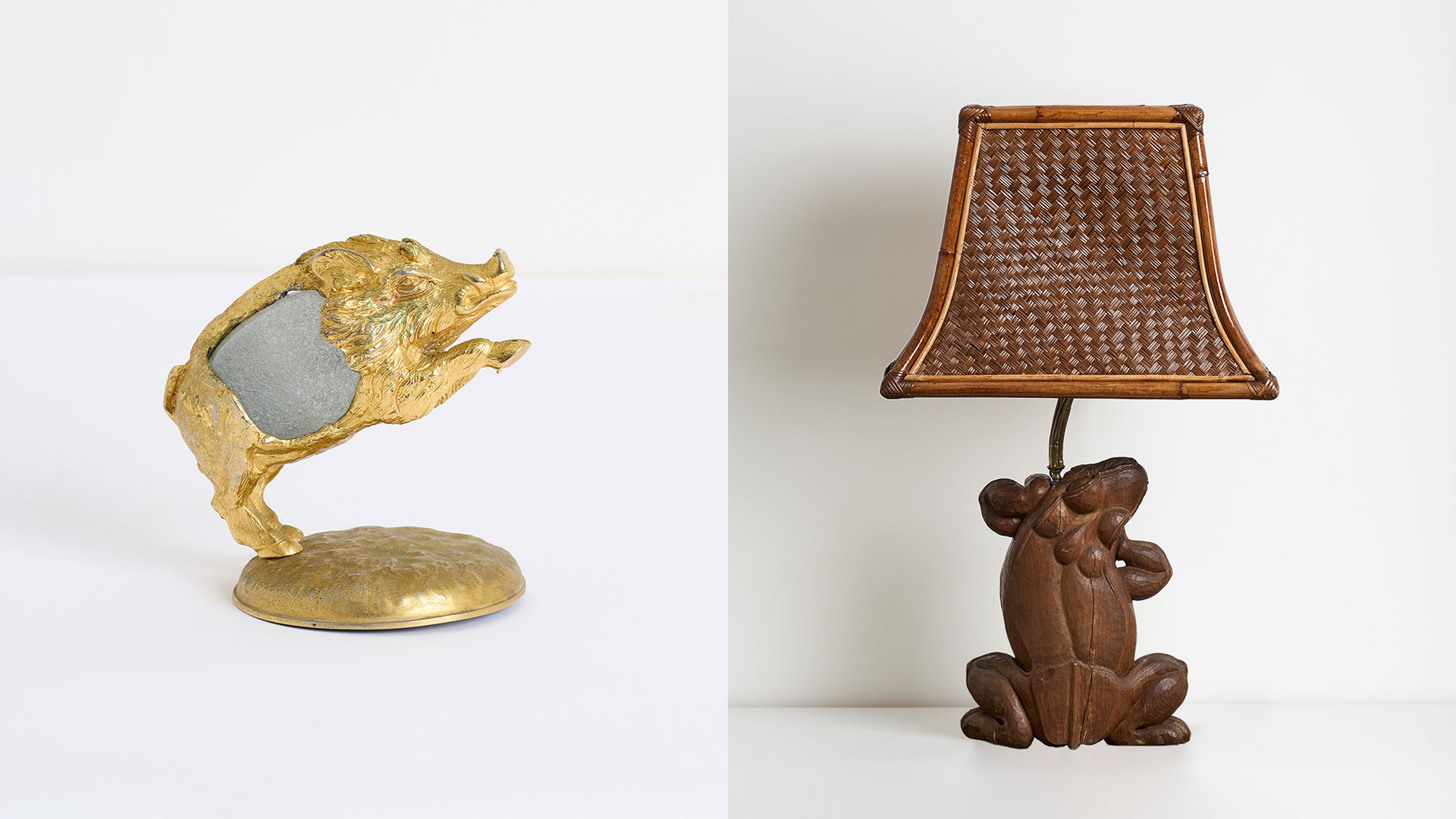
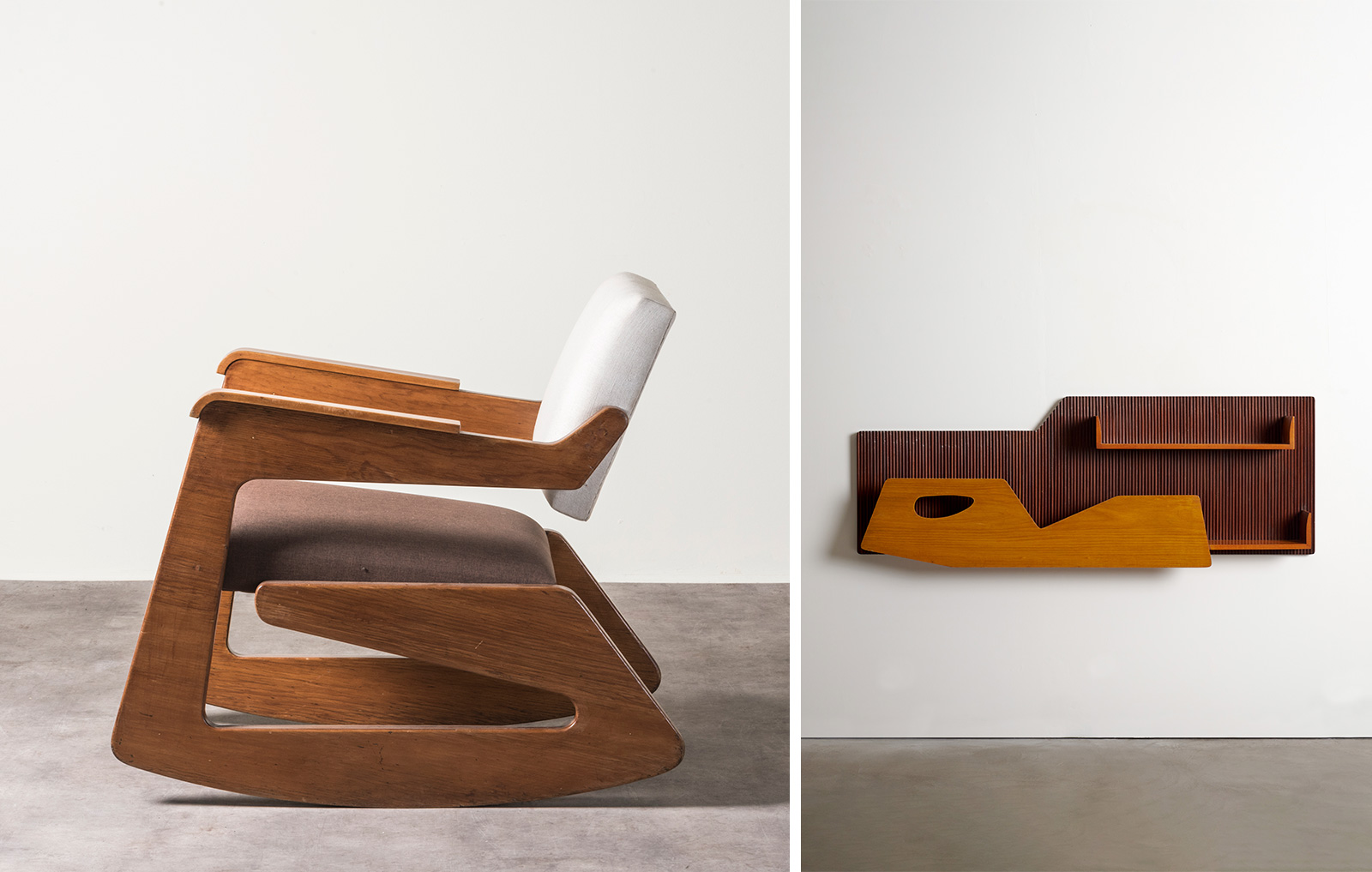
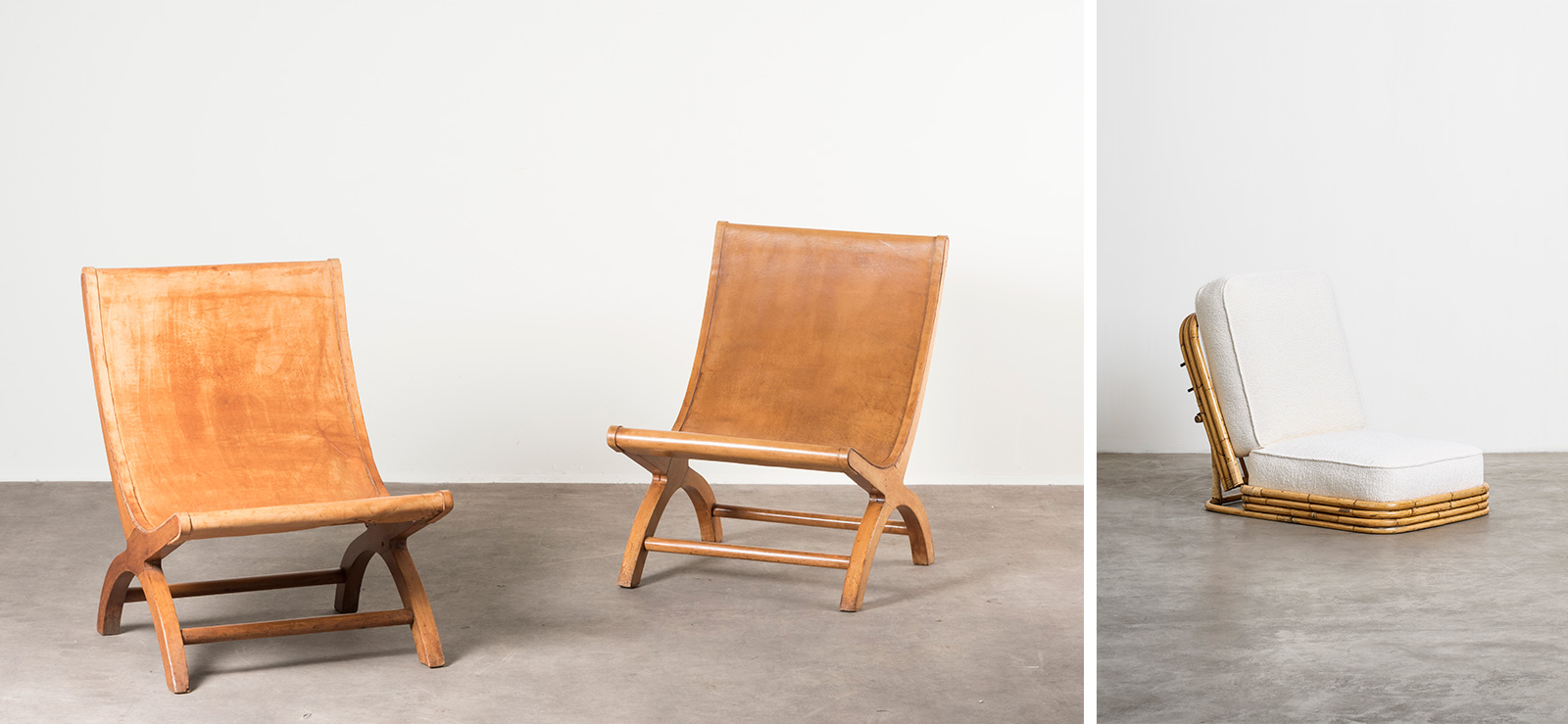
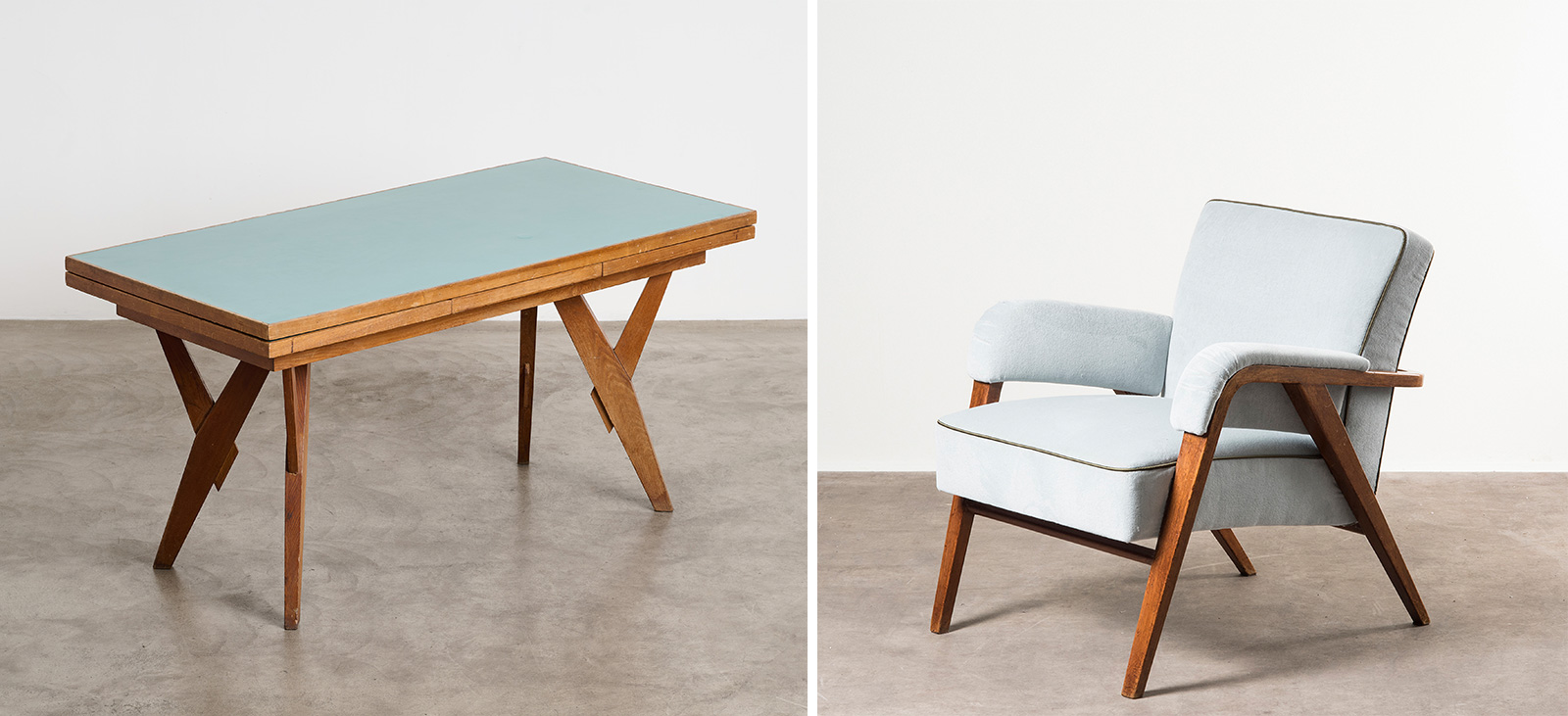
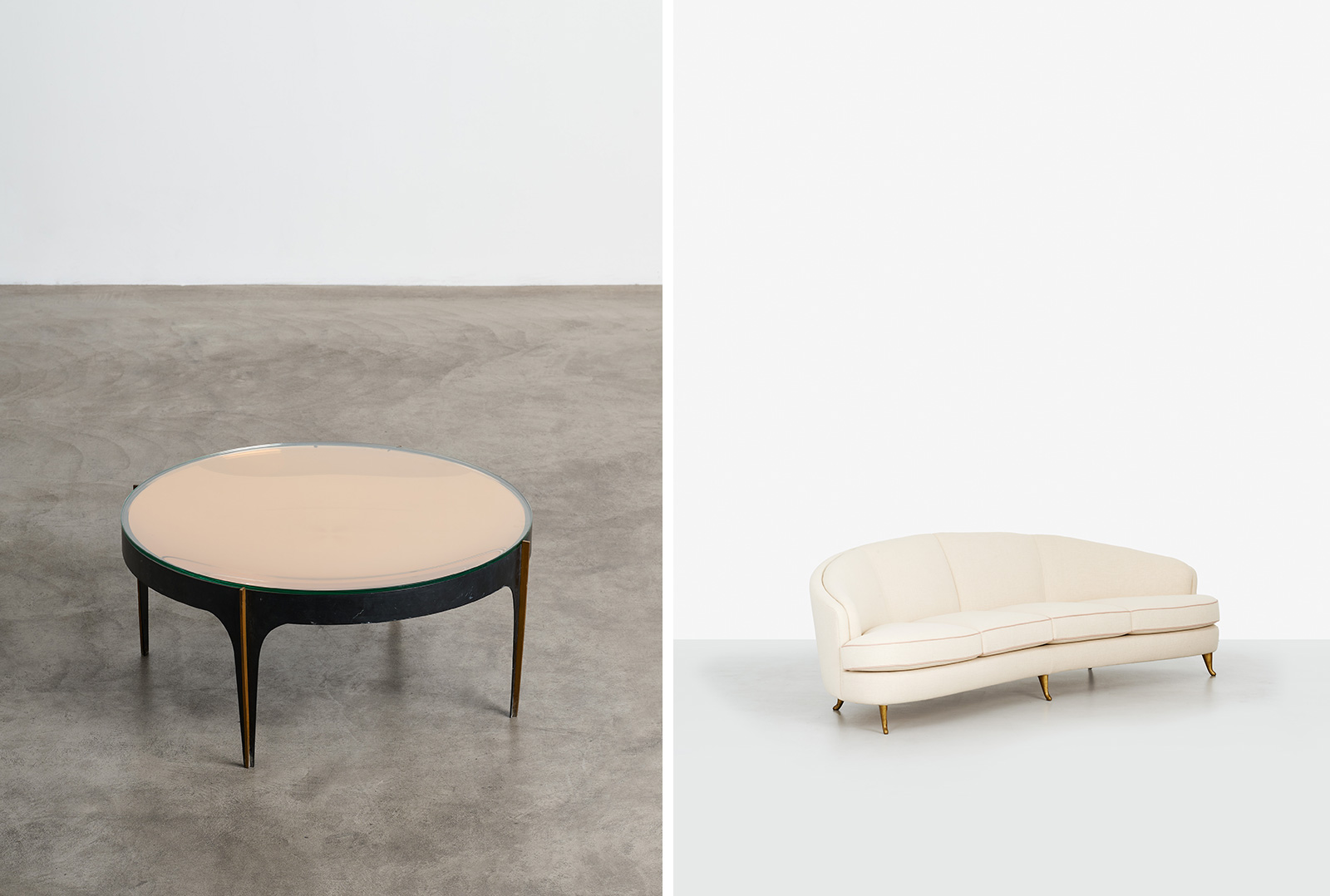
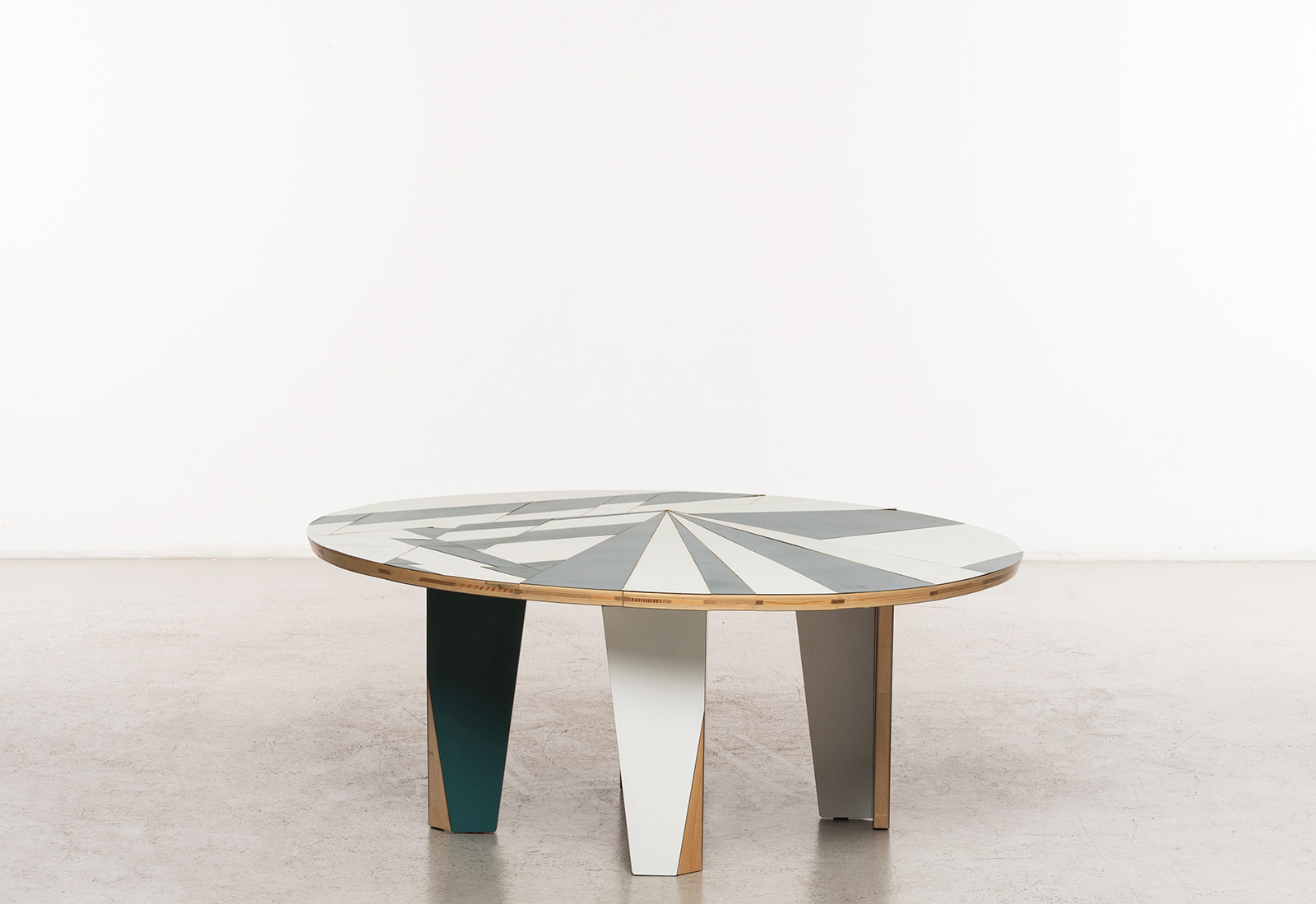
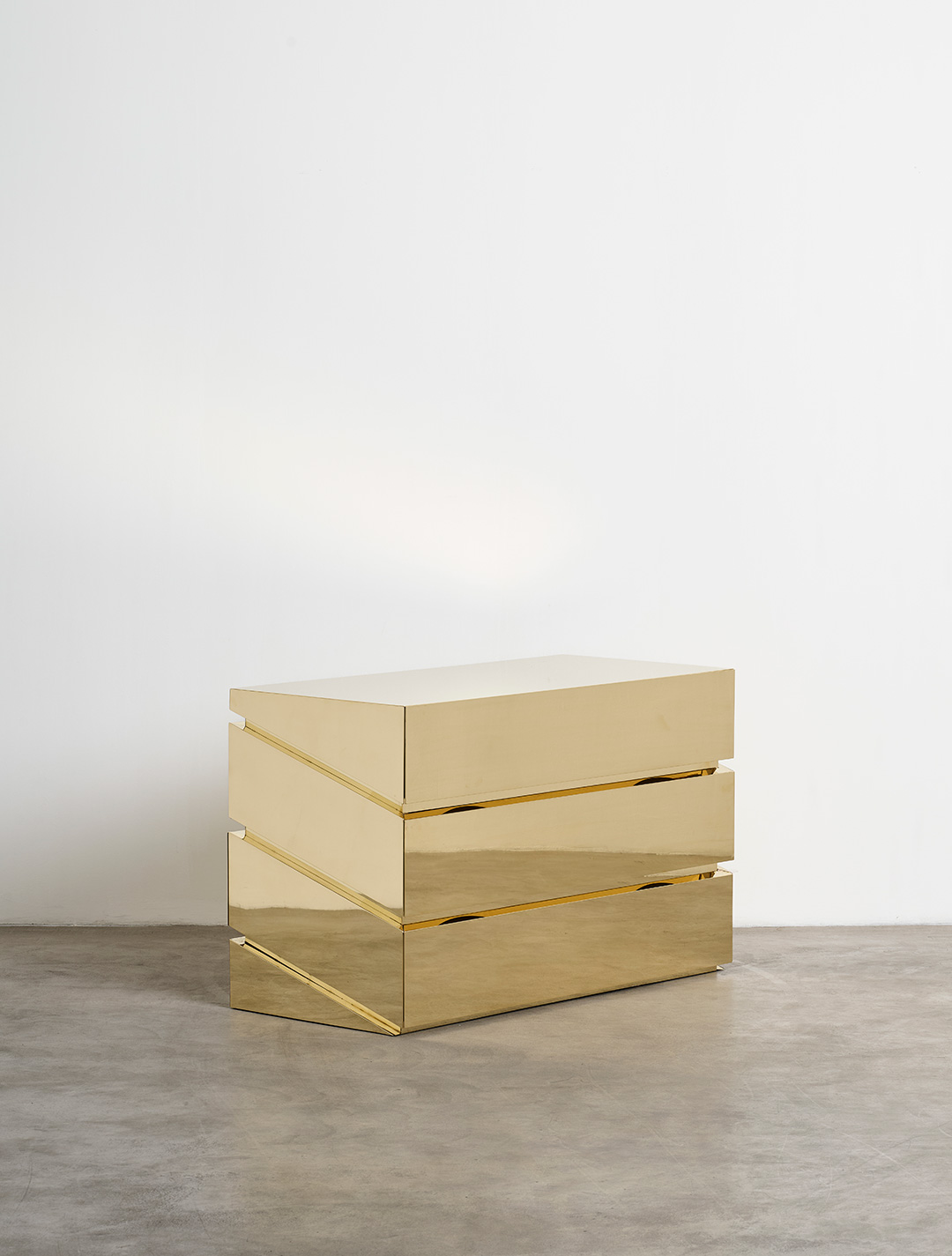
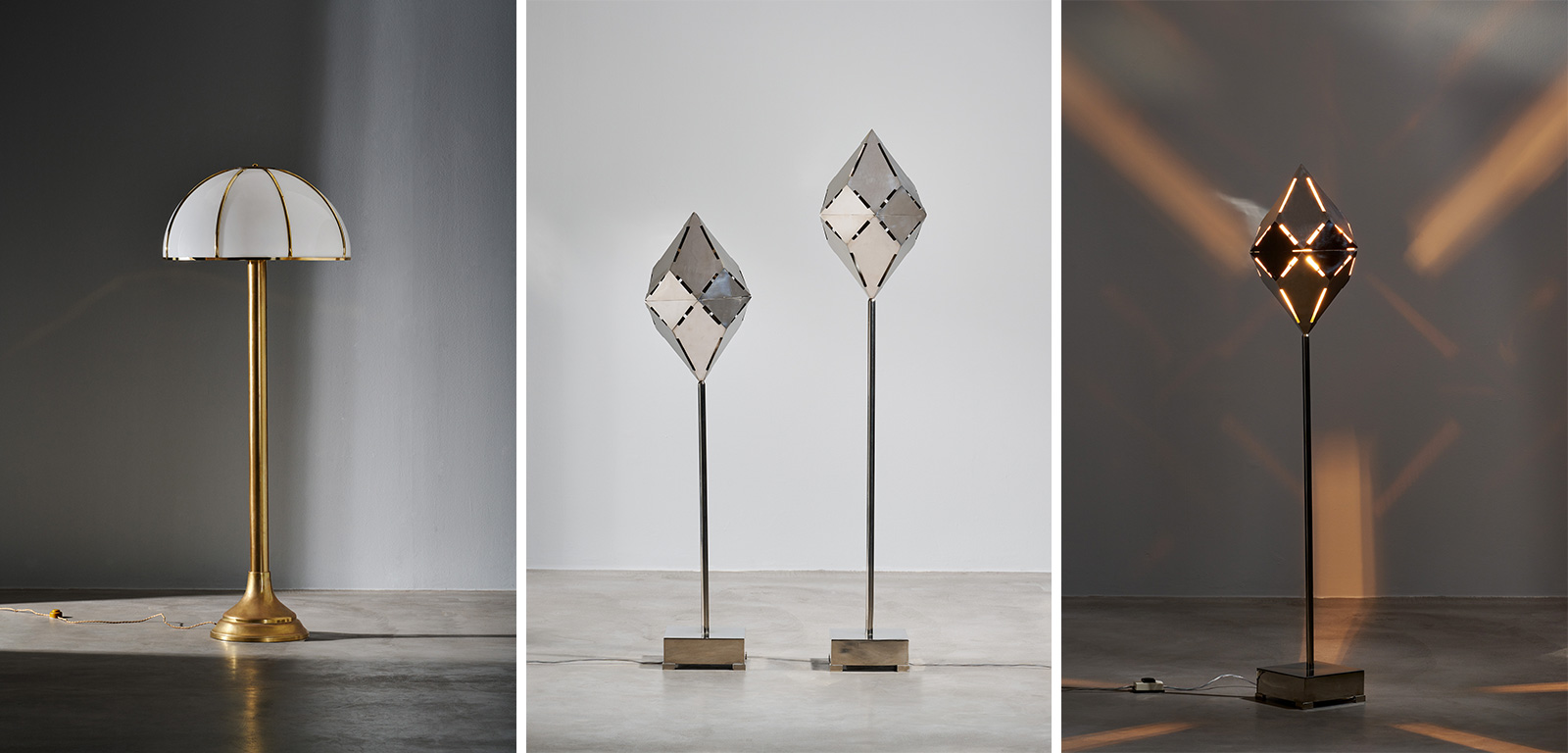
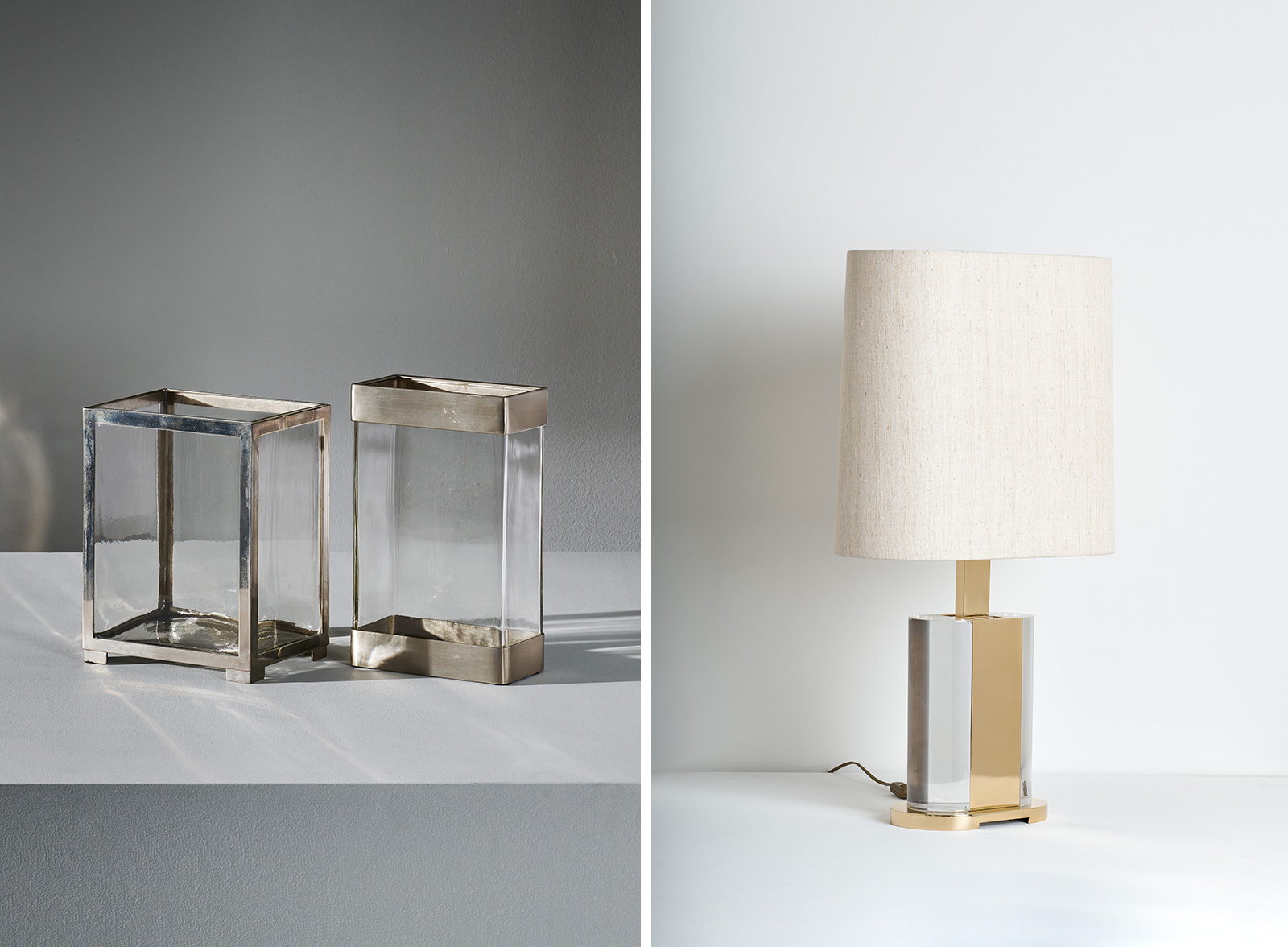
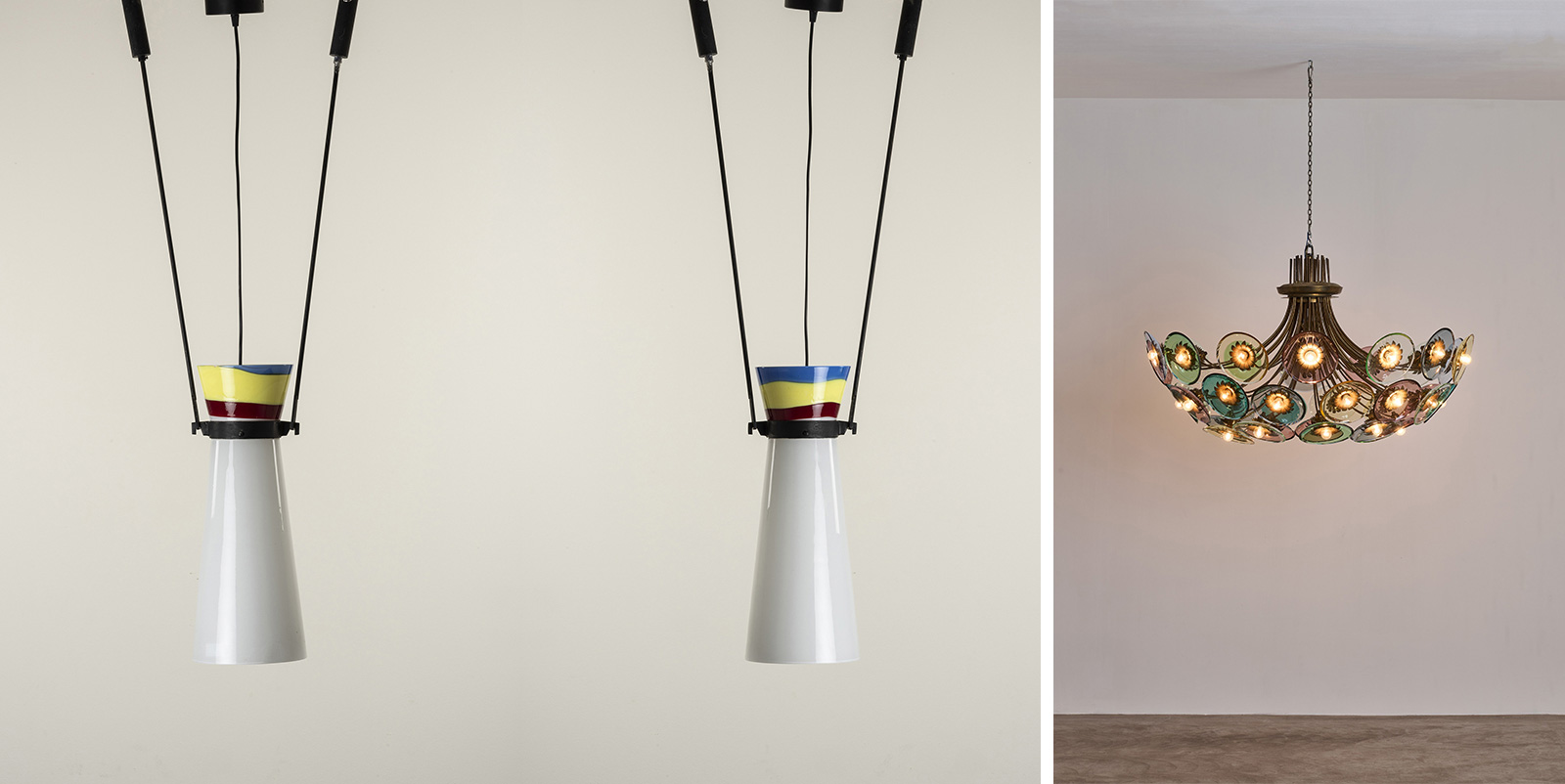
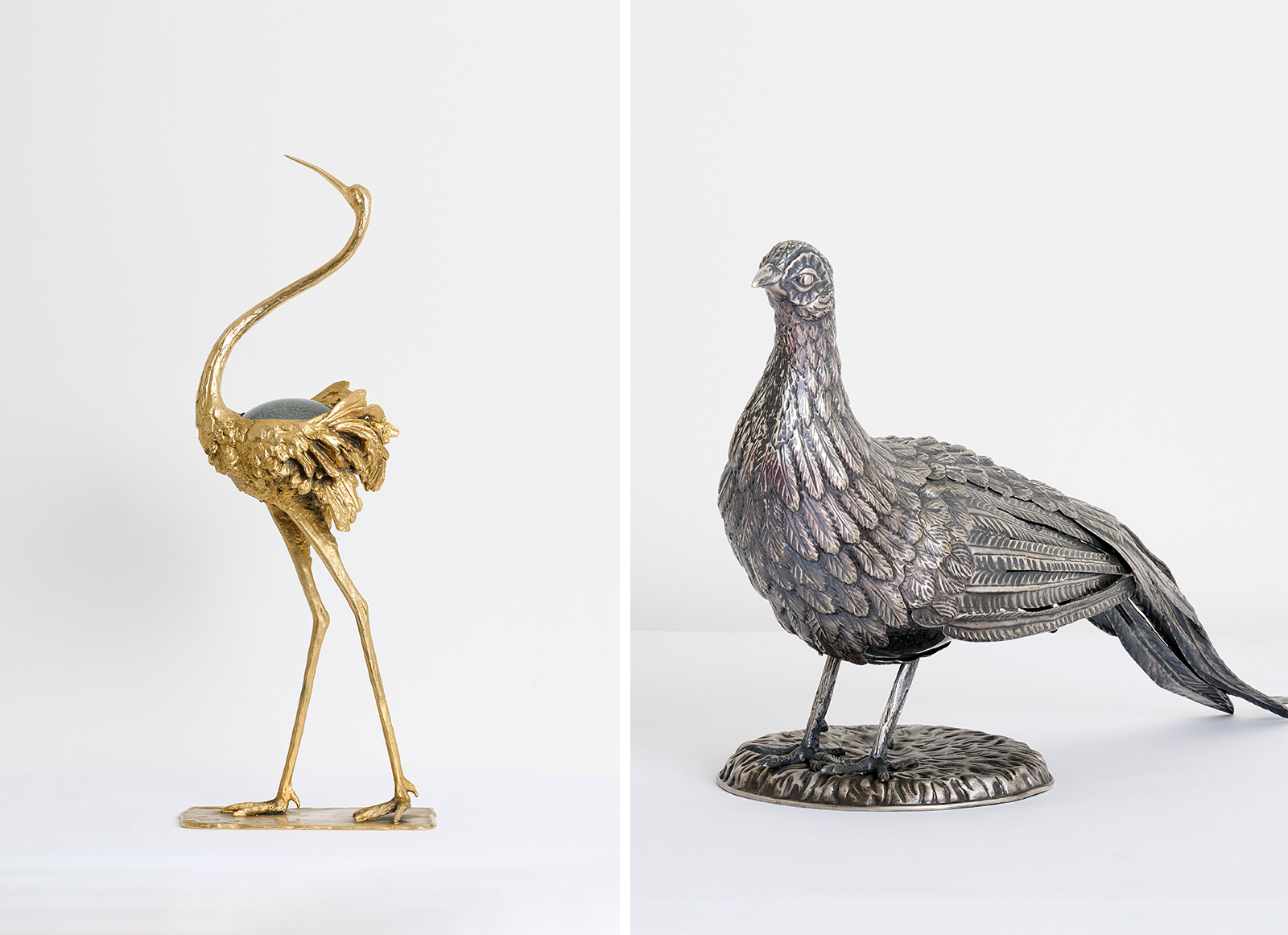
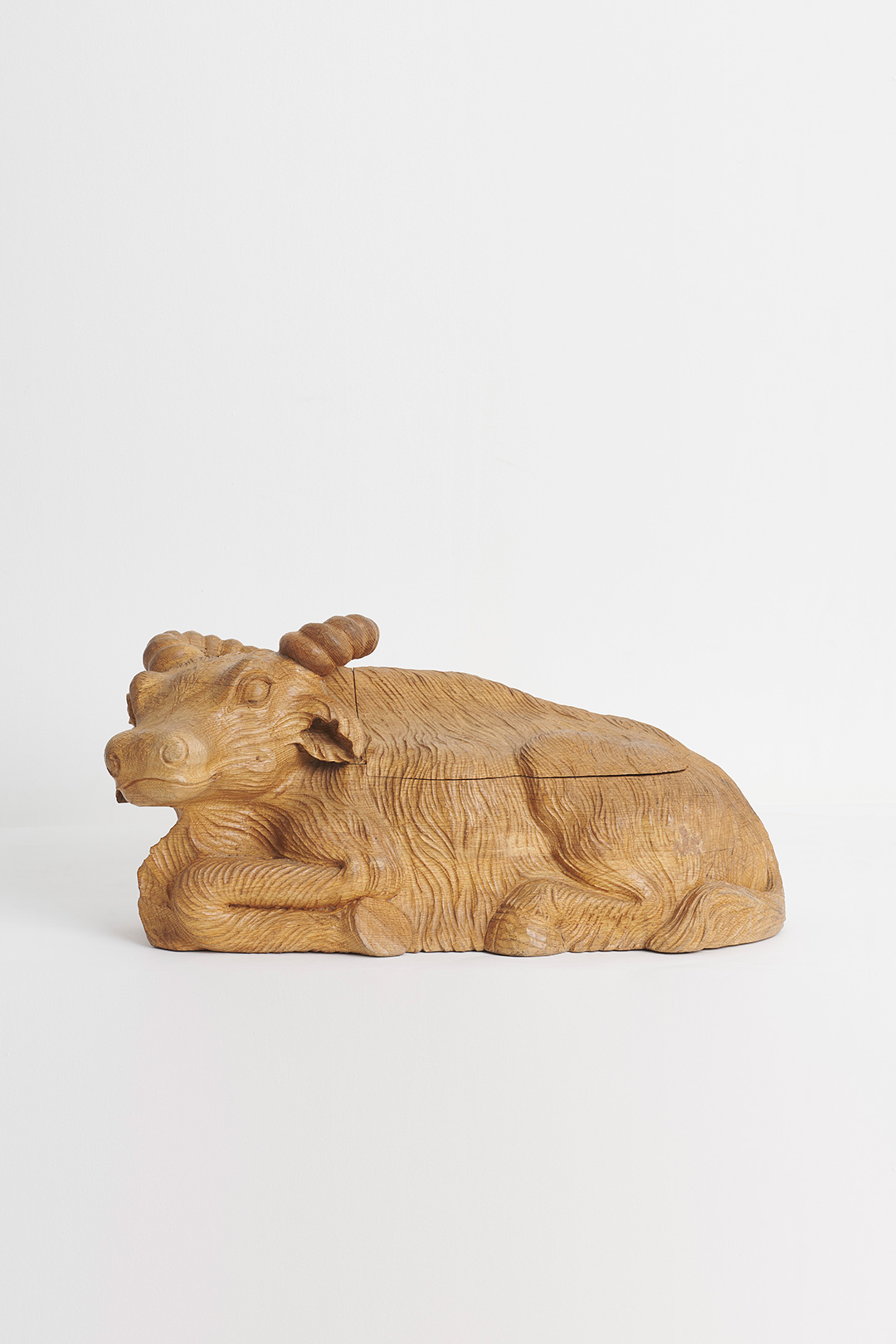
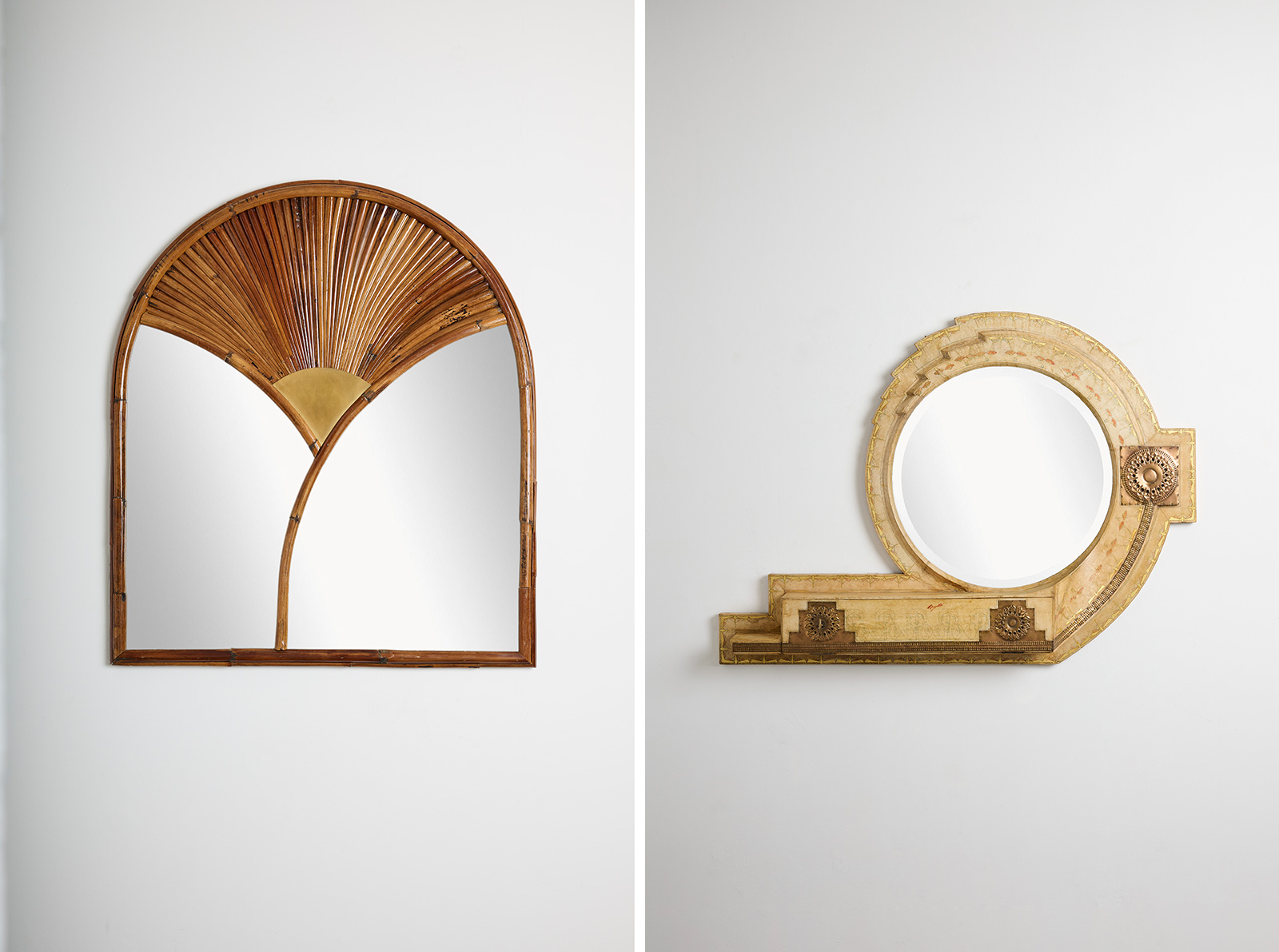
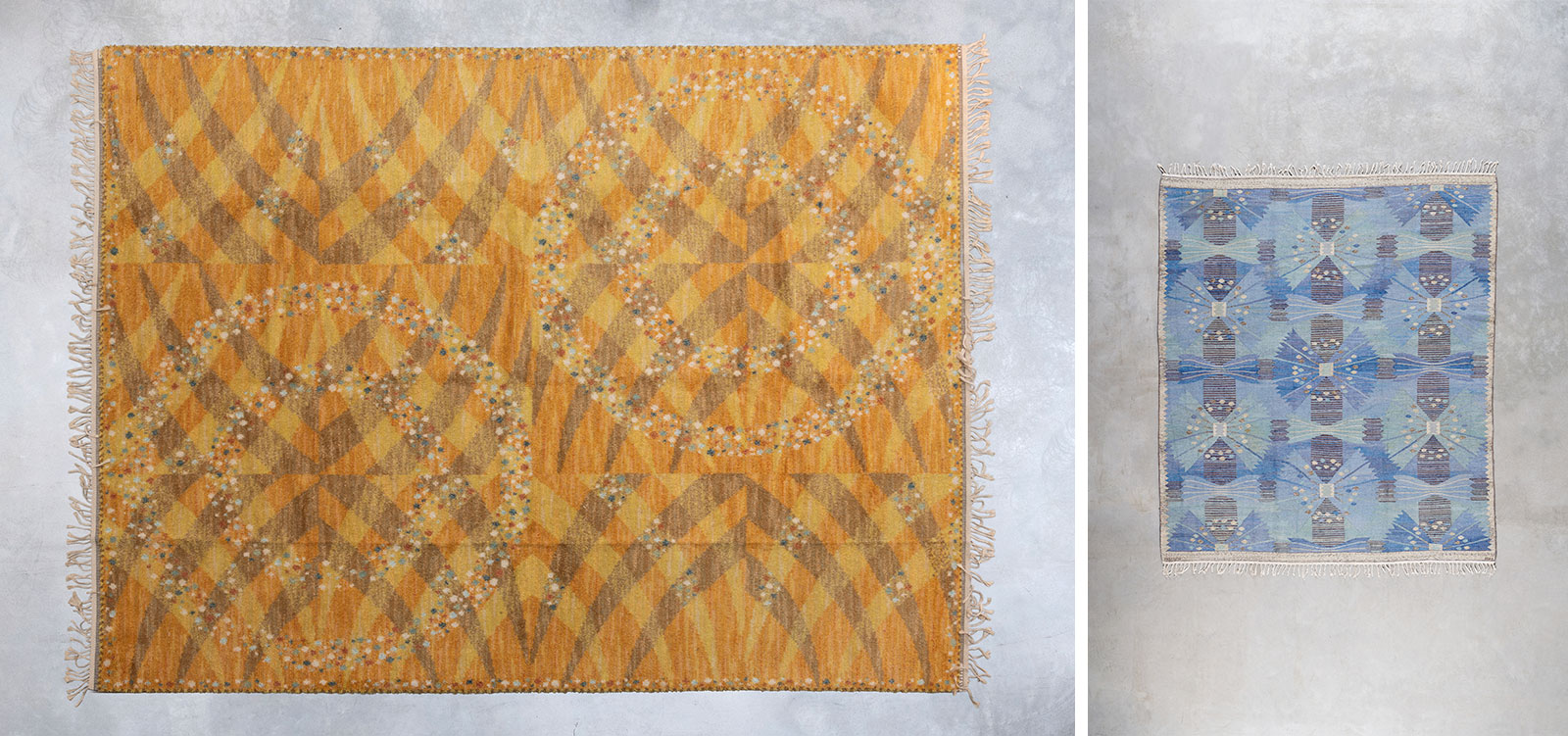
Nilufar returns to Galerie56 with Nilufar Grand Hotel Vista Mare, a new exhibition opening once again within the spaces of 240 Church Street in New York. Conceived as a continuation of Nilufar Grand Hotel, first presented during Milan Design Week 2026, the project extends Nilufar’s exploration of hospitality as a curatorial and spatial medium, investigating how collectible design can construct atmospheres, narratives and emotional states.
The second chapter of the collaboration between Nina Yashar, founder of Nilufar and Lee F. Mindel, FAIA, founder of Galerie56 and Shelton Mindel, marks a natural evolution of their dialogue between collectible design and architecture. Following the immersive and layered world introduced in Milan, Nilufar Grand Hotel Vista Mare embraces a more introspective and suspended atmosphere.
“Coming back to Galerie56 allowed us to approach things differently,” says Yashar. “After La Dolce Vita, I felt the need to slow down the narrative, to look at objects in a more suspended way, almost as if time itself was part of the composition.”
Lee F. Mindel says, “Rather than recreate the Milan exhibition, we wanted to offer a new experience, one shaped by New York, by summer and by the enduring idea of Venice. For me, the gallery became a kind of grand hotel where architecture, light and extraordinary objects come together to create an atmosphere as much as an exhibition. The works are not merely on display: they create a space where design and cinema converge.”
Echoing the cinematic inspirations that shaped their debut, the project once again enters into dialogue with Italian cinema. At Galerie56, the 2025 inaugural presentation drew inspiration from La Dolce Vita, exploring vintage masterpieces and contemporary design through a rare selection of collectible furniture and objects, primarily created between the 1930s and the 1970s. Framed through the lens of one of the defining works of Italian cinema by Federico Fellini, the exhibition celebrated the golden age of Italian creativity, innovation and craftsmanship.
This new edition turns to a more layered and contemplative sensibility, drawing on Death in Venice (1971)—Luchino Visconti's cinematic adaptation of Thomas Mann’s novella—where beauty is contemplated in its most delicate and ephemeral condition and objects become vessels of memory, imbued with poetic depth and melancholic resonance.
Within this framework, the hotel becomes an emotional and contemplative landscape —a curatorial device through which design unfolds as experience.
Drawing from this imaginary, the exhibition reflects on stillness, distance and the quiet intensity of time passing, through a curated selection of vintage and contemporary collectible pieces, spanning Italian and international design masters from the mid-century onwards, where material research, craftsmanship and authorship converge.
Among the highlights is an extendable dining table by Carlo Mollino, designed around 1956 for Apartment O at Casa del Sole in Cervinia and manufactured by Ettore Canali. Reflecting the architect's vision of alpine domesticity, the table transforms functional requirements into an elegant composition where structural clarity and material richness coexist.
This interplay between function and atmosphere continues with a mirror designed by BBPR in the 1950s, whose restrained composition reflects the essential vocabulary of Italian Rationalism, defined by clarity of structure and the refined use of brass and nickel-plated metal.
From this measured, almost architectural language, the exhibition moves into Gabriella Crespi's poetic universe, dense with symbolism and natural references. A rare Monsieur Madame chest of drawers (1970s) introduces ideas of transformation and duality, where movement becomes an intrinsic part of the object itself. Light and reflection further expand these themes through Crespi's Fungo floor lamp and Caleidoscopio series, where brass, bamboo and faceted geometries amplify the works' atmospheric presence. This exploration continues with the Bauletto table lamp, while the Rising Sun mirror offers a more symbolic interpretation of nature, translating organic references into reflective surfaces and luminous forms.
Alongside these works, the showcase brings together a constellation of twentieth-century design voices. A Miguelito armchair by Luis Barragán, a Magdalena carpet by AB Märta Måås-Fjetterström designed by Barbro Nilsson and a model 1774 low table by Fontana Arte broaden the exploration of material, structure and craftsmanship. The dialogue continues through Gio Ponti's legacy, represented by a rare bookshelf manufactured by Altamira and a unique work by Martino Gamper, created during his 2007 performance ‘Gio Ponti translated by Martino Gamper’. Reworking furniture originally designed by Ponti for the Hotel Parco dei Principi in Sorrento, Gamper transforms deconstruction into a process of reinterpretation, establishing a dialogue between modernist heritage and contemporary design practice.
The presentation culminates with two exceptional works by Carlo Bugatti and Pietro Chiesa, whose rarity is matched only by their mastery of material and craftsmanship. A rare mirror by Bugatti reveals the designer's extraordinary command of materials—parchment, repoussé brass, embossed copper and mother-of-pearl—while Chiesa's ceiling light transforms coloured crystal and brass into a luminous composition of remarkable refinement. Together, they embody the formal invention, mastery of materials and craftsmanship that define the rich tradition of Italian design.
By bringing together historical and contemporary works within a carefully composed environment shaped by light, material and memory, the exhibition allows each piece to unfold in its own temporal dimension, creating a continuous field of perception.
In New York, the collaboration with Lee F. Mindel and Galerie56 extends this vision, aligning it with Nilufar’s ongoing approach to exhibition-making, where hospitality becomes a curatorial device through which collectible design opens onto different cultures and narratives, subtly informing the living space.



 Sign in with Google
 Sign in with email