


 Sign in with Google
 Sign in with email



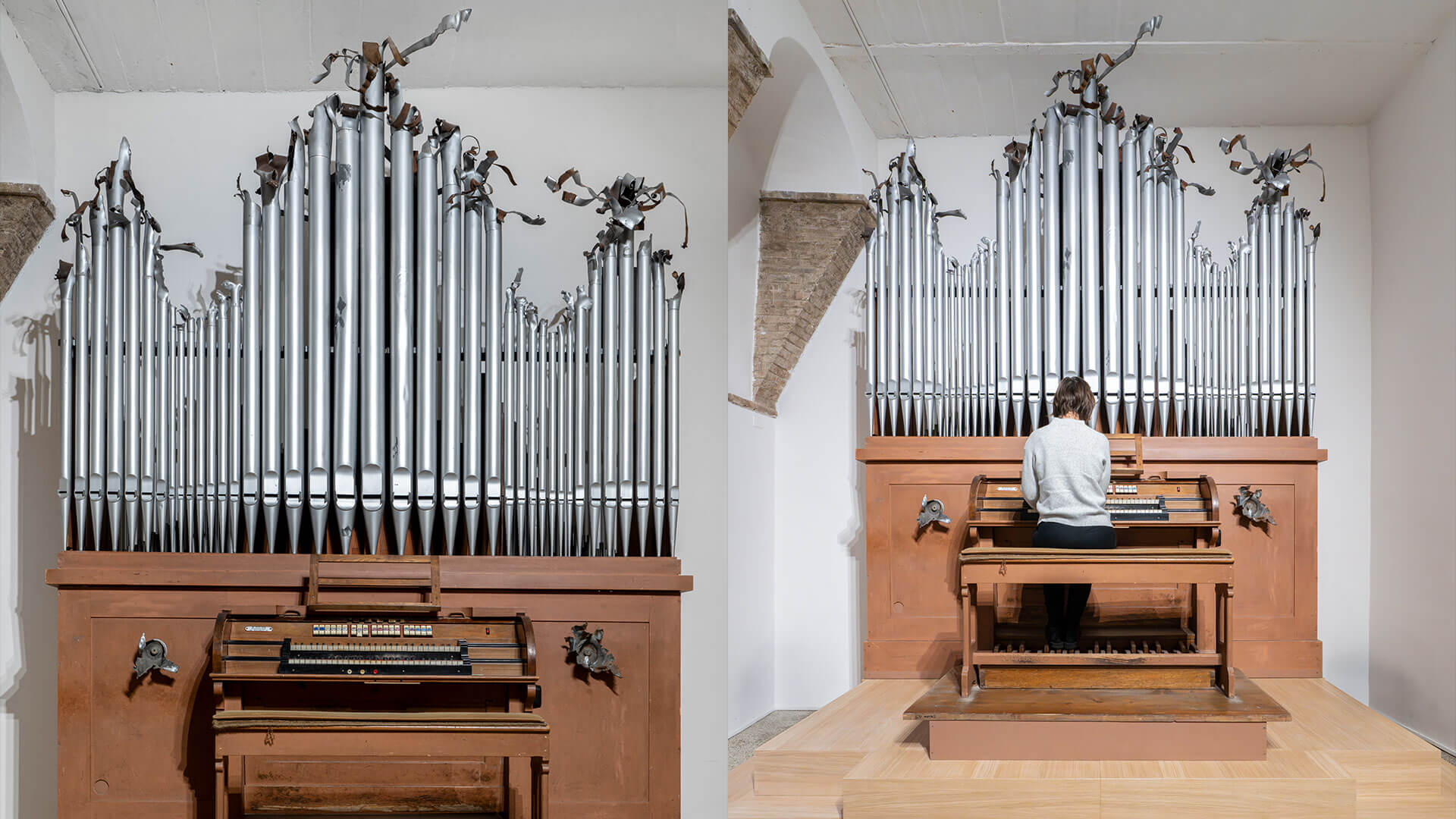





Galleria Continua presents Instrument, a solo exhibition by Ukrainian artist Zhanna Kadyrova, at their San Gimignano location in Italy. On view from January 24 – April 19, 2026, the art exhibition offers a powerful reflection on hope, resistance and the endurance of culture in times of war. “A messenger of an art that speaks to the present, Kadyrova examines her own personal experience, positioning herself as a witness to war and to everyday life in Ukraine, and invites a reflection on humanity,” Galleria Continua notes in the official release.
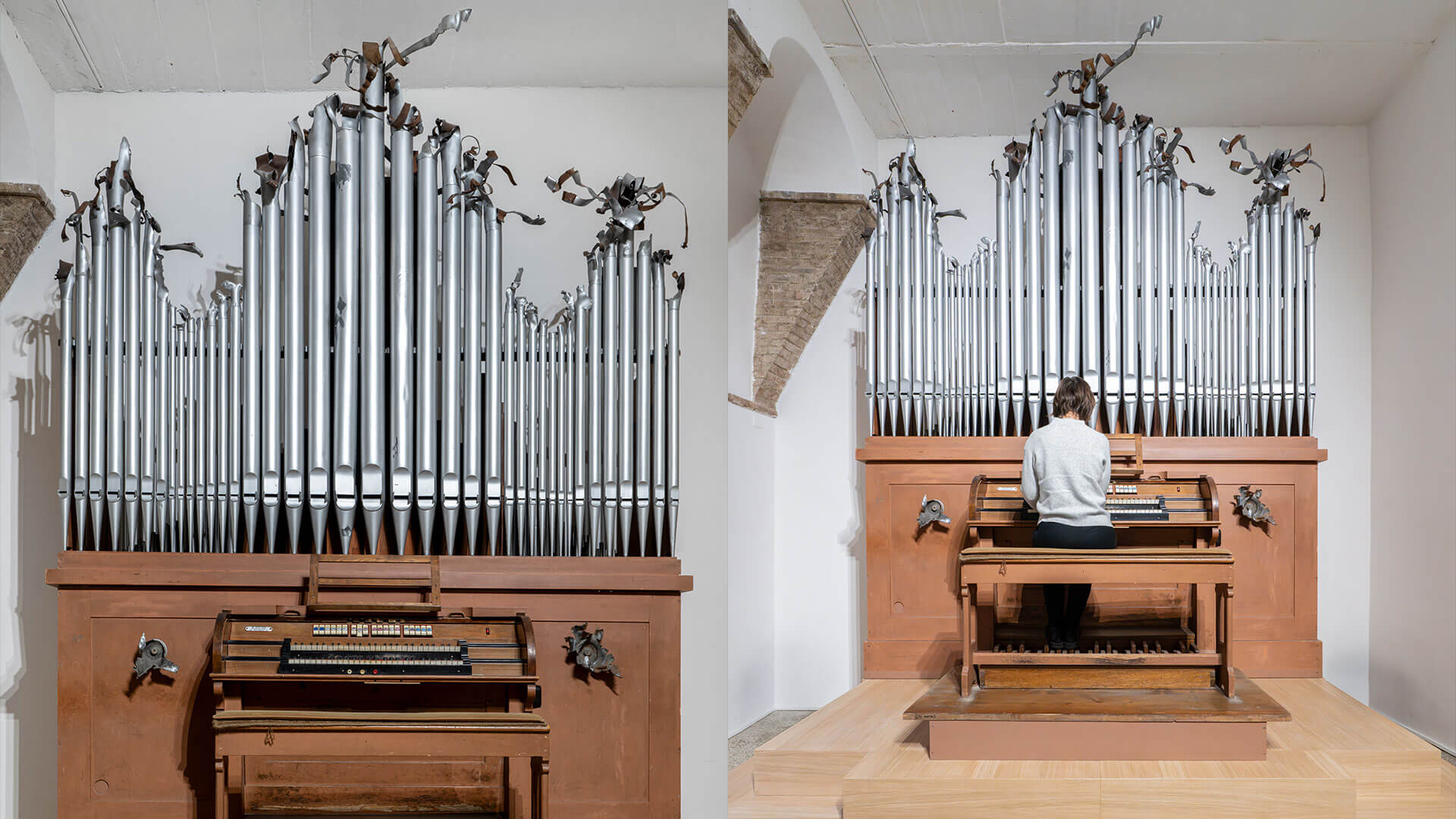
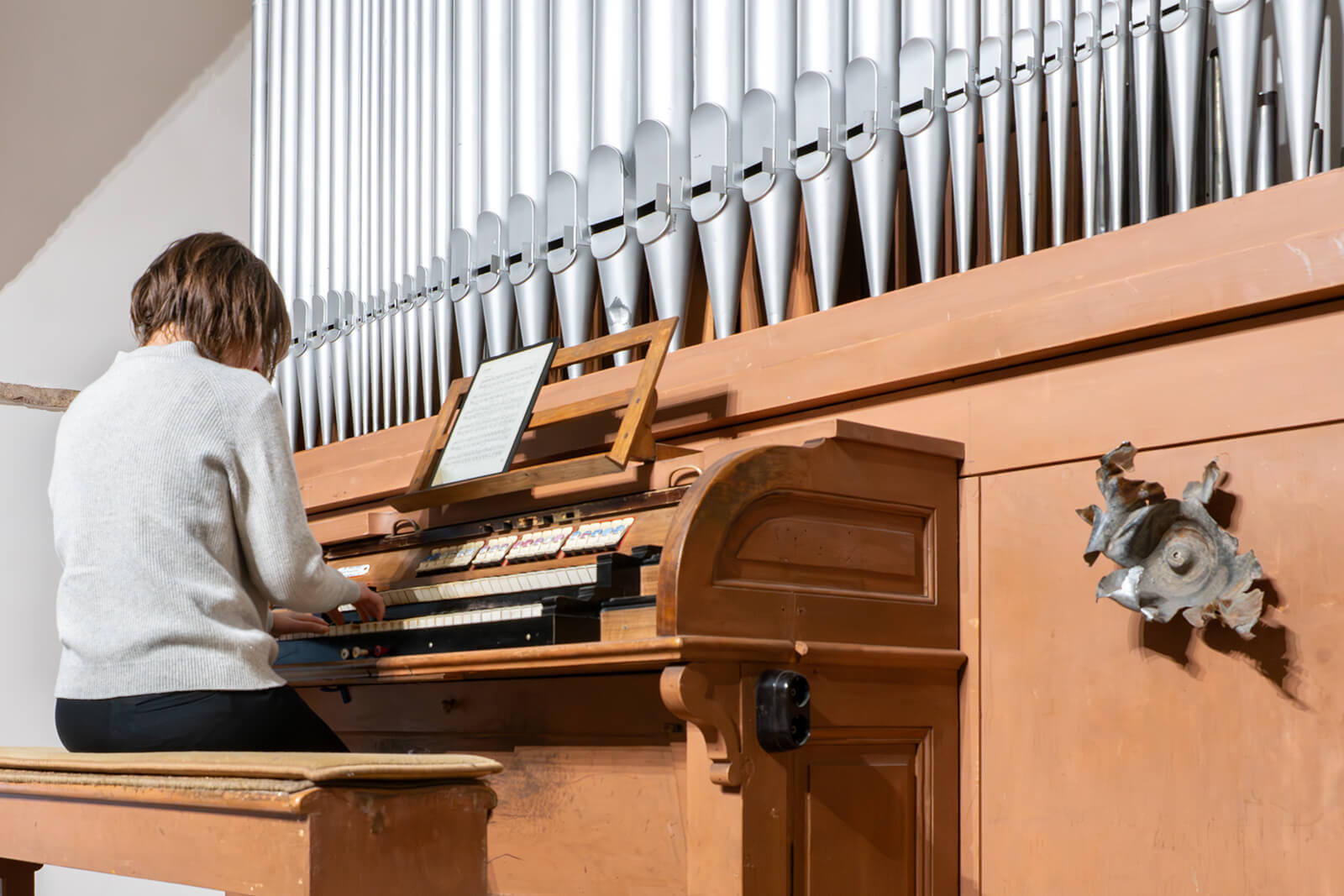
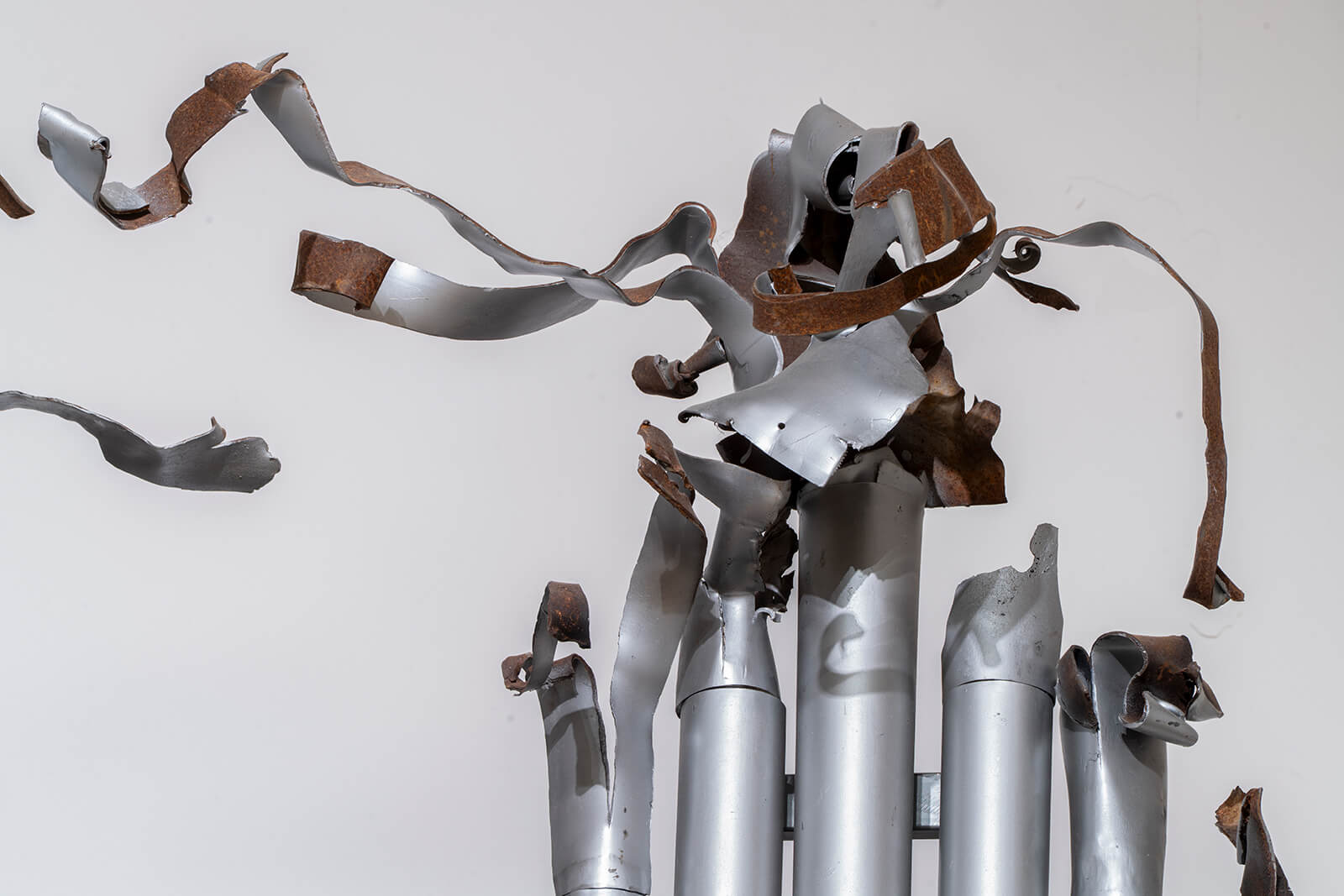
At the heart of the eponymous exhibition is the installation Instrument, a playable organ constructed from fragments of missiles launched by the Russian army and torn apart by explosion. Originally commissioned in 2024 by the PinchukArtCentre in Kyiv, the work debuted in From Ukraine: Dare to Dream, a collateral event of the 60th Venice Biennale. “Presented in San Gimignano with a performance by musician Chiara Saccone, Instrument offers a moving meditation on the unbreakable spirit of culture in times of war,” the contemporary art gallery notes.
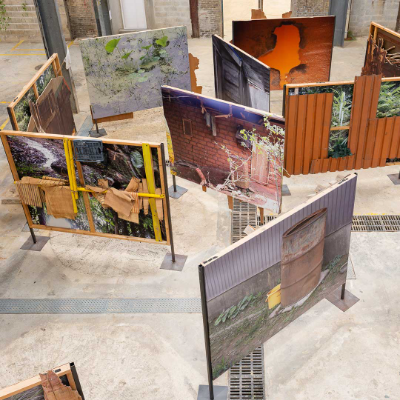
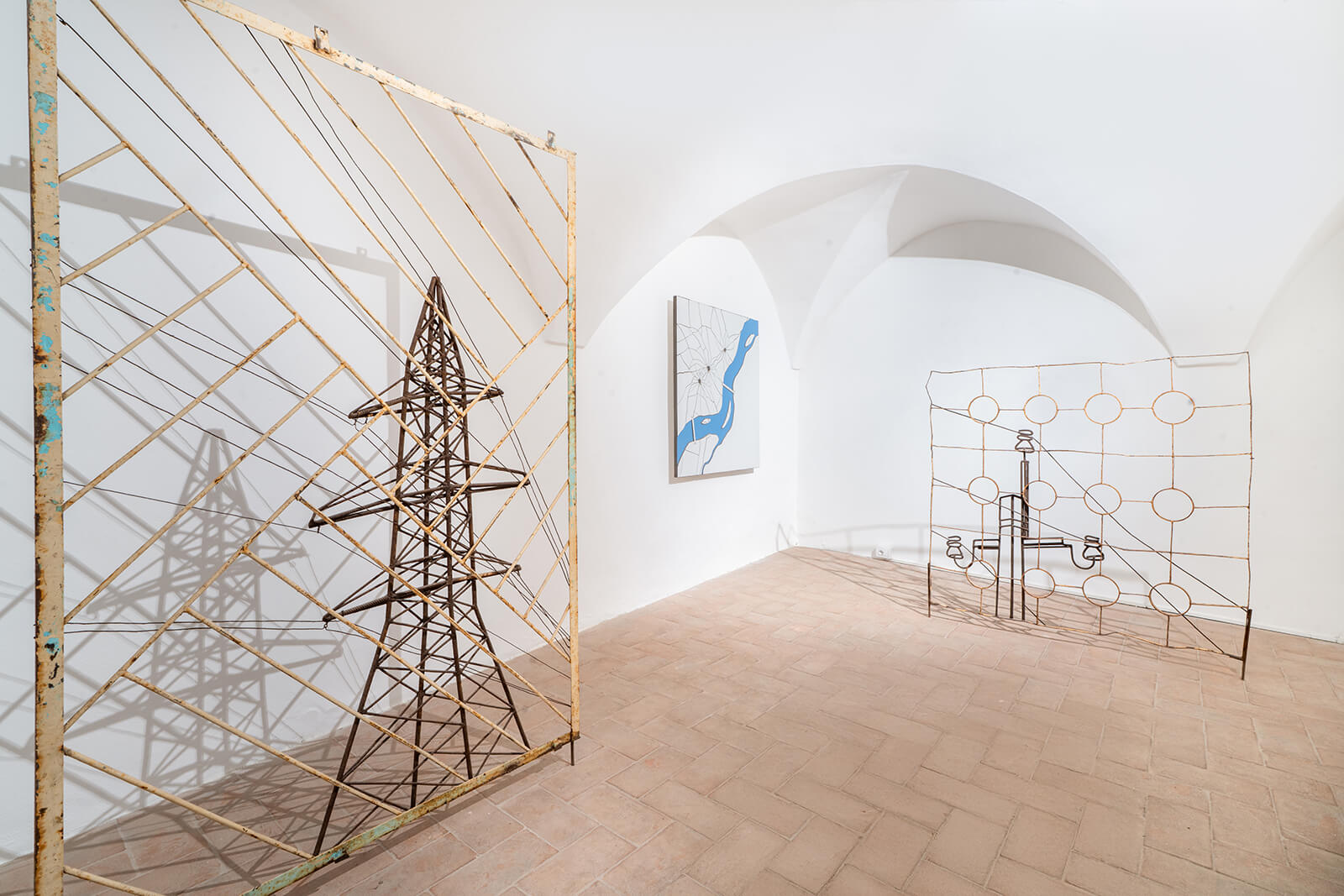
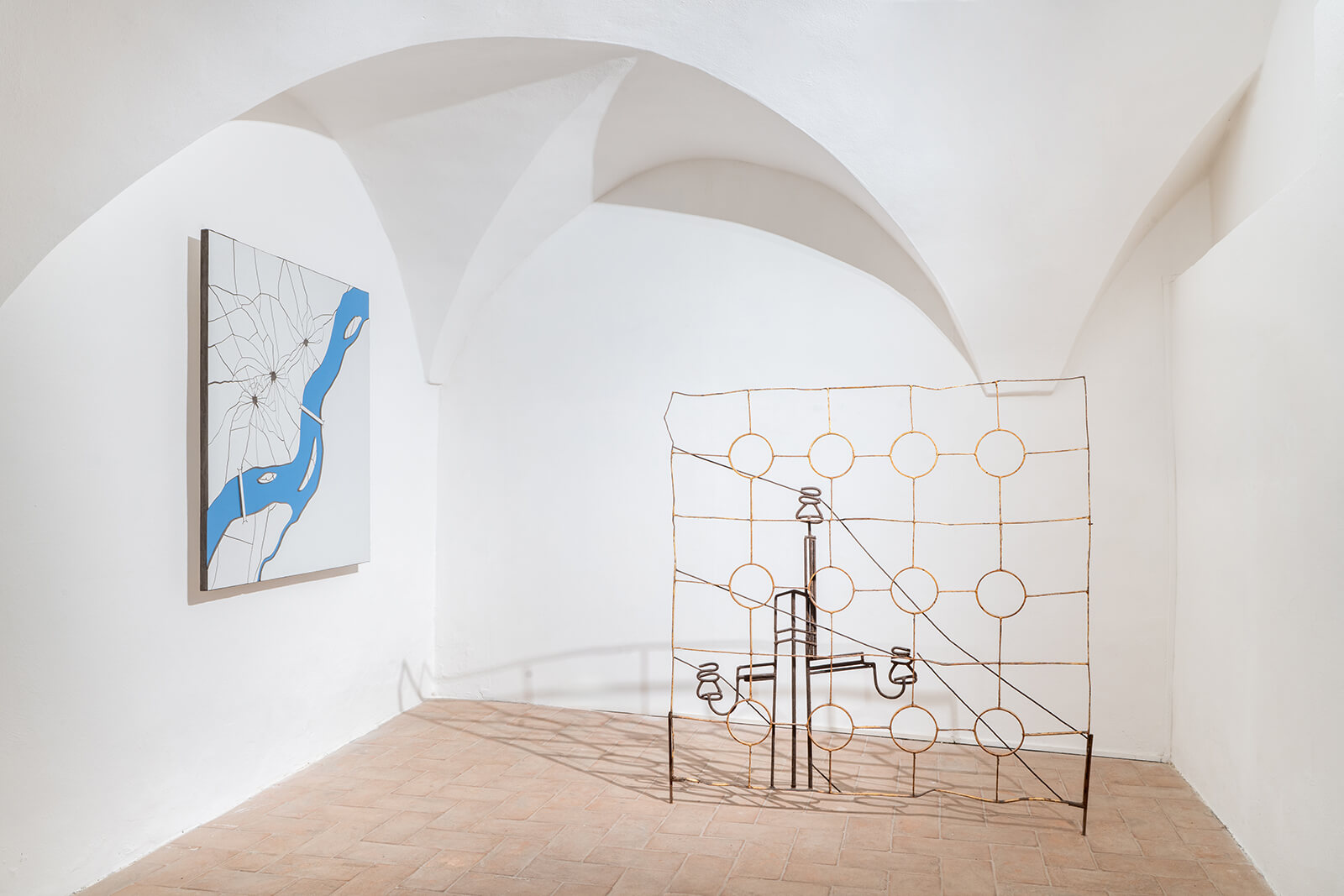
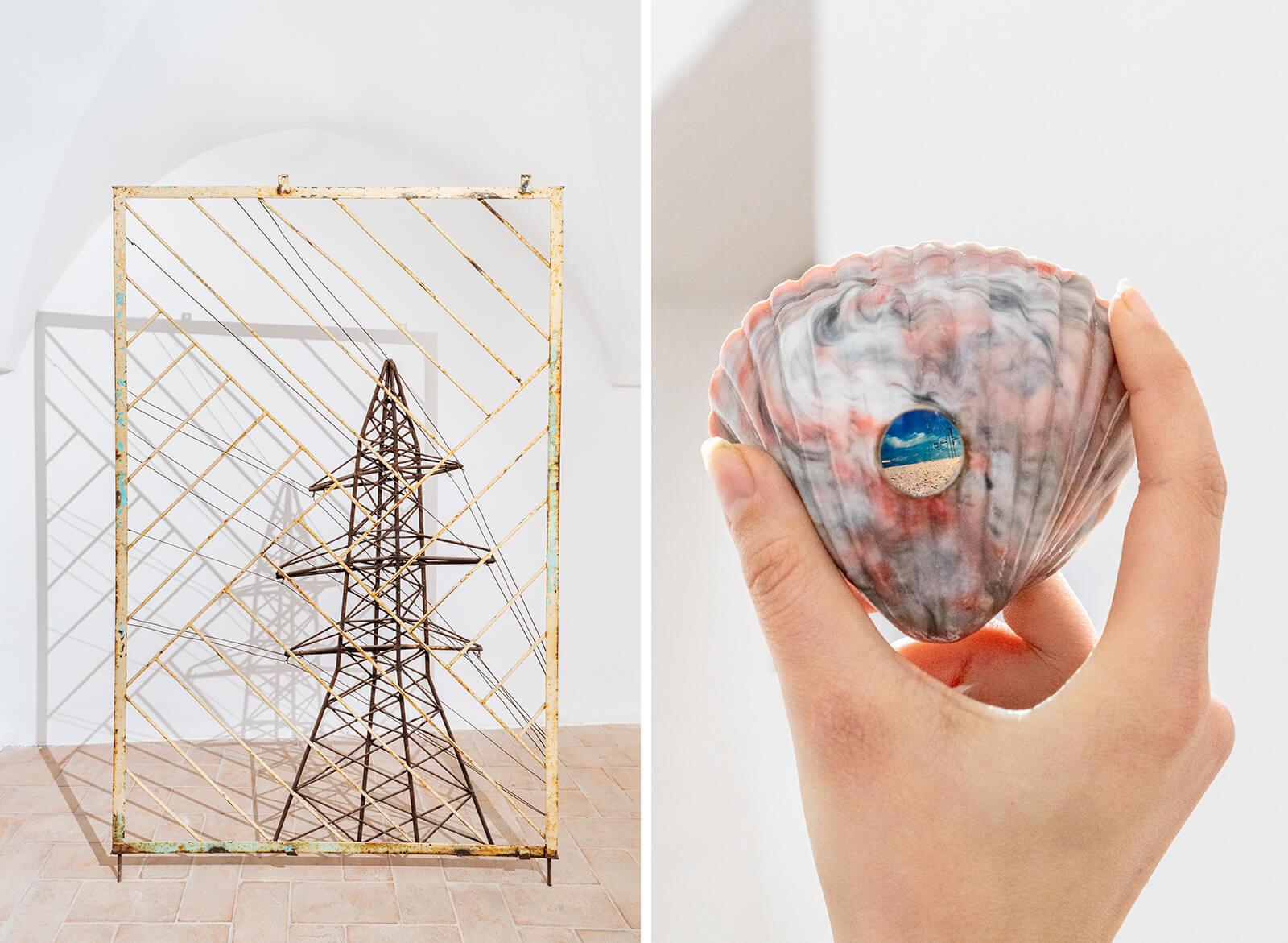
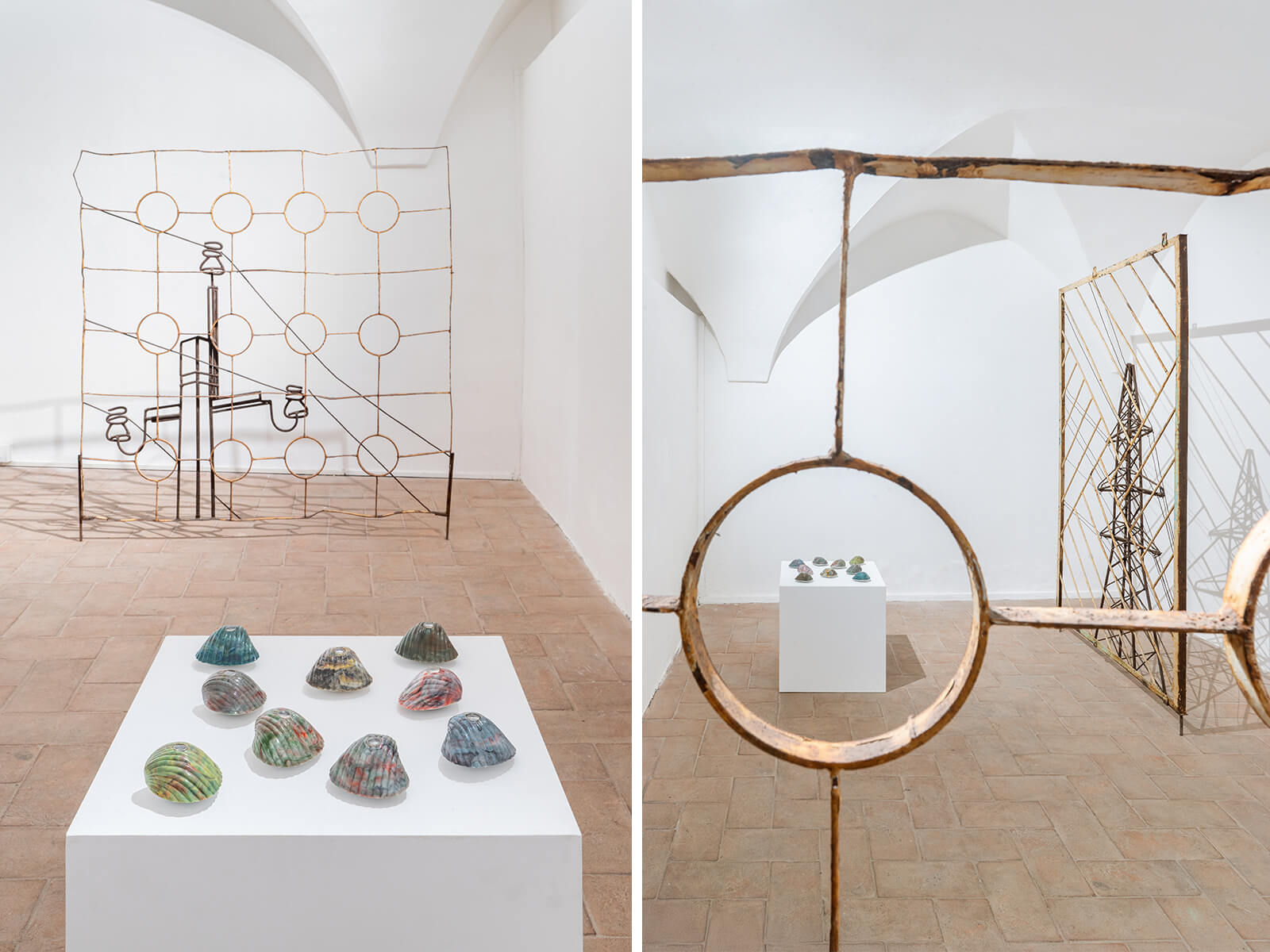
The show also revisits earlier bodies of work shaped by the realities of occupation and loss. The series Behind the Fence (2014) emerged from Kadyrova’s visit to the Biryuchyy Peninsula on the Sea of Azov, a territory facing Crimea that has been under Russia’s occupation since 2014. Using fragments of Soviet-era fencing, the sculptural installations evoke separation, enclosure and latent violence. This investigation continues in Souvenir (2023), where plastic seashells are transformed into sculptural objects fitted with peepholes, revealing photographic fragments tied to memories of Biryuchyy—places now destroyed or inaccessible. “Presented in the gallery’s Torre space, Souvenir takes shape as a poetic and intense reflection on the inaccessibility of one’s homeland, on loss and on the persistence of lived experience within a context of war,” Continua explains.
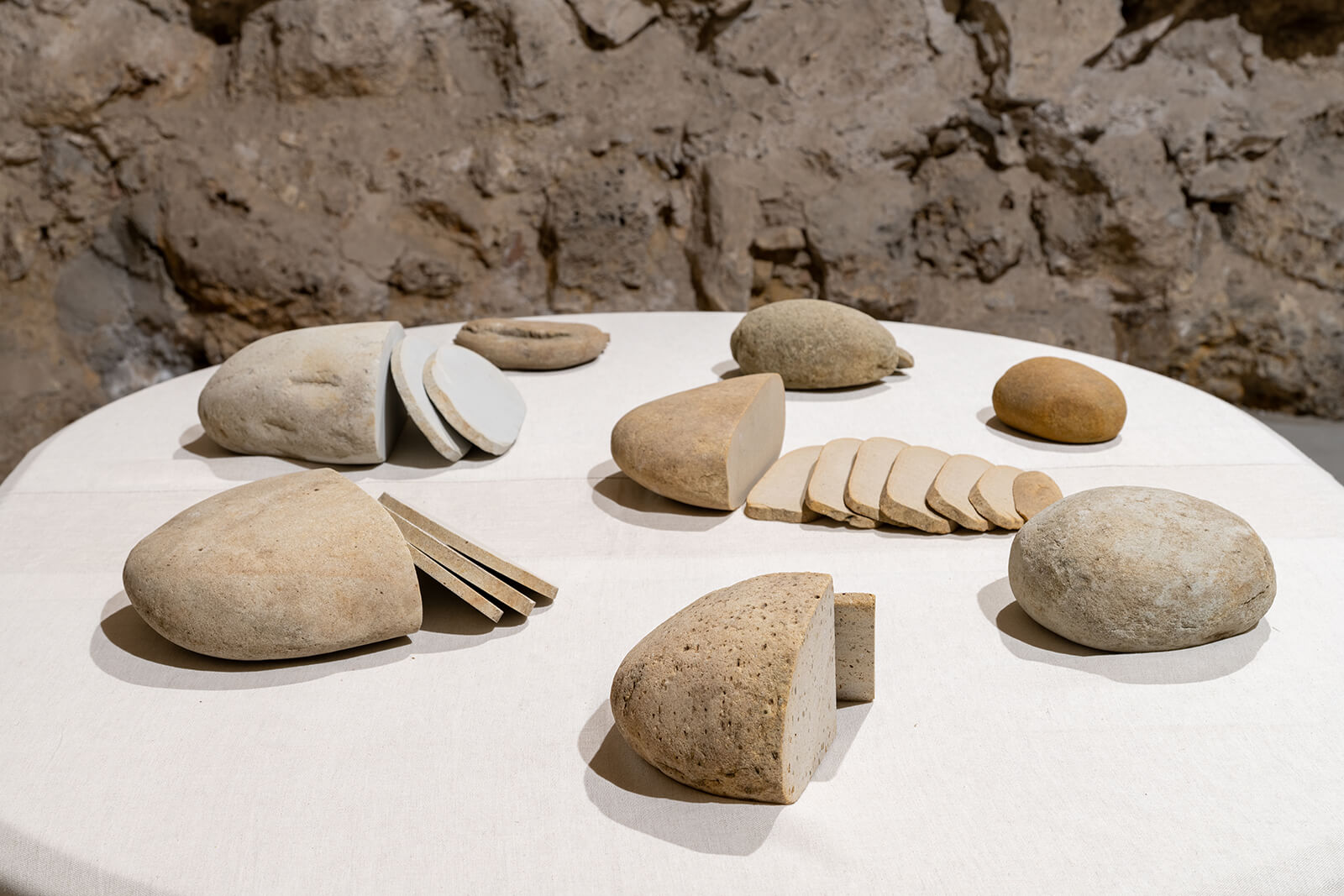
Another key project is Palianytsia, developed after the contemporary artist was forced to flee Kyiv following the Russian invasion of February 24, 2022. Relocating to a small village in the Carpathians, without access to her studio or tools, she began working with smooth river stones that resembled palianytsia, traditional Ukrainian bread. “The word itself took on a new significance at the beginning of the war: Russian occupiers were unable to pronounce it correctly, and the term quickly became a shibboleth, a way of distinguishing friends from enemies,” explains Continua. Kadyrova transformed these stones into symbolic loaves arranged on communal tables, suggesting both sustenance and solidarity.
Throughout Instrument, Kadyrova affirms art as both testimony and action. “I see that every artistic gesture makes us visible and allows our voices to be heard,” she states in the official release.


What do you think?