


 Sign in with Google
 Sign in with email



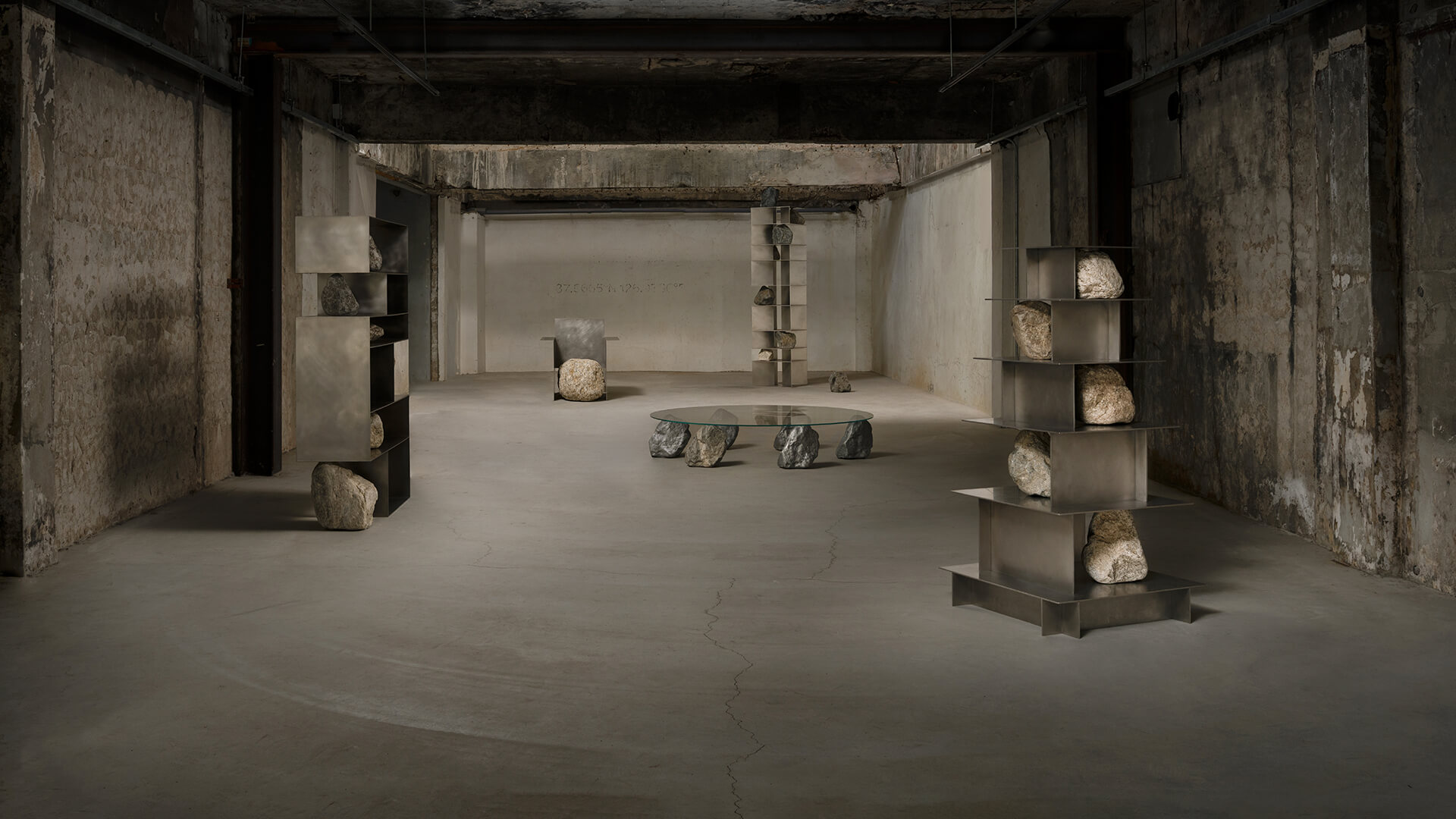





Galerie Philia presents Human After All, a group exhibition in Seoul, South Korea, that explores sculptural design and the evolving dialogue between human creativity and material intelligence while spotlighting a new generation of Korean designers. Running from March 5 – 15, 2026, the design exhibition marks the gallery’s return to the city three years after its acclaimed presentation Surfaces and Cavity at Define Seoul. “Over the past decade, Philia has staged exhibitions in sites charged with history and symbolism—from Jean Nouvel’s villas, to Le Corbusier’s Cité Radieuse and Oscar Niemeyer’s Museum of Contemporary Art in Niterói. Each project affirms the gallery’s curatorial ethos: design is never neutral, but always shaped by place, narrative and the dialogue it opens across time and culture,” notes Gallerie Philia in an official release.
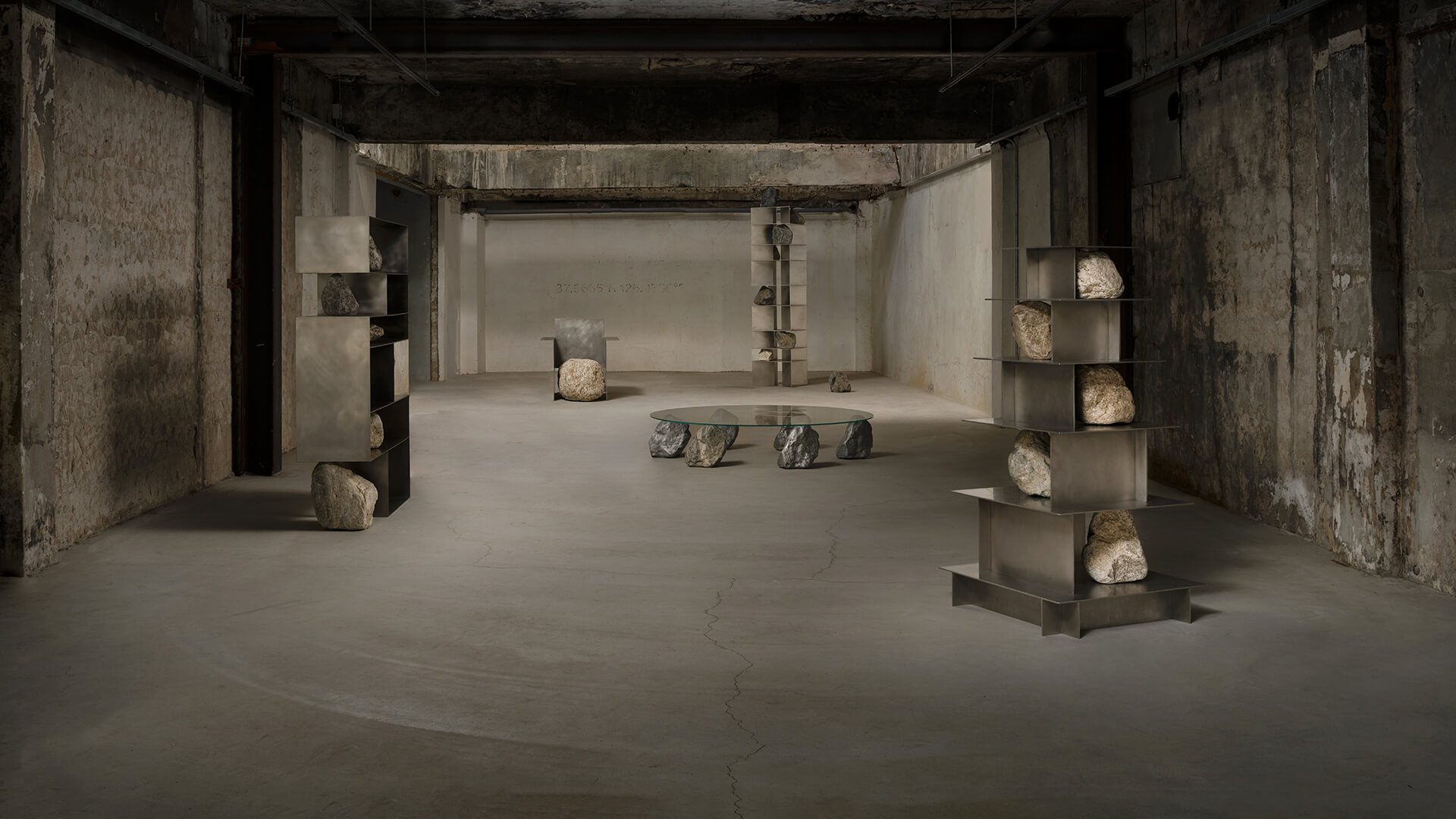
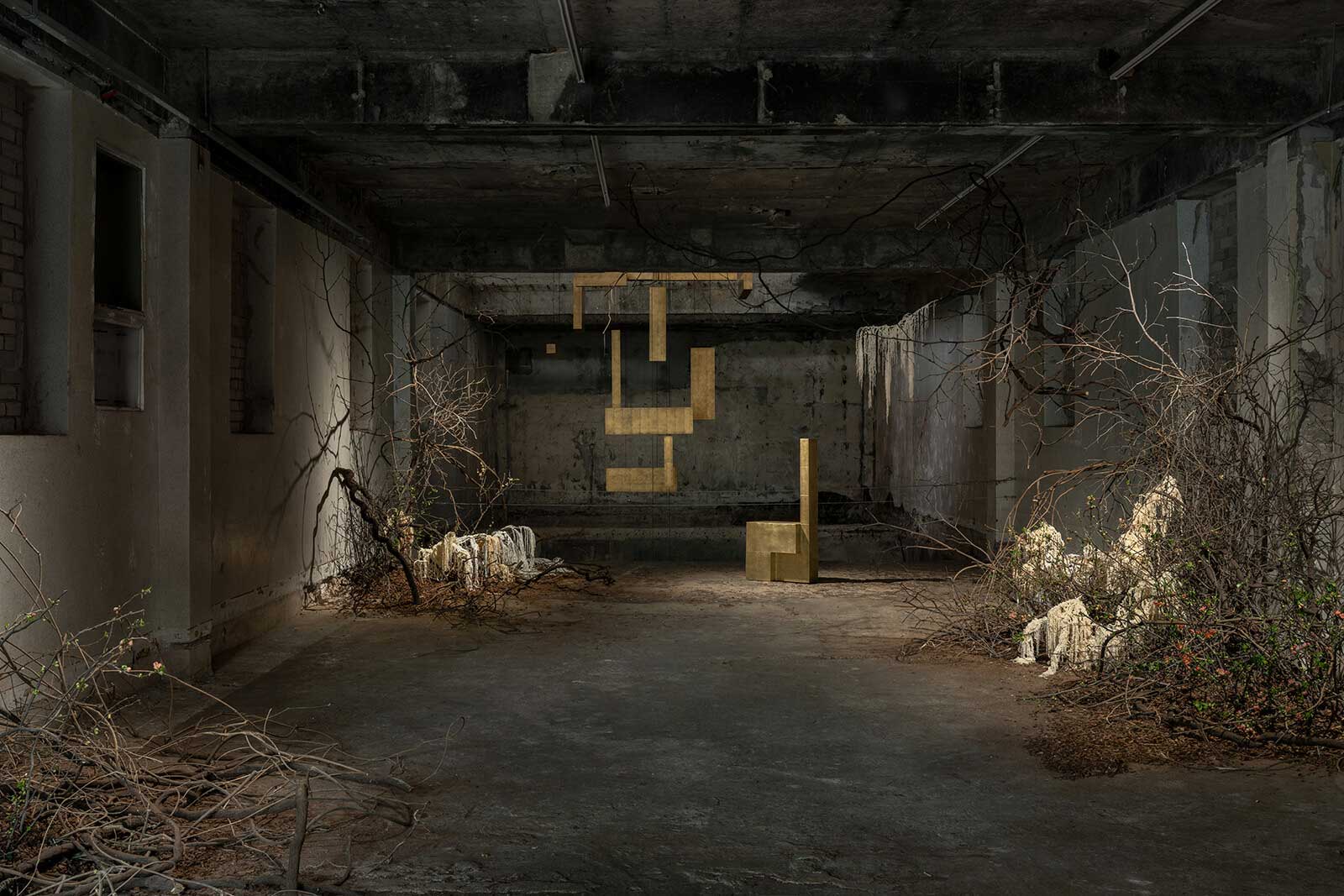
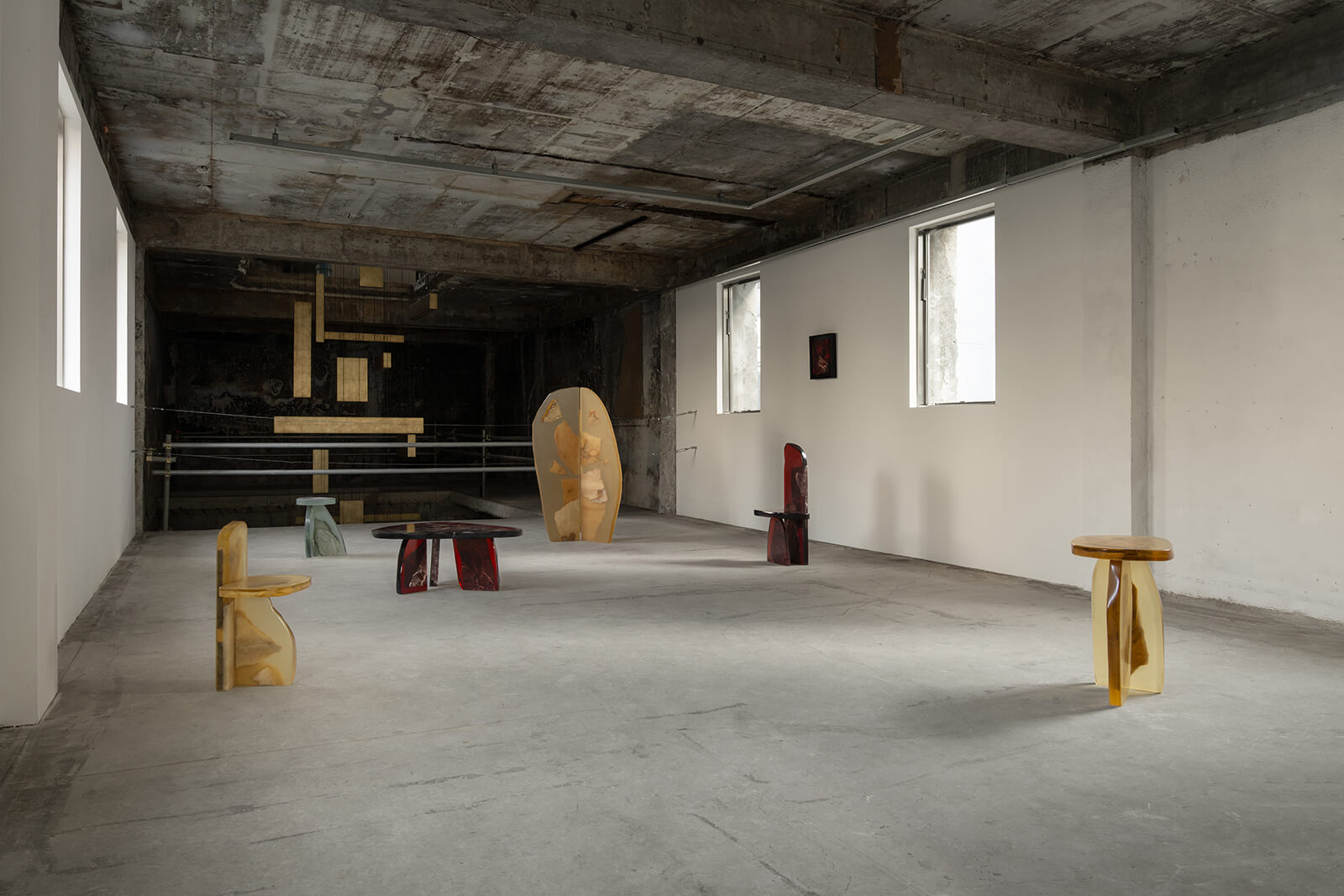
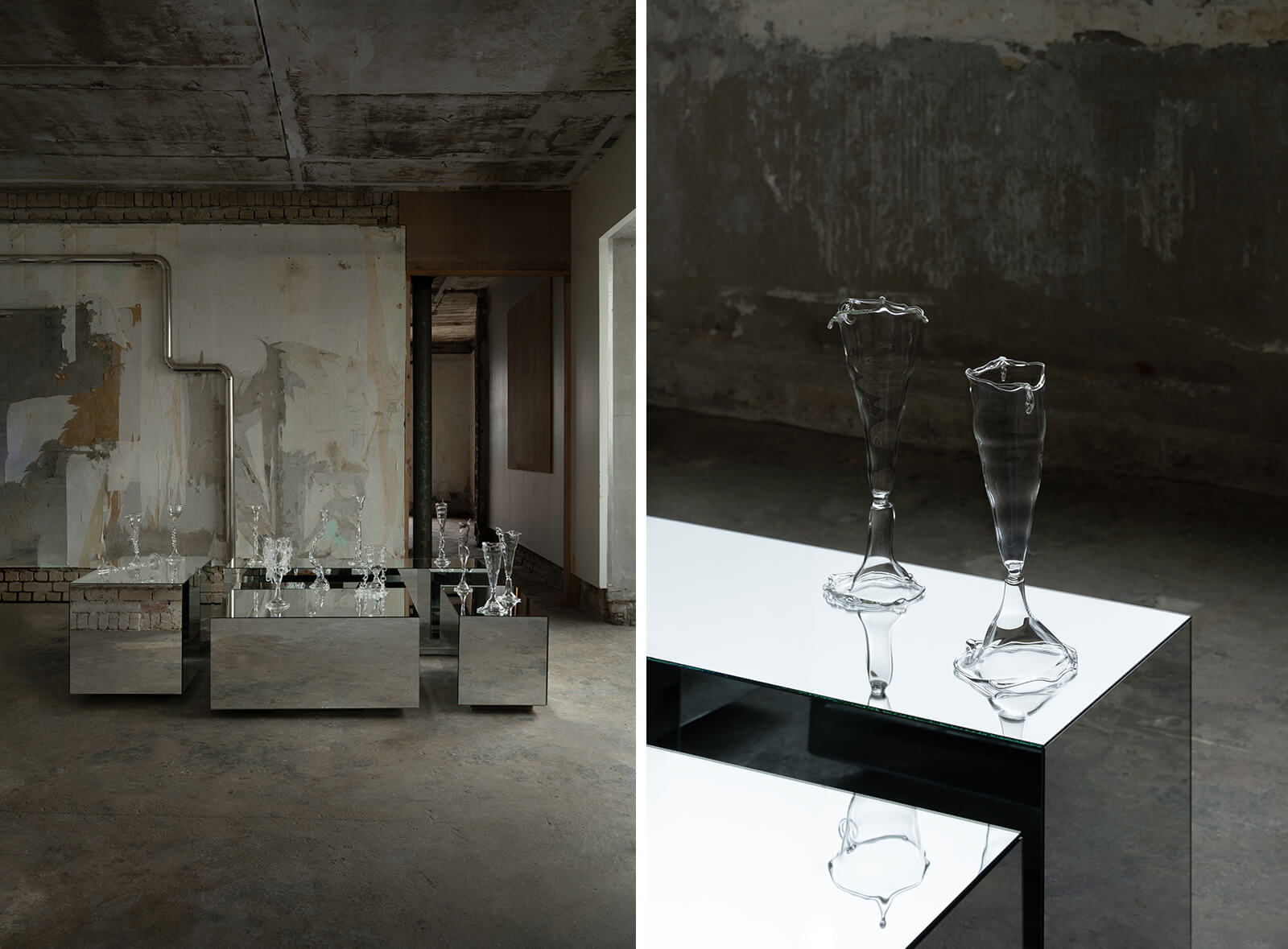
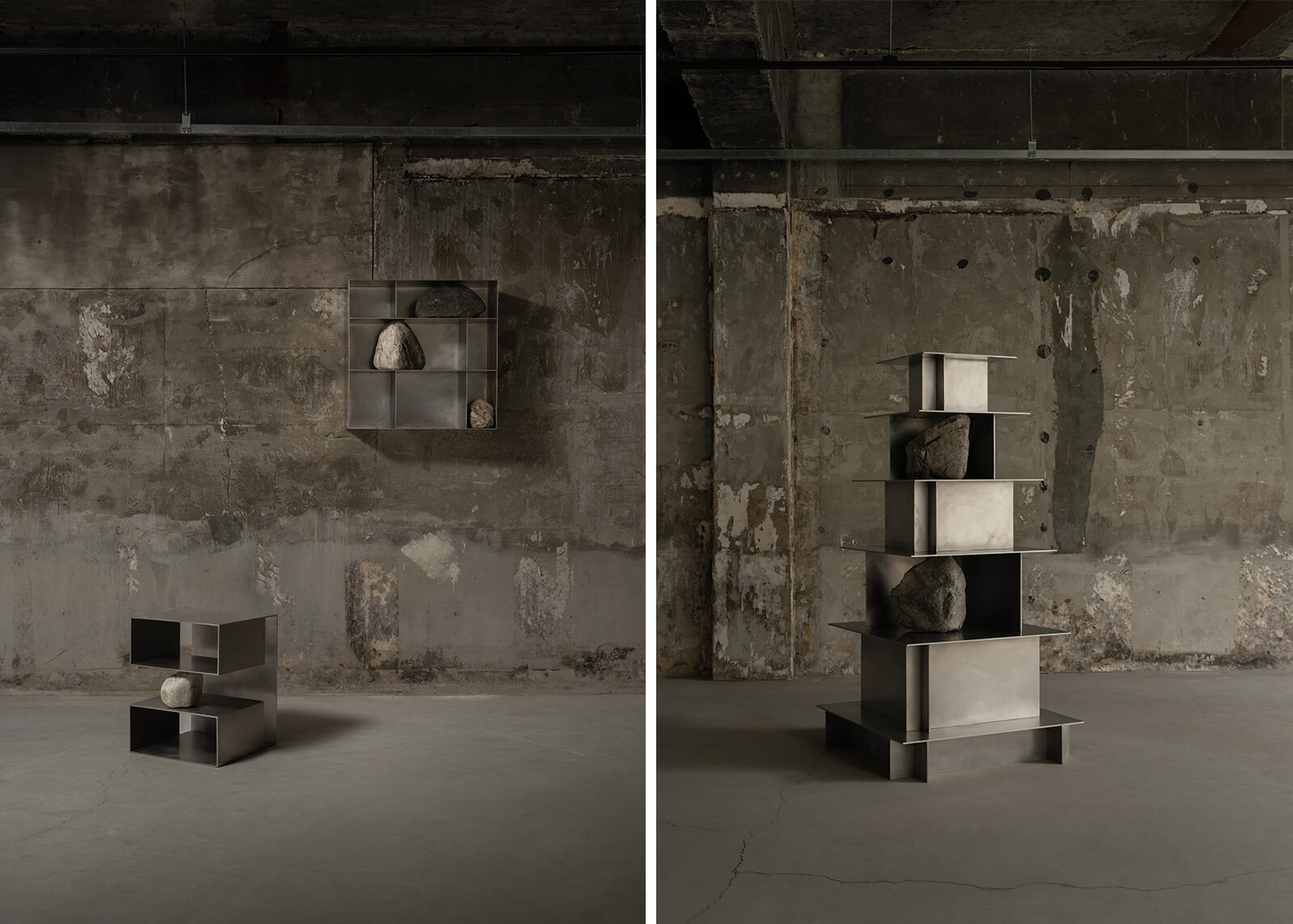
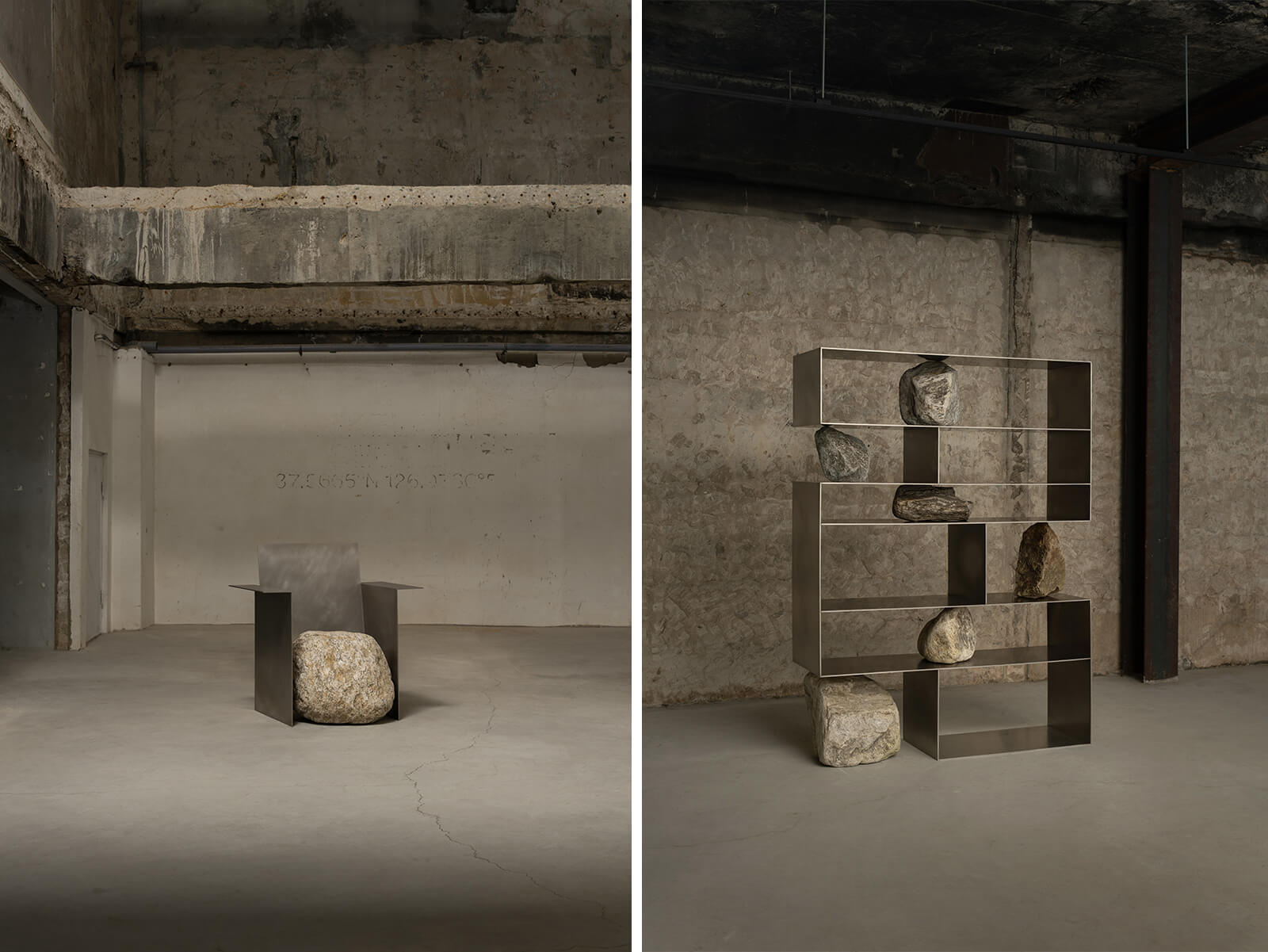
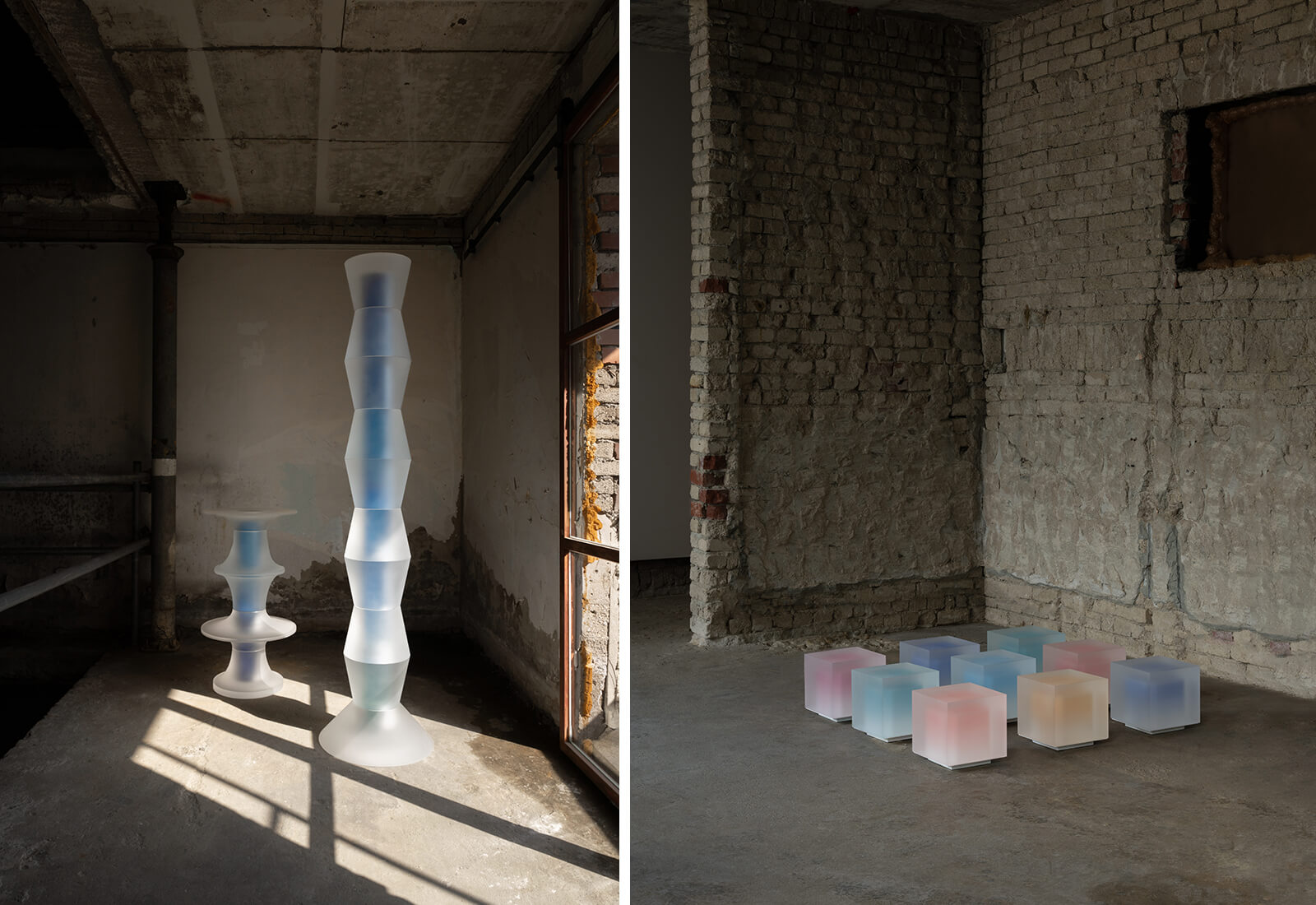
Human After All is curated by Philia’s co-founder and art director, Ygaël Attali, and is presented in collaboration with Maison Navie, featuring FICT Studio, Hyungshin Hwang, Lee Sisan, Saerom Yoon, Studio Chacha and Min Seon Kong. “While diverse in approach, their practices share a common impulse: to move beyond function toward sculptural presence, to explore materiality as a language and to articulate a distinctly Korean sensibility within the global landscape of collectible design,” the contemporary design gallery notes.
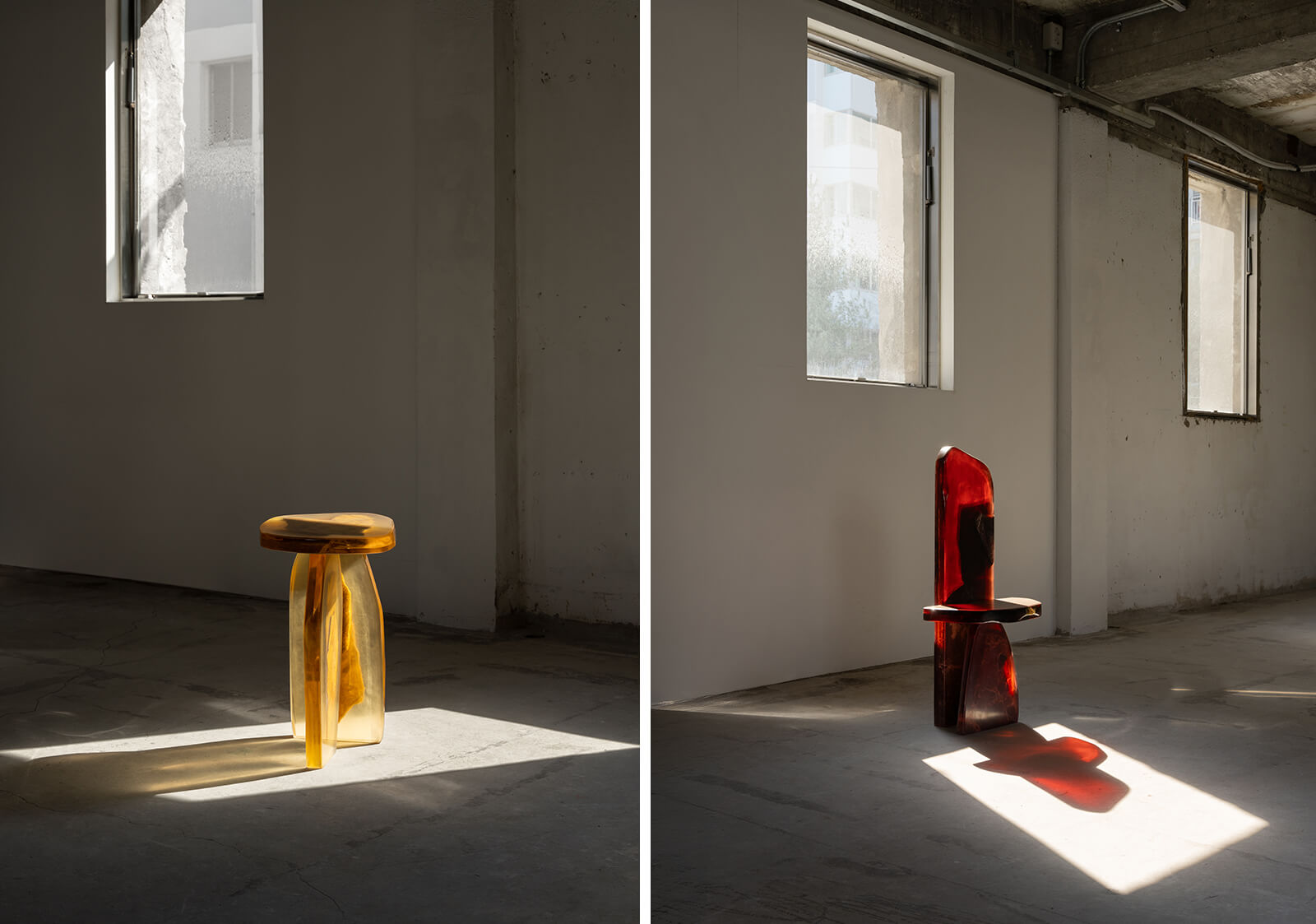
The show is staged in a building originally constructed as a public bathhouse in the 1980s, before being converted into a church. Its vertical core, stretching from a basement level to a skylit roof, channels natural light across raw concrete surfaces, producing an atmosphere that feels both sacred and cinematic. “In this context, the works are not simply displayed but staged within a layered architectural narrative—a vessel of memory and transformation that mirrors the designers’ own exploration of material metamorphosis,” notes Galerie Philia.
The building’s concrete rhythms mirror the textured geometries of contemporary designer Hwang’s layered forms, while cascading daylight interacts with the chromatic surfaces of Yoon’s product designs. The raw materiality of the structure resonates with Sisan’s investigations of natural and artificial matter, while the intimate upper levels frame the subtle experiments of Studio Chacha and the organic sensibility of Seon Kong. In the craft-driven reinterpretations of FICT Studio, the same tension that defines the venue emerges: a balance between utility and transcendence, the everyday and the monumental.
Human After All also inaugurates the first chapter of a trilogy of exhibitions that Galerie Philia will present across Asia this year. Following the Seoul edition, future instalments in Shenzhen and Tokyo will continue the investigation into the evolving relationship between human craftsmanship and machine-assisted processes in contemporary design.
Human After All highlights how Korean designers today navigate the intersection of tradition and experimentation. “By placing them within this raw and resonant architectural framework, and under the curatorial direction of [Ygaël] Attali, Galerie Philia reaffirms its commitment to design as a form of cultural storytelling—transcultural, transformative and profoundly human,” the exhibition’s text states.


What do you think?