


 Sign in with Google
 Sign in with email



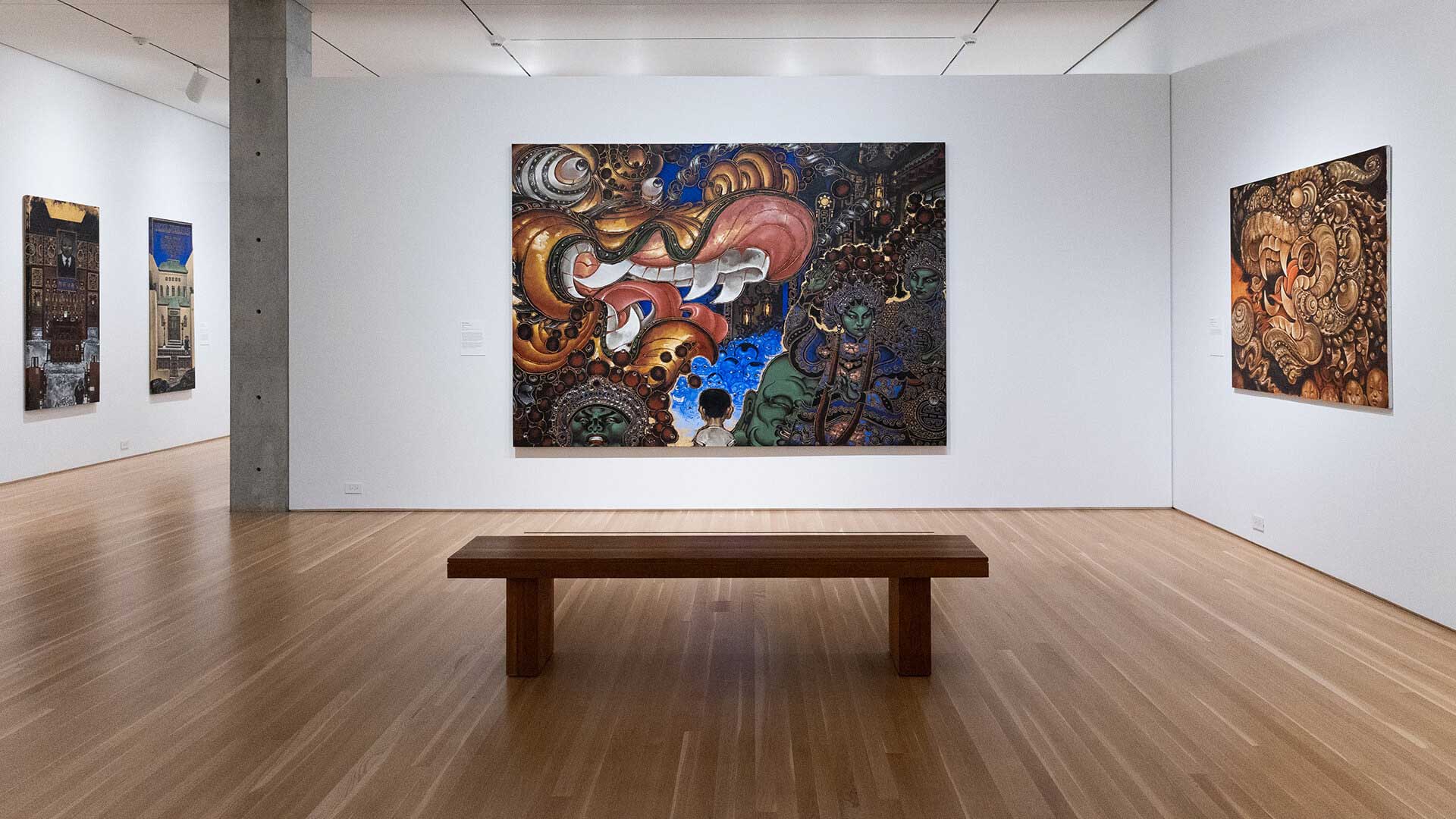





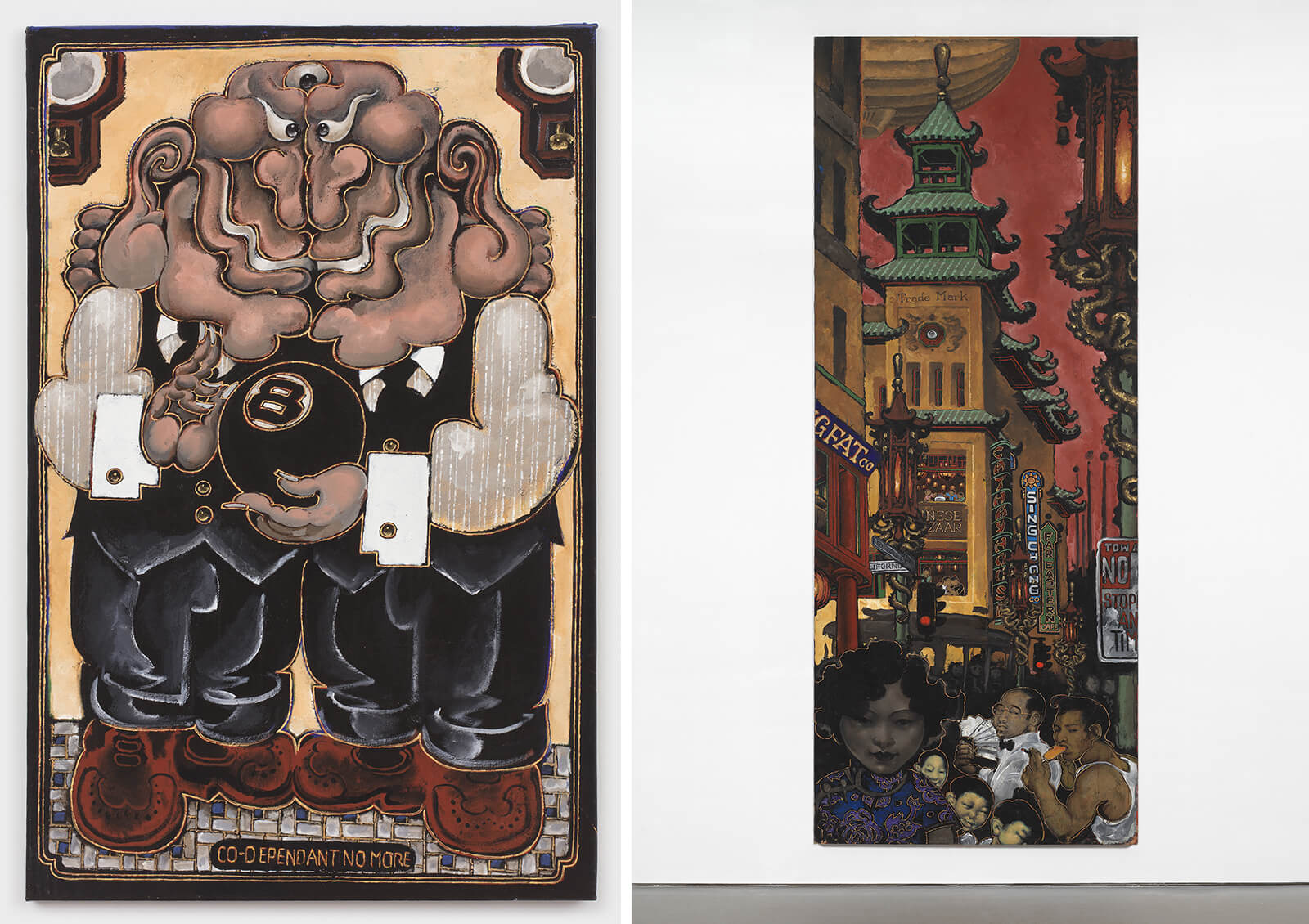
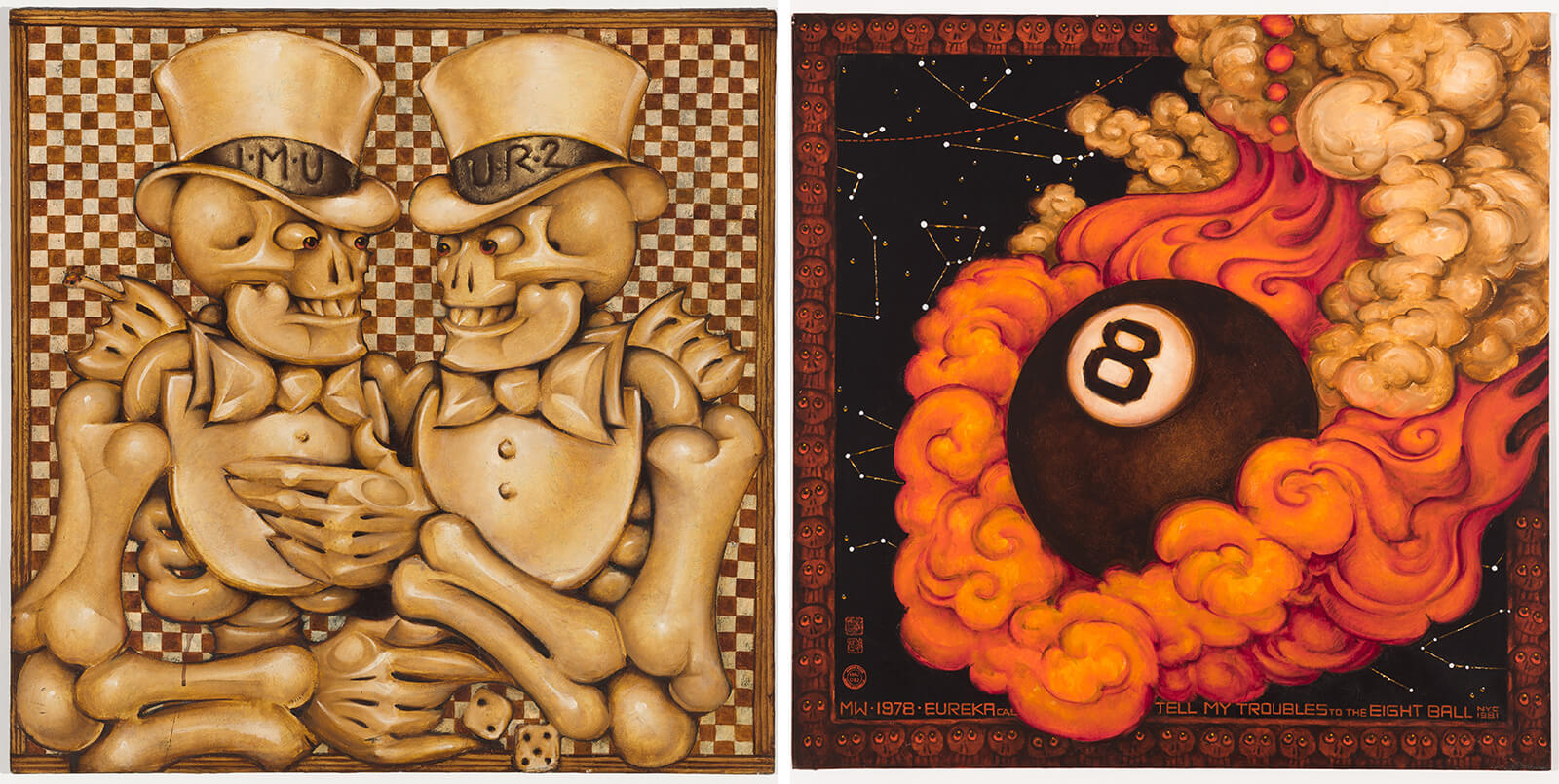
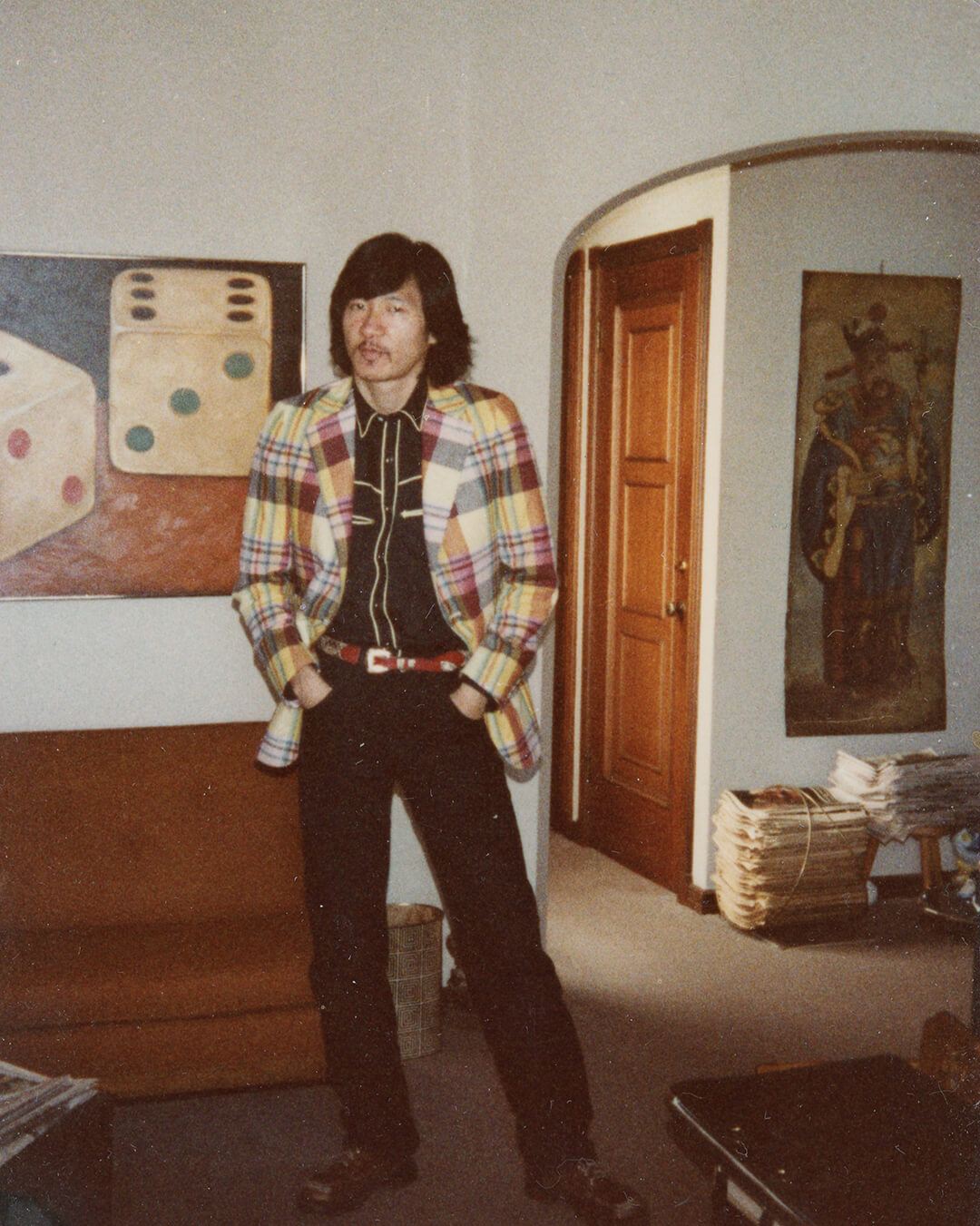
Wrightwood 659 presents Martin Wong: Chinatown USA, a retrospective exhibition that revisits the work of Chinese American artist Martin Wong (1946 – 1999) through the lens of his lifelong fascination with Chinatown and Asian visual culture. On view from April 17 – July 18, 2026, the art exhibition highlights his body of work that has often been overshadowed by his celebrated depictions of New York’s Lower East Side. “Wong explored these spaces—filled with Asian art and architecture as adopted in the United States amid the explosion of street culture in San Francisco and New York in the late 20th century—as amalgams of memory, identity and queer and pop-culture narratives,” Wrightwood 659 explains in a press release.
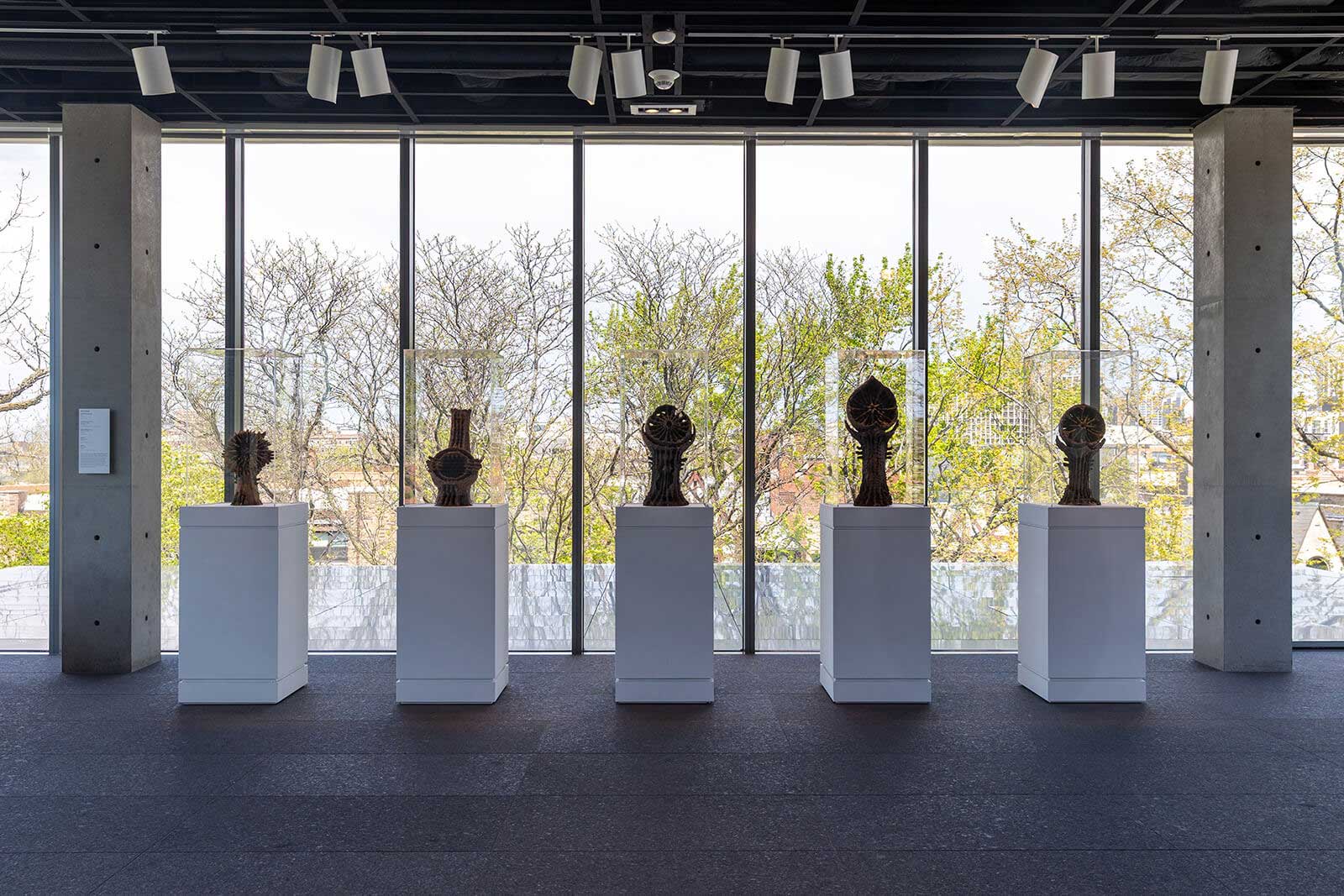
Curated by art historian Yasufumi Nakamori alongside Ashley Janke, assistant curator at Wrightwood 659, the show assembles more than 100 works spanning paintings, drawings, ceramics, photo collages, archival materials and objects from Wong’s personal collection. Together, they chart the Chinese artist’s evolving exploration of identity, mythology, queer life and urban culture through the symbolic and emotional terrain of Chinatown.
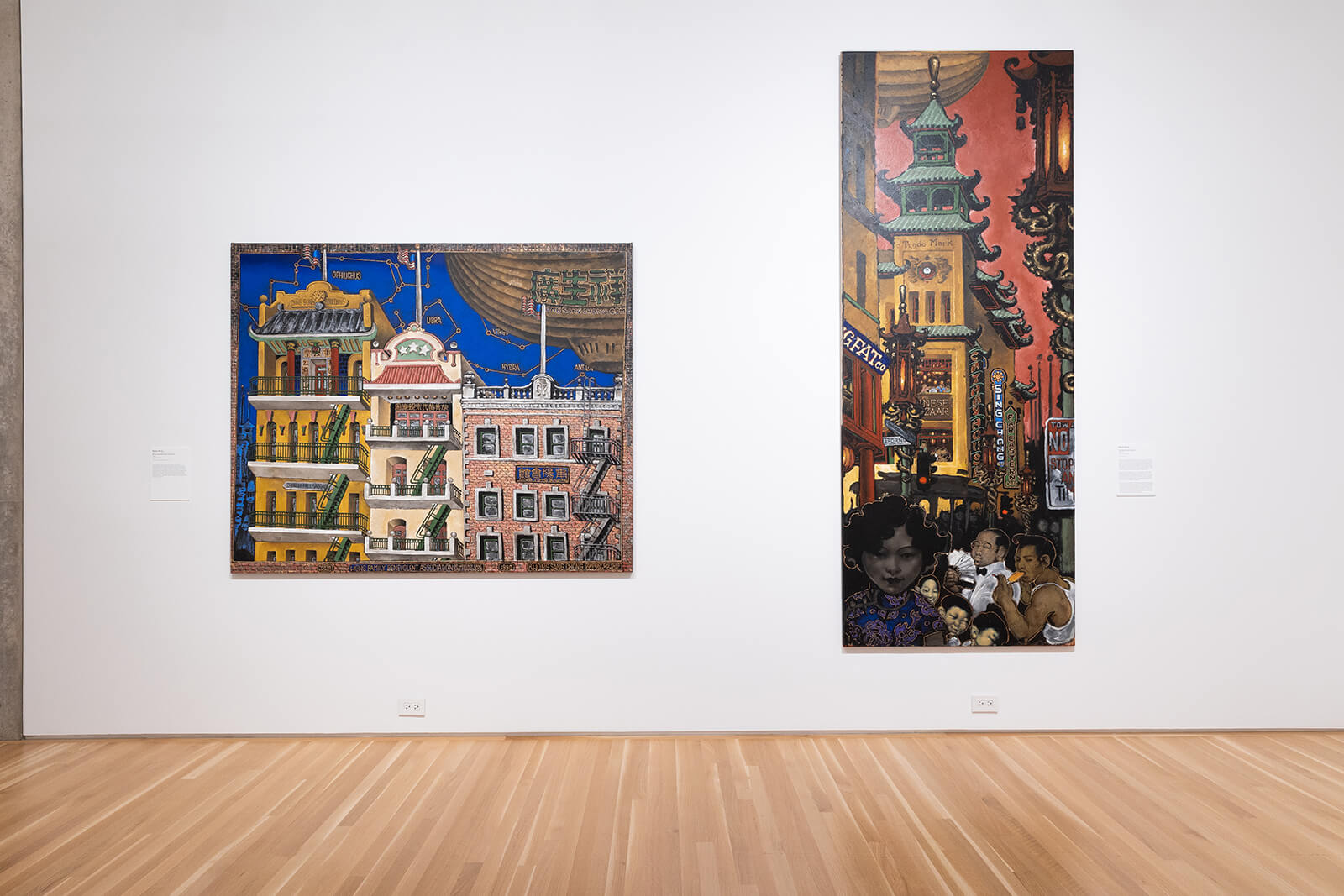
While Wong is widely recognised for his close ties to graffiti artists and Nuyorican poets, Martin Wong: Chinatown USA shifts the focus toward works inspired by Chinese architecture, street festivals, martial arts, calligraphy and the layered social worlds of Chinatown. “The exhibition and its accompanying fully illustrated catalogue take their title from the artist’s 1993 exhibition at the downtown Manhattan gallery P·P·O·W, which still represents the artist’s estate,” the art gallery notes.
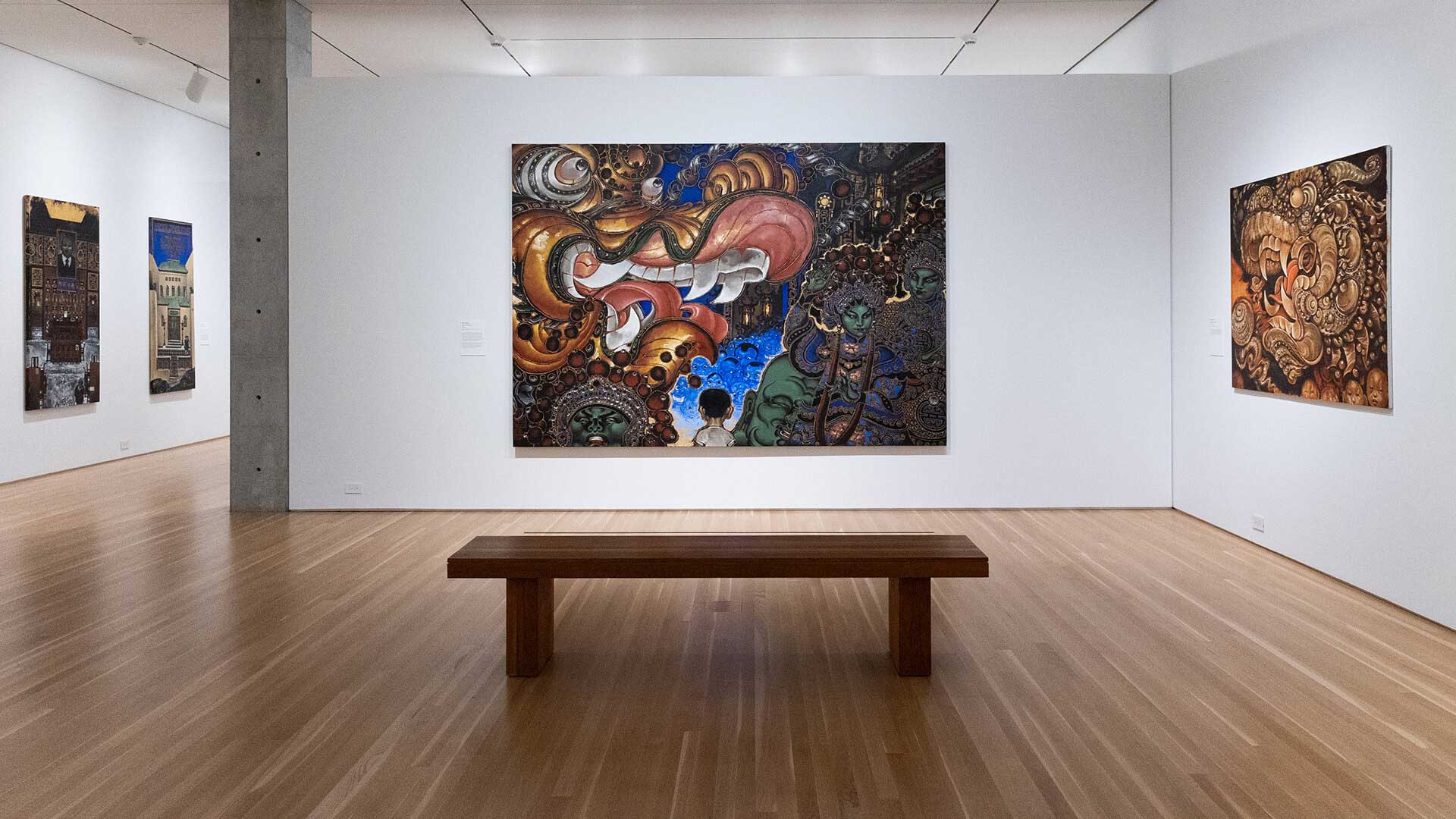
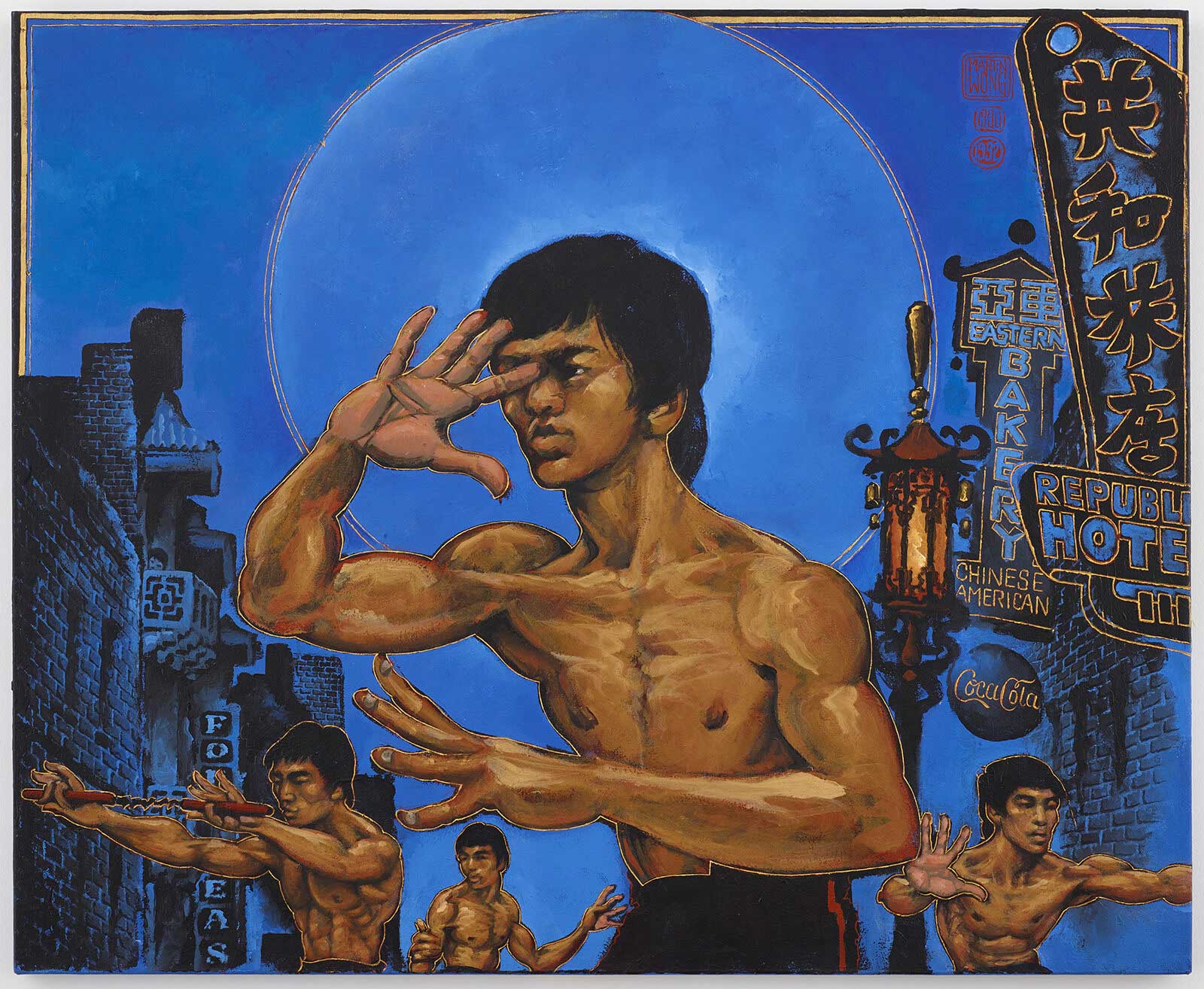
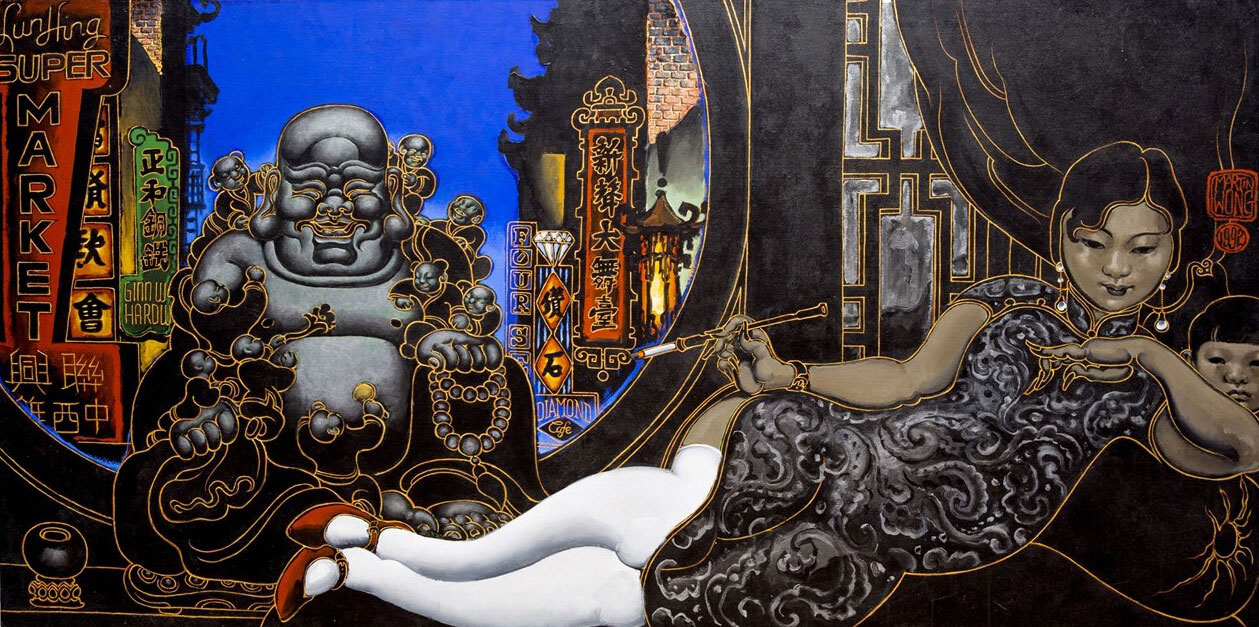
Among the exhibition’s highlights is the Chinese New Year’s Parade (1992 – 94), a psychedelic, dreamlike composition that depicts ‘Wong as a small boy facing a tsunami of demons, a towering dragon and Peking Opera performers’. Canal Street (1992) transforms a familiar Lower Manhattan streetscape into a fantastical vision of glowing storefronts, stylised signage and saturated colour. The exhibition also revisits Wong’s fascination with Bruce Lee, whose impact on urban youth culture inspired paintings such as Clones of Bruce Lee (1982).
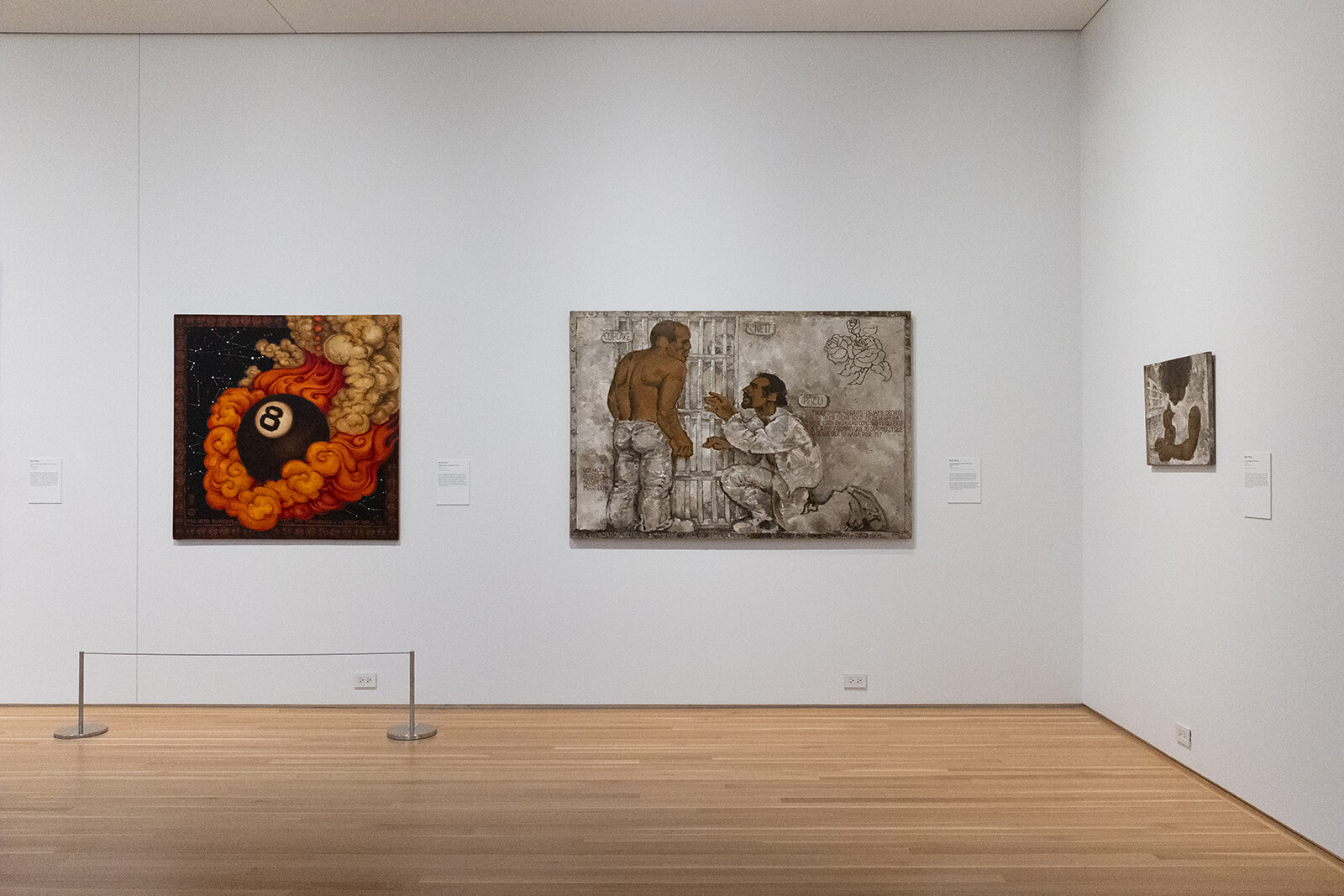
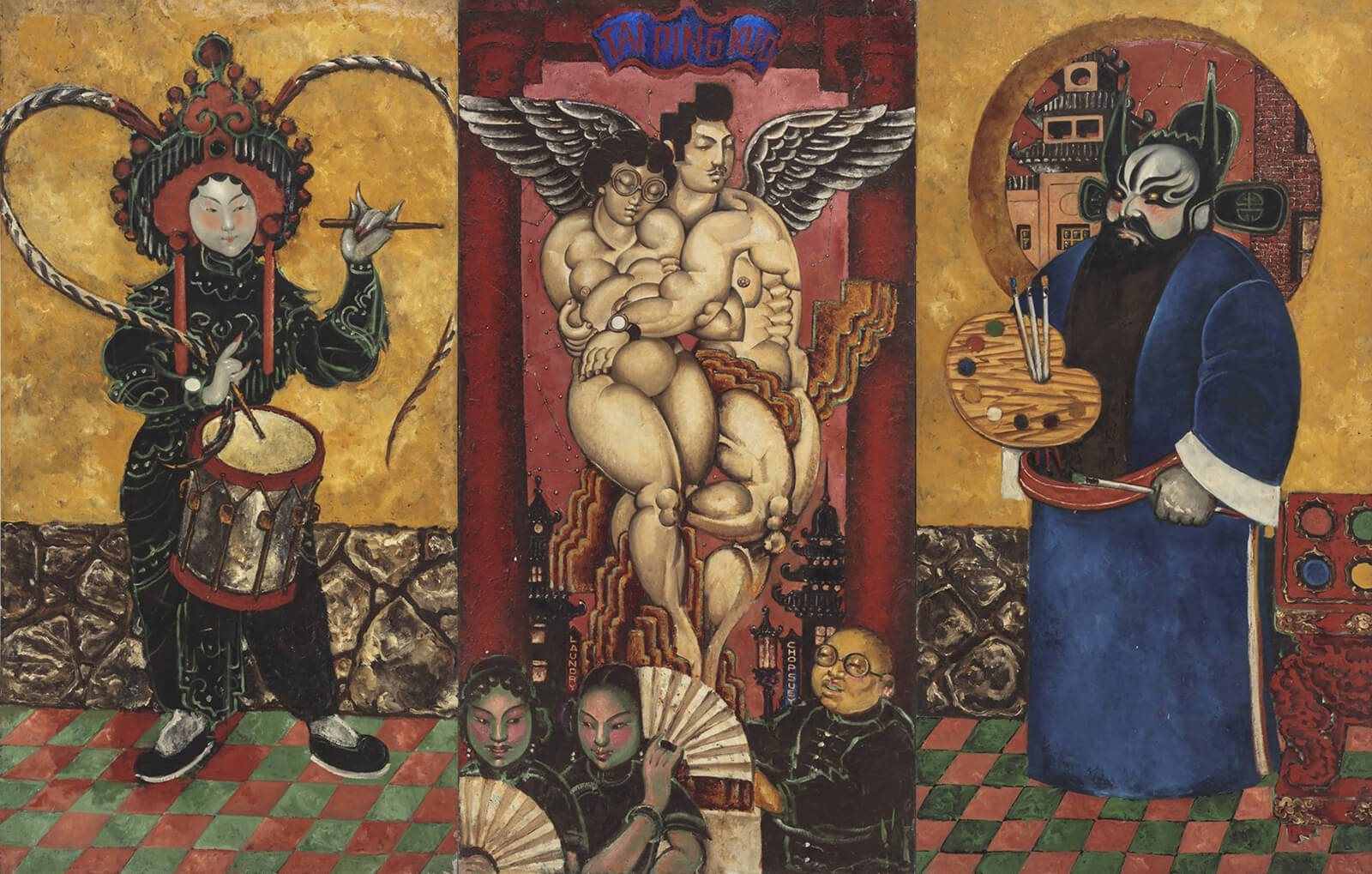
A major highlight is Tai Ping Tien Kuo (Tai Ping Kuo) (1982), a triptych that has remained largely unseen for nearly four decades. Borrowed from The Broad Art Foundation, the 12-foot-wide painting “portrays the artist’s mother and stepfather nude…echoing the format of a European religious altarpiece. The work exemplifies Wong’s practice of inserting himself, family members and his friends into his art,” the gallery explains. Works such as Chinese Laundry: A Portrait of the Artist’s Parents (1984) and Portrait of Mickey Piñero Tattooing (c. 1988) foreground Wong’s intimate circle, including playwright and poet Miguel Piñero.
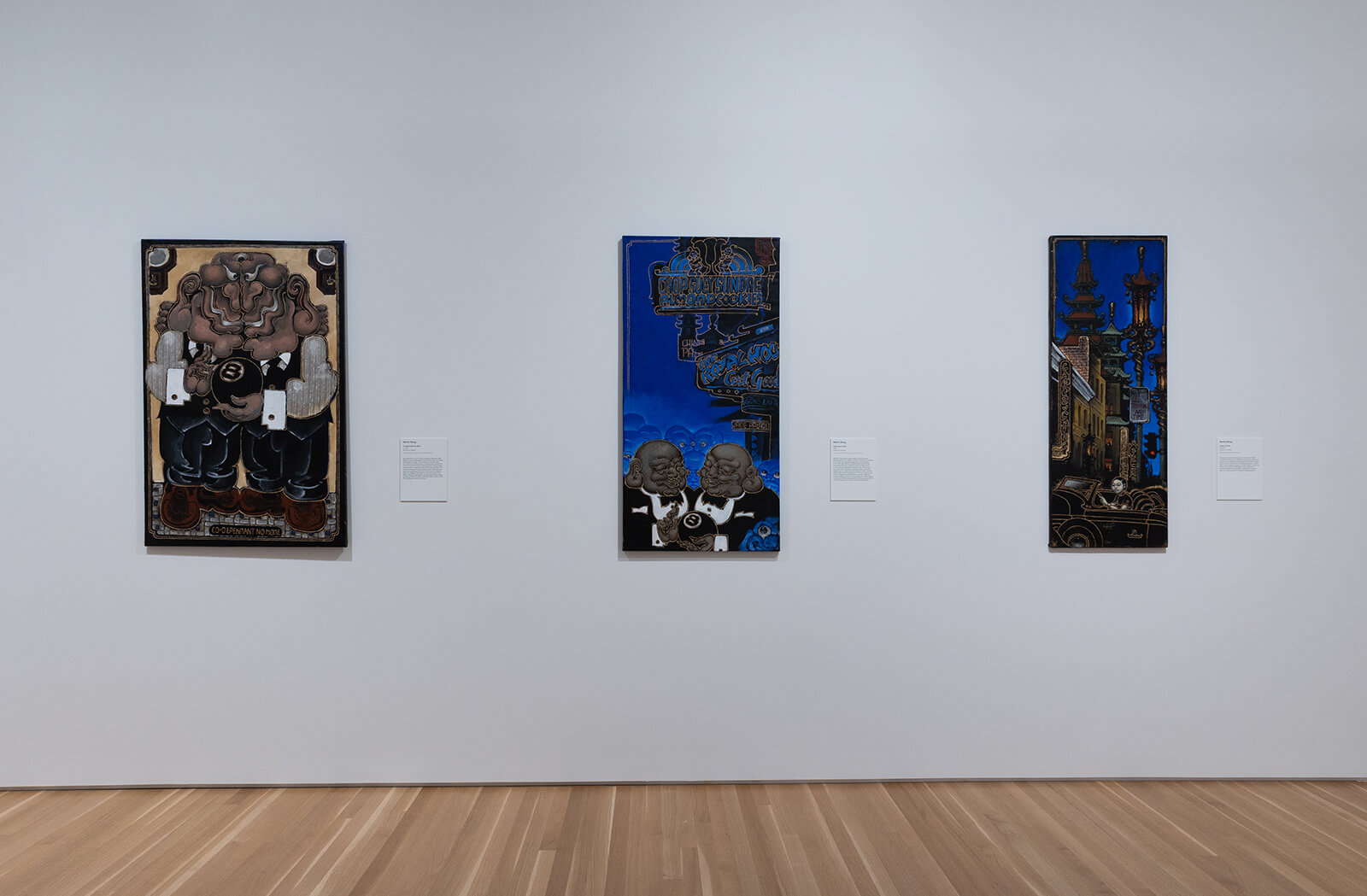
Martin Wong: Chinatown USA also examines the artist’s deep interest in language and visual communication. Several works draw connections among American Sign Language (ASL), Chinese calligraphy, Buddhist imagery and graffiti aesthetics, reflecting Wong’s tendency to blur cultural and symbolic systems into his own hybrid visual language, as in works such as Lex Shan Gay Loo: 64 (1992). “Wong developed a visual alphabet of fingerspelling and a distinctive calligraphic script reflecting the bulbous, fleshy forms and Buddhist hand gestures he admired in Tibetan painting. He did not aim for literal accuracy, once describing his ASL paintings with characteristic irony as ‘deaf pictures reveal sick secret world of Chinese’,” the art gallery explains.
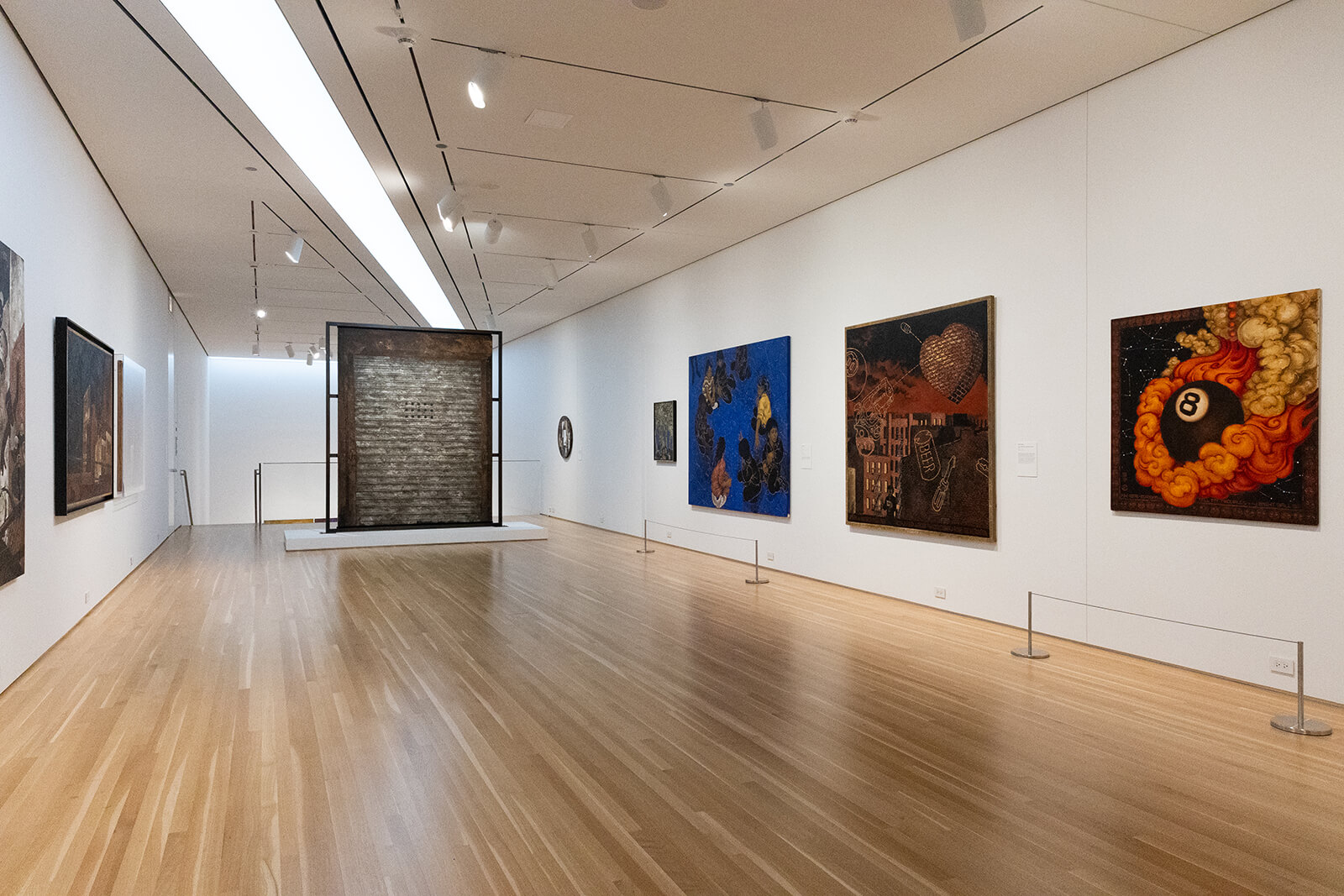
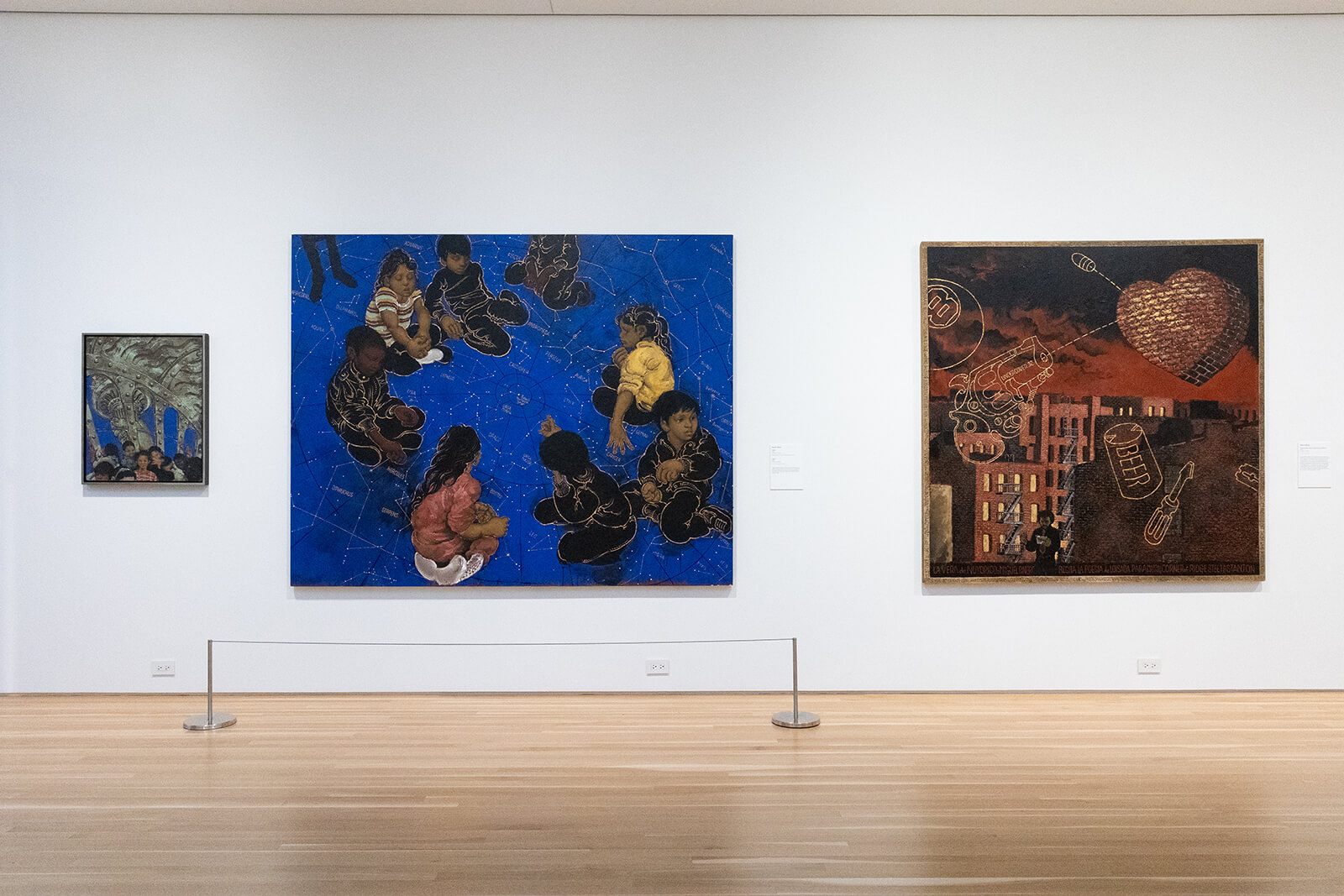
The exhibition’s fourth floor shifts away from Chinatown to focus on Wong’s broader vision of New York City, populated by skateboarders, brick apartment buildings and portrayals of firefighters and urban life. “A highlight is Untitled (Silver Storefront) (1985), suspended from the centre of the gallery. The verso of this work, made publicly visible for the first time, depicts Zhong Kui, the legendary Taoist demon hunter, holding an artist’s palette inside a commercial art gallery in Chinatown,” Wrightwood 659 notes. Nearby, Polaris (1987) depicts children from different backgrounds gathered around a celestial map as they play marbles.
“At Wrightwood 659, we are committed to presenting art that confronts urgent social questions and foregrounds LGBTQ+ and Asian voices. Martin Wong’s work does both with extraordinary imagination and humanity. His paintings speak across communities and across time, making this exhibition deeply resonant for our moment,” concludes Mariah Keller, executive director of Wrightwood 659.


What do you think?