


 Sign in with Google
 Sign in with email



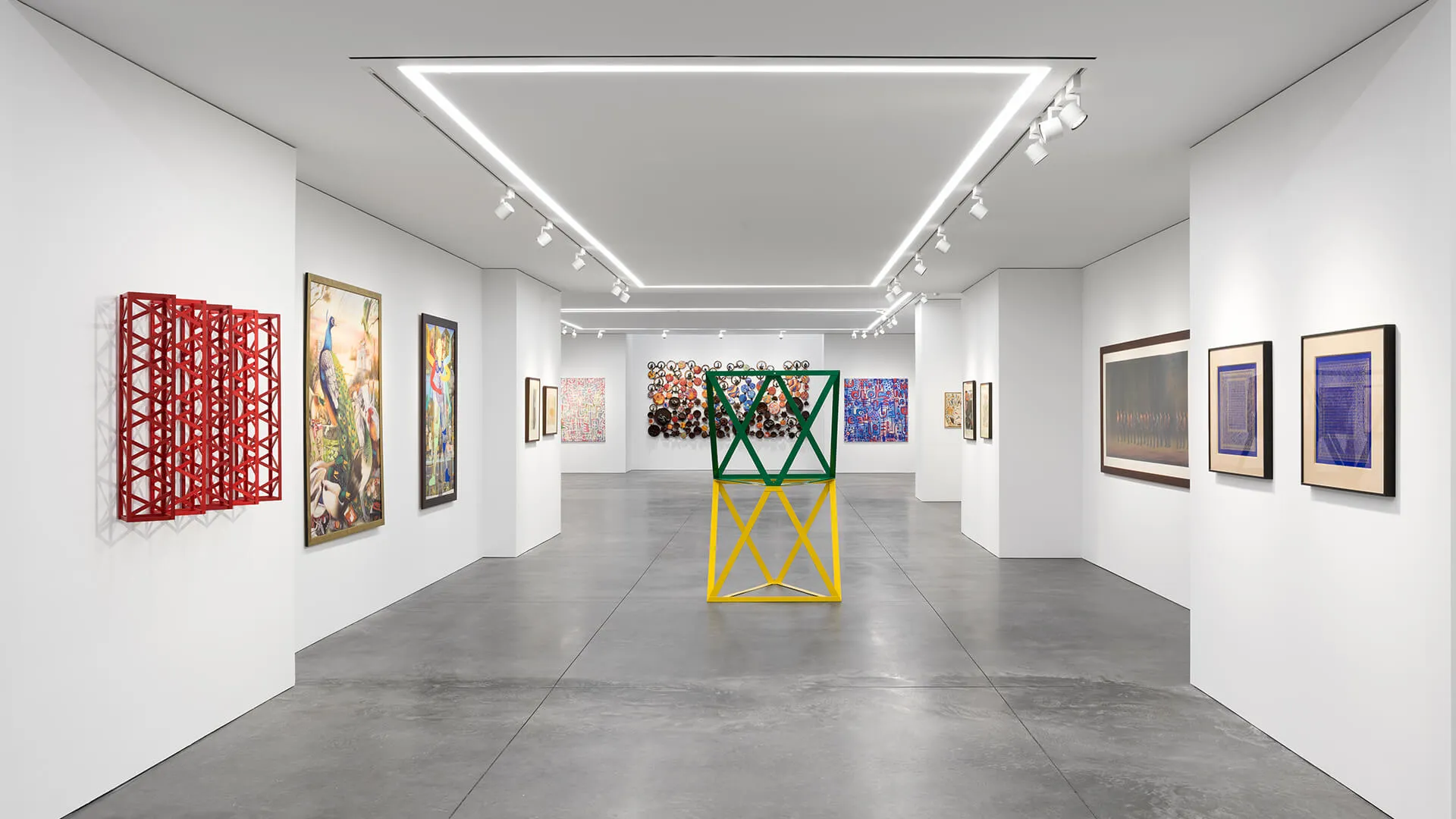


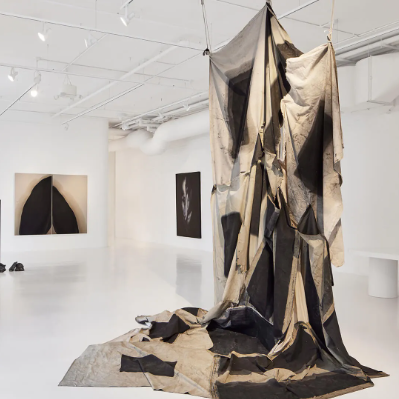
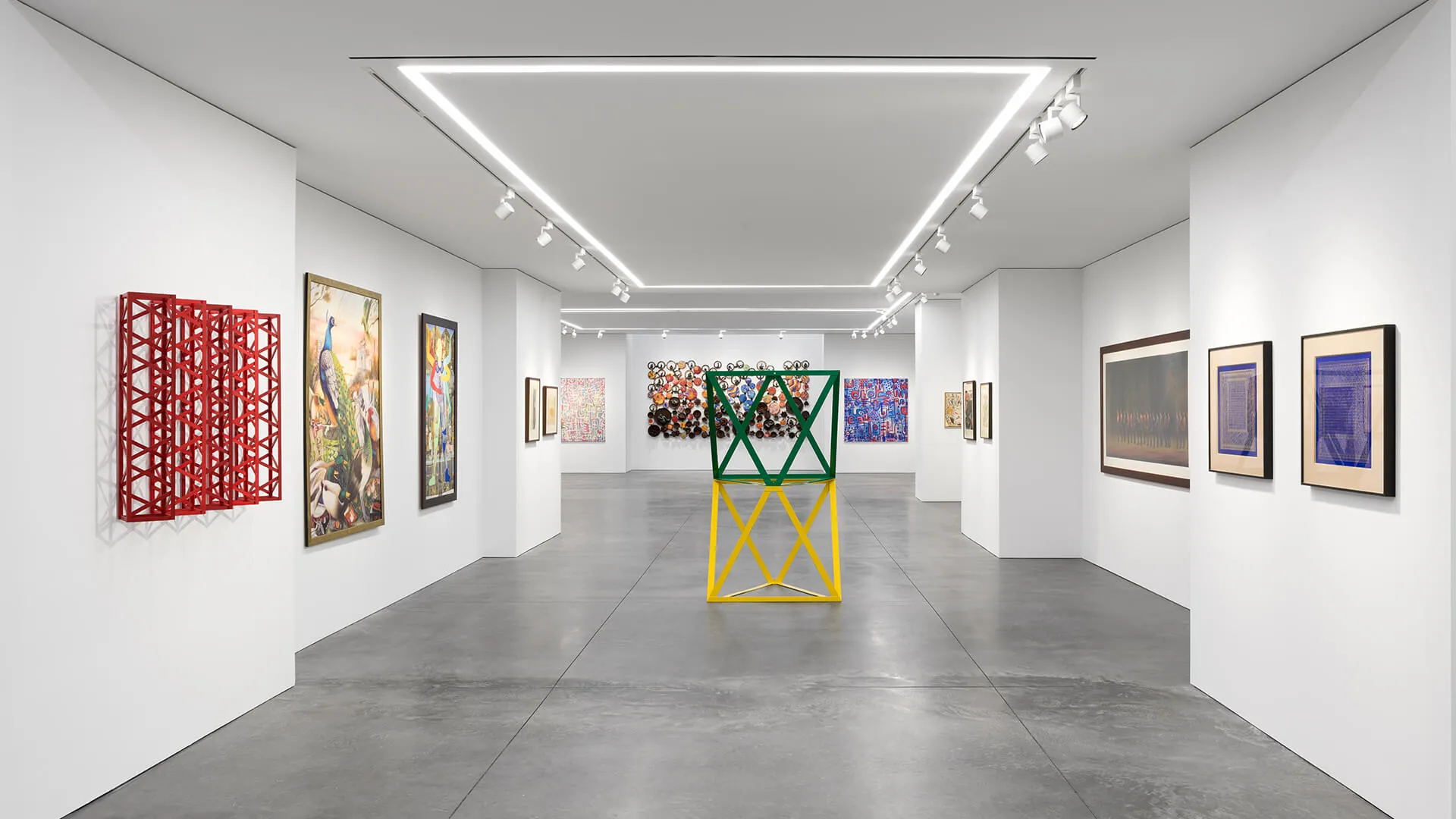
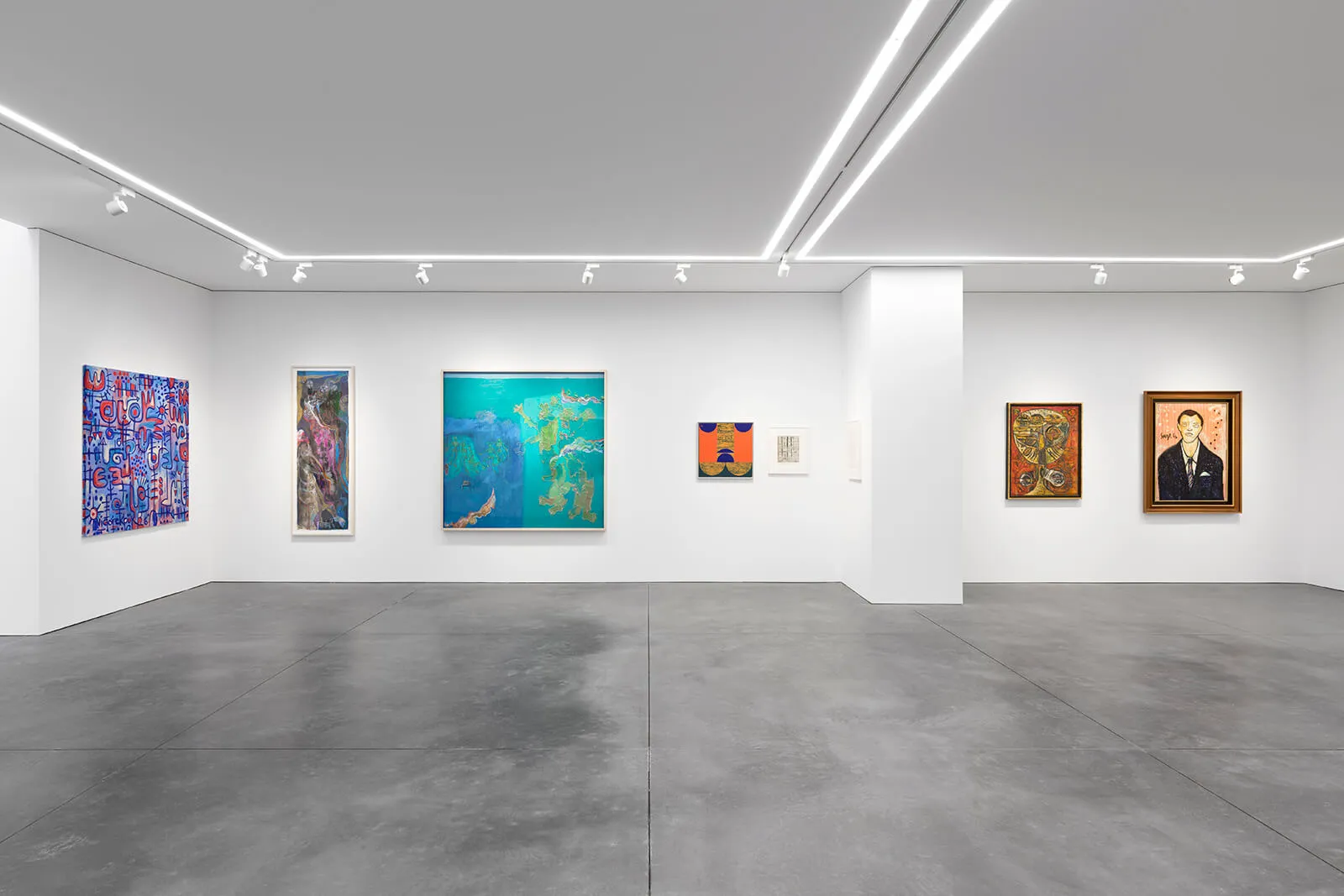
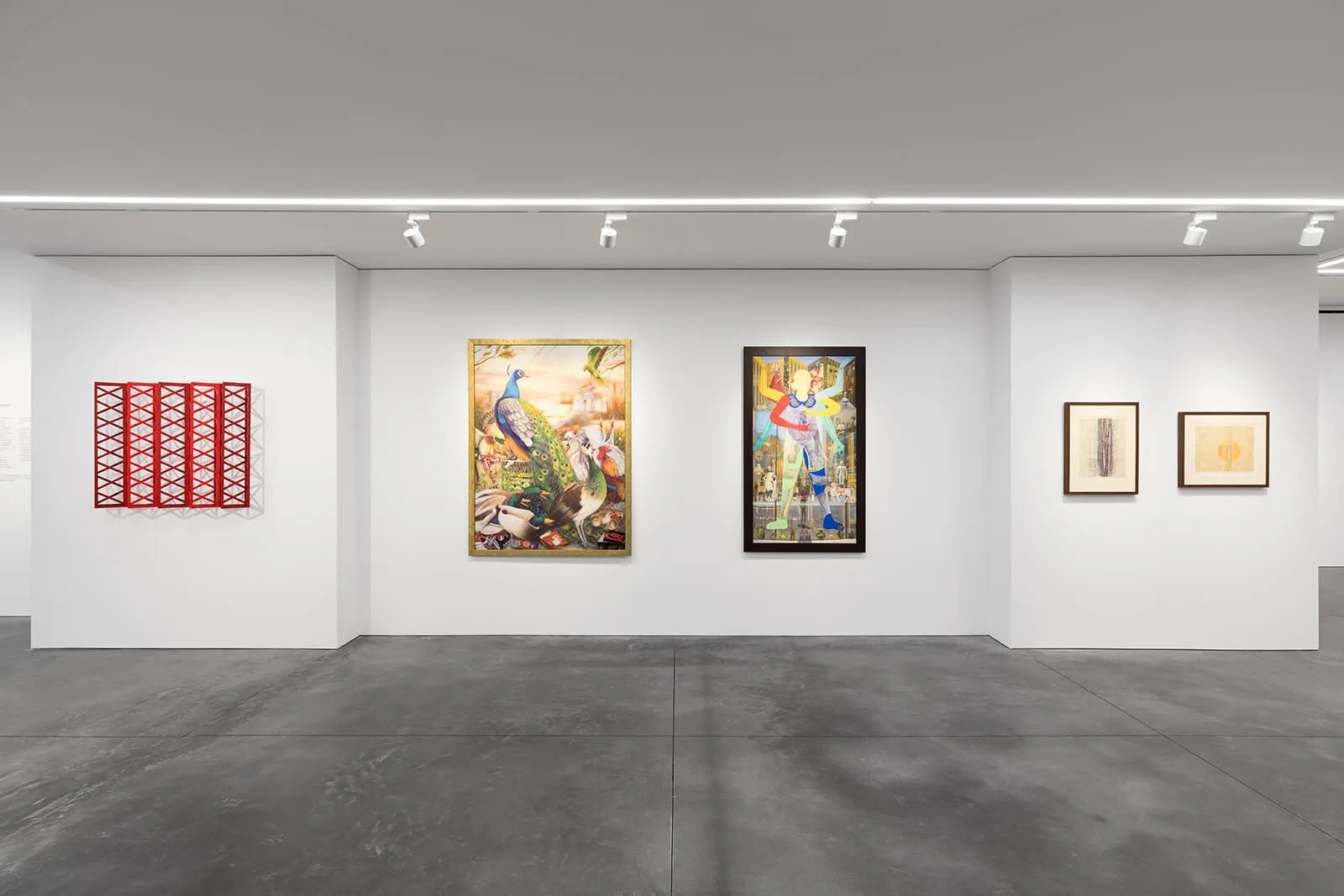
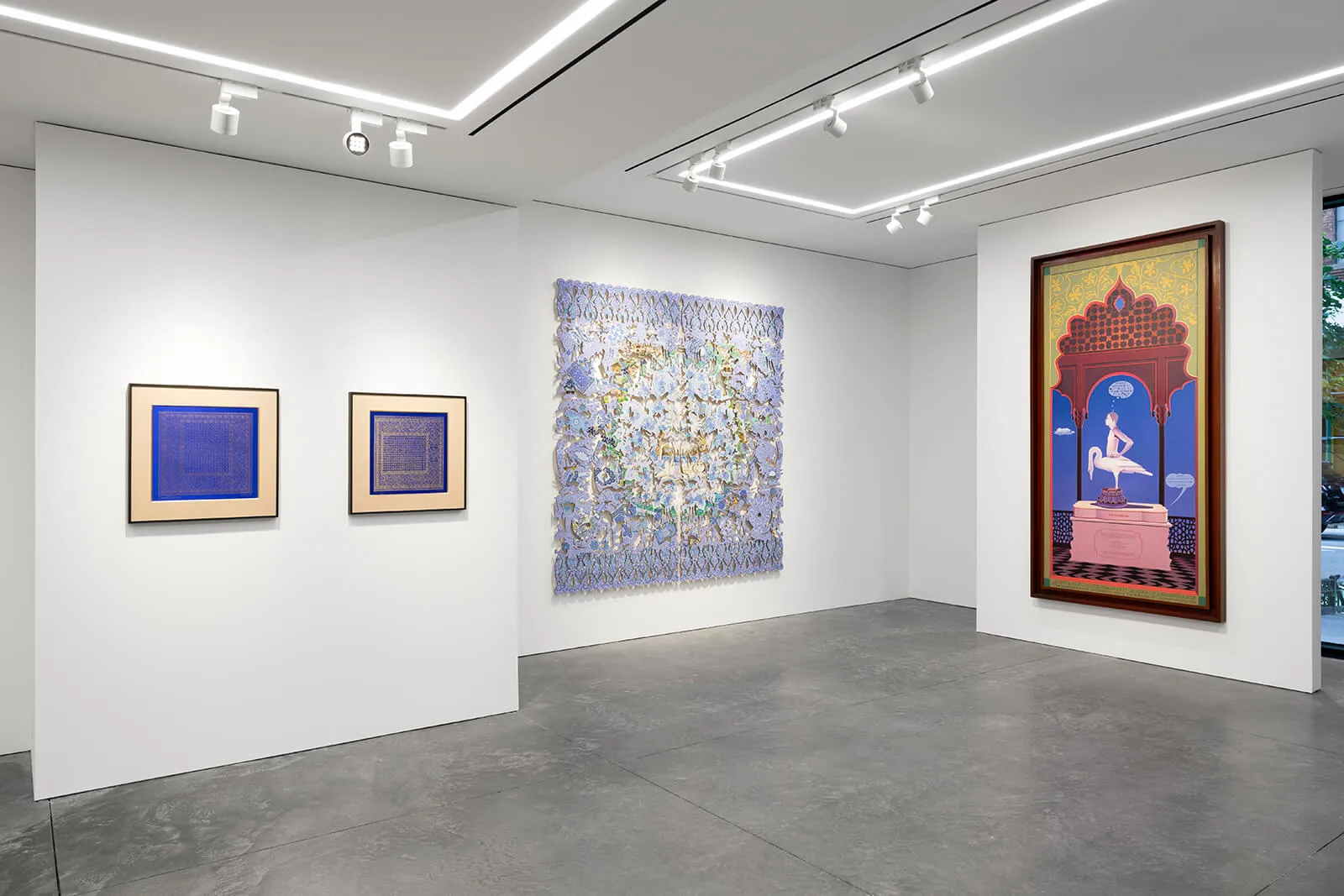
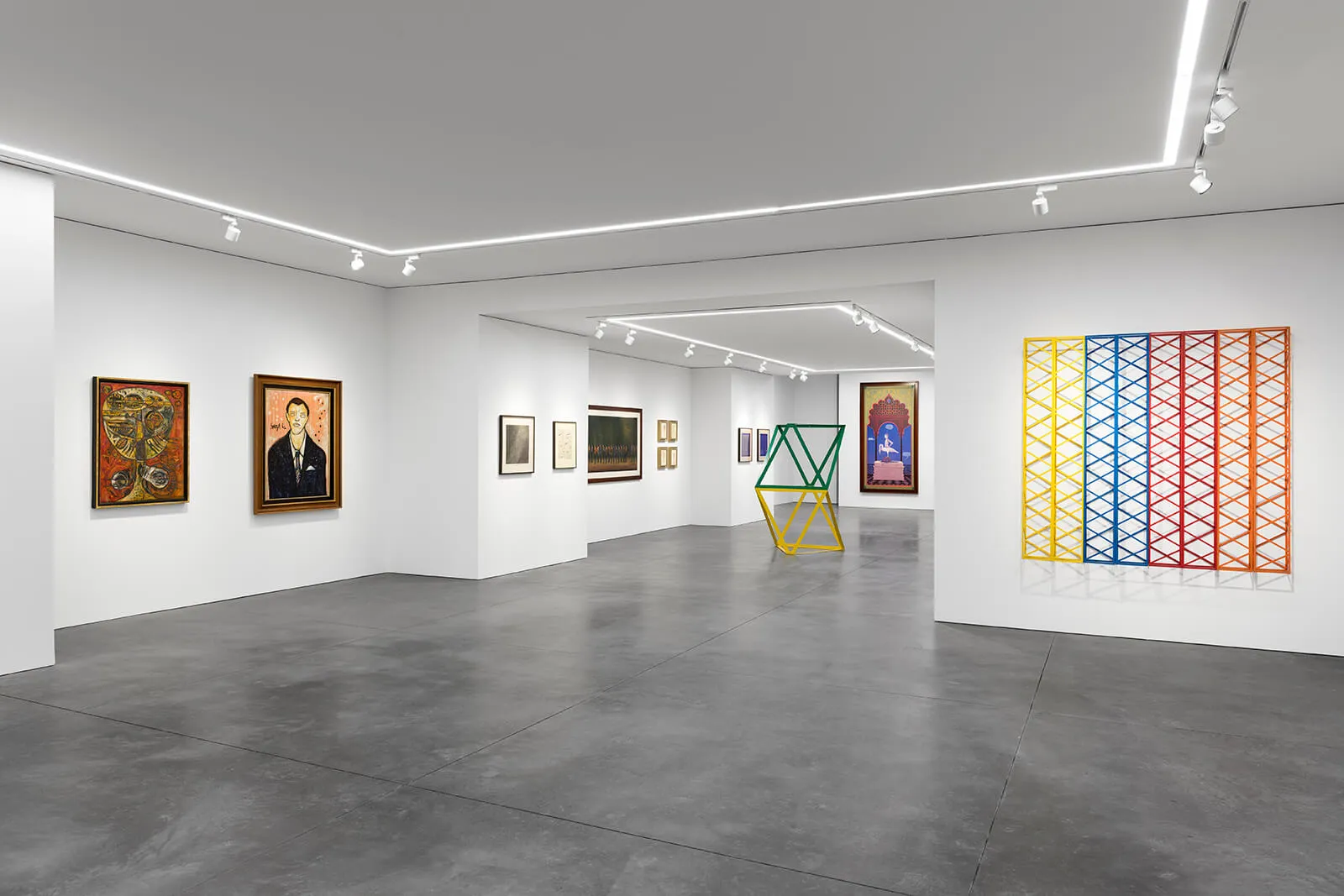
AINA Gallery presents Other Stories: A Genealogy for the Present, an exhibition that revisits modernism's history through the legacies of artists whose practices have challenged the boundaries of geography, identity and cultural belonging, on view from October 1 – December 1, 2026. Drawing on Rasheed Araeen’s 1989 exhibition The Other Story: Afro-Asian Artists in Post War Britain, the art exhibition considers how histories, once marginalised within dominant narratives of modern art, continue to shape it today. “The present exhibition does not attempt to restage The Other Story or to reproduce its historical and geographical parameters. Rather, it takes Araeen’s project as a critical aperture through which to reconsider the present,” AINA Gallery (previously Aicon) notes.
The exhibition brings together five artists featured in The Other Story—Araeen, Avinash Chandra, Aubrey Williams, Anwar Jalal Shemza and Francis Newton Souza—alongside Ernest Mancoba, whose practice further illuminates the complex artistic and intellectual exchanges connecting Africa, Asia and Europe. “If The Other Story focused on artists whose lives and practices were connected to Britain, the present exhibition introduces another crucial node in this transnational formation: New York, the city in which AINA Gallery (previously known as Aicon Art) opened its doors in 2002,” the art gallery notes.
Other Stories also foregrounds the work of Mohan Samant, Krishna Reddy and Zarina Hashmi, whose practices developed within New York's cultural landscape. “Inclining into the present, the exhibition extends its arena of historical inquiry into the generational afterlives of The Other Story, placing its foundational figures in dialogue with artists whose mature practices emerged in the decades that followed,” the contemporary art gallery explains. Other artists presented include Rekha Rodwittiya, Surendran Nair, Veer Munshi, Sujith SN, Faiza Butt, Khadim Ali, Peju Alatise, Victor Ekpuk, Rachid Koraïchi and Saad Qureshi. Working across diverse cultural and political contexts, these contemporary artists engage with questions of displacement, belonging, gender, communal violence and the relationship between cultural inheritance and contemporary life.
Artists such as Williams, Mancoba, Alatise, Ekpuk and Koraïchi further challenge the notion of South Asian art as an isolated regional category, drawing attention instead to the intersecting histories of Afro-Asian exchange, decolonisation, migration and diaspora. “Such collocations do not presume a unified aesthetic or political position but disclose a field structured by uneven but intersecting histories. In this respect, the exhibition recalls the international scope of Araeen’s critical project while addressing a present in which artists and ideas circulate within overlapping regional and transnational networks,” the art gallery explains.
Other Stories: A Genealogy for the Present also turns its attention to the institution's role, considering how galleries help shape the narratives through which artists are presented, interpreted and situated within broader art histories. “The exhibition therefore implicitly considers the very institution of the art gallery as a site that is neither neutral nor merely custodial but fundamentally imbricated in acts of staging that serve to produce a genealogy for the present,” AINA Gallery concludes.


What do you think?