


 Sign in with Google
 Sign in with email




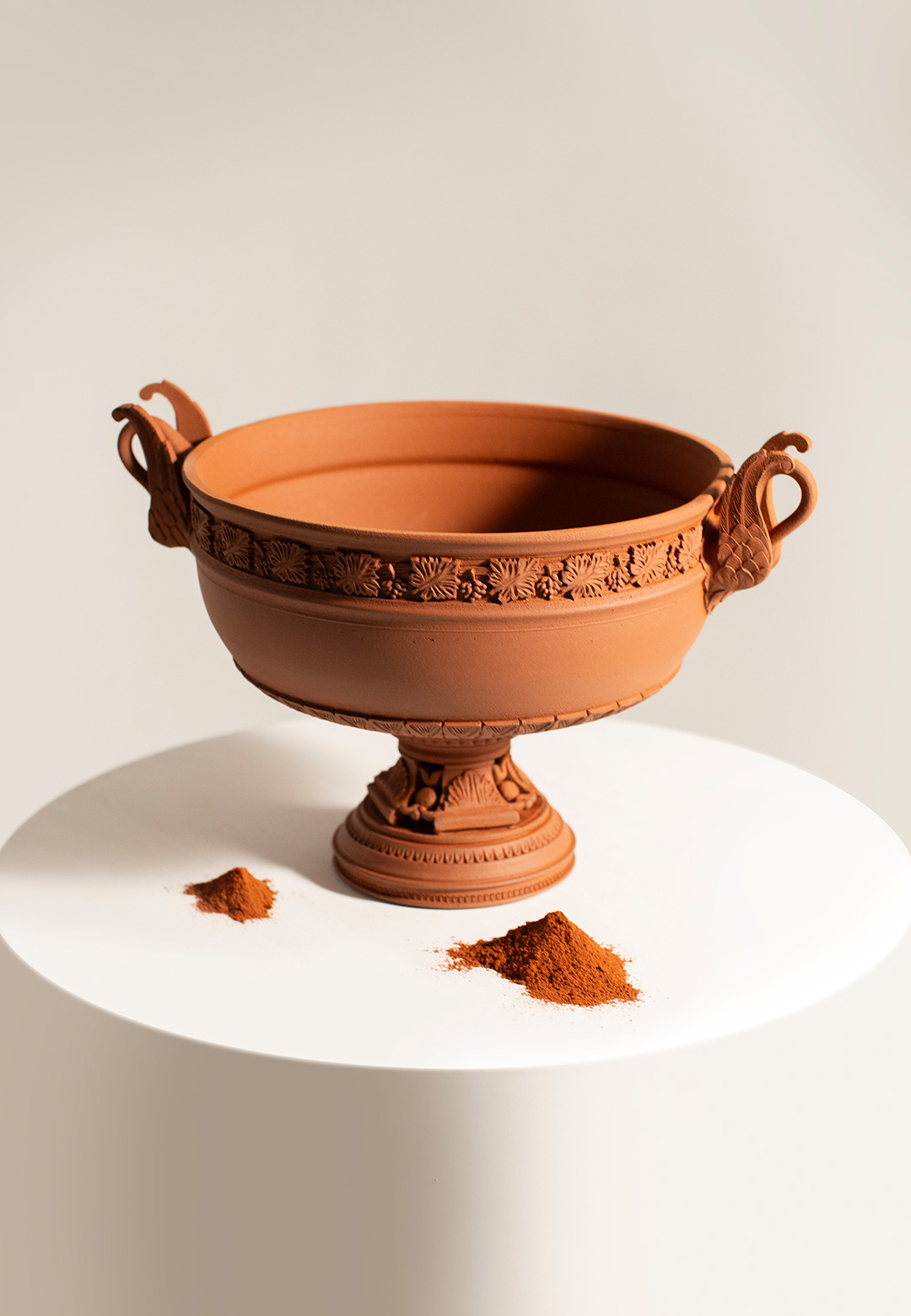





When it comes to the world of tennis, Rafael Nadal is synonymous with skill, agility, sportsmanship and sheer athletic brilliance. Widely referred to as the ‘king of clay’ for his stellar record of 14 French Open titles, he is one of the most accomplished and celebrated tennis players in the sport's history. On May 26, 2024, countless admirers from the world over travelled to Paris, where Nadal won 14 of his 22 Grand Slam titles—to witness what might be the ‘king’s’ last ever performance on clay.
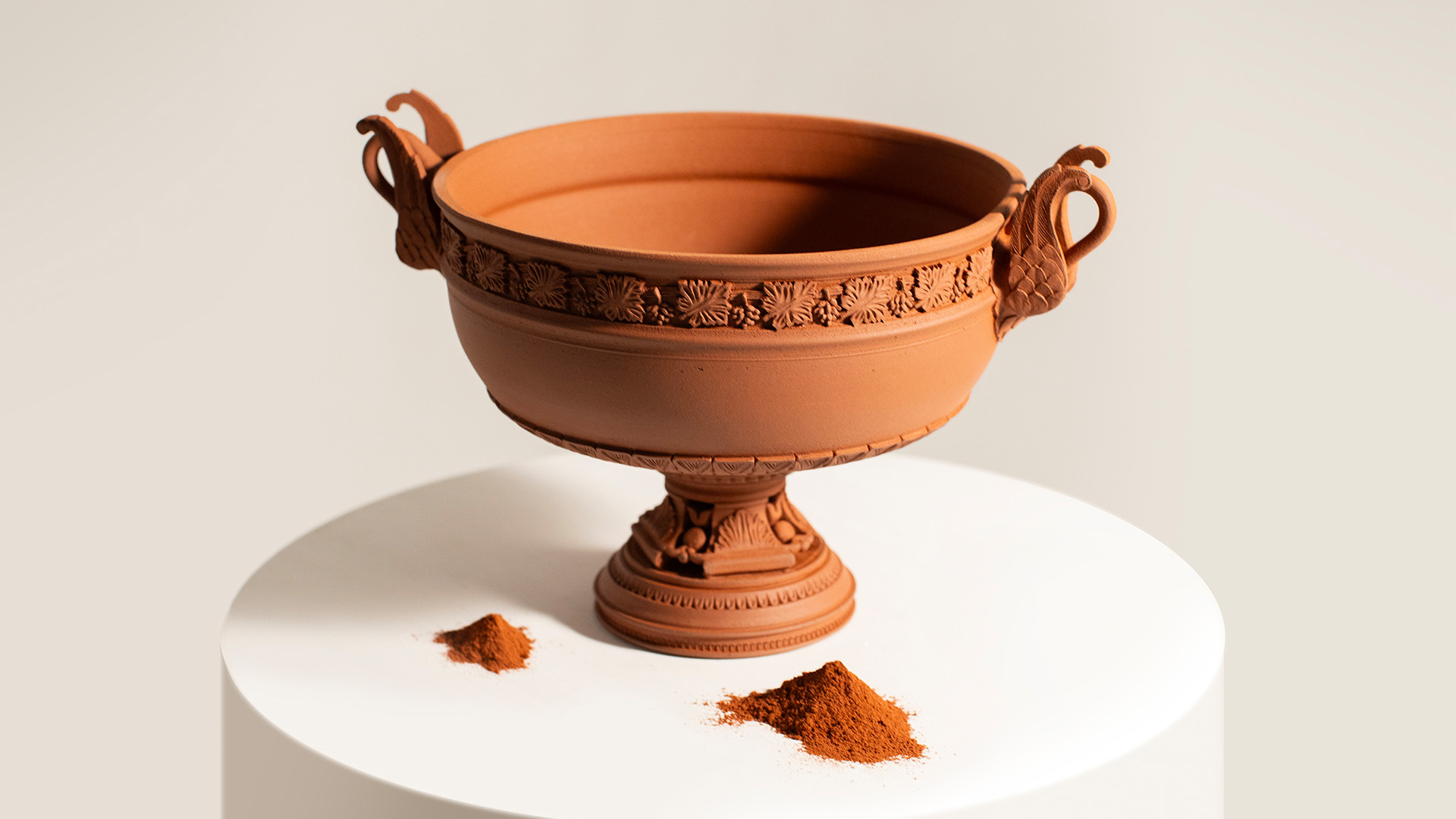
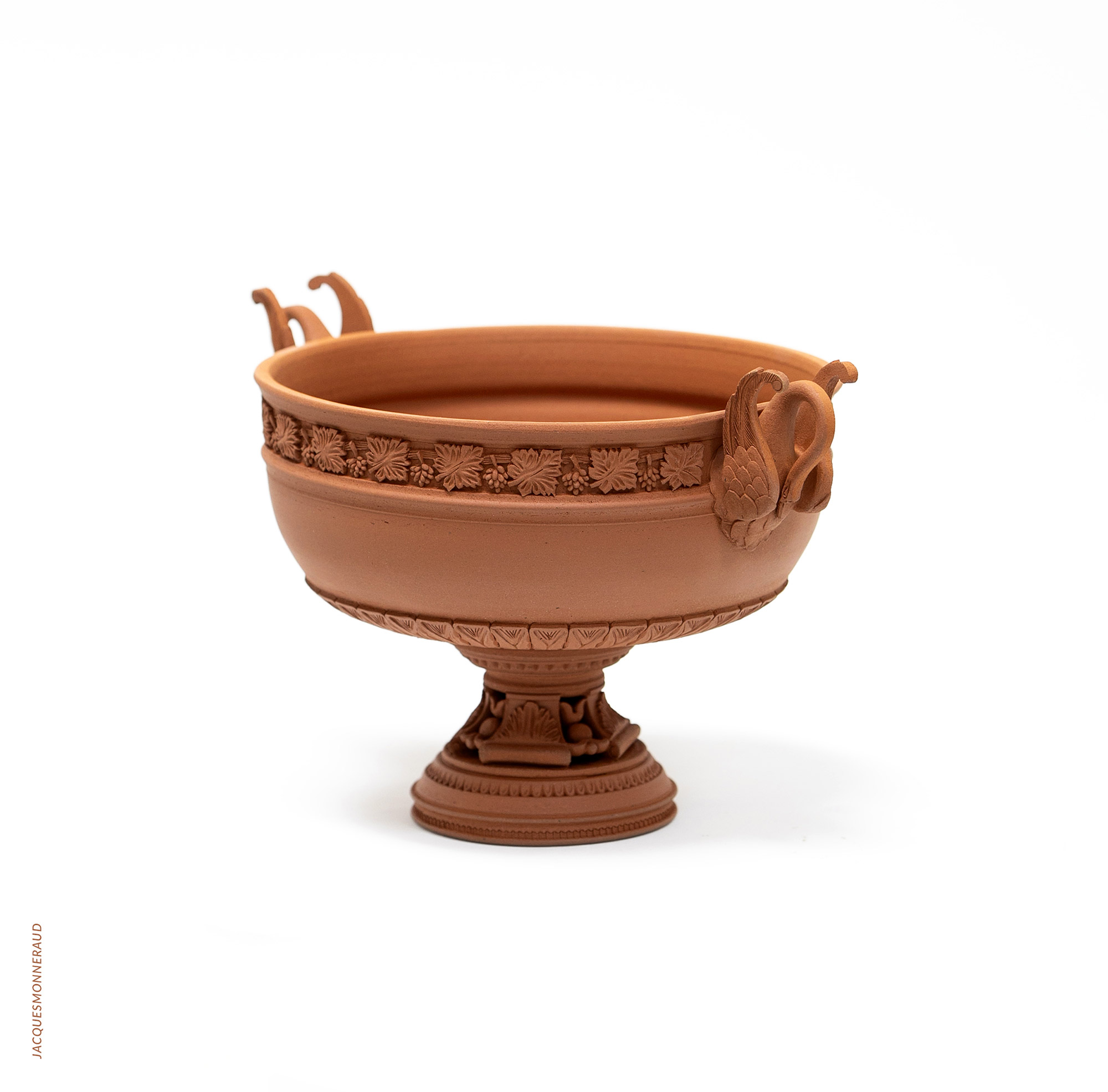
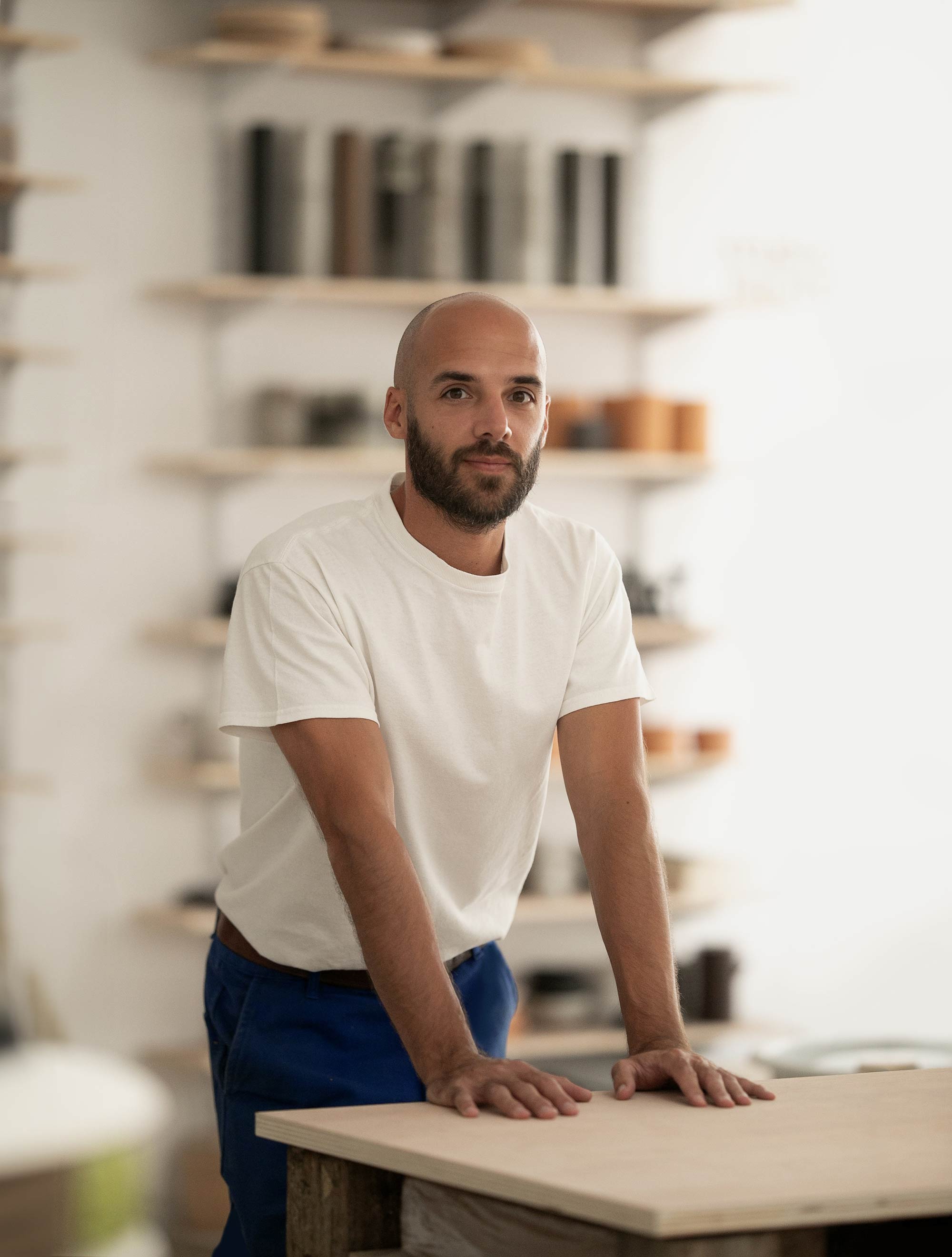
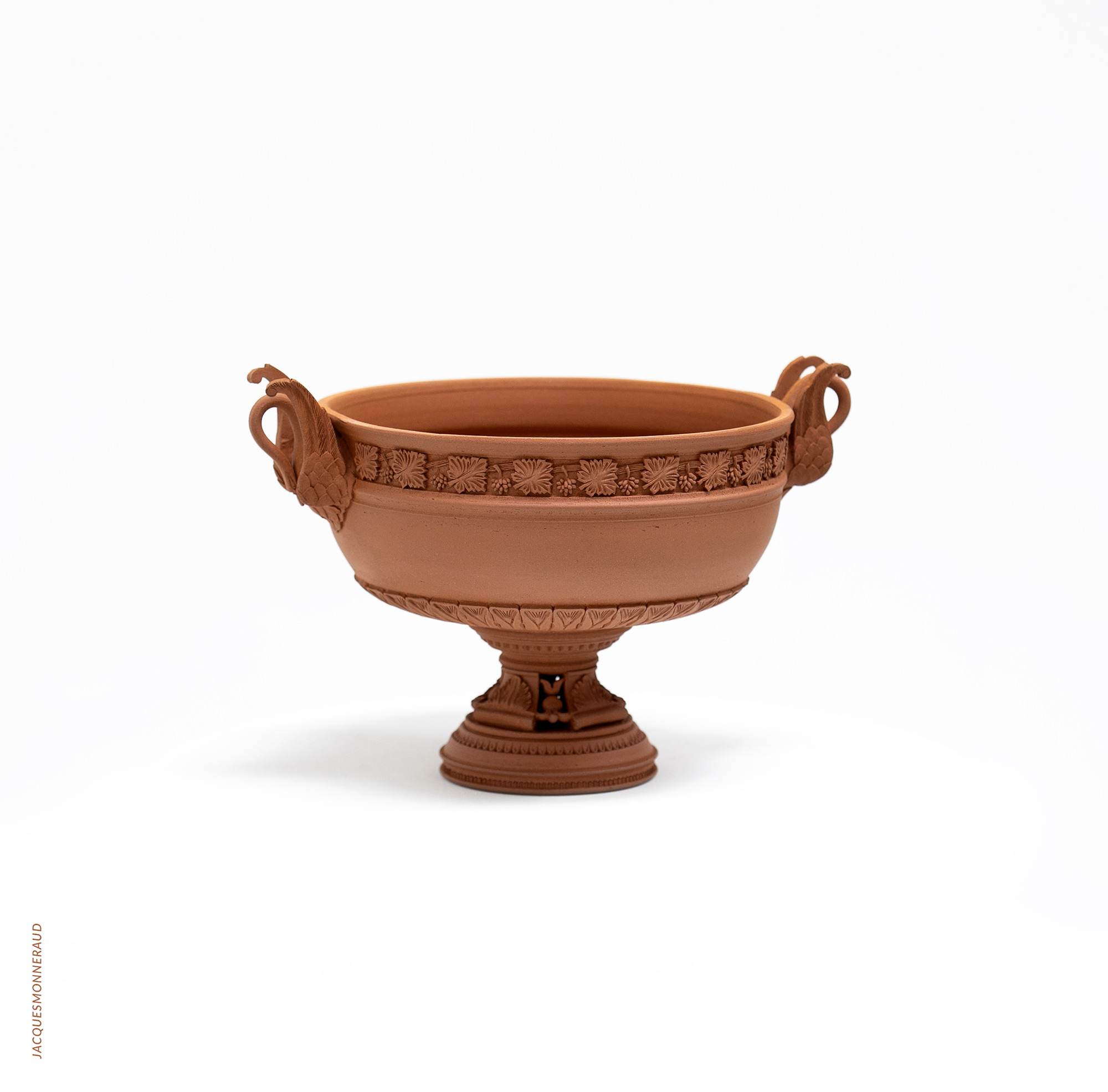
Among the multitude moved by this is French ceramic artist and designer Jacques Monneraud, who conveys a knack for creating by hand, ensuing an oeuvre of stoneware objects and product designs. As a fan of the Spanish athlete, Monneraud took to this occasion to pay a befitting tribute to Nadal's unparalleled legacy. The French designer does so by meticulously sculpting a replica of the Roland Garros trophy, the Coupe des Mousquetaires, using the red soil of the Philippe-Chatrier centre court.
In a conversation with STIR, Monneraud traces the one year and five months-long journey of this 'mad project,' conceiving his first trophy in clay and his hopes to present it to the ‘king of clay’ himself.
Anushka Sharma: How would you describe your creative philosophy?
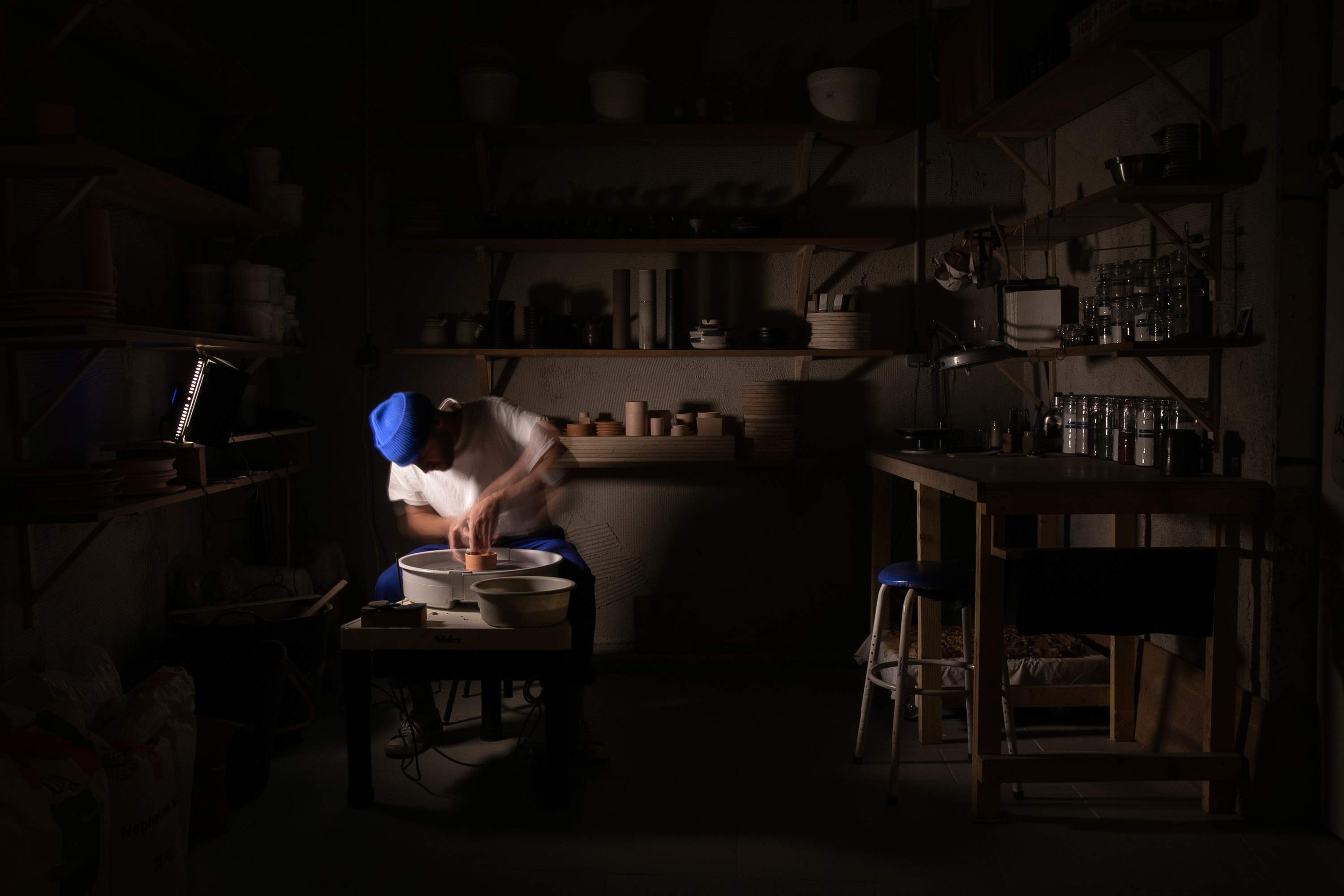
Jacques Monneraud: I do not close any doors, so I would say I have a very open creative philosophy. The courage I sometimes lack in real life, I have on a creative level. If I like an idea, I don't count the hours—the days fly by like seconds and I try everything I can to make it happen.
Anushka: What fuelled the inception and concept of replicating the Roland Garros trophy in clay?
Jacques: I am a big fan of tennis and Rafael Nadal, in particular. While researching for my job, I discovered that clay was invented by two tennis players looking for a suitable surface for their courts on the Côte d'Azur. They created it by crushing defective vases from the Vallauris potteries. I immediately thought of going the other way around and making a ceramic piece out of clay—and when you talk about red soil and are a tennis fan, it is hard not to think of Nadal and the 14 trophies he won in Paris. From there, my experience as a publicist took over.
Anushka: Could you elaborate on the process of acquiring real clay from the Philippe-Chatrier court and communicating with the Roland Garros team? Were you faced with any reservations during the back-and-forth?
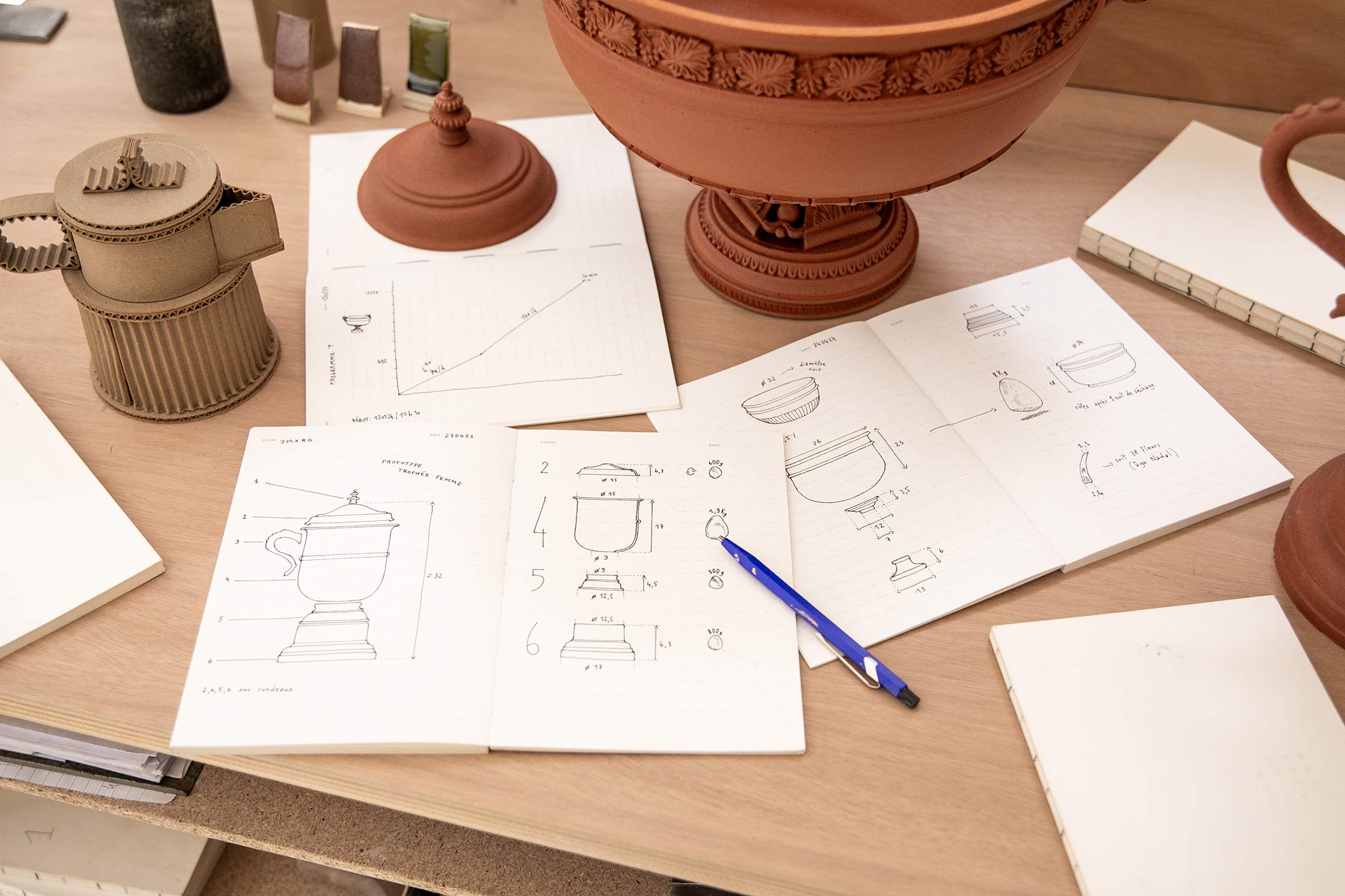
Jacques: From the very beginning, it was clear that the project required real earth, without which the cup would have had no symbolic significance. To convince the tournament teams (with whom I had no direct connection), I produced a prototype. I wanted to show them the seriousness of my proposal. It would have been a lack of respect for Maison Mellerio (who designed the trophy and has been making it for over 40 years). Once I had finished the prototype, I bought the domain name www.leroidelaterre.com and designed a website to explain my idea. This tailor-made presentation enabled me to get feedback from the tournament teams. After many exchanges, they sent me the clay I needed.
Anushka: What were some of the challenges that came with conceiving the trophy in clay, as opposed to using the usual conventional metal?
Jacques:I have to admit that I had totally underestimated the difficulty of such a ceramic object and this project pushed me to my limits, both technically and physically...I don't know the constraints involved in working with metal, which must be numerous. But clay, even when kept in airtight conditions, dries out. And to glue clay elements together, they need to have the same level of humidity, so my time was limited. The first challenge was both physical and mental since I have never worked 12 days in a row, 16 hours a day, on the same piece. Concentration erodes and the risk of error or clumsiness increases.
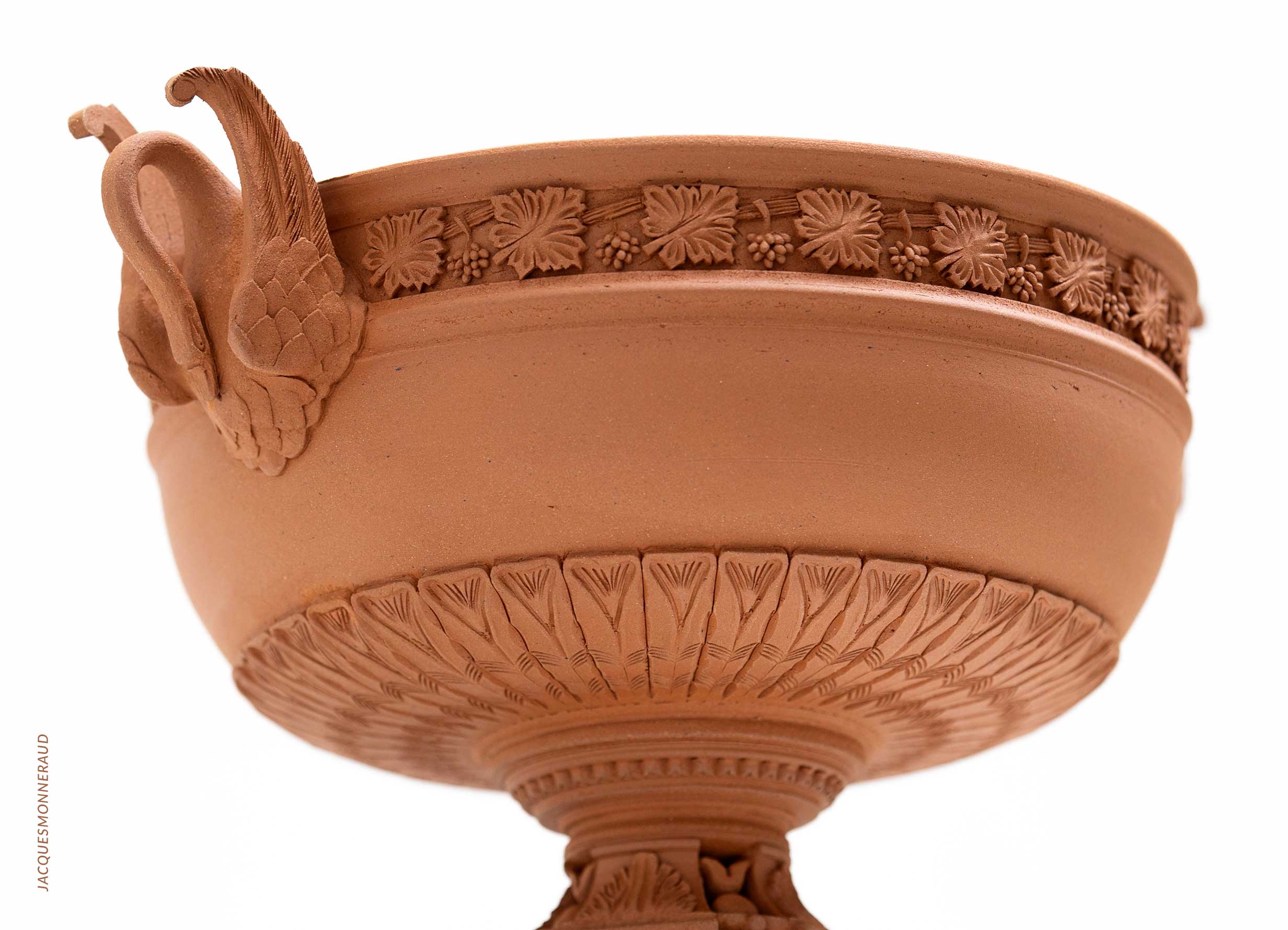
Then there were the technical difficulties, as firing clay undergoes a violent change of state that can cause considerable damage. To prevent the main bowl from collapsing under its weight, I decided to fire the whole thing upside down. Except that the two swan-shaped handles protrude from each side of the bowl and you cannot put it upside down. So I had to build a bespoke refractory stone base inside the kiln so that the piece would rest on certain parts of the lip, all the while taking into account the rate of shrinkage during firing. It was a real headache.
Anushka: When working with hand, as you do, are there limitations in achieving intricate details such as the ones featured on the Roland Garros trophy? How do you overcome them?
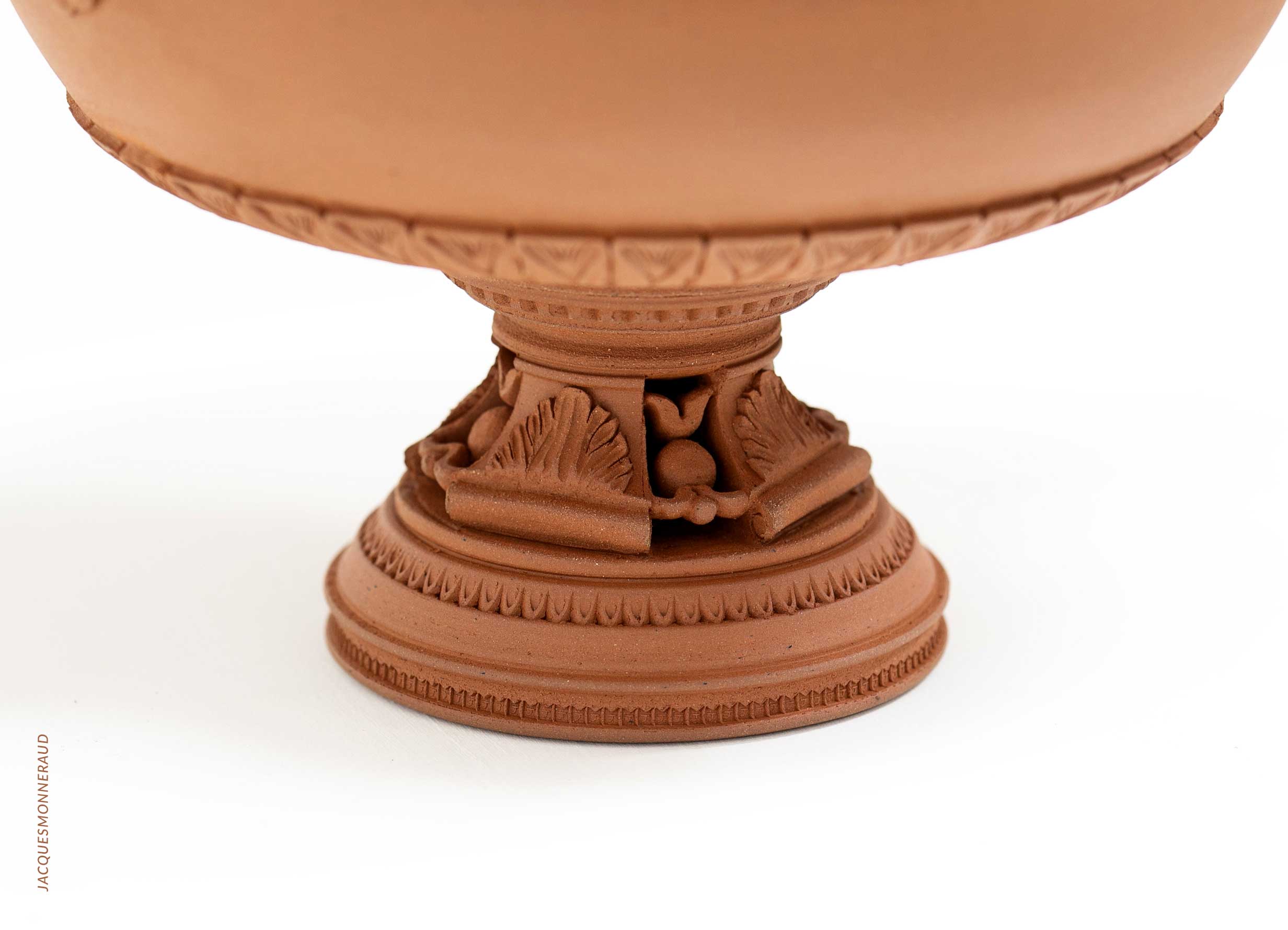
Jacques: Art history has proven that the hand is the most wonderful and functional tool. However, sometimes you indeed need to extend it with a utensil appropriate to what you want to achieve. On this trophy, I worked a lot with dentists' tools, in addition to the little Japanese knife I use every day. I have around 40 different shapes that can be used to achieve just about any sculptural effect, provided they are used properly.
Anushka: Where do you see your version of the Roland Garros trophy heading? As a tennis fan, do you plan to replicate other prestigious trophies of the sport, perhaps the other Grand Slams?
Jacques: Thanks to the many people who shared the video, the project made its way to Rafael Nadal and his team, who told me they loved it. His agent got in touch with me and we are in talks to organise a presentation, probably in Majorca at his academy. The date has not been set yet because, as you can imagine, he has a very busy schedule. What is certain is that I could not have done it without the support of millions of people. That is the beauty of this story. If one day the trophy is presented to him, I want it to be in the name of all his fans. As for the other Grand Slam trophies, I do not think it would have the same symbolic significance. So for the moment, it is not planned.
Anushka: What is NEXT for you?
Jacques: This completely mad project was carried out in parallel with my work on ceramic pieces that imitate cardboard. So now I am concentrating 100 per cent on these pieces, which also take up a lot of my time and which I take great pleasure in making. In addition to the sales that will take place on my website, I am preparing for the next edition of Ceramic Brussels, which I'll be taking part in for the first time next January.


What do you think?