Enter your details to sign in
Don’t have an account?
Sign upOr you can sign in with
a single account for all
STIR platforms
All your bookmarks will be available across all your devices.
Stay STIRred
Already have an account?
Sign inOr you can sign up with
Verification link sent to check your inbox or spam folder to complete sign up process



We use cookies and similar technologies, to help provide you with a better, faster, and safer experience while delivering content
tailored to your interests.
By clicking on the AGREE button, closing this banner, clicking or navigating the website, you consent to the use of all cookies and similar technologies for the purposes we describe in our
Privacy Policy.
We use several cookies that are related to the functionality, security & user preferences,
analytics, and advertising. While some are essential, you may choose to dis-allow the use of others.
Please choose your preference, or opt for the best experience by closing this banner, clicking or navigating the website.
For more detailed information please read our Privacy Policy
 Connect
Connect
Connect





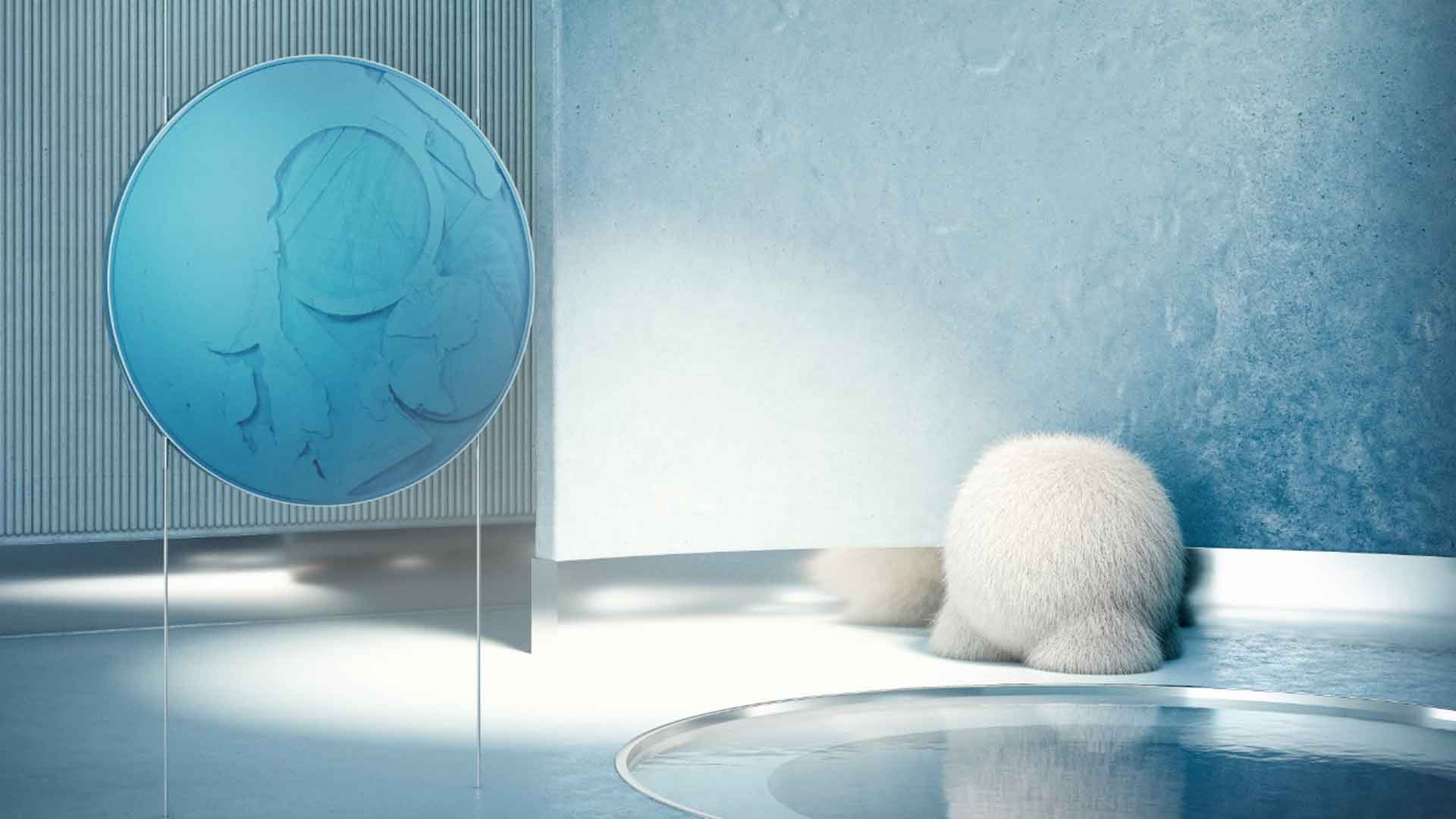
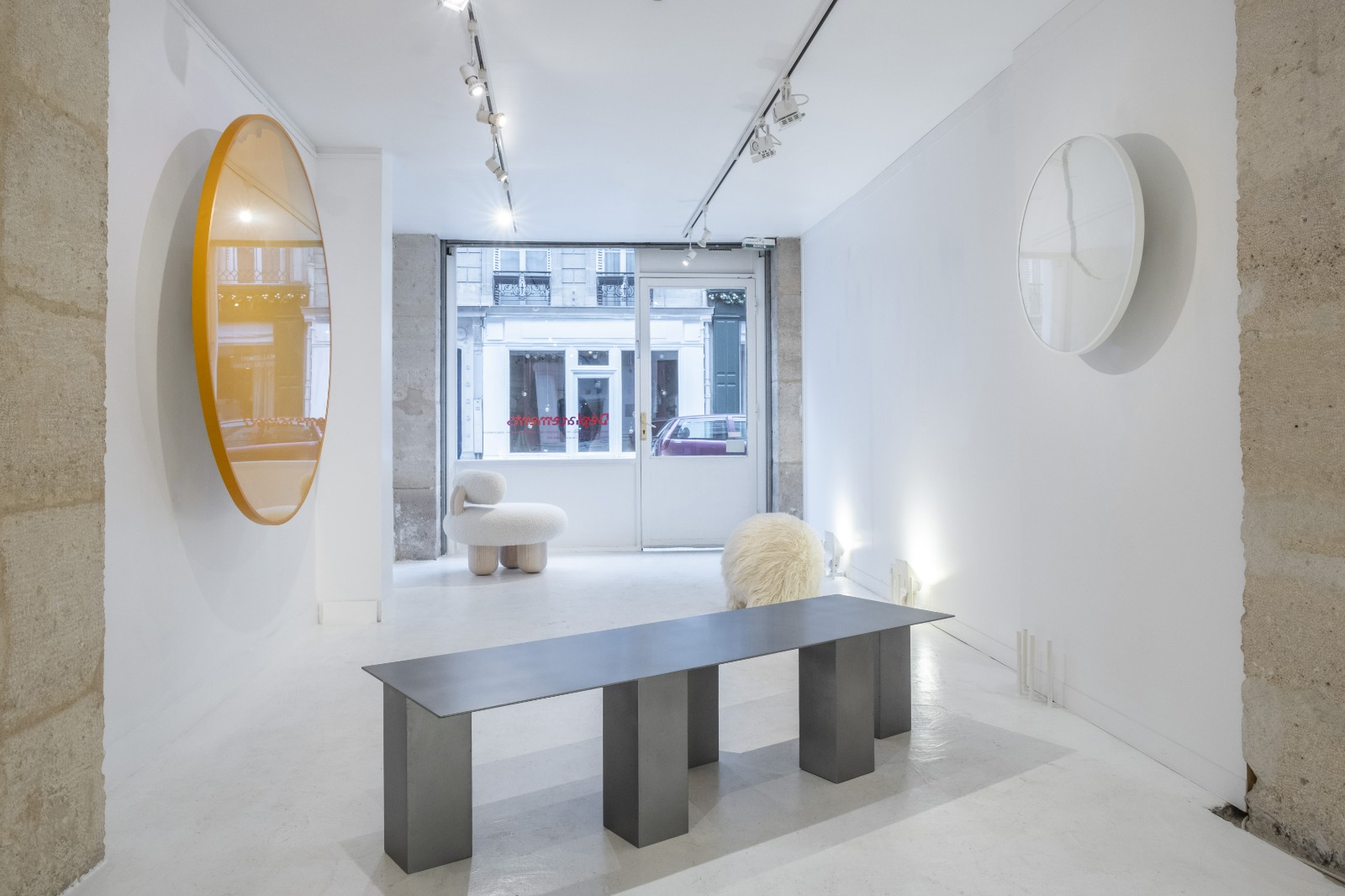
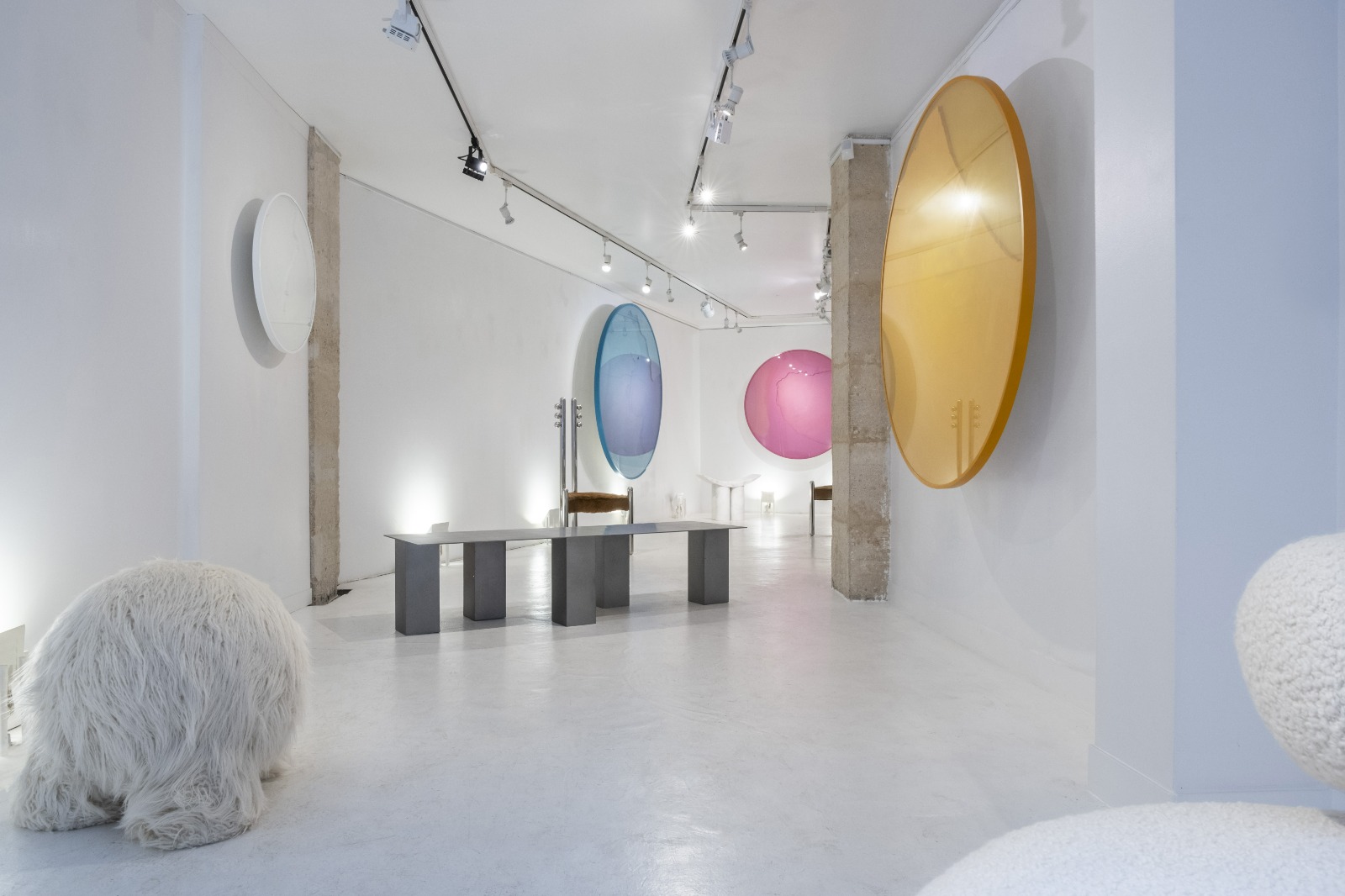
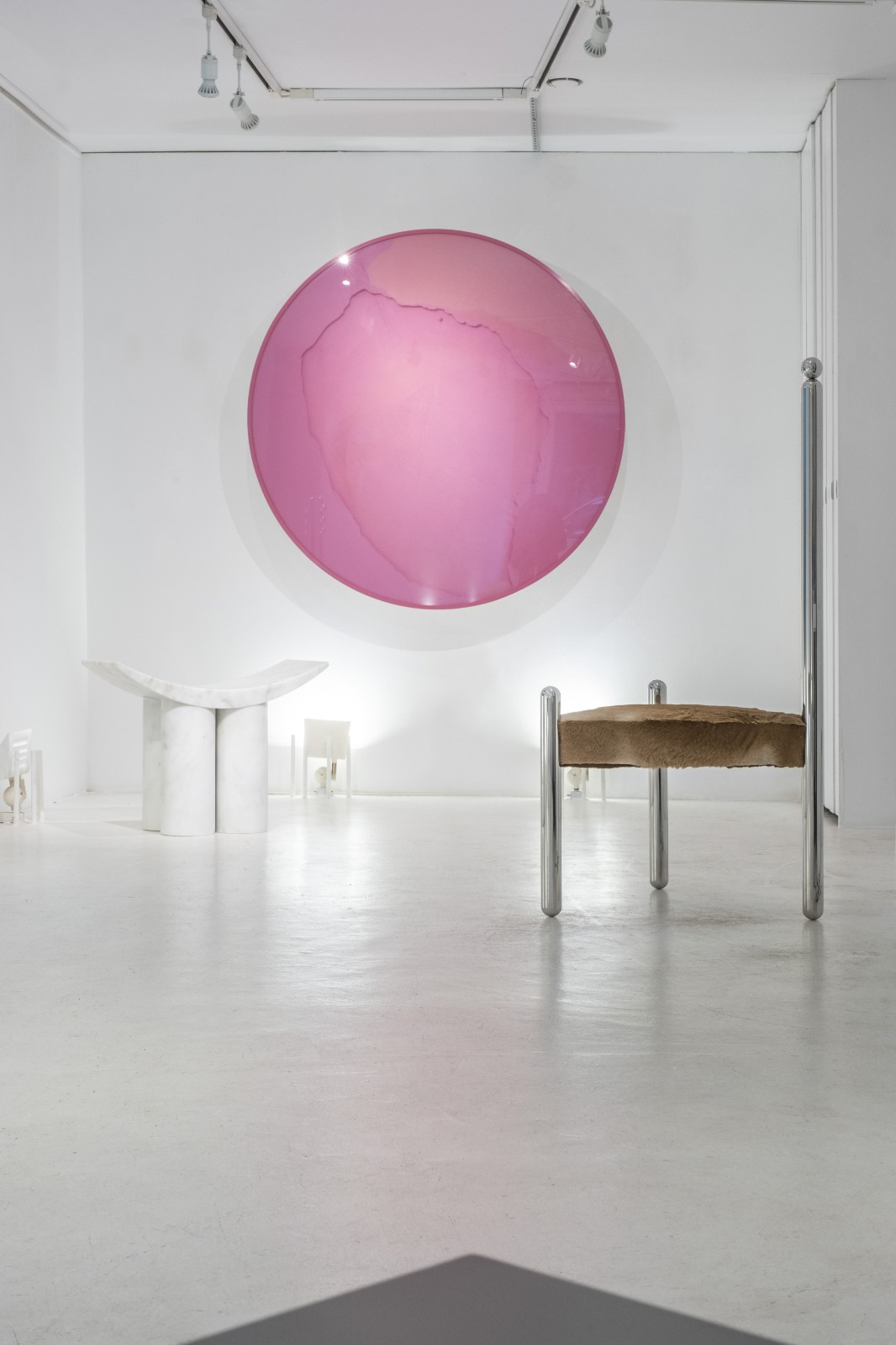
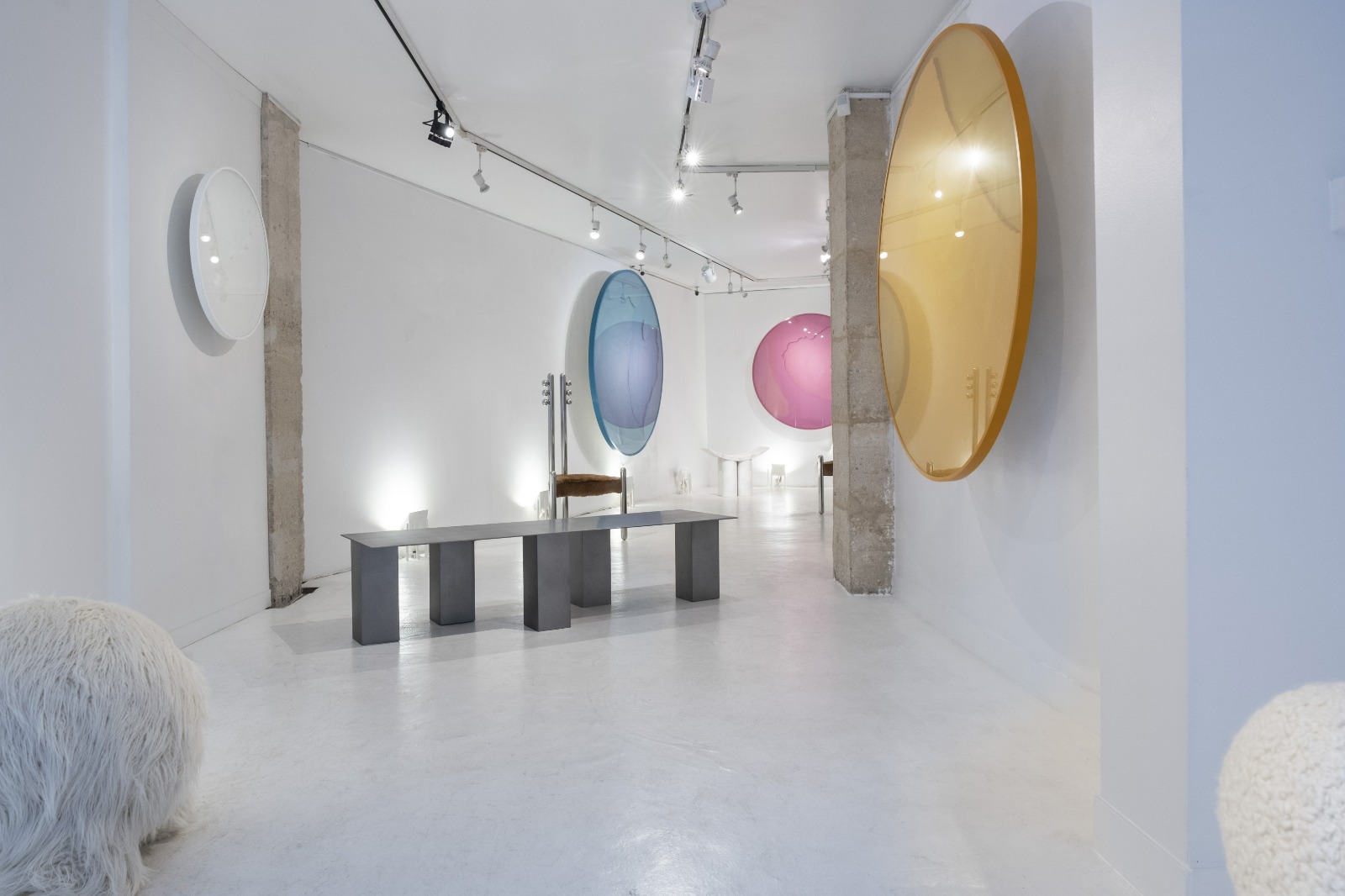
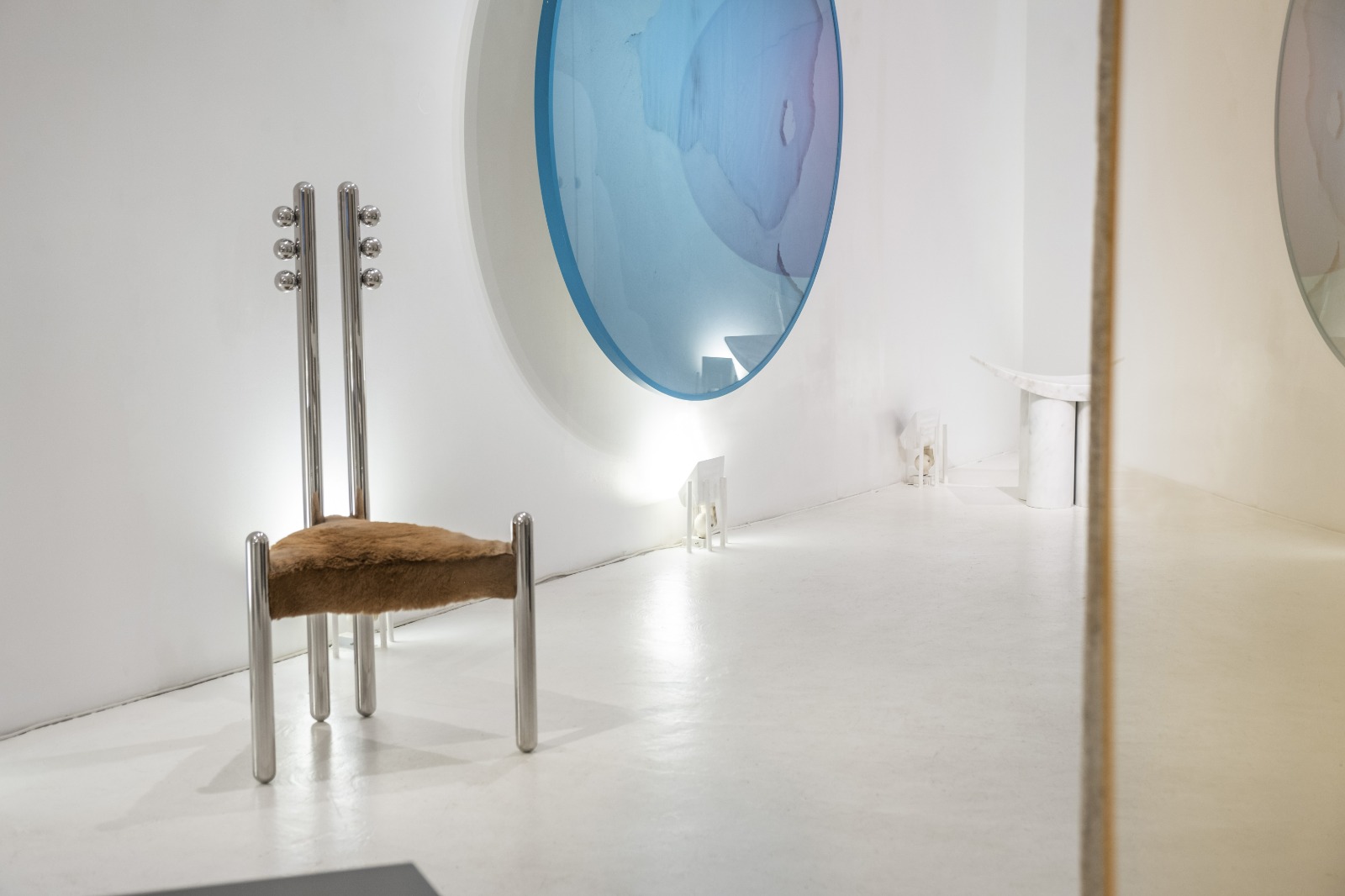
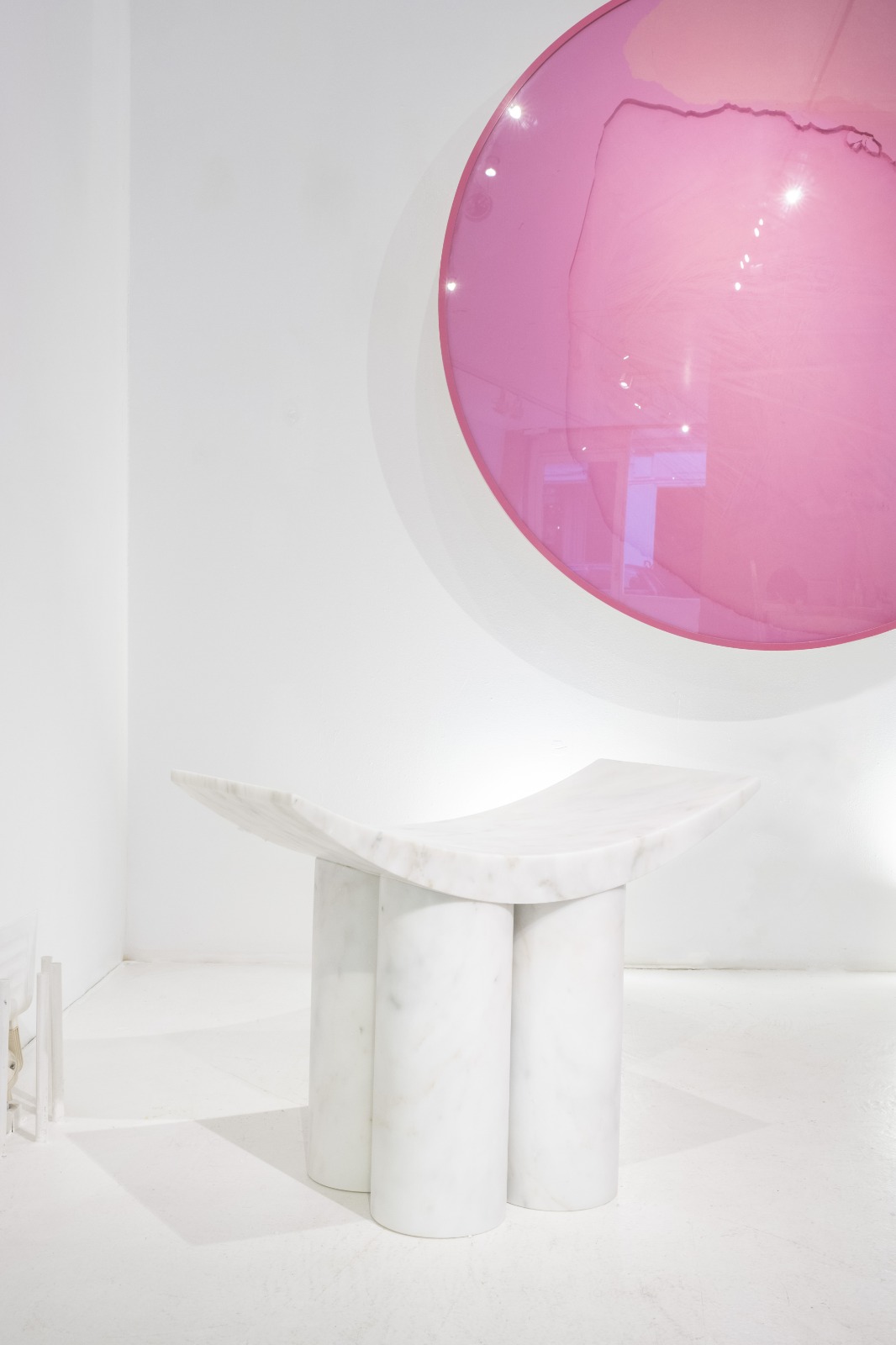
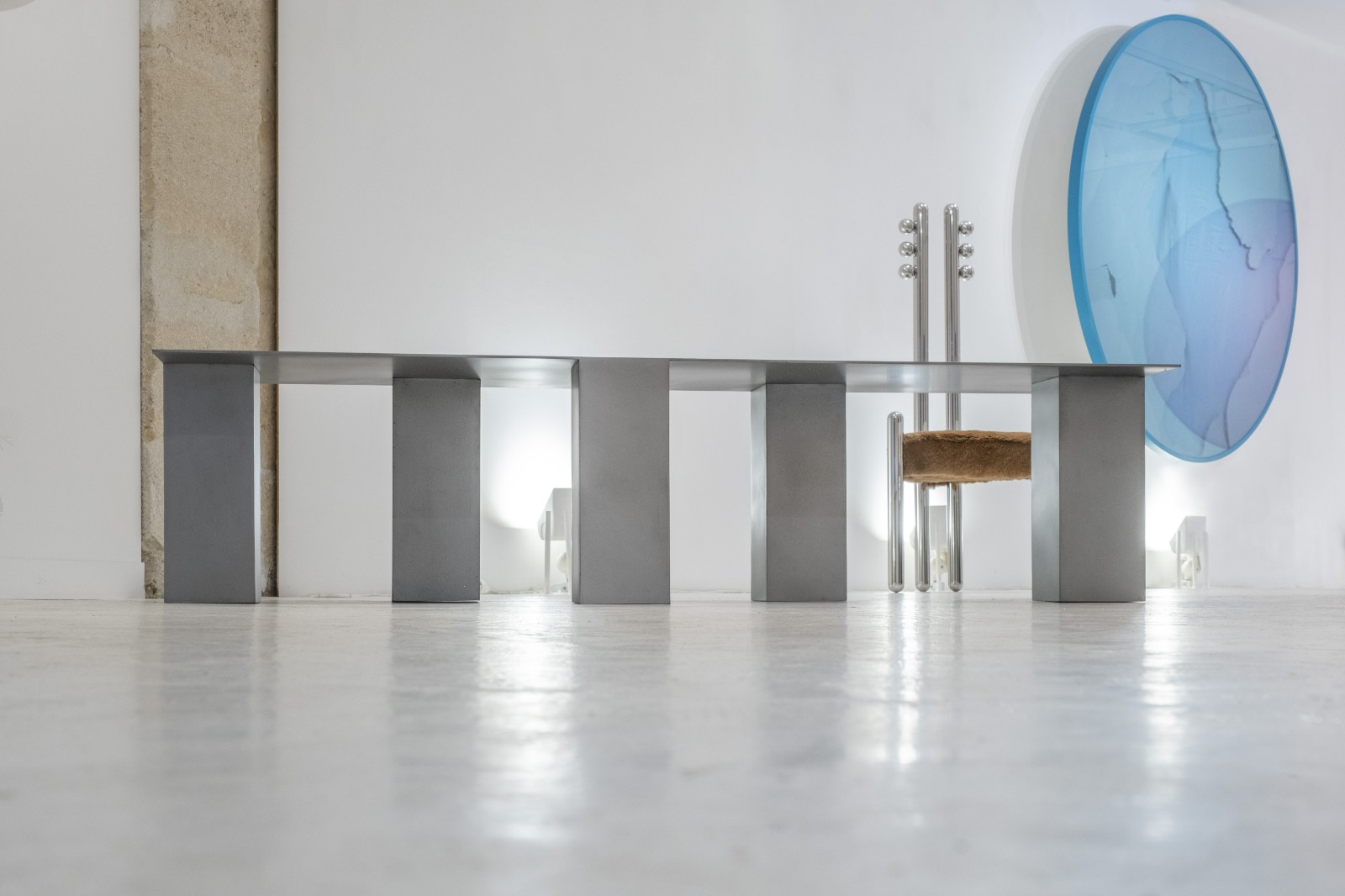
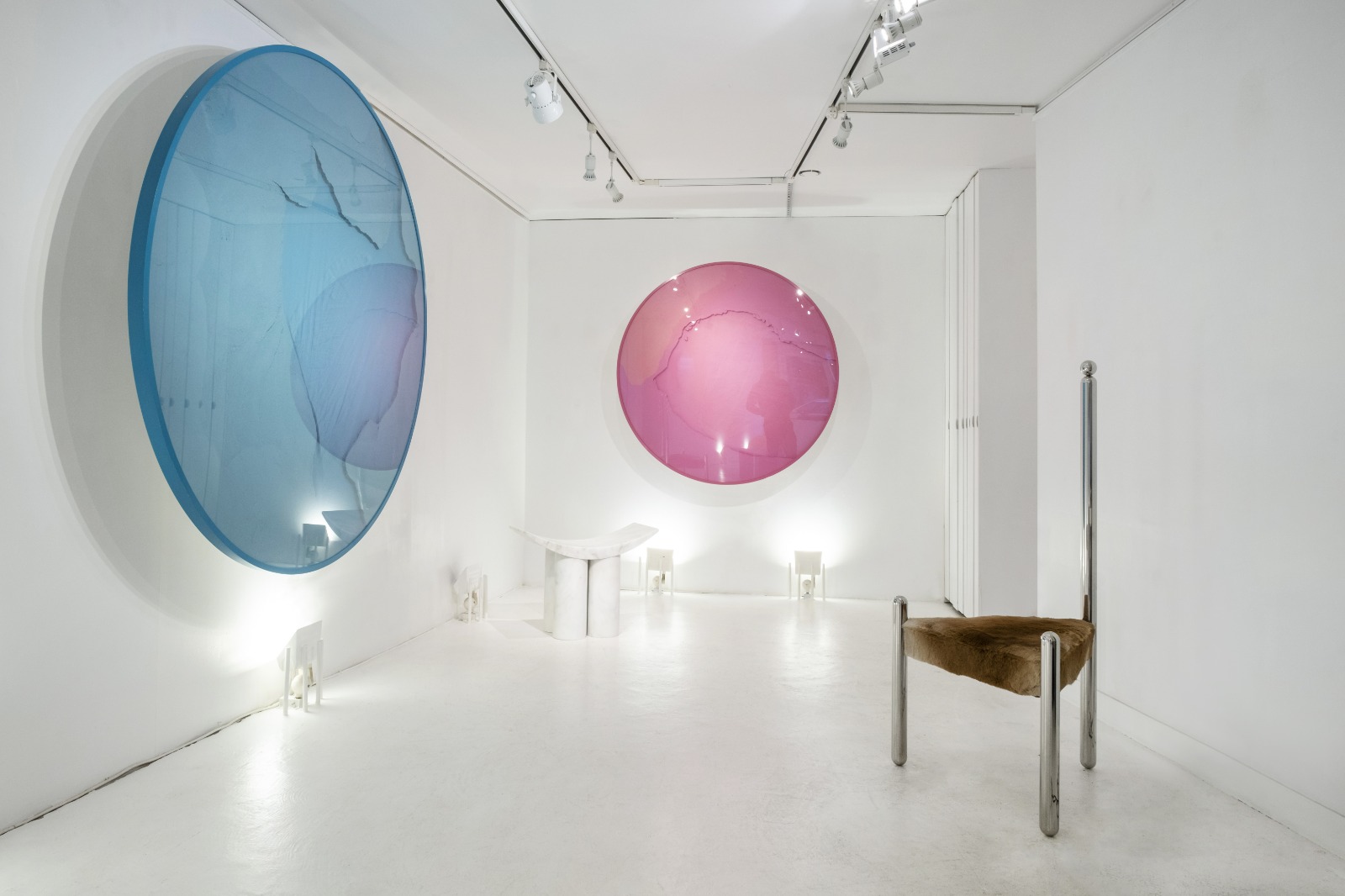
There are many concepts and themes that can describe the reciprocal works of the artist Manuel Mérida and the designer Pietro Franceschini. A long and meticulous research on serendipity for the first one, and a playful reflection on artificial reveries for the second. But if we had to point out a common ground for the two creators, it would be that of Porosities.
The work of Mérida is materially porous, and this porosity is at the origin of the infinity of faces that his pieces take on over time. It also concerns the creator, who through his diverse career as a painter, decorator, designer and scenographer is at the crossroads of different creative professions without ever having a fixed, impermeable boundary. The porosity and the creative dynamic of Franceschini is also marked, since his career has seen him in turn architect, decorator, and designer. The porosity of his creation is rooted in a sculptural design that is both furniture and work of art, pieces with functionality but also with a facet that escapes all utilitarianism, elevating it to the rank of artistic sculptures.
The dialogue woven by the Meyer Zafra and Philia galleries questions this concept of porosity between two generations of artists, between different artistic worlds, those of painting and sculpture, but also between art and design.



 Sign in with Google
 Sign in with email