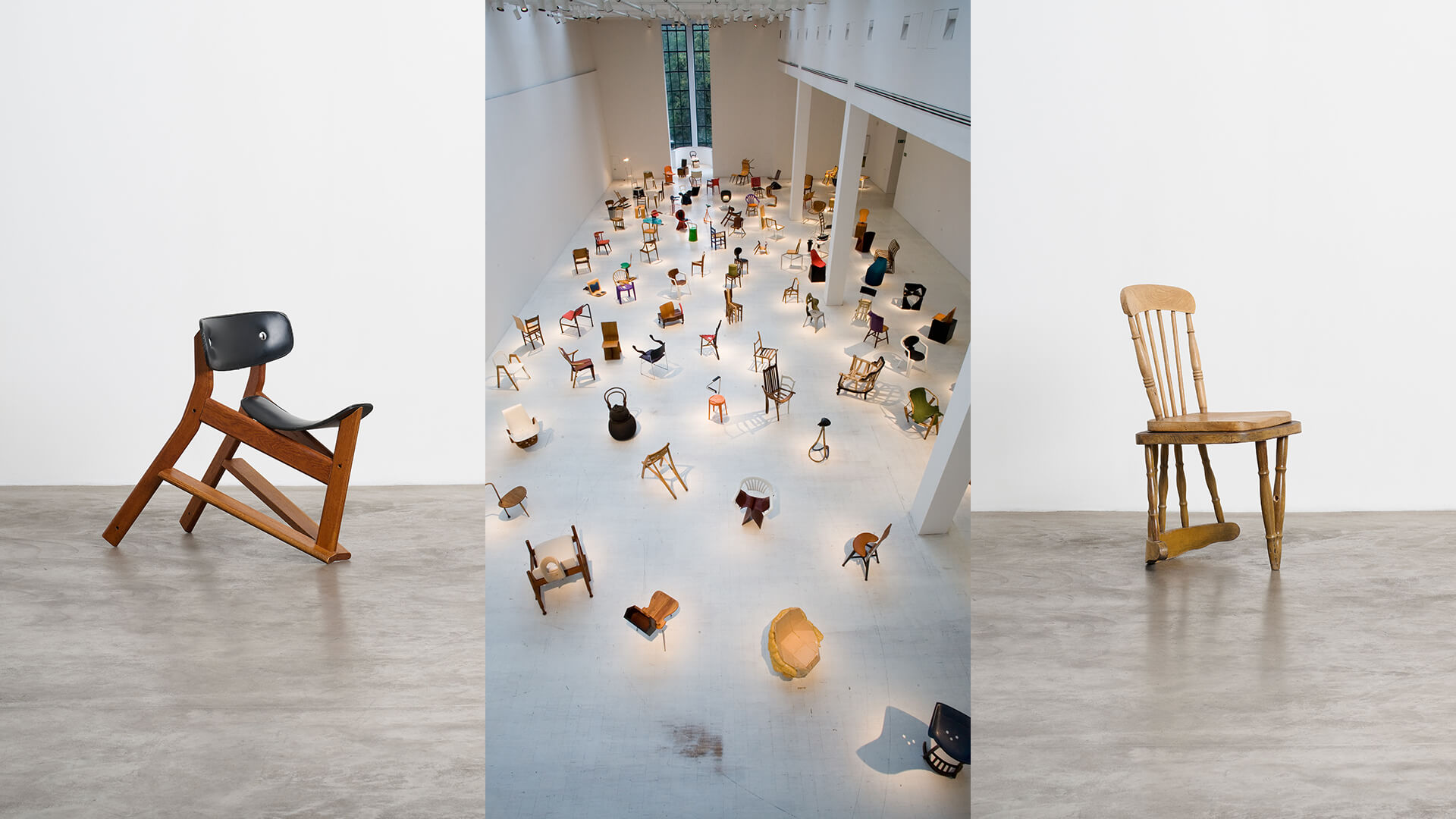
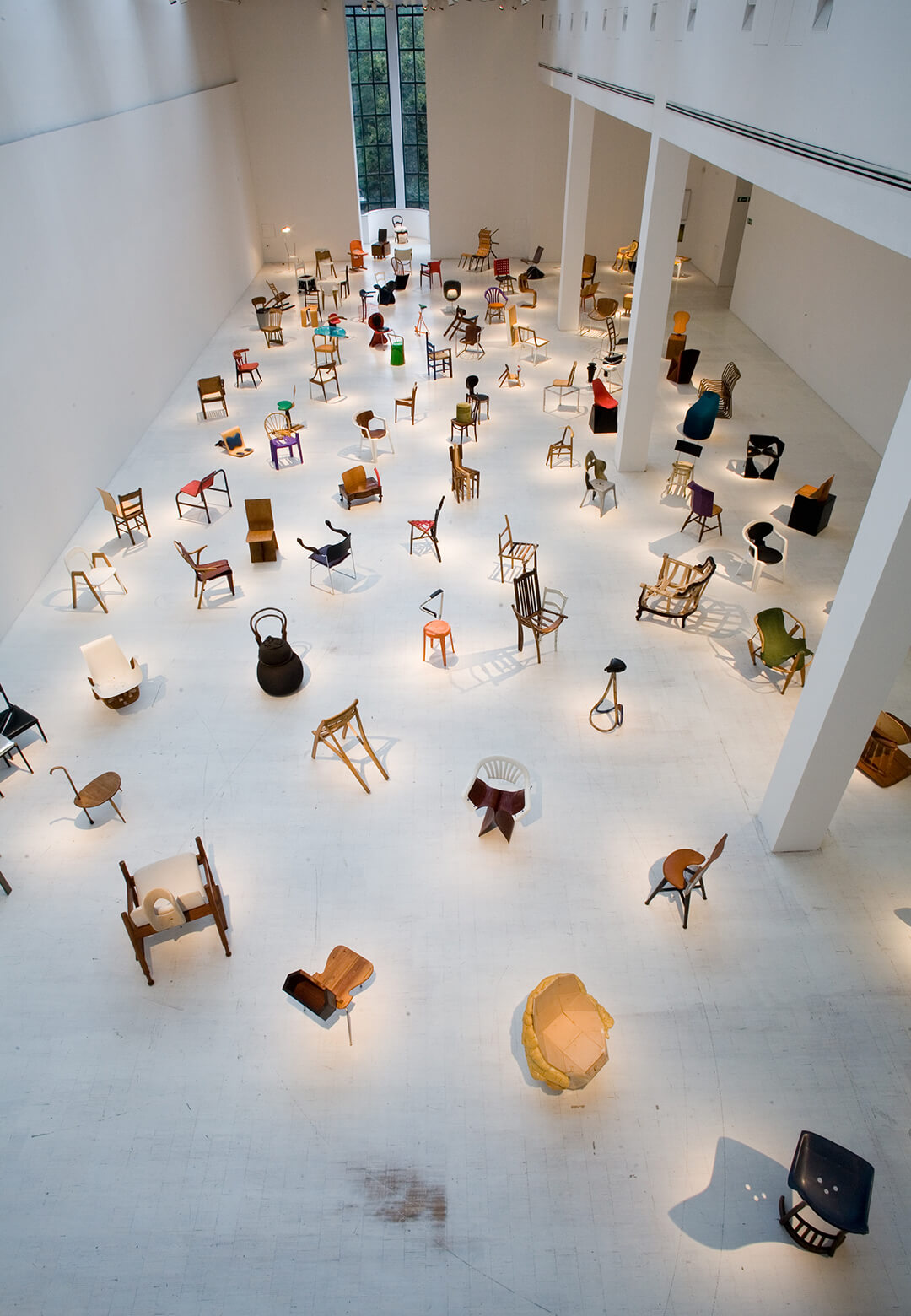
After nearly two decades of preservation within the Nilufar archive, 100 Chairs in 100 Days by Martino Gamper—widely regarded as one of the most significant and influential design projects of the past twenty years—will enter an international museum collection. The complete series of one hundred chairs created in 2007 has been acquired by a major institution, whose name will be announced in the coming months.
The acquisition represents institutional recognition of a body of work that has profoundly shaped the discourse surrounding reuse, authorship and the design process.
For Nina Yashar, founder of Nilufar, this milestone marks the culmination of a journey that began in 2009, when she decided to acquire the entire project and champion its presentation at Triennale Milano. A visionary and unconventional decision that ensured the preservation of the project's integrity over time and safeguarded what is now widely acknowledged as a landmark of contemporary design.
"From the very beginning, I believed that the strength of this project resided in its entirety. I never considered the individual chairs as autonomous works, but rather as parts of a single narrative. For this reason, I chose to preserve them together, accompanying their journey through time. Seeing them now enter a museum collection represents the recognition of a decision made many years ago and of the extraordinary relevance this work continues to hold within the landscape of contemporary design," Yashar notes.
"100 Chairs in 100 Days was an exercise in looking, making and reimagining. By taking apart existing chairs and recombining their elements, I was interested in discovering how far an everyday object could be transformed while still remaining a chair. The project was not about perfection, but about intuition, improvisation and the possibilities that emerge when working with what already exists. Each chair became a conversation between different histories, materials and functions, revealing new identities through unexpected combinations," Gamper elaborates.
A project born from reuse and experimentation
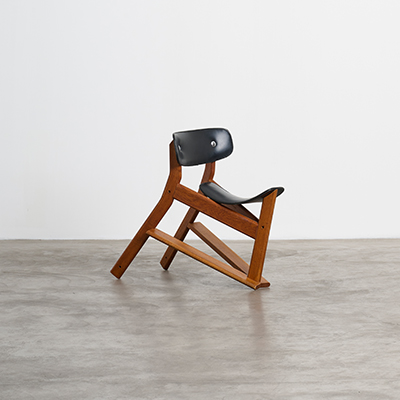
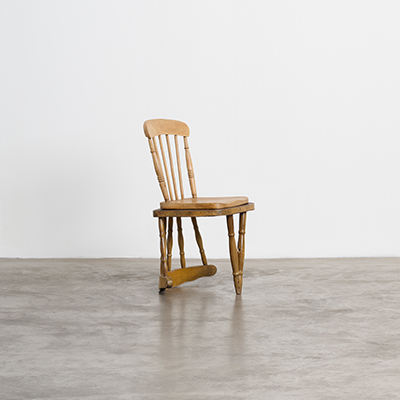
Created in London in 2007, 100 Chairs in 100 Days emerged from a gesture that was as simple as it was radical: collecting discarded chairs from the streets, private homes and second-hand markets, and transforming them over the course of one hundred consecutive days.
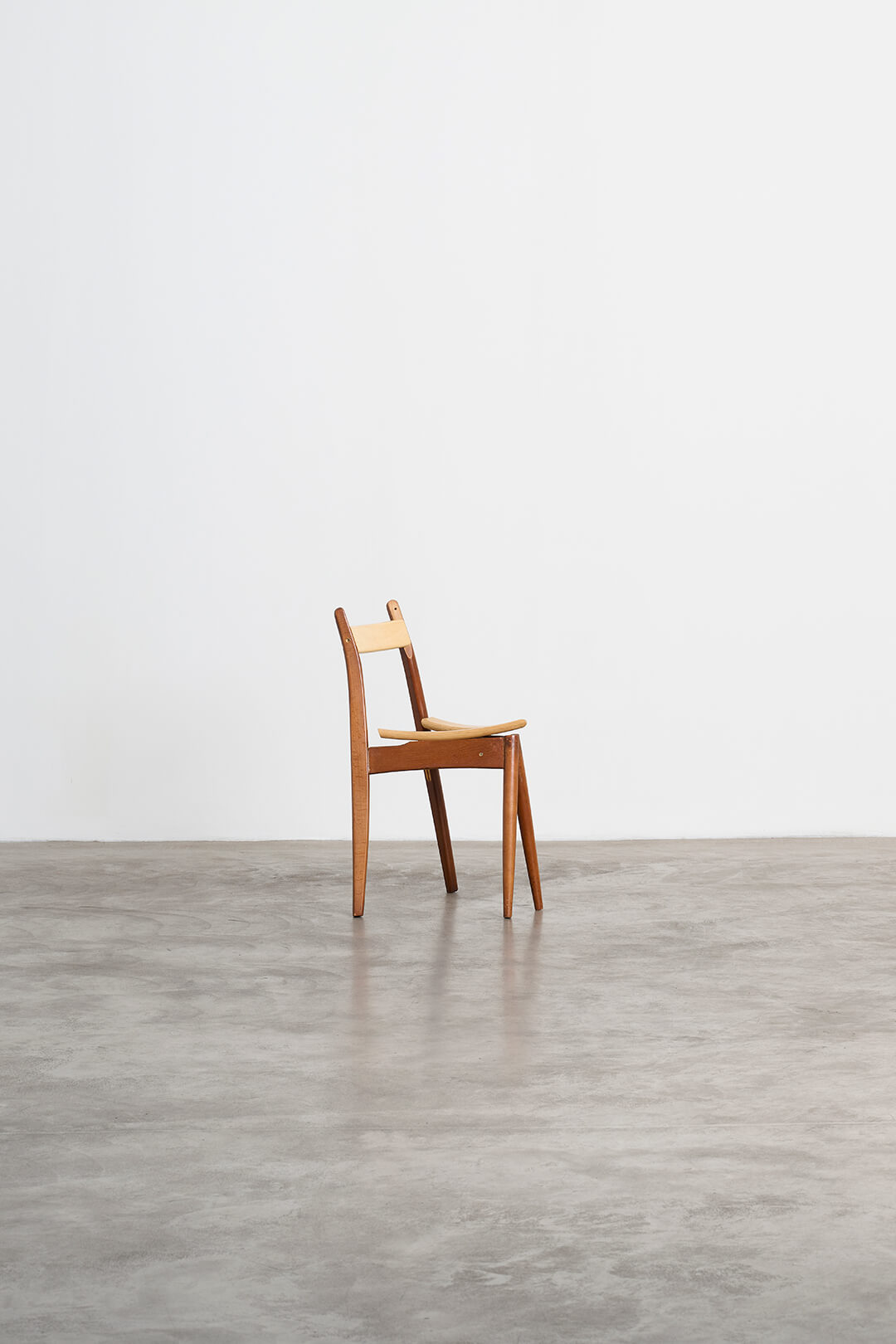
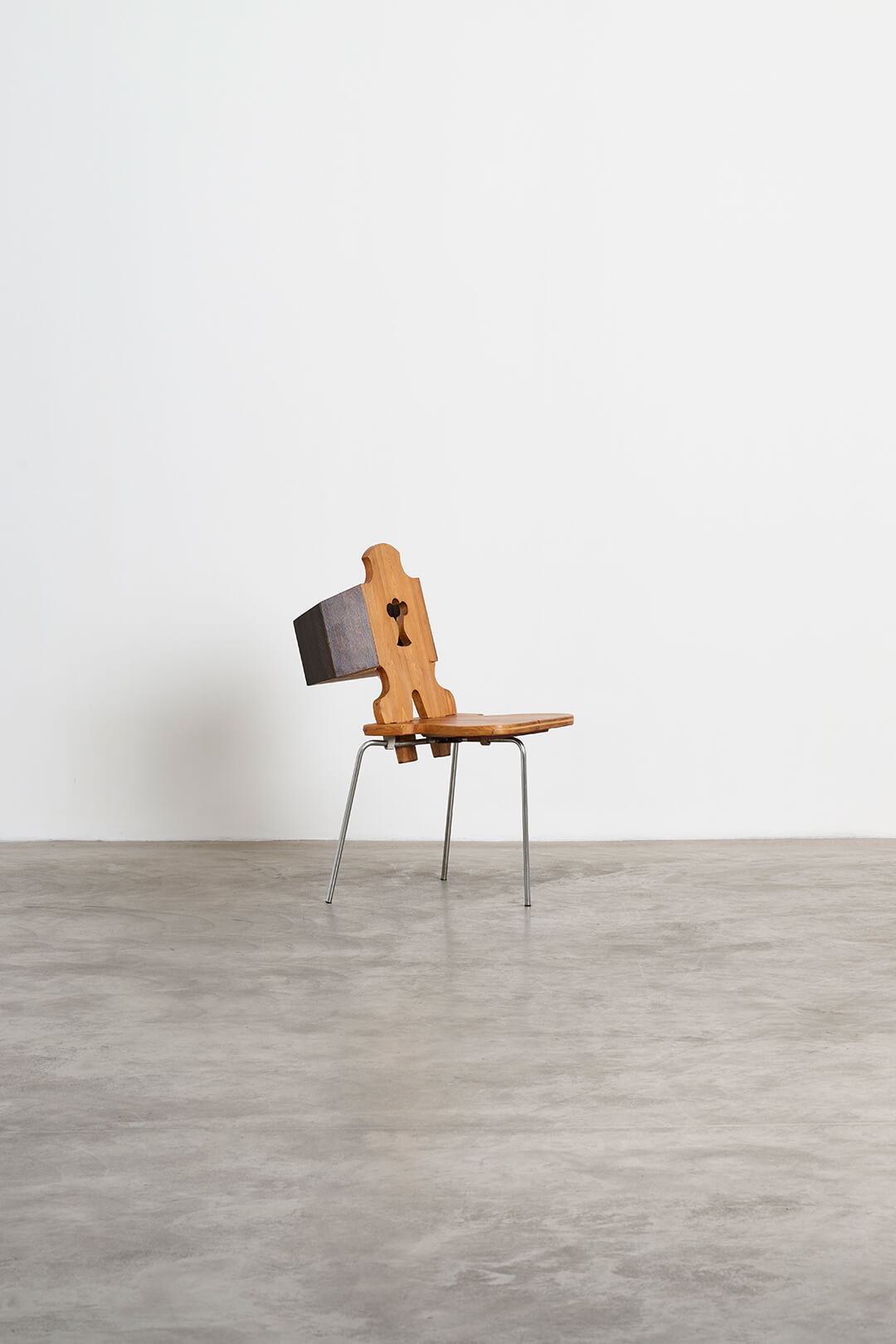
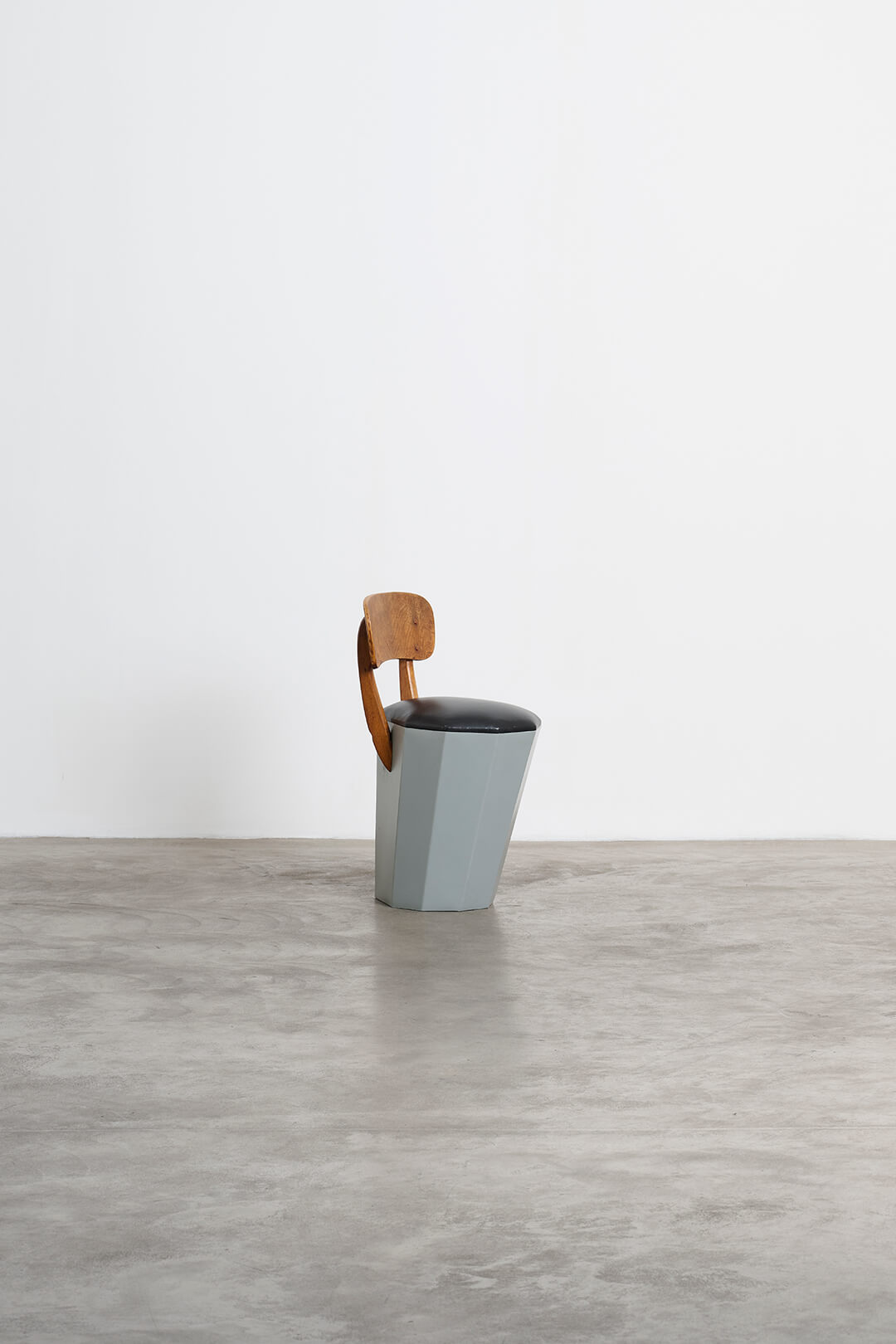
Each day, Gamper intervened on a different chair through processes of cutting, joining, grafting and recombination, creating one hundred unique objects that challenge conventional design categories and the very notion of originality.
More than a collection of chairs, the project functions as an open laboratory for formal and conceptual research. Through the reuse of existing elements, Gamper explores the possibilities of transformation, error, chance and the contamination of different visual languages, developing a reflection on the value of objects and their capacity to assume new identities over time.
An international history
Since its first presentation in 2007, 100 Chairs in 100 Days has been exhibited at numerous international institutions and museums, including Triennale Milano, the Yerba Buena Center for the Arts in San Francisco, the Benaki Museum in Athens, MIMOCA in Japan, the RMIT Design Hub in Melbourne and City Gallery Wellington in New Zealand.
In 2009, Nina Yashar acquired the entire series, choosing to preserve its integrity, prevent its dispersal and care for it through ongoing conservation and maintenance. Since then, the project has been safeguarded as a unified body of work while continuing to be featured in exhibitions, institutional loans, research initiatives and publications.
Among these is 100 Chairs in 100 Days and its 100 Ways, published by Nilufar, which documents the history and evolution of the project and testifies to its central role within the international discourse on contemporary design.
An open work
Although formally completed in 2007, 100 Chairs in 100 Days has continued to evolve through a practice that has accompanied many of its major public presentations over the years.
On several occasions, Gamper has chosen to complement the original series with a new 'hundredth chair', created specifically for the host venue using locally sourced materials and found objects. This gesture symbolically extends the project beyond its original conclusion, reaffirming its open-ended, experimental and process-driven nature.
A final opportunity before the transfer
To celebrate this important institutional milestone, Nilufar will bring together a selection of the one hundred chairs at the Nilufar Warehouse on June 30, 2026. The event represents one of the final opportunities to experience the project before it is transferred to the collection of the acquiring institution, whose name will be announced at a later date.
During the evening, Gamper will carry out a restoration intervention on the chairs, continuing a practice that has accompanied the public life of the work for years and that continues to sustain its transformative potential.
After nearly two decades of preservation within the Nilufar archive, 100 Chairs in 100 Days by Martino Gamper—widely regarded as one of the most significant and influential design projects of the past twenty years—will enter an international museum collection. The complete series of one hundred chairs created in 2007 has been acquired by a major institution, whose name will be announced in the coming months.
The acquisition represents institutional recognition of a body of work that has profoundly shaped the discourse surrounding reuse, authorship and the design process.
For Nina Yashar, founder of Nilufar, this milestone marks the culmination of a journey that began in 2009, when she decided to acquire the entire project and champion its presentation at Triennale Milano. A visionary and unconventional decision that ensured the preservation of the project's integrity over time and safeguarded what is now widely acknowledged as a landmark of contemporary design.
"From the very beginning, I believed that the strength of this project resided in its entirety. I never considered the individual chairs as autonomous works, but rather as parts of a single narrative. For this reason, I chose to preserve them together, accompanying their journey through time. Seeing them now enter a museum collection represents the recognition of a decision made many years ago and of the extraordinary relevance this work continues to hold within the landscape of contemporary design," Yashar notes.
"100 Chairs in 100 Days was an exercise in looking, making and reimagining. By taking apart existing chairs and recombining their elements, I was interested in discovering how far an everyday object could be transformed while still remaining a chair. The project was not about perfection, but about intuition, improvisation and the possibilities that emerge when working with what already exists. Each chair became a conversation between different histories, materials and functions, revealing new identities through unexpected combinations," Gamper elaborates.
A project born from reuse and experimentation
Created in London in 2007, 100 Chairs in 100 Days emerged from a gesture that was as simple as it was radical: collecting discarded chairs from the streets, private homes and second-hand markets, and transforming them over the course of one hundred consecutive days.
Each day, Gamper intervened on a different chair through processes of cutting, joining, grafting and recombination, creating one hundred unique objects that challenge conventional design categories and the very notion of originality.
More than a collection of chairs, the project functions as an open laboratory for formal and conceptual research. Through the reuse of existing elements, Gamper explores the possibilities of transformation, error, chance and the contamination of different visual languages, developing a reflection on the value of objects and their capacity to assume new identities over time.
An international history
Since its first presentation in 2007, 100 Chairs in 100 Days has been exhibited at numerous international institutions and museums, including Triennale Milano, the Yerba Buena Center for the Arts in San Francisco, the Benaki Museum in Athens, MIMOCA in Japan, the RMIT Design Hub in Melbourne and City Gallery Wellington in New Zealand.
In 2009, Nina Yashar acquired the entire series, choosing to preserve its integrity, prevent its dispersal and care for it through ongoing conservation and maintenance. Since then, the project has been safeguarded as a unified body of work while continuing to be featured in exhibitions, institutional loans, research initiatives and publications.
Among these is 100 Chairs in 100 Days and its 100 Ways, published by Nilufar, which documents the history and evolution of the project and testifies to its central role within the international discourse on contemporary design.
An open work
Although formally completed in 2007, 100 Chairs in 100 Days has continued to evolve through a practice that has accompanied many of its major public presentations over the years.
On several occasions, Gamper has chosen to complement the original series with a new 'hundredth chair', created specifically for the host venue using locally sourced materials and found objects. This gesture symbolically extends the project beyond its original conclusion, reaffirming its open-ended, experimental and process-driven nature.
A final opportunity before the transfer
To celebrate this important institutional milestone, Nilufar will bring together a selection of the one hundred chairs at the Nilufar Warehouse on June 30, 2026. The event represents one of the final opportunities to experience the project before it is transferred to the collection of the acquiring institution, whose name will be announced at a later date.
During the evening, Gamper will carry out a restoration intervention on the chairs, continuing a practice that has accompanied the public life of the work for years and that continues to sustain its transformative potential.
After nearly two decades of preservation within the Nilufar archive, 100 Chairs in 100 Days by Martino Gamper—widely regarded as one of the most significant and influential design projects of the past twenty years—will enter an international museum collection. The complete series of one hundred chairs created in 2007 has been acquired by a major institution, whose name will be announced in the coming months.
The acquisition represents institutional recognition of a body of work that has profoundly shaped the discourse surrounding reuse, authorship and the design process.
For Nina Yashar, founder of Nilufar, this milestone marks the culmination of a journey that began in 2009, when she decided to acquire the entire project and champion its presentation at Triennale Milano. A visionary and unconventional decision that ensured the preservation of the project's integrity over time and safeguarded what is now widely acknowledged as a landmark of contemporary design.
"From the very beginning, I believed that the strength of this project resided in its entirety. I never considered the individual chairs as autonomous works, but rather as parts of a single narrative. For this reason, I chose to preserve them together, accompanying their journey through time. Seeing them now enter a museum collection represents the recognition of a decision made many years ago and of the extraordinary relevance this work continues to hold within the landscape of contemporary design," Yashar notes.
"100 Chairs in 100 Days was an exercise in looking, making and reimagining. By taking apart existing chairs and recombining their elements, I was interested in discovering how far an everyday object could be transformed while still remaining a chair. The project was not about perfection, but about intuition, improvisation and the possibilities that emerge when working with what already exists. Each chair became a conversation between different histories, materials and functions, revealing new identities through unexpected combinations," Gamper elaborates.
A project born from reuse and experimentation
Created in London in 2007, 100 Chairs in 100 Days emerged from a gesture that was as simple as it was radical: collecting discarded chairs from the streets, private homes and second-hand markets, and transforming them over the course of one hundred consecutive days.
Each day, Gamper intervened on a different chair through processes of cutting, joining, grafting and recombination, creating one hundred unique objects that challenge conventional design categories and the very notion of originality.
More than a collection of chairs, the project functions as an open laboratory for formal and conceptual research. Through the reuse of existing elements, Gamper explores the possibilities of transformation, error, chance and the contamination of different visual languages, developing a reflection on the value of objects and their capacity to assume new identities over time.
An international history
Since its first presentation in 2007, 100 Chairs in 100 Days has been exhibited at numerous international institutions and museums, including Triennale Milano, the Yerba Buena Center for the Arts in San Francisco, the Benaki Museum in Athens, MIMOCA in Japan, the RMIT Design Hub in Melbourne and City Gallery Wellington in New Zealand.
In 2009, Nina Yashar acquired the entire series, choosing to preserve its integrity, prevent its dispersal and care for it through ongoing conservation and maintenance. Since then, the project has been safeguarded as a unified body of work while continuing to be featured in exhibitions, institutional loans, research initiatives and publications.
Among these is 100 Chairs in 100 Days and its 100 Ways, published by Nilufar, which documents the history and evolution of the project and testifies to its central role within the international discourse on contemporary design.
An open work
Although formally completed in 2007, 100 Chairs in 100 Days has continued to evolve through a practice that has accompanied many of its major public presentations over the years.
On several occasions, Gamper has chosen to complement the original series with a new 'hundredth chair', created specifically for the host venue using locally sourced materials and found objects. This gesture symbolically extends the project beyond its original conclusion, reaffirming its open-ended, experimental and process-driven nature.
A final opportunity before the transfer
To celebrate this important institutional milestone, Nilufar will bring together a selection of the one hundred chairs at the Nilufar Warehouse on June 30, 2026. The event represents one of the final opportunities to experience the project before it is transferred to the collection of the acquiring institution, whose name will be announced at a later date.
During the evening, Gamper will carry out a restoration intervention on the chairs, continuing a practice that has accompanied the public life of the work for years and that continues to sustain its transformative potential.



 Connect








 Sign in with Google
 Sign in with email