|
That language in everyday use is composed of irony foremost is aptly manifested in two disparate ideas or notions often being distinguished by only a 'thin line'—between genius and madness; between passion and obsession, confidence and arrogance. One may become the other freely, save for this minor threshold.

What of the thin line between concept and creation? Between practise and labour? This week's stories place this thin line as not a rigid border, but a fluvial, shifting marker, rallying for the possibility of antagonistic ideas to collude with abandon, or for the creative to lie within (liminally of course).
|
|
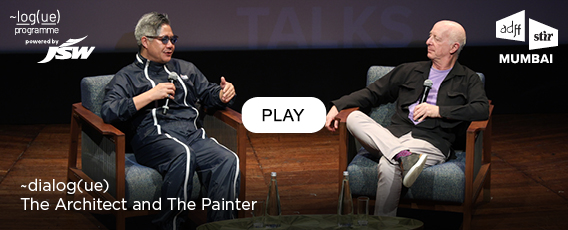
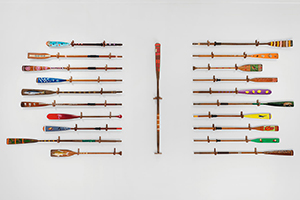
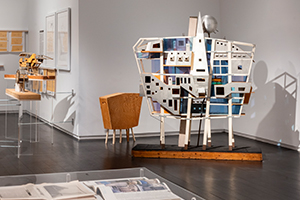
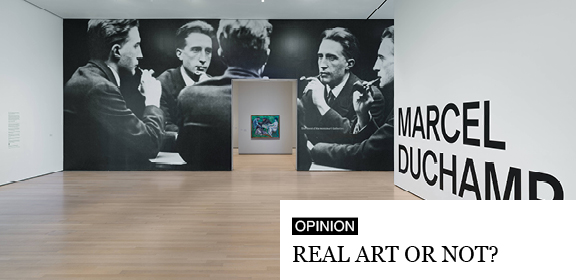
Retrospectives on Michael Sorkin and Marcel Duchamp probe distinctions between their visions of hope and scepticism and the abstract ideals shaping their Art and Architecture. Lubaina Himid's works in the British Pavilion in Venice negotiate the thin line between history and contended futures, as well as between translation and prediction.
In calligraphy, as in other things, the thin line holds beauty in the negotiation, not segregation. Tiptoe it, abolish it, revel in it or draw it anew.

|