Art06 mins. read
How conceptual art is questioning the realities we take for granted
by Srishti OjhaSep 23, 2026



by Srishti OjhaPublished on : Jun 19, 2026
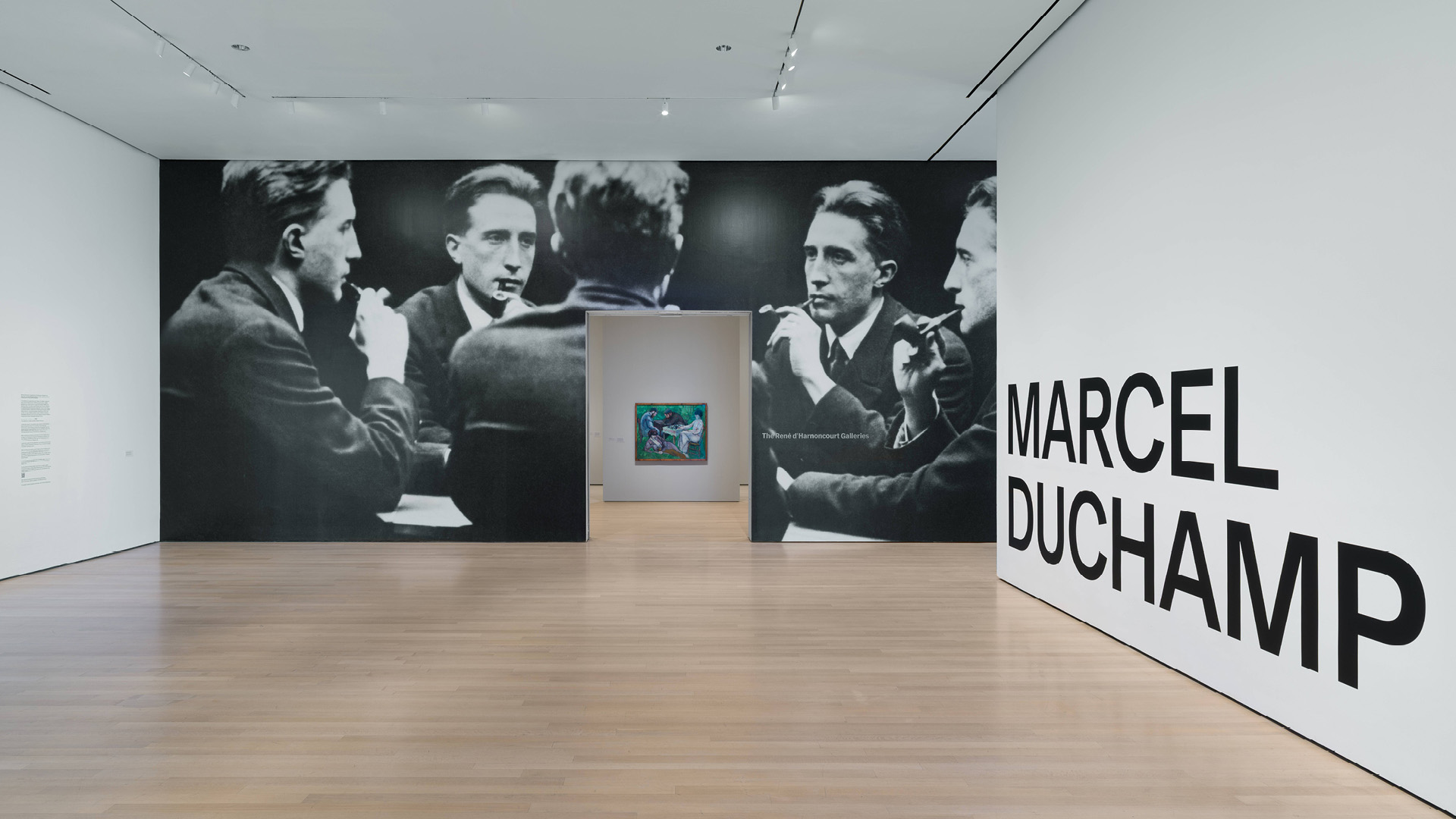
The artist Marcel Duchamp is many things to many people. A guiding light and inspiration to countless artists who continue his work of interrogating what art and artists are and can be. L’enfant terrible of the Dadaist movement, whose works, such as Fountain (1917), challenged self-serious capital-A Art and its institutions. A death knell—killing craftsmanship, beauty, uniqueness and the singular figure of the ‘artist’ in a few well-timed swoops. A charlatan, a gambler who did not care for art and was too preoccupied with chess to craft his own works. To Dutch artist Willem de Kooning, he was ‘a one-man movement’. At the Museum of Modern Art (MoMA) in New York, he was a misunderstood figure taken under its institutional wing early in his career. Today, the museum brings the relentlessly multifaceted and uncategorisable works of the iconic French artist to 21st-century audiences with the eponymous retrospective Marcel Duchamp, the first comprehensive North American exhibition of the artist’s work in over 50 years.
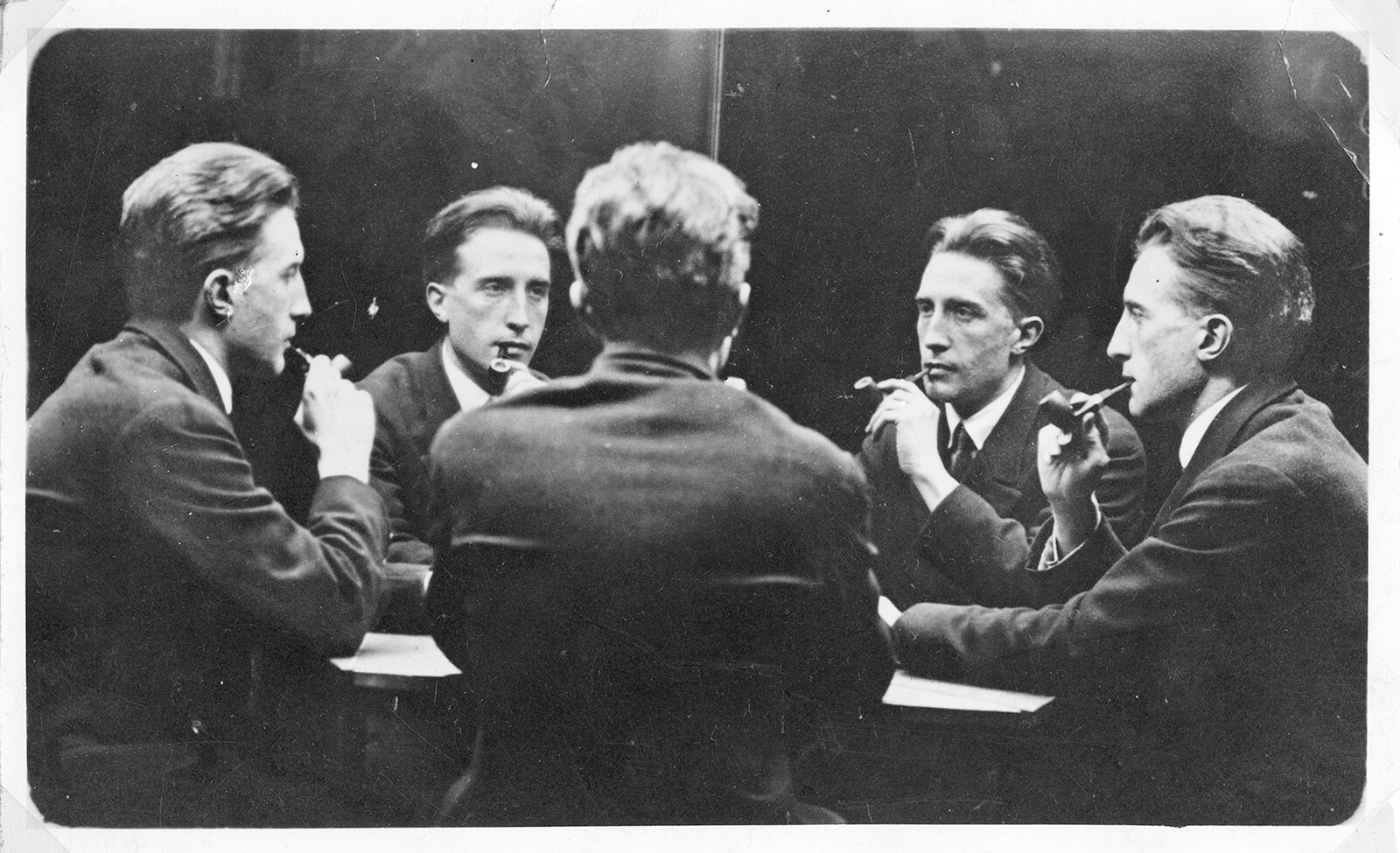
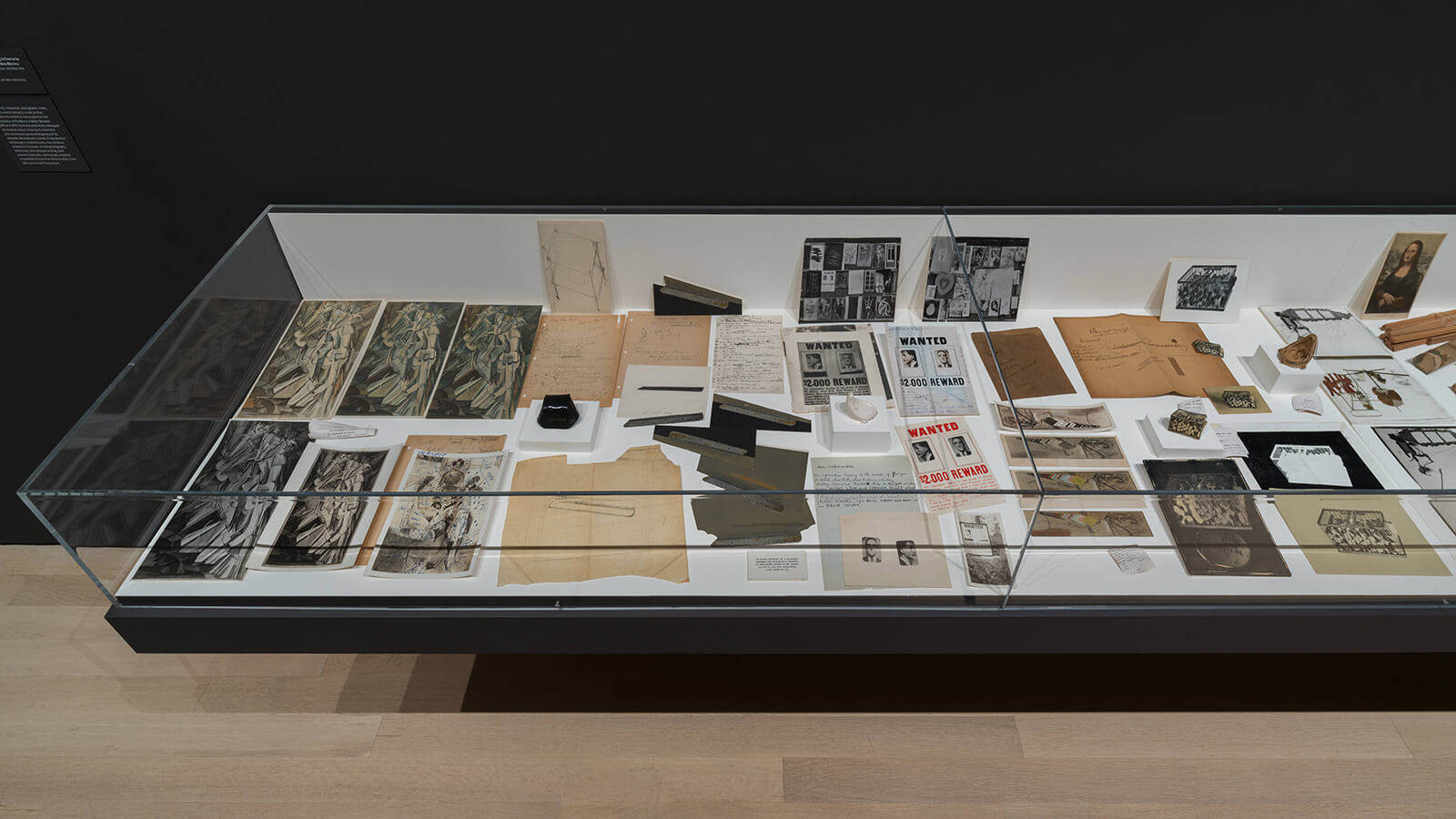
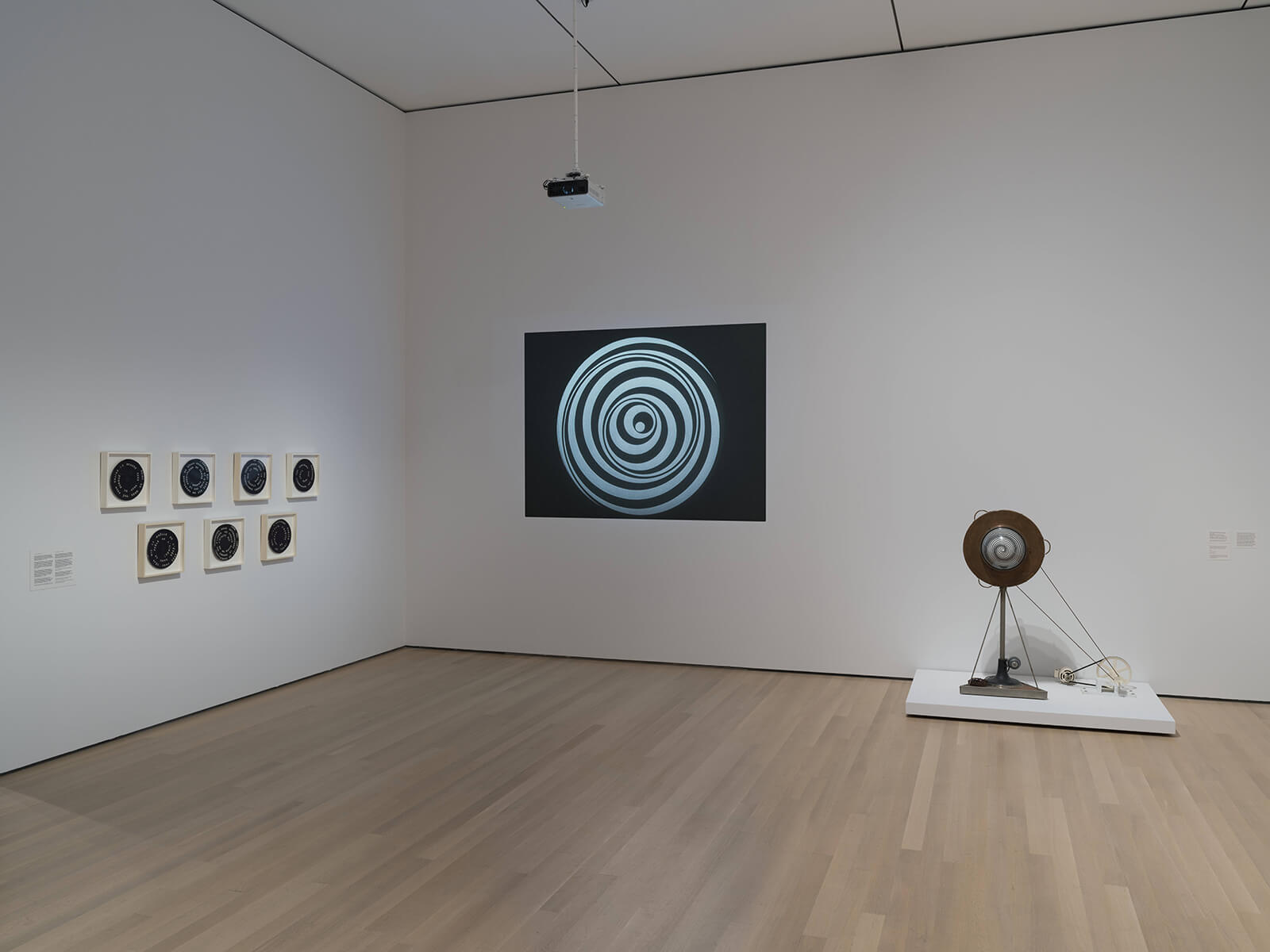
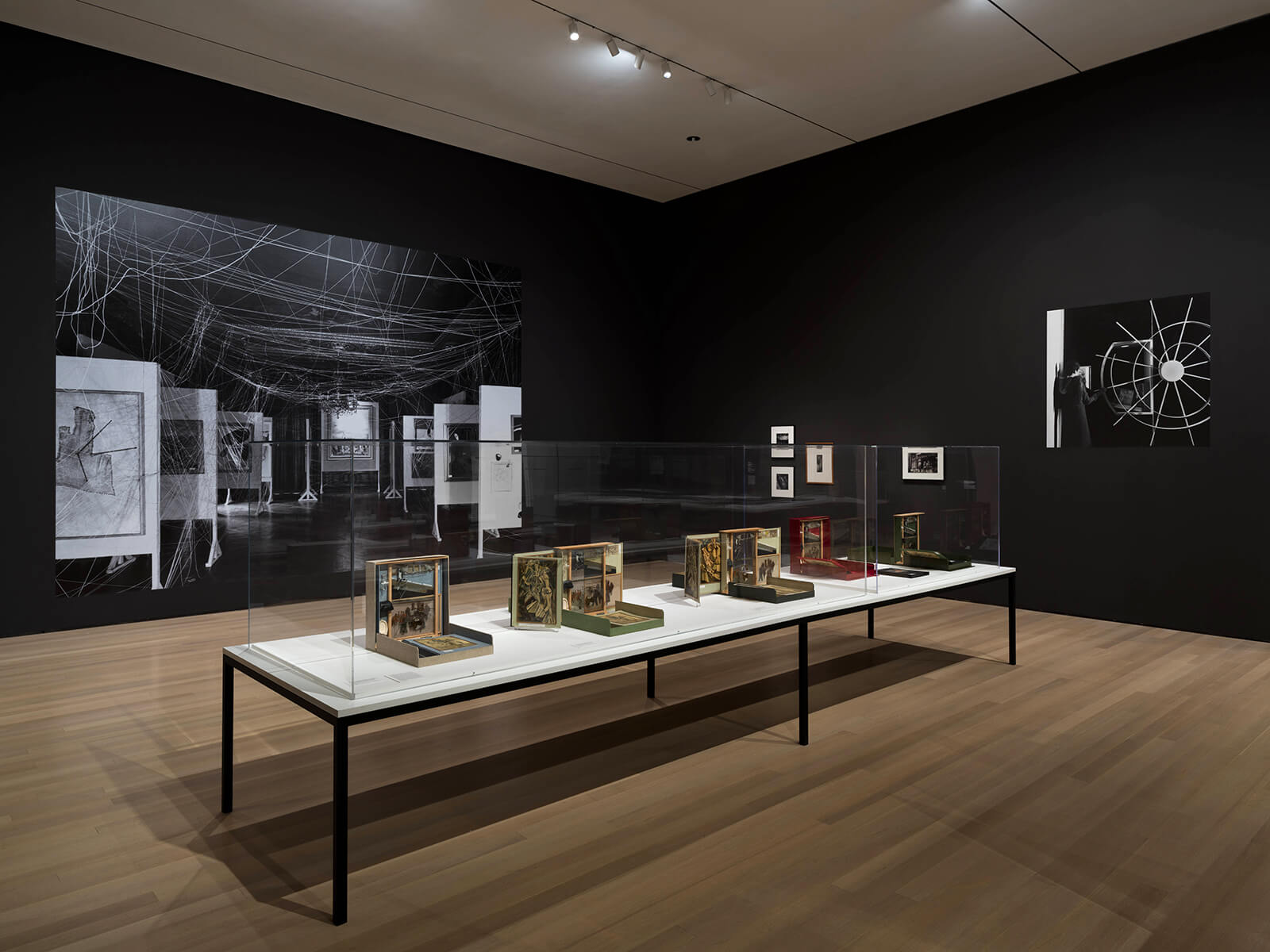
The curators crafted an exhibition which seeks to create a more rounded picture of the modern artist, his life and practice, with a chronological presentation divided into nine sections, doggedly following and outlining links within the artist’s confounding career as a cartoonist, painter, thinker, provocateur, commissioner, inventor, writer and shapeshifter who created works in almost every medium available to him. Like many exhibitions of more unconventional or abstract artists, Marcel Duchamp places the artist’s most controversial works, like his ‘readymades’, in conversation with more approachable (for Duchamp) ones, like the Cubist painting Nude Descending a Staircase (1912), the miniature museum Box in a Valise (1935 – 41) and his experiments with precision optics. Co-curator of the exhibition, Ann Temkin, the Marie-Josée and Henry Kravis Chief Curator of Painting and Sculpture at MoMA, said in conversation with STIR, “This exhibition certainly addresses the misperception (in part prompted by Duchamp himself) that he did not produce much, and that he did not work hard. We also make clear that throughout his life, despite the unconventional nature of his work, he was by no means indifferent to its materiality. He paid a great deal of attention to craftsmanship, skill and appearance—just on his own terms.”
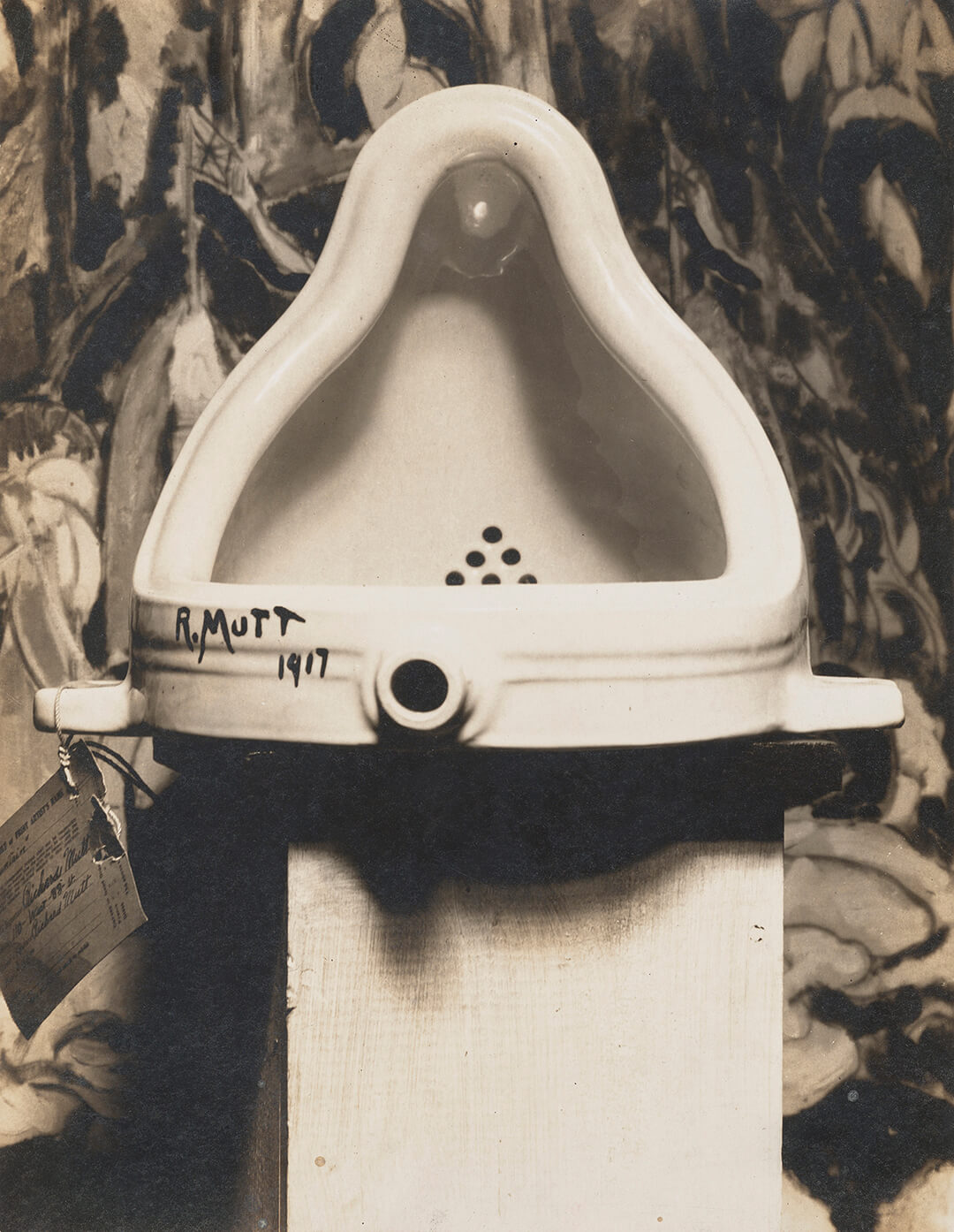
To curate Duchamp’s work and present it to the general public seems to put one in the same posture as a lawyer defending a high-profile individual in a public murder trial—on the defensive and bearing the burden of proof. Throughout Duchamp’s career, which stretched roughly from 1906 – 1966 (two years before his death), he was a lightning rod for controversy and postwar anxieties about the degeneration of classical Western art and its pursuit of beauty. One of his most polarising works, which remains hotly debated to this day—the Fountain (a readymade ceramic urinal displayed in a gallery on its side, inscribed with a pseudonym, R. Mutt)—was both selected by 500 artists, curators, critics and dealers as the ‘most influential work of modern art’ in a 2005 survey and remains a derided example of the worst kind of modern art—nihilistic, obscene, not ‘real art’—by detractors across spectrums of involvement with the art world.
What is it about Duchamp that provokes such furore and vitriol in some and admiration and influence in others? To understand this, we must begin by breaking down the arguments and protestations against modern art (or contemporary art, abstract art, dadaist art or postmodern art—the arguments remain the same).
If any artist’s oeuvre can stand up to these claims while exemplifying them, it is undoubtedly Duchamp’s, with other targets of this rhetoric being, to differing degrees, his contemporaries. Let’s begin with the first accusation:
1. It is not Art
Often, the claim made by more conservative viewers and critics of unconventional art is that whether something counts as ‘real art’ or not is a matter of visual categorisation. Does the work map onto what we picture when we say ‘art’ (largely referring to naturalist or realist painting and sculpture)? Does the work seem at home in its natural habitat (the museum)?
Throughout his career, Duchamp put these measures of categorising art to their toughest tests—he was one of the first Western painters to liberate paintings from the canvas with glass works such as the famous The Bride Stripped Bare by Her Bachelors, Even (1915 – 1923), also known as The Large Glass. He submitted urinals to salons, displayed them in museums and danced through the long list of disciplines that remain caught up in ‘not real art’ purgatory (kinetic art, graphic design, reproducible art, found-object art, etc.).
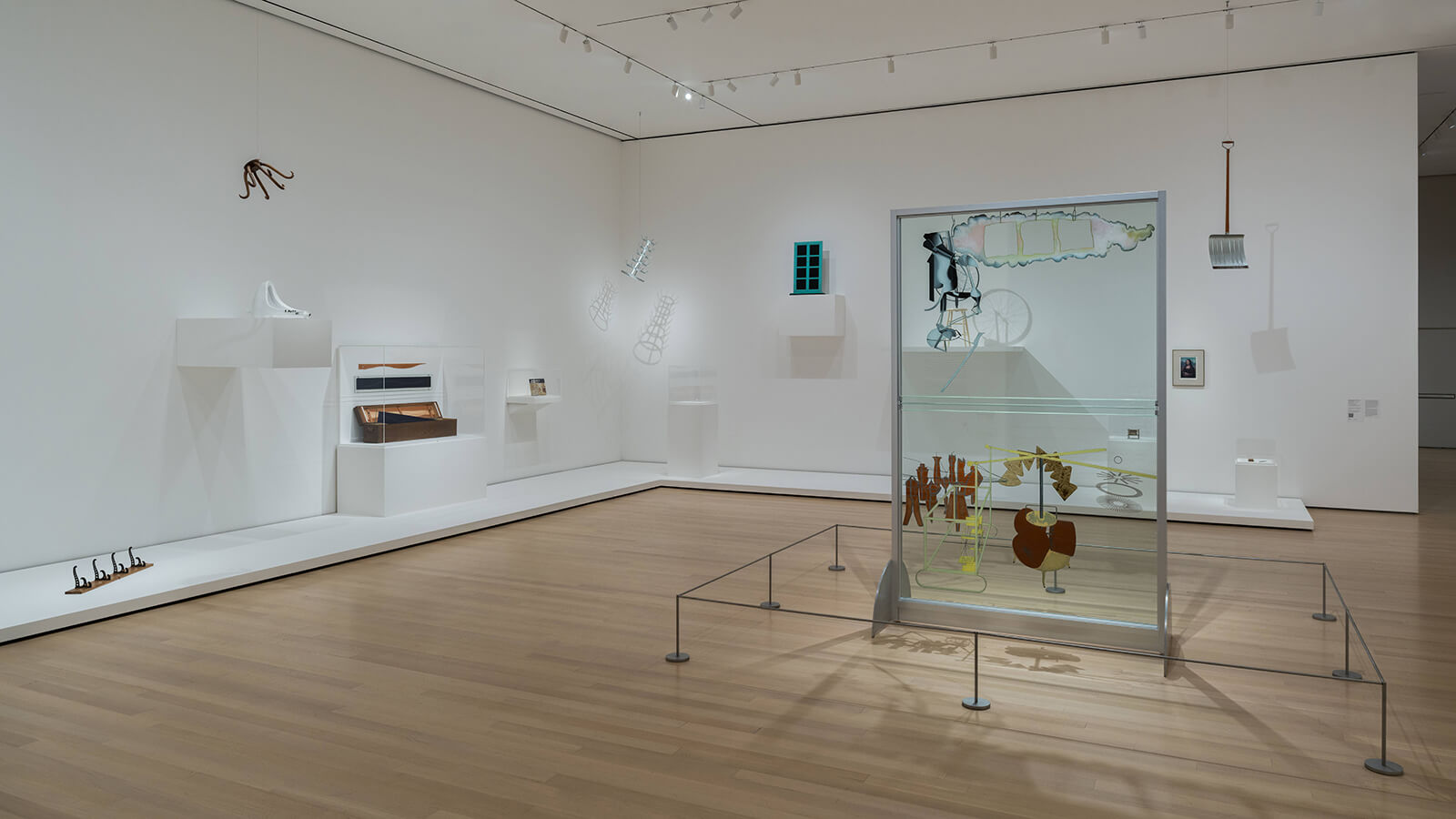
However, Duchamp did not particularly care for the label of being a ‘real artist’ who makes ‘real art’. This was not out of apathy or derision for art, but rather in opposition to the special, heightened character attributed to it by institutions, cultural elites and consequently, the mainstream public. Duchamp began his career as a young man eager to submit his works to the Parisian salons that were the gatekeepers and tastemakers of his time, but following many rejections (including for the now acclaimed Nude Descending a Staircase), Duchamp ceded his quest for their approval, instead looking to push the boundaries of respectability and recognisability in the discussion on what counted as art. To Duchamp, art was a verb—it had more to do with ideas and their communication rather than adherence to a particular physical form or predetermined set of attributes.
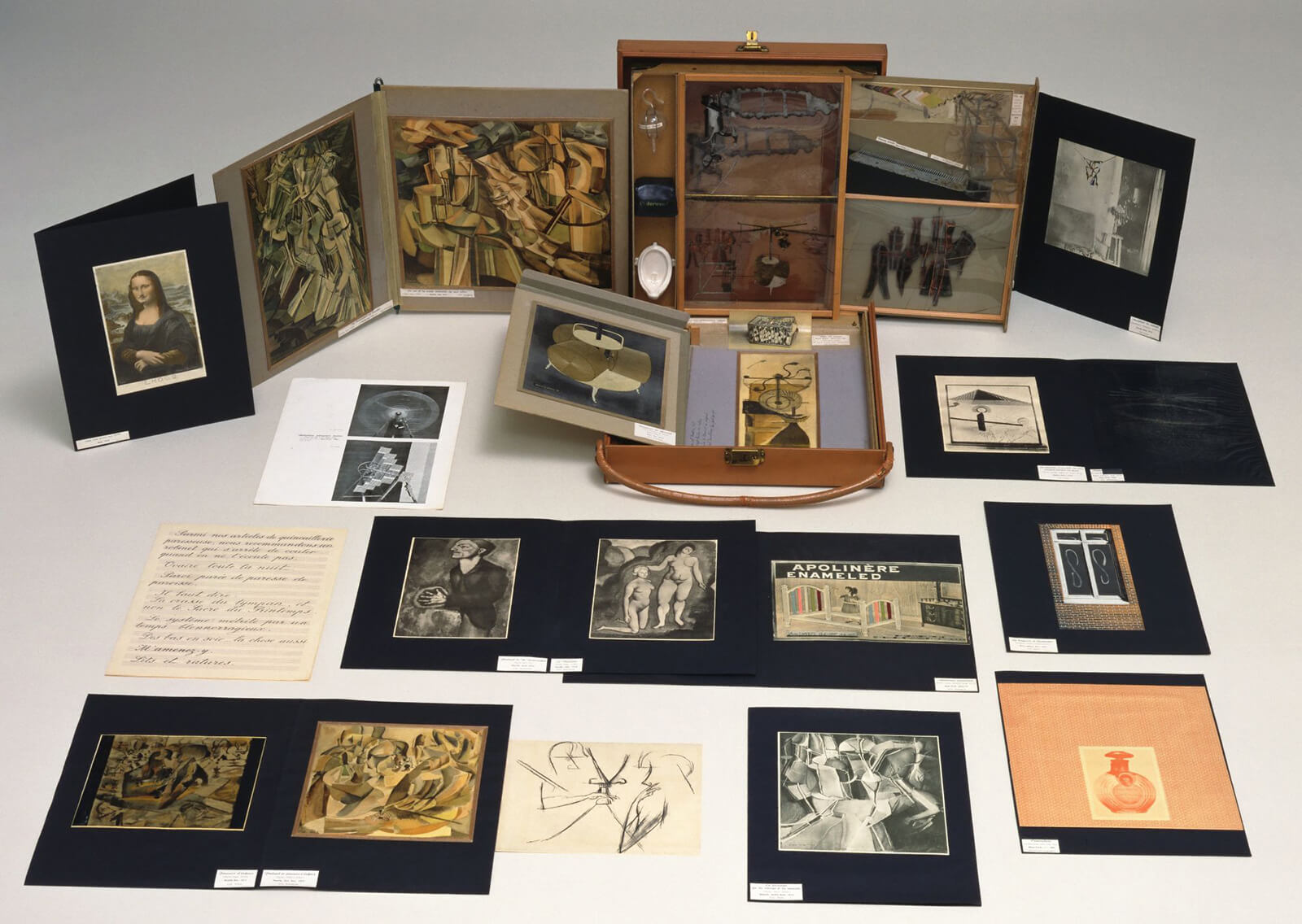
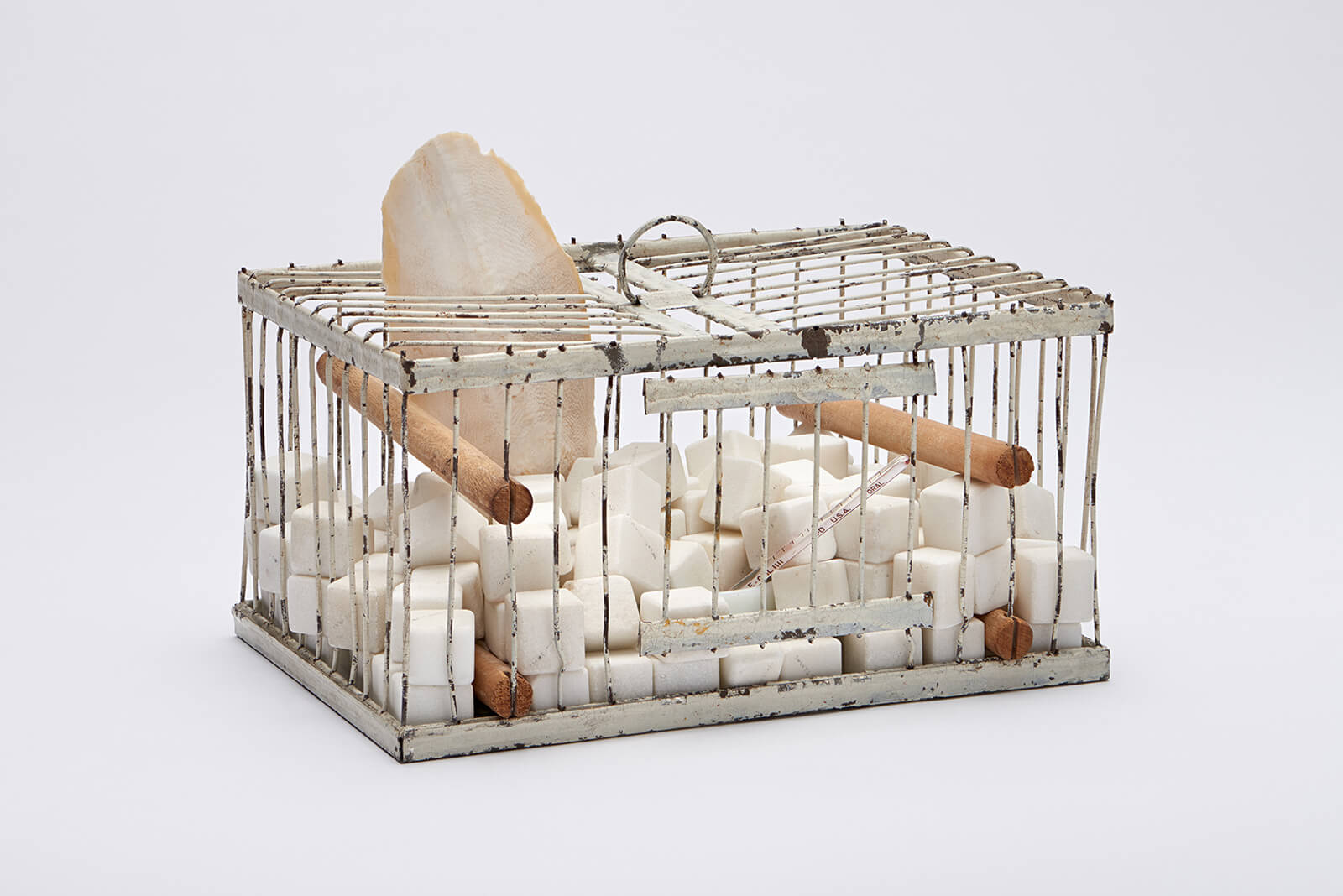
In his 50s, when his works had still not been accepted into any museum collections, Duchamp carved his own path with a series of works collectively termed Box in a Valise. The portable ‘museums’ held miniature reproductions of his works, creating his own retrospectives. The exhibition includes selected versions of Box in a Valise, the leather-covered suitcases spilling their myriad contents—collotype reproductions of other works, miniature replicas, printed reproductions, ‘original’ drawings, oilcloths, small objects fabricated with iron and brass, etc. These are just a selection of the over 300 versions of over seven series (A-G) that Duchamp made over the course of his life.
2. It is fraud
A common complaint levelled against contemporary art is that it is so ridiculous that it must surely be a cover for moving money around, existing first as an asset and second (if at all) as an art object. This is not always an incorrect accusation, as art is increasingly defined by its market and artworks by their monetary value. Auctions, rather than critiques by peers or professionals, are largely where art is now evaluated, increasingly by members of the one per cent seeking tax benefits by cryptocurrency moguls seeking cultural cachet. This landscape breeds many of the complaints against modern and contemporary art, which follow Duchamp to this day.
However, it is his most controversial works like Fountain, created and rejected by a New York exhibition in 1917, and his irreverent graffiti on a Mona Lisa postcard (named and inscribed with the initials ‘L.H.O.O.Q.’, which sound like ‘she has a hot ass’ when read in French) that best illustrate Duchamp’s opposition to the financial leveraging of art and his desire to hollow out artistic ‘icons’ (which he saw as beginning to occupy a similar exalted status as religious icons) with anti-establishment humour.
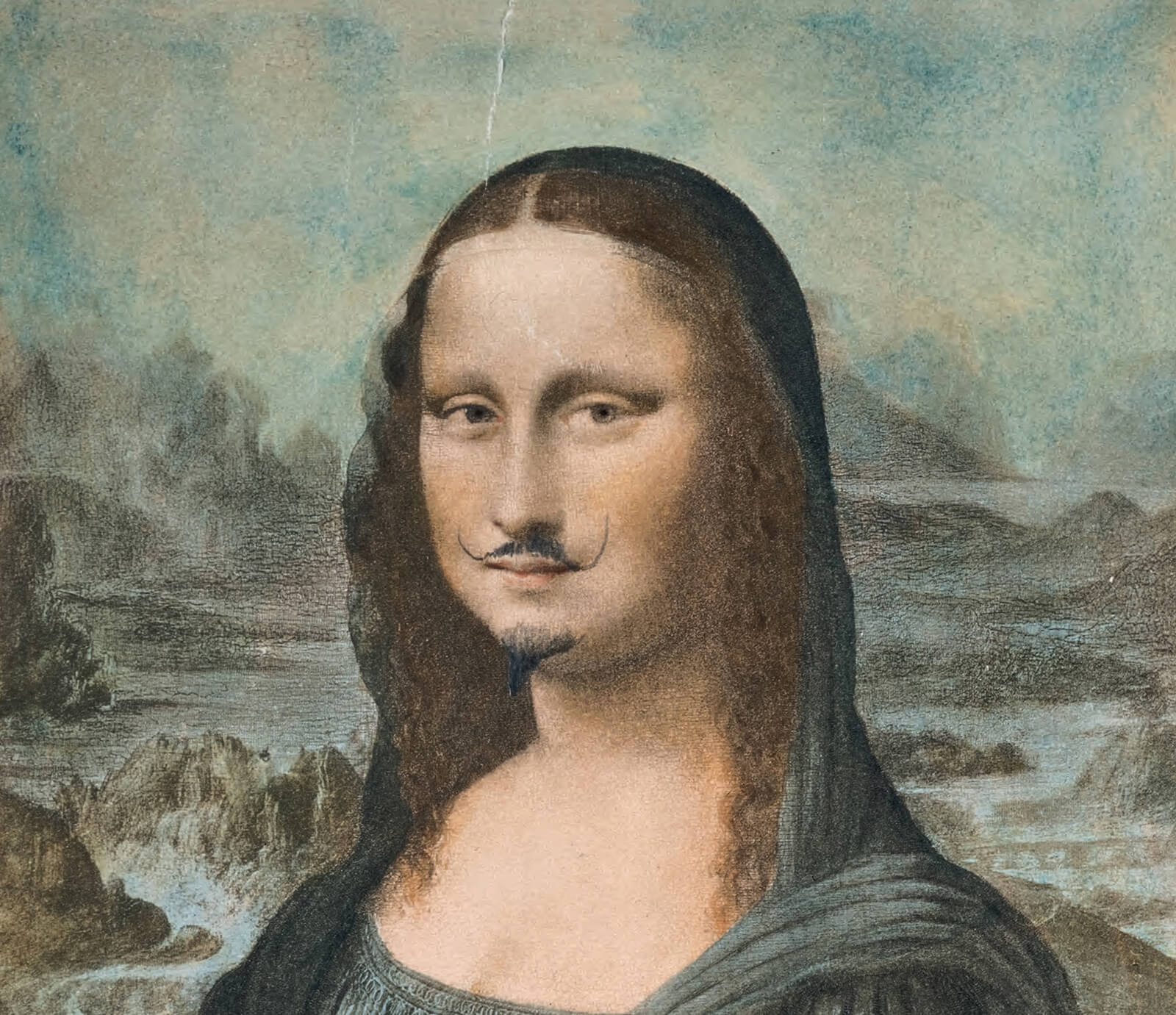
Duchamp was particularly sceptical of the distinction between ‘original’ and ‘copy’ that creates the uniqueness and scarcity that drives the art market. Later in his life, as Duchamp encountered acclaim and his readymades became desirable objets d’art, Duchamp authorised other artists and craftsmen to create replicas for sale and exhibition, diluting the value of the works. The exhibition is brimming with Duchamp’s affinity for iteration—the artworks are rarely present in only one form—with ‘originals’ on the same plane as duplicates, miniatures, sketches, plans and alternate and additional versions.
3. It requires no skill and devalues craftsmanship
In the same vein, criticisms of Duchamp’s readymades, found object art and other unconventional forms of artmaking often begin with indignant exclamations from a viewer or critic, like: “I/my five year old could have made that!” or 20th century critic Robert J. Coady’s scathing review of Fountain which asked “...How does [Duchamp’s expression] differ from the absolute expression of a plumber?”
Such critiques, while intended to attack the artist’s perceived skill, ability and effort in a supposed defence of common sense, democracy and legibility, reveal themselves to be hollowed out and penetrated by the rigid elitism it claims to critique. The first, popular exclamation is also deeply sad in its self-exclusion. Someone who believes that the qualifying quality of ‘real art’ is that they could not have made it shuts themselves out of the realm of artistic expression. They devalue the labour and creativity of ‘normal’ people, craftsmen, tradespeople and children to prop up an elite class who could afford to spend decades training in oil painting or sculpture.
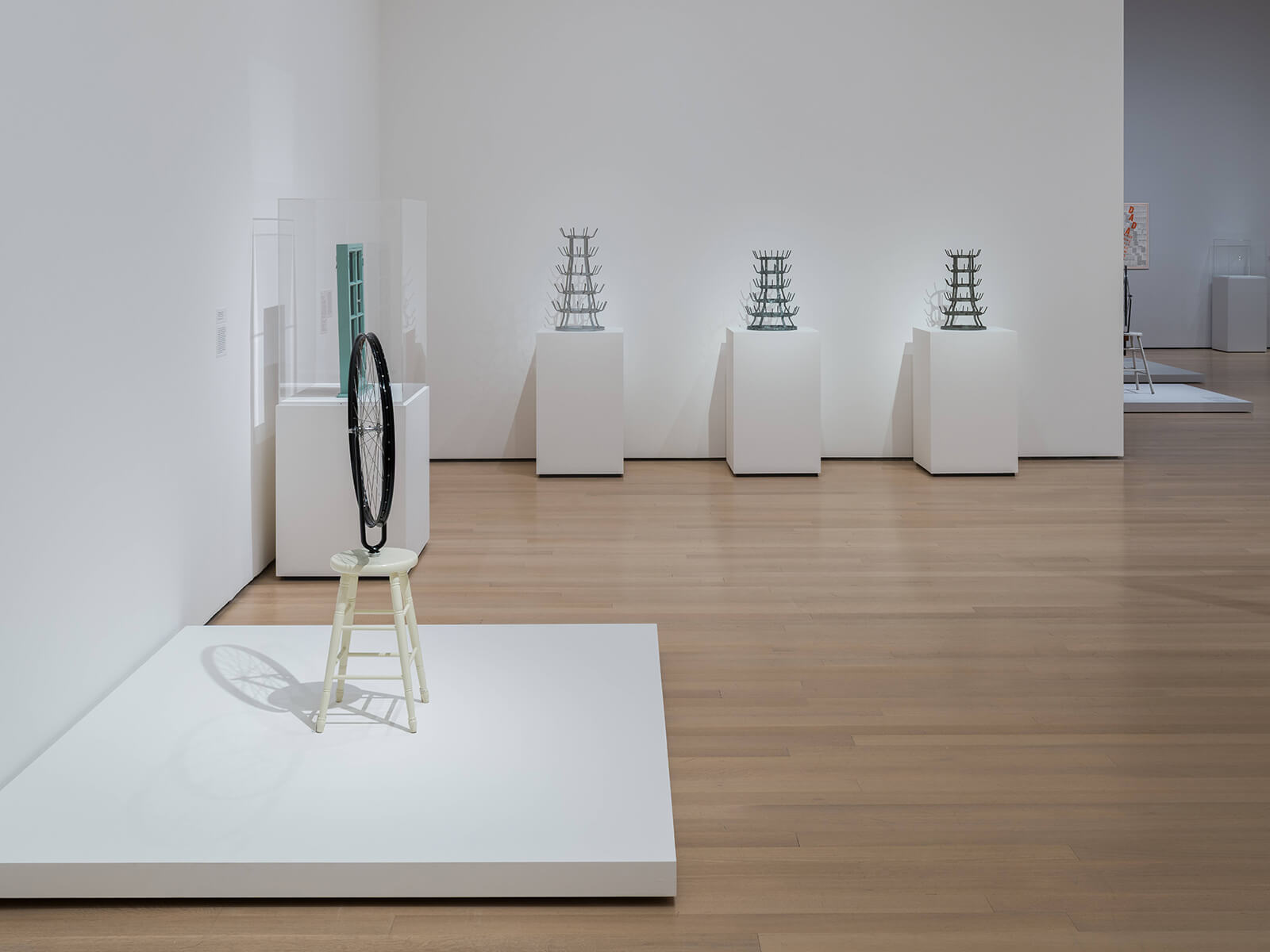
Duchamp argued that discernment and attention alone could create an artwork where there was once an ordinary object. Although he himself was an accomplished painter, he resisted deferring to craft or manual skill as a surrogate for aesthetic value. Duchamp’s idea of art meant that anyone, only through noticing, thinking and communicating, could create a worthy work of ‘real art’.
4. It is not beautiful
Beauty, understood conventionally, often conceals within its easy-to-understand, easy-to-like exterior, the tendrils of a fascist outlook. It often has direct links to eugenics, racial science and bioessentialist hierarchies, amplified in arguments for an ‘objective’ beauty that invokes science in its defences. This desire to fix beauty lays the groundwork for future control over the thoughts, ideas, preferences, reproduction, ideology, actions and demographics of a population. These critiques of non-representational, ‘difficult’ art, or even just art depicting bodies outside the mould of conventional attractiveness, have been central to fascist mandates since time immemorial.
Duchamp did not operate with beauty at the centre of his practice, but its wilder cousin, eroticism. For many years beginning in 1920, Duchamp operated through his female alter-ego, Rrose Sélavy (which would sound in French like ‘eros, c’est la vie’ or Eros (erotic love in classical Greek philosophy) is life). Eroticism is in many ways anathema to the often fascist idea of beauty, which is generally sexless (unless it is within the confines of marriage and reproduction) and refers to aesthetic rather than sexual pleasure.
The exhibition features both works of and works made by Sélavy, often with the tag ‘From or by Marcel Duchamp or Rrose Sélavy’—highlighting the obfuscations, multiplicity and fluidity that Duchamp continually played with in his practice. The exhibition features photographs of Rrose Sélavy in makeup, wrapped in jewellery and furs, taken by the acclaimed, openly gay American photographer Man Ray, as well as other artists’ interpretations of the character in portraiture. Sélavy’s works, including a swathe of publications, were often distinct from Duchamp’s, rooted in illusion, innuendo, double entendre and wordplay. This doubling and displacement are multiplied in these works, such as in the print, A Poster within a Poster (1963). Even today, as anti-trans and gender essentialist rhetoric sweep the globe, this genderbending would be a radical act; in Duchamp’s time, it was not only illegal but actively dangerous.
5. It is neither important nor relevant to the real world
Duchamp’s practice, and that of his contemporaries, although controversial, cannot be overstated in its importance. Michelle Kuo, chief curator at large and publisher at MoMA, said, “Today, Duchamp is everywhere: in the diverse forms made by contemporary artists; in the ways that society and communication revolve around images and the replication of images; in the central role of probability, prediction, gamification and chance; in the fluidity of identity and the collapsing of distinction between humans and machines.”
His challenges to authorship, the centrality of craft and the artist as a ‘special’ figure were prescient and poignant in a time when artificial intelligence pulls these once-philosophical questions into material reality. Although Duchamp’s workscould seem unnecessarily oppositional, it is this quality that makes them thought-provoking. Such works and artists become easy targets for controversy and critique because of their ability to capture a cultural zeitgeist and the living debates of their time.
Many of the injunctions against modern and postmodern art usher in a world where art blends in, unprovoking and unthreatening. It bears important parallels to the ways in which the dominant social order demands quiet conformity and passivity from its subjects using its ideological apparatus. The ideas, artworks and people who provoke the most ire in their difference and irreverence to existing ideas and structures are also often those which hold the most potential to revolutionise or expose injustices within those structures.
Marcel Duchamp at MOMA, created in collaboration with the Philadelphia Art Museum, asks us to stomach discomfort, question our underlying ideas of respectability, agreeability and conventionality, with a careful framing that pre-empts reactionary responses like those listed in this article. With global circumstances that increasingly mirror the tensions and restrictions of Duchamp’s time, Marcel Duchamp is an urgent intervention in our cultural landscape.
Marcel Duchamp will be on view from April 12 – August 22, 2026, at the Museum of Modern Art, New York City, USA.
by Anmol Ahuja Oct 15, 2026
How do heaps of souvenirs and relics with racist Aboriginal motifs and features become art? MCA Sydney’s winter showcase—the artist’s largest to date—beckons a possibility.
by Srishti Ojha Oct 14, 2026
The first Dutch publication on the Turkish artist, the eponymous book centres on Refik Anadol: Latent City, his living data sculpture of Bruges, exhibited at BRUSK gallery.
by Vandana Kalra Oct 14, 2026
With his latest exhibition as a point of departure, the modernist discusses his decades-long practice, the spontaneity of drawing and the social responsibility of artists.
by Srishti Ojha Oct 09, 2026
In his ongoing exhibition, the South African artist creates two post-apocalyptic futures to explore society’s relationship with textiles, patterns and technology.

make your fridays matter with a well-read weekend
Enter your details to sign in
Don’t have an account?
Sign upOr you can sign in with
a single account for all
STIR platforms
All your bookmarks will be available across all your devices.
Stay STIRred
Already have an account?
Sign inOr you can sign up with
Verification link sent to check your inbox or spam folder to complete sign up process
Tap on things that interests you.
Select the Conversation Category you would like to watch
Please enter your details and click submit.
Enter the 6-digit code sent at


Marcel Duchamp at MoMA: Controversy and the critique of unconventional art
by Srishti Ojha | Published on : Jun 19, 2026


 Sign in with Google
 Sign in with email
What do you think?