Architecture09 mins. read
A SHIFT in the art of architecture at the 2025 Chicago Architecture Biennial
by Sunena V MajuOct 09, 2025



by Mrinmayee BhootPublished on : Jun 19, 2026
A lecture delivered by Michael Sorkin at MIT on May 2, 2019 (Michael Sorkin, “The Last Lecture”, available for free viewing on YouTube)1 offers an appropriate introduction to his career and politics. On the premise that it is his very last public speech, the lecture—posted online in 2020 and delivered a year before his untimely death— begins with him reflecting on the performance of lecturing before drawing out a timeline of his work, writing about and then designing architecture. It’s an artefact one can return to from time to time, if only for his jokes, but perhaps more crucially as a reminder that such staunchly anti-capitalist, radical perspectives in criticism have also been the most celebrated. To those aware of Sorkin’s work and legacy, spanning teaching, research, design, activism and writing, it is a sentimental object. It is proof—in a neatly packaged, one-hour long-form lecture—of his belief in the necessity of writing to design, or the other way around: of design as a critical layer to writing.
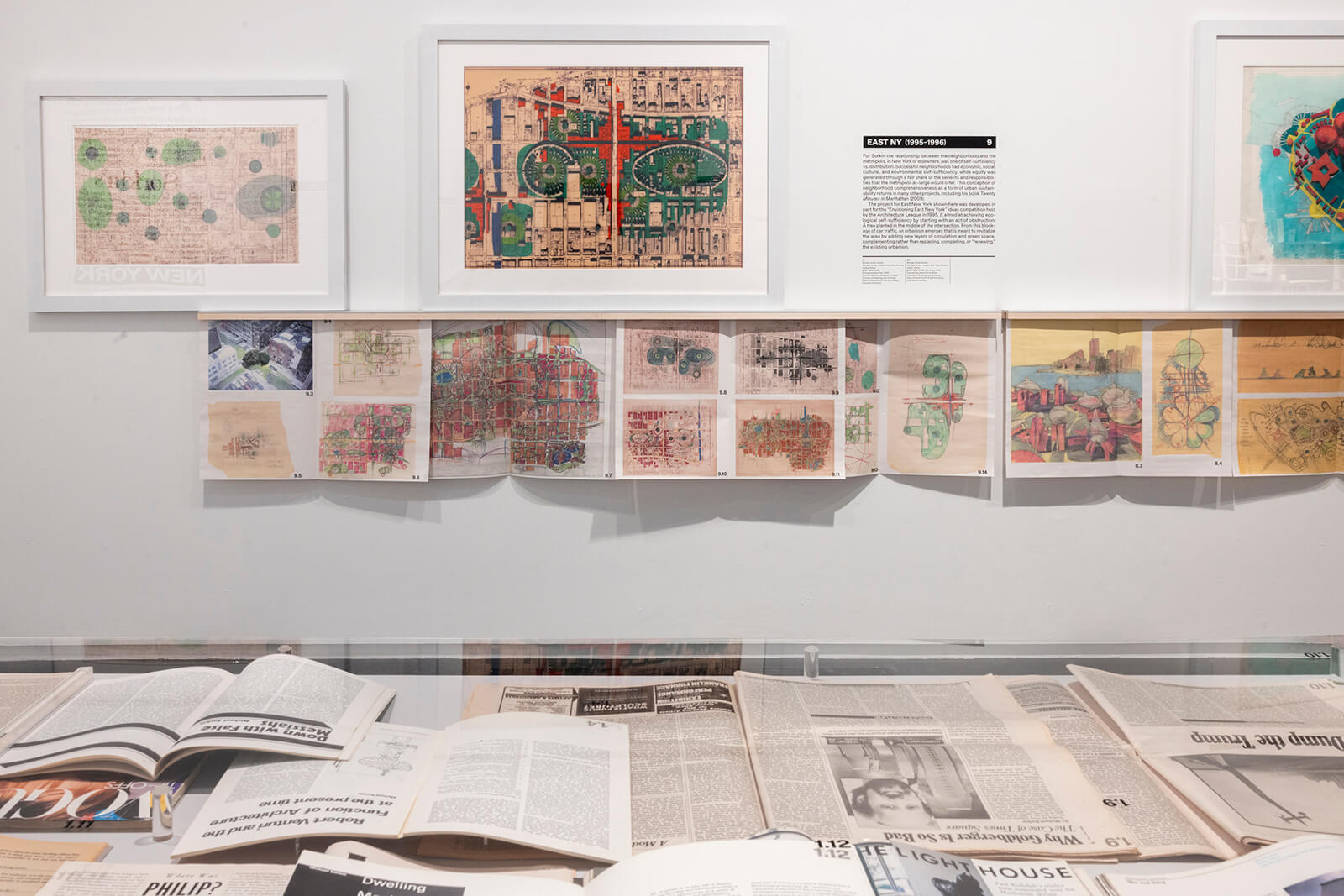
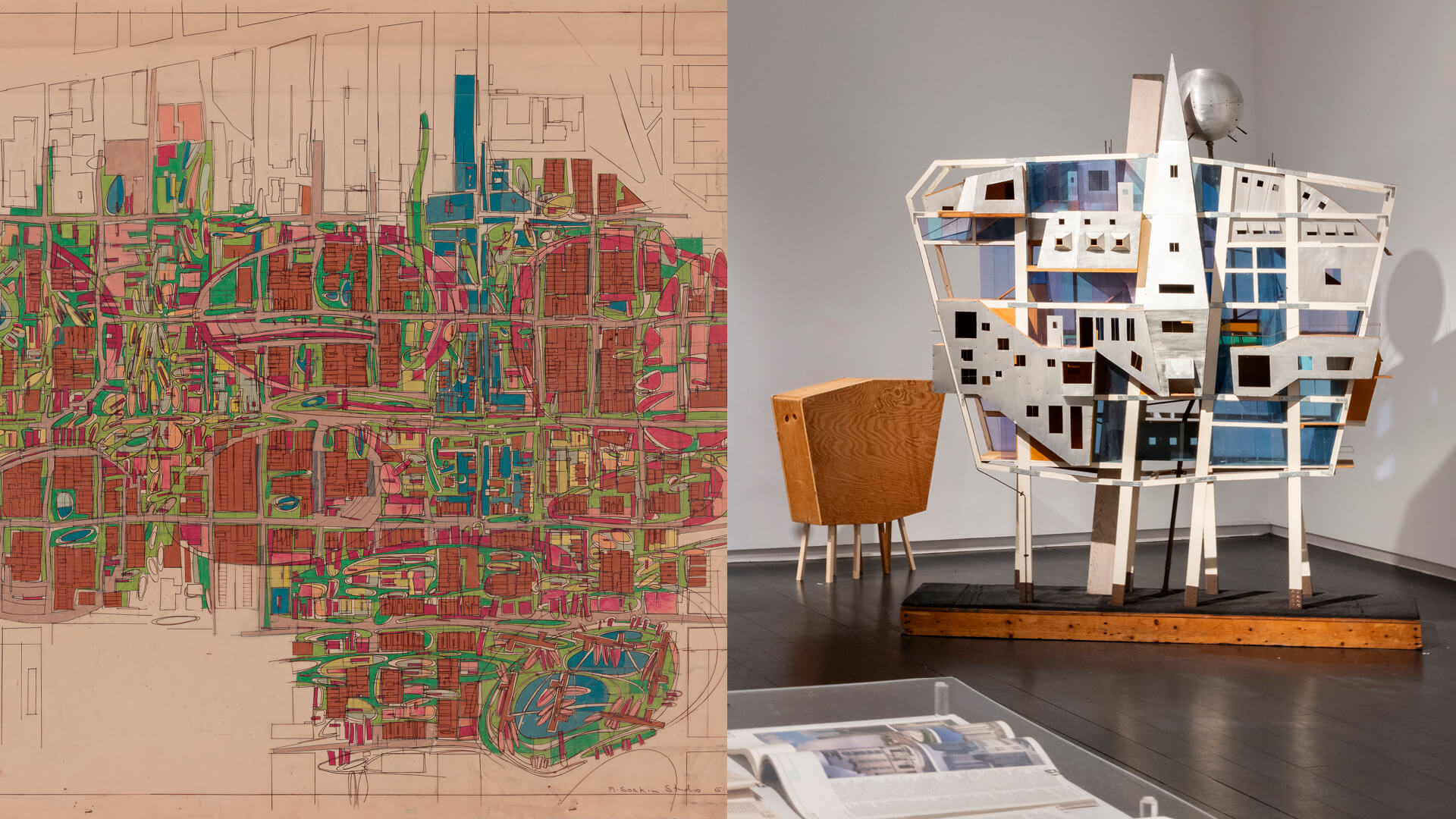
This interrelationship forms the subject of an ongoing exhibition at the Arthur Ross Architecture Gallery of Columbia University Graduate School of Architecture, Planning and Preservation. People Cross Against the Light: Michael Sorkin’s New York, curated by Bart-Jan Polman, director of exhibitions and public programs and curator, with Jean Im, assistant director of exhibitions and public programs, is a show dedicated to projects designed by Sorkin and his eponymously named studio between 1987 – 1996—a period when Sorkin was moving away from criticism to focus on architecture. In positioning itself as an exhibition that considers Sorkin’s writing as critical to his design practice, as two sides of the same coin, the showcase at Columbia GSAPP adds to the growing emphasis on alternative modes of producing what we think of as architectures, or more accurately, rethinking the very idea of it. It advocates for architecture as simply a cultural form that determines a certain sociopolitical consciousness.
Speaking about the show’s multipronged focus, Polman notes in conversation with STIR, “The show proposes that [Sorkin’s writing and design work] operates in layers alongside one another, rather than as distinct or opposing modes of production. This idea is reflected not only in the selection of projects, but also in the exhibition design itself.” Excerpts from Sorkin’s essays are reproduced alongside drawings and models interspersed within the gallery space, drawing, as Polman hopes, distinct associations between the different mediums.
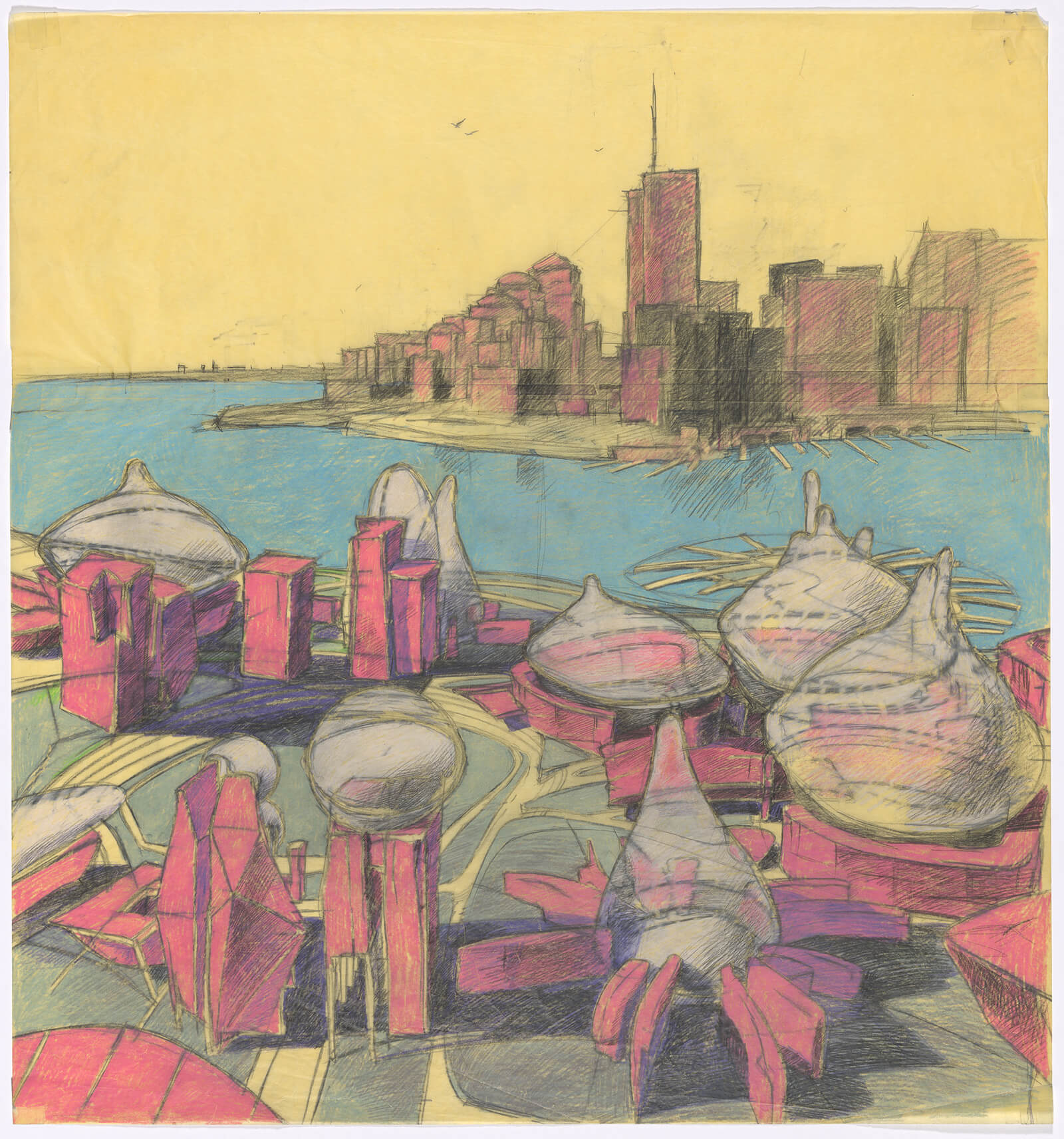
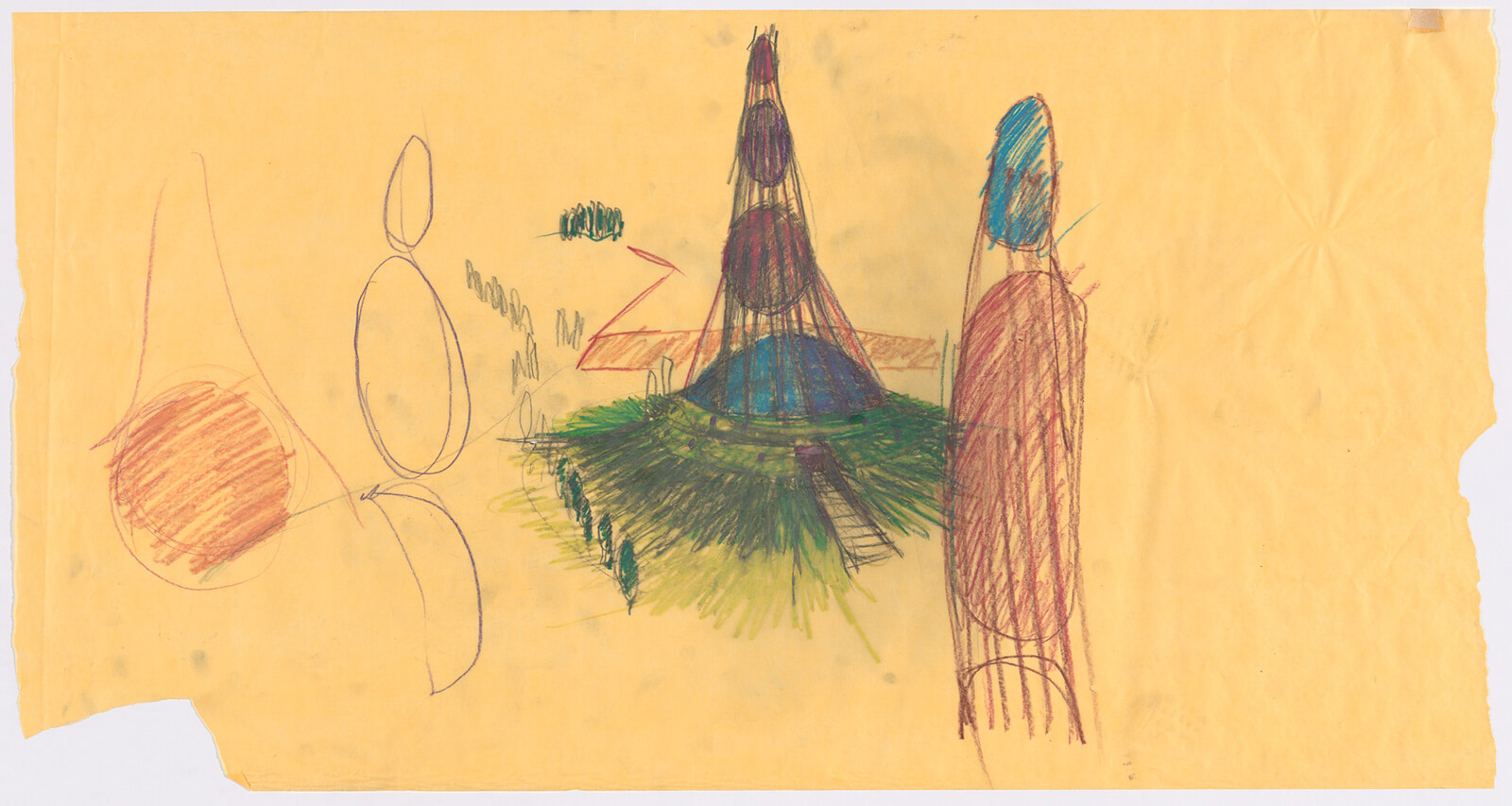
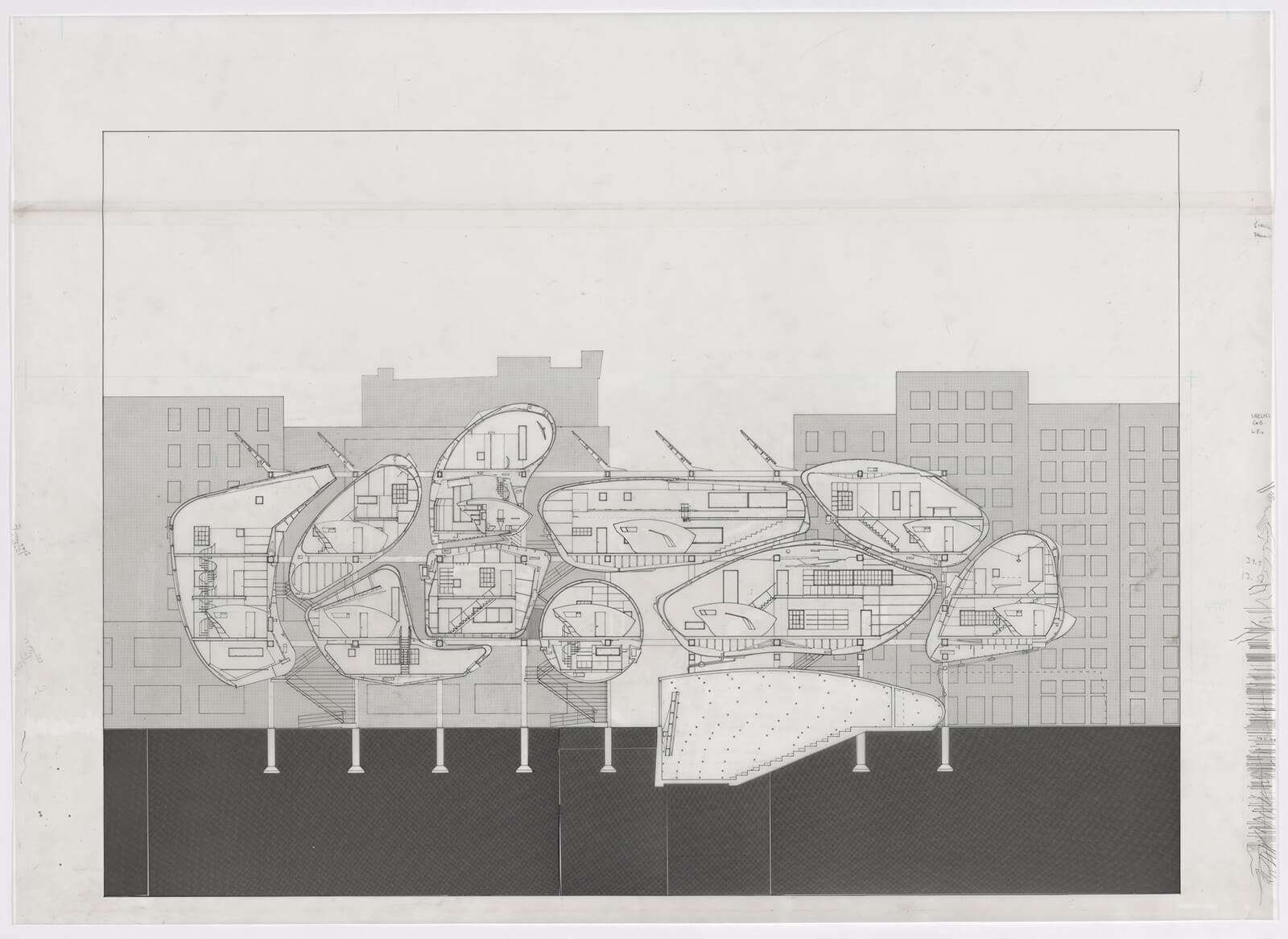
In this vein, it is also crucial to underscore that the schemes presented in the show are proposals that were never realised. They are, decidedly, documents of Sorkin’s insistence on a utopian perspective on design; shaped by frictions between ecology and real-estate speculation, collective life and regulatory control, and digital abstraction and lived urban conditions. They’re indicative, in essence, of Sorkin's belief in individual agency; in the insistence that we can negotiate systems of regulation by simple acts of obstruction, a belief highlighted by the title of the show. Coming to the projects themselves, through several never-before-seen sketches and archival material, the show spotlights Sorkin’s collaborators, such as Lebbeus Woods and John Young, including two unsolicited proposals developed for the Television City site between 59th and 72nd Streets in New York, which were being developed by Donald Trump at the time.
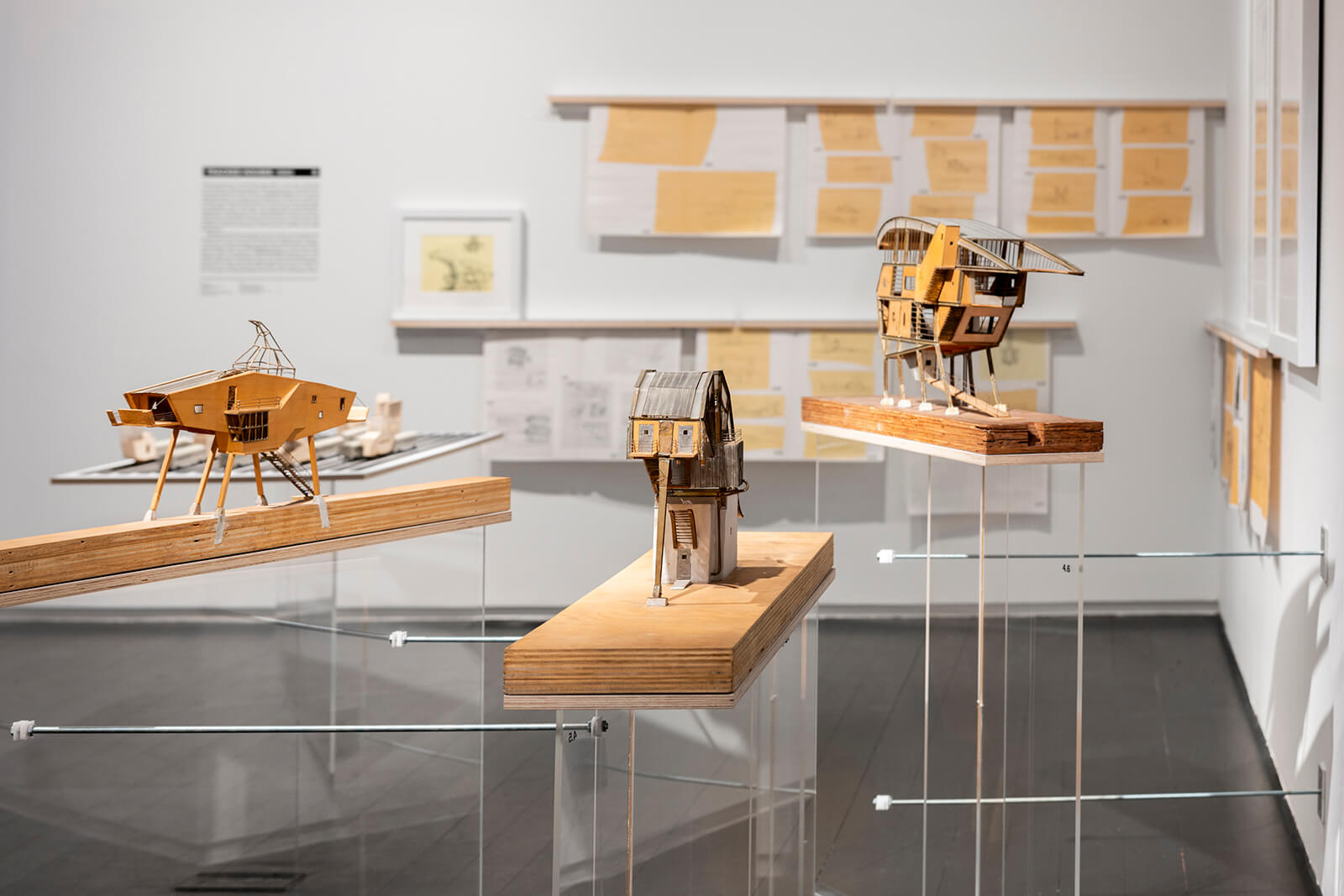
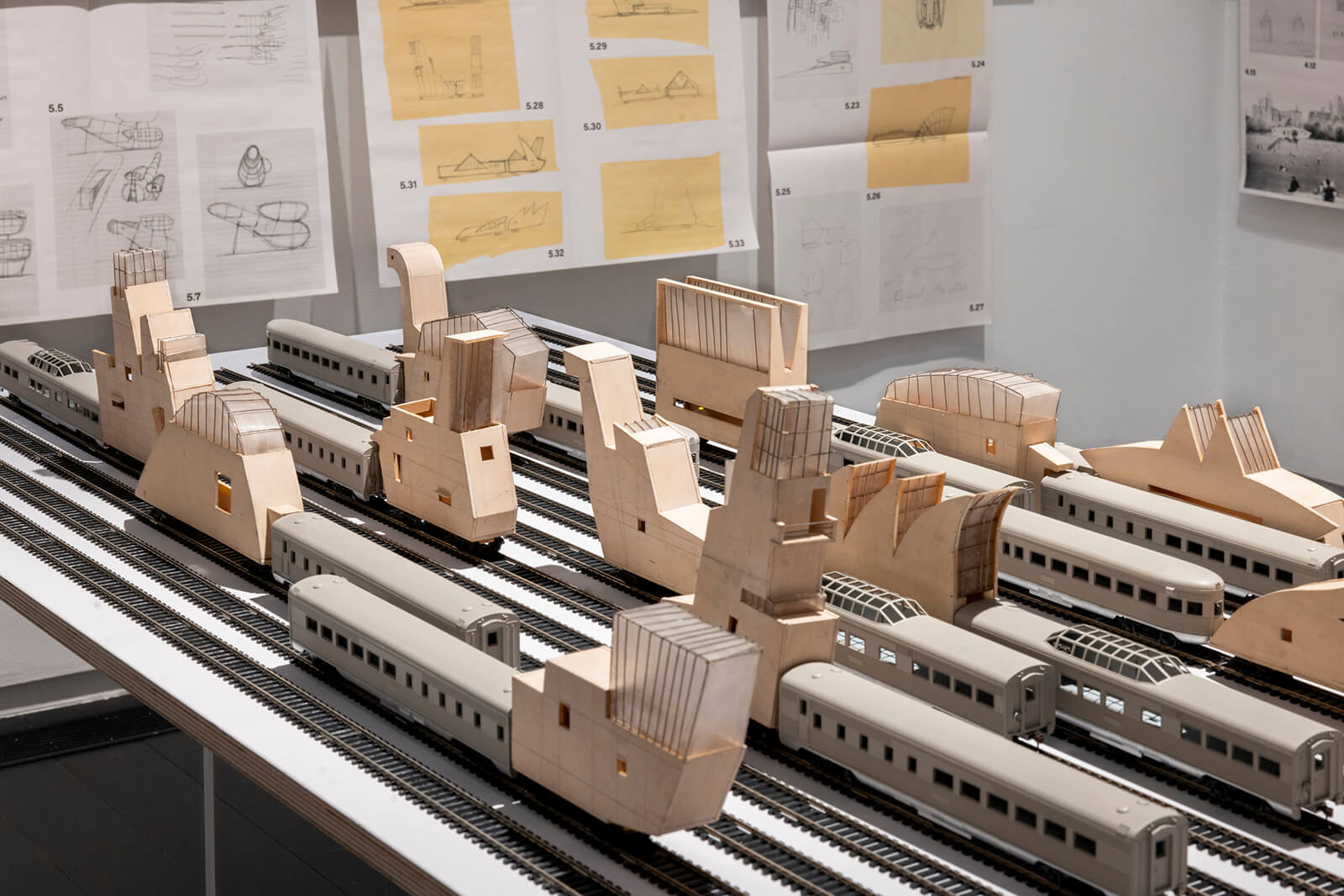
To think about these proposals, which imagine different ways of being for our collective consciousness, is to think in terms of what radicality means when it comes to practice. In an early article titled A Radical Alternative2 for Architectural Record—among his earliest published works—Sorkin lays out the genealogy of the ‘radical’ in architecture, describing how architecture’s relationship with society and its ability to remake it was often understood inversely. That, when architects spoke about the radical, they thought that architecture by dint of its formal qualities could somehow engineer a new world. Against this godlike notion, Sorkin in his work starts from the notion of a city as a political space, of architecture as already embedded in that politics and its only agency being one of negotiating existing conditions. Hence, breaking out of an otherwise straitjacketed view of architecture, proposals like Animal Houses (1989 – 93) and Shrooms (1994) take on biomorphic postures, creatures crouched in the gallery ready to start crawling around. In the aforementioned lecture, Sorkin recalled his biomorphic proposals, noting that it was a means for him to do away with the ‘social utility of building as object’; of doing away with the insularity of discourse at the time, from American architect Peter Eisenmann’s insistence on the autonomy of the architectural object to the prevalent historicism of the 80s.
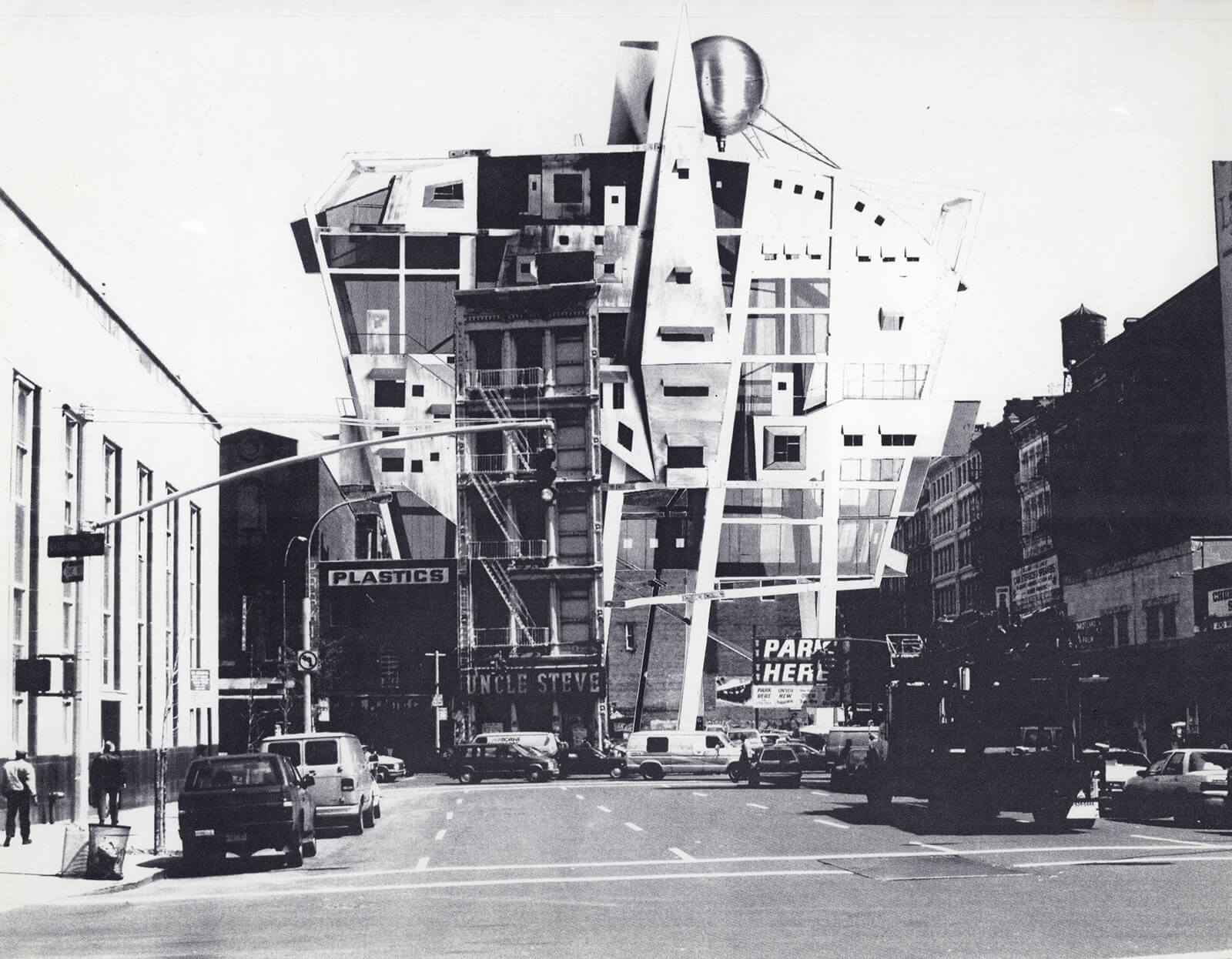
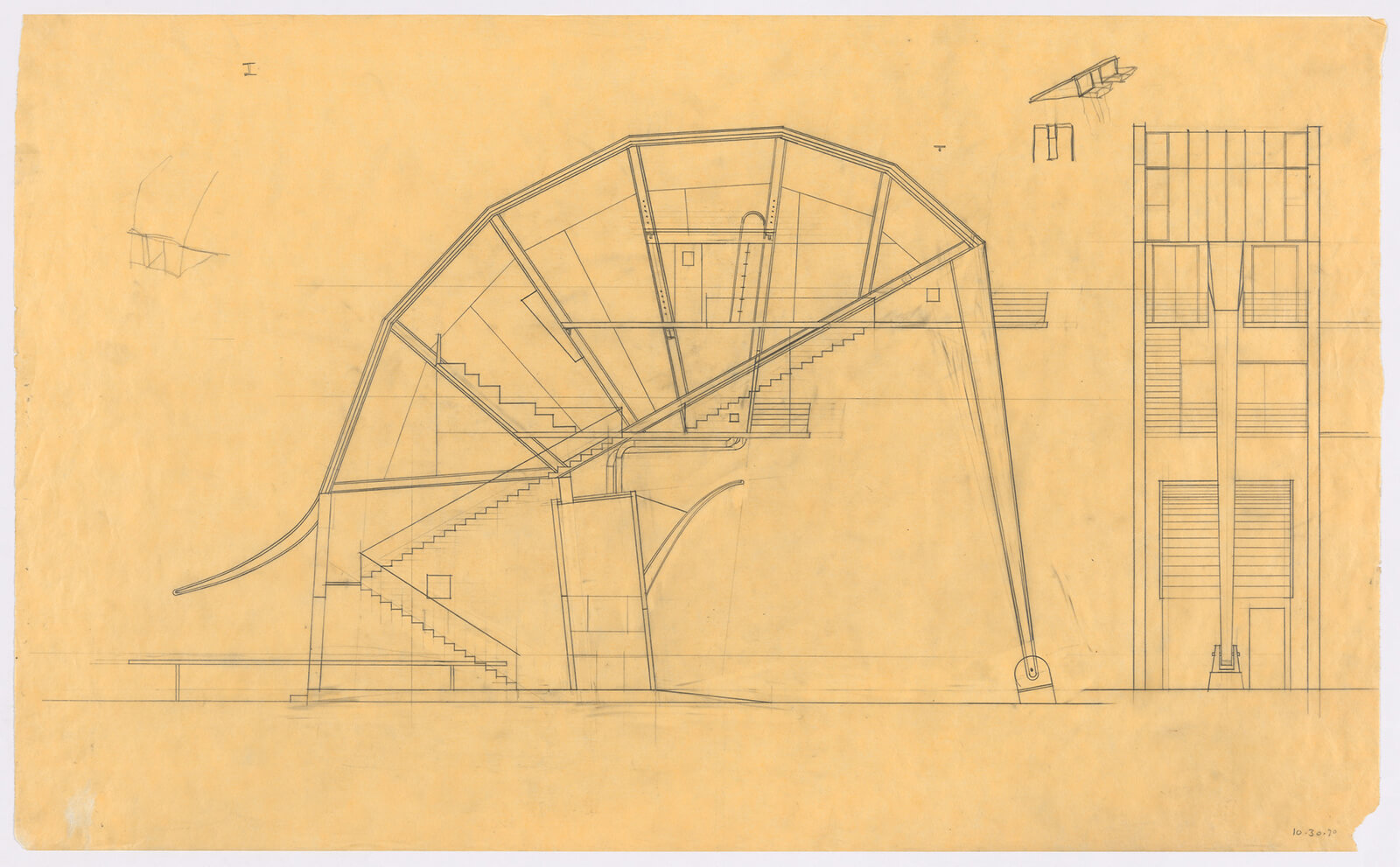
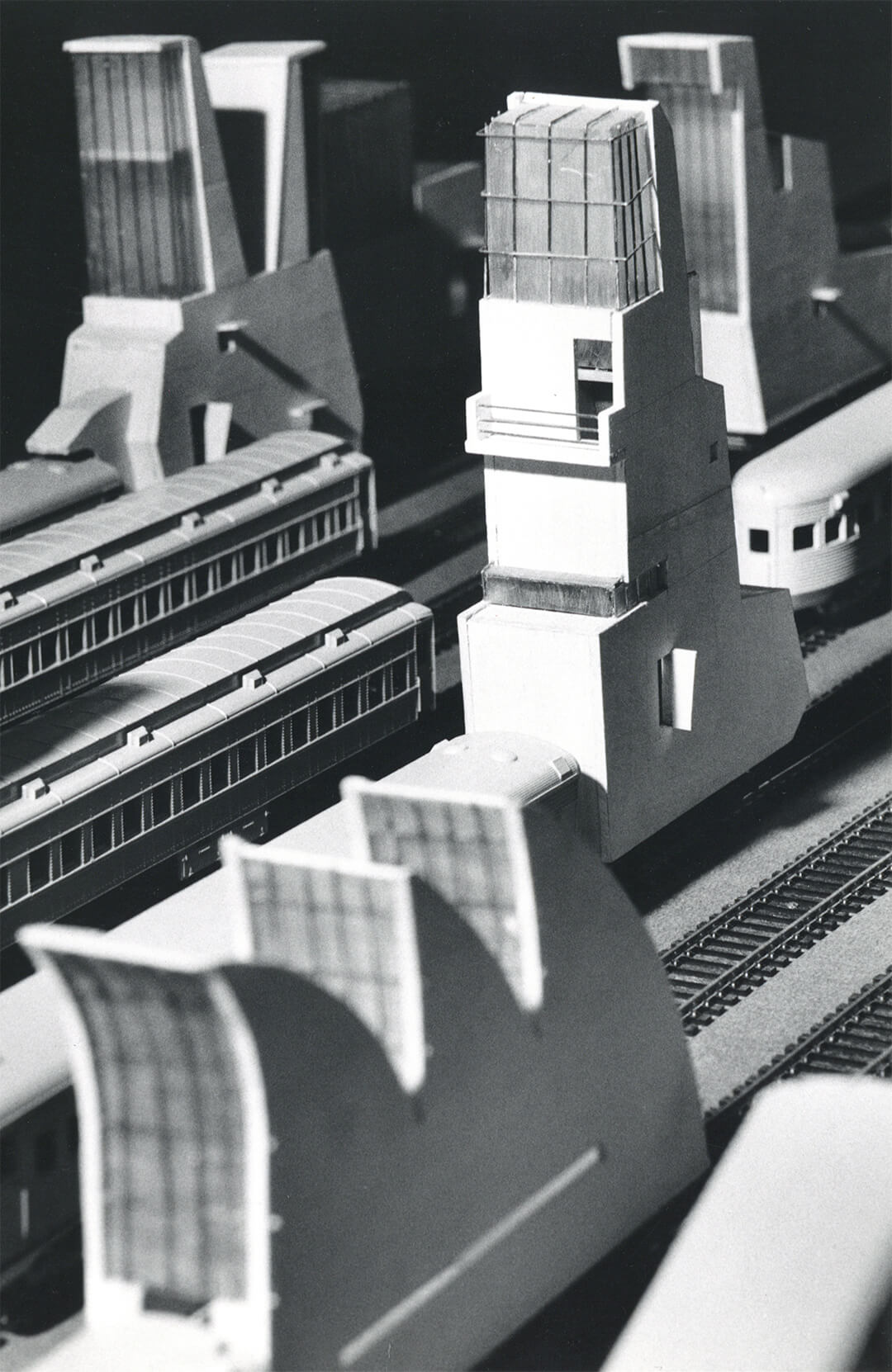
“If Sorkin’s criticism was looking for the social meaning of the formal”, the wall text explains, “then his designs may be understood as looking for the formal meaning of the social.” If his writing, plastered on the wall, is meant to indict the current state of architecture, then the fantastical nature of his designs is a way out of it. The dissonance between these two stances, one sceptical and the other madly hopeful, is the point. This idea is easily demonstrated by Sorkin’s plans for Tracked House, a modular design that could stack onto railway cars on the former Penn Central rail yards site to create a hodgepodge of mobile housing towers. It’s unlike anything practical one might expect of such a serious issue; it’s decidedly mad. But it is also not an imposition on the people it designs for.
It could very well be said that to try and find connections between the writing and the design is not simple, or in cases such as the counterproposals to Trump’s scheme, overly simplistic. But it needn’t be either. What bears scrutiny is how the writing highlights the conditions that make architecture possible, which in turn imagines what could be. The Eisenmannian directive, that the formal qualities of architecture be separate from the political, is fiercely contested by this alternative imagination. What the show seems to point to is how such discourse, one that thinks of architecture as one of the forces that determines our social realities, is still rare, at least when it comes to popular practice.
By conventional metrics, architecture is still an insular field, self-satisfied in its noble posturing, speaking only to those who are conversant in its jargon. Design is content with dreaming of designing the ‘right’ way—sustainability reduced to new material possibilities, the formal abandoned to the dictats of regulation, newness espoused through the tabula rasa of terrains such as the Middle East, or more recently, Turkey, in the guise of humanitarian aid. Even the location of the exhibition, within a premiere college campus that requires prior registration (and hence foreknowledge of the show), speaks of the institutional barriers we place on public engagement with the field. The radical is not simply the new, or the never-before-done. It is not even an issue that architecture can grapple with alone.
The search for radicality is the point. Watching “The Last Lecture" today, one can only feel a sense of shame. If Sorkin’s belief in an anti-establishment utopia were ever to be realised, that utopia is now burdened by shifting goals. Ironically, the very institutions meant to be voices of criticality—the media houses, the publications, the awards organisations—all seem to unknowingly celebrate and uphold those very systems that keep the technocratic idea of Architecture alive. In the United States, these voices of dissent are constantly in the shadows. Not only that, our very capacity for critical thinking, the one skill that we need to harness in the face of capitalism’s chokehold on every aspect of our being, is being eroded every second by large language models, which are rendering the world a generalised simulacrum. The last words are Sorkin’s.
Fundamentally, the radical architect has but two choices: to practice architecture or not to. A thoroughly radical position, however, takes its issue not with the form of an object—which in any event can be no better than what society either wants or allows and thus can have no private political content—but with the process that generated the decision to make and use it. Therefore, if the architect finds the tasks offered by society politically objectionable, s/he must operate extra-architecturally, that is, politically, in order to change them.
References
1. Michael Sorkin, "The Last Lecture". Youtube. Uploaded by MIT Architecture. May 5, 2020.
2. Sorkin, Michael. 'A Radical Alternative'. Architectural Record, March 30, 2026 (originally printed December 1972)

by Pranjal Maheshwari Oct 19, 2026
The Mumbai-based architects integrate courtyards, mesh screens and north light trusses to create a dining space that doubles up as a community hub at SR University, Warangal.
by Mrinmayee Bhoot Oct 17, 2026
The Rotterdam-based institute centres the Indian Ocean as a network for exploring material histories and transnational links shaping coastal cultures, positing them as future models.
by Pranjal Maheshwari Oct 16, 2026
At the 2026 Stirling Prize ceremony, Mary Duggan with RUFF Architects, MAKER Architecten and Nakshabid Architects were felicitated for proffering quality housing and social equity.
by Mrinmayee Bhoot Oct 12, 2026
The new Centre for Contemporary Arts, fostering public engagement with art in Uzbekistan, is housed in a tram depot refurbished by the French studio, emulating local craftsmanship.

make your fridays matter with a well-read weekend
Enter your details to sign in
Don’t have an account?
Sign upOr you can sign in with
a single account for all
STIR platforms
All your bookmarks will be available across all your devices.
Stay STIRred
Already have an account?
Sign inOr you can sign up with
Verification link sent to check your inbox or spam folder to complete sign up process
Tap on things that interests you.
Select the Conversation Category you would like to watch
Please enter your details and click submit.
Enter the 6-digit code sent at


Michael Sorkin’s manifestos for radicality for People Who Cross Against the Light
by Mrinmayee Bhoot | Published on : Jun 19, 2026


 Sign in with Google
 Sign in with email
What do you think?