


 Sign in with Google
 Sign in with email



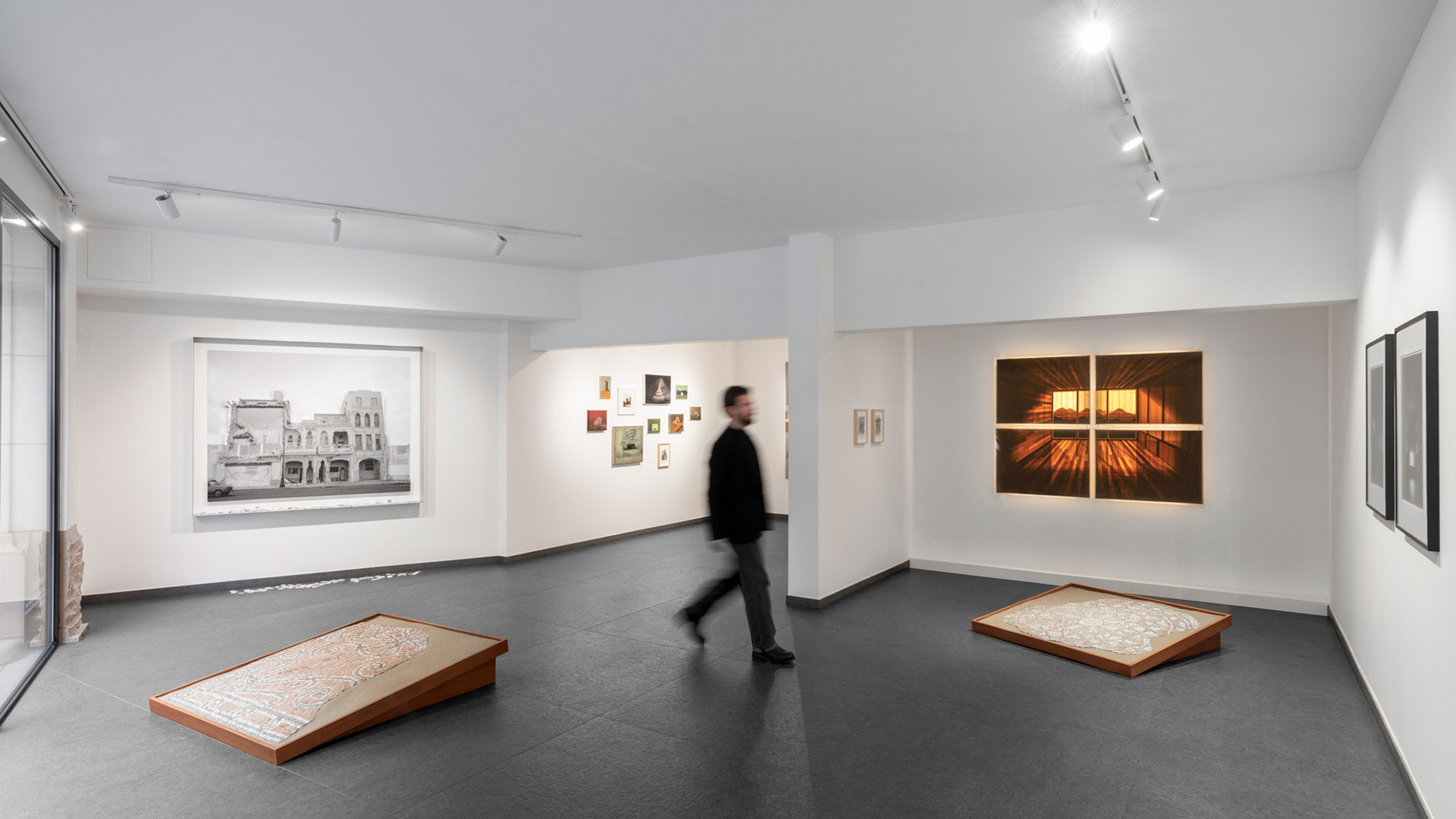





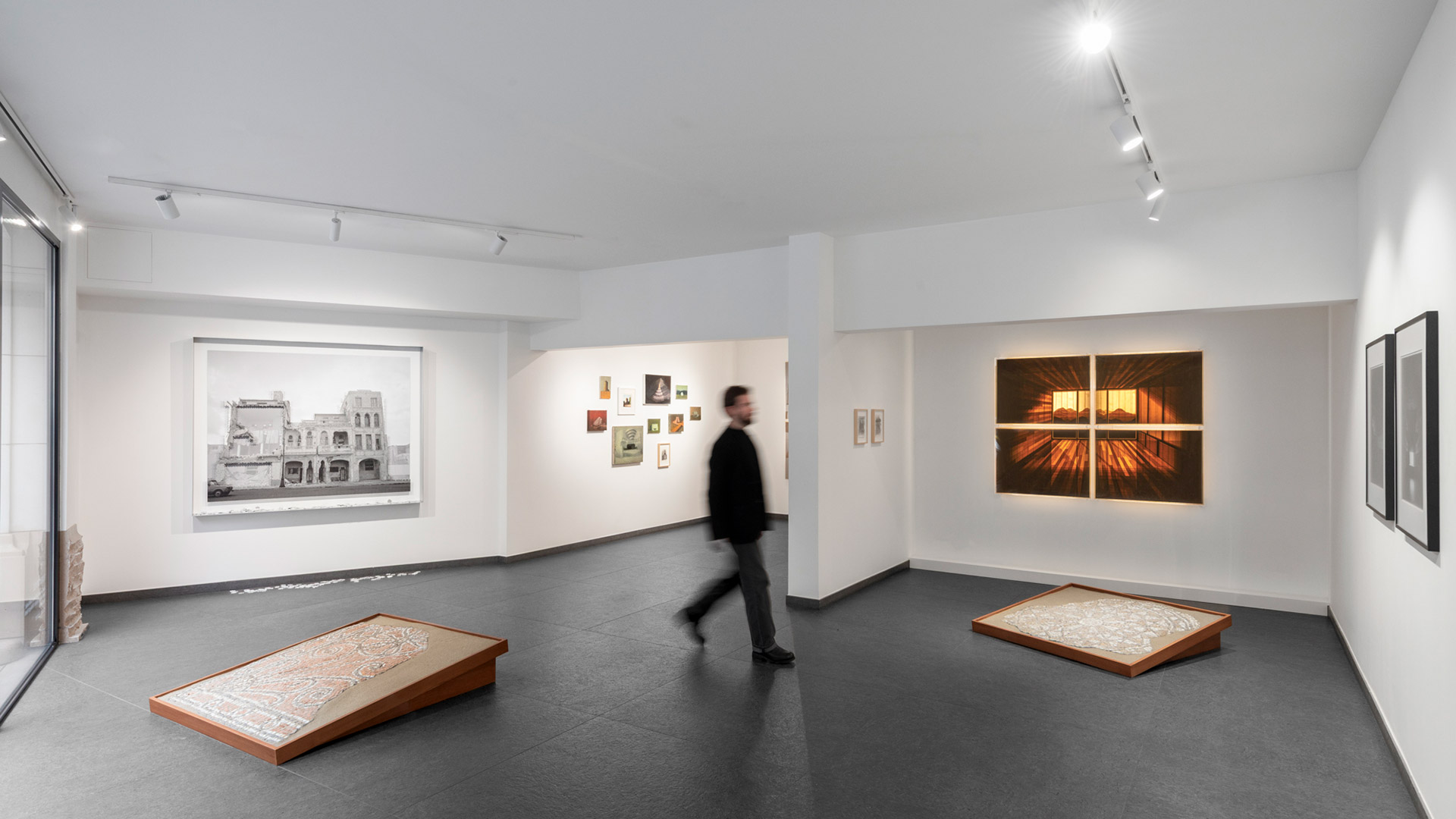
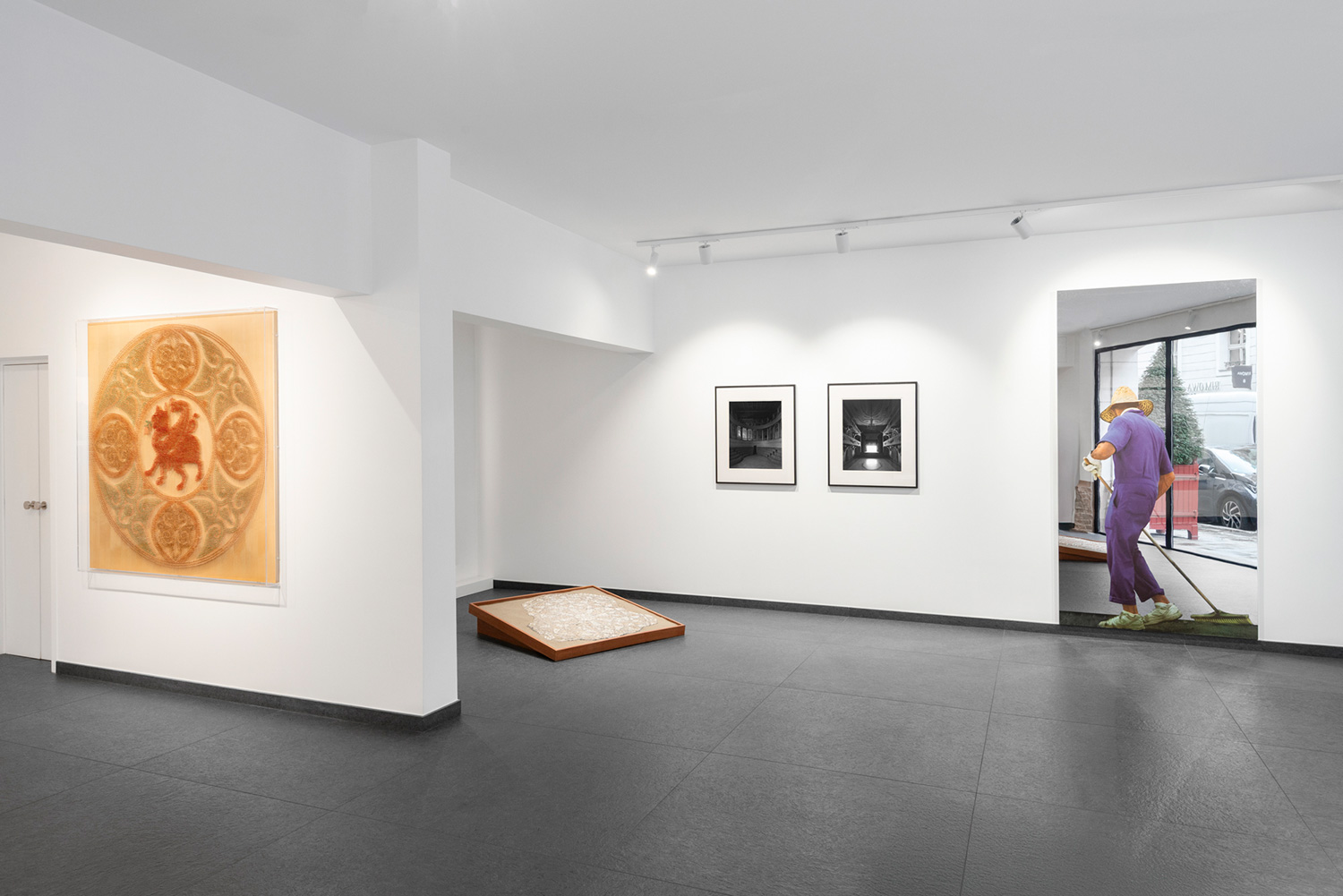
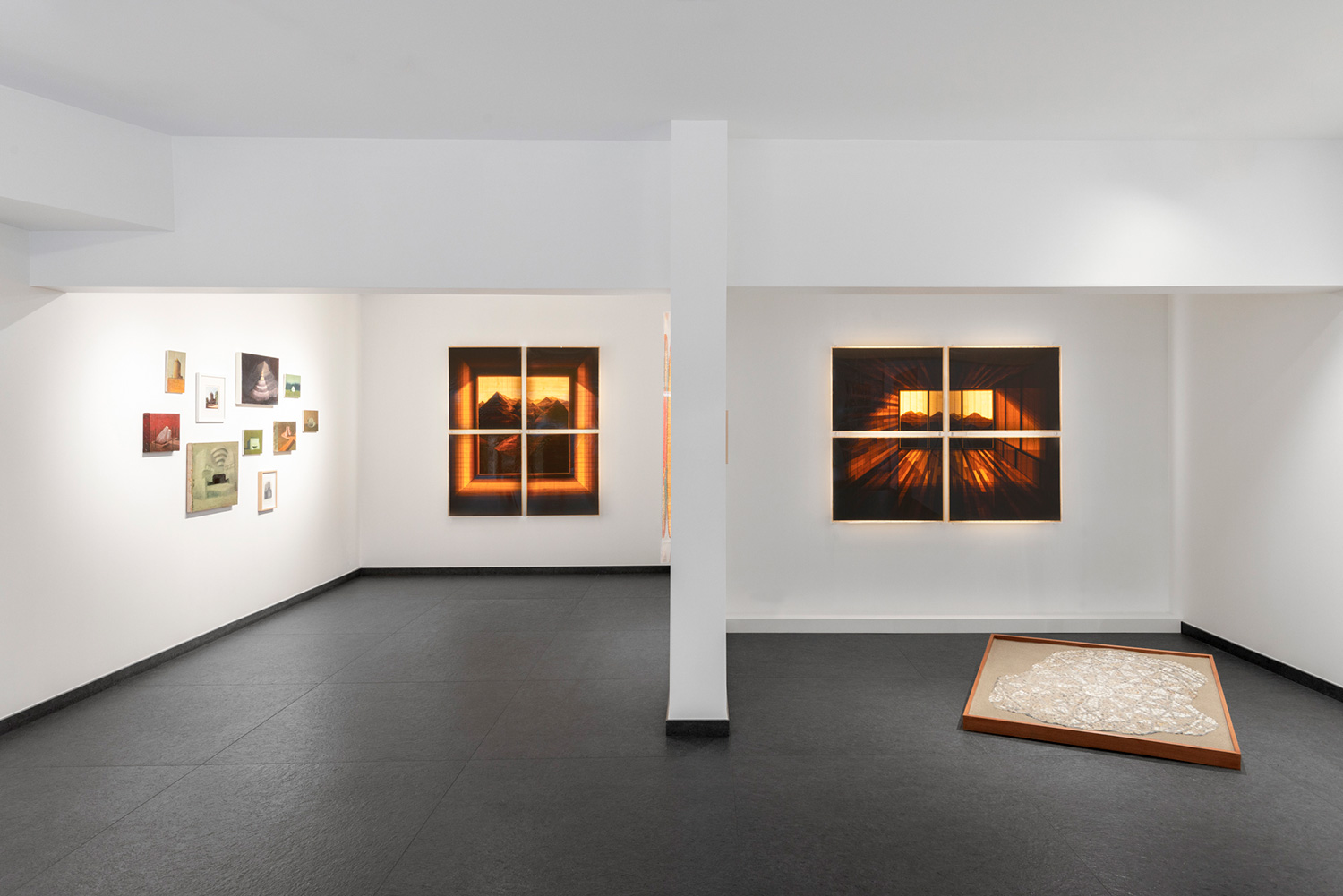
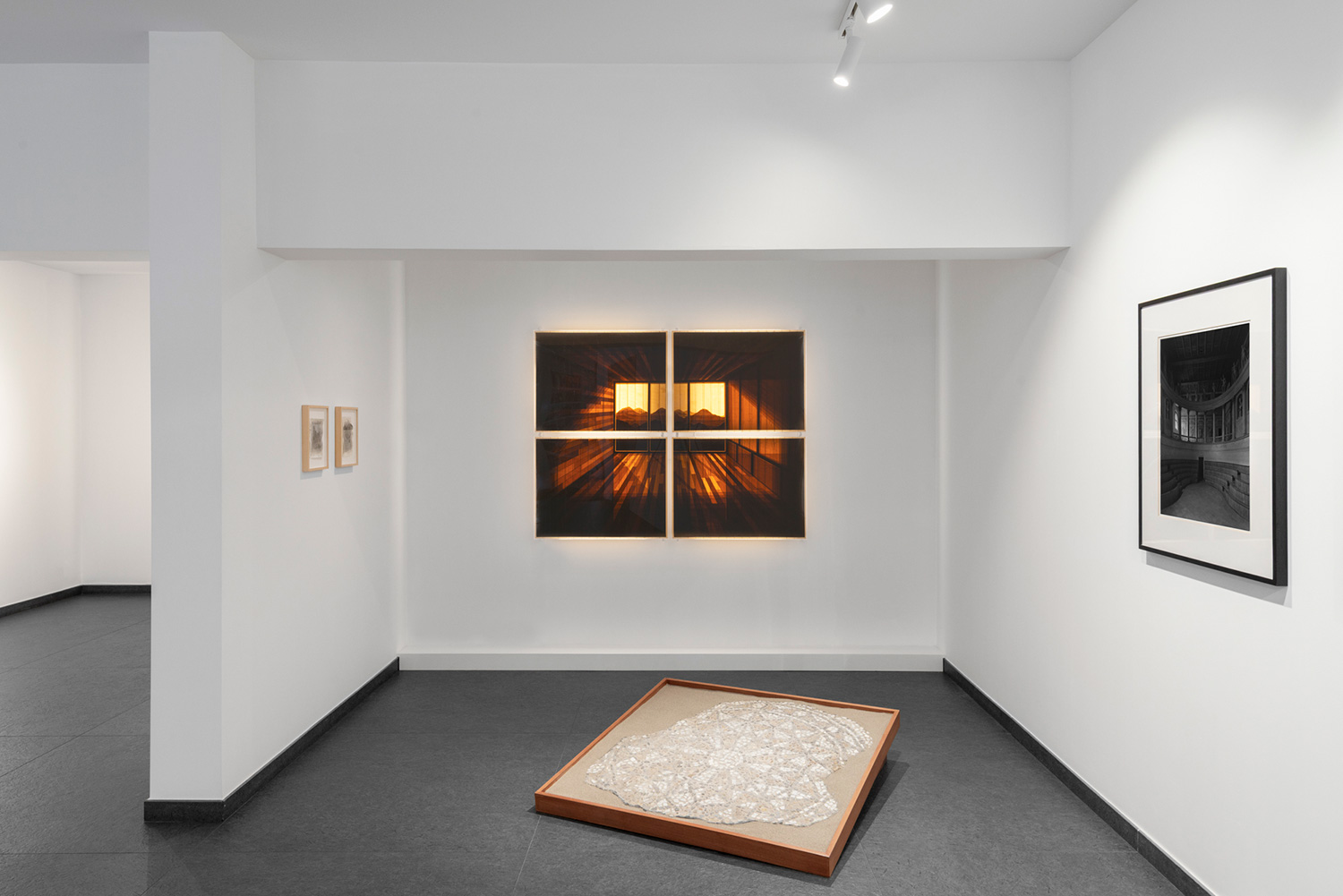
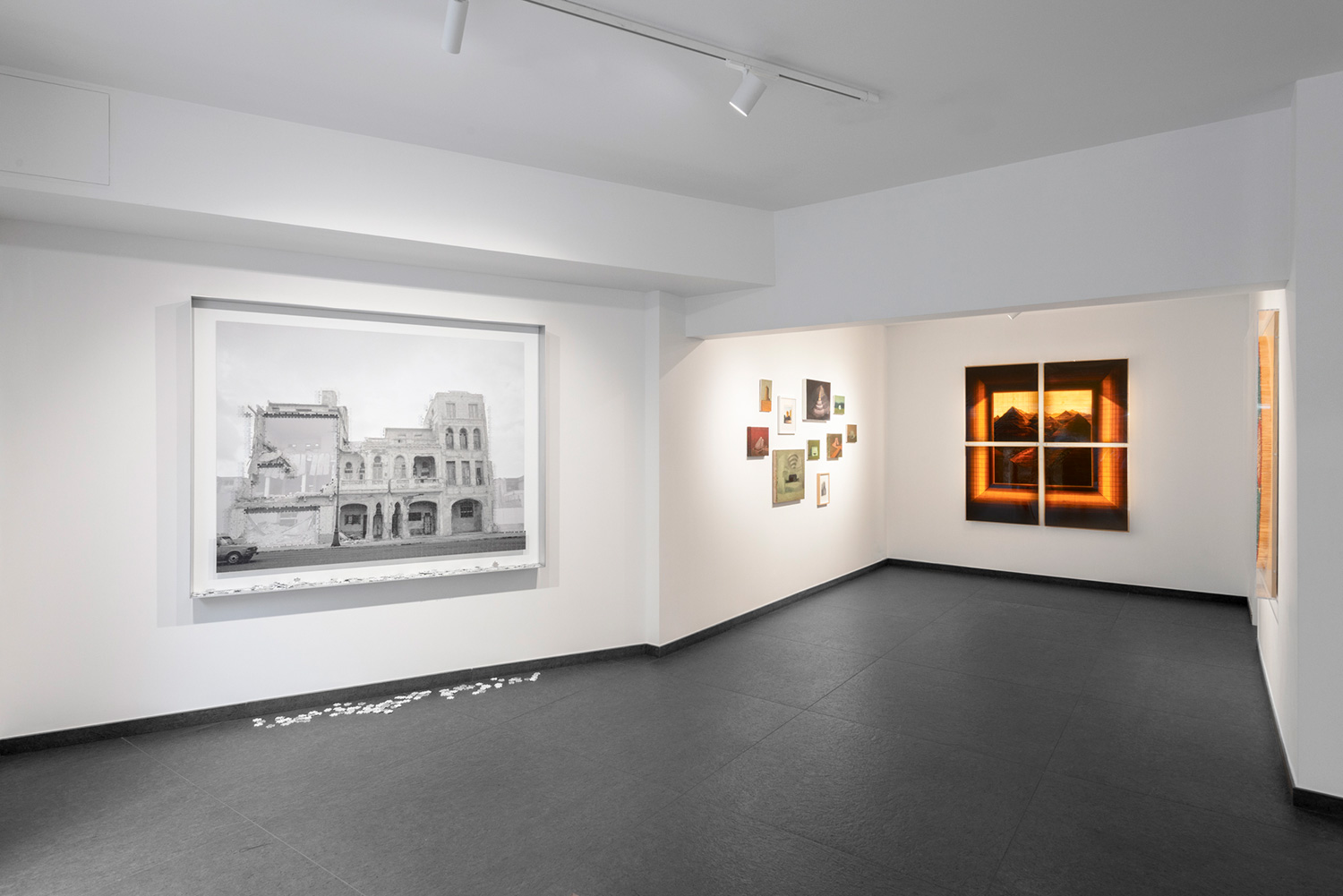
Galleria Continua presents Fragments de ville (Fragments of the city), a group exhibition on view from January 22 – March 10, 2026, at their Paris space. The art exhibition brings together contemporary artists whose practices explore the city as a space of memory and transformation through painting, photography, installation and sculpture. “The exhibition explores the intimate relationship these artists maintain with urbanity, in which the city appears both as a reflection of social mutations and conflicts, and as an object of silent contemplation. Far from offering a unified vision, Fragments de ville proposes a plural reading of the city as a dynamic place, shaped by movement and change,” notes Galleria Continua in an official release.
Originally from Cuba, Alejandro Campins presents small-format paintings of deserted architectures imbued with an enigmatic, dreamlike stillness. In his Altars series, he revisits Cuban monuments whose functions have shifted over time, stripping them of their original symbolism. His Lethargy series turns to bunkers—architectural remnants of turbulent histories—oscillating between protection and abandonment, permanence and obsolescence.
Also Cuban-born, Osvaldo González constructs imaginary architectural interiors through meticulously layered adhesive tape. “His compositions evoke interior landscapes in which architecture becomes the main subject of the work, capturing fleeting moments and transitional states at the boundary between memory and perception,” the contemporary art gallery notes.
From Ukraine, Zhanna Kadyrova interrogates originality and historicity in her Landmarks series. Working with reclaimed local materials, she inserts ‘false originals’ into urban contexts, challenging the authority of historical narratives. “The work invites viewers to reflect on authenticity, the passage of time and the ways in which history and objects from the past can be reinterpreted, manipulated or reinvented, highlighting the infiltration of misleading information into collective consciousness,” the art gallery explains.
Egypt-based artist Moataz Nasr addresses the tension between destruction and creation in works such as The Flower. Drawing inspiration from a Fatimid-era ceramic plate damaged during terrorist attacks in Cairo, Nasr employs matches as both medium and metaphor. “Through The Flower, Nasr explores fire as a force that is both destructive and creative, mirroring the nature of revolution,” Continua notes.
Hiroshi Sugimoto presents contemporary photographic works from his iconic Theaters series. Produced in Italy, they depict the Teatro all’Antica in Sabbioneta and the theatre of Villa Mazzacorati in Bologna, retracing stages of a 16th-century diplomatic journey by four Japanese emissaries to Europe. “Begun in 1976, the series led Sugimoto to photograph cinemas and theatres around the world. After a pause of nearly fifteen years, he resumed the project in 2013, incorporating the luminous screen into the composition. The screen’s light reveals the subtle architectural details veiled by the surrounding darkness,” explains Continua.
In his Puzzles series, Carlos Garaicoa embodies the fragmentation of contemporary cities. Photographs of buildings in Havana, New York and Cape Town are physically disassembled, with fragments seemingly slipping from the image into the display case.
Finally, Michelangelo Pistoletto introduces a spatio-temporal dimension through his mirror paintings. “In his mirror paintings, reality is reflected and directly integrated into the work, blurring the boundary between object and subject. The viewer is no longer a simple observer, but an actor in the artistic experience, making observation both active and reciprocal,” notes Continua.
The exhibition affirms the city not merely as a physical environment, but as a dynamic field of projection and reinvention, continuously shaped by human experience. “Through these singular and complementary approaches, Fragments de ville composes a sensitive cartography of the contemporary city: fragmented, shifting and inhabited by time, memory and imagination,” the gallery concludes.


What do you think?