


 Sign in with Google
 Sign in with email



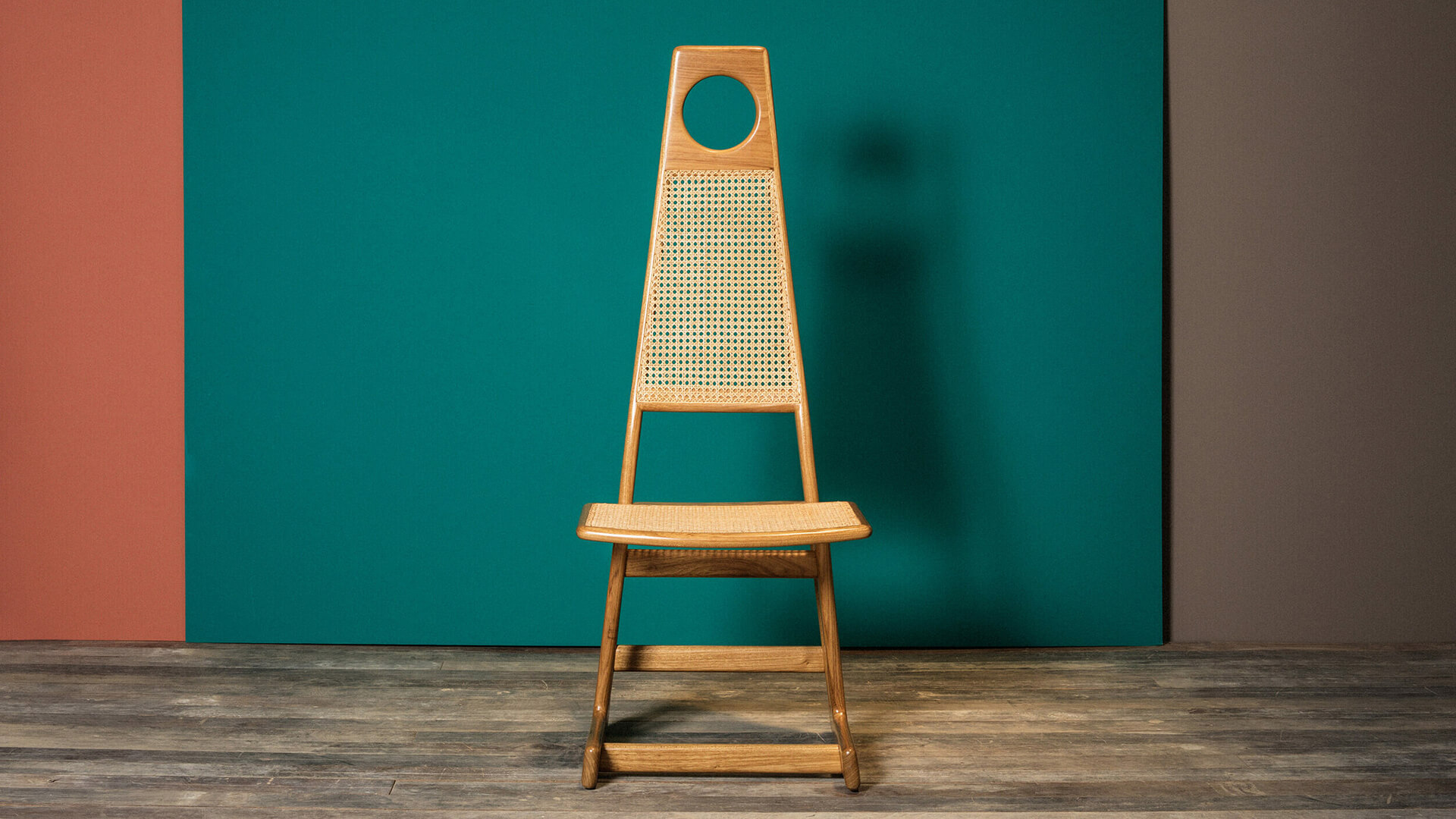





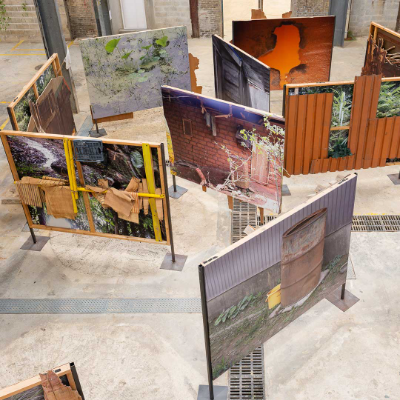
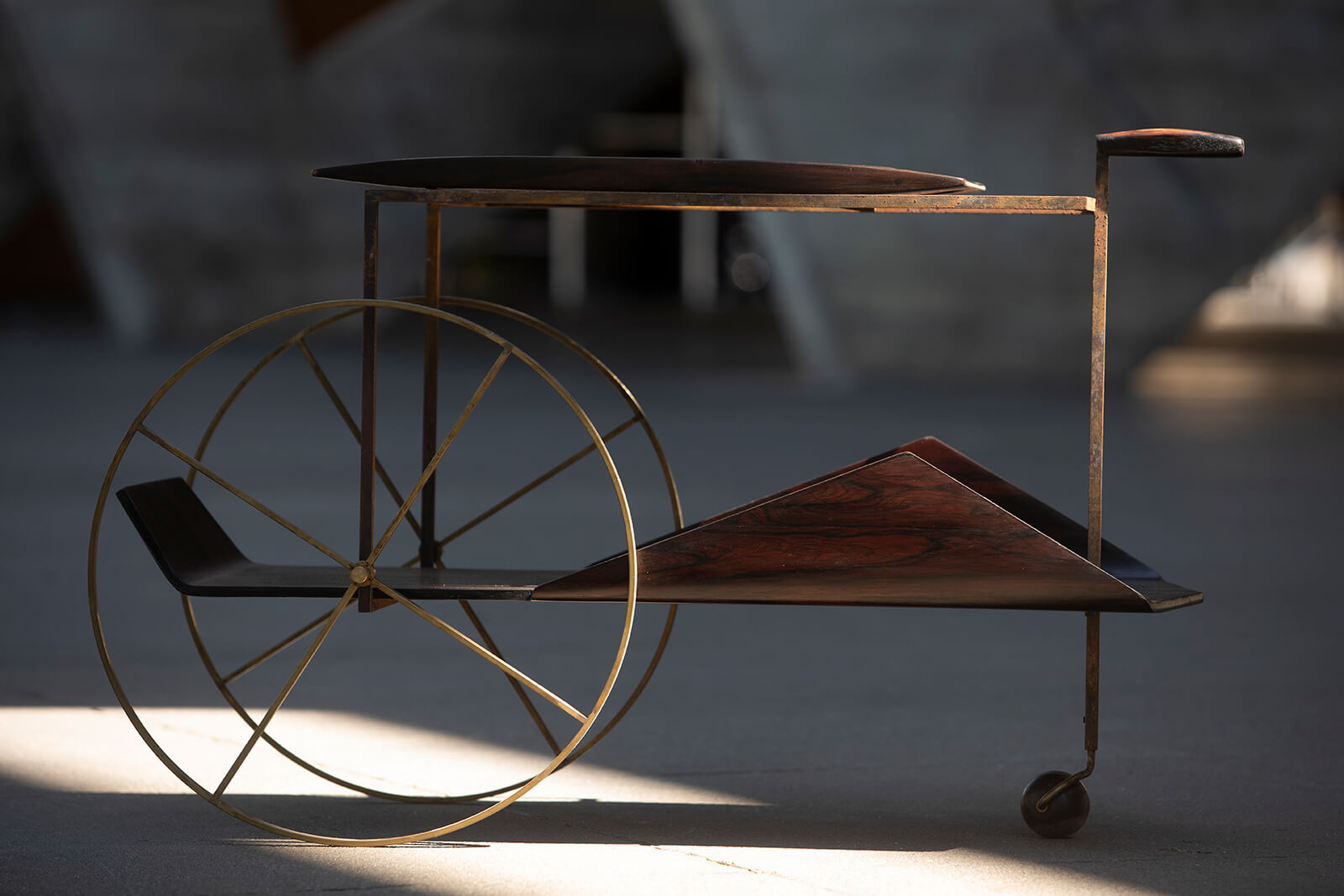
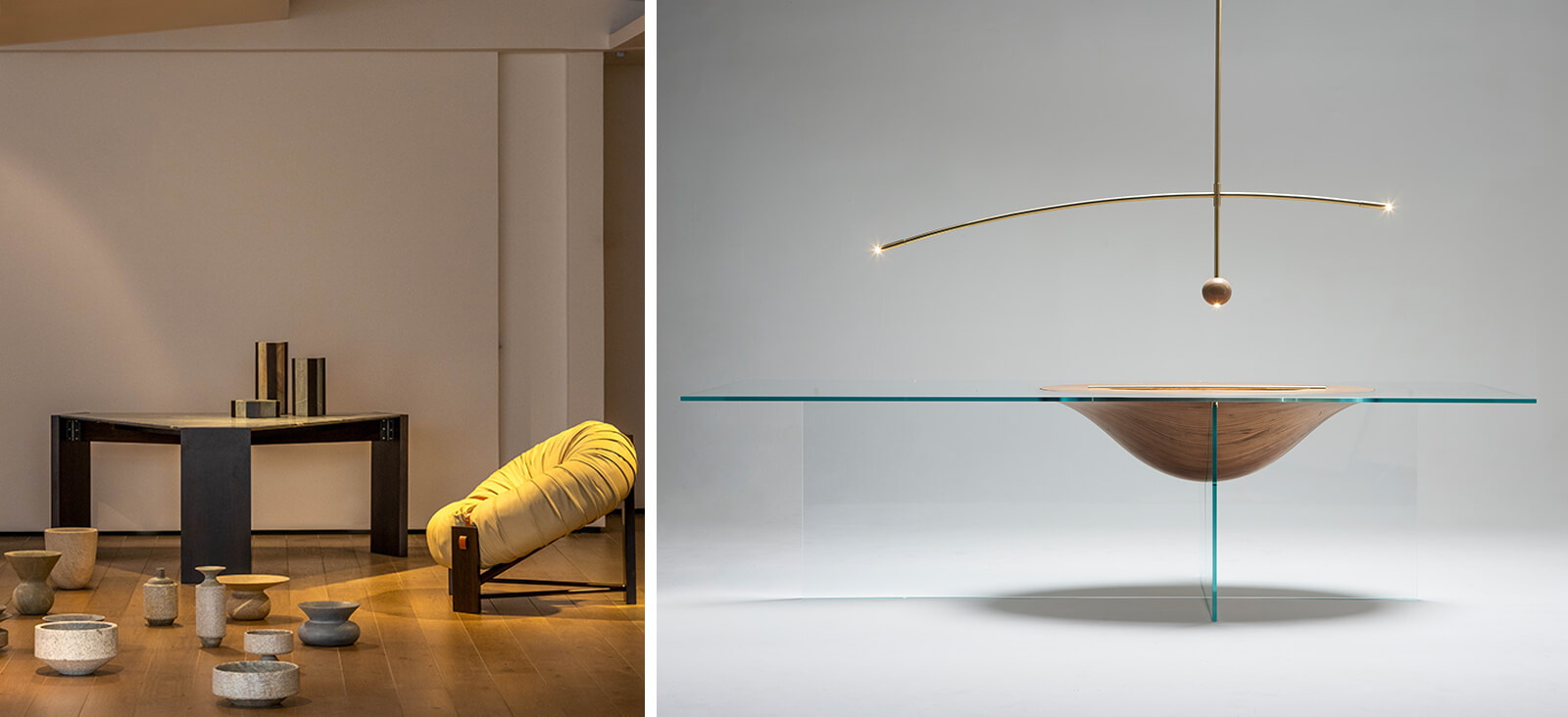
Suspended over Guanabara Bay, Oscar Niemeyer's iconic MAC Niterói in Brazil provides the striking backdrop for Then and Now – Brazilian Legacy, a landmark exhibition that bridges generations of Brazilian designers. Presented by Galerie Philia and curated by Ygaël Attali, the show, on view from August 29 – 31, 2025, explores how Brazil's design heritage continues to evolve—from modernist pioneers to a new wave of experimental, ecologically conscious creators.
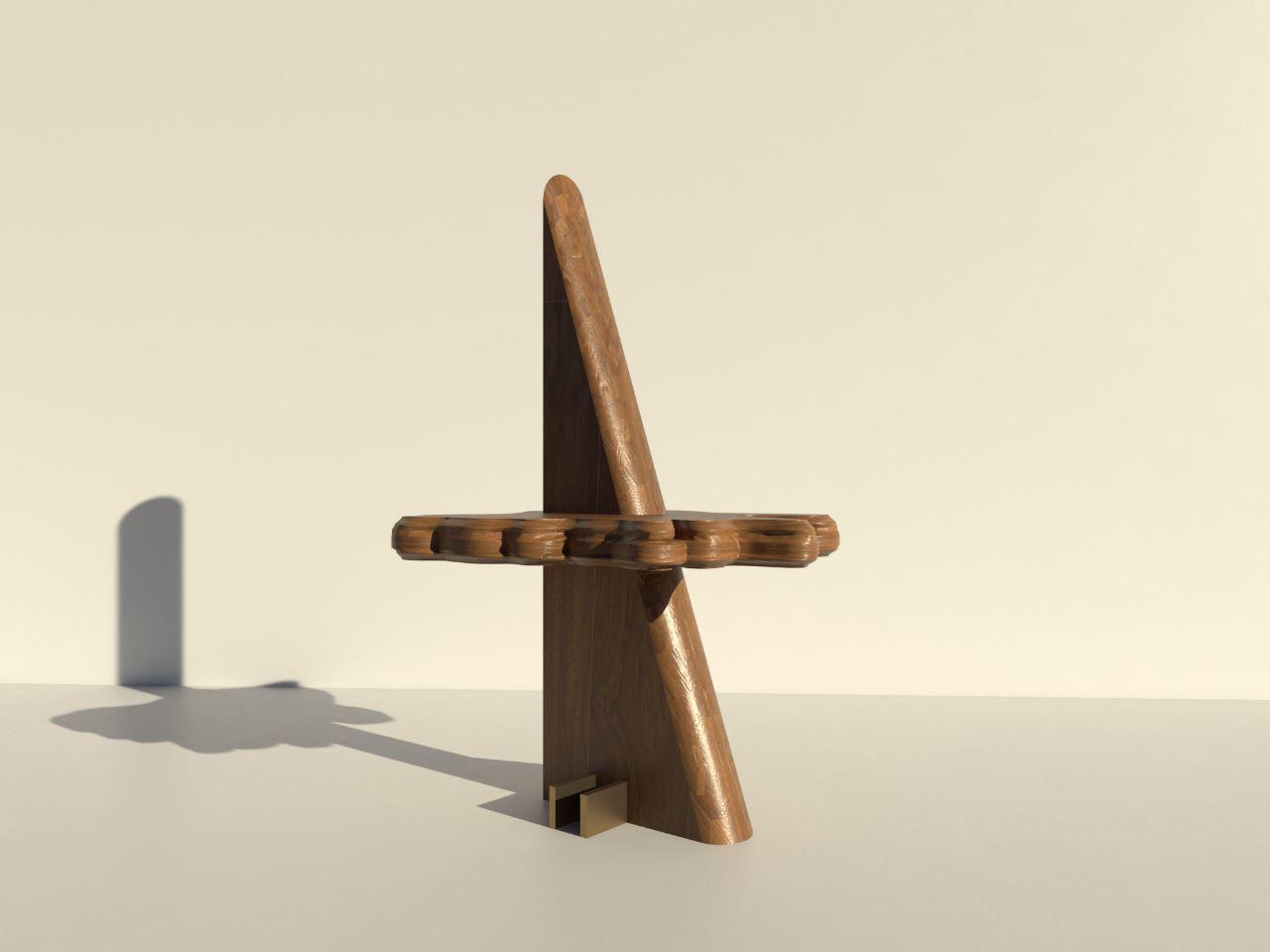
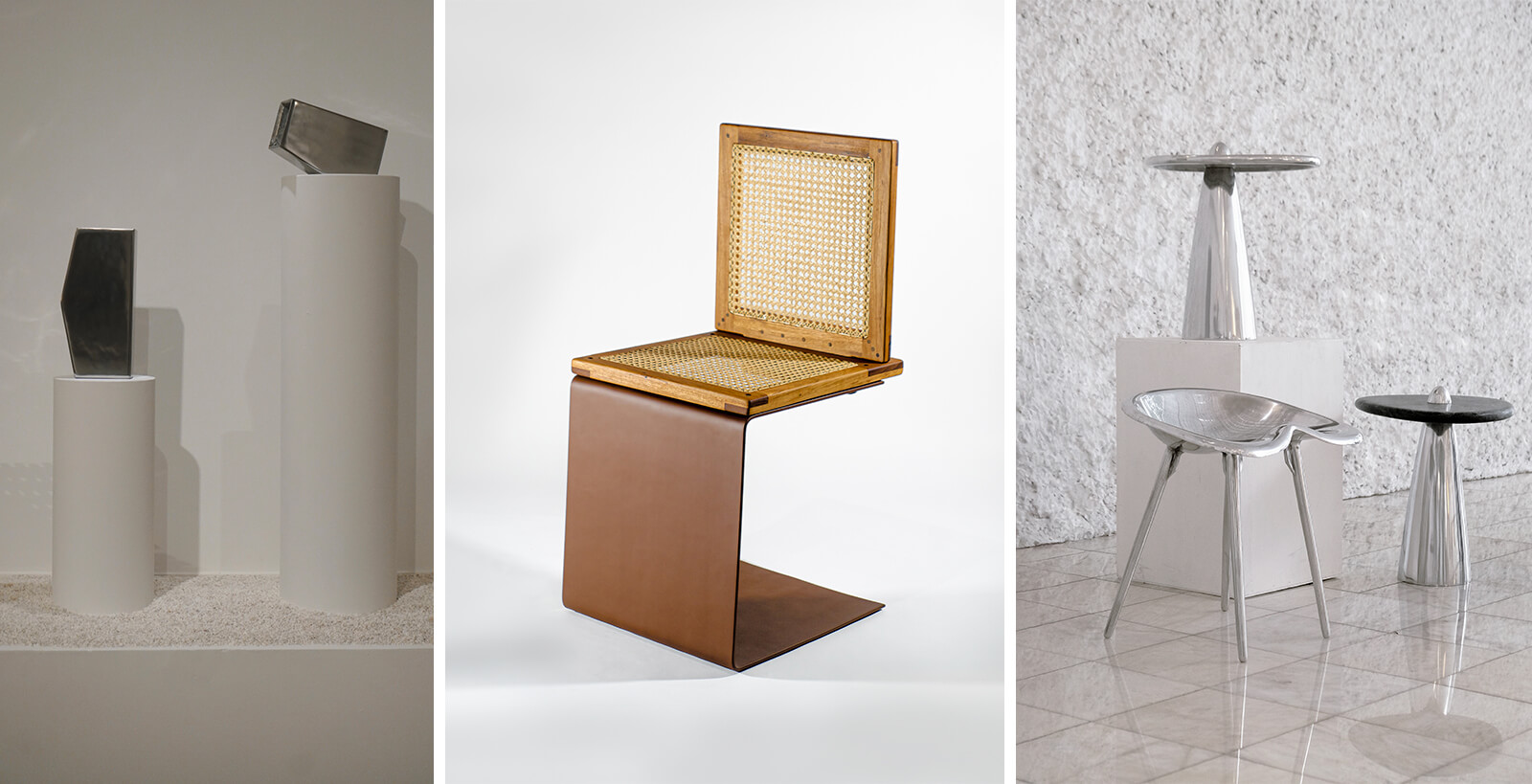
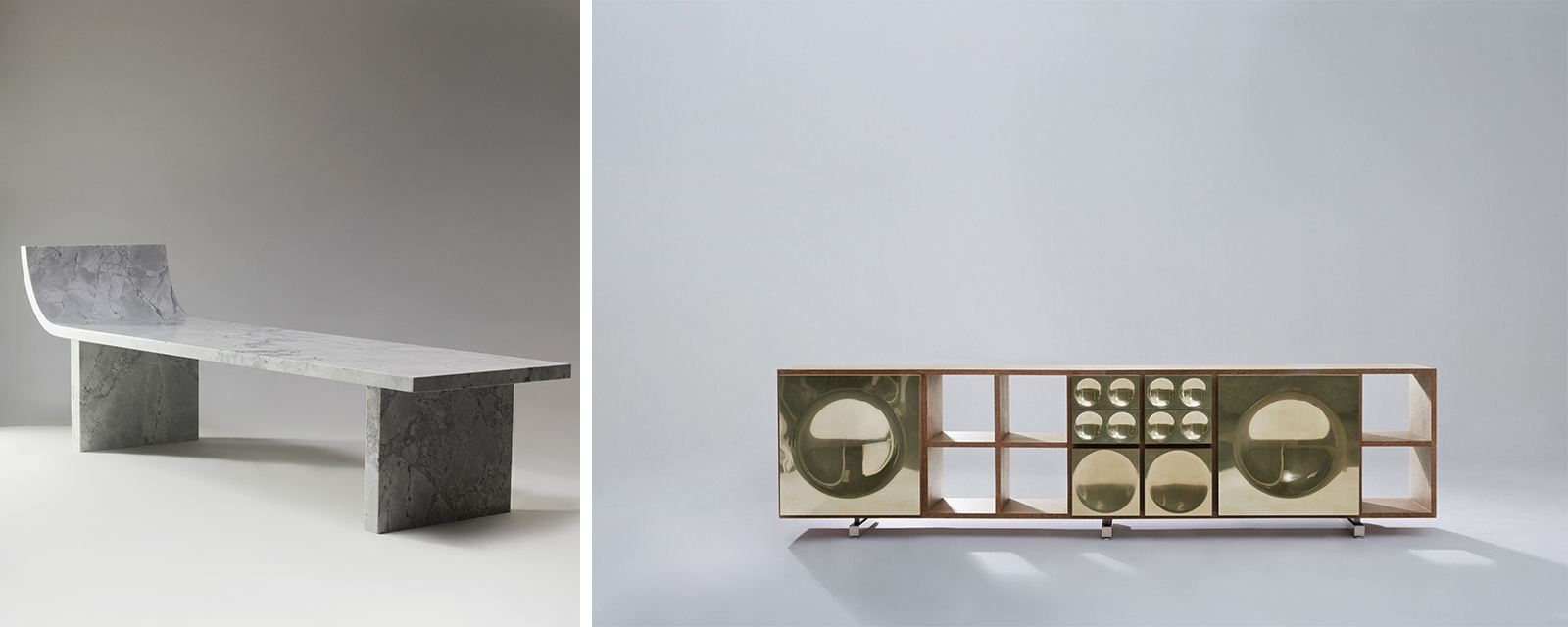
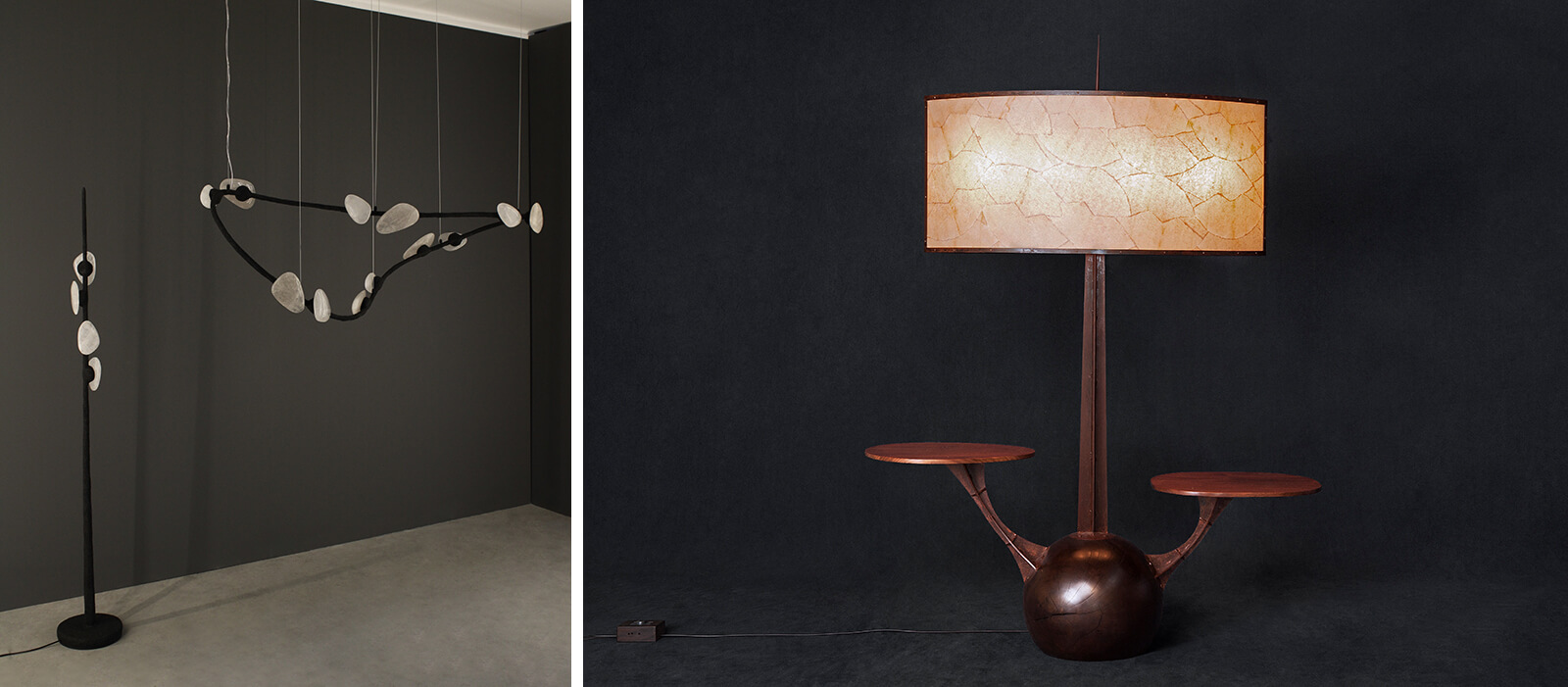
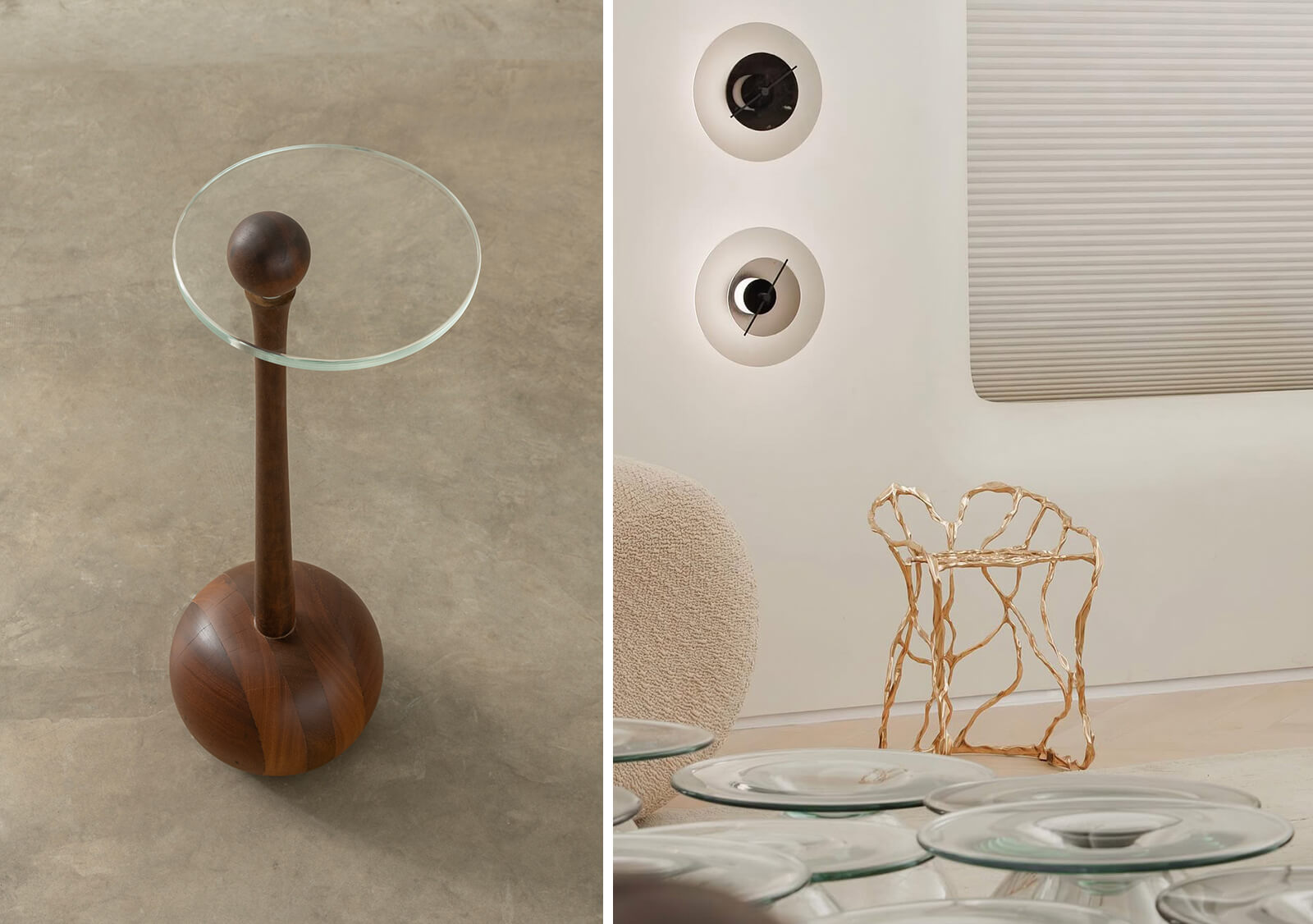
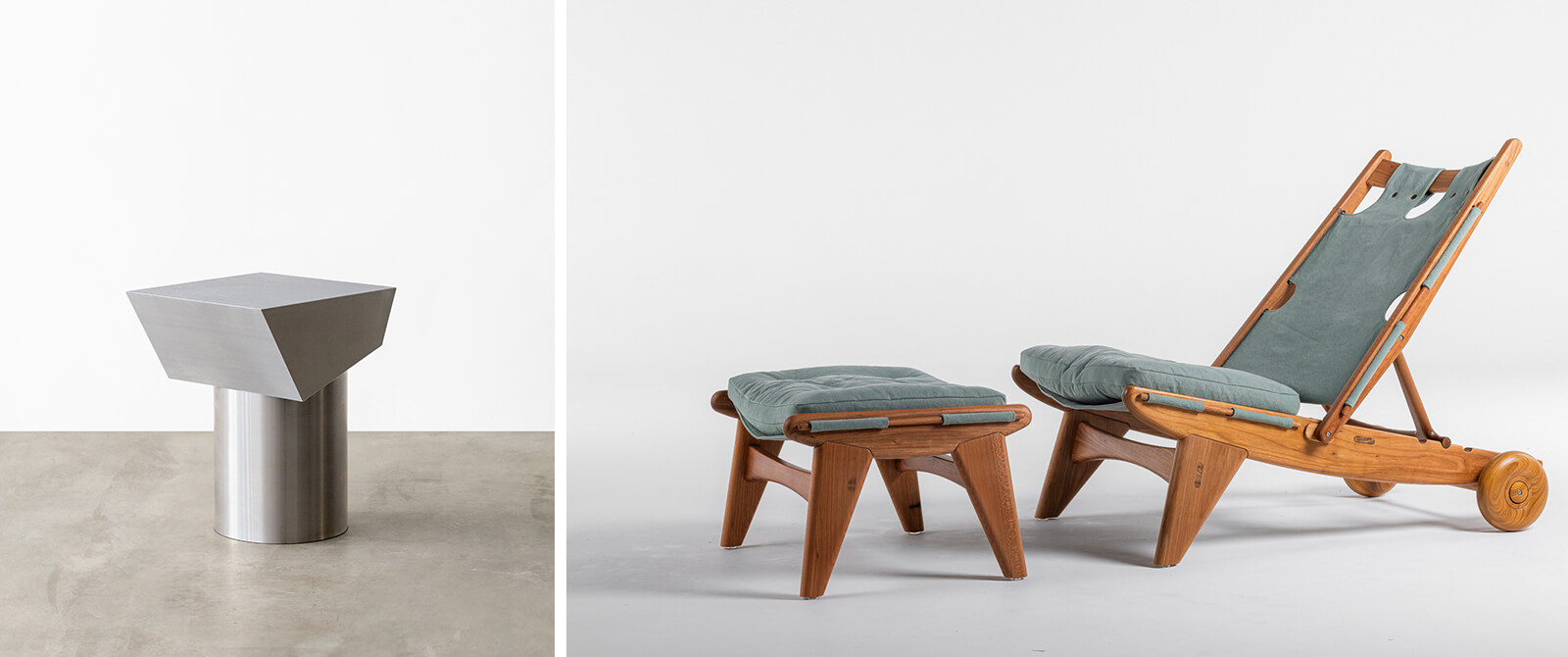
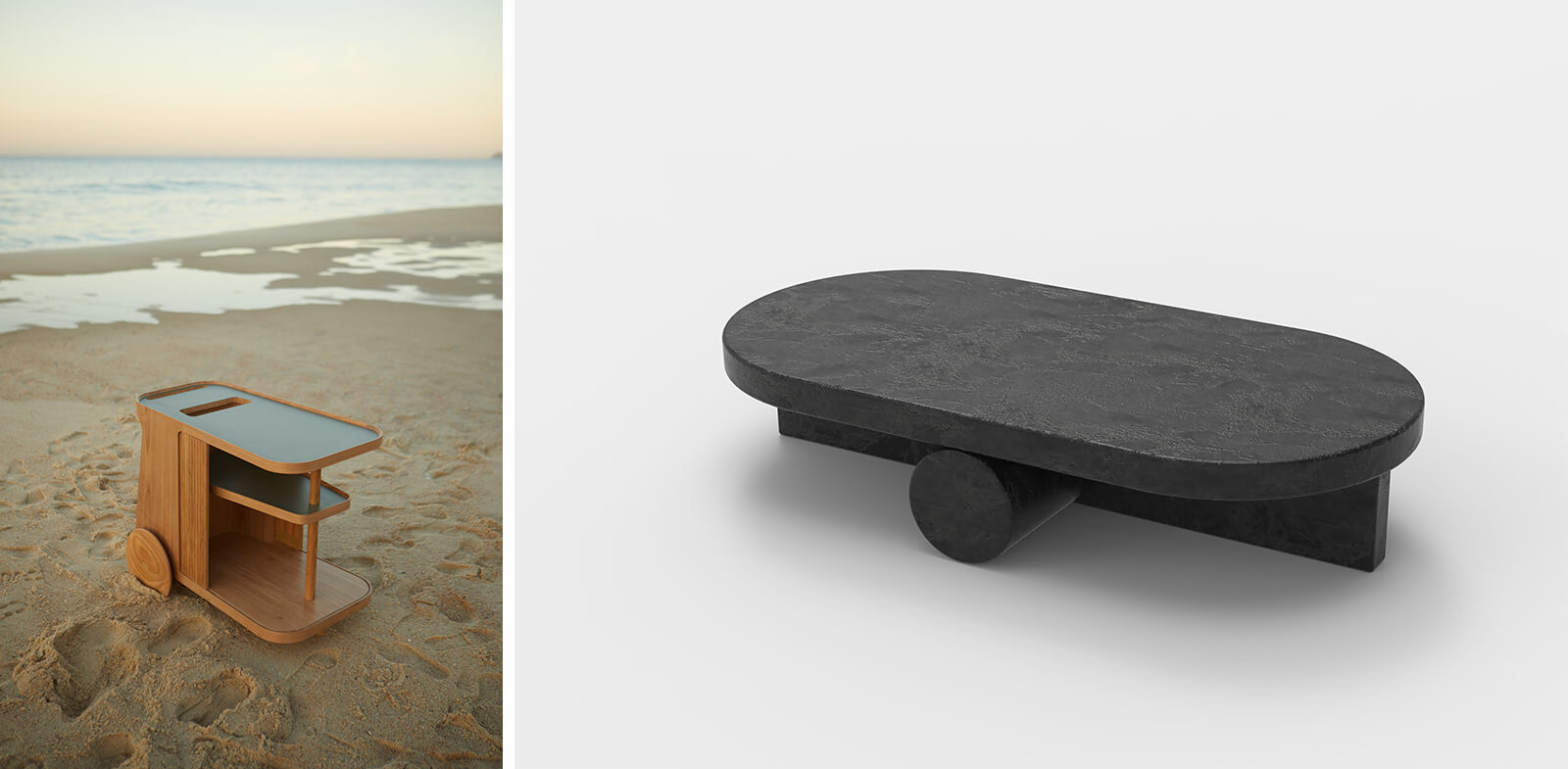
Featuring over 60 works, the design exhibition places historic figures such as Joaquim Tenreiro, Lina Bo Bardi, José Zanine Caldas, Sergio Rodrigues, Jorge Zalszupin and Niemeyer himself in conversation with contemporary designers, such as Arthur Casas, Zanini de Zanine, Hugo França, Gabriela Campos and many others. The result is a powerful dialogue between tradition and transformation, craft and concept, identity and innovation.
Galerie Philia, known for its site-specific shows in architecturally significant spaces, continues its mission of fostering transcultural conversation and sculptural design with Then and Now – Brazilian Legacy—its most ambitious to date in Brazil. Founded in 2015 by two brothers with a shared passion for art, literature and philosophy, the gallery promotes emerging and established artists across borders, mediums and disciplines.
The Modernists: A project of national invention
Mid-century Brazilian designers didn't just create furniture—they imagined a national identity. Merging architecture, craft and industrial processes, they sought a modernism that was both universal and uniquely Brazilian.
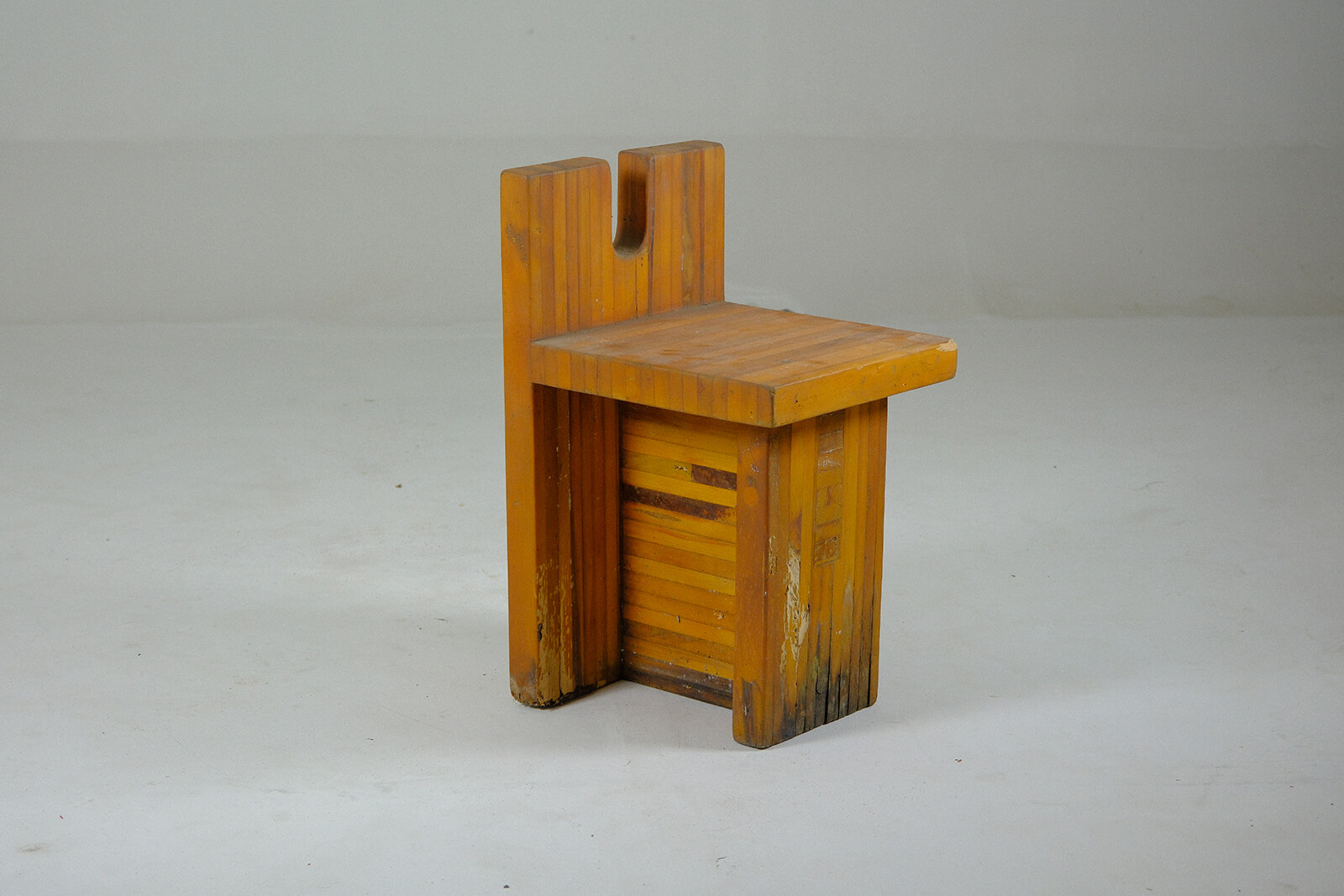
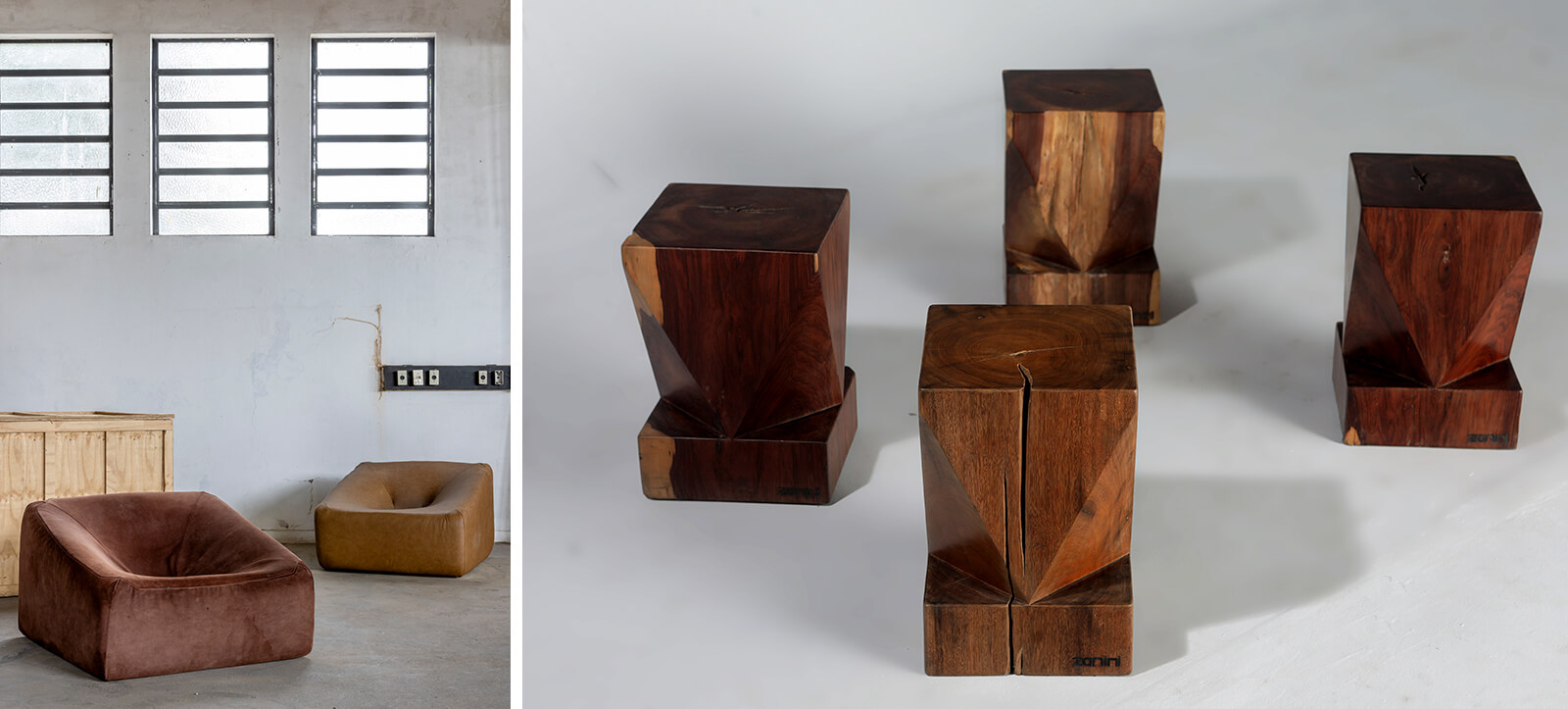
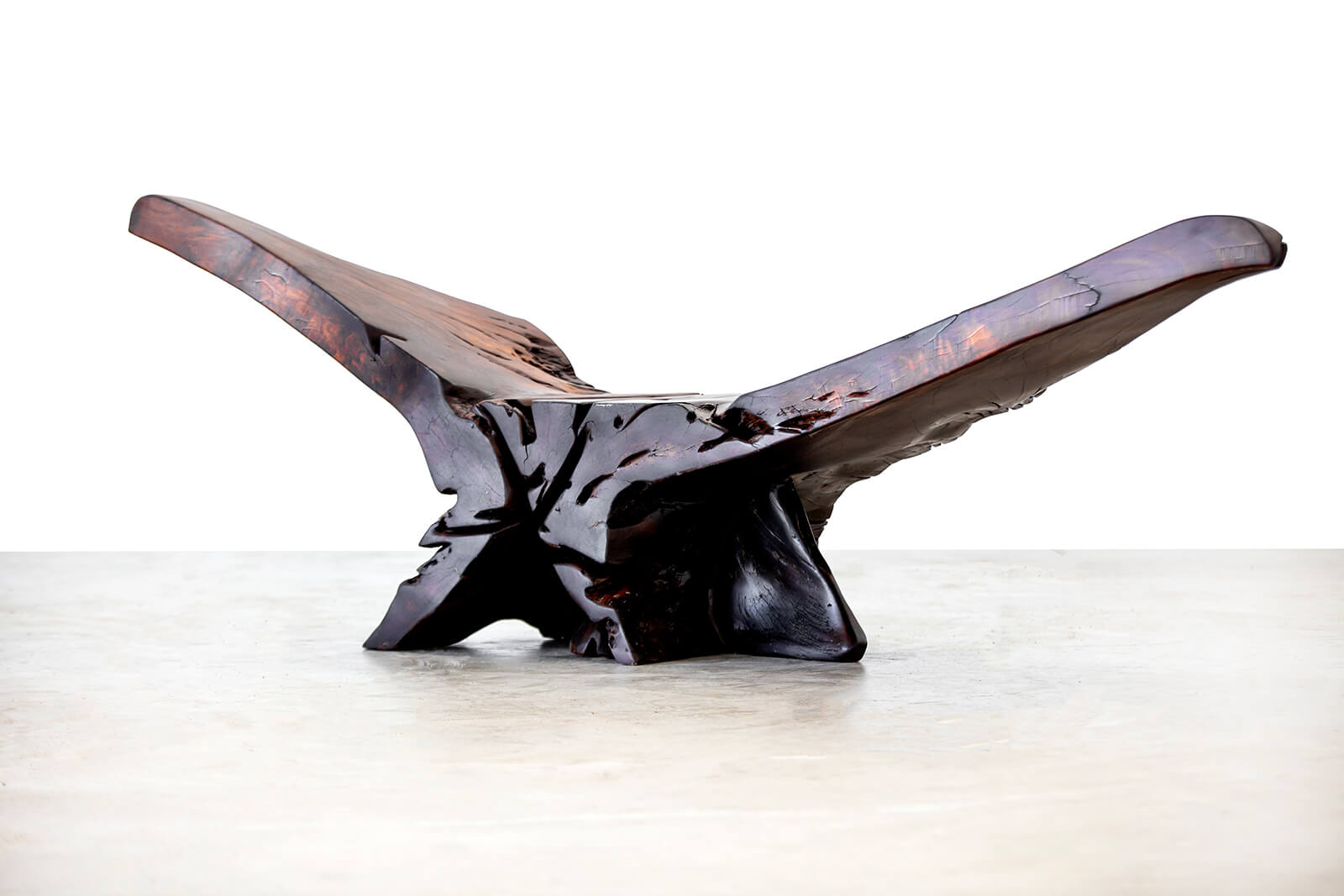
According to the press release, Lina Bo Bardi brought her socially engaged philosophy to design. She blurred the boundaries between high and popular culture, advocating for vernacular knowledge and participatory processes. Her MASP chair design and work with SESC Pompéia embody her belief in accessible, collective design; José Zanine Caldas, a self-taught visionary, oscillated between mass production and environmental activism. His 'protest furniture', carved from salvaged trunks, critiqued deforestation while honouring the expressive soul of wood; Ricardo Fasanello pioneered the use of industrial materials like fibreglass and resin, sculpting futuristic forms that balanced function with sensual curvature.
Niemeyer was a Brazilian architect, renowned for his curving concrete forms and a leading role in designing Brasília with Lúcio Costa. His works, including those at the National Congress and the Niterói Contemporary Art Museum, fused modernism with the sensual lines of Brazil's landscapes; Sergio Rodrigues infused modernism with Brazilian warmth and sensuality. His Poltrona Mole became a national icon, celebrating comfort and the sculptural potential of native woods and leather; Giuseppe Scapinelli, an Italian-Brazilian modernist, infused his works with elegance and artistic sensibility, producing furniture designs that blended classical curves with modernist principles.
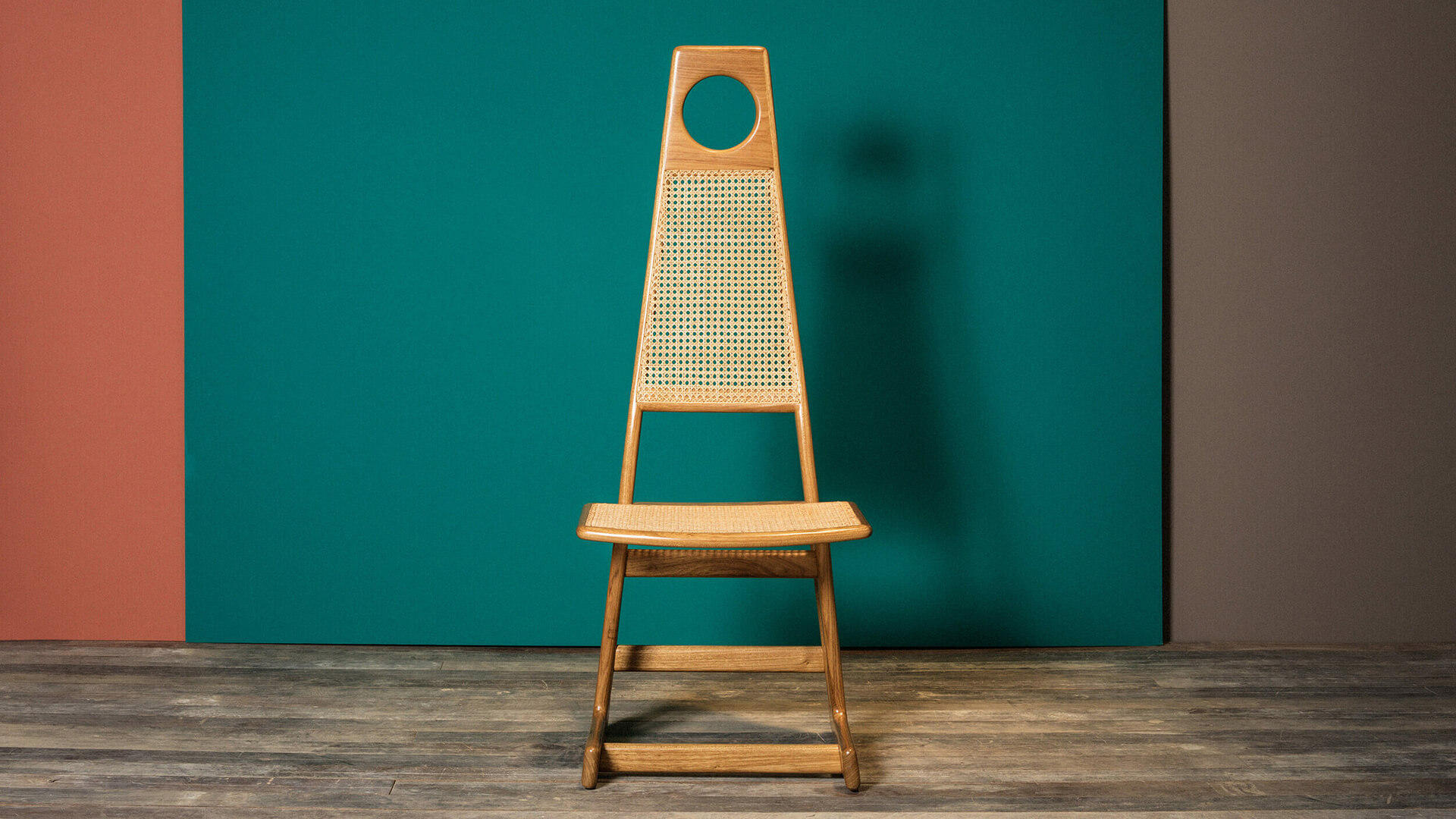
Joaquim Tenreiro, often hailed as the father of Brazilian modernist furniture, introduced a radical language of lightness and structural clarity. Drawing on his Portuguese woodworking heritage, Tenreiro pioneered a minimal, refined aesthetic adapted to the climate and spirit of Brazil; Jorge Zalszupin, a Poland-born architect and designer, brought a polished, European sensibility to Brazilian modernism. His sleek, modular furniture made innovative use of plywood and exotic woods, and his leadership of the L’Atelier workshop helped industrialise Brazilian design without sacrificing craft. Zalszupin's elegant, curved forms and mastery of proportion place him among the most influential figures of 20th-century Brazilian furniture.
The Contemporaries: Material memory and poetic resistance
Today's designers engage with a complex world shaped by environmental urgency, cultural multiplicity and material experimentation. Their work reinterprets modernism's ideals for a new era.
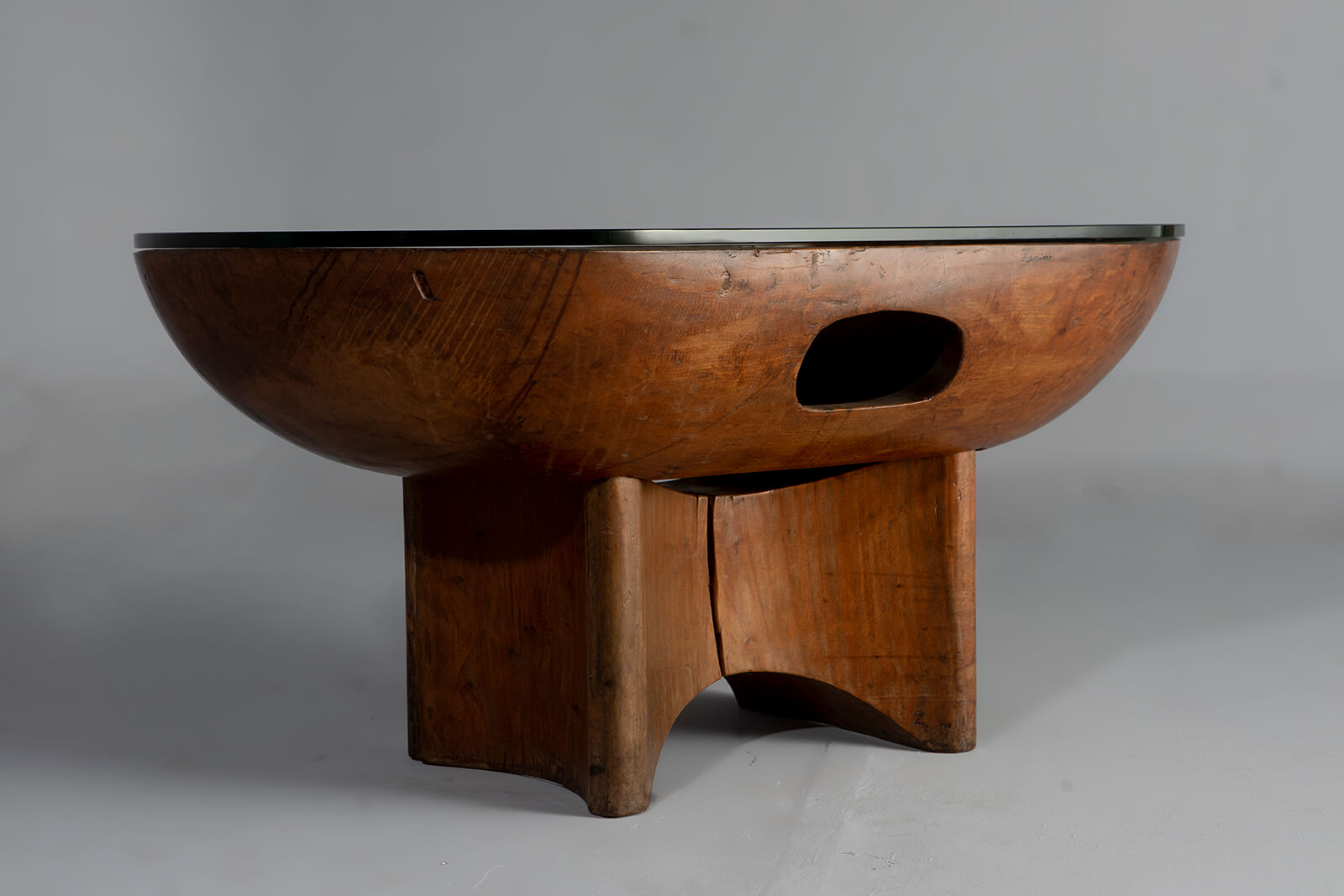
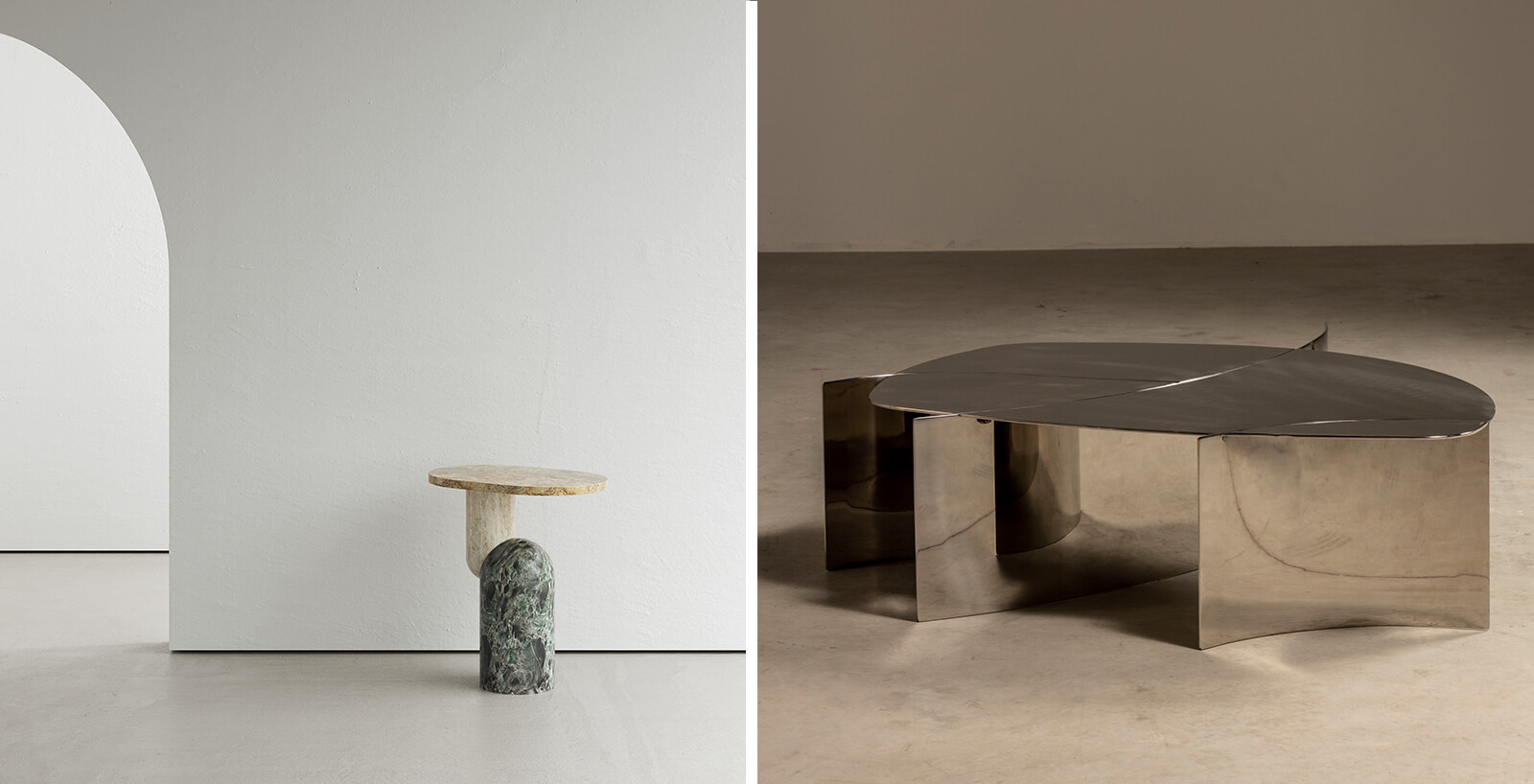
Maurício Arruda, Arthur Casas and Gustavo Dias integrate sustainability and storytelling into adaptable, modular product designs; Aver and Giorgio Bonaguro explore formal purity through stone, glass and hybrid materials; Gabriela Campos and Alexia Vela Akasaka fuse architecture and narrative, echoing Bo Bardi's inclusive ethos. Hugo França and Zanini de Zanine continue Zanine Caldas' legacy, transforming discarded materials into poetic designs.
Carol Gay, Maximiliano Crovato, Suka Braga and others blur boundaries between art and function, rooted in Brazilian urban and natural landscapes. Designers such as Ronald Sasson, Estúdio Orth, Estúdios Prosa and Guilherme Sass reflect a tactile, emotionally resonant design language that embraces imperfection, memory and material intelligence.
Other participants in the show include Atelier Dutré, Hanna Englund, Andre Ferri, Gisela Simas, Carlos Motta, Fernando Mendes, Tunico Lages, ALVA Design, Dimitrih Correa and Jay Boggo.
"Then and Now is not about revival. It is about resonance. It brings together designers who, across time, have asked similar questions: How can design reflect who we are? What can materials teach us about place, memory and transformation?" mentions the exhibition's release. "Whether working in fibreglass or recycled glass, in jacaranda or imbuia, in bronze or broken eggshells, these artists and designers inhabit the threshold between utility and poetics. They inherit not only forms but ethics: care for craft, intimacy with material, and a belief that design can shape more than objects—it can shape how we live."
In the unique setting of MAC Niterói, this gathering of art and design forms becomes a shared act of reflection—on where Brazilian design has been, and where it's going.


What do you think?