


 Sign in with Google
 Sign in with email



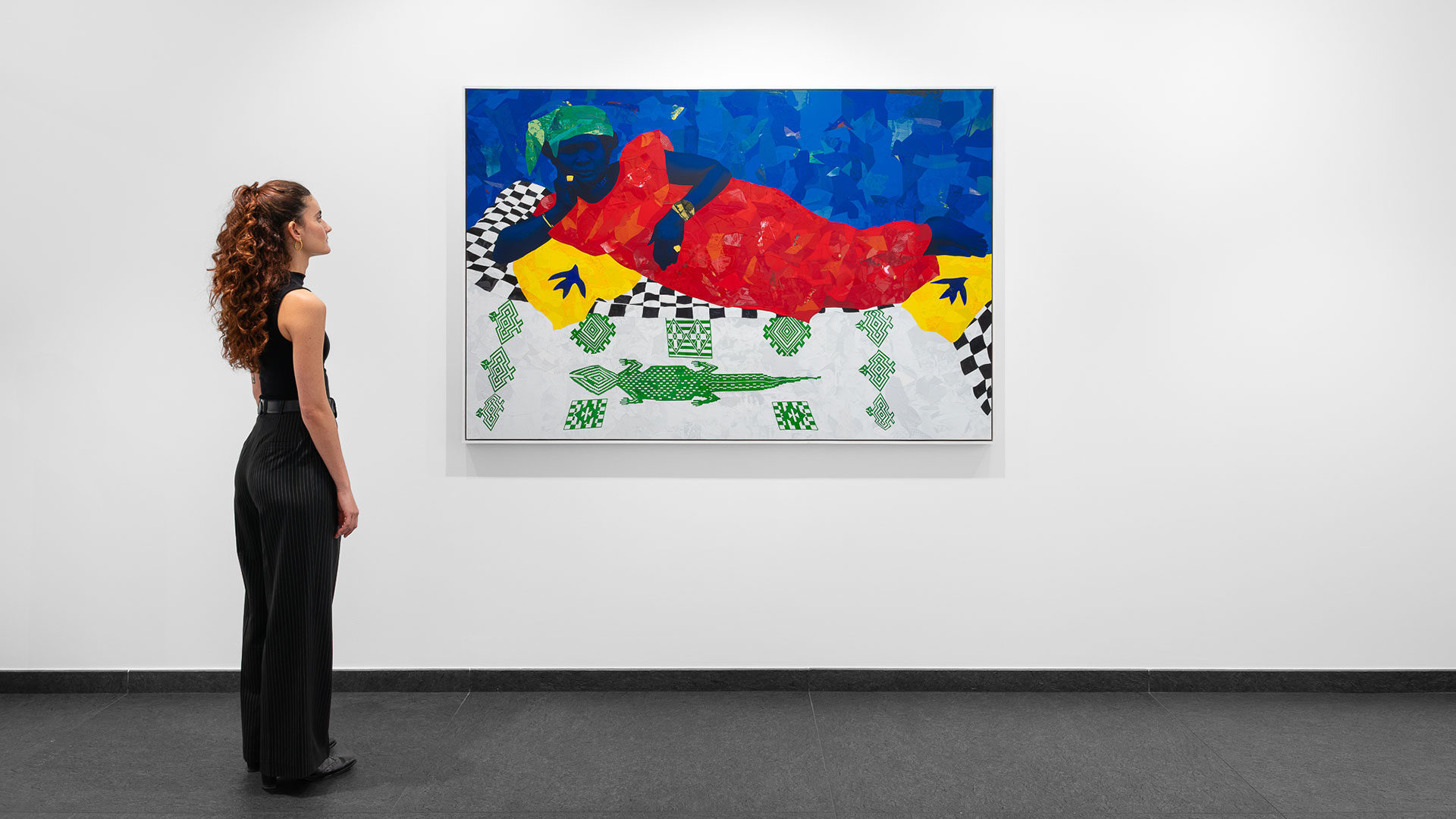


Galleria Continua presents Afterimage, a solo exhibition by American artist Hank Willis Thomas, on view from September 17 – November 28, 2026, at its Paris Matignon space. The art exhibition brings together his recent sculptures and retroreflective works to explore the shifting relationship between images, historical narratives, identity and collective memory.
“Working across photography, sculpture, screen printing, installation and video, Thomas interweaves historical references with potent symbols drawn from visual culture. His practice interrogates how historical narratives are constructed and challenges established modes of representation, drawing attention to the shifting, layered nature of historical meaning,” Galleria Continua explains in the show's official release.
At the heart of Afterimage is the idea that history is never entirely fixed, but remains an evolving narrative, reshaped by the perspectives through which it is viewed and the voices that are allowed to tell it. “Through extensive use of archival imagery, he examines how identity and collective memory are built, while exposing the stereotypes and inequalities embedded within images. His revisiting of history through the lens of colonialism opens up a space for reflection on discrimination, social justice and the mechanisms of power,” the art gallery mentions.
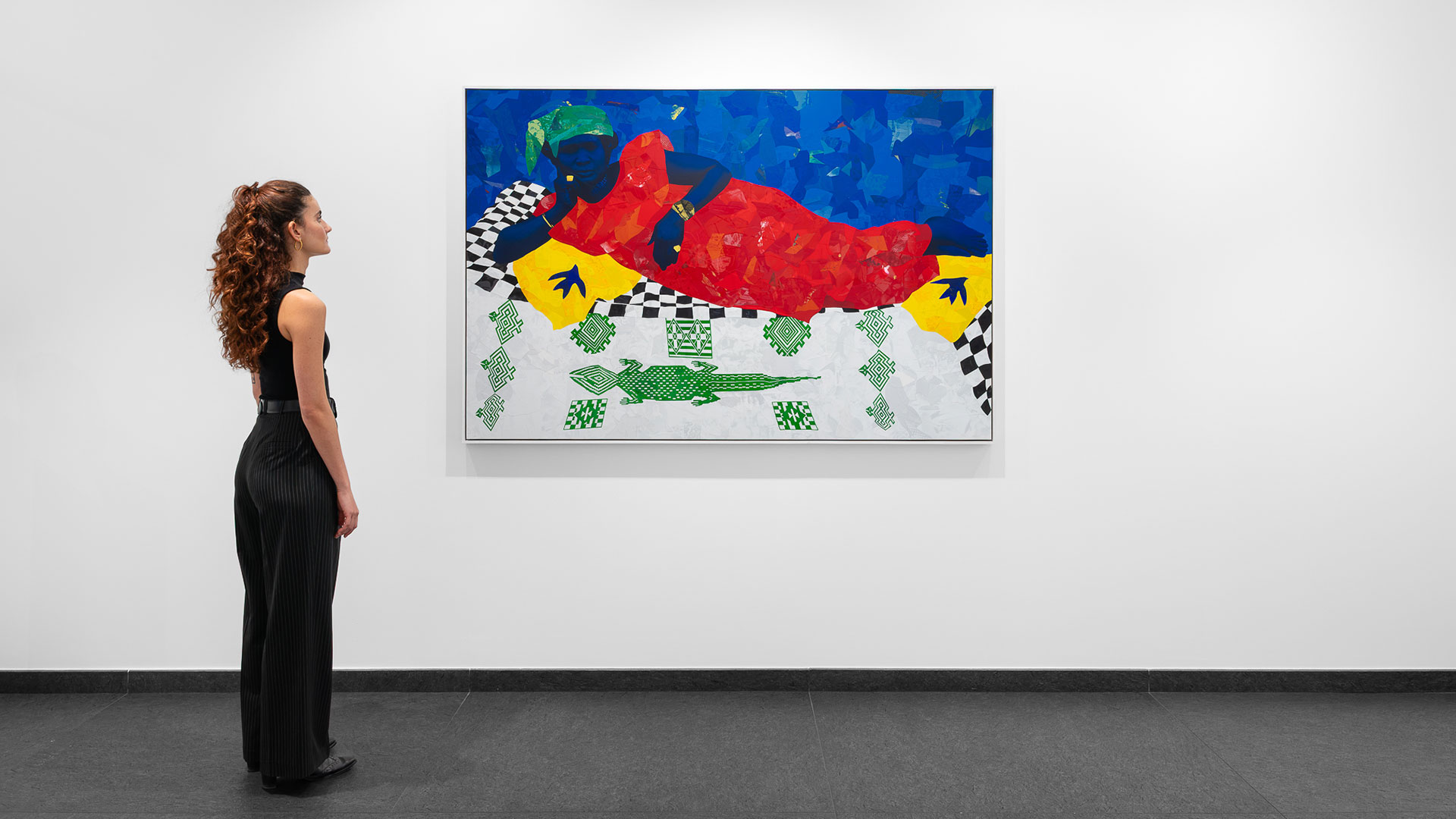
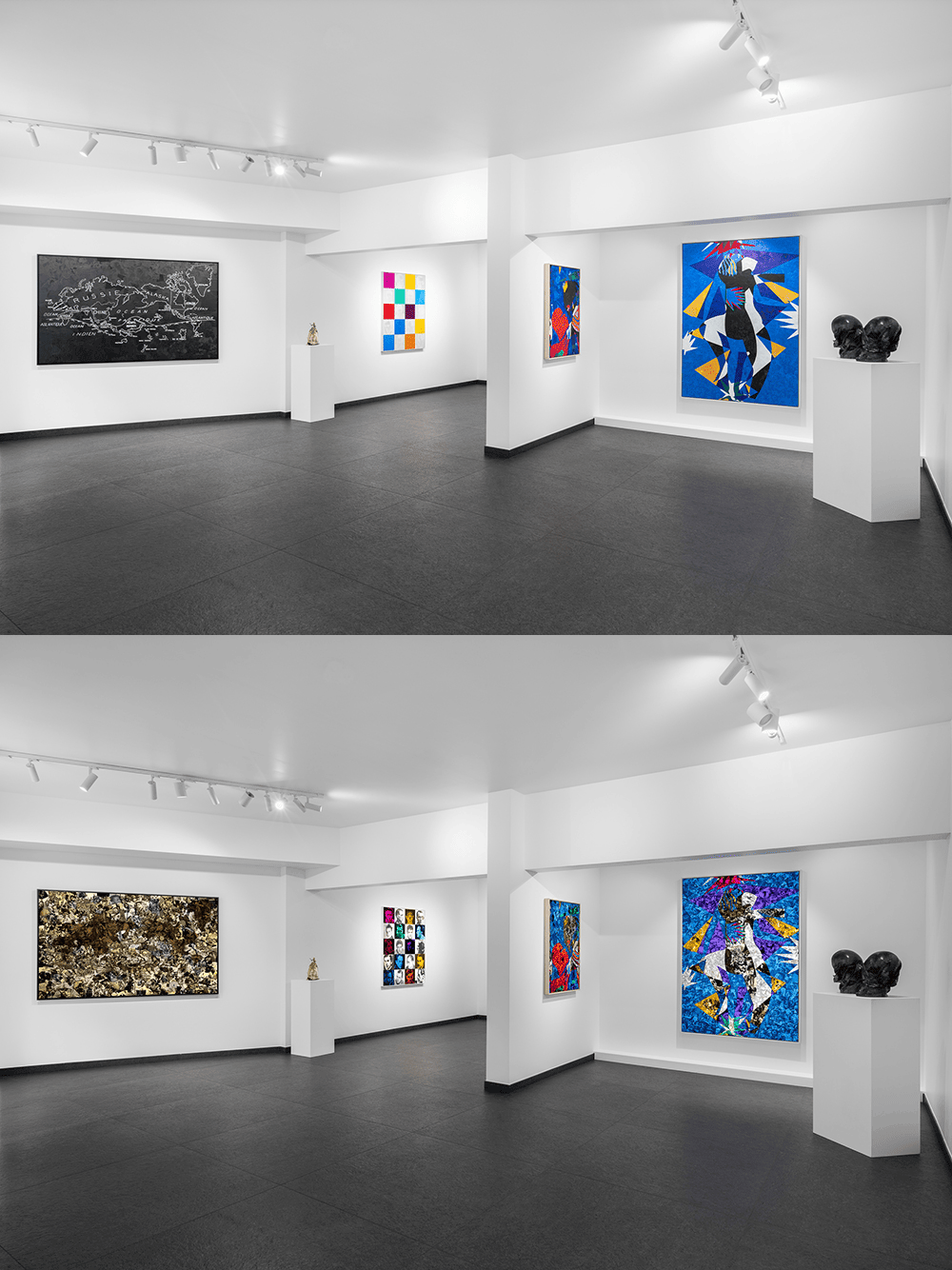
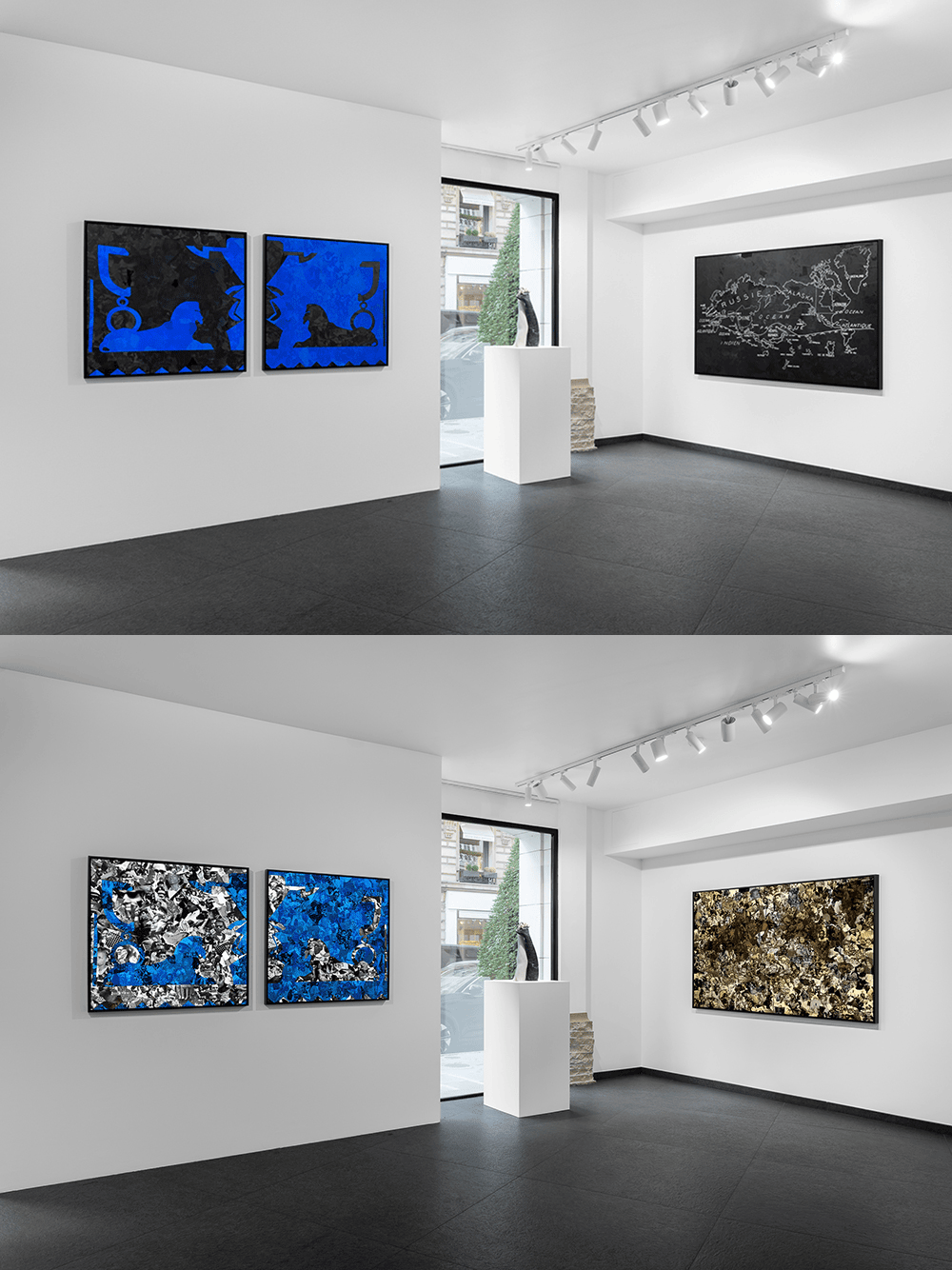
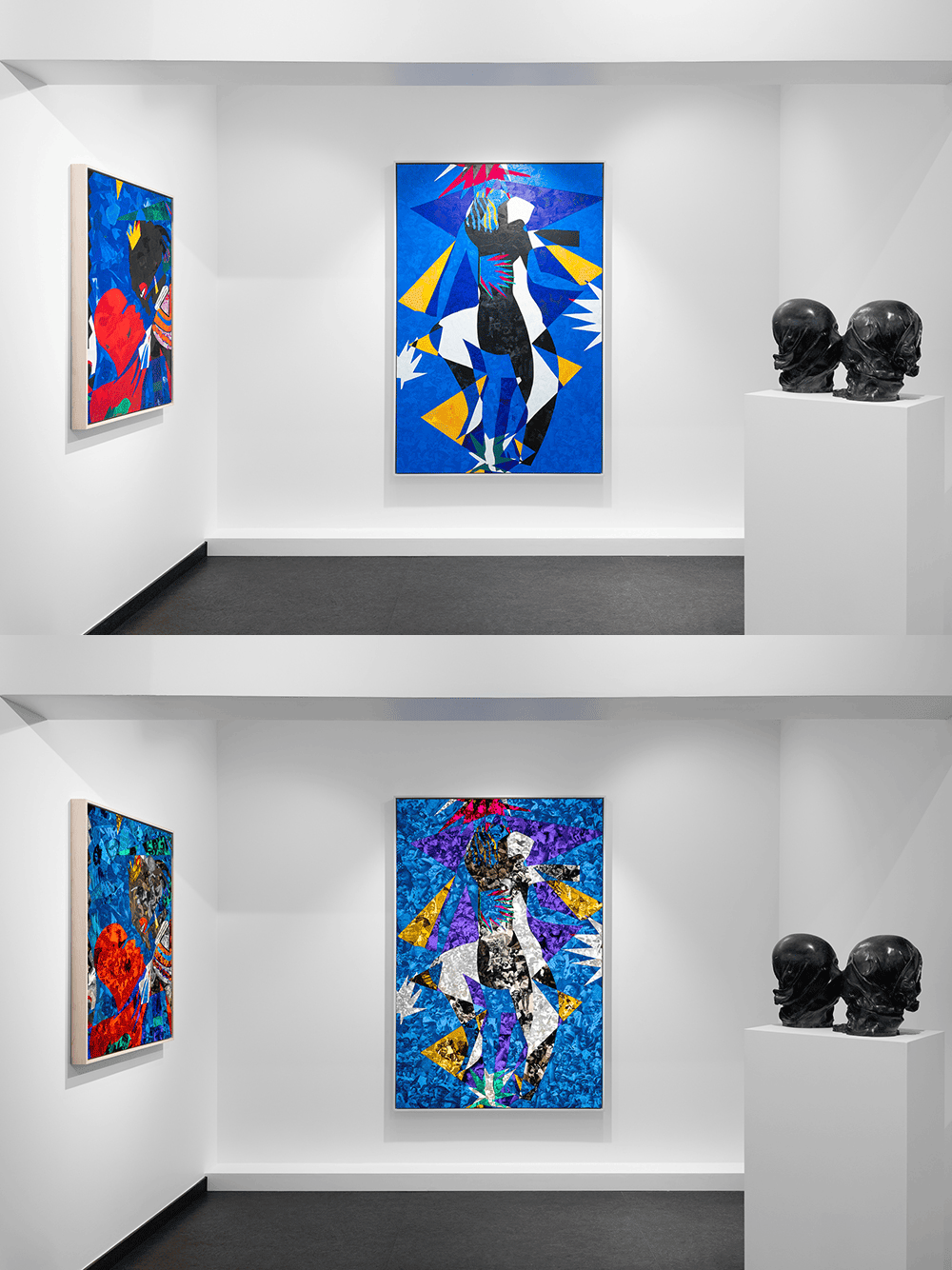
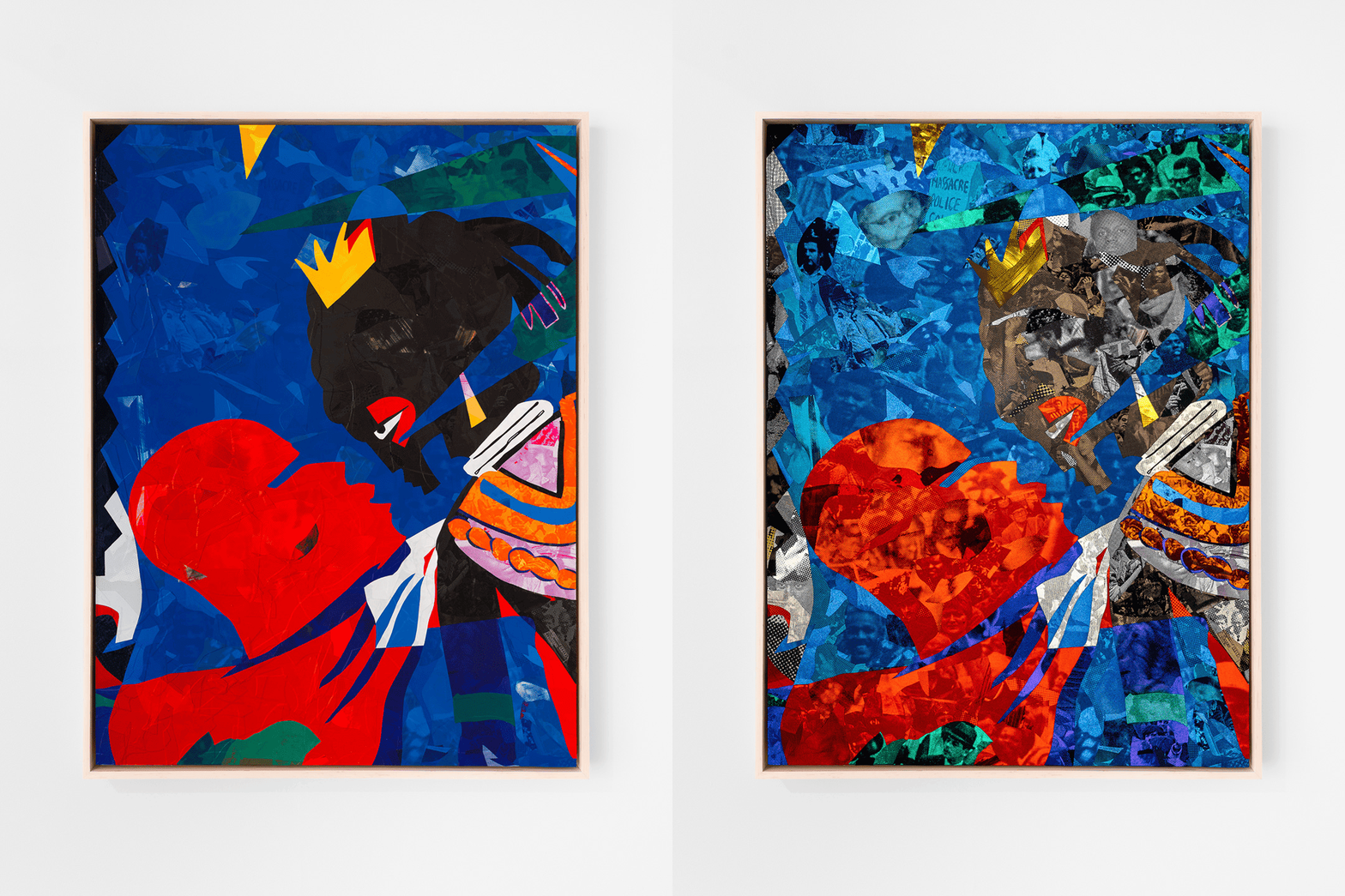
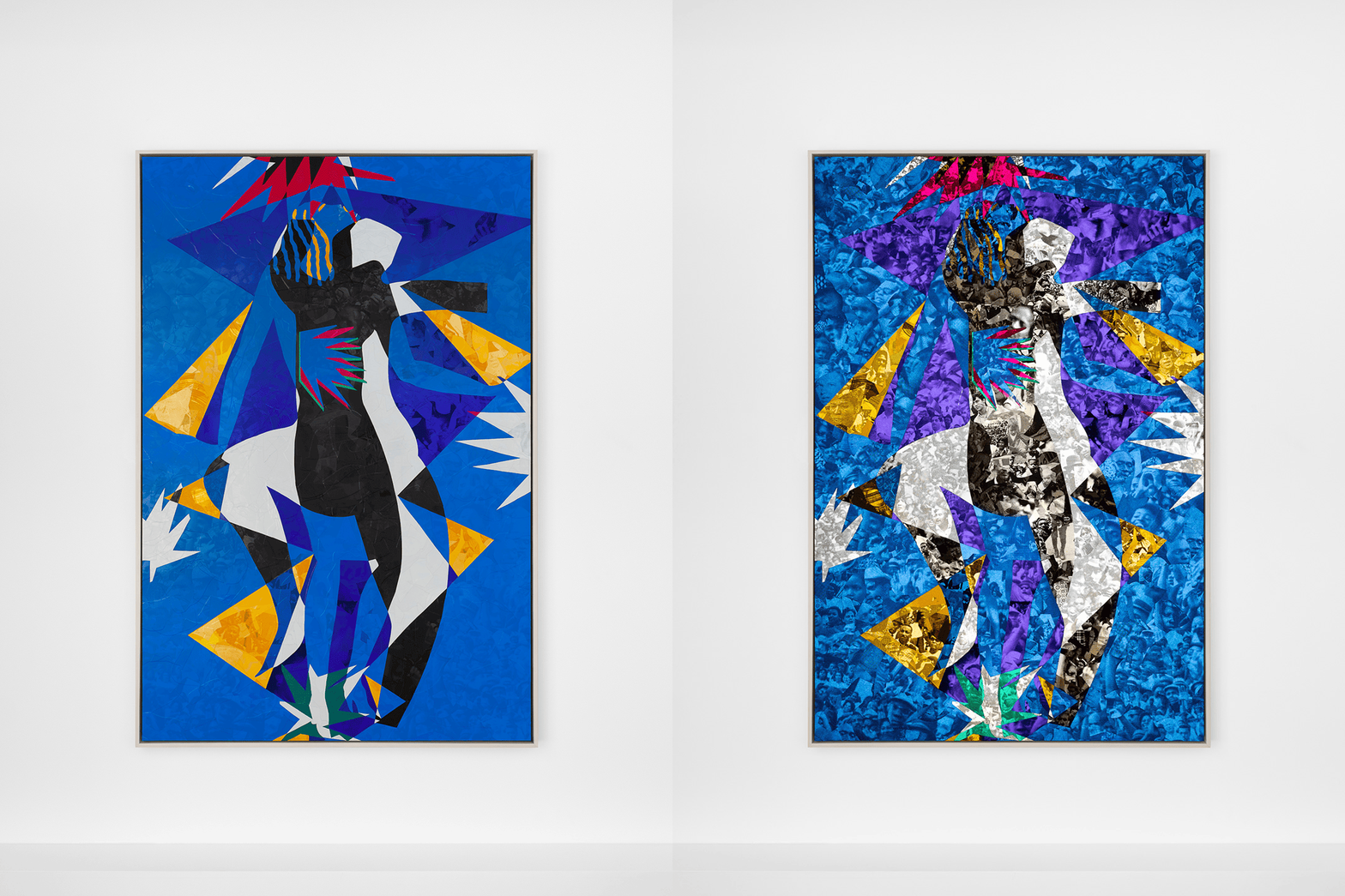
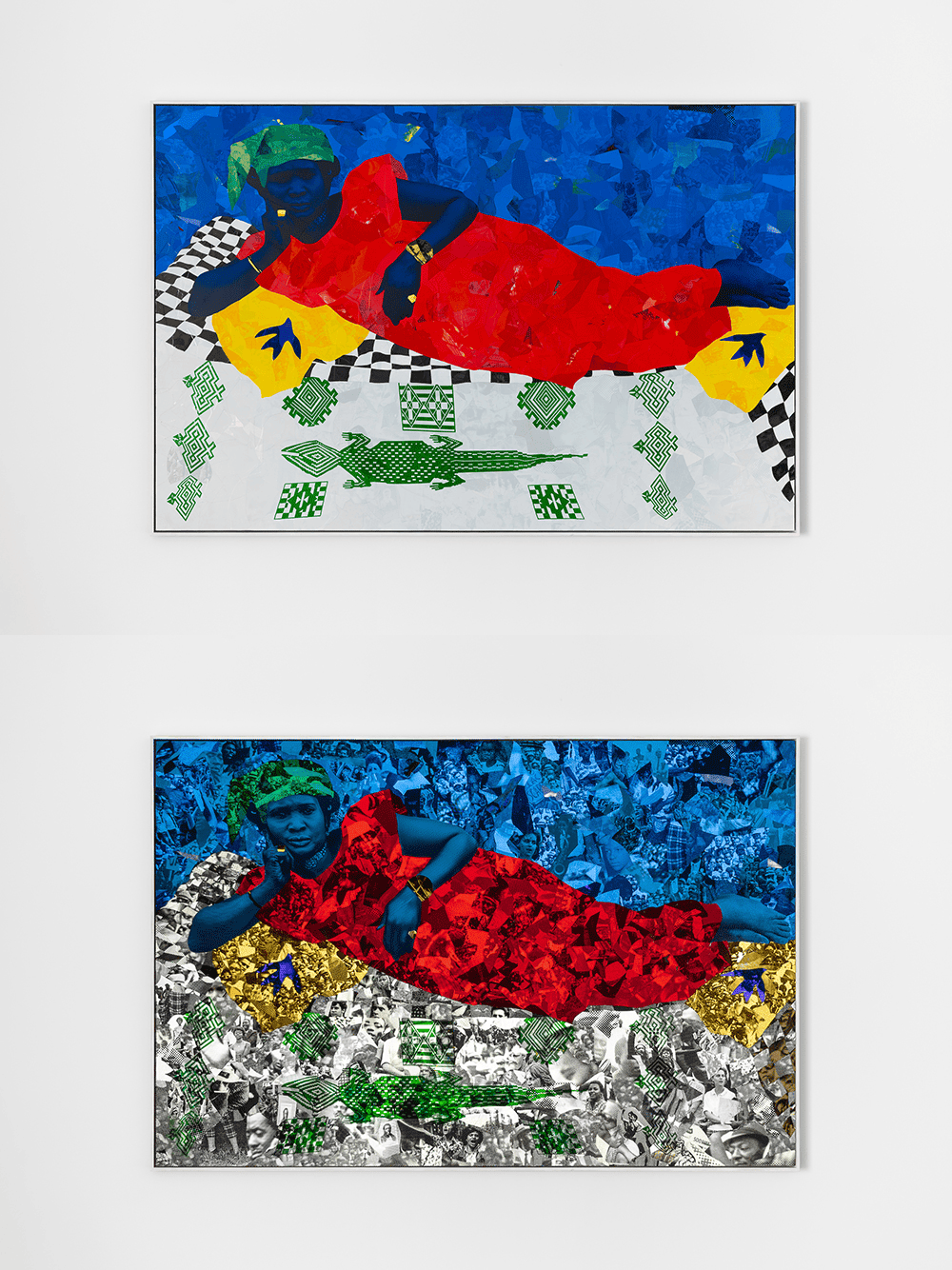
Thomas’s uses retroreflective materials as a medium for his works on display. They reveal two distinct visual compositions depending on the kind of lighting used and the viewer’s position. “All of my work is about framing and context, and about how, depending on where you’re standing, it really shapes your perspective of the truth, of reality, and that’s what’s important,” the contemporary artist says in the official release.
For Afterimage, Thomas drew inspiration from significant figures and movements in art history, including Seydou Keïta, Surrealism and Henri Matisse. In Woman in the Red Dress (After Keïta), he reinterprets Keïta’s celebrated 1957 portrait, The Odalisque, placing it in dialogue with archival photographs of historical protest movements. “By placing this image in dialogue with archival photographs of historical protest movements, Thomas suggests that the affirmation of identity is not a singular, fixed construct, but a collective process shaped by multiple images and narratives,” the contemporary art gallery notes.
In another work, The Toiler and Circe, figures are drawn from Aaron Douglas’ The Toiler and Romare Bearden’s painting of Circe from Homer’s Odyssey. They are brought together with archival photographs of the American Civil Rights Movement. “Circe, a mythological figure tied to transformation, becomes here a stand-in for another kind of metamorphosis: the visual shift produced by the retroreflective surface, where fragmented images emerge and converge like facets of a Cubist composition,” the gallery explains.
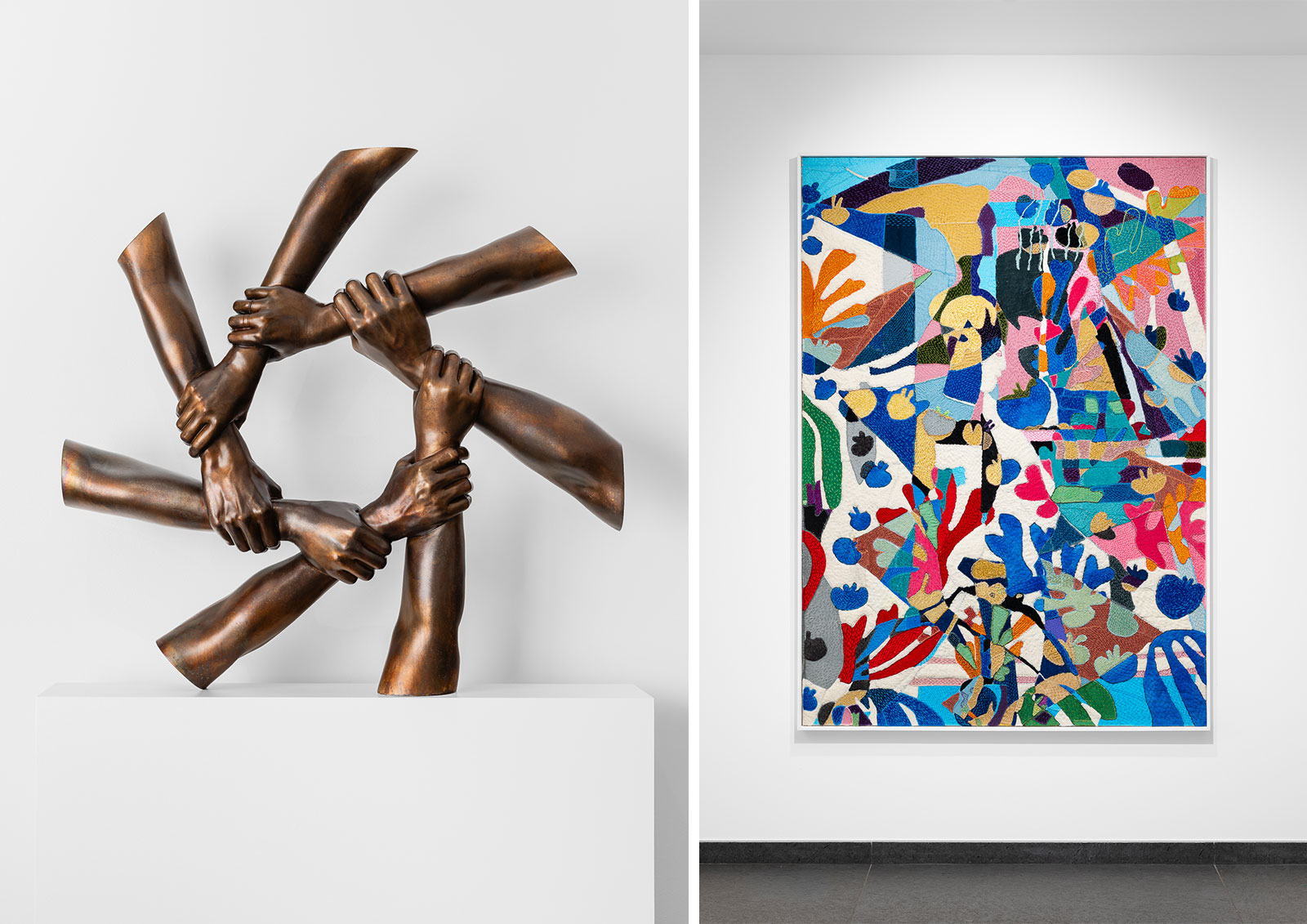
Alongside these is a selection of Thomas’s sculptures that focus on universal gestures of human connection: embraces, handshakes, kisses and raised fists. In Community (Rainbow), a series of hands clasp one another by the wrists, forming a circular structure that evokes unity and solidarity. “Its rainbow patina evokes plurality and diversity, pointing to the need to move past inequalities rooted in race and gender, and to embrace identity in all its complexity. Another sculpture [inspired by René Magritte’s The Lovers], Everything we see hides another thing (Marquina), reveals the influence of Surrealism on Thomas’s practice,” the gallery shares.
“Through a compelling exhibition trajectory that reframes our understanding of symbols, images and narratives, Hank Willis Thomas explores the interplay between past and present, urging viewers to stay vigilant and critically engaged with the forces that shape how we see and understand the world,” Galleria Continua notes.



What do you think?