


 Sign in with Google
 Sign in with email



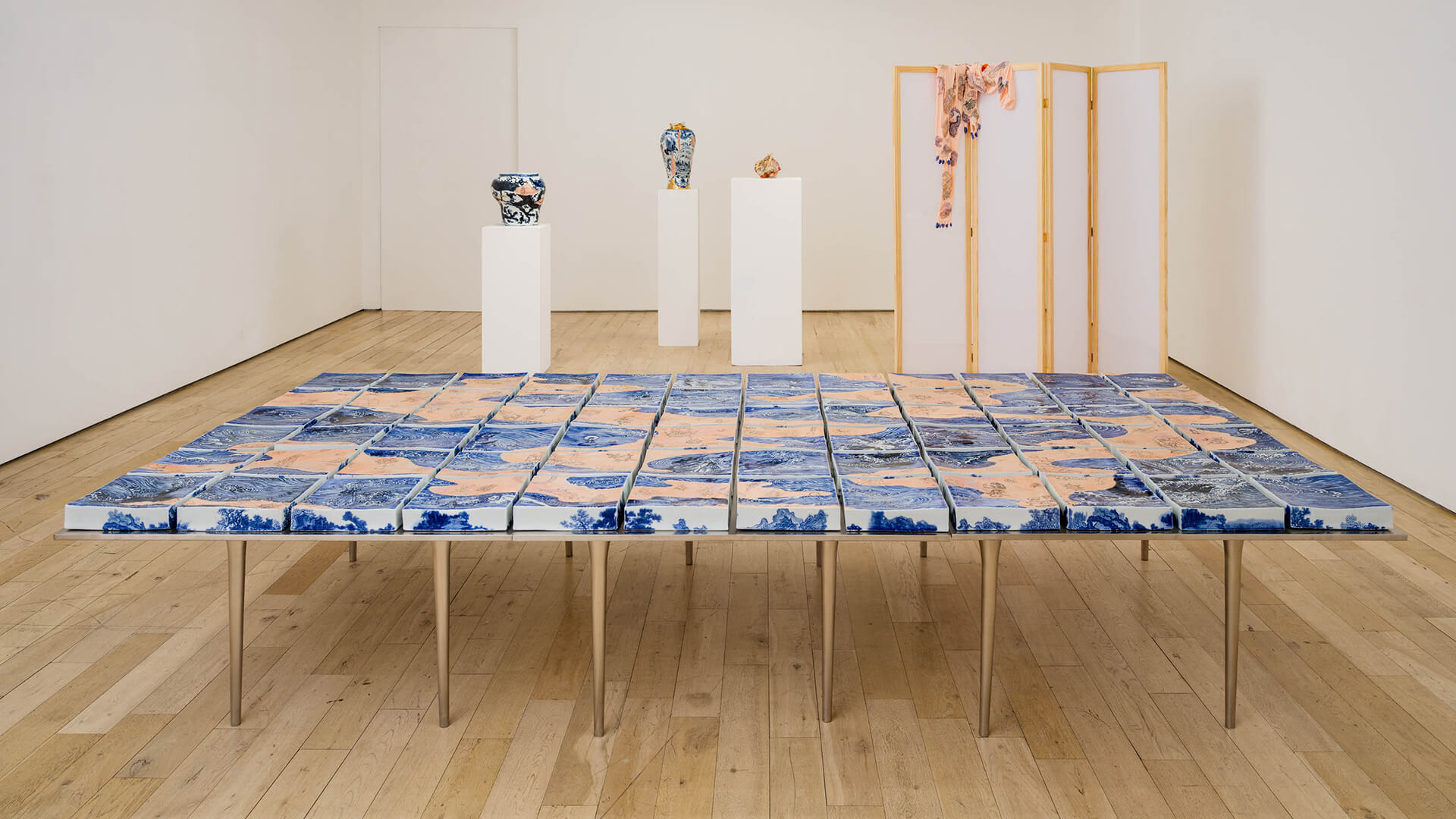





HB381 gallery presents the solo exhibition True Romance by Oslo-based ceramicist Lin Wang, on view from September 5 – October 25, 2025, at their New York outpost. Known for her large-scale installations and sculptures, Wang explores the physicality and symbolic legacy of porcelain in a contemporary art showcase that blurs personal memory with centuries of cultural exchange. “Working between China and Norway, Wang’s interest in this interchange holds personal significance, tinged by her own wanderlust, homesickness and experiences of cultural discovery,” reads the show’s official release as shared by HB381.
A continuation of her ongoing project Exotic Dreams and Poetic Misunderstanding, True Romance reflects on Europe’s centuries-long fascination with Chinese porcelain—once coveted as ‘white gold’ by European chemists and alchemists. Through a blend of Eastern and Western iconography, the ceramic artist interrogates this desire while drawing on fairy tales from her childhood, weaving them into what the art gallery calls “the West’s own romantic mythos”.
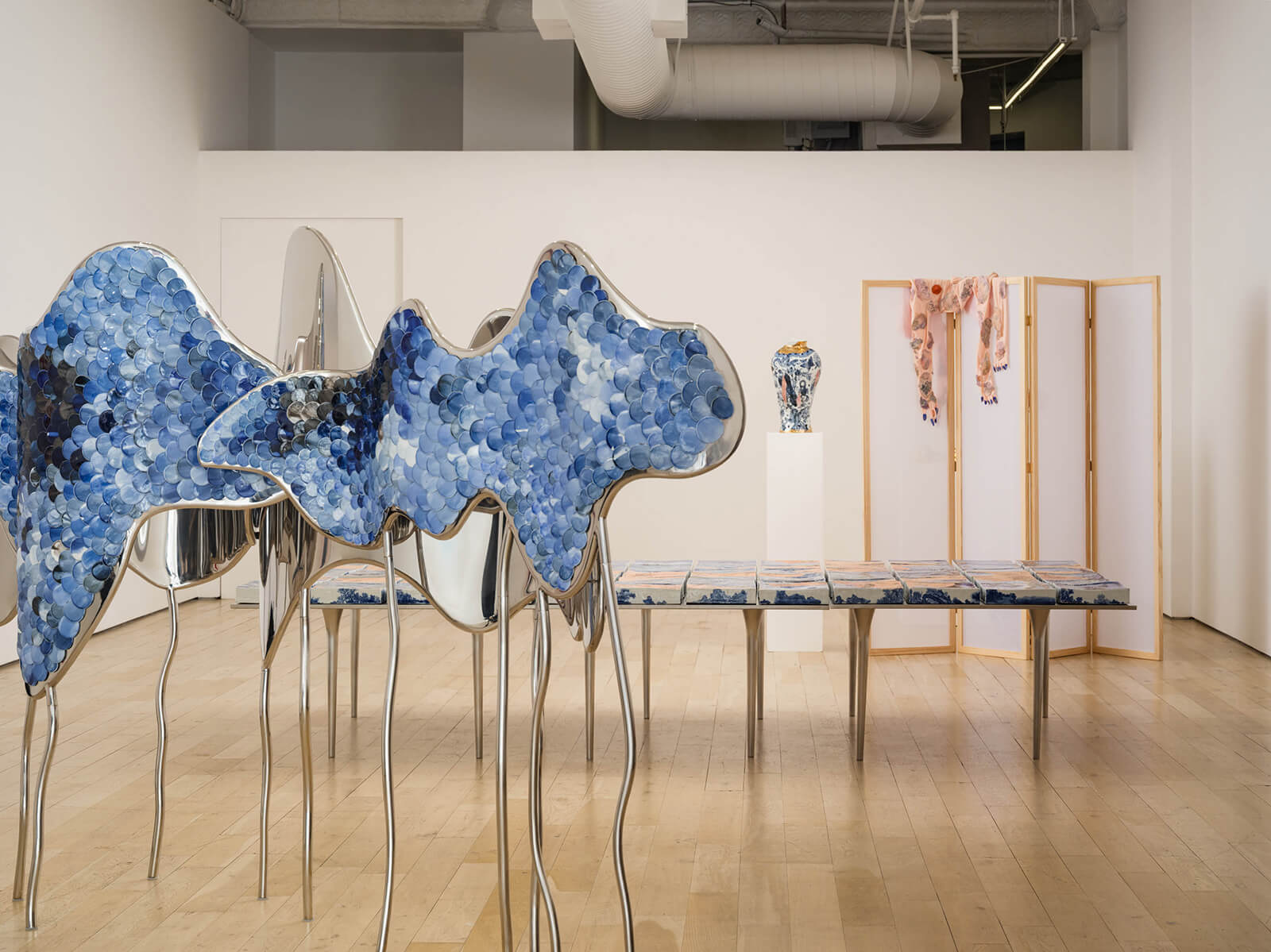
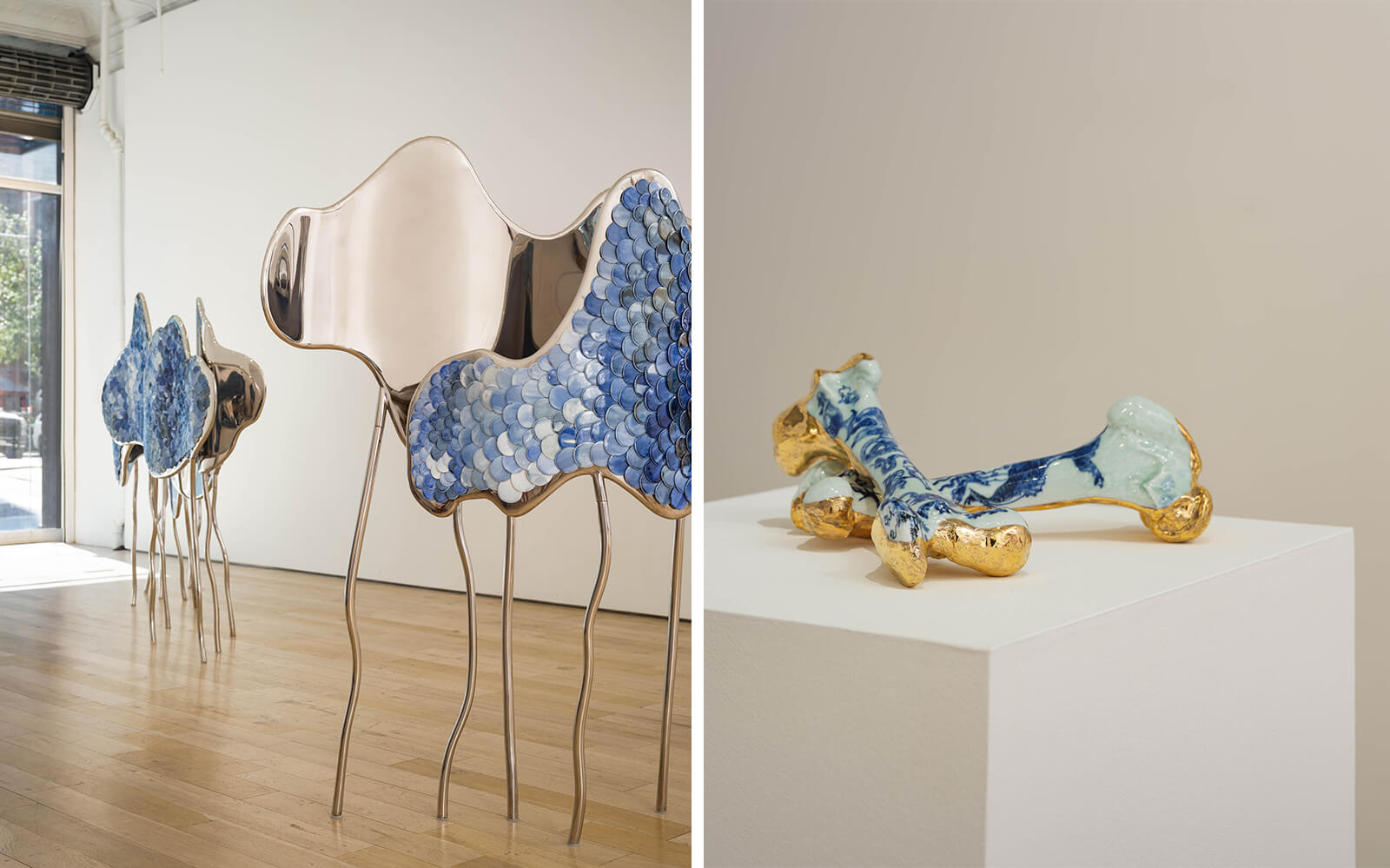
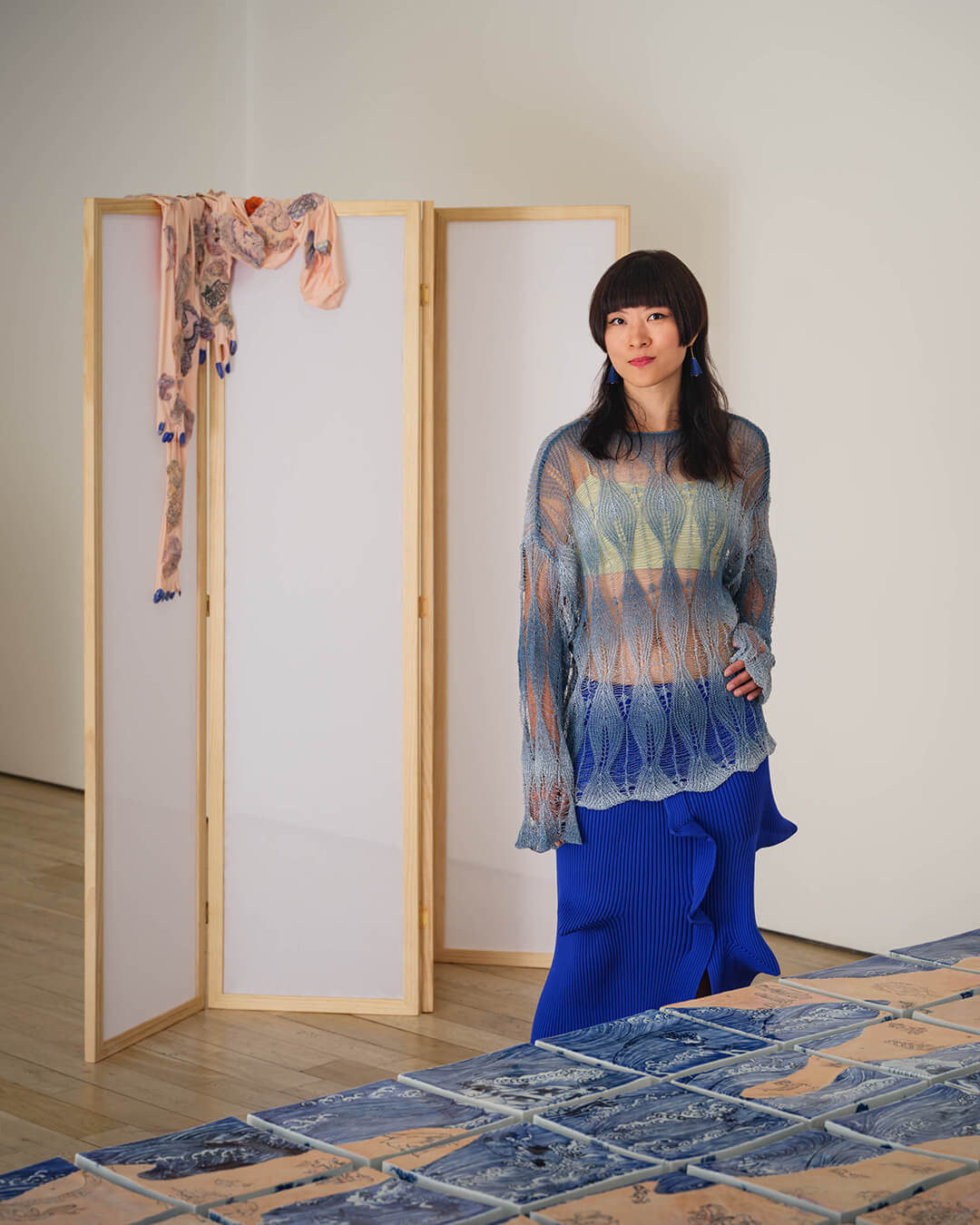
The art exhibition opens with On the Other Side of the World, a pair of two-meter-wide metal screens shaped like a mountainous coastline. Inset with thousands of hand-painted porcelain plates in Delft blue and white, the installation reflects light like the ‘fragmented surface of the ocean’. As in her 2019 work The Silk Roads, the plates form a rippling abstract field evoking tides, trade routes and drifting landscapes. “Inevitably, the work touches on themes of landscape and national borders, trade routes and continental rifts. The vibrant fields of colour draw the eye through nebulous gyres and into uncertain terrain, much like the clouded mountain scenes of traditional Chinese scroll paintings,” notes HB381 gallery.
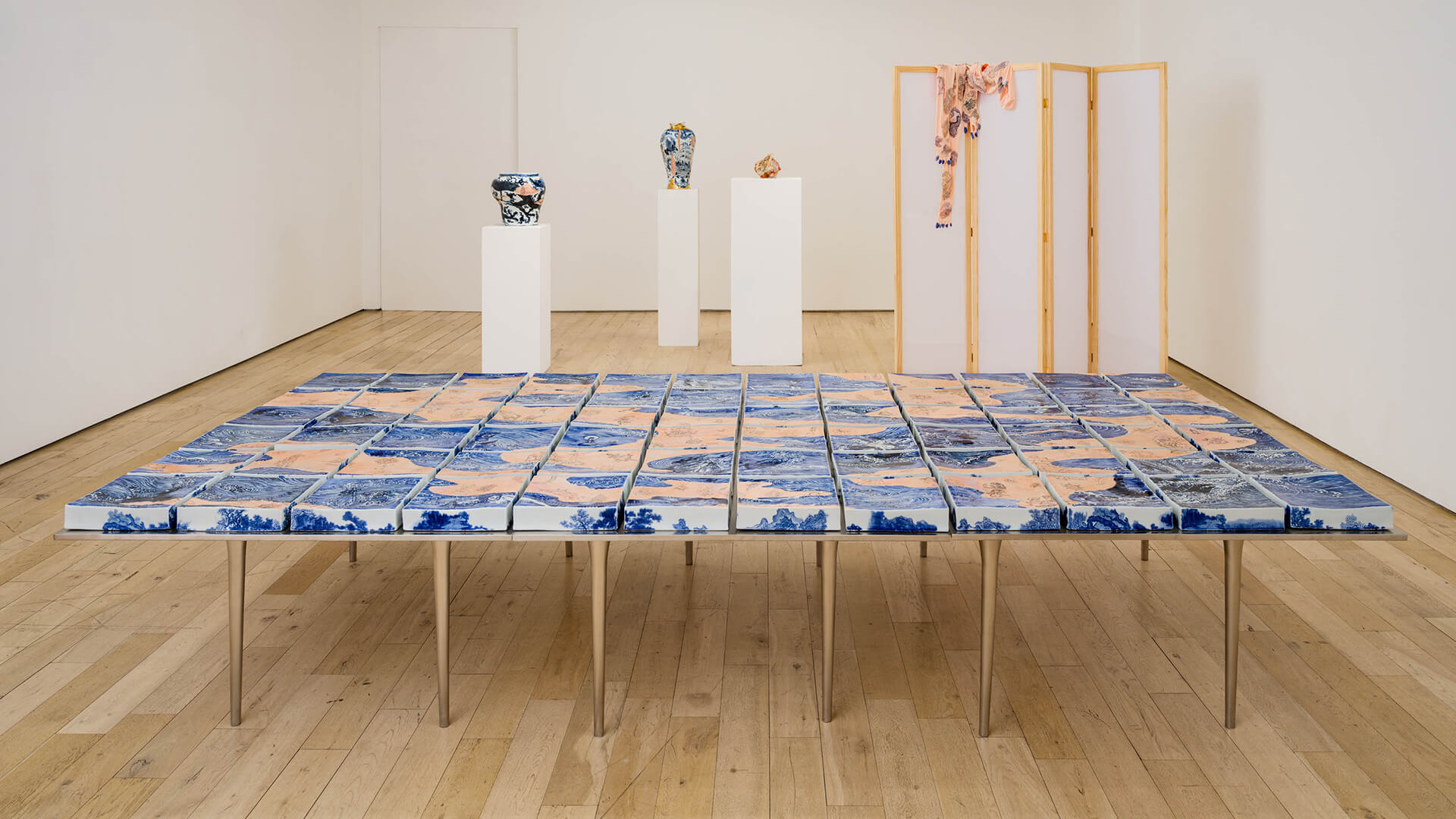
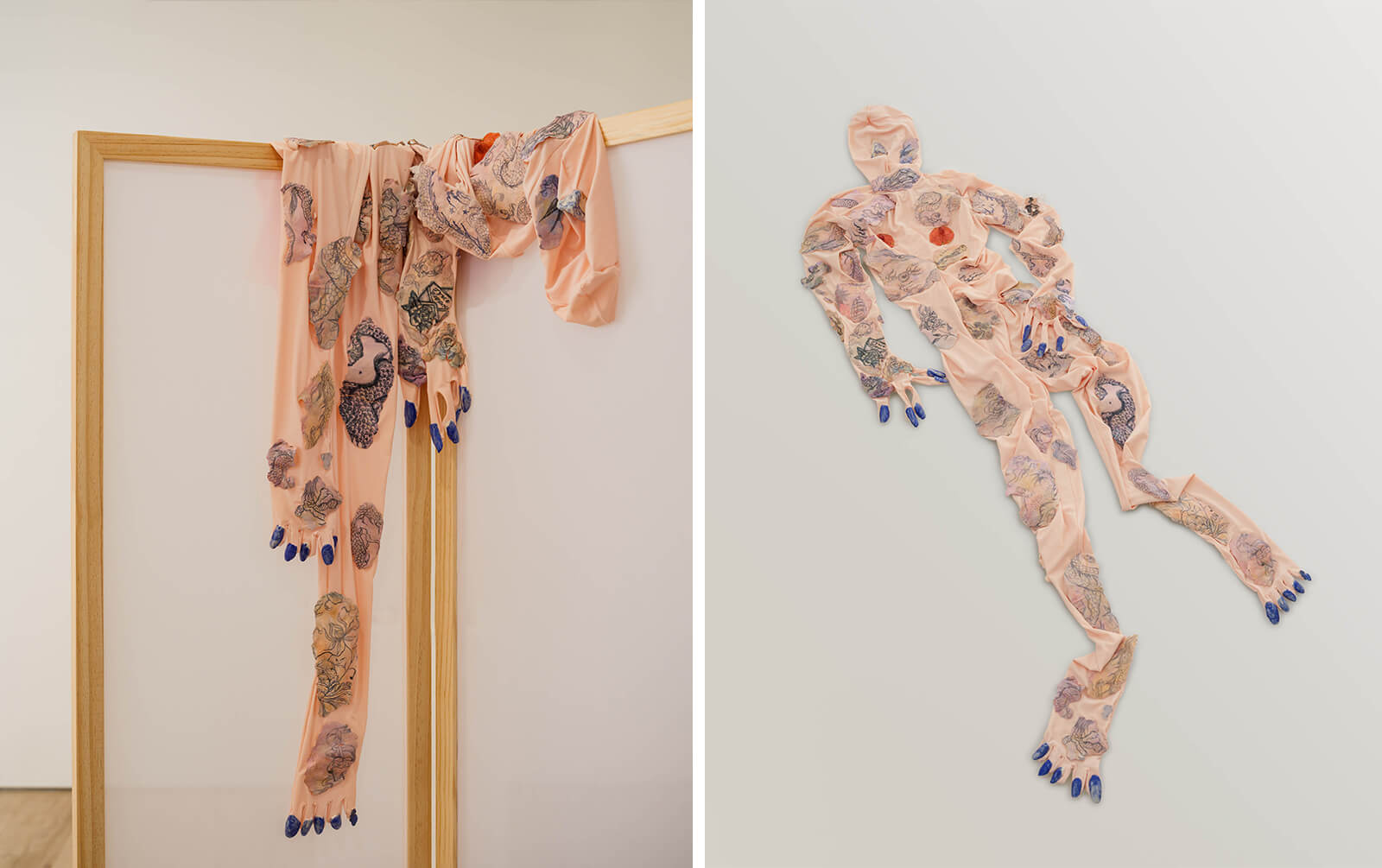
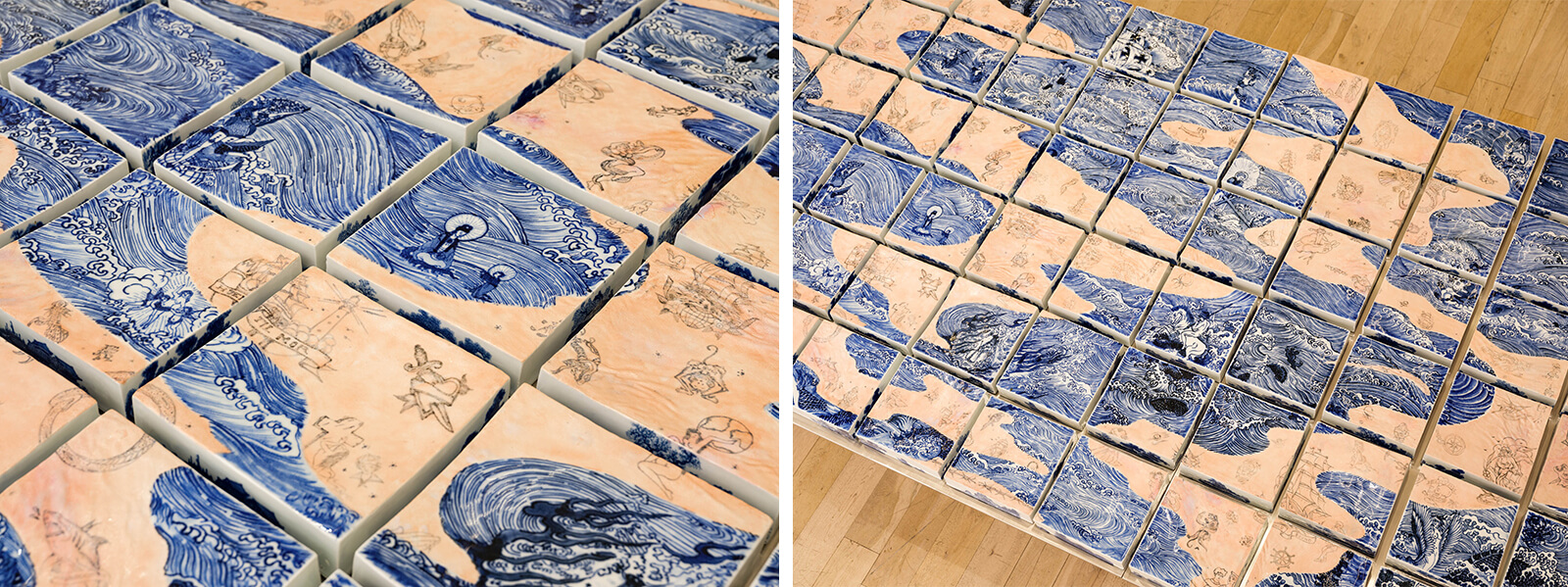
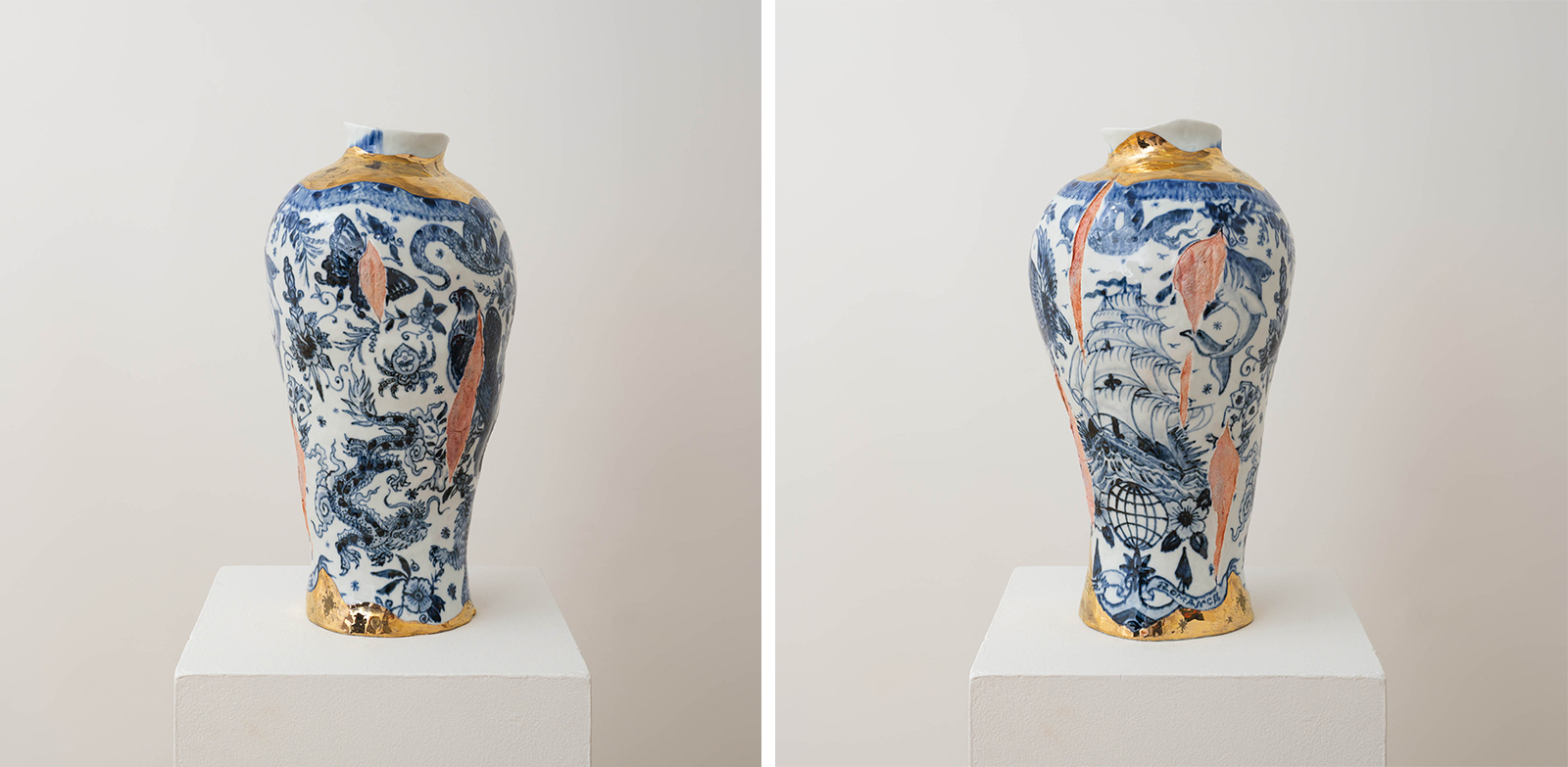
Further into the exhibition space is the Porcelain Flesh Table, a steel structure supporting 72 porcelain bricks that depicts crashing waves. Wang draws inspiration from sailors—figures on society’s edge who return with fine porcelain wares and spices. Their tattoos are also interwoven with export-ware patterns. Reflected in these surfaces are Buddhist and Christian deities as well as creatures from the terra incognita of old maps.
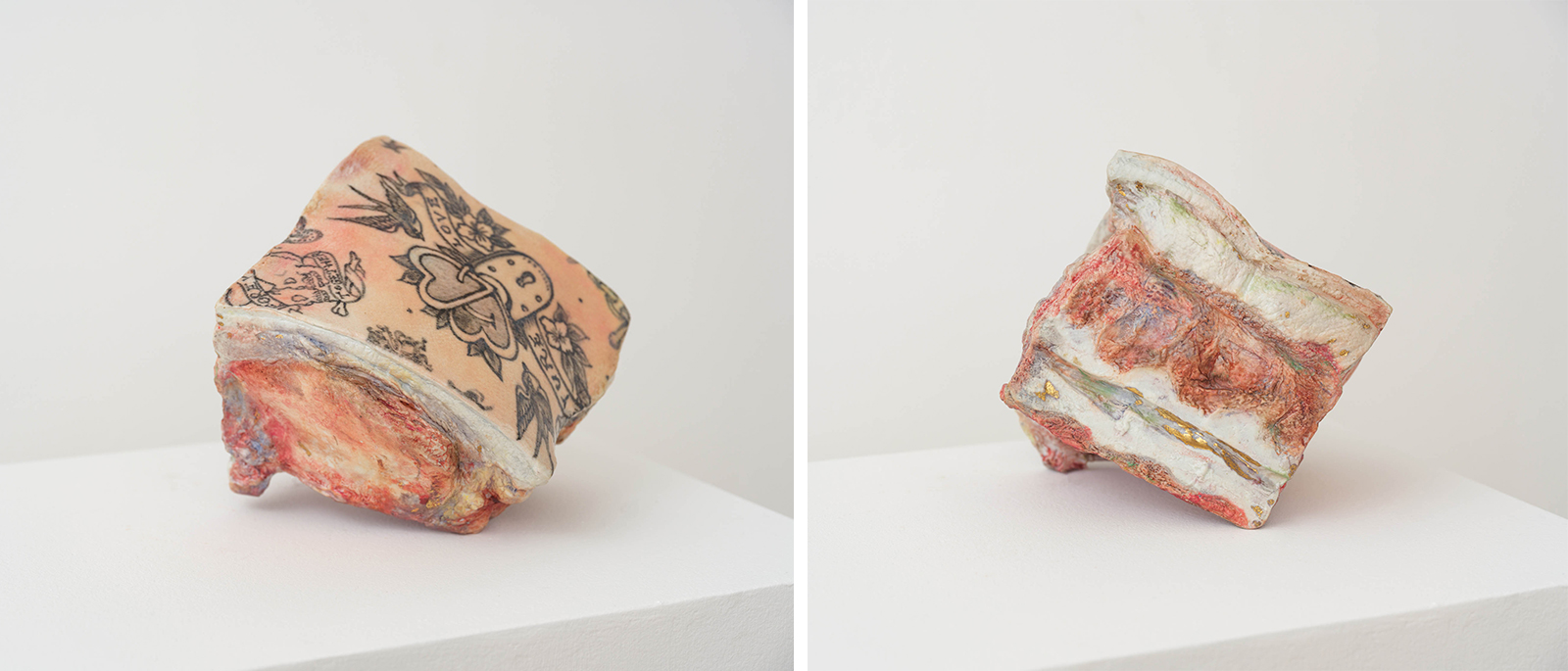
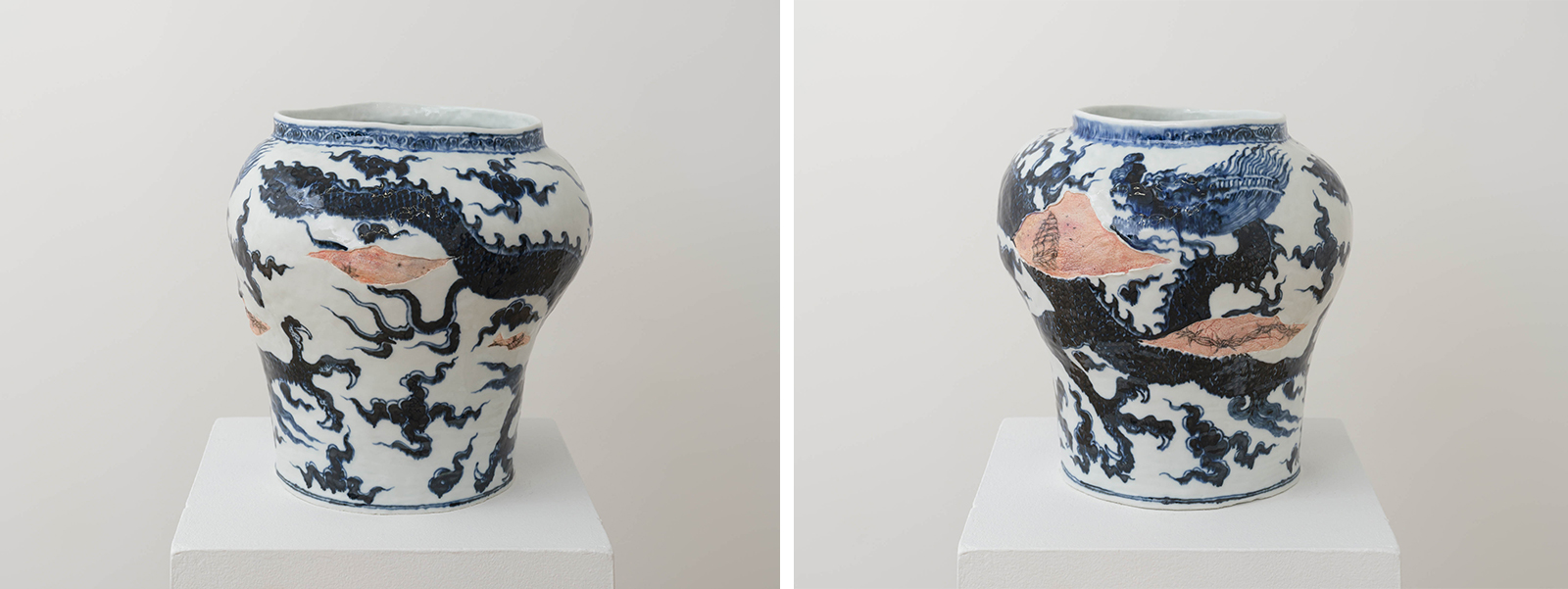
A semi-transparent silk screen conceals porcelain vessels that appear cracked and splintered, revealing a wrinkled, flesh-like underlayer. Wang uses a technique that imprints skin texture into the sculptural art pieces, turning it into ‘a quasi-corporeal body’, marked by commerce and empire. Her works—Porcelain Flesh Table and I Never Saw the East Coast until I Moved to the West—become ‘piecemeal ossuaries’ with “porcelain bones, internal organs and fragments of tatted and crinkled skin,” according to the gallery.
In Wang’s True Romance, the intermingling of symbolic forms produces a third space—a liminal zone where East and West collapse into one another. Through porcelain’s oceanic echoes and tactile language, Wang explores how myth, image and longing shape collective history.


What do you think?