


 Sign in with Google
 Sign in with email



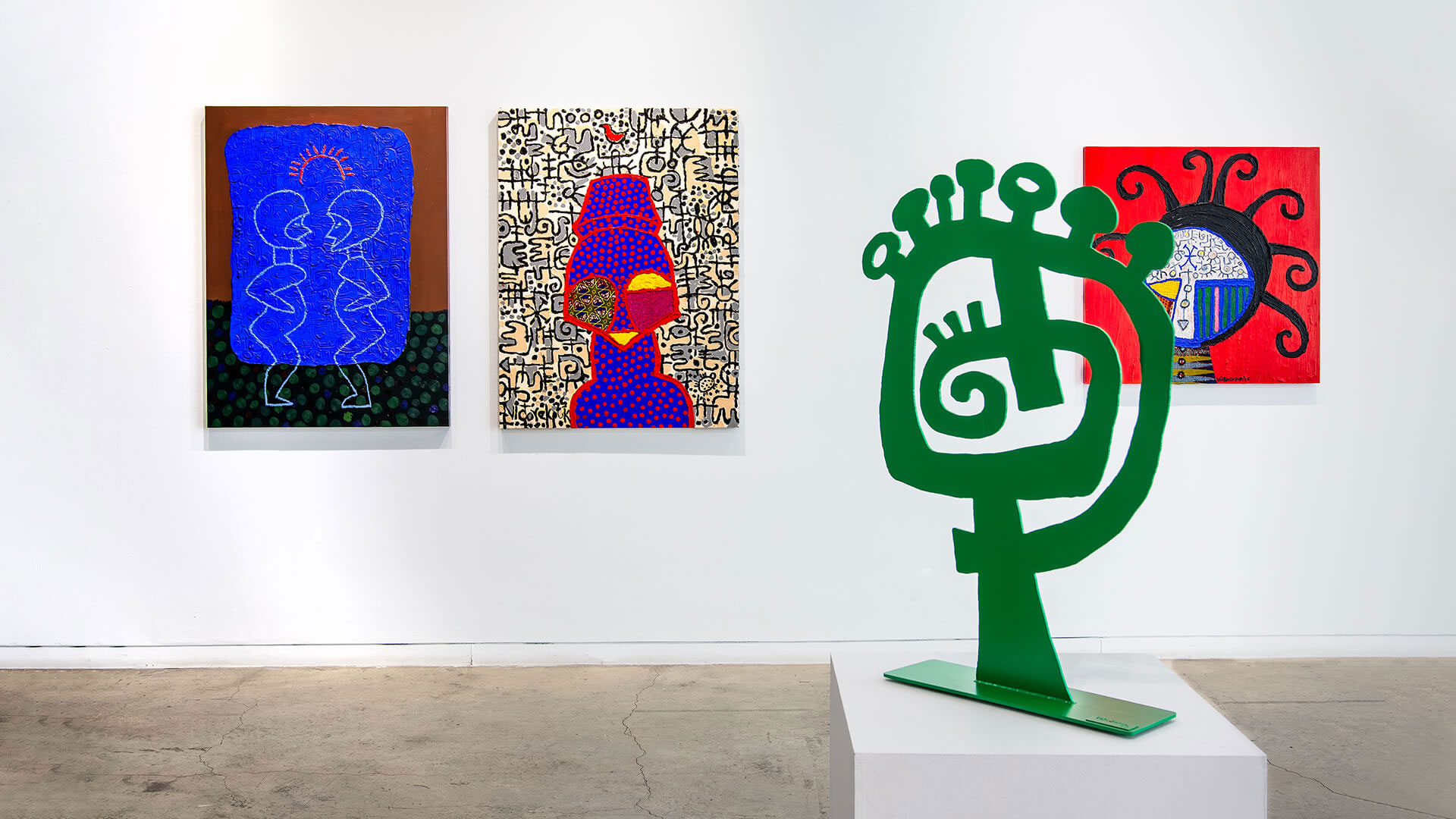





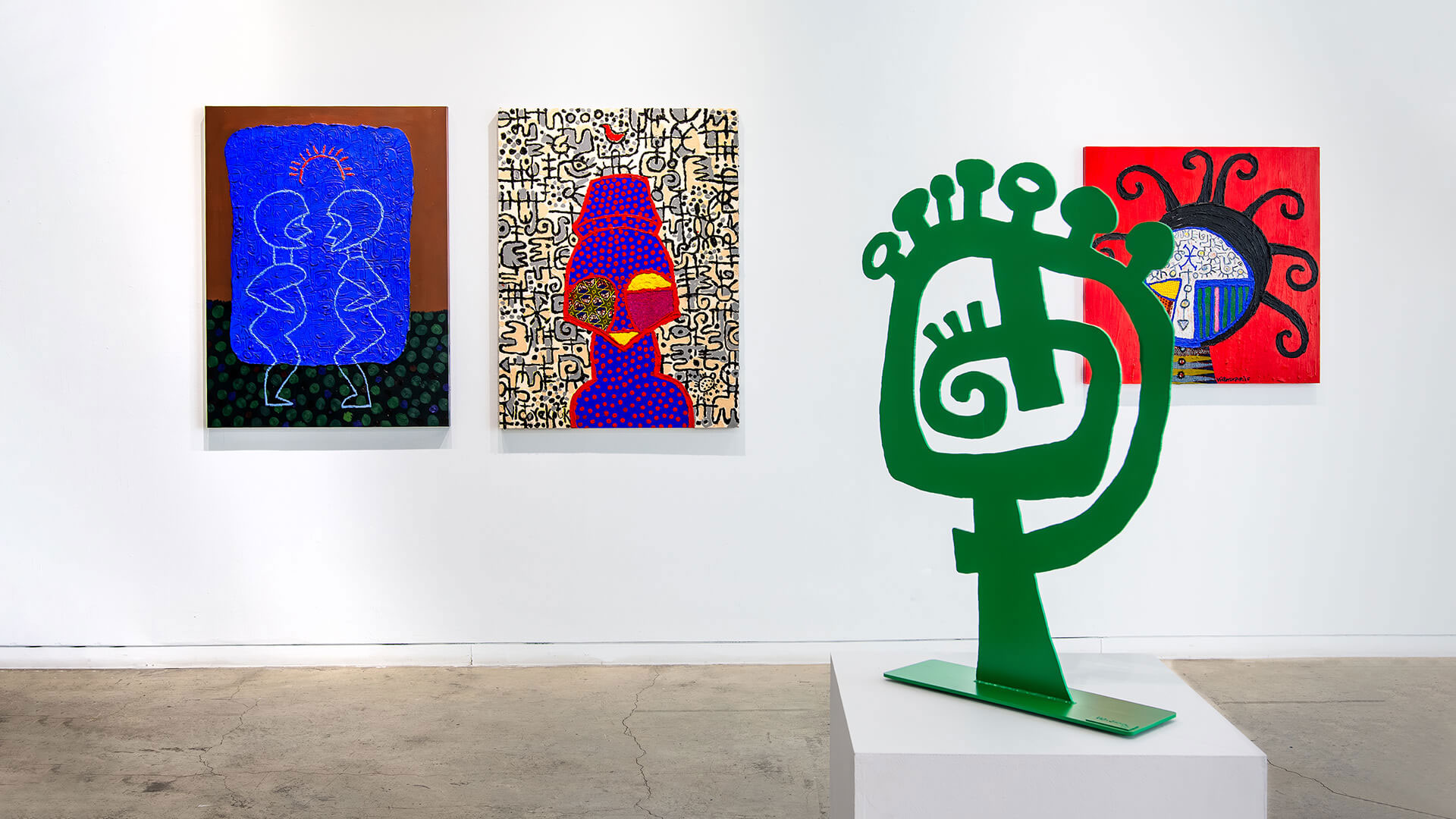
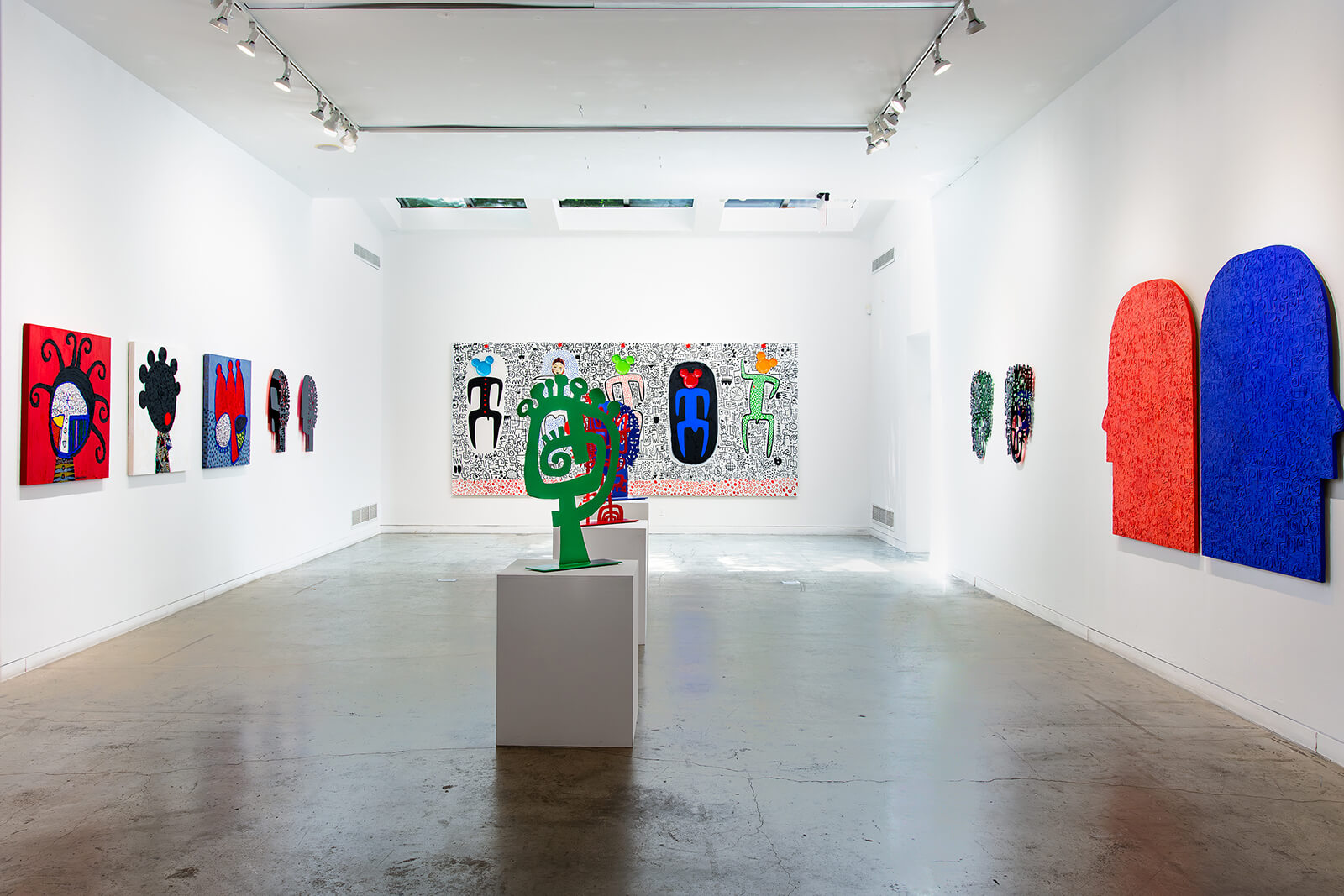
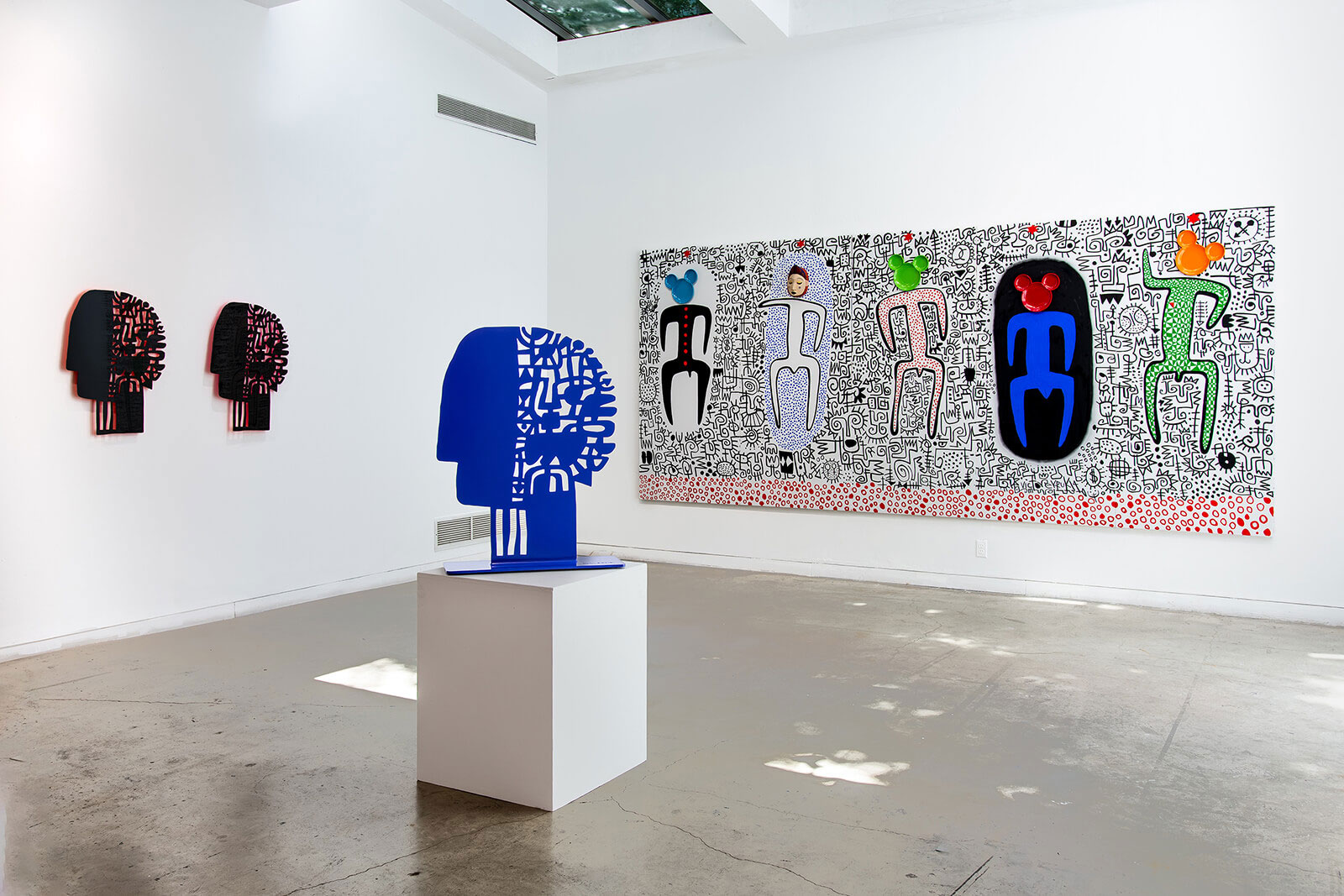
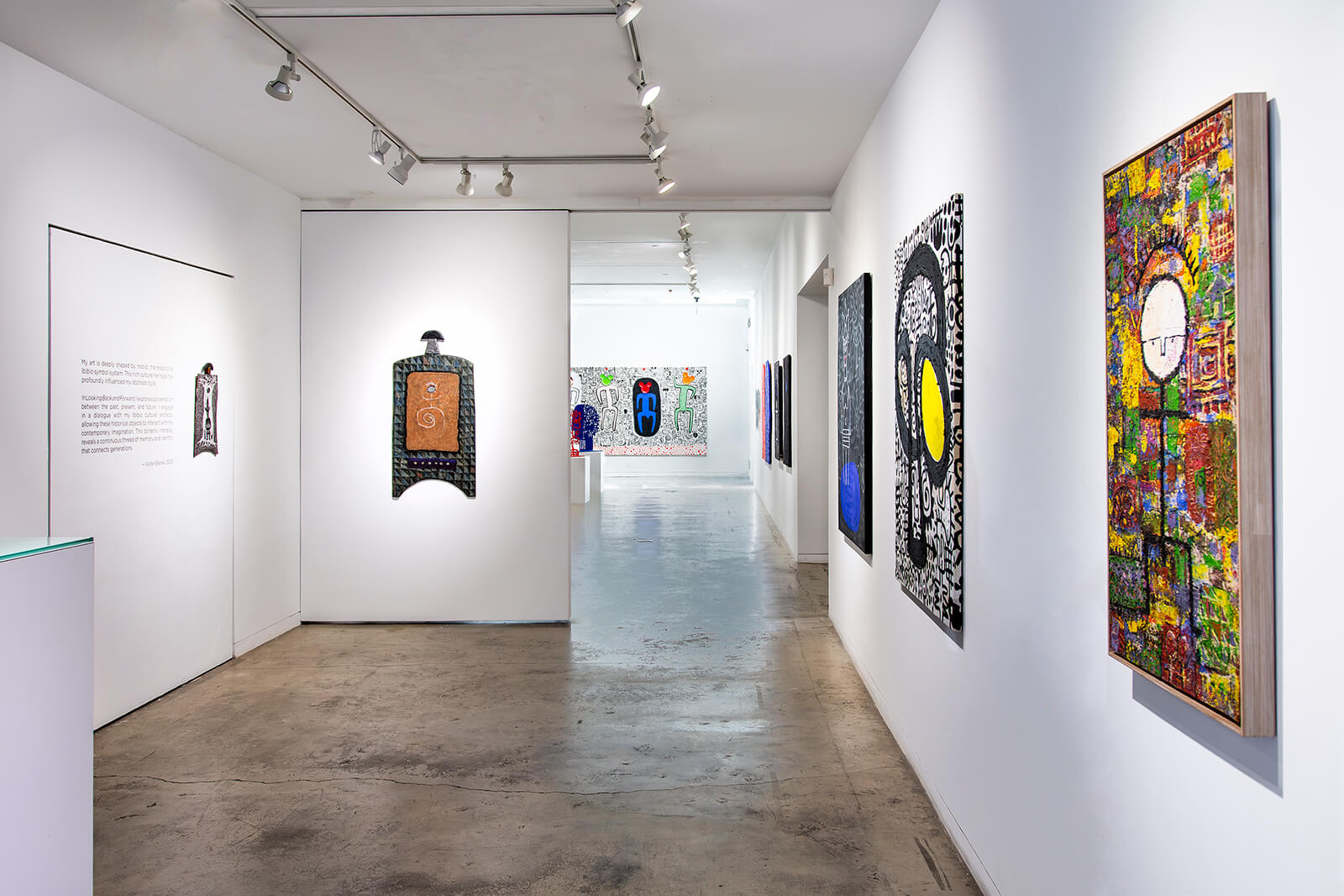
Aicon presents Looking Back and Forward, the third solo exhibition of acclaimed Nigerian-American artist Victor Ekpuk at its New York location, running from July 17 – August 23, 2025. The art exhibition features a dynamic selection of both new and earlier works—including paintings and sculptures—and delves deep into the artist's ongoing dialogue between heritage and innovation, memory and modernity.
Ekpuk, widely celebrated for his distinctive visual language, draws inspiration from his Ibibio heritage. "The work of Victor Ekpuk has generated an exciting visual pidginisation of culture in contemporary art, as he orchestrates a critical dialogue between his indigenous Ibibio traditional idioms and his adopted Western standards of artistic expressions," says Dr Moyo Okediji, professor of Art History (African Art) at the department of Art and Art History, College of Art, the University of Texas, Austin.
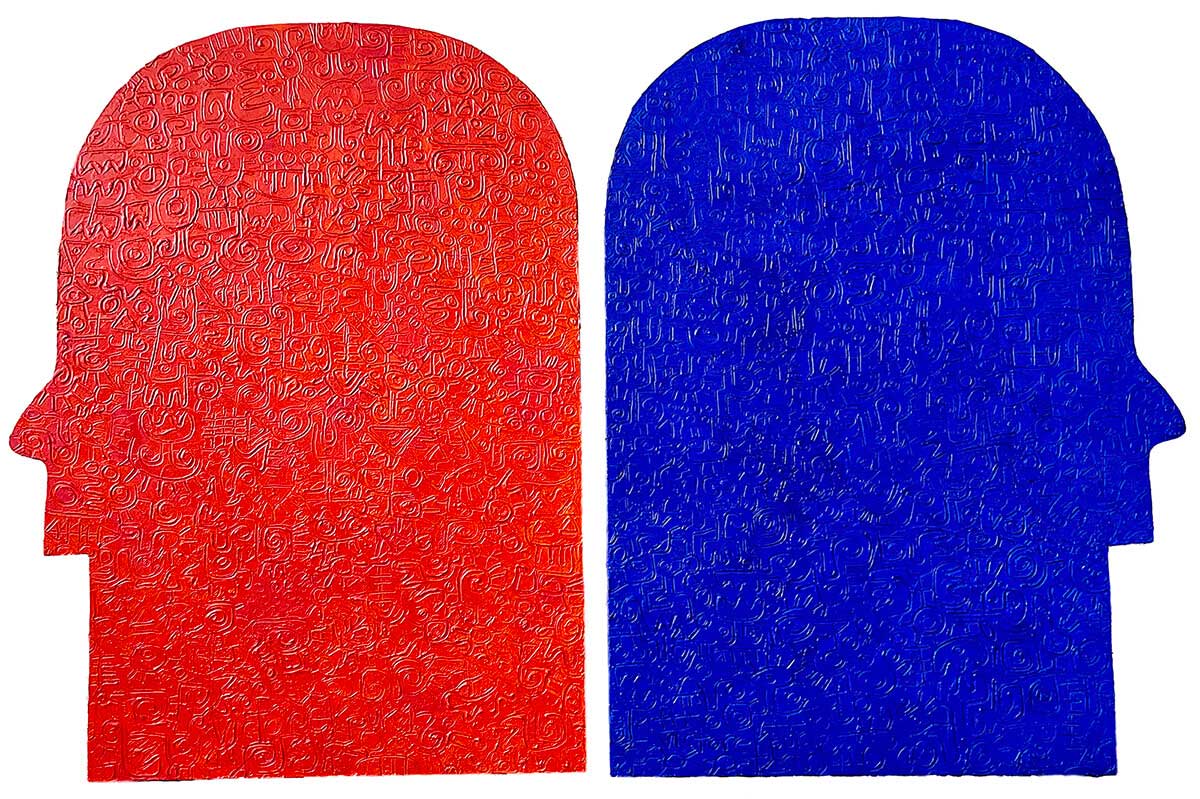
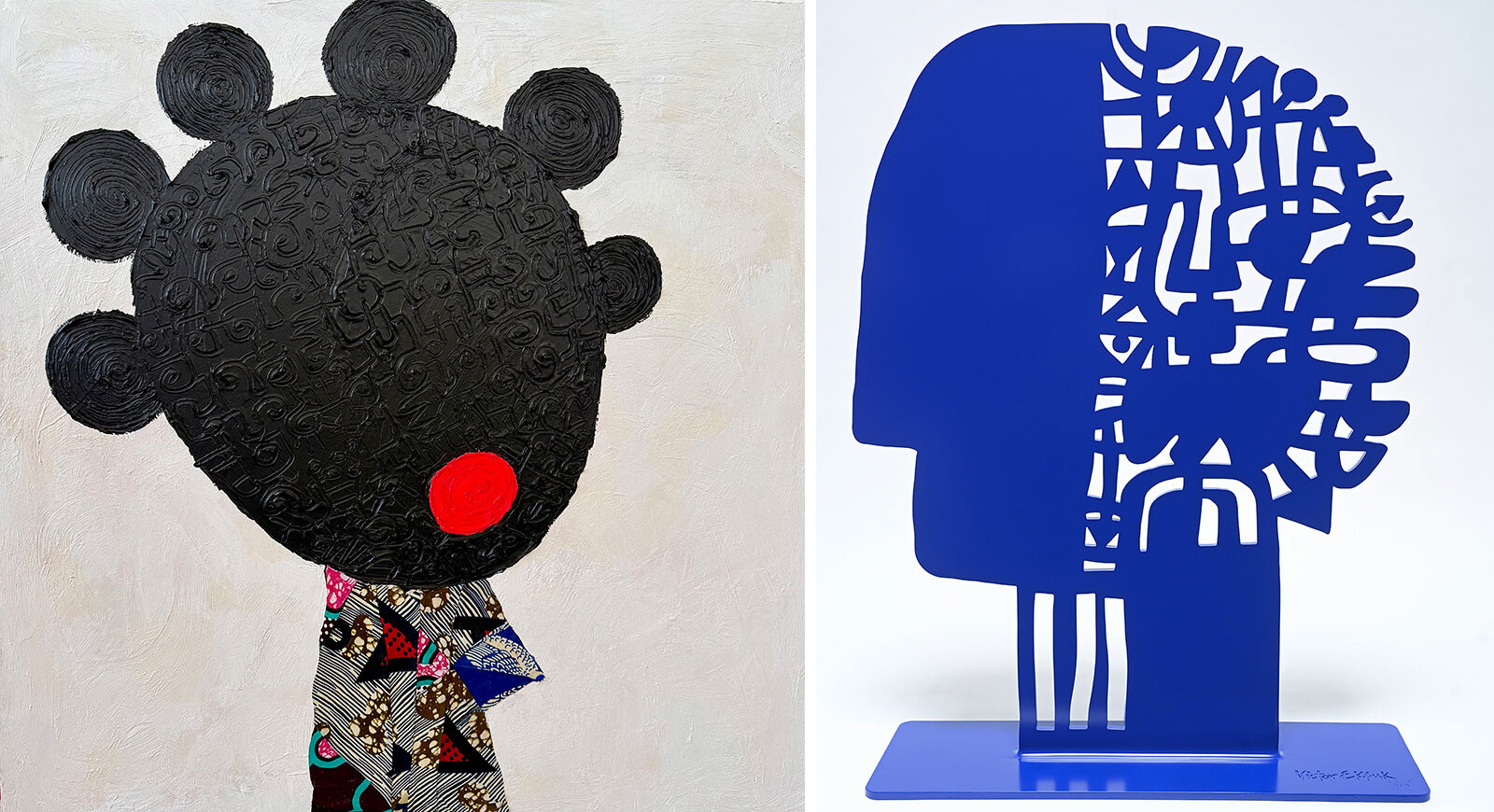
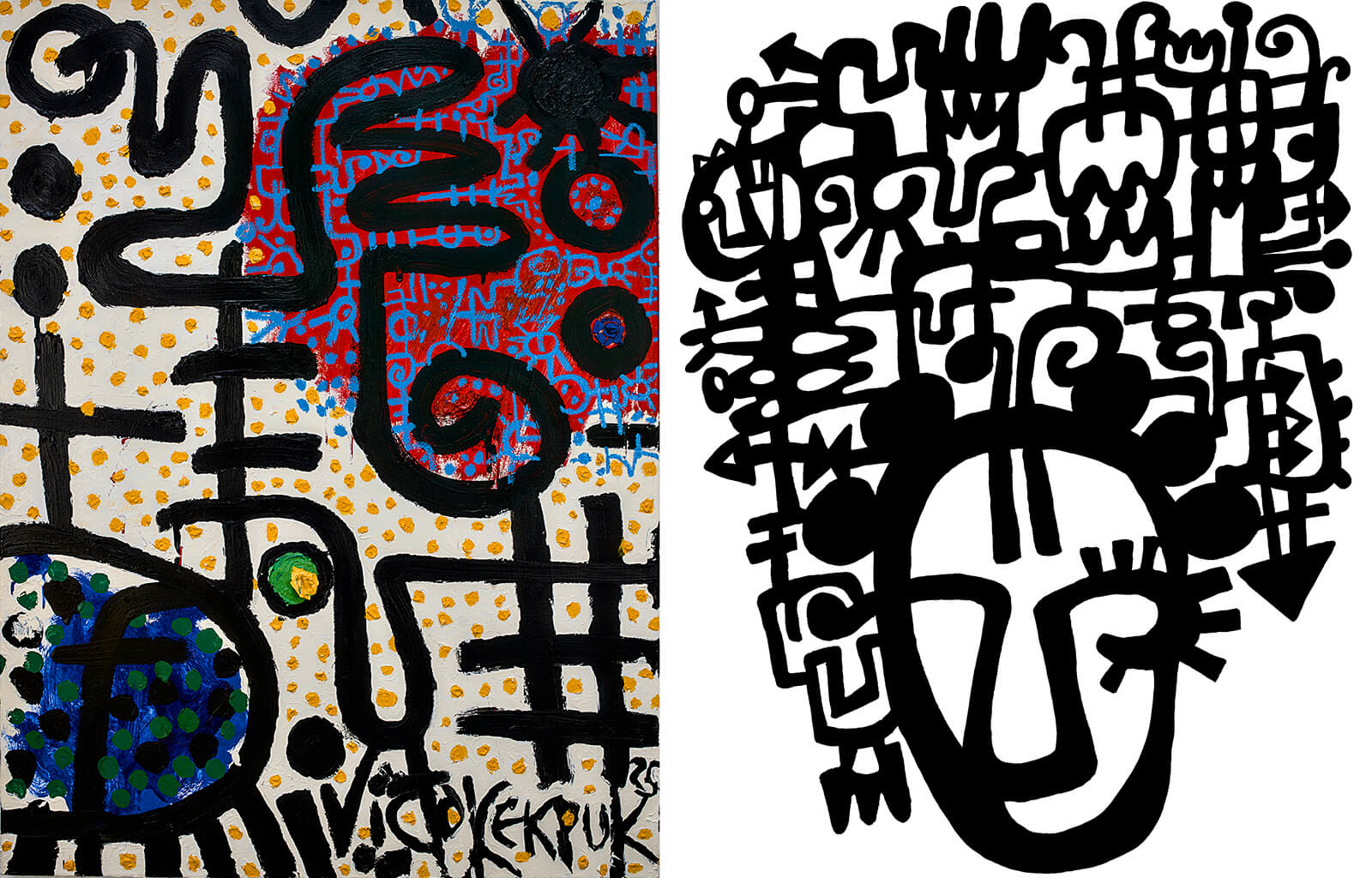
Ekpuk combines Ibibio traditions, like the concept of Mbre and sacred Nsibidi forms, with Western artistic expressions. "In the Ibibio tradition, art is defined as Mbre, a term that precisely addresses creativity as play. Mbre, while defined as play, classifies visual objects as part of a larger corpus of creative expressions, including music, choreography, literature, installations and performance," Dr Okediji explains in the official release shared by Aicon. Nsibidi forms include two-dimensional compositions, three-dimensional sculptural configurations and multidimensional installations and performances transformed by mysterious energies that combine human and supernatural forces.
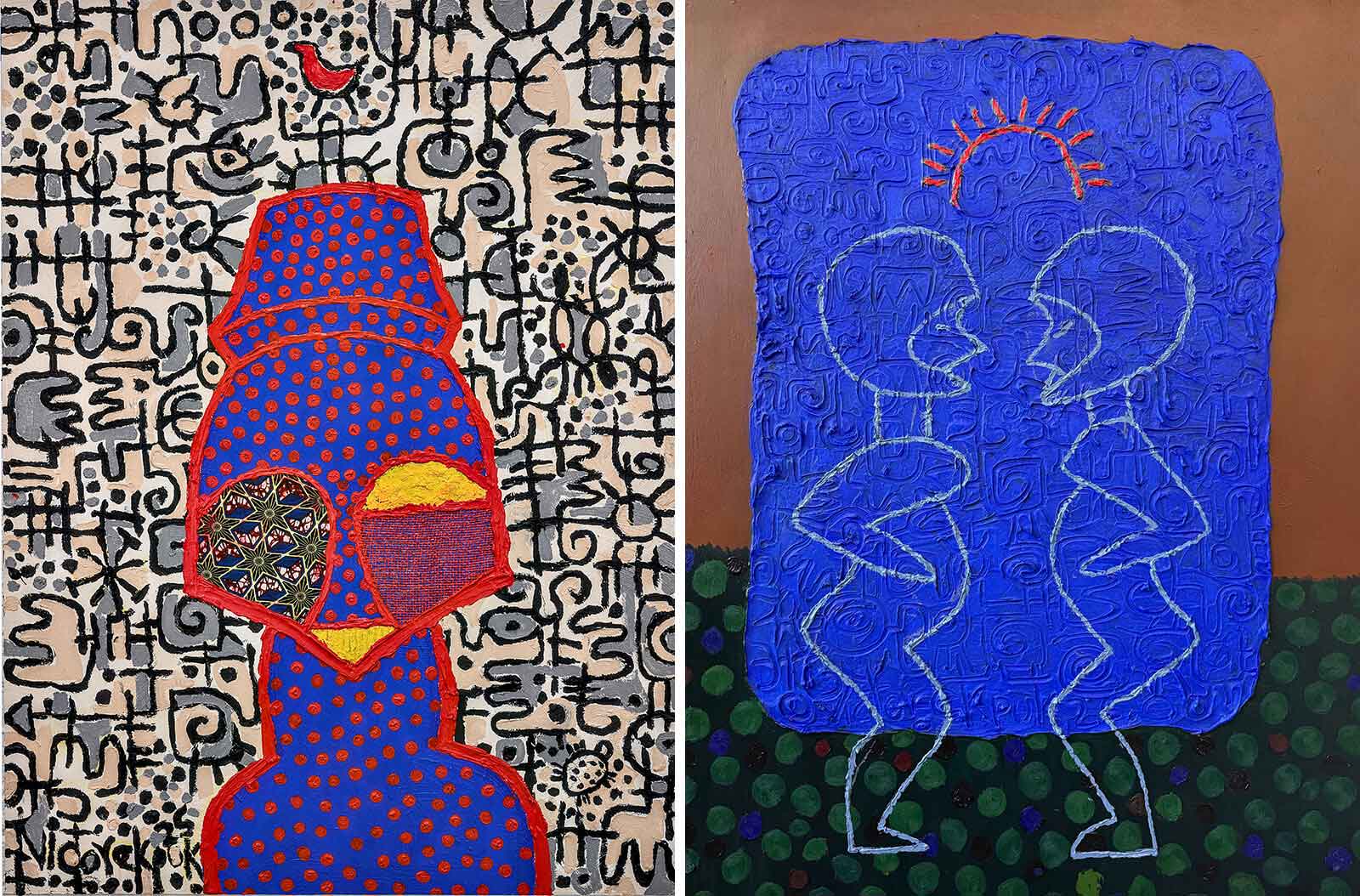
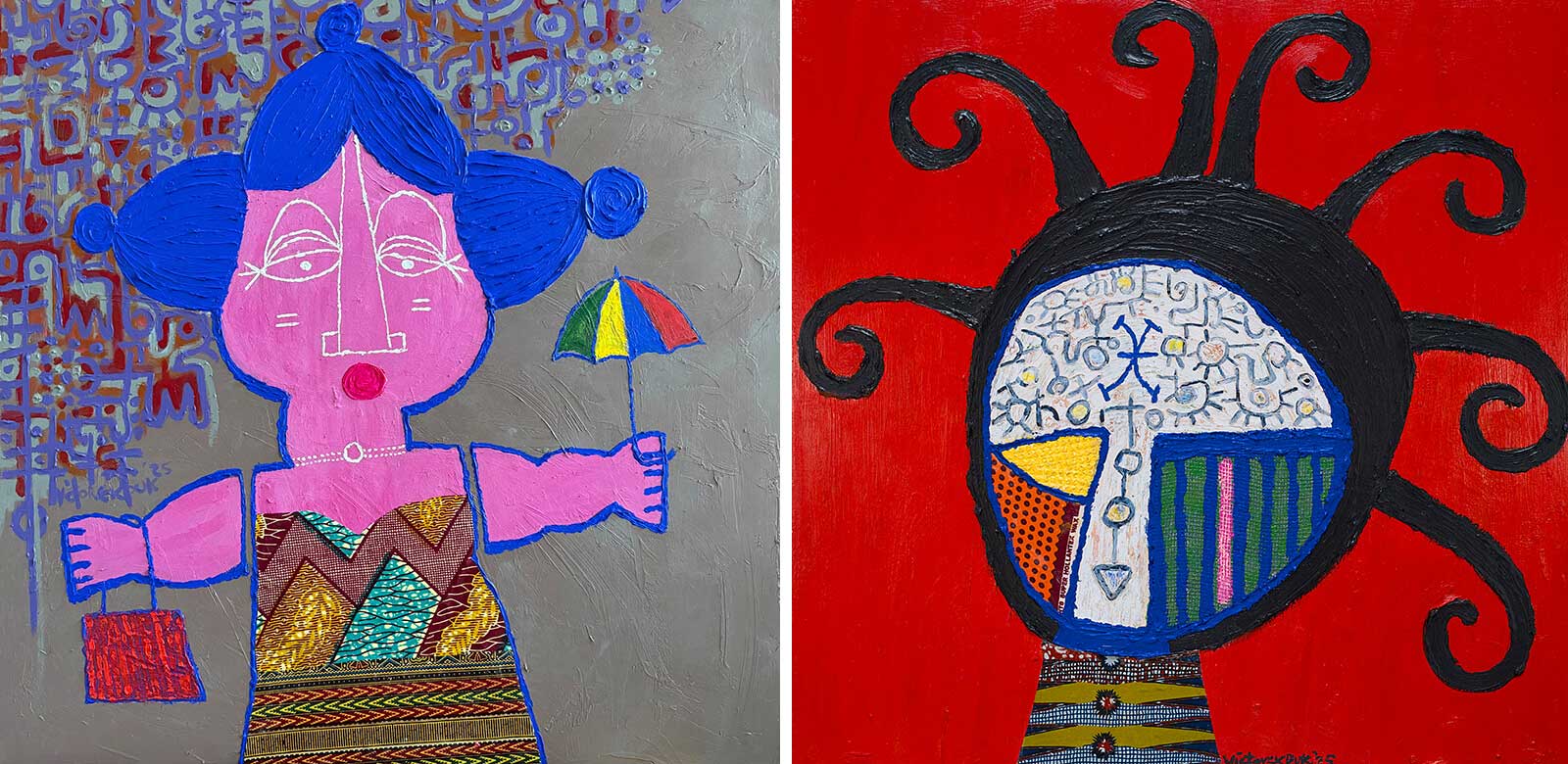
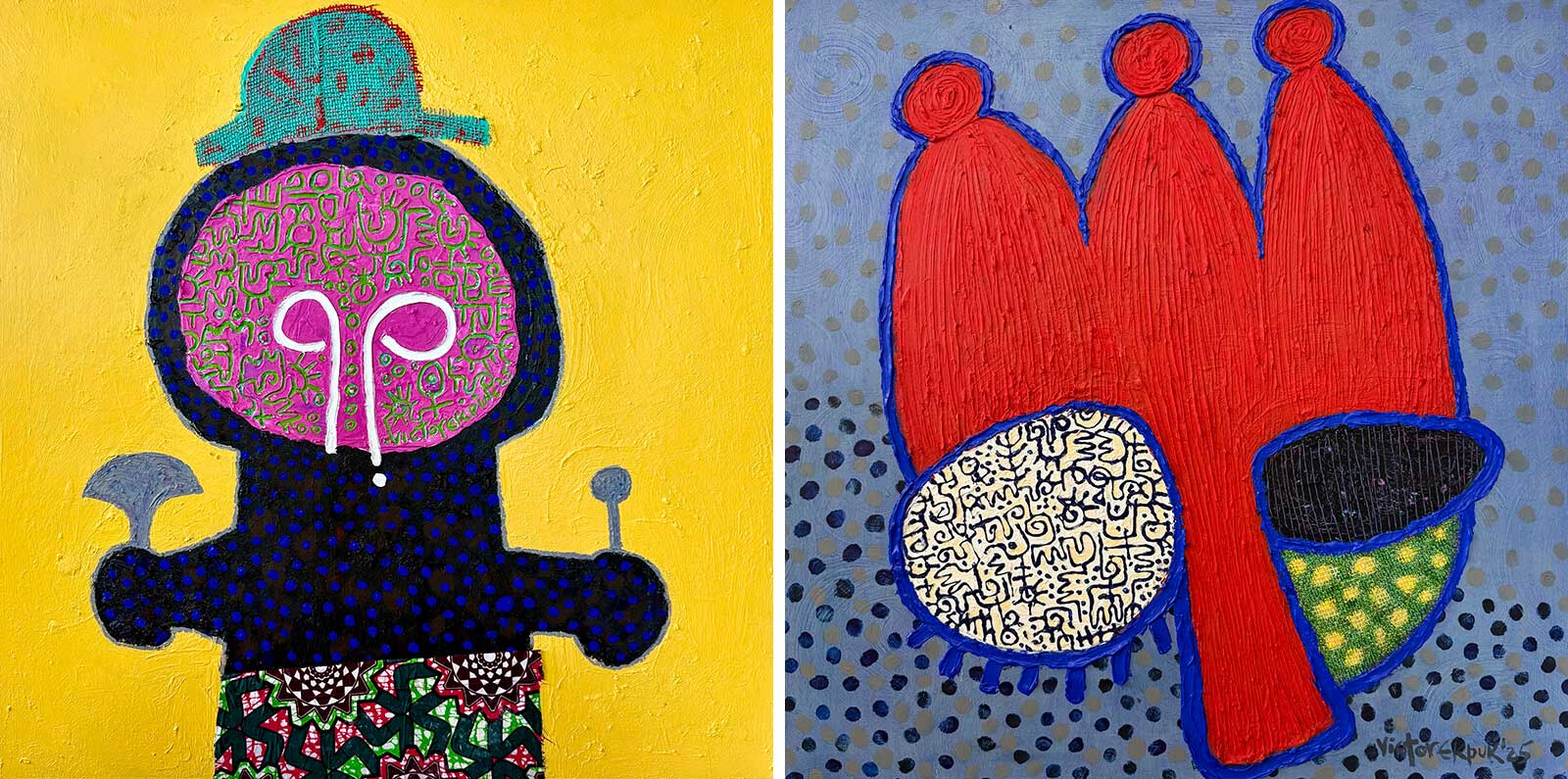
But while his work draws from these traditions, it is not limited by their strict boundaries or Western art theories. He incorporates elements such as Dutch wax textile prints and Nsibidi motifs in his paintings, creating a 'third order of imagination' that blends African and Western influences.
The contemporary artist also draws on architectural traditions, such as the Mwomo House—a memorial form that utilises woven and painted textiles to commemorate dignitaries. Echoes of this practice can be seen in his portraiture, where vibrant Dutch wax prints function as both chromatic and symbolic layers. In his painting Moondance in Eket, Ekpuk overlays two Obubom sculptural forms on a richly textured background.
Looking Back and Forward positions Ekpuk as a critical voice in global contemporary art, one whose vision is rooted in cultural depth while remaining open to future possibilities.


What do you think?