

 Sign in with Google
 Sign in with email



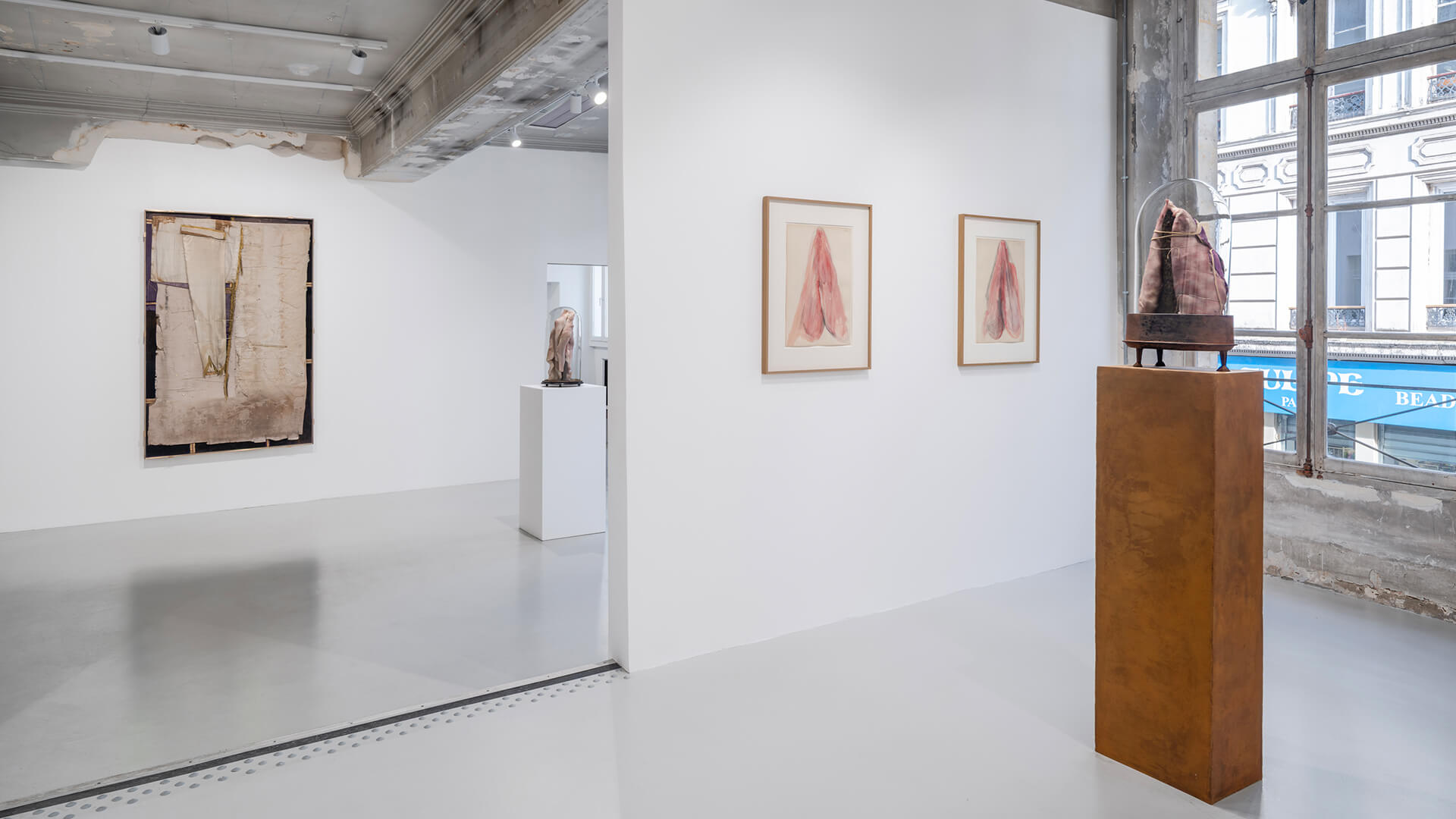





Galleria Continua presents NEED, Berlinde De Bruyckere's first solo exhibition in the gallery's Paris space from October 10 – January 6, 2026, marking more than 25 years of collaboration between the Belgium-based contemporary artist and the gallery. “A major figure in international contemporary art, the Belgian artist transforms the gallery with an ensemble of monumental sculptures alongside more intimate artworks exploring some of the major themes she has developed in recent years,” Galleria Continua notes in an official release.
The exhibition’s title, NEED, reflects an imperative at the core of De Bruyckere’s work: the urge to give form to what language struggles to articulate, particularly the extremes of human experience: pain and desire, attraction and repulsion, decay and regeneration. “It is the ever-recurring horror and beauty that we, as humans, do not fully understand, but of which we are nevertheless a part,” the artist explains in the press release. Drawing on a rich visual universe shaped by religious iconography, classical mythology and references to the Old Masters—particularly Renaissance and 15th-century Flemish painting—De Bruyckere creates works that feel both timeless and contemporary, using materials such as wax, animal skins, worn textiles, metal and wood.
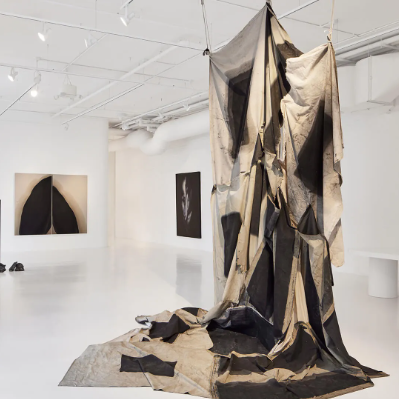
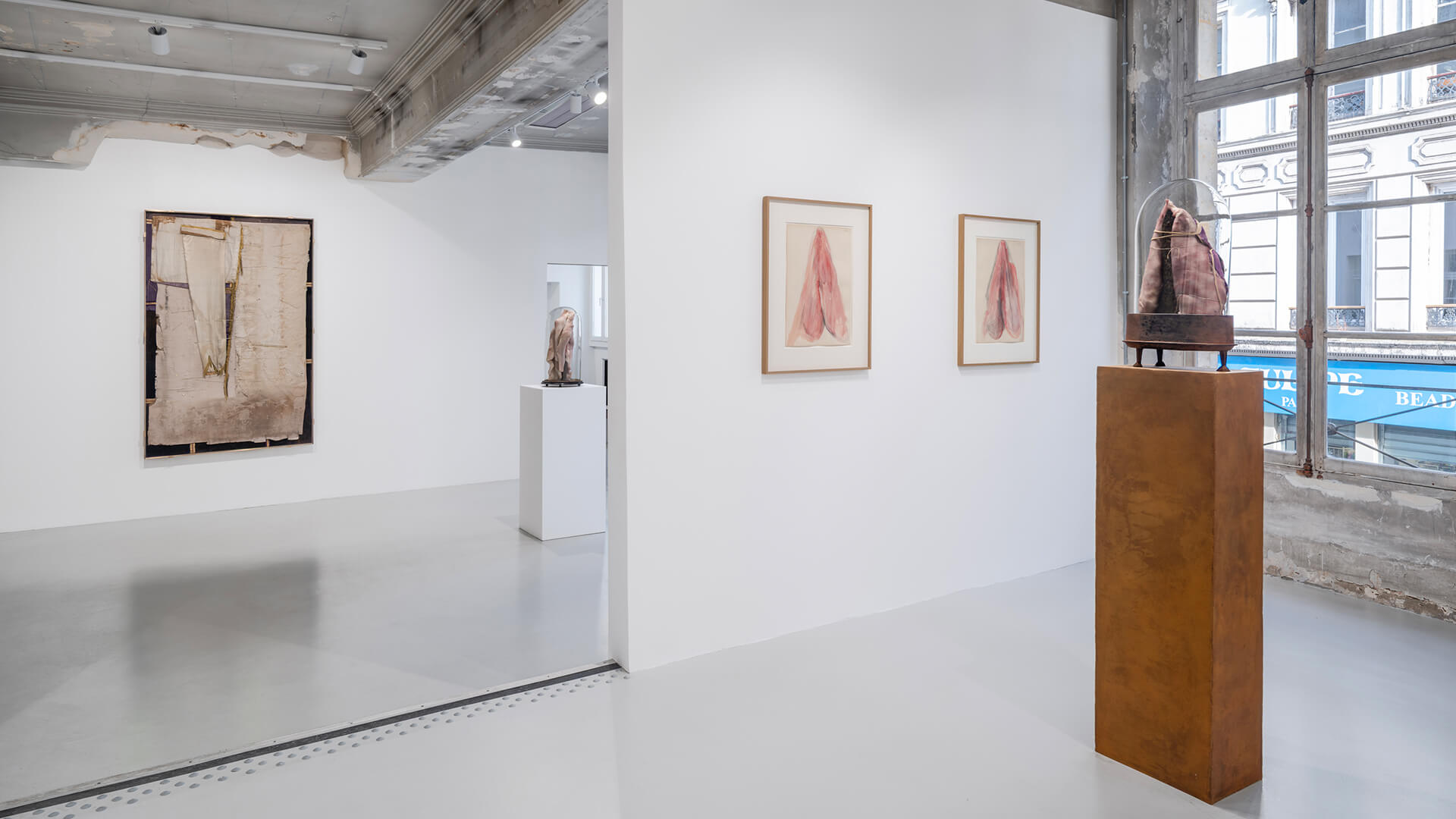
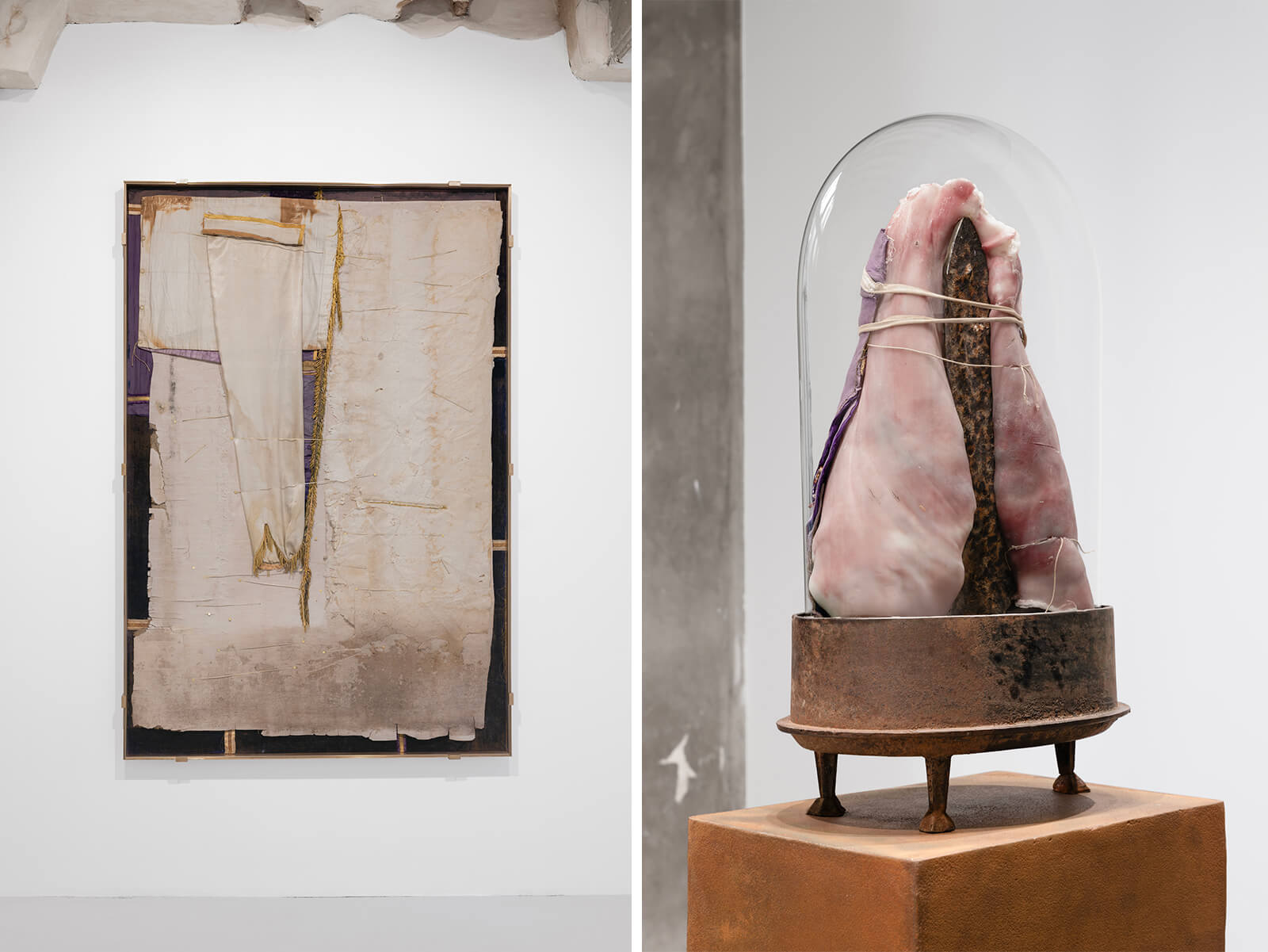
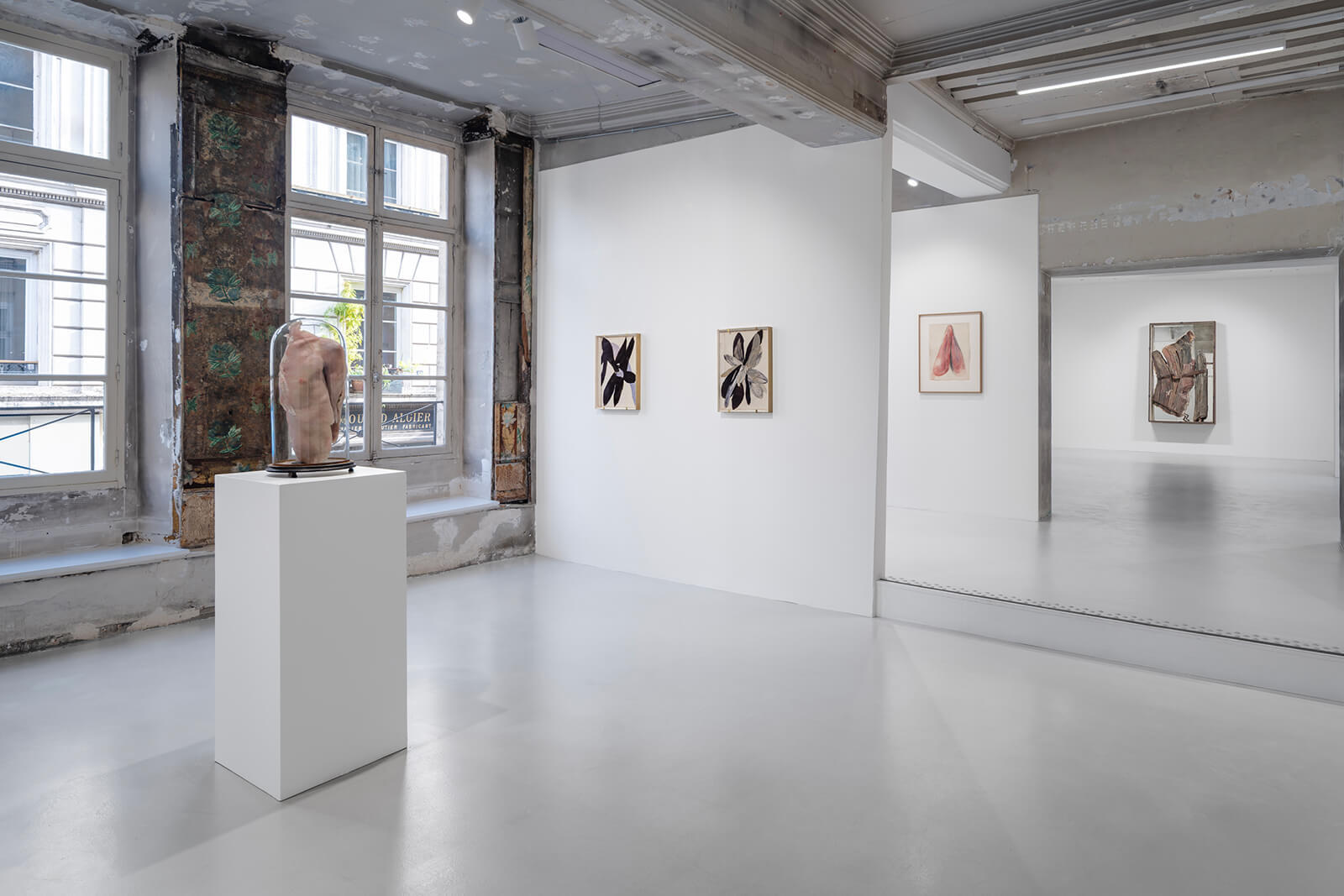
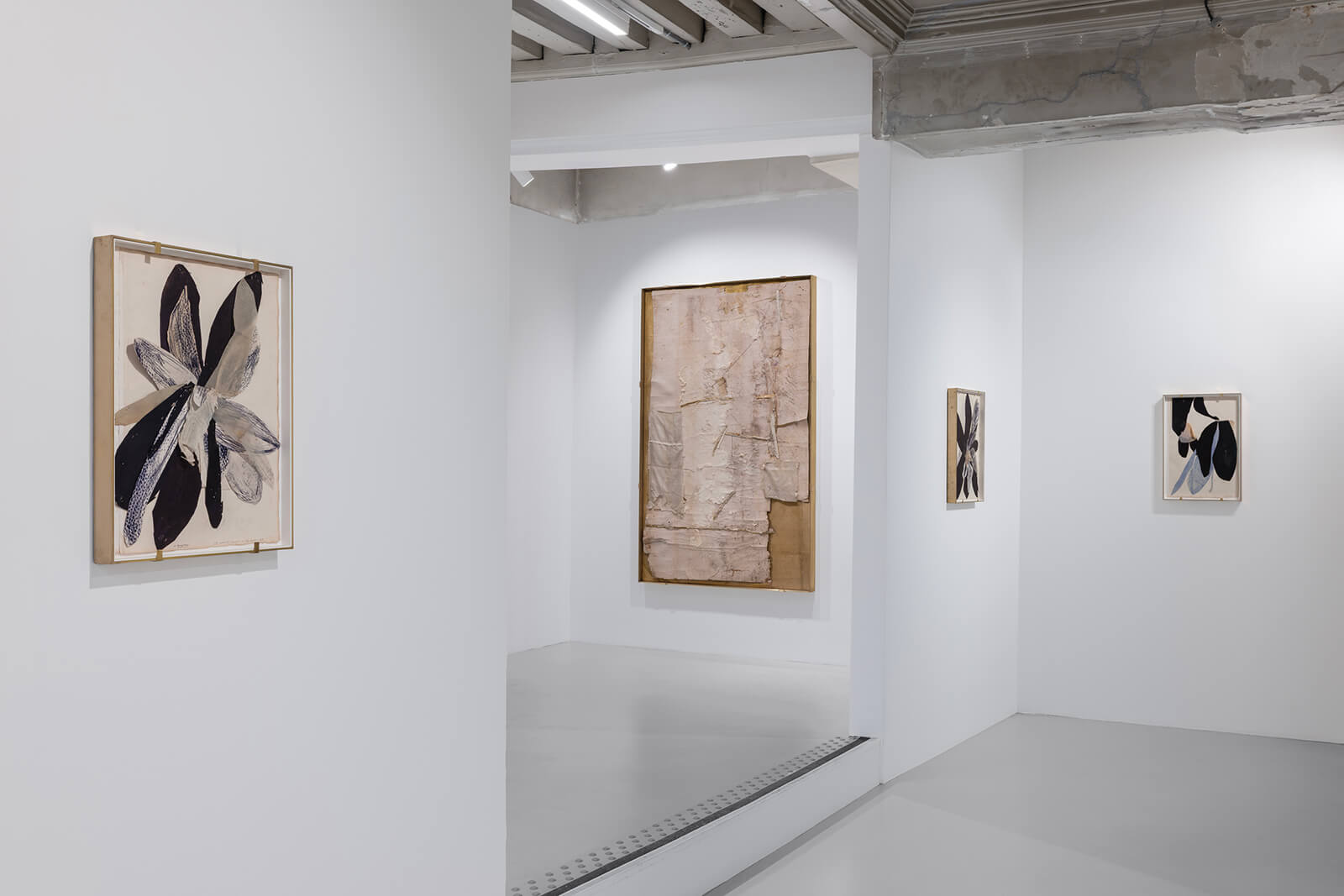
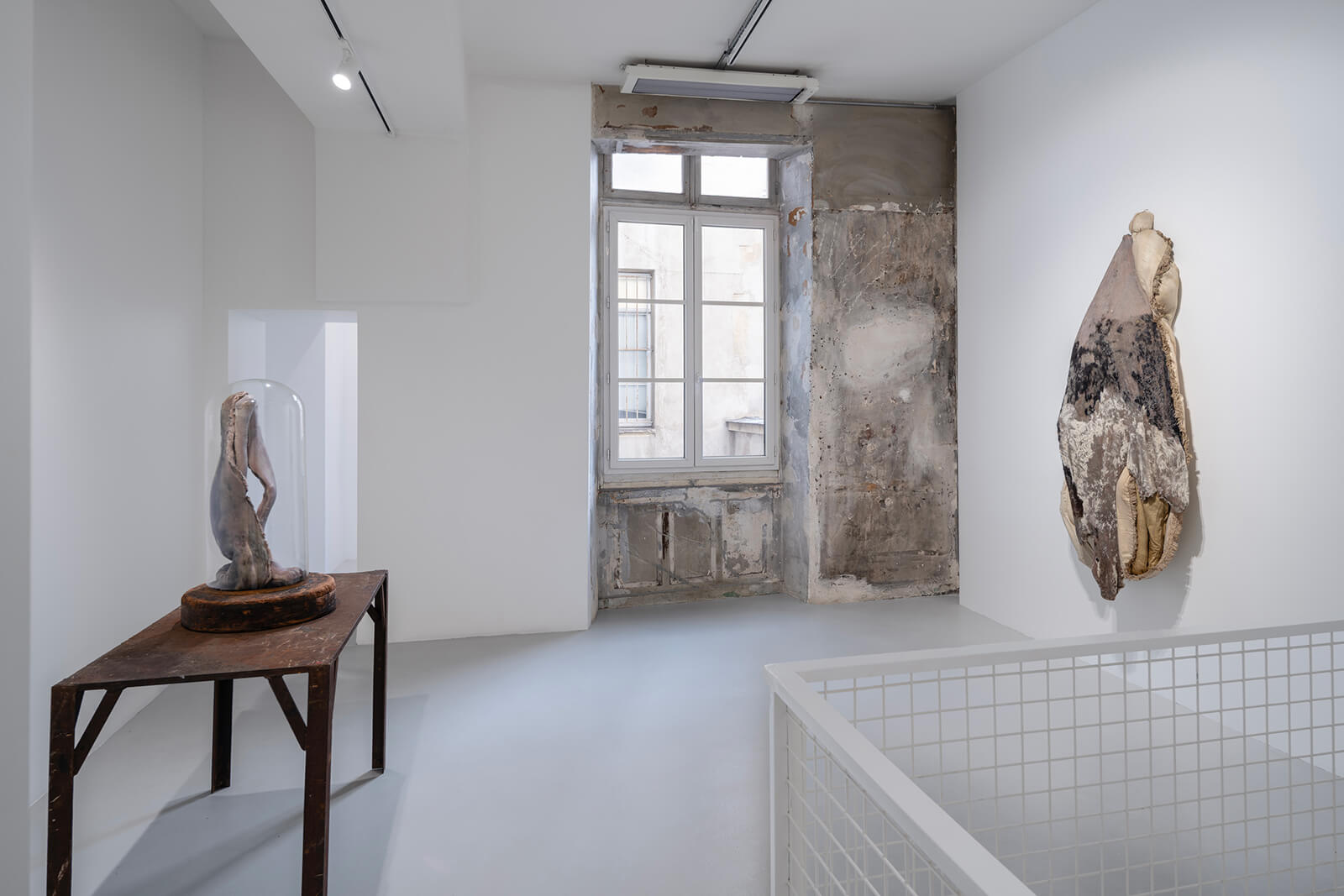
On view at NEED is Palindroom (2019), a monumental wax sculpture inspired by the ‘phantom mare’, a substitute animal used for breeding horses. “Although it serves as a representative of the female sex, it paradoxically suggests a phallic form. It is precisely this ambiguity that lies at the heart of the artist’s reflection,” elaborates the art gallery. The sculpture is counterbalanced by the It almost seemed a lily series. Inspired by 16th-century Enclosed Gardens—private devotional cabinets adorned with handcrafted flowers and symbolic relics—these works reinterpret spiritual intimacy through collages and sculptural art forms. Fragility emerges as a central motif, particularly in De Bruyckere’s glass dome sculptures, where intimate wax bodies appear both protected and exposed.
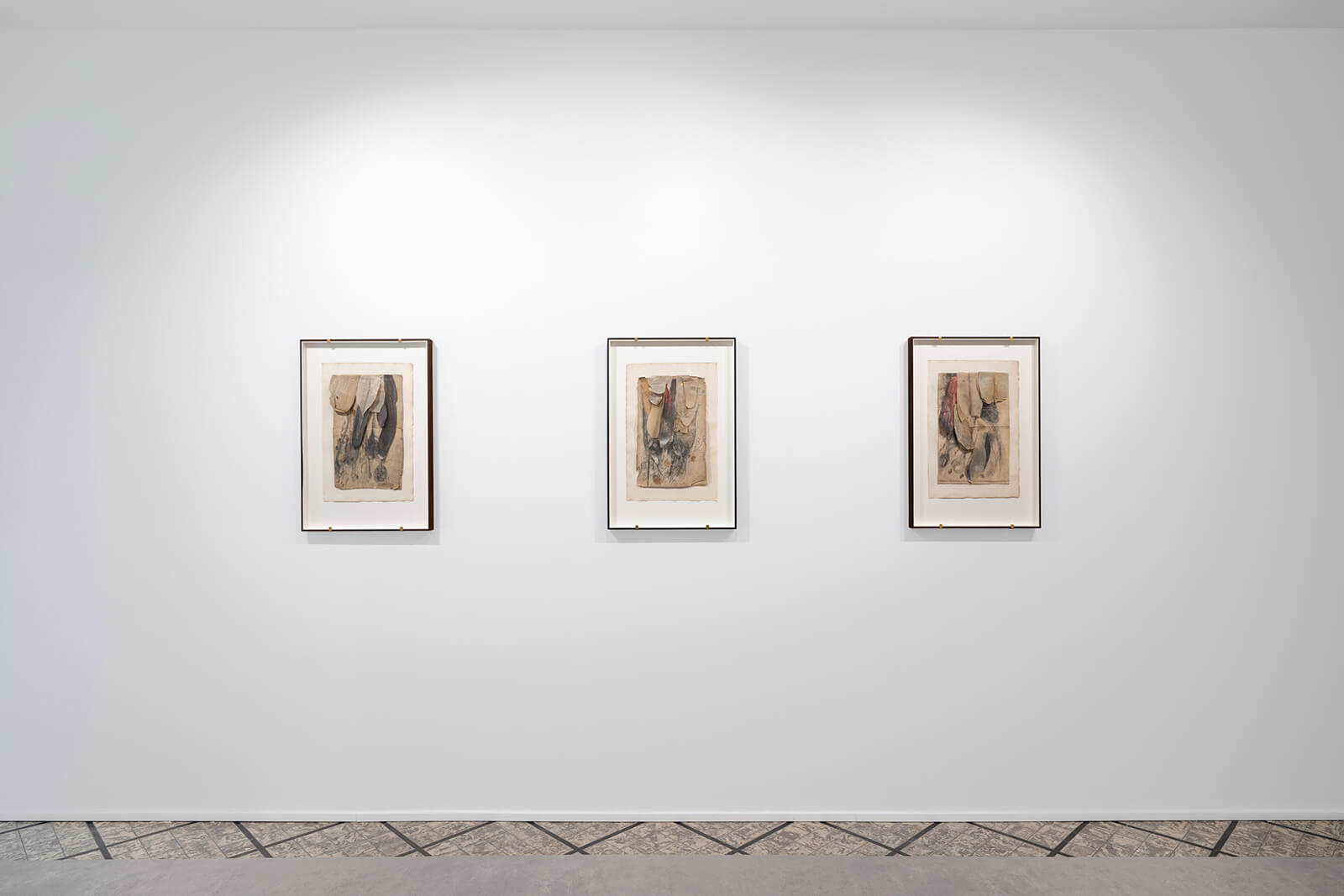
The art exhibition also features her renowned archangels as well as other representations of the body. Among the highlights is Madonna del Parto (2025), unveiled to the public for the first time. Referencing the Italian painter Piero della Francesca’s famous fresco, the work plays on tensions between masculine and feminine, and impudence and chastity. New works from her Plunder series confront humanity’s capacity for violence alongside instincts of survival. “The title, which usually carries a negative connotation, raises questions about ownership, fundamental human rights and fluctuating moral codes—inviting us to refrain from one-sided judgment and to investigate the subtle complexities of the human condition,” notes Continua. Inspired by the artist’s visit to museums in Iran in the aftermath of the 1979 revolution, these works reflect on loss, ownership and the moral ambiguities embedded in historical upheaval.
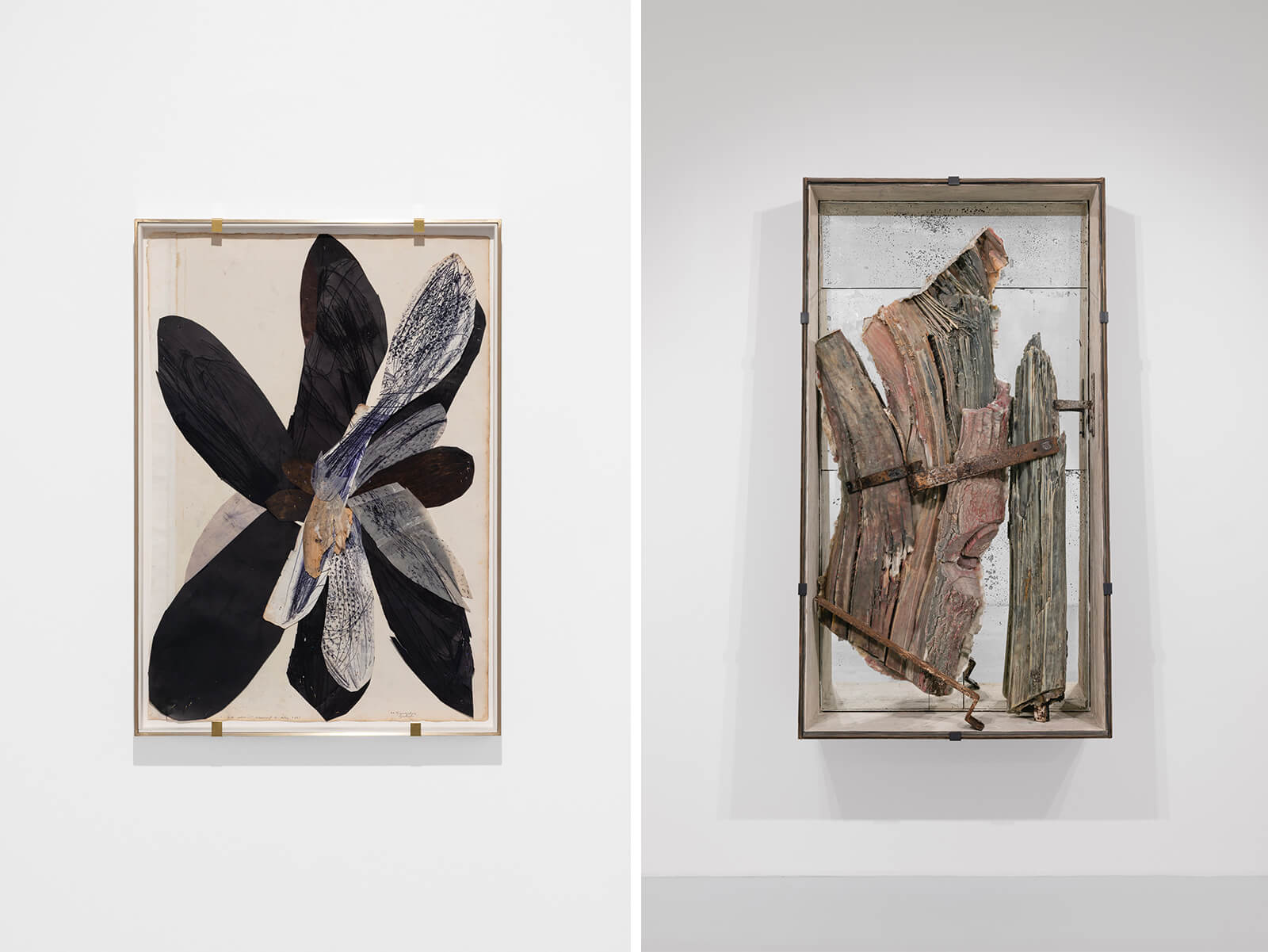
The exhibition culminates with two Need vitrines, continuing a series first presented at the Basilica di San Giorgio Maggiore during the 2024 Venice Biennale. Incorporating mirrors, wax casts and tree-like forms, these works dissolve boundaries between viewer and object, life and death, permanence and disappearance. Both Need VII (2025) and Need VI (2025) are illuminated by a backdrop of antique mirror panes, ‘allowing the visitor to see the totality of the work at once, and thereby become part of it’.
“The exhibition unfolds the full power of De Bruyckere’s art, confronting viewers with the complexity and transitory nature of the human condition, challenging all criteria of judgment and inviting contemplation, emotional engagement and reflection on the profound tensions that traverse both existence and the experience of art,” concludes Continua.


What do you think?