


 Sign in with Google
 Sign in with email



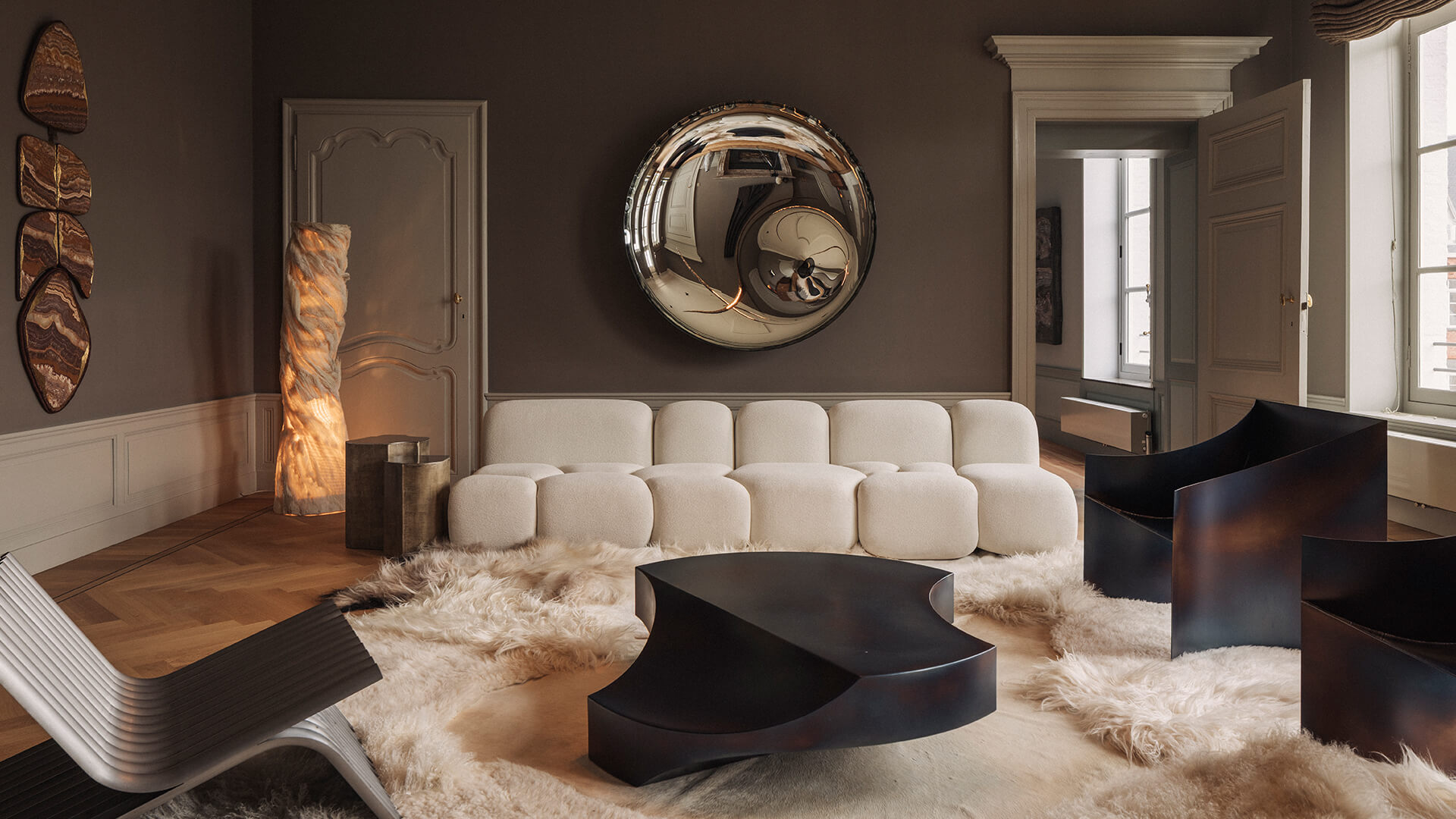





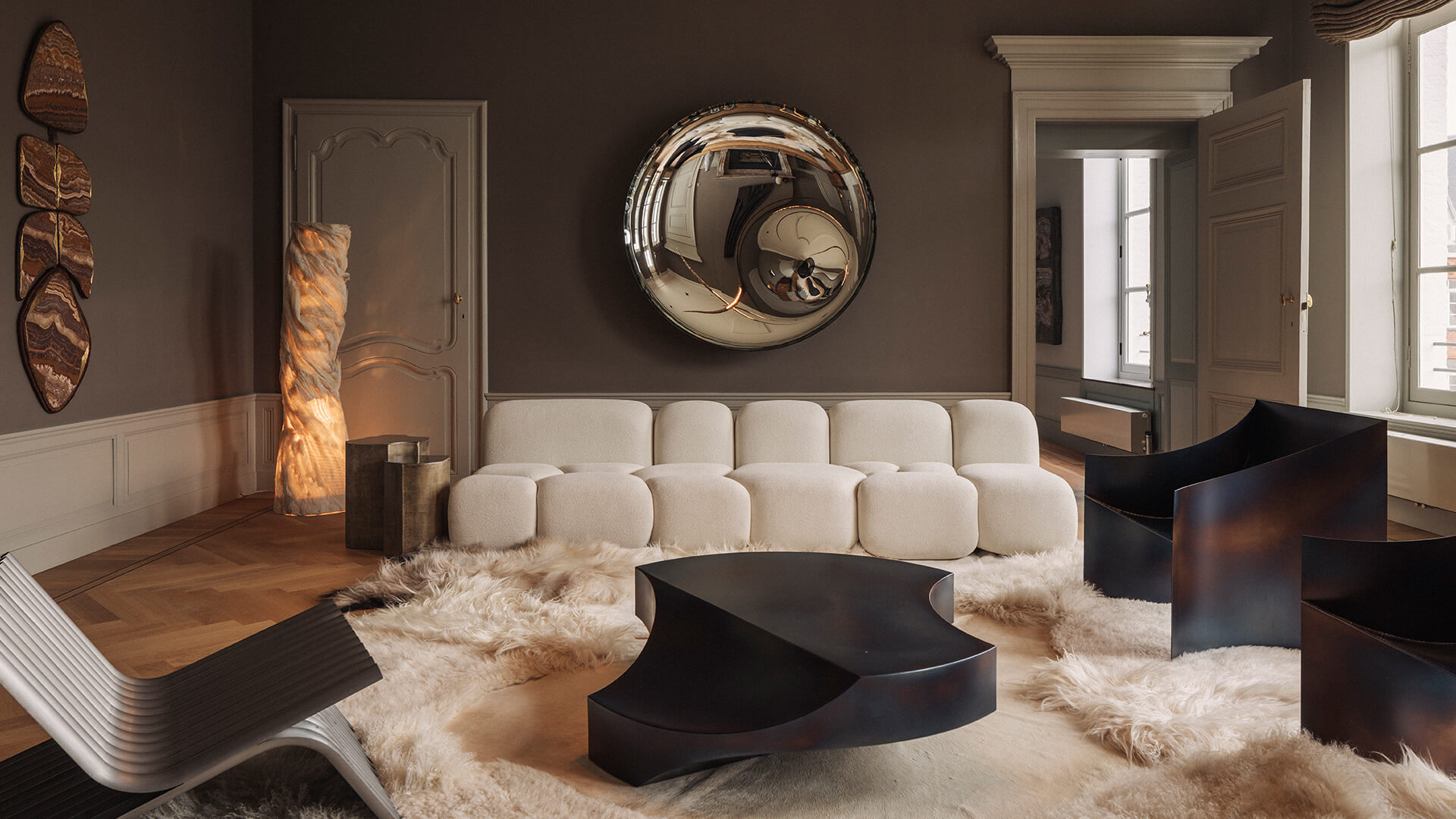
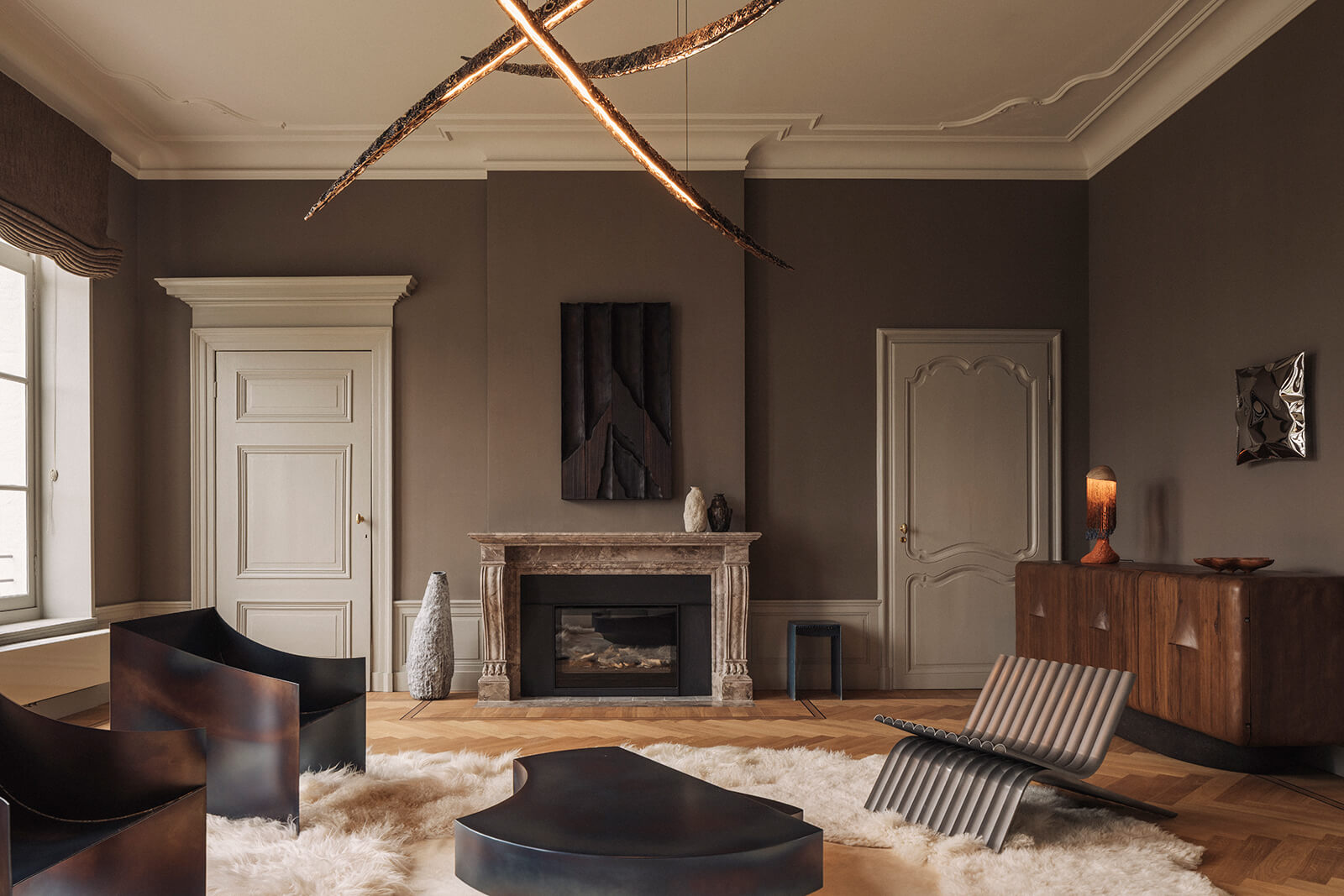
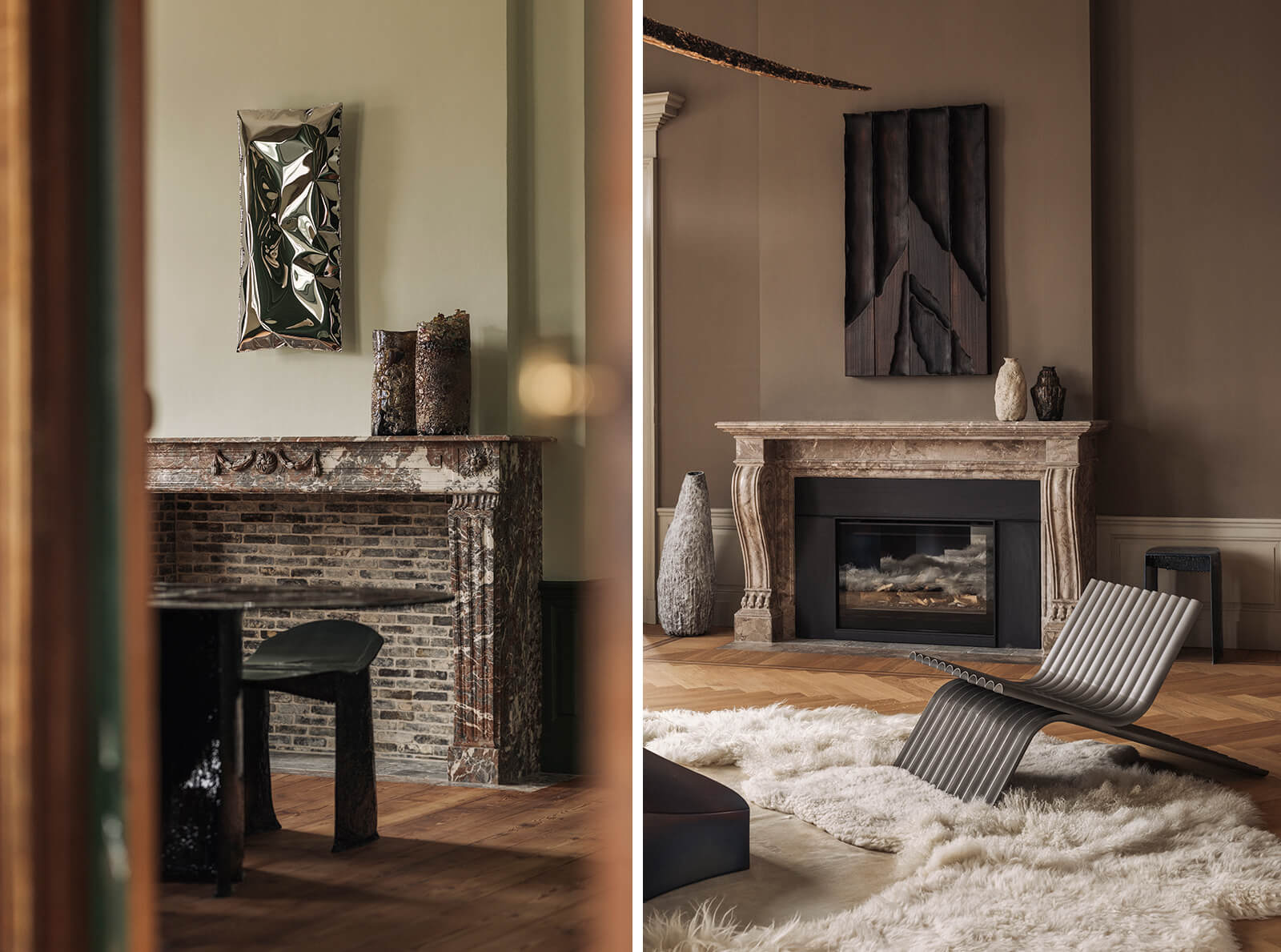
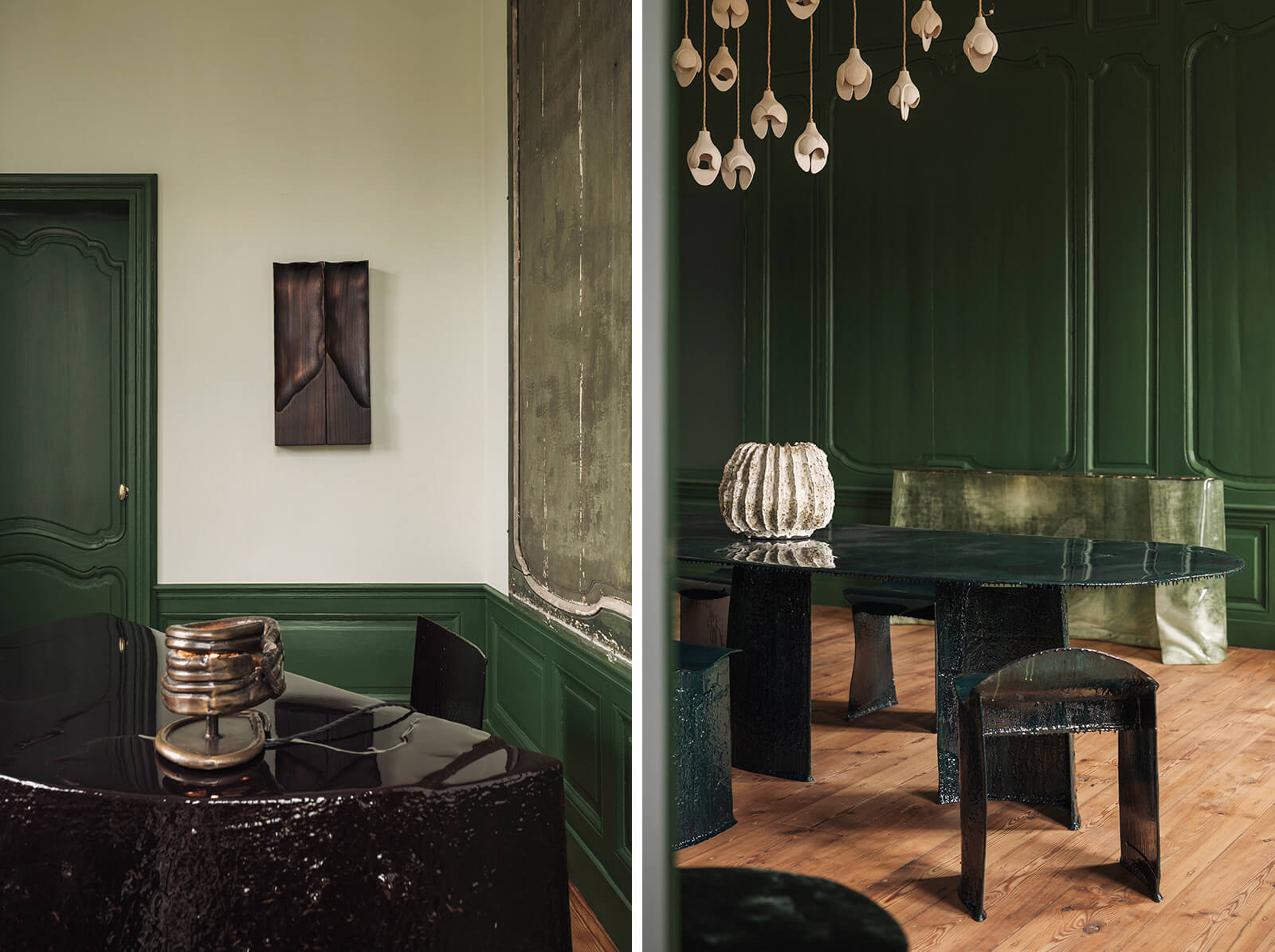
Objects With Narratives presents its new showroom in Brugge, the capital of West Flanders in northwest Belgium, as a series of rooms housed within the apartments of the Hôtel d’Hanins de Moerkerke, a former 18th-century mansion in the city’s historic centre, alongside the Coupure canal. “The choice of Bruges is deliberate: few cities in Europe have navigated change with such attentiveness to continuity. Its architectural philosophy treats the built environment not as a fixed relic but as a living document: one that embraces transformation while honouring original materials, construction techniques and spatial memory. The city's urban fabric is a form of chronological layering, where each historical period leaves its mark without erasing what came before,” Objects With Narratives notes in the press release.
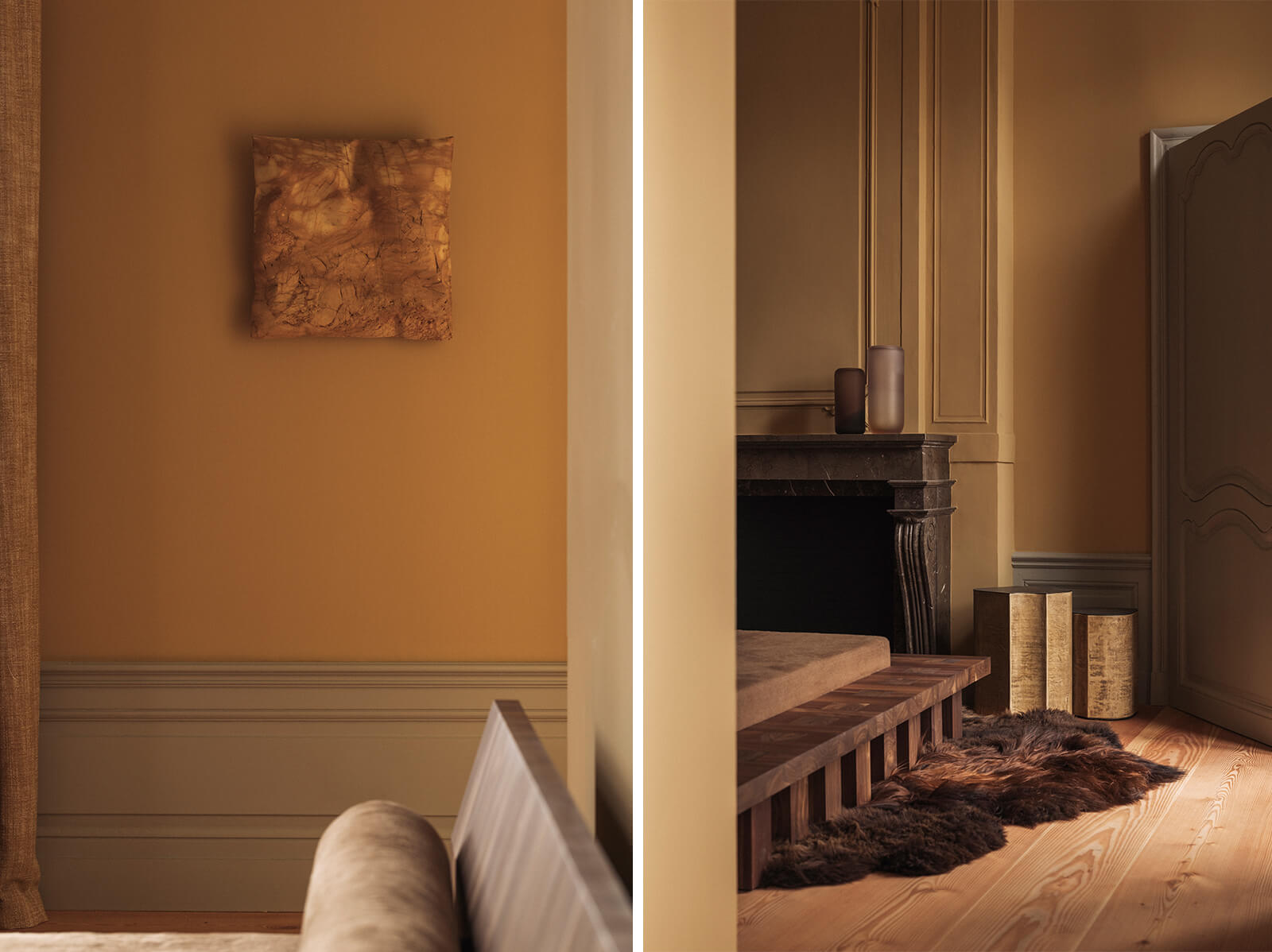
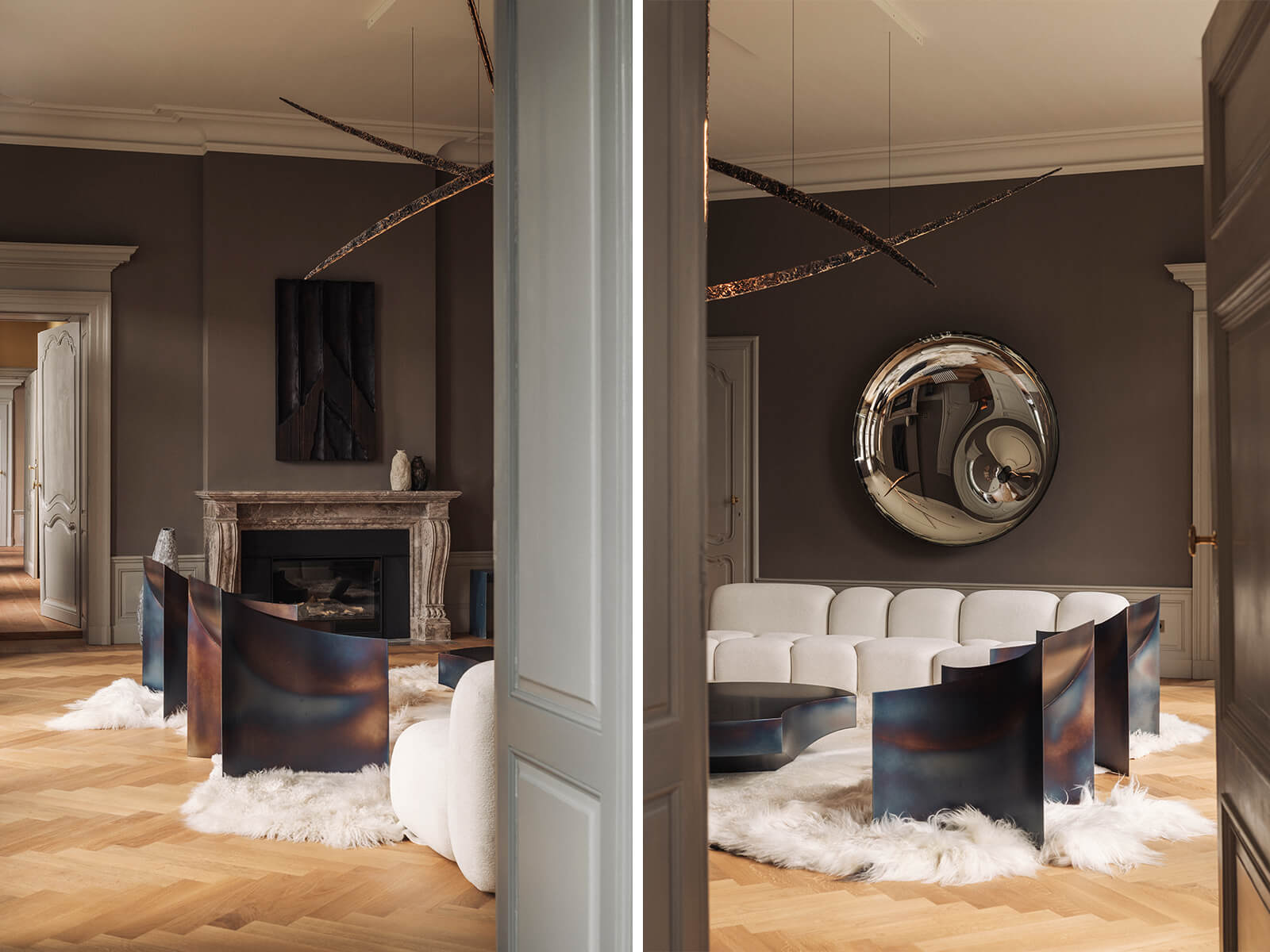
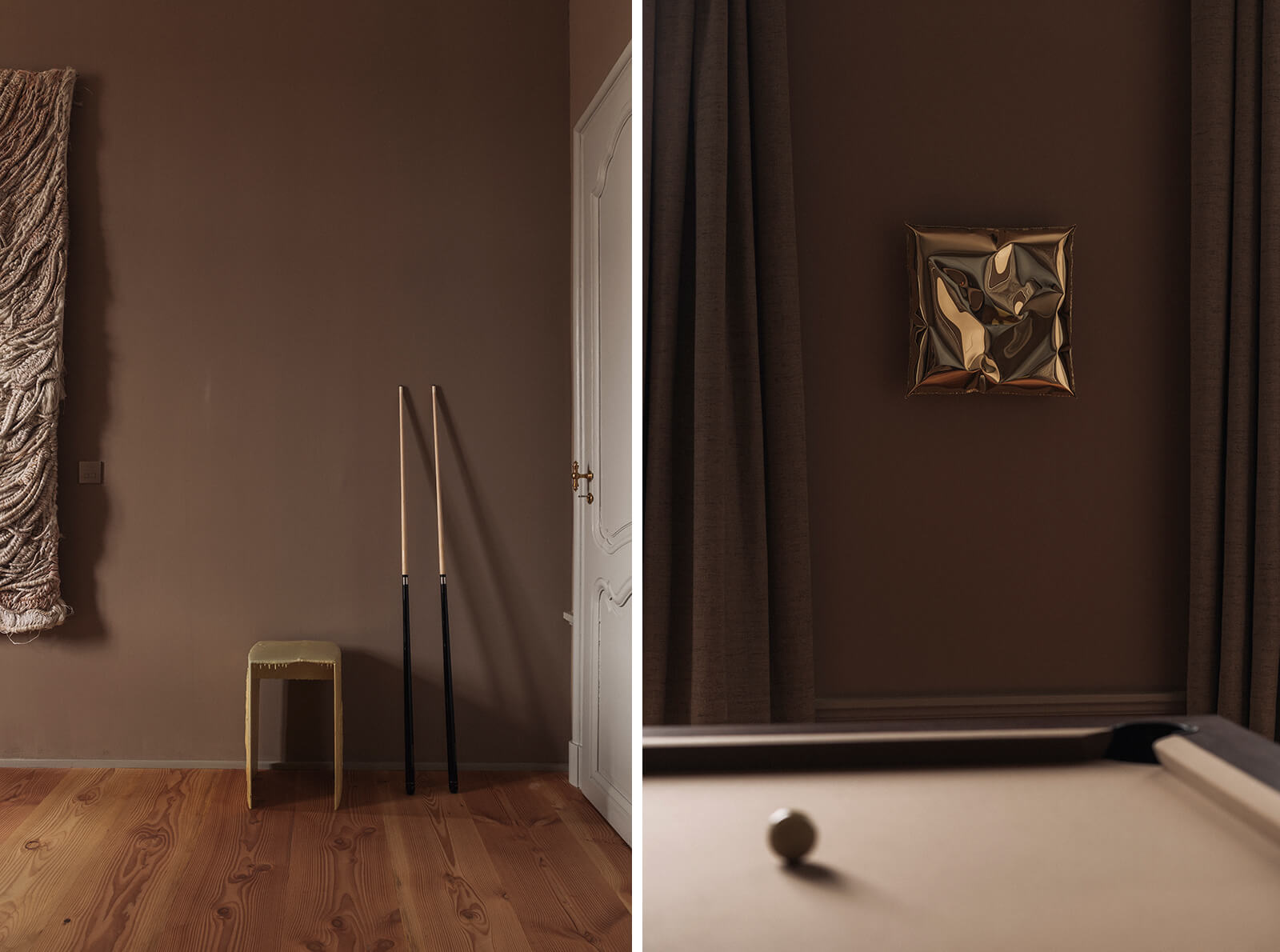
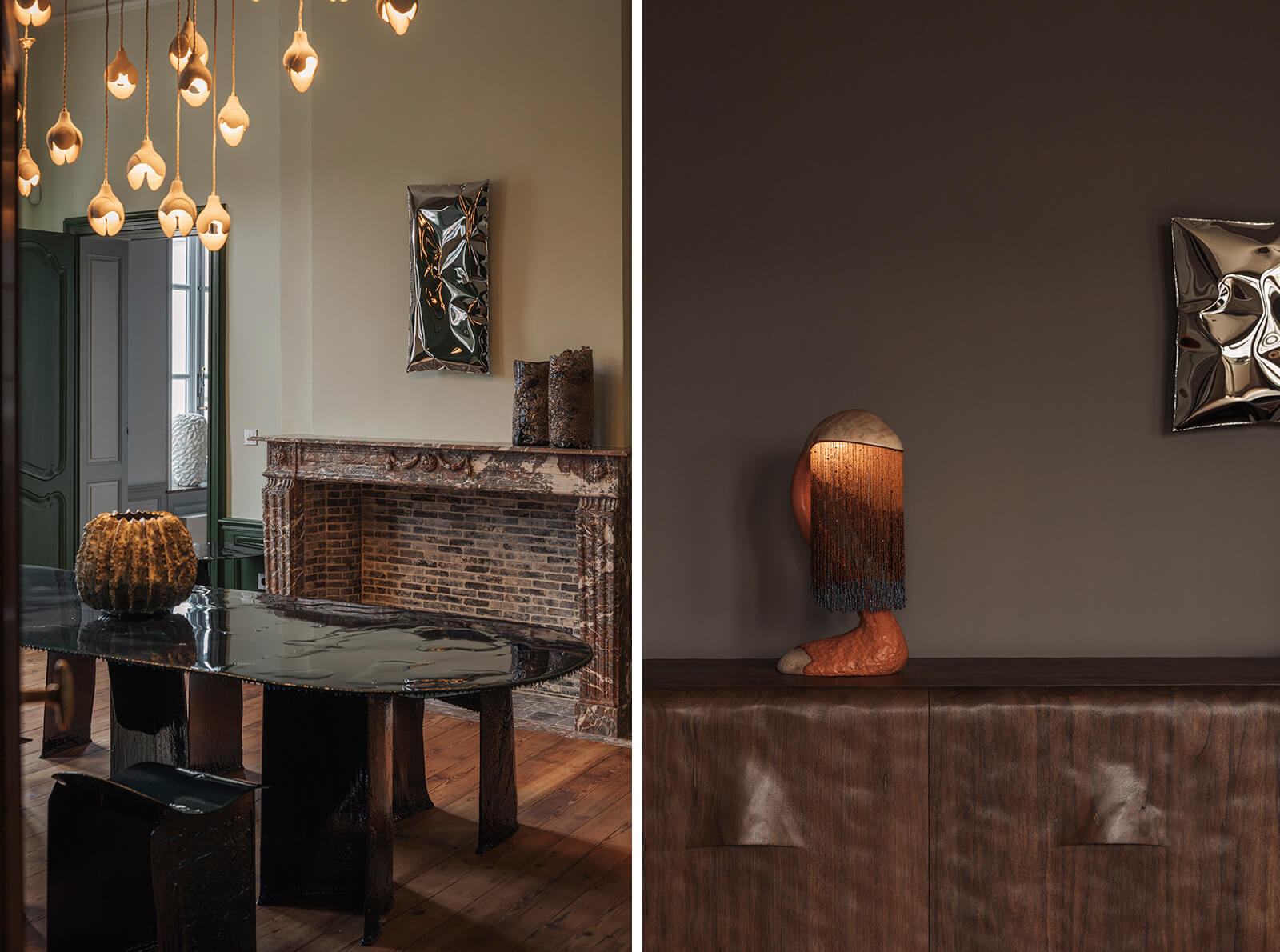
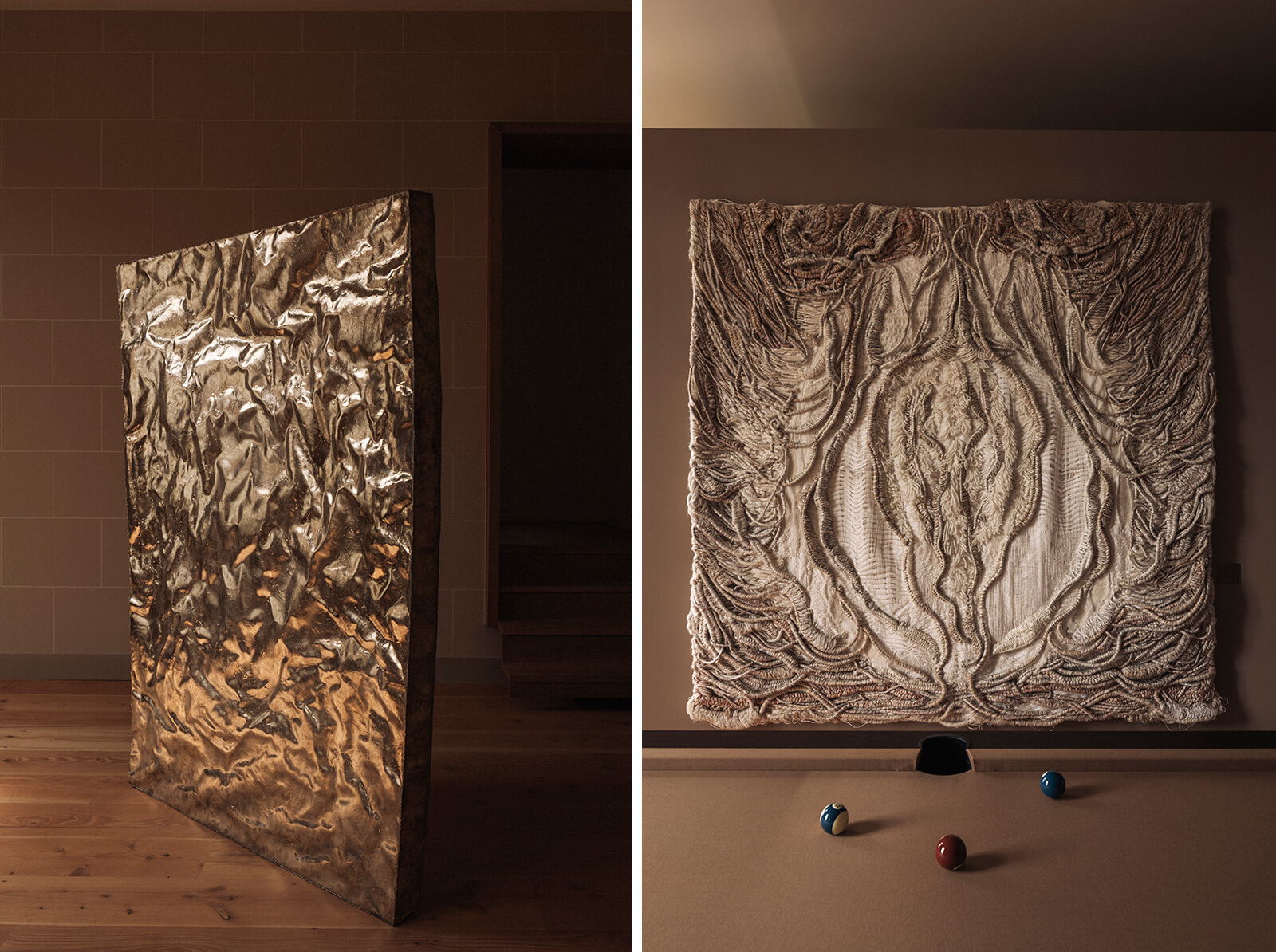
It is within this philosophy of historical layering that the new gallery space takes shape. Rather than functioning as a conventional showroom, the space extends the design gallery’s interest in the relationship between history, craft and contemporary design. “We seek to honour the encounter between the city's heritage and the work of contemporary artists and makers from across the world: a dialogue between art history and living practice, between tradition and innovation, between what endures and what is newly made,” the Belgium-based gallery notes.
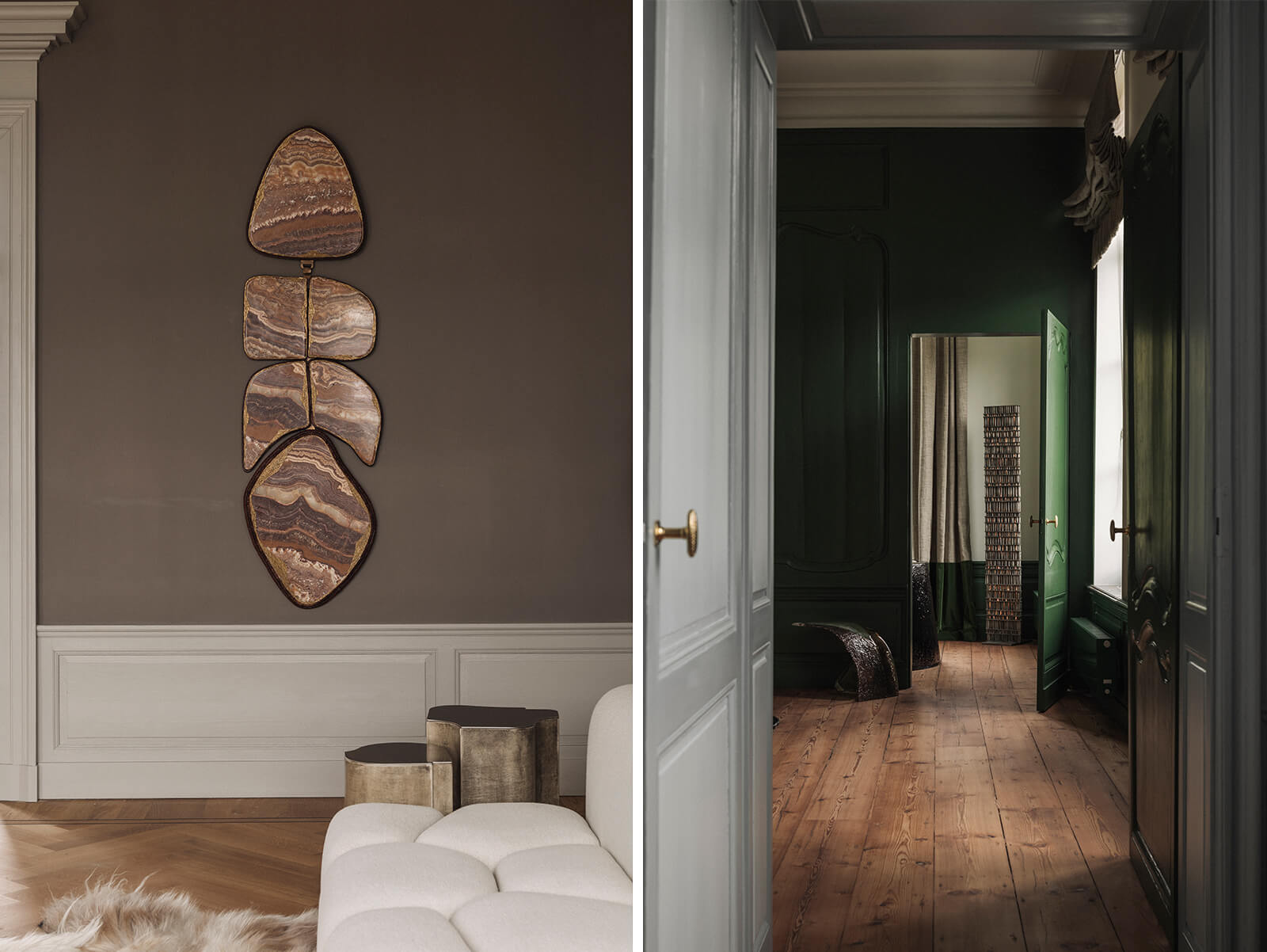
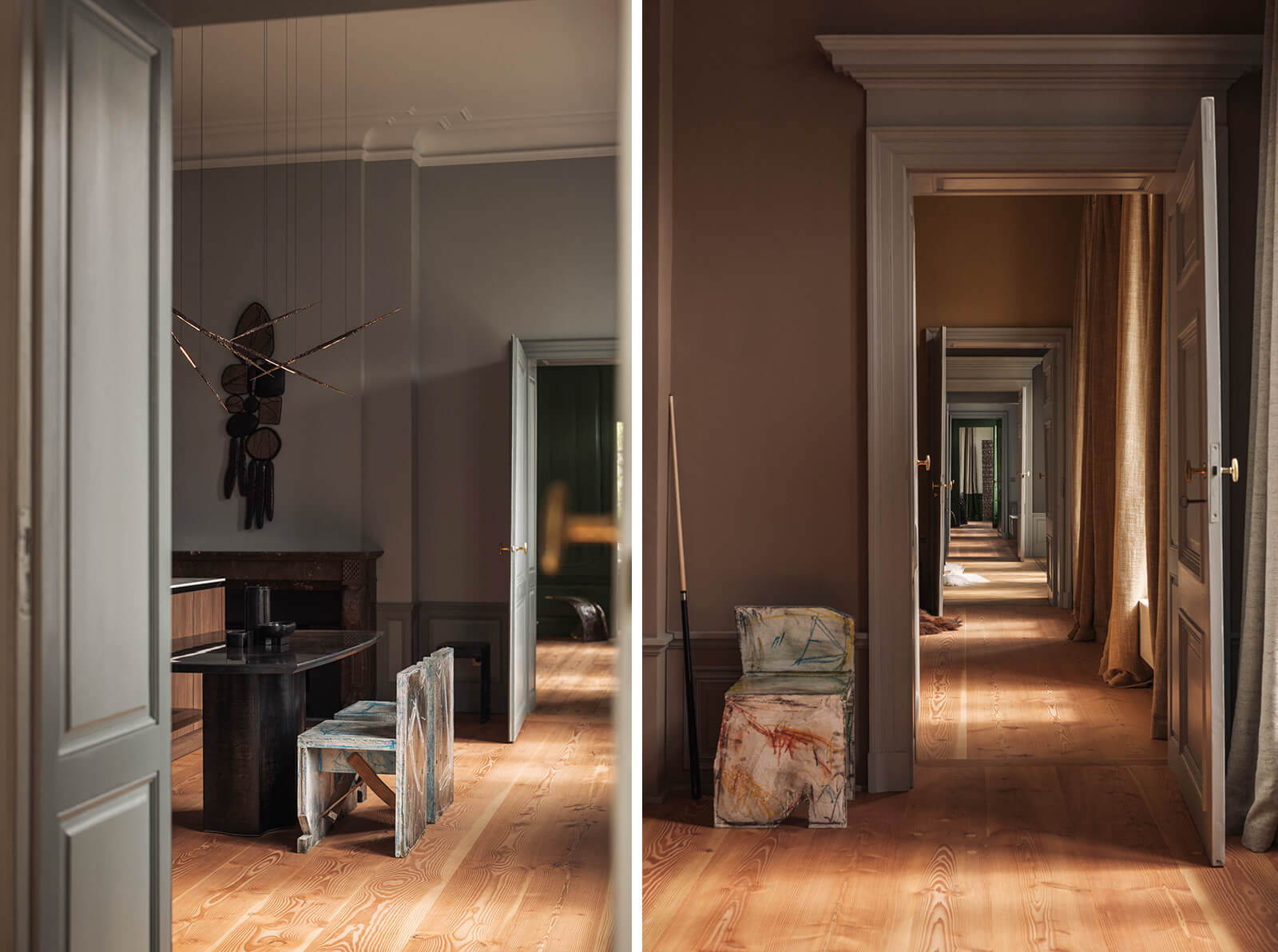
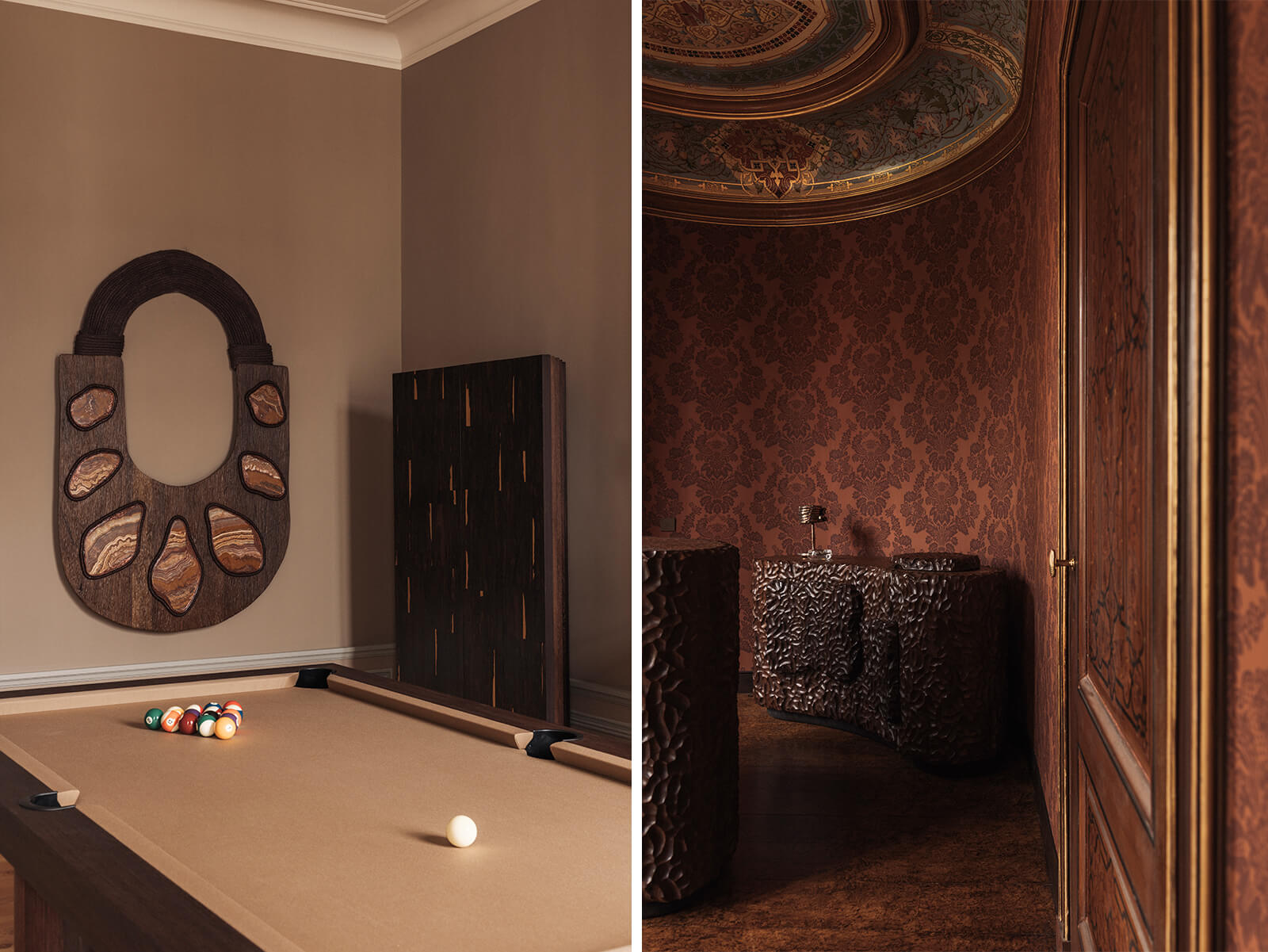
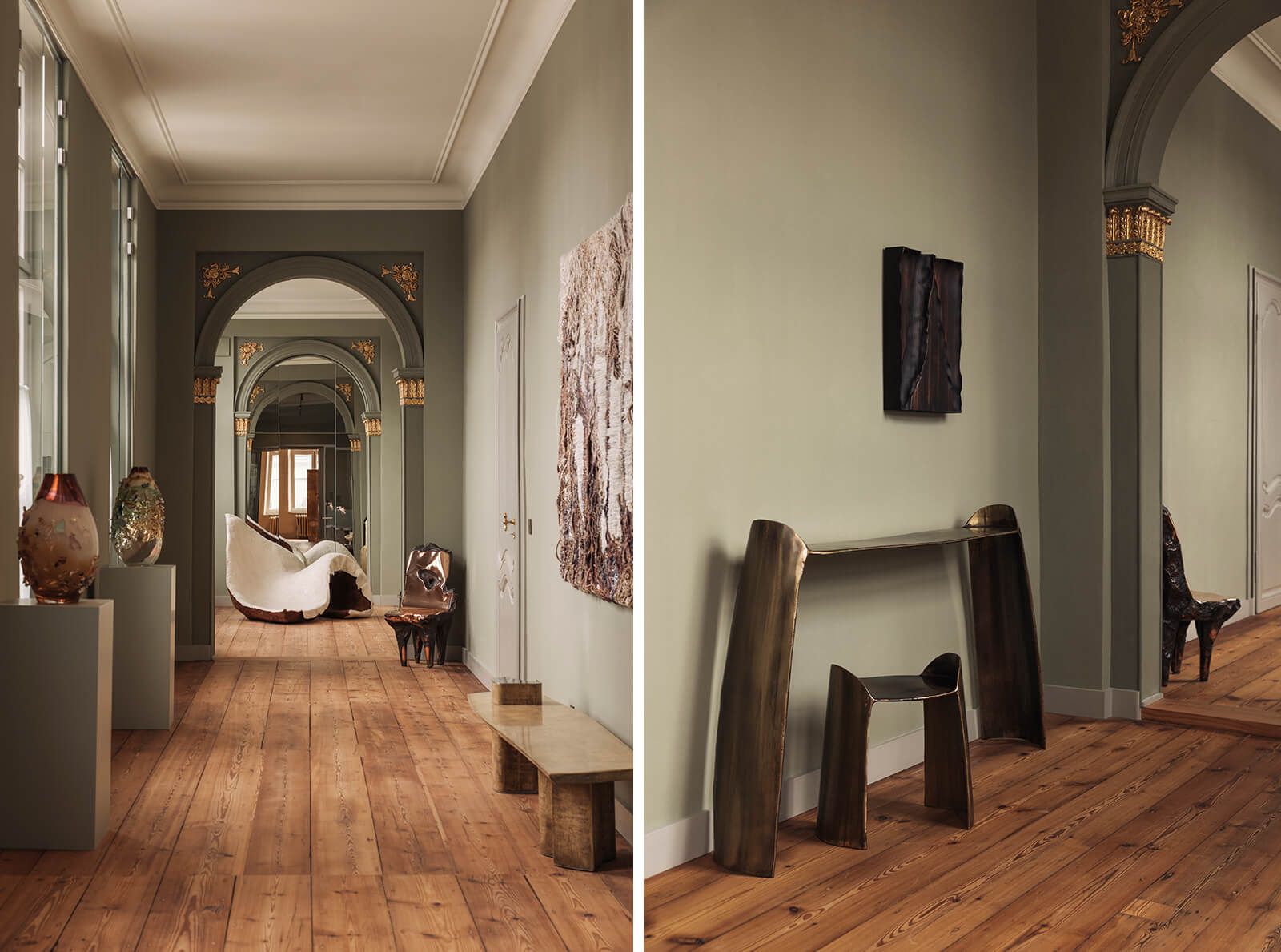
The showroom’s highlight is the building’s distinctive enfilade arrangement. A compositional principle associated particularly with the Baroque period, the enfilade organises a sequence of rooms along a single axis, with aligned doorways creating a continuous perspective. Historically used in European palaces and Flemish hôtels particuliers, the arrangement also carried a social hierarchy: spaces progressed from public rooms toward increasingly private interiors, eventually reaching the apartments. “Our series of rooms ends in the boudoir, an oval room with hand-painted ceilings. It is this series of rooms that gives our project both its name and its nature. We are reviving these spaces without erasing them, each retaining the memory of its former function while opening itself to new narratives,” the gallery notes.
This series of rooms reflects Bruges itself: a city understood not as a frozen image of the past, but as a continual layering of eras. Its buildings and streets carry evidence of successive generations, with each period adding to rather than necessarily replacing what came before. As Objects with Narratives mentions, the contemporary products shown within the building are “a continuation of the long artistic and mercantile tradition that this city has embodied for centuries”.


What do you think?