


 Sign in with Google
 Sign in with email



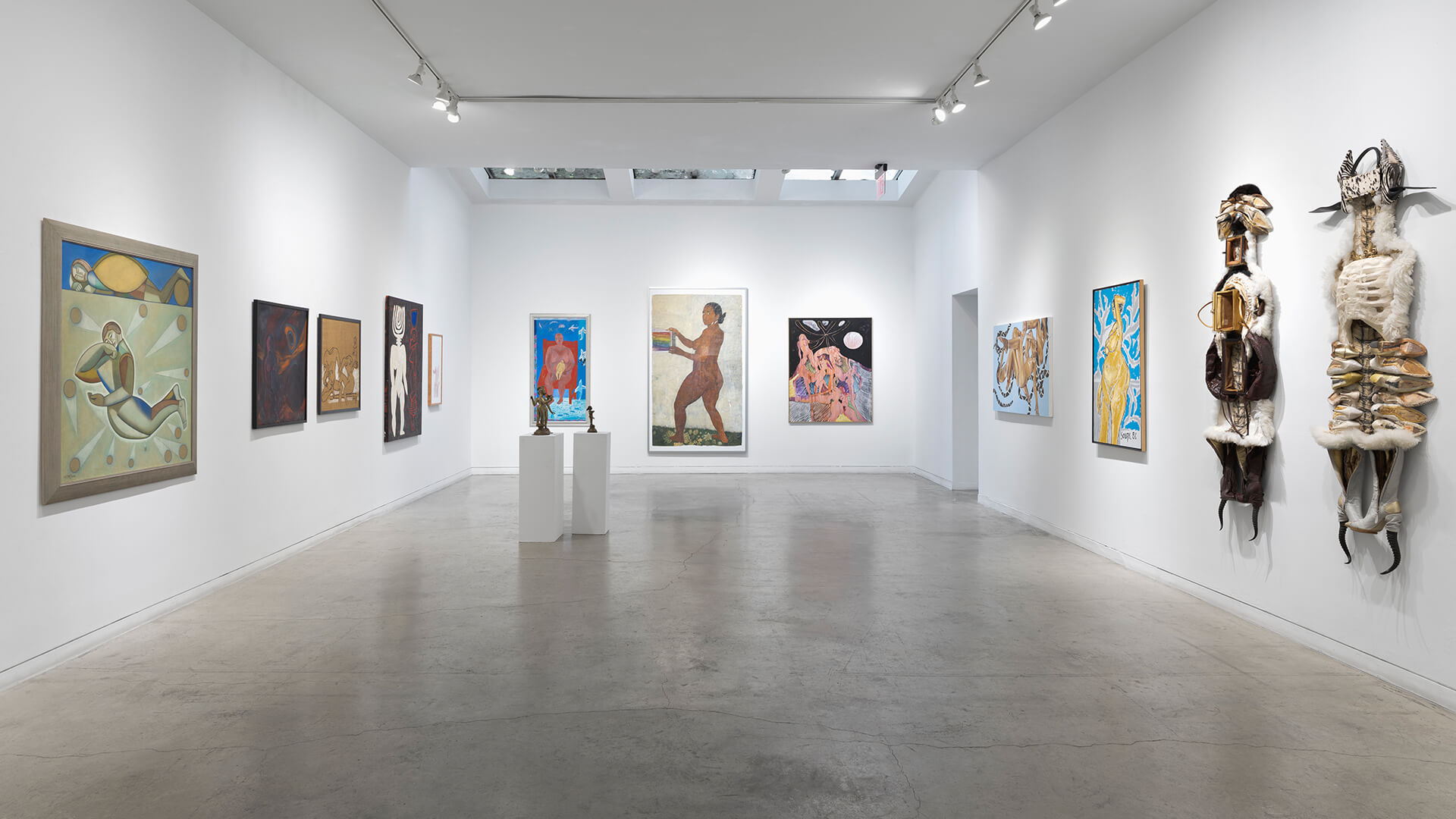





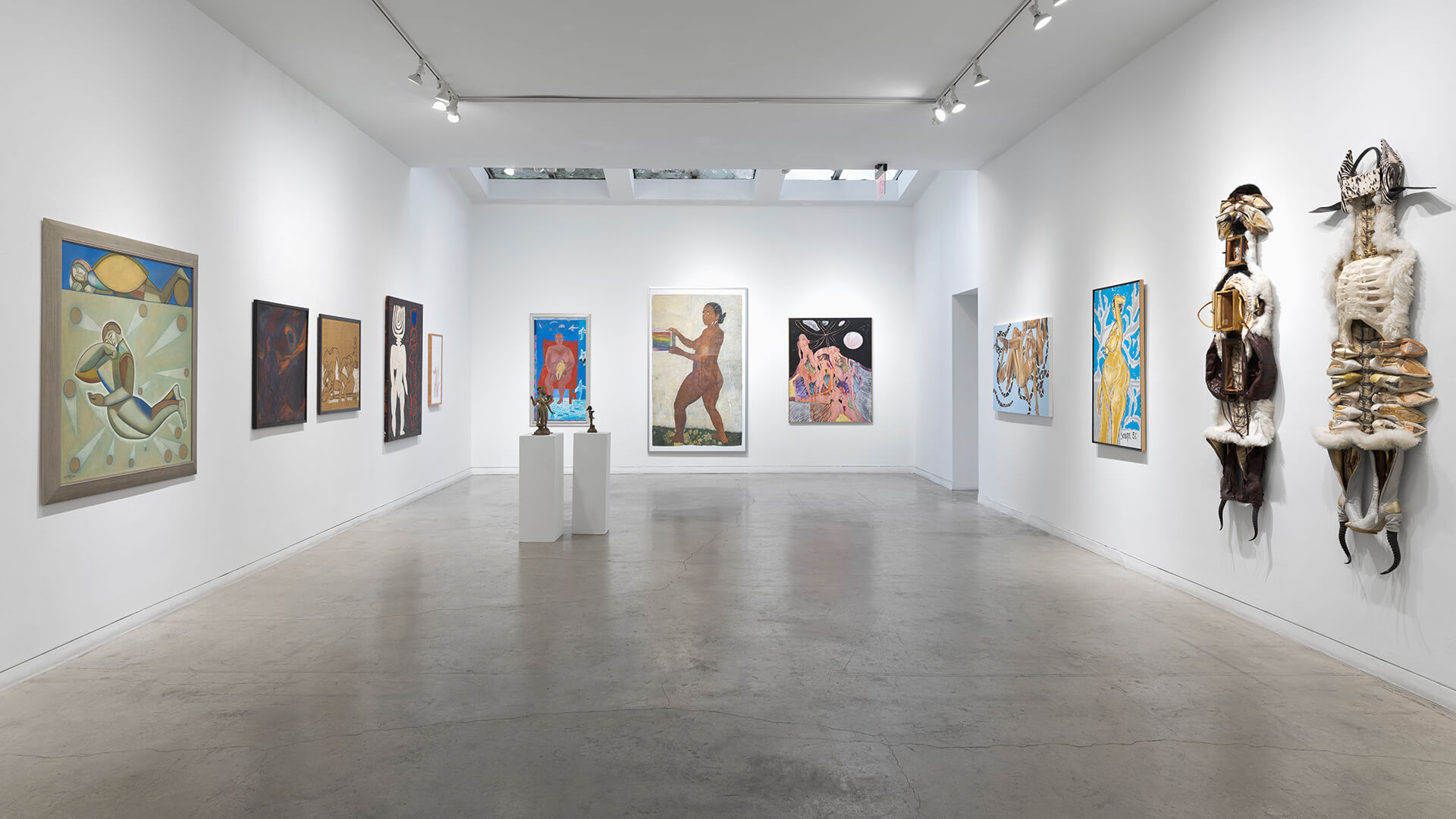
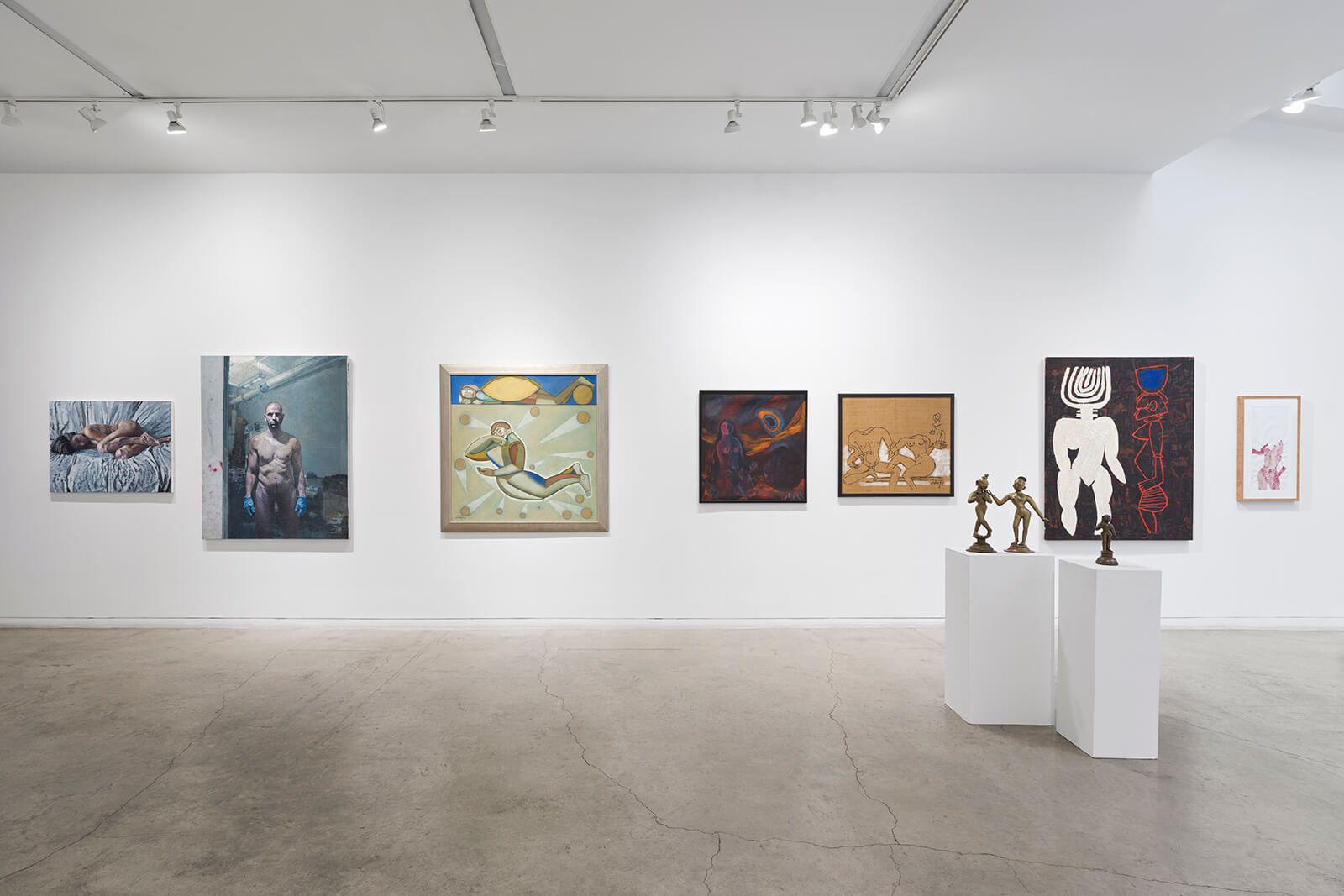
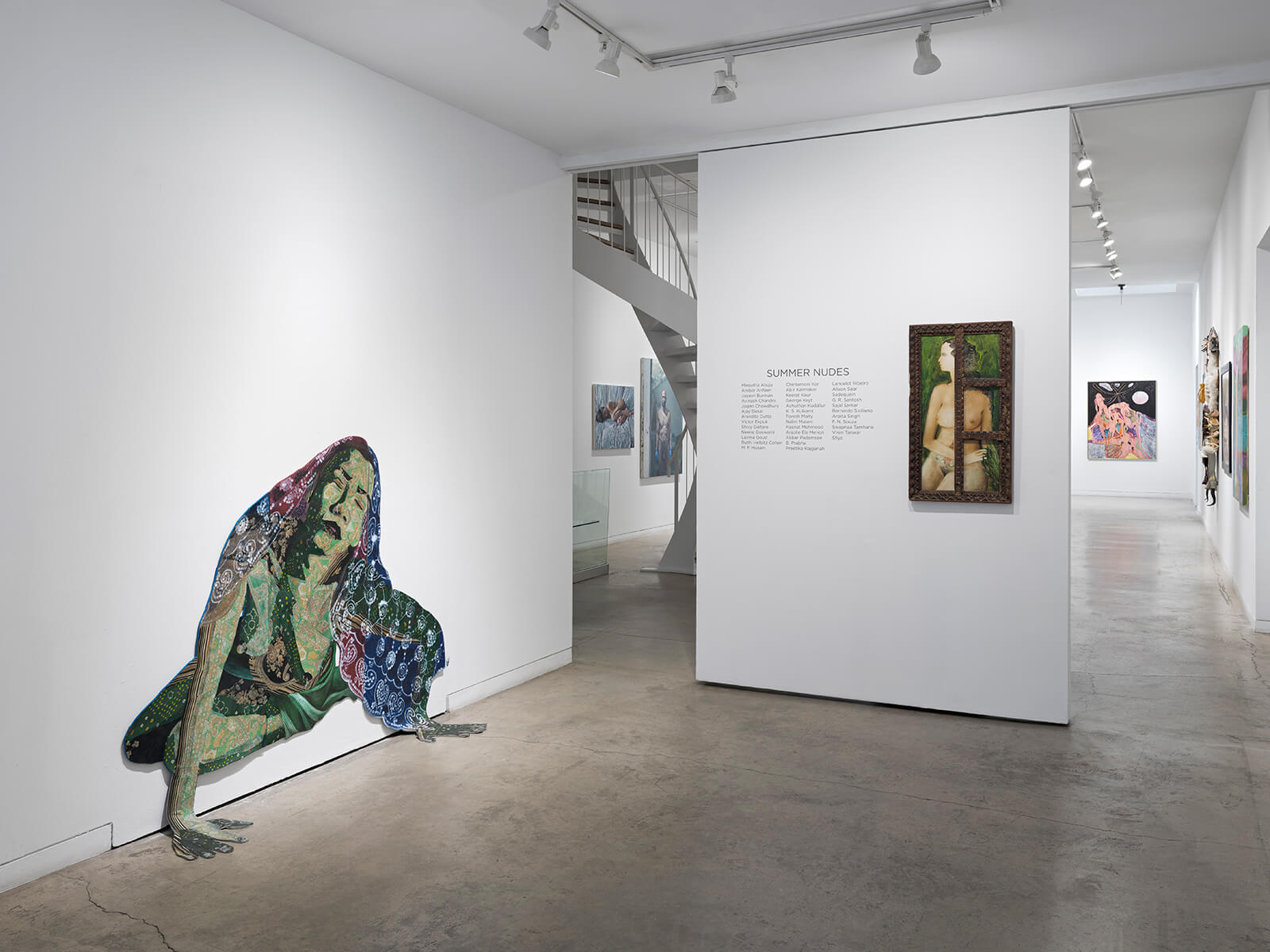
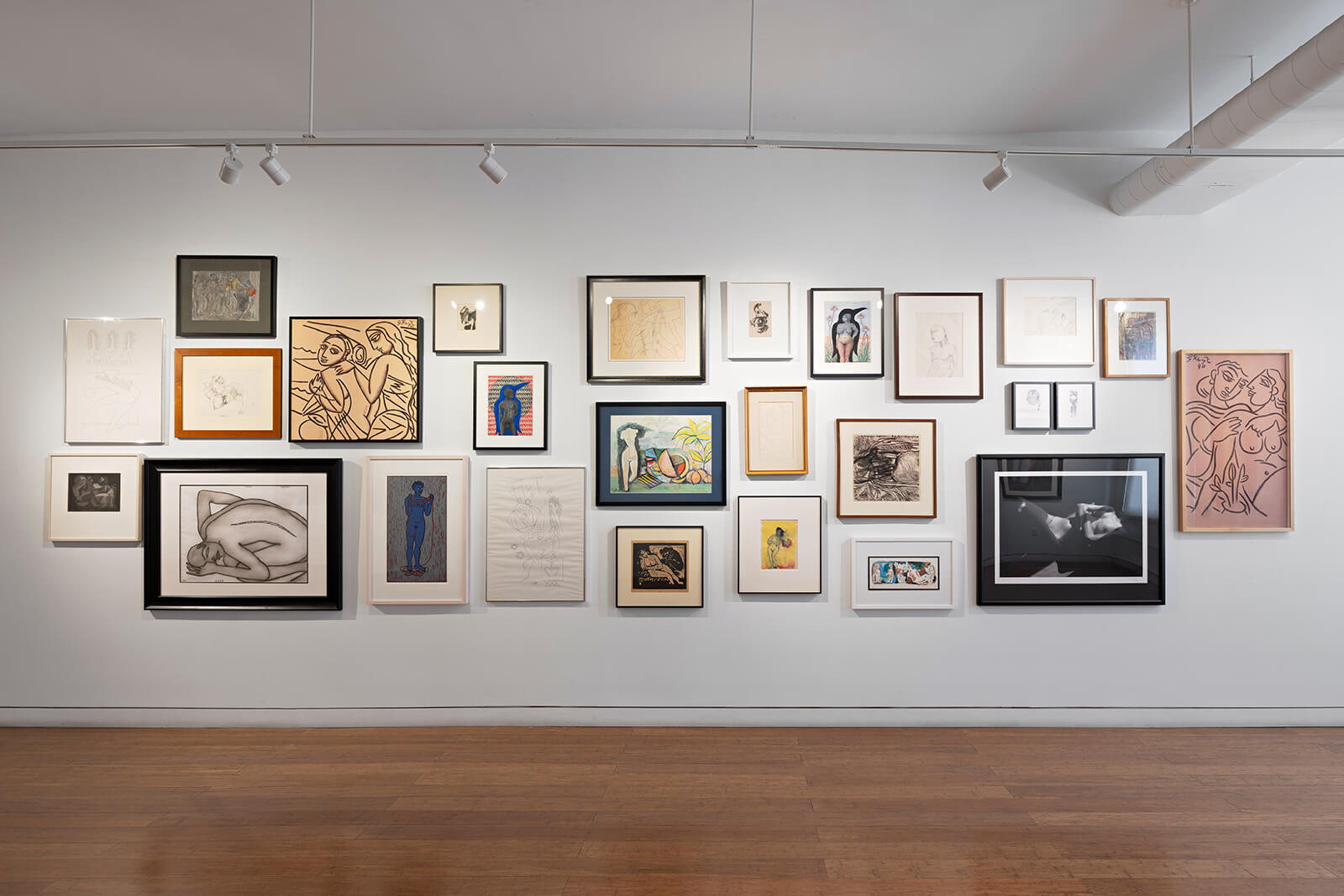
Aicon presents Summer Nudes, a group show examining the many meanings and representations of the nude figure in South Asian and diasporic art. On view from June 18 – July 25, 2026, the salon-style art exhibition assembles works spanning over three centuries by more than 30 artists—from 17th- and 18th-century Indian miniatures and bronze sculpture to contemporary painting and photography. “Summer Nudes is organised into six overlapping categories: classical, abstract, erotic, body politics, self-portrait and trauma,” Aicon explains in the official release.
Among the earliest works are 18th-century bronze sculptures of Radha and Krishna from Odisha, highlighting the long-standing presence of the nude in Indian art traditions. The historical works are presented alongside modern reinterpretations of the body, from artist Chintamoni Kar's abstract terracotta sculpture and Keerat Kaur's hand-built ceramic figures to Victor Ekpuk's painted reimaginings of museum-held West African ancestral objects.
The show also features Rajasthani and Mughal miniatures from India. “Miniatures departed from the broad visual theology of the sacred reverent nudes, moving the body into the private sphere. These paintings offered sensuous bodies in translucent garments—bathing, reclining and gazing in a mirror…Private albums and erotic manuals made the nude private, collectible and connoisseurial,” the New York art gallery explains.
Summer Nudes examines the impact of colonialism on representations of the body. During the British Raj, Victorian morality and censorship transformed how nudity was viewed and circulated, while nationalist ideals promoted more modest public imagery. “The nude re-emerged in Indian modern art of the 20th century, though under new terms. Artists like Amrita Sher-Gil were trained in academic institutions preoccupied with life drawing and anatomical study, and encountered the nude as a Western art-school genre,” the contemporary art gallery notes.
Works by Avinash Chandra and F. N. Souza demonstrate how the body became a vehicle for exploring sexuality, spirituality, alienation and desire. “In Chandra’s 1969 Nymphs, women are stacked haphazardly on a technicolour plane, and in Souza’s 1985 Untitled chemical alteration, a ghoulish male figure wraps his arm around the shoulder of a female with large breasts and bulging genitals. Works such as these challenge the semantic distinction between ‘nude’ and ‘naked’ in art,” Aicon notes.
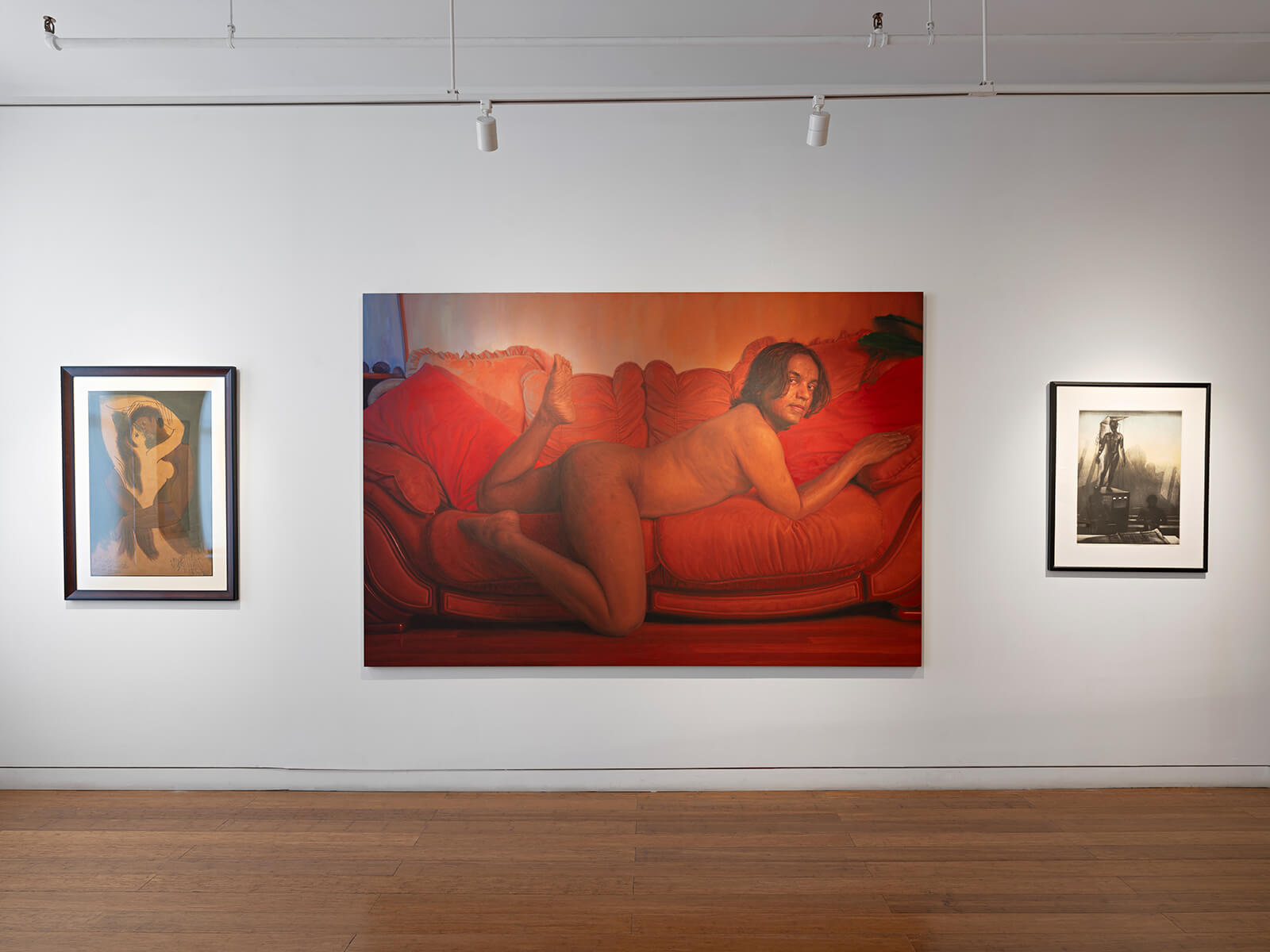
Contemporary artists featured in the exhibition continue to expand these conversations through various approaches. Artists such as Mequitta Ahuja, Shivy Galtere and Abir Karmakar use the nude self-portrait to challenge inherited histories of representation and reclaim authorship over the body. “The self-portrait has long been a way for artists to claim authorship over how they are seen. The nude self-portrait raises the stakes. For South Asian and diasporic artists, this act can be especially powerful, challenging colonial histories in which brown bodies have been exoticised, disciplined or rendered through the gaze of others,” Aicon notes.
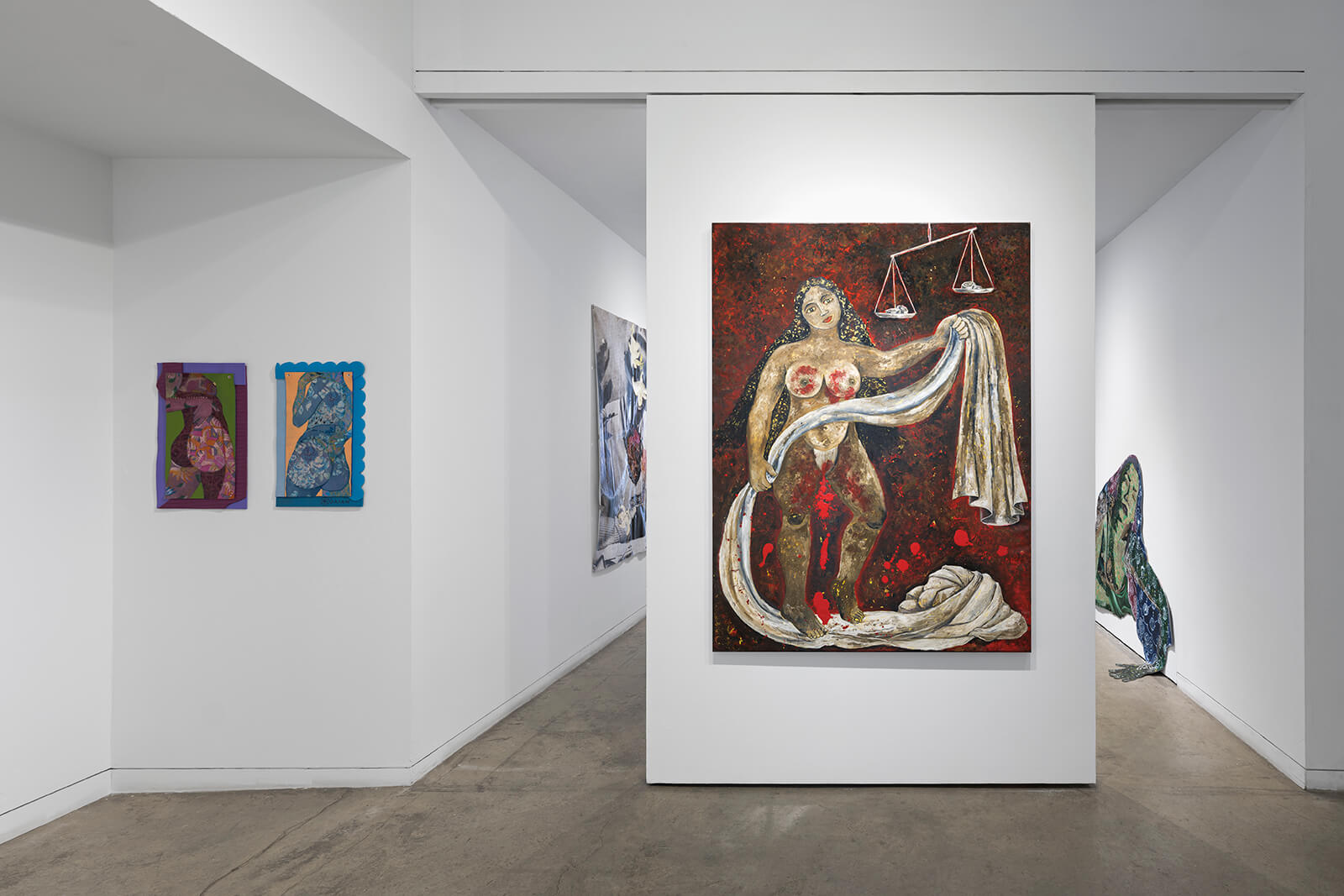
Meanwhile, artists including Jayasri Burman and Ruthi Helbitz Cohen engage the nude as a means of confronting violence, memory and processing trauma, presenting the body as both witness and site of resilience. “By centring the body, these works powerfully communicate what the human body can endure and survive. In Jayasri Burman’s 2026 painting, Dopdi (the subaltern protagonist of Mahasweta Devi’s 1978 short story) refuses to be shamed following a brutal sexual assault. Instead, she presents her violated and bleeding body as a site of rebellion. Ruthi Helbitz Cohen, one of the few non-South Asian artists in the exhibition, similarly uses the nude to transform an image of historical power into one of repair,” Aicon explains.
Ranging from classical figure studies by Sajal Sarkar and surreal drawings by Laxma Goud to intimate lovers’ embrace by Sadequain and empowered figures by Preetika Rajgariah, Summer Nudes brings together an extraordinary range of artistic practices and perspectives. The exhibition celebrates the enduring power of the human figure while revealing how its meanings continue to shift across time, geography and lived experience. “It is a celebration of the myriad ways artists have and continue to explore the human figure, stripped down to its barest state,” Aicon states.


What do you think?