


 Sign in with Google
 Sign in with email



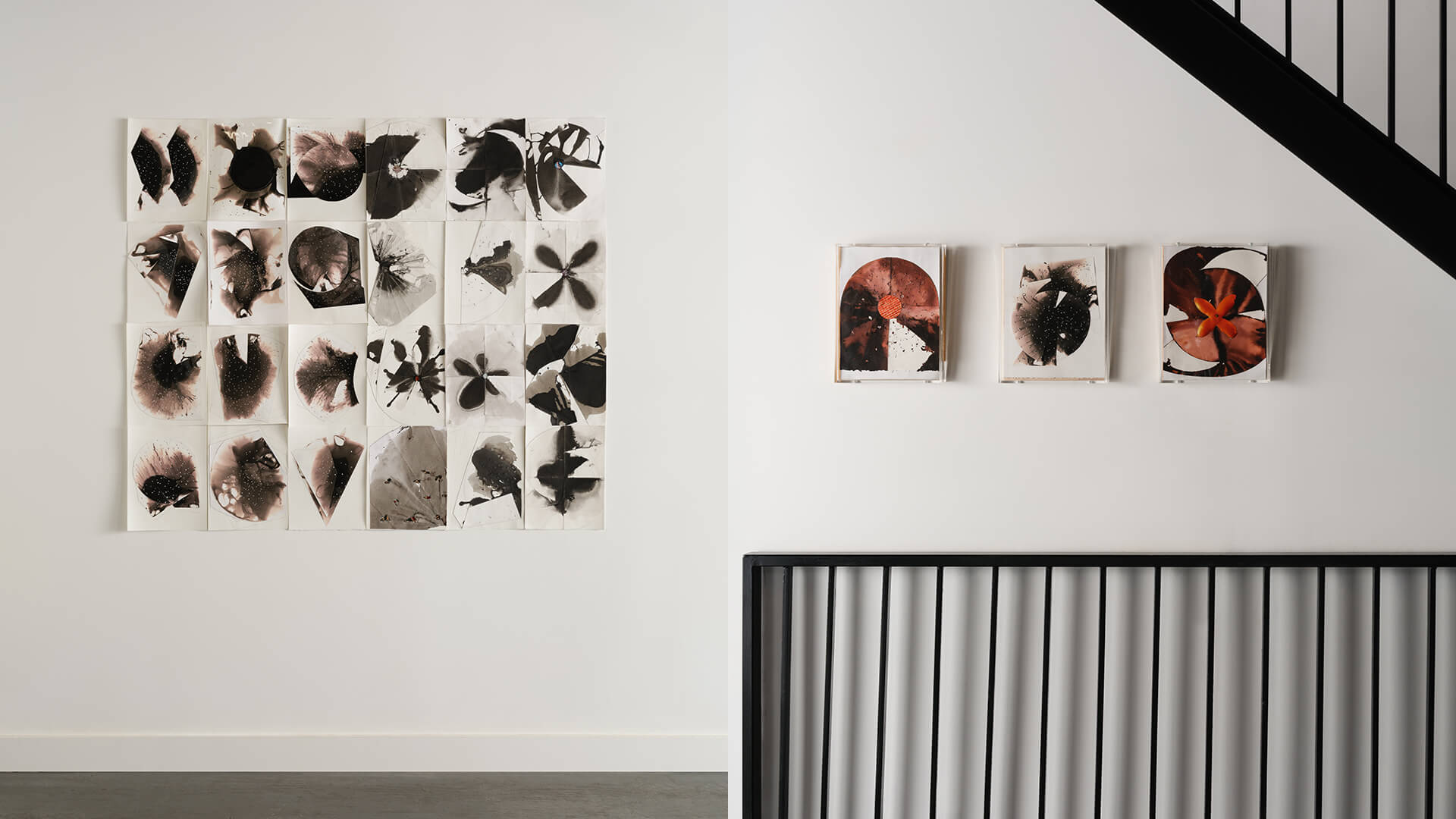





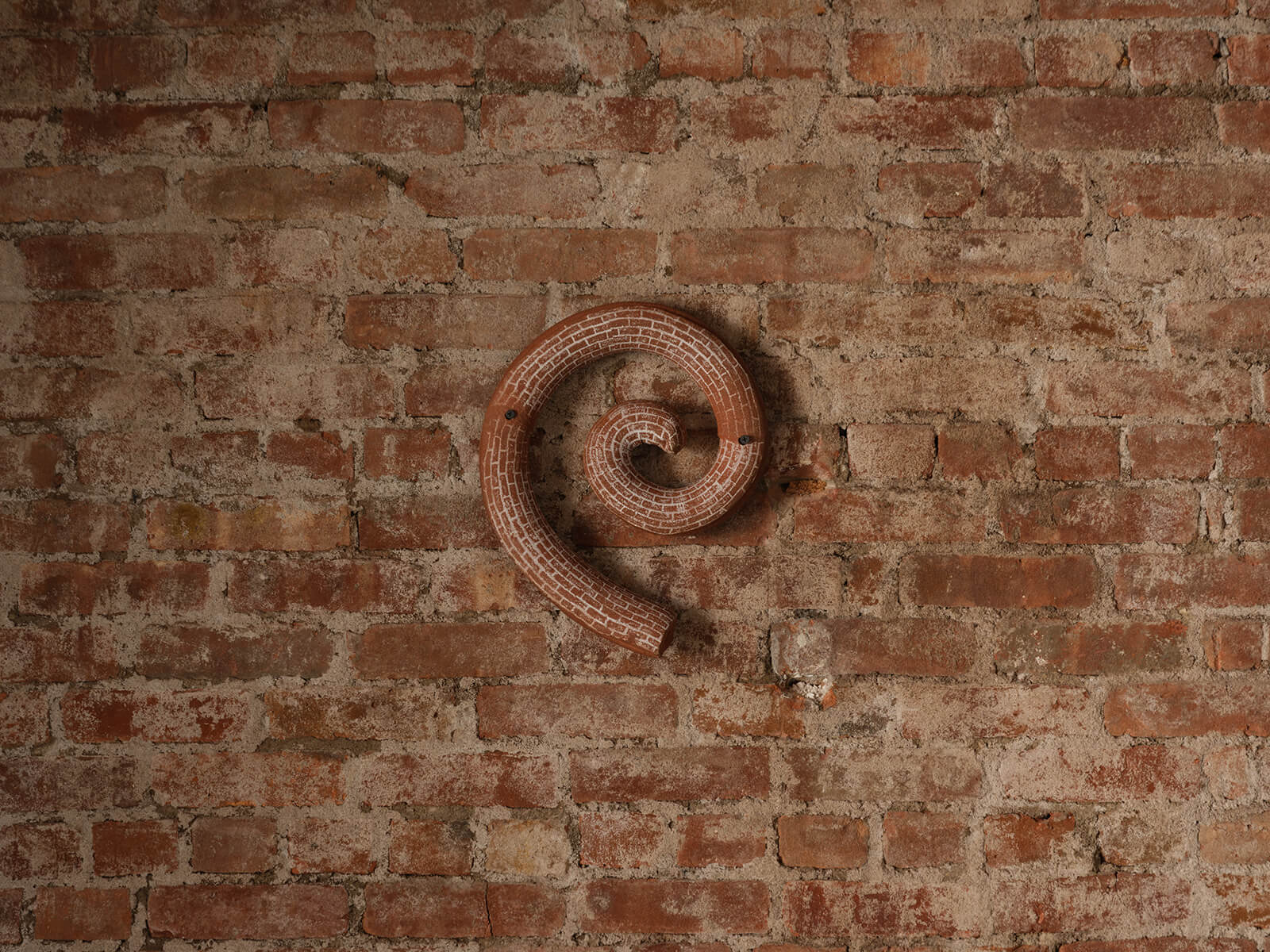
HB381 presents Eating the Floor, a solo exhibition by Zimra Beiner, on view from January 9 – February 28, 2026. The art exhibition marks the Canadian artist’s second solo show with the gallery, following If It Holds It Grows at Hostler Burrows Los Angeles. Known for his rough-hewn ceramics—knotted, molten-looking forms that hover between abstraction and figuration—the contemporary artist shifts his focus from three-dimensional clay to the two-dimensional plane of the floor.
“He often aims to examine what he calls ‘the intersection between reality and fiction’, asking the viewer to consider how the physical substance of clay, gritty with aggregate, and glazes, eddying together, are inflected with representational fictions, the way that a bramble of coiled lengths of clay might cohere into a knot of roots or a bird’s nest without fully becoming either,” HB381 elaborates in an official release.
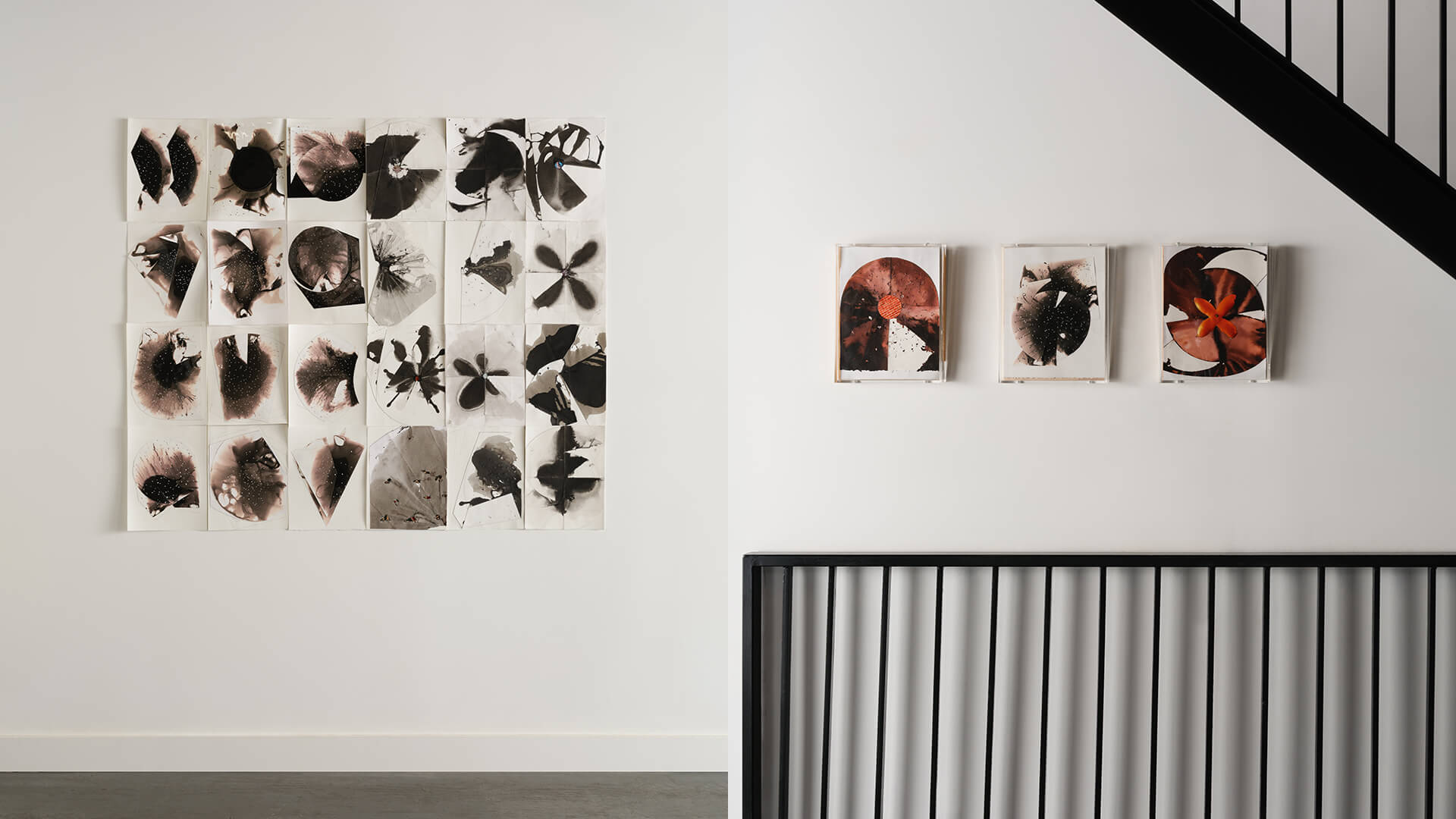
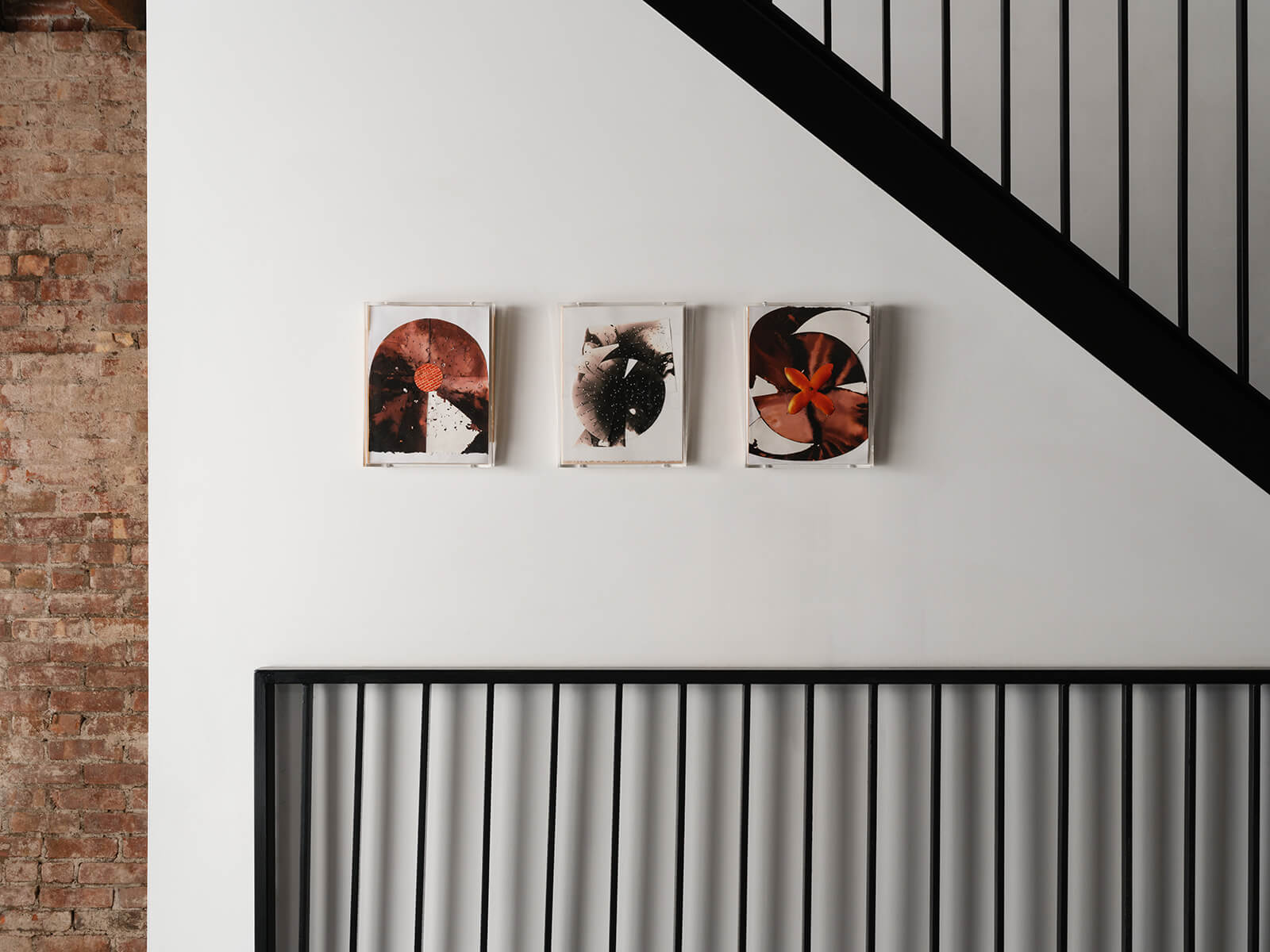
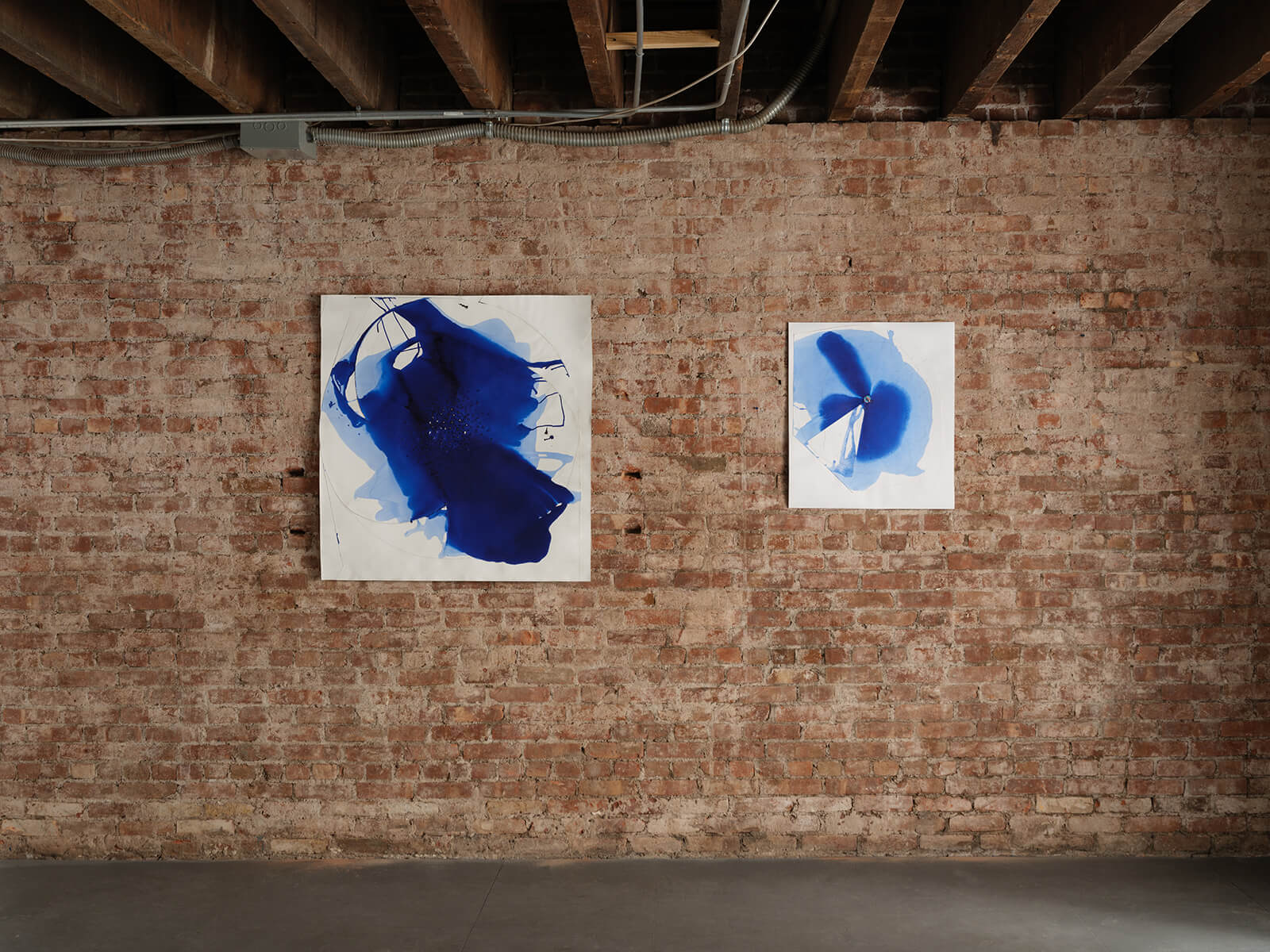
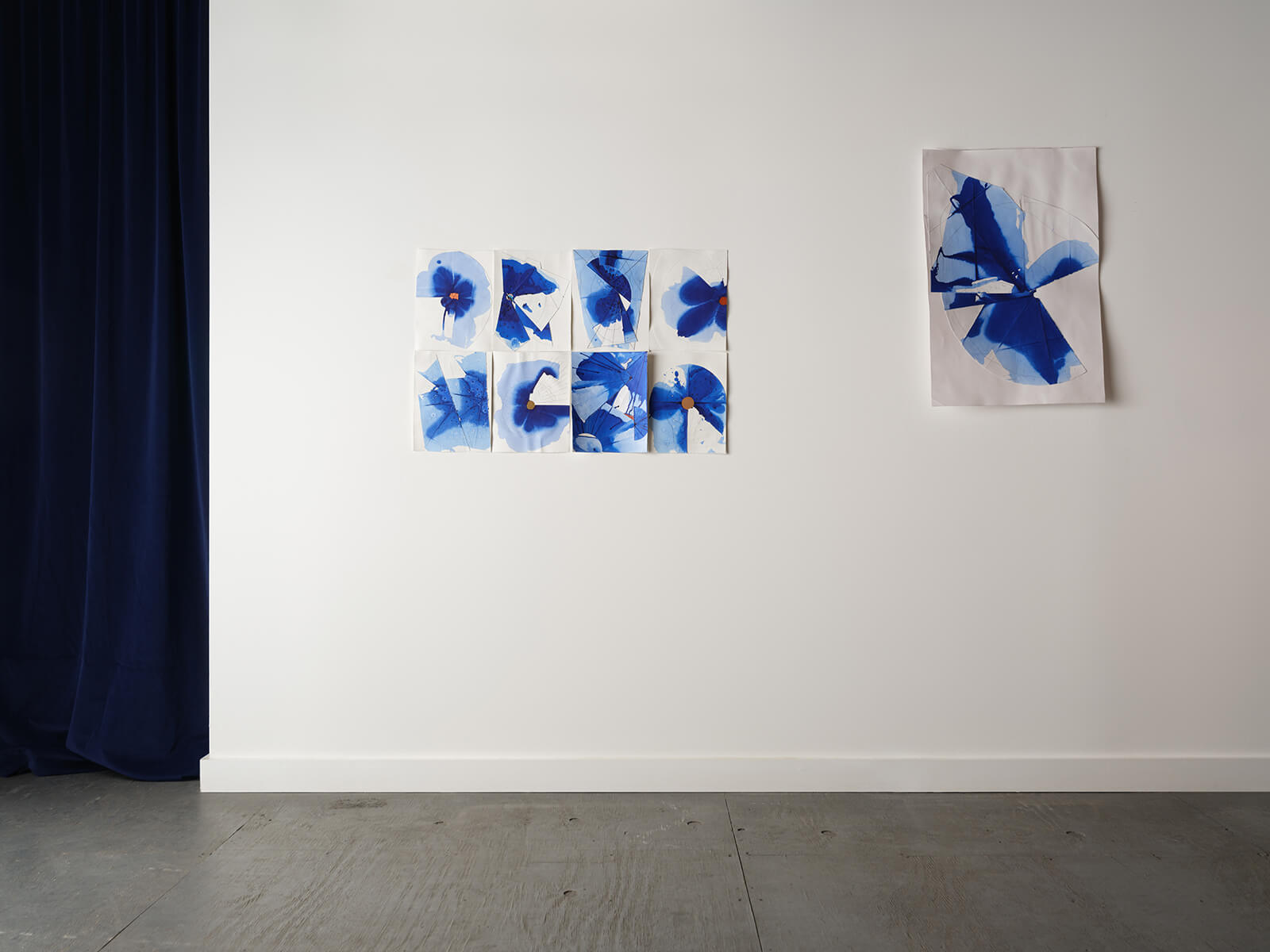
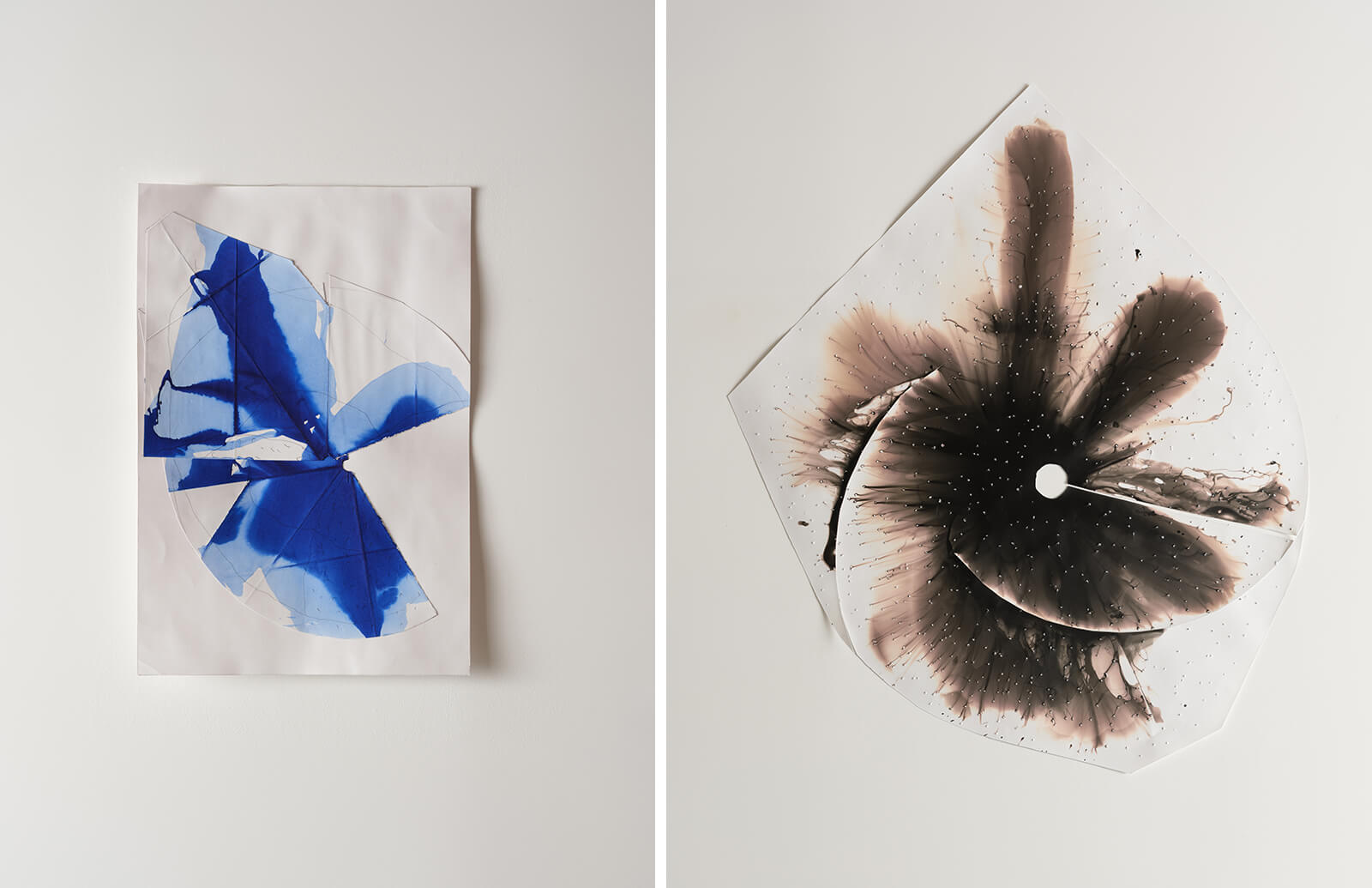
In Eating the Floor, Beiner presents a new body of ink and photo-emulsion–based contemporary art pieces on paper that foreground process, transformation and the visible traces of making. Each work begins as a sheet of paper folded into a temporary vessel—funnels, cones, sieves and filters—into which ink or emulsion is poured and allowed to drain naturally. Creases, perforations and seams slice through the compositions, revealing both the paper’s manipulation and the action that produced each mark. Once unfolded and dried, the works display elegant radial patterns that oscillate between diagrammatic precision and organic suggestion, evoking both microscopic structures and aerial views of landscapes.
“Like Lynda Benglis’ latex pours of the 1960s or Helen Frankenthaler’s soaked and stained canvases of the decade prior, Beiner’s drawings enact their making as much as their results intrigue through washes of colour and delicate linear markings,” the New York-based art gallery notes.
Beiner’s emphasis on process remains grounded in the everyday: brewing coffee or tea, cupping water in one’s hands or handling disposable vessels. These familiar gestures anchor the work in quotidian experience while opening onto broader questions of use, waste and transformation.
Eating the Floor takes conceptual cues from American painter Ellsworth Kelly’s reflections on fragmentation and found form, including Kelly’s discovery of a flattened paper cup that later became the basis for a series of paintings and sculptures. For Beiner, the cup—and by extension the vessel—is both ‘everything and nothing’, a starting point for cycles of forming, failing and reforming. As he describes it, meaning emerges not from inventing forms but from finding them through process.



What do you think?