


 Sign in with Google
 Sign in with email



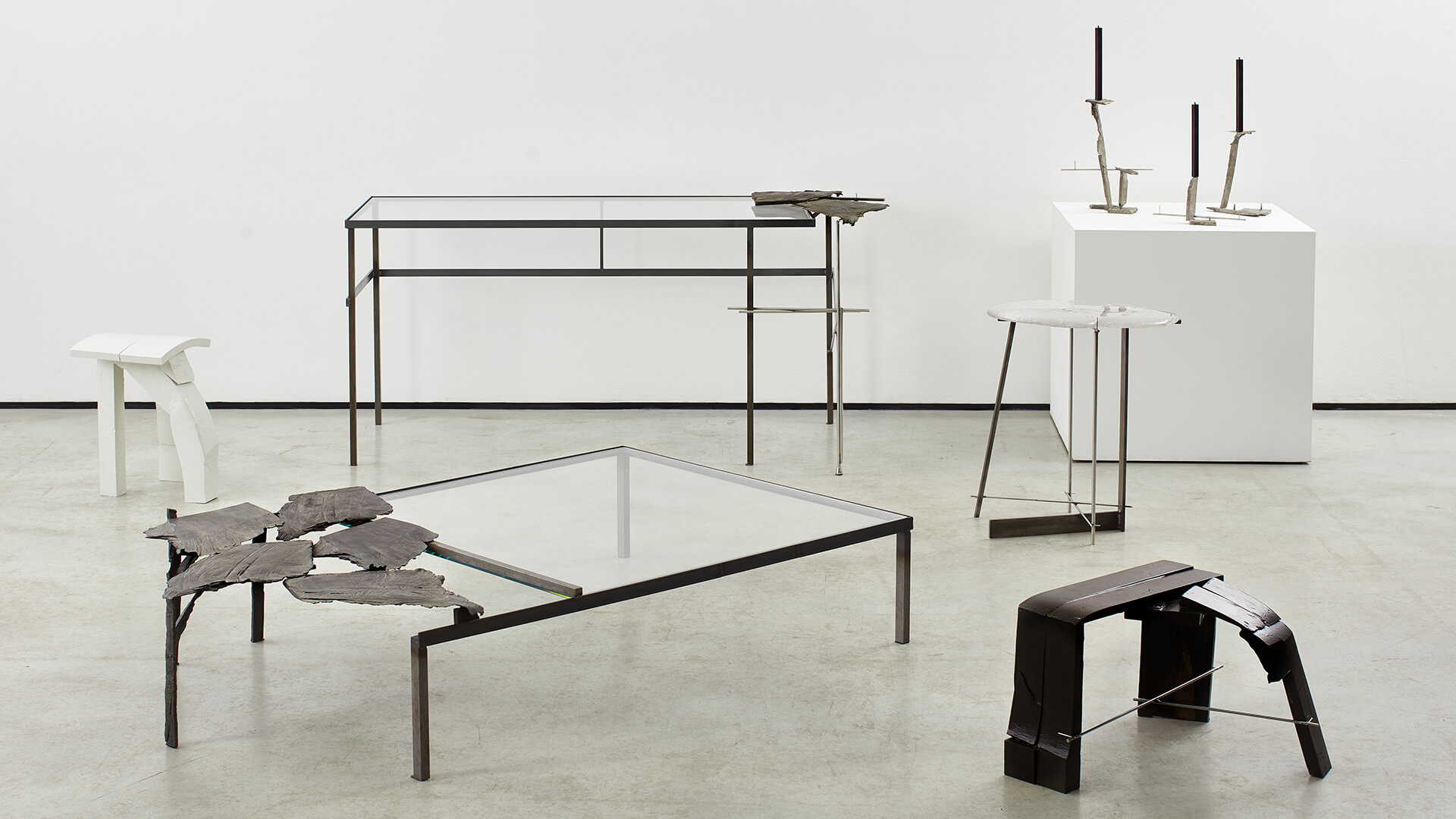





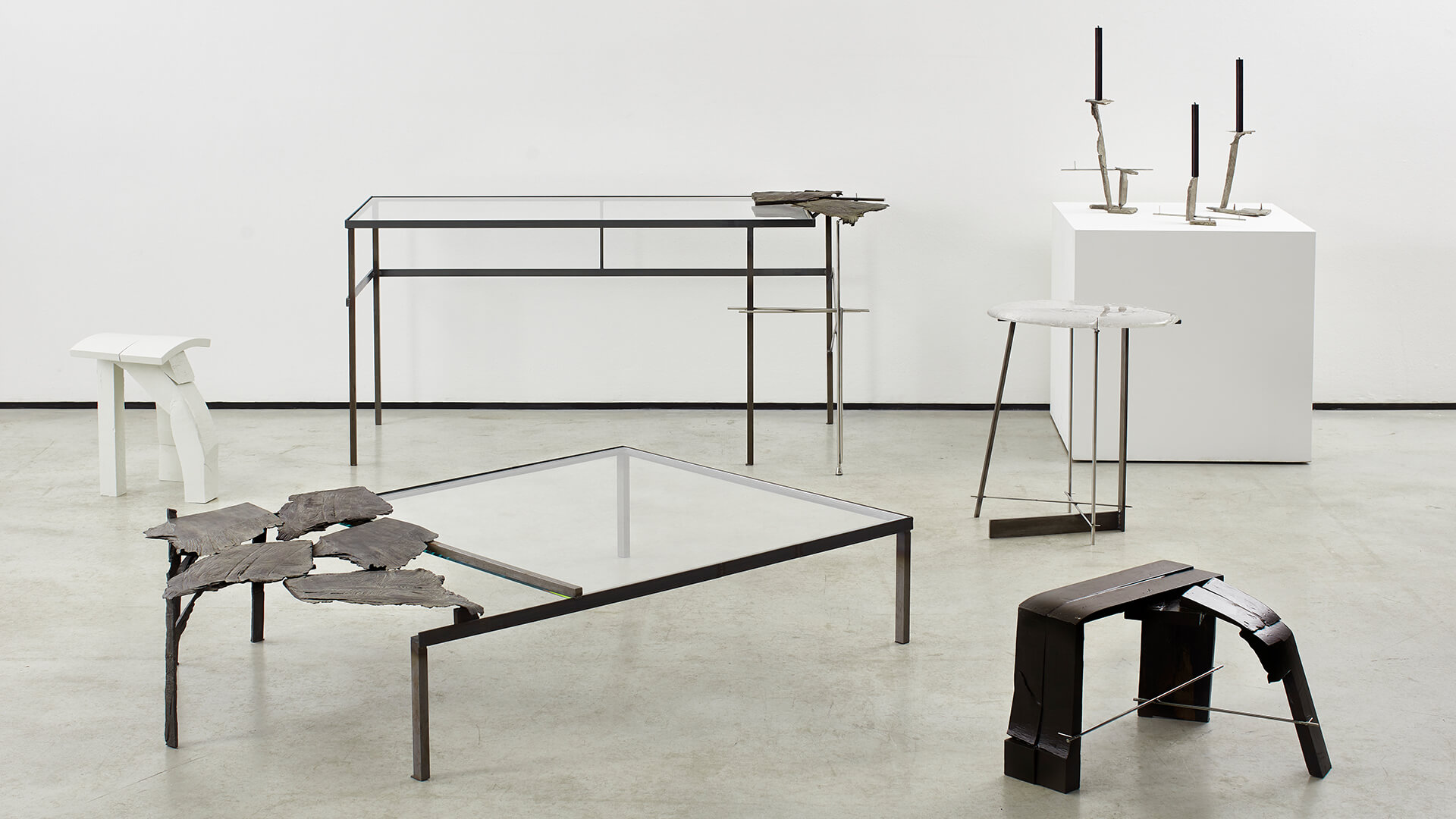
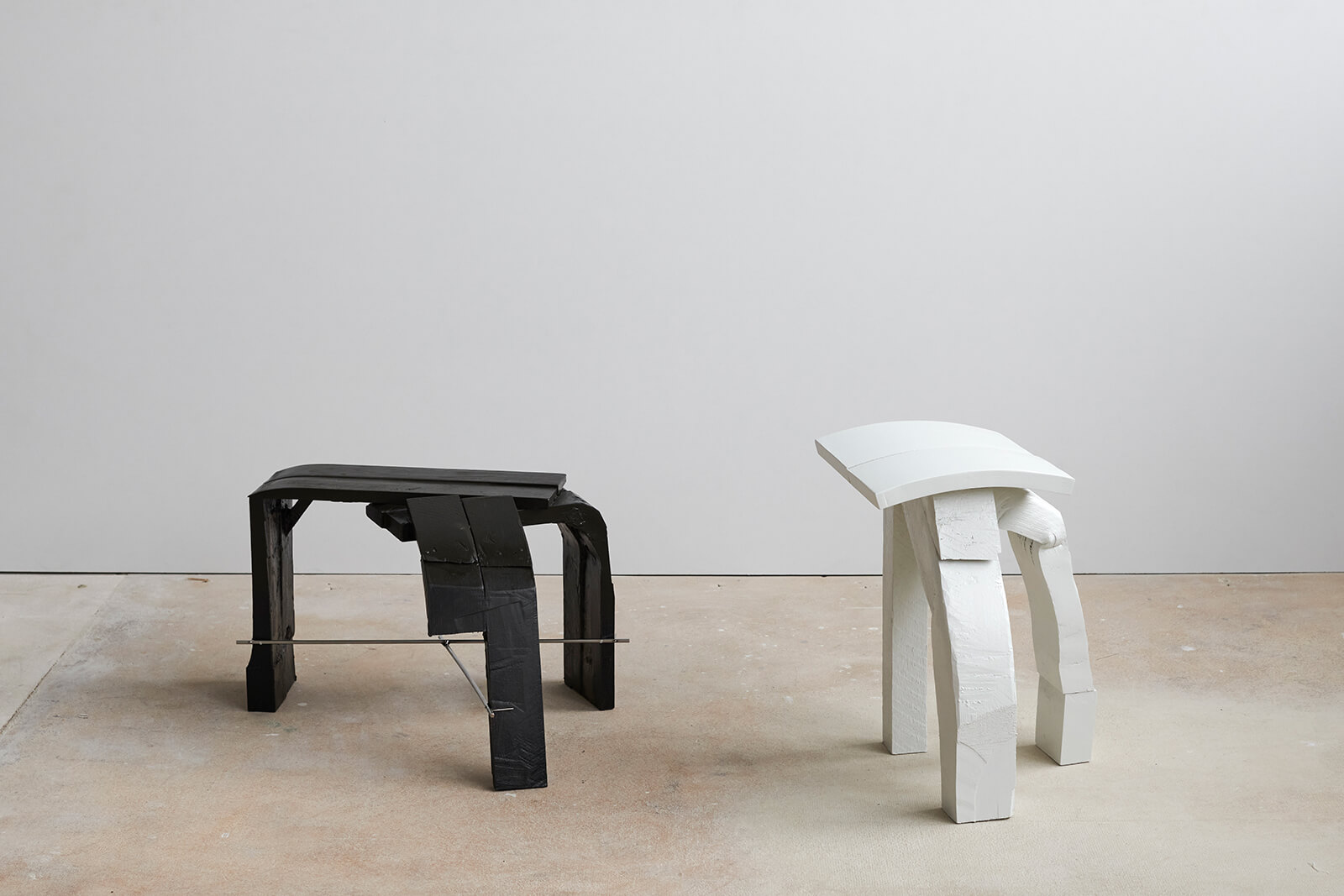
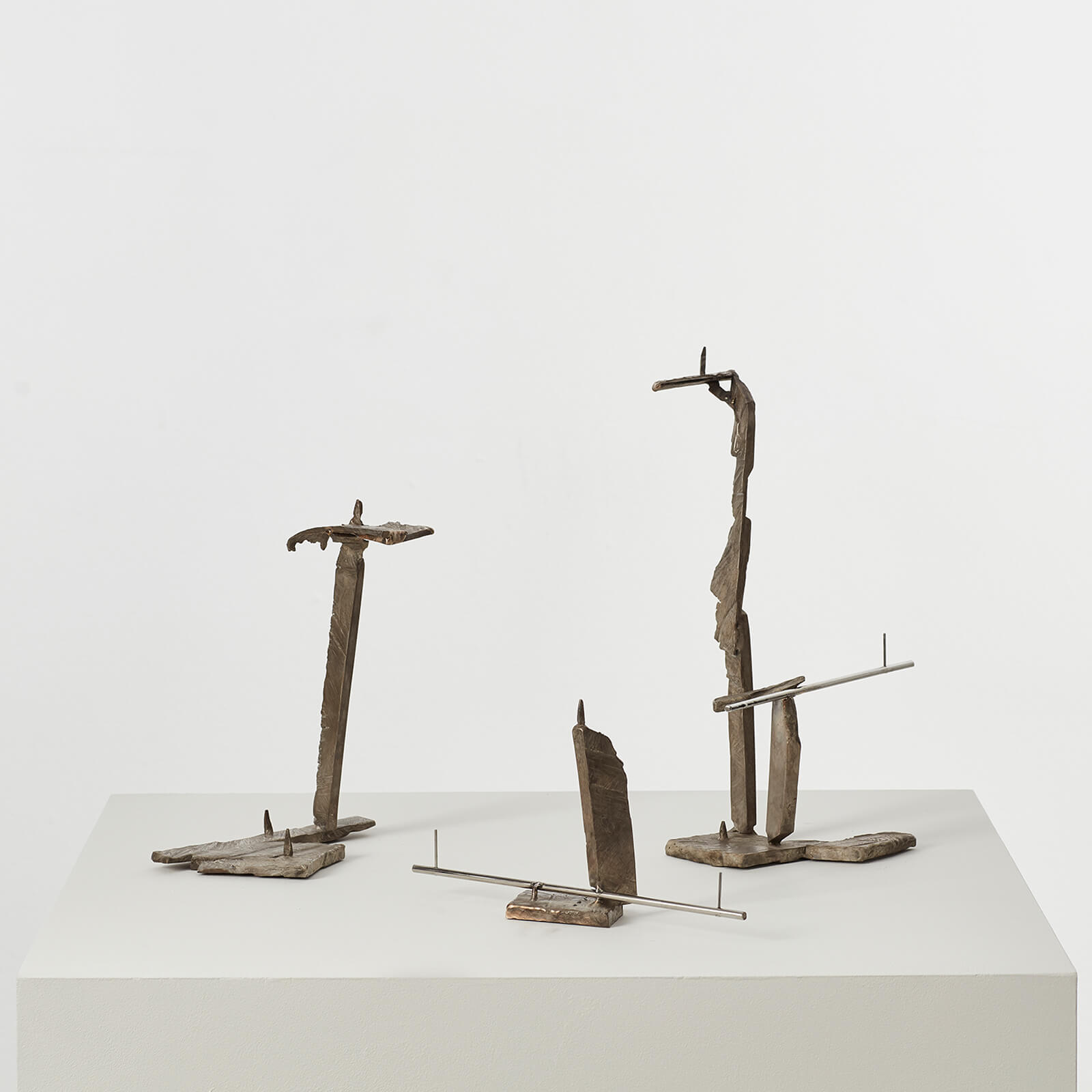
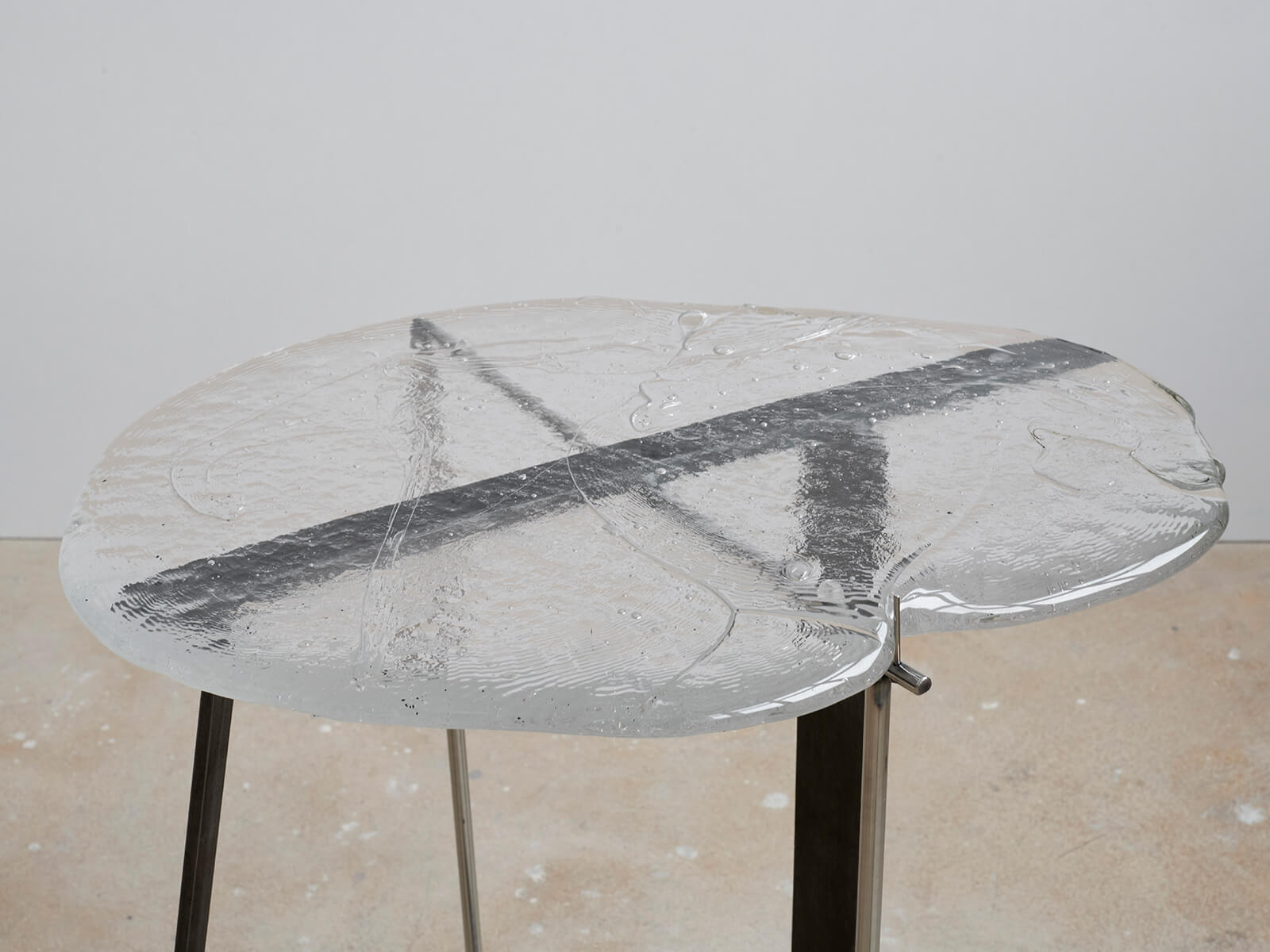
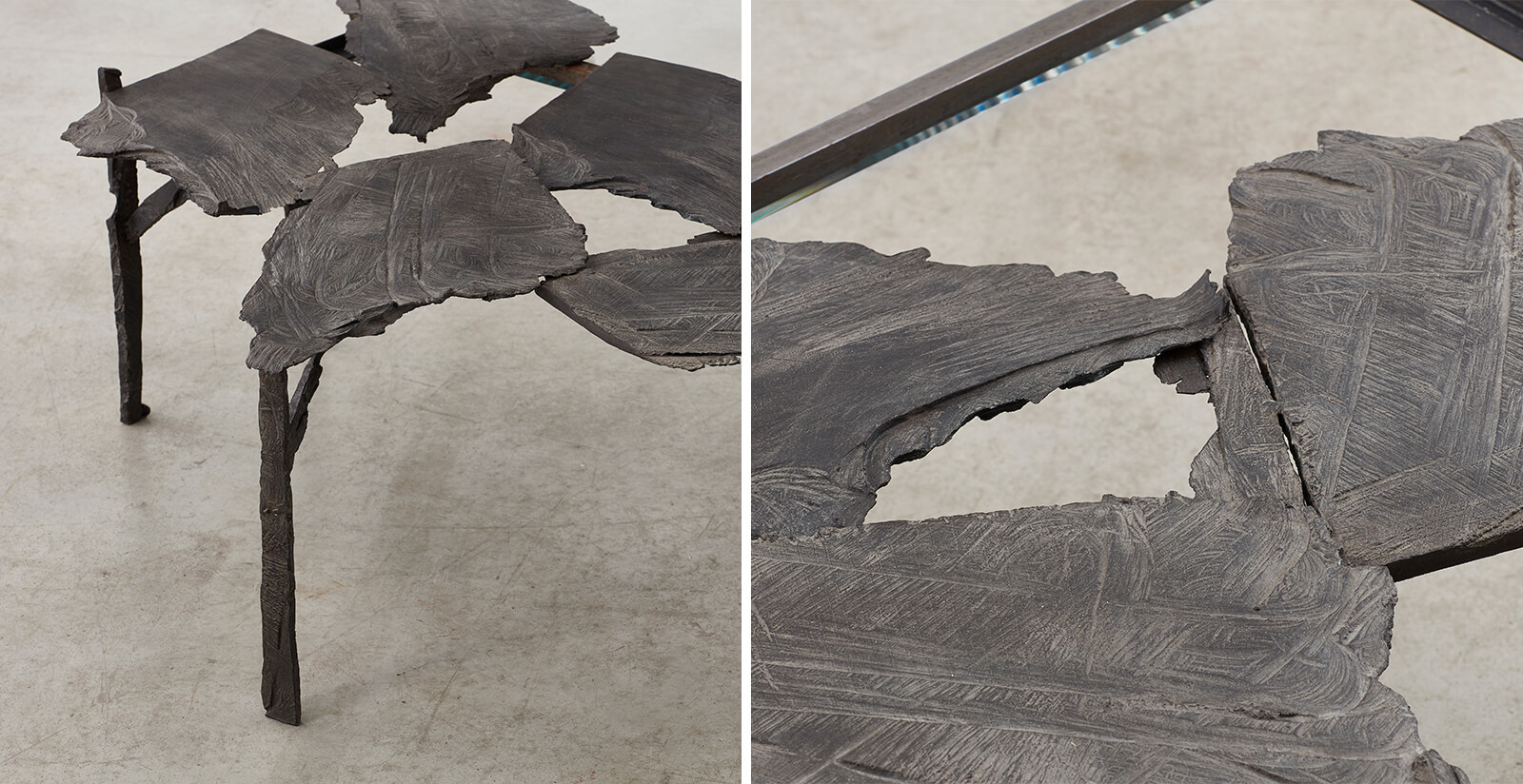
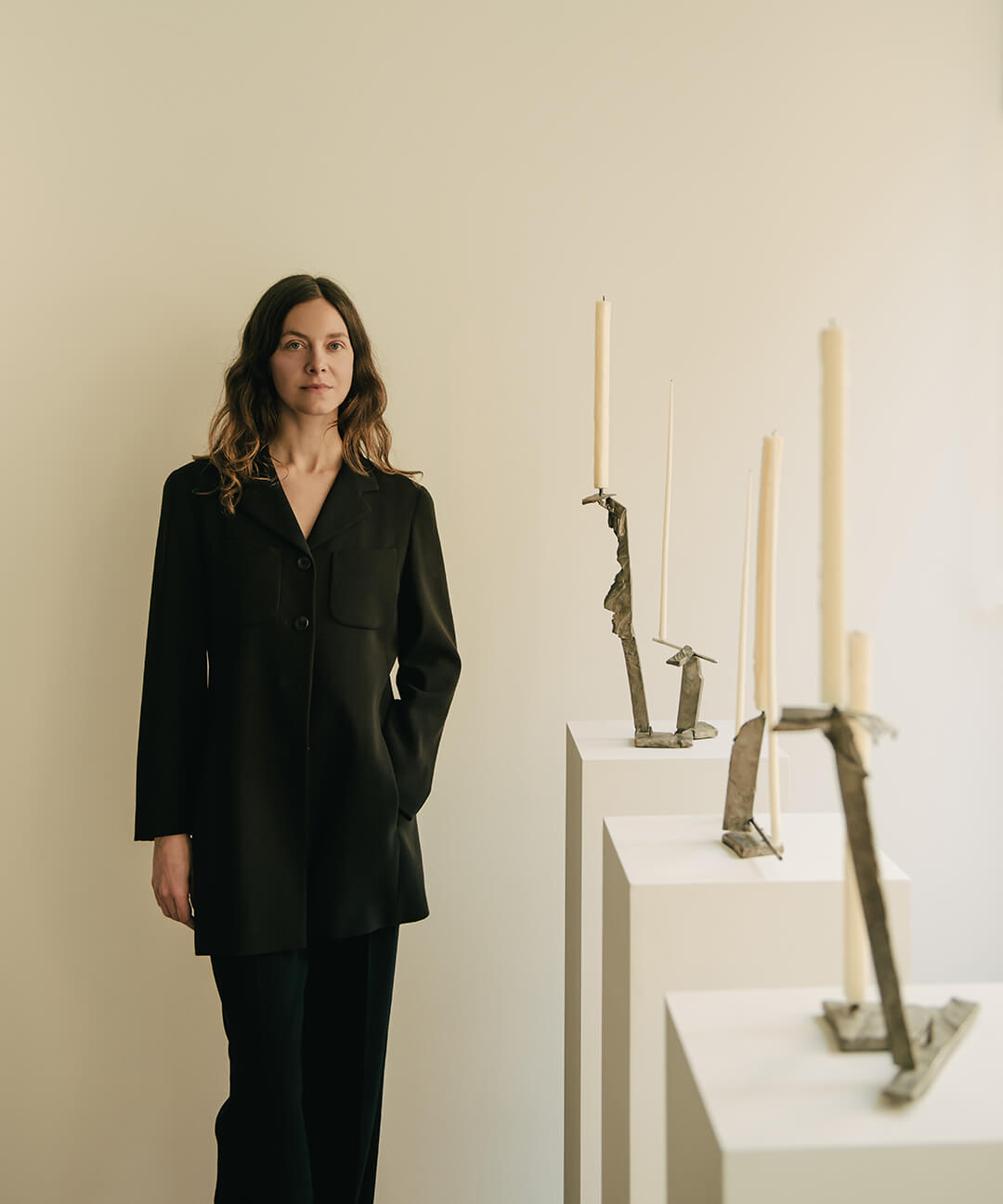
The tension between lightness and volume is perhaps only intelligible in what is absent from view—the way light falls on the ground, or the way the wind drifts in through the window, causing the curtains to sway. These 'absences' are hardly meant to be articulated in solid form, but their translation could be likened to hardening amber, or glassblowing, if transposed to craftsmanship. This almost ineffable juxtaposition of absence and presence, fragility and sturdiness, is explored by the multidisciplinary British designer Grace Prince, in her most recent and largest collection of furniture designs called Held Absence. The collection comprises a desk, a coffee table, a side table, a pair of stools and candle holders crafted from steam-bent wood, hand-patinated cast bronze and the suggestion of glass.
The works, fluid yet rigid, emerged from a period of time Prince spent living and working in a traditional house in Japan. They reflect Prince's material-based research developed with renowned Italian designers such as Vincenzo De Cotiis and Dutch architect Anne Holtrop.
The works were conceived exclusively for London-based gallery, Béton Brut and were on display during the recently concluded London Craft Week. The various product designs, while distinctive in their expression, share a common language—a sense that they are so fragile a simple touch could shatter them, and yet feel effortless in their composition. "For me, genuine beauty exercises a certain effortless lightness via the attitude of reduction and restraint," notes Prince, on her fascination with absence and fragility that was translated into the ethereal furniture collection.
Elaborating on the title and the poetics that hold the works together, she continues, "The title is Held Absence, because the research aspired for it to be held in place. This holding is what gives it presence, even though, in truth, the sensation 'Absence' seeks to be—and ultimately is—release." Based between Zurich, Milan and London, Prince's practice explores the representation of tensions and harmonies through seemingly deconstructed assemblages of form and material. She often collaborates with artisans to create her handcrafted pieces. The exploration of craftsmanship and finesse in Held Absence is rendered through materials traditionally seen as carrying a certain weight. These are balanced, at the same time, through subtle gestures and delicate elements.
Speaking about materiality in her work, the furniture designer notes in conversation, "My research always begins with an analysis of a certain poetic sensation related to fragility…This often, quite naturally, leads to the development of a set of restraints or rules that shape the collection I'm building. In response to this, I aim to keep my material research more open and free." As detailed in an official statement, a rough-hewn piece of wood that Prince found in a carpenter's workshop during her time in Japan becomes a central motif for the furniture, sharing with STIR her motivation to push the production processes of wood to their limits.
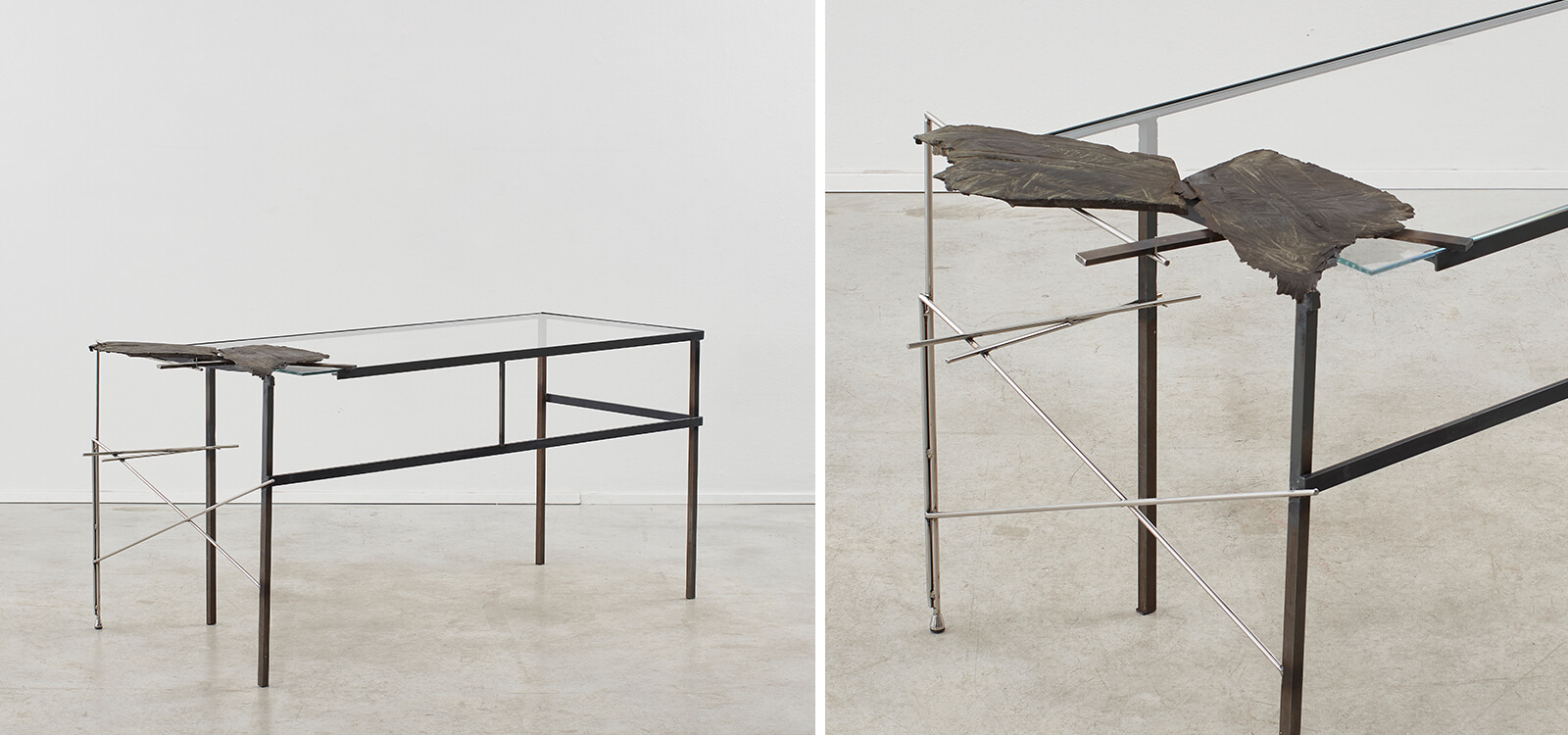
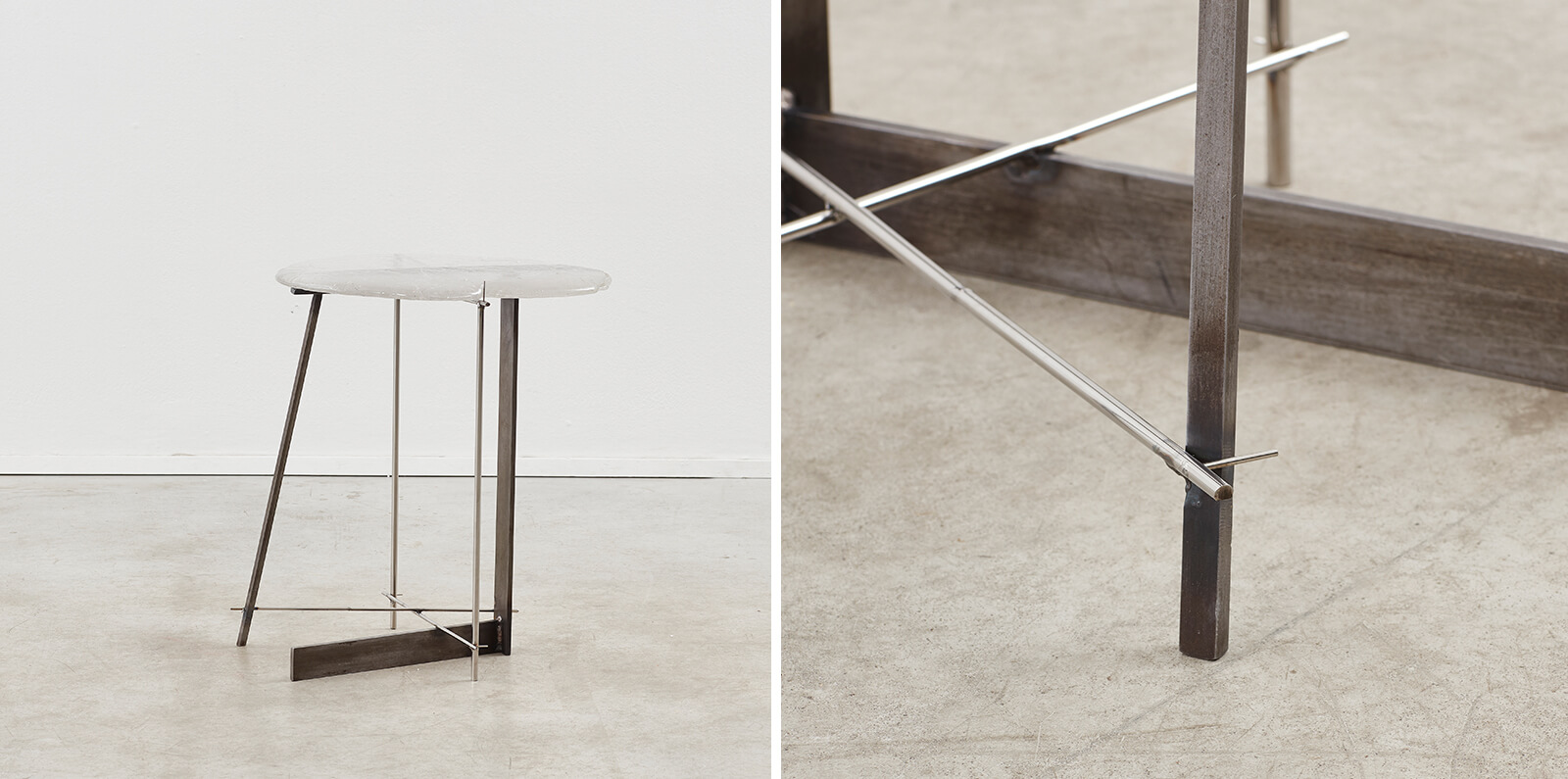
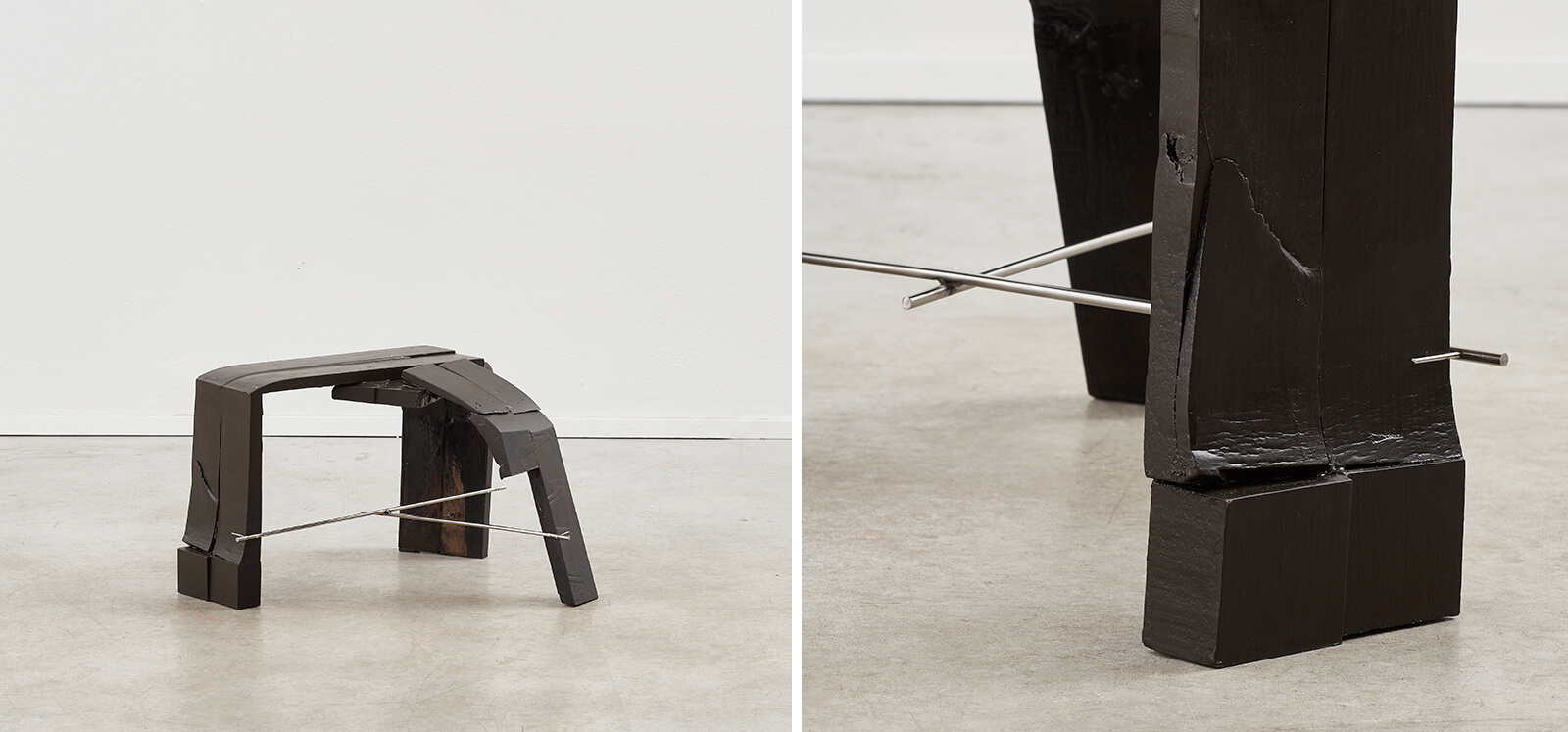
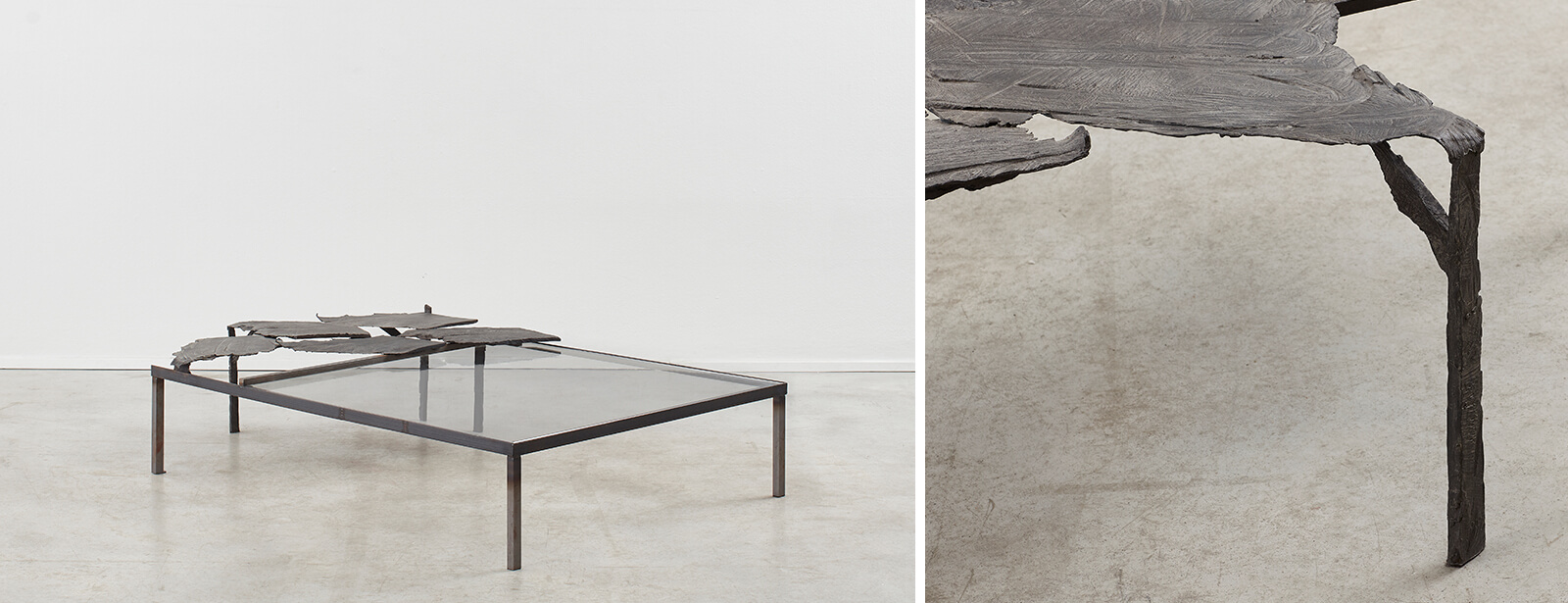
While the use of wood in the stool designs conveys a degree of crafted imperfection, this is juxtaposed by the razor-sharp bronze elements that give the impression of holding the wood together in an almost precarious balance. Similarly, the bronze elements used in the table design (Held Absence 4), paired with a molten glass top, make it appear as if delicately held. The desk and coffee table turn this search for absence and balance into a lightness, with thin legs in wood or metal holding a clear glass top.
"The intention [with the designs was to achieve] a shift in the senses, to convey weight that emphasises presence, while simultaneously evoking an attitude of lightness, absence—a kind of silence or retreat," the product designer notes. The composition of the pieces, as much as the materials used or their treatment, suggests this very idea, that balance exists between precarity, between the fragile and that which is certain. Prince continues, "What I find beautiful is not full presence, but a 'there' that is coated with an absence. It's about striking the right compositional balance, a process that often takes time. It can be slow, gradually building a charge through gesture."


What do you think?