


 Sign in with Google
 Sign in with email



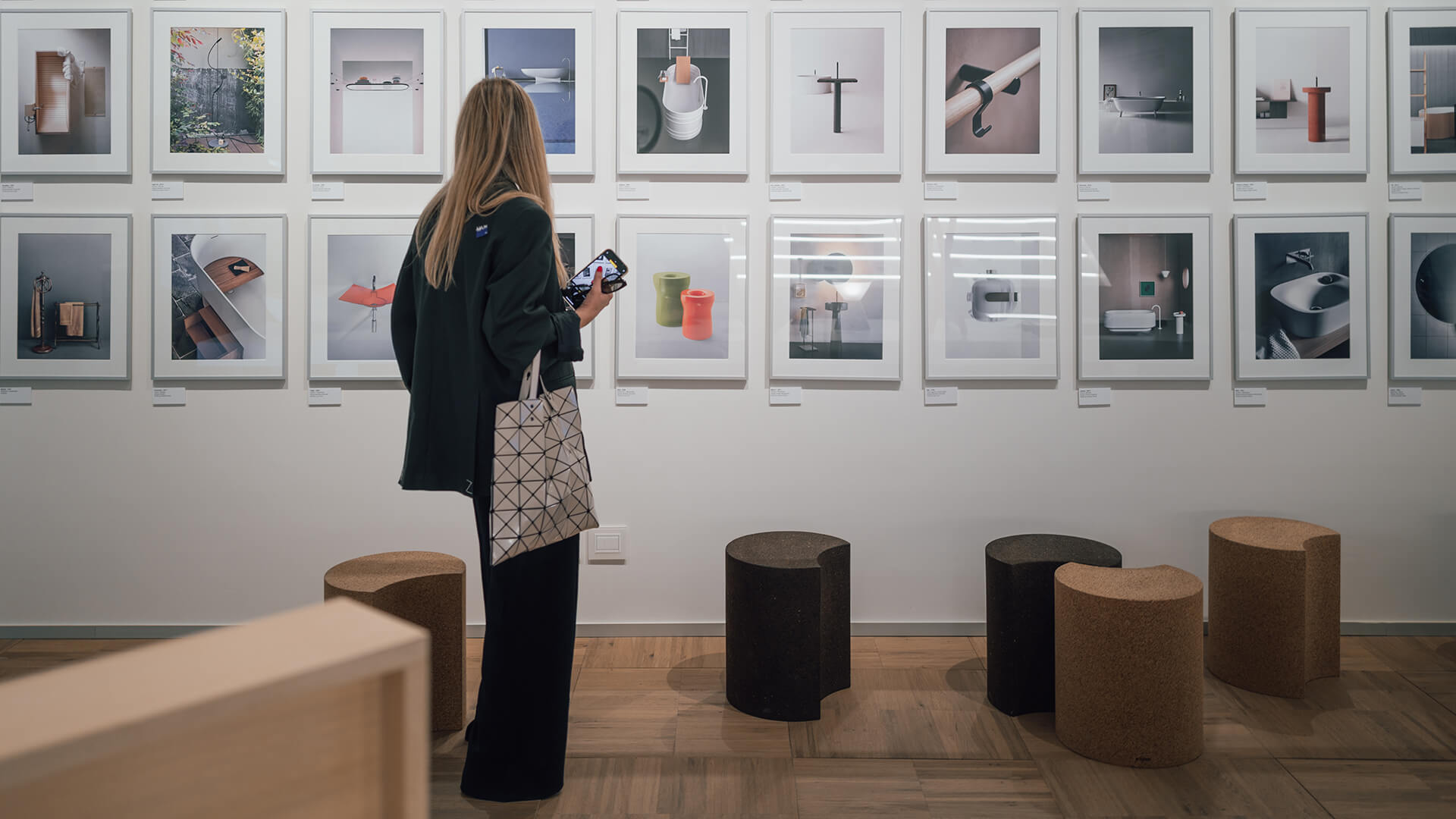





Over five decades, Agape has emerged as a paragon in the design sphere. Behind the curtains of this Italian enterprise, and its distinct approach to bathroom design, lies a clear ethos. The values of Emanuele and Giampaolo Benedini, both architects, blend divergent yet harmonious personalities. Agape stands out as a recognisable brand with a formidable international presence and a catalogue of over 550 evolving product designs—a sought-after choice for those passionate about enduring designs.
Rooted in depth from the inception
The Agape journey, initiated serendipitously, was embraced with unparalleled dedication. In 1973, the Benedini parents made an investment for their sons, funding the foundation of Agape. Initial partners included cousins Gianfranco and Luigi Benedini, entrepreneurs in the sanitary sector, and Giampaolo, a budding independent architect. Initially based in Verona, the company relocated to Mantua, the family's ancestral city, in 1979. Emanuele joined the enterprise in 1977, though his consistent operational role began later, as he was completing his architectural studies. Giampaolo, supported by his wife Bibi, gradually shifted his focus entirely to the business.
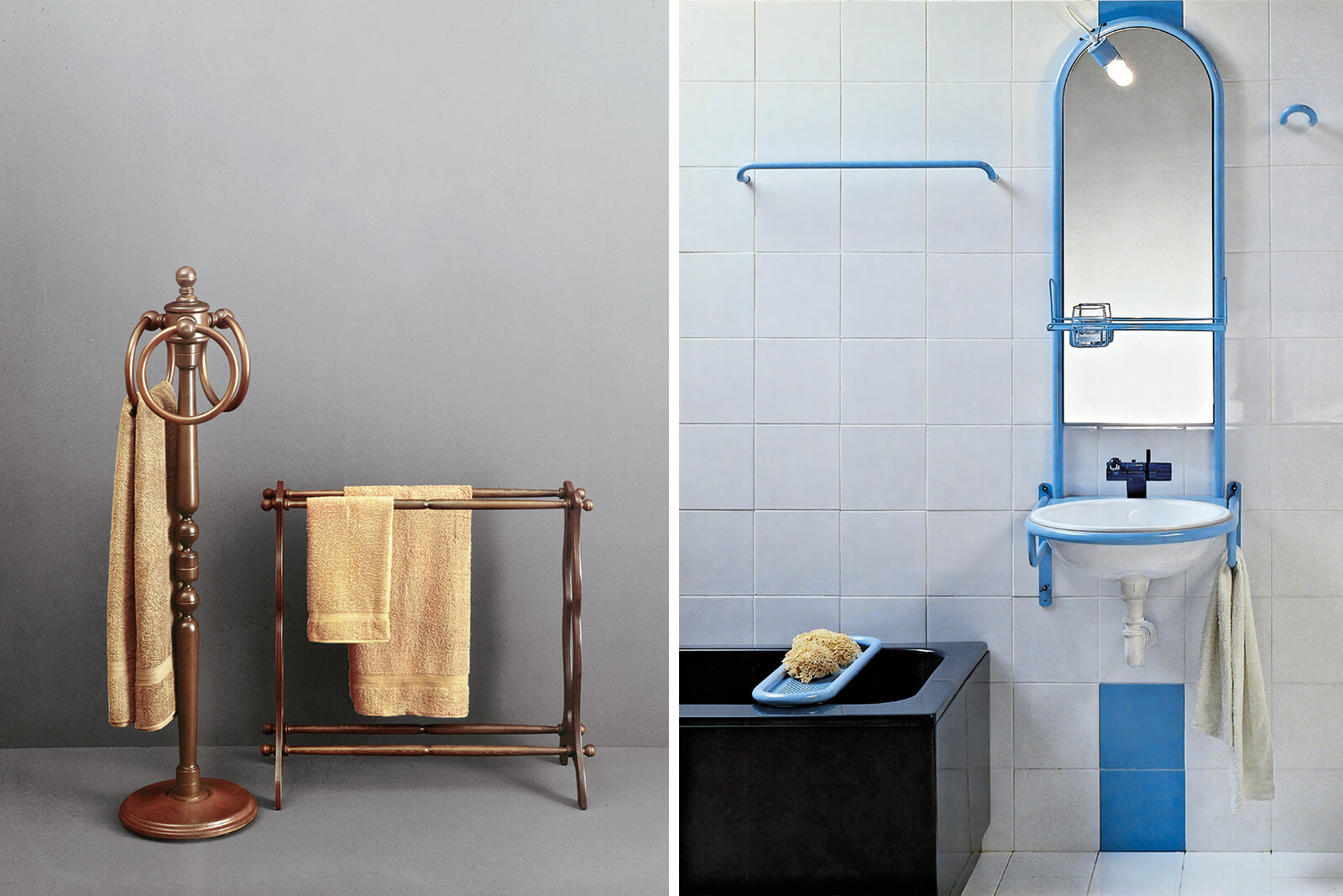
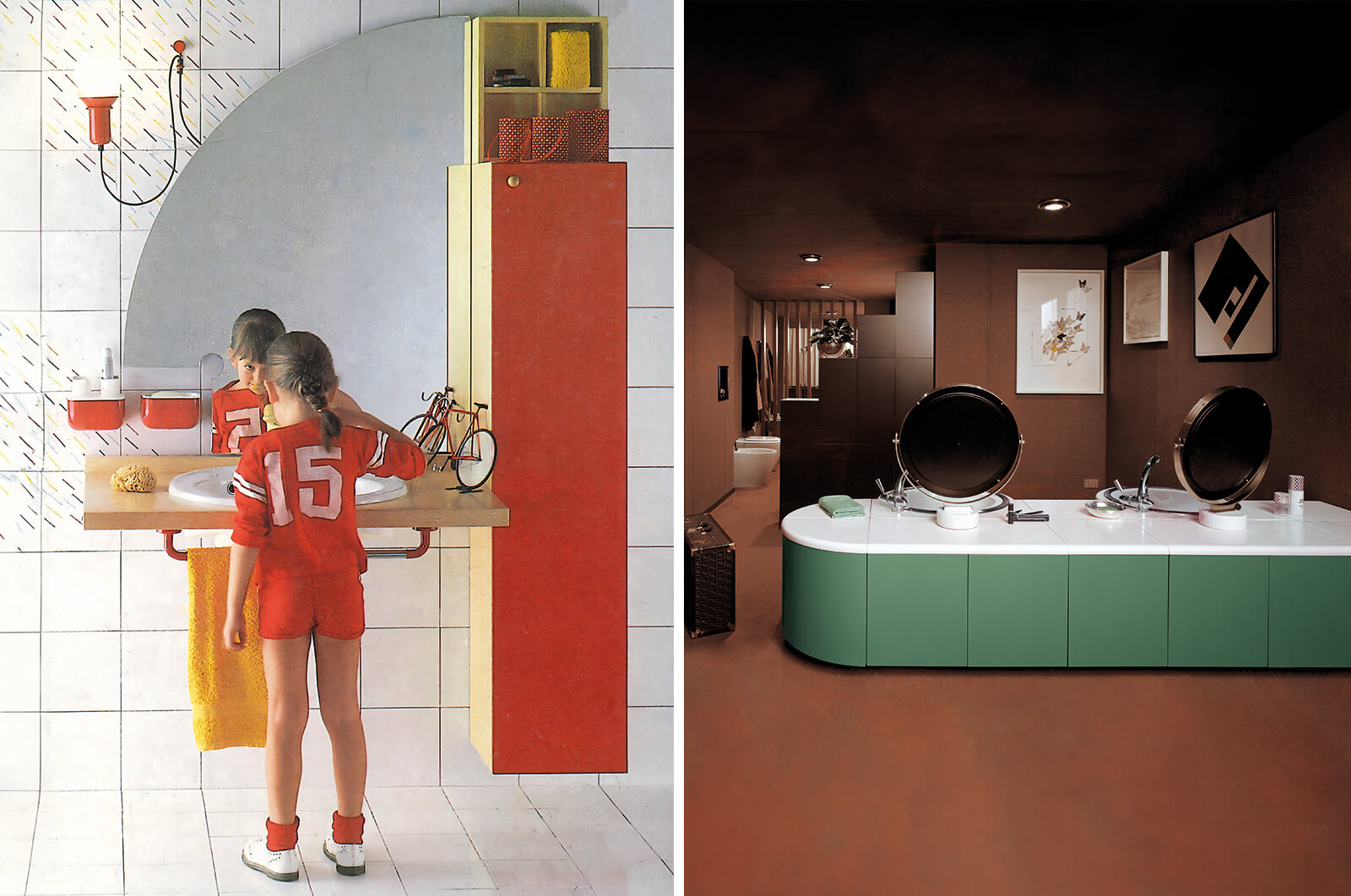
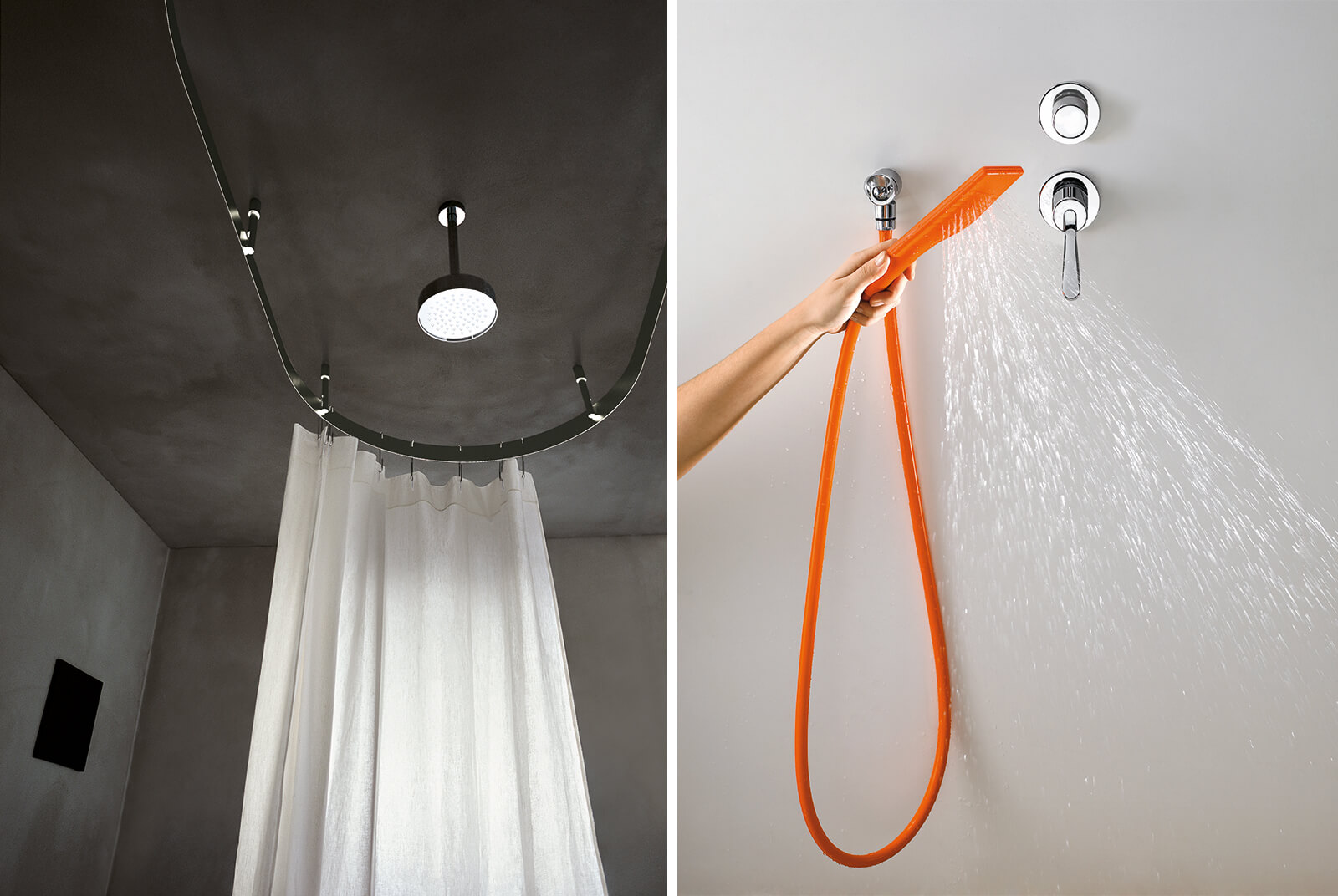
From the onset, they introduced a revolutionary design ethos. In the 1970s, what was conventionally a utilitarian space, Agape reimagined and portrayed the bathroom as a haven of well-being, demanding intricate planning akin to traditionally esteemed spaces within a home.
In 1987, Emanuele undertook the managerial and strategic facets of the business, enabling his brother to devote himself wholly to design and creative direction. In a symbiotic amalgamation of roles, Agape's history is adorned with innovative insights. Their selective editorial choice, outsourcing production and emphasising the unparalleled craftsmanship of 'Made in Italy,' granted them the liberty to holistically design bathrooms, employing the most suitable technologies and materials for each product, from fixtures to lighting. A strategic foresight solidified Agape's reputation as an all-encompassing bathroom specialist.
Nature meets architecture
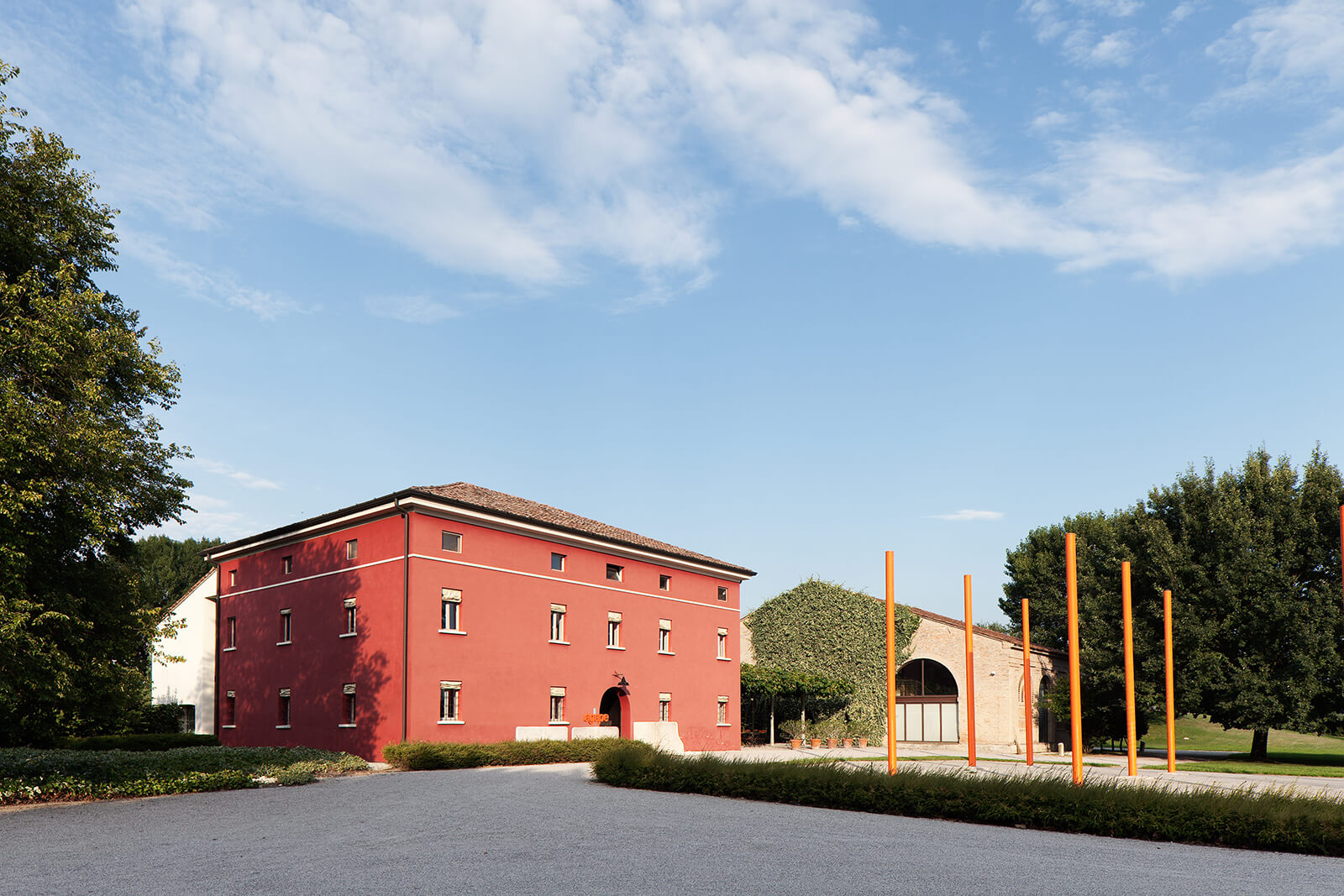
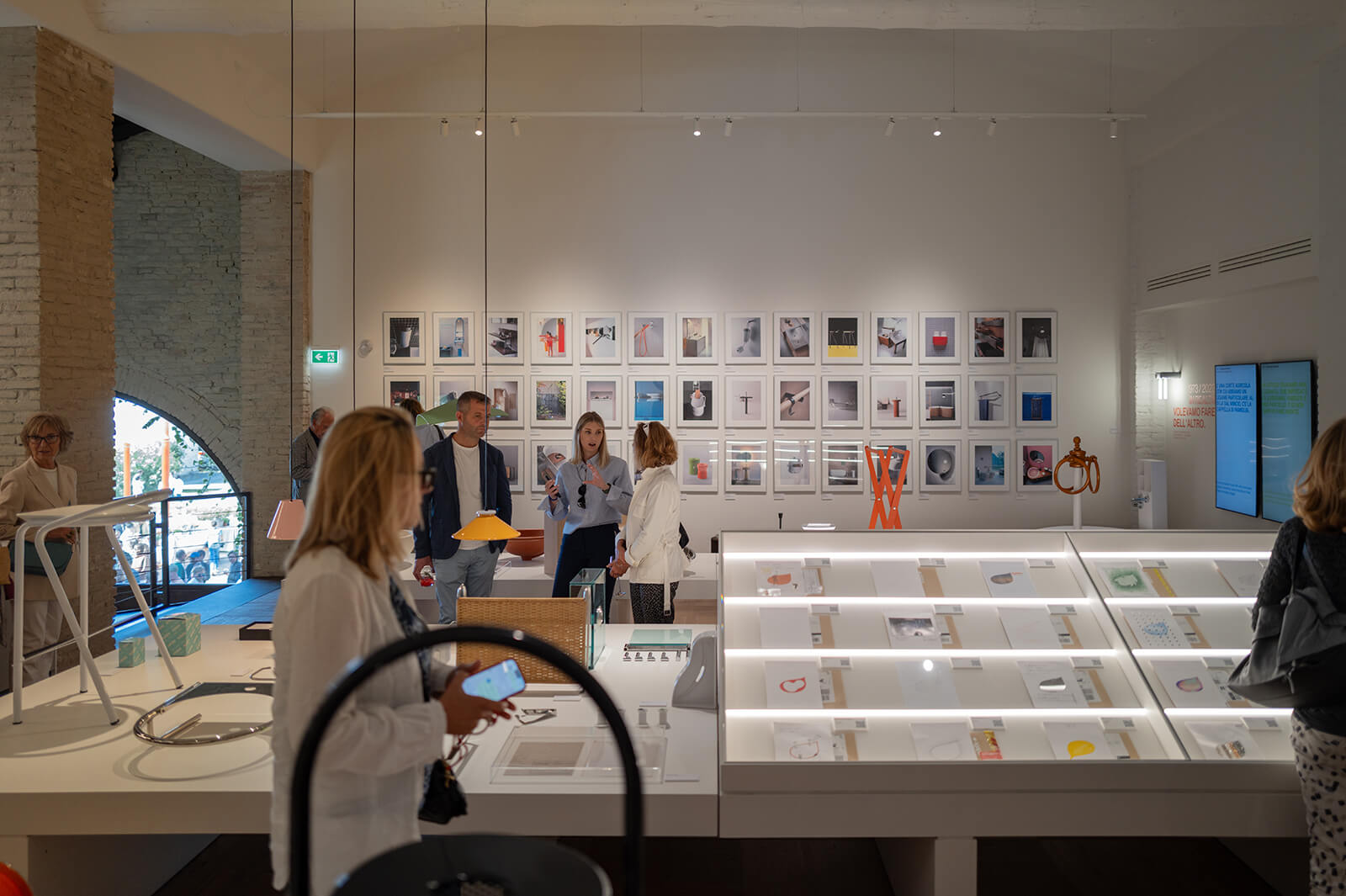
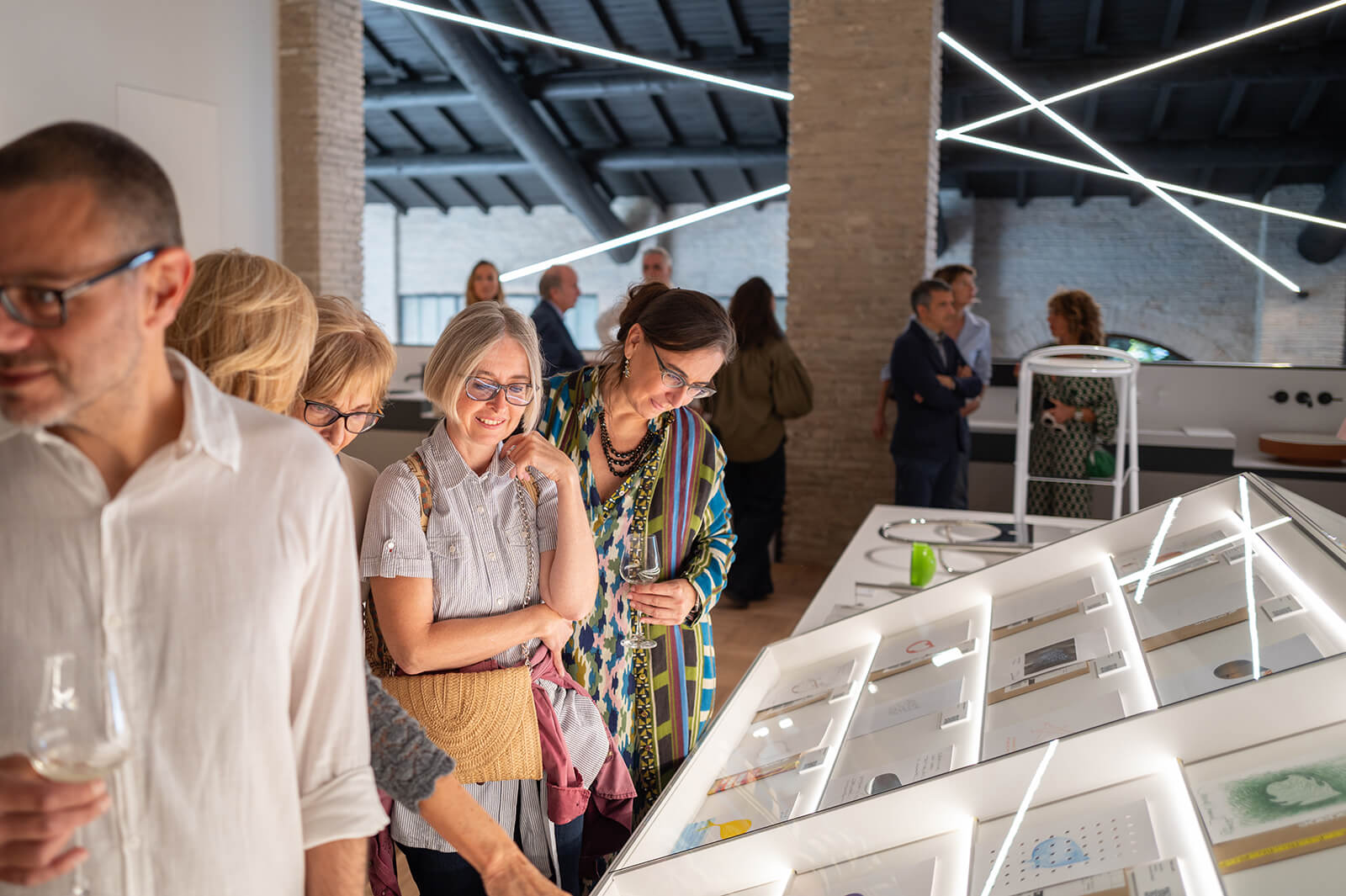
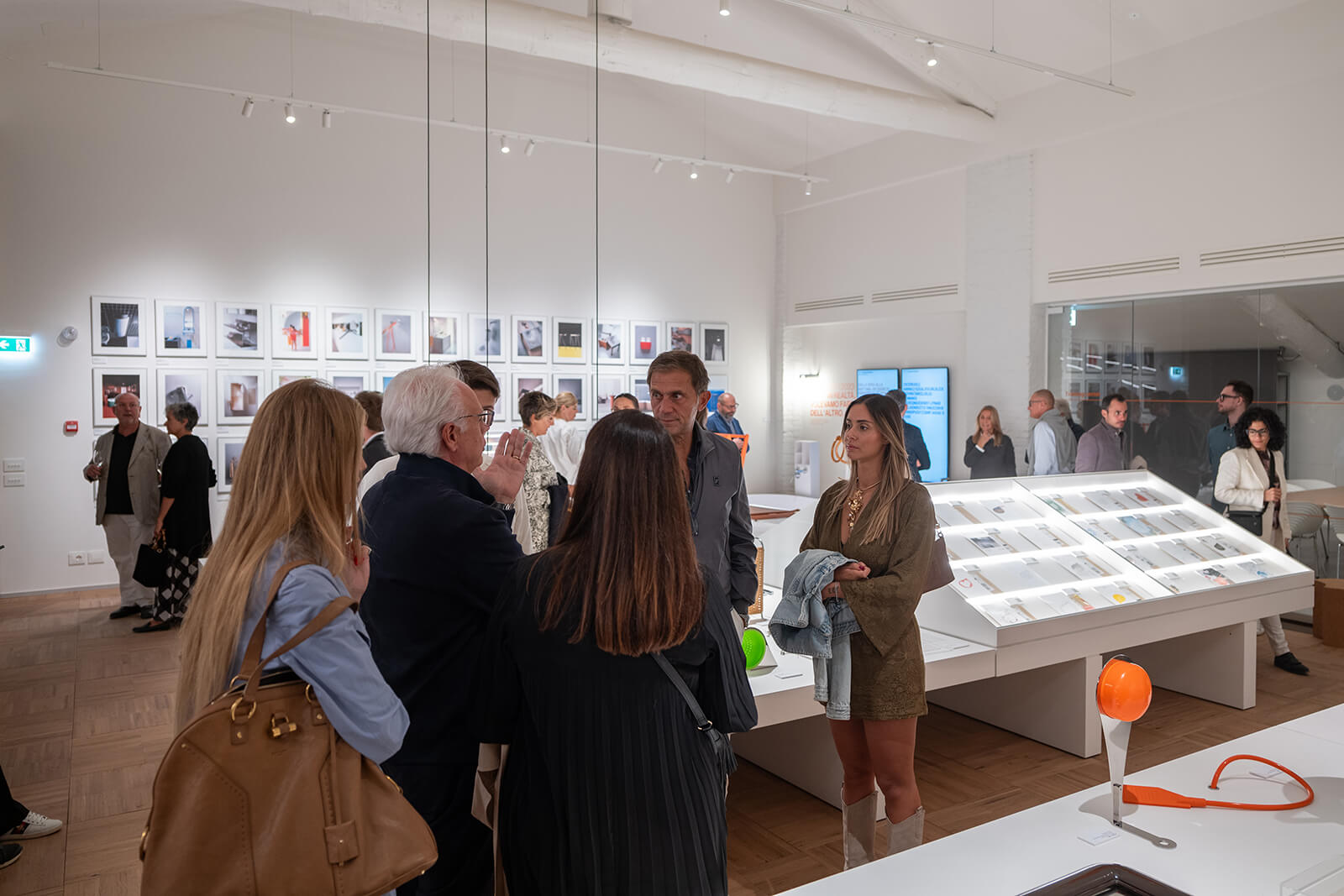
Housed within a repurposed farm, Agape is nestled between the Mincio and Po rivers. Since 2002, 'Bosco' has stood beyond a mere showroom—a gathering, design and social space, attracting architects, partners and clients. Here, one can truly feel Agape's essence in a warm and genuine ambiance. Nearby lies Mantua, a magnificent Renaissance architectural workshop, a nexus of cultural exchange, where innovation outweighs competition. The Benedini brothers share a profound bond with the city, deriving inspiration from its strategic positioning at the crossroads of Lombardy's enterprise spirit, Milan's status as the design epicentre, Emilia-Romagna's passionate creativity and Veneto's industrious energy. This rich cultural tapestry naturally informs Agape's design philosophy.
Design sincerity and lateral thought
"What sets Agape apart is its commitment to coherence, translating functionality into form. A journey of continuous refinement, challenging the ordinary, birthing timeless products that interact with the bathroom space as a welcoming architectural entity," elucidates Emanuele Benedini, Agape's sole administrator since the 1990s.
For 50 years, Agape has embraced design, creating products that not only converse with one another but also endure over time. Bypassing fleeting trends, they convey a distinctive language rooted in authentic design. The result? An unmistakable originality that doesn't need flaunting. This seemingly effortless perfection, charismatic and iconic, is mirrored in the brothers' passion for timeless vintage car designs and their participation in premier European racing circuits.
Engaging with designers
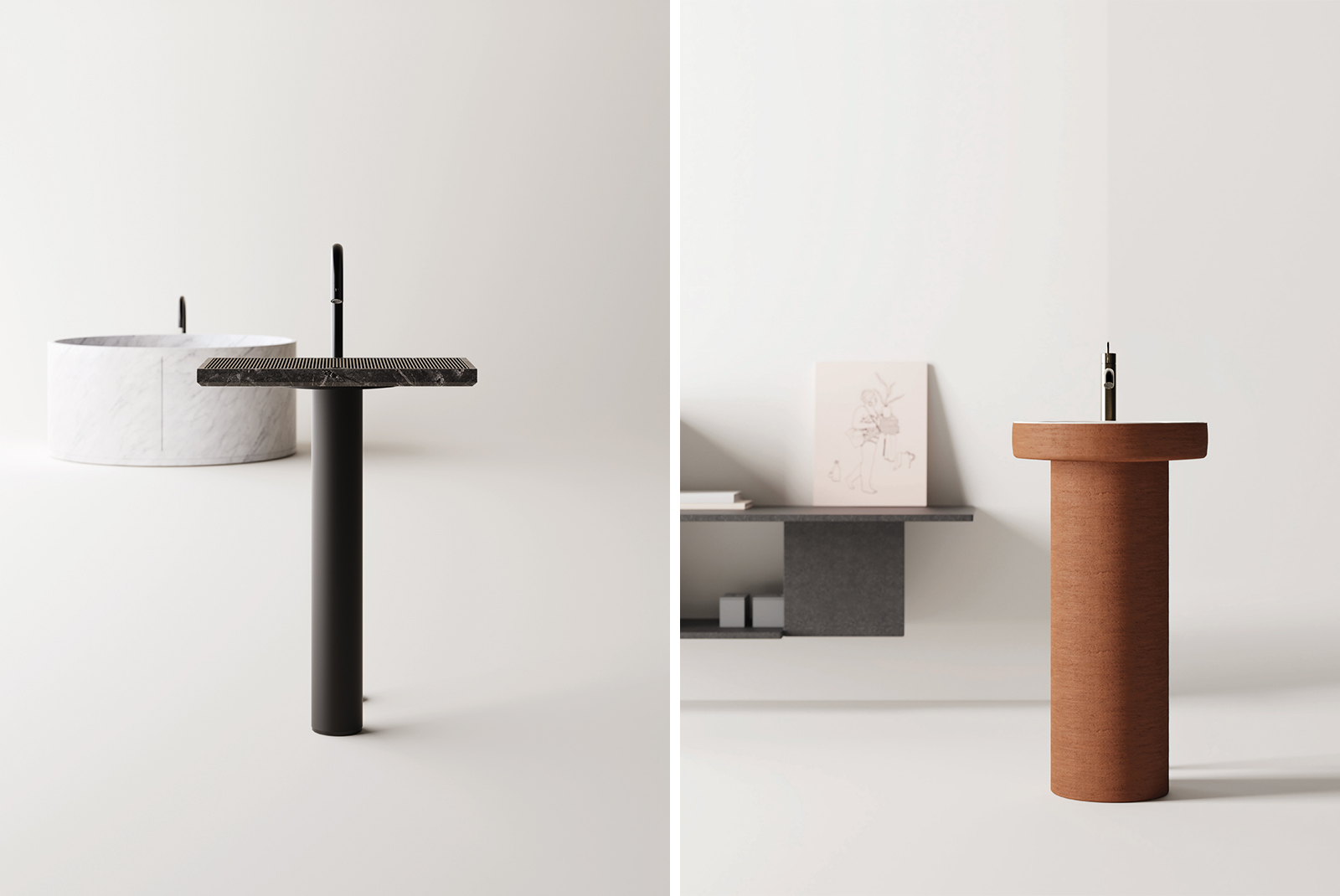
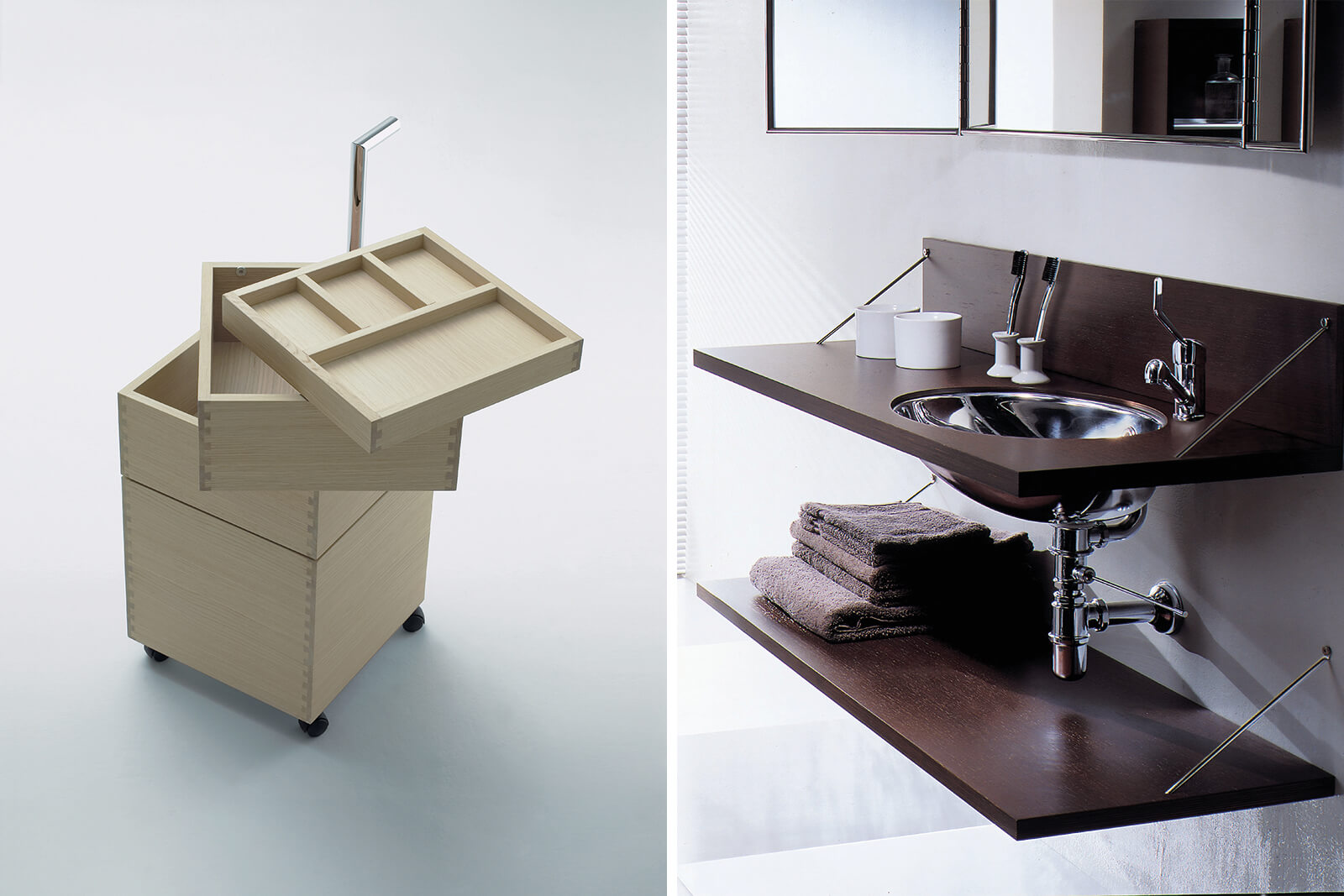
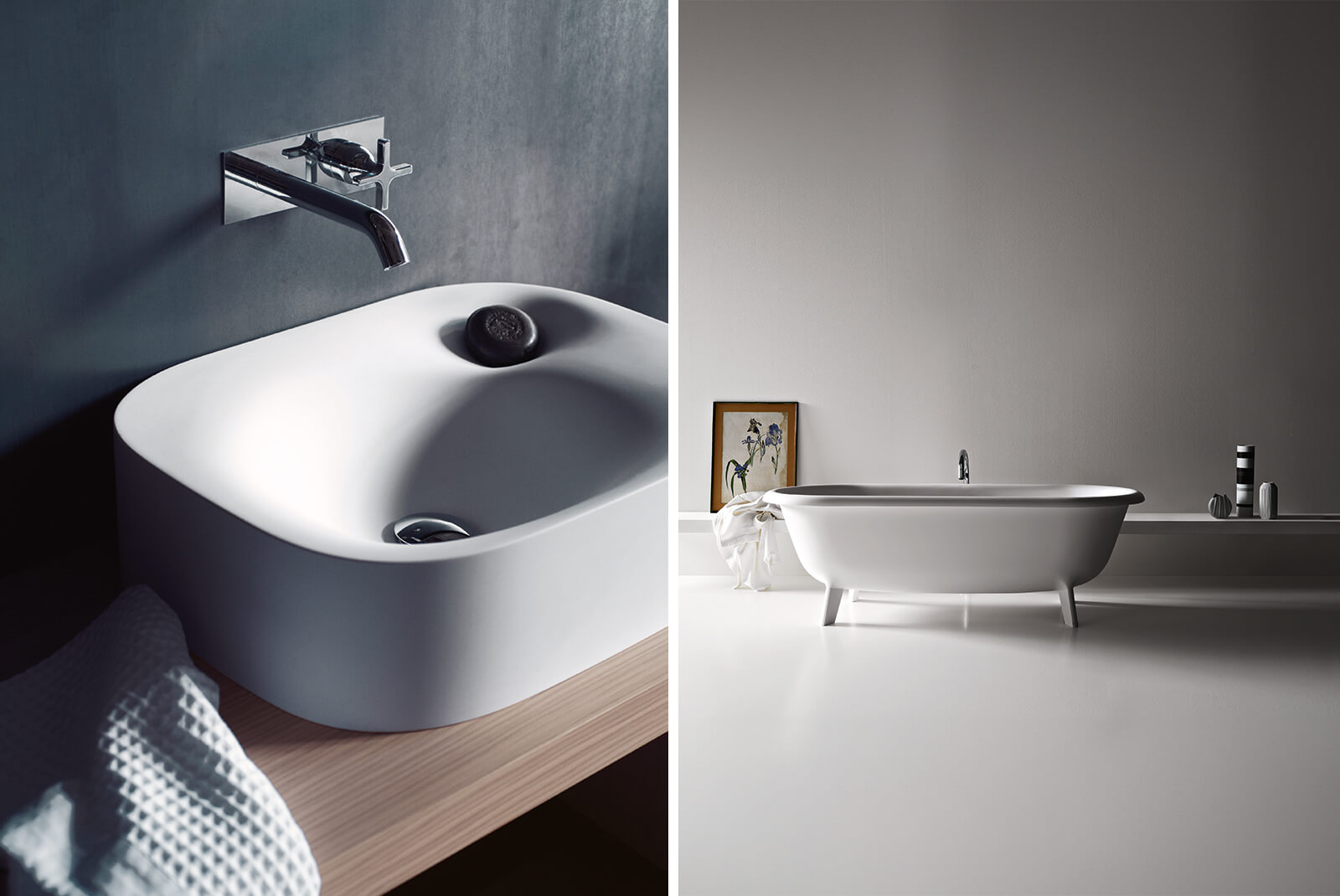
Initially, Giampaolo was the sole visionary, bestowing the firm with a defined and distinctly architectural touch right from the outset. The company's early years were marked by a succession of breakthroughs that fundamentally shifted how bathrooms were perceived and experienced. Introductions such as Erion, a modular wooden furniture system, and later trailblazing bathtub designs such as Spoon, with its moulded injection shapes, and Woodline, exemplifying innovative utilisation of curved wood, come to mind. The company's journey saw rigorous exploration of materials—from steel, aluminium and terracotta, to various solid surfaces—always aligned with the essence of each design, ensuring exceptional craftsmanship and offering immense design versatility.
Soon after, it was resolved to extend collaborations to external designers, a vital catalyst for a more holistic and enriched design perspective. This decision, judiciously overseen by Emanuele, led to initial partnerships with luminaries like Enzo Mari and Pino Pasquali, which then gave way to further collaborations with renowned names such as Neri&Hu and Jean Nouvel. Collaborations with Patricia Urquiola and Gwenael Nicolas marked significant milestones in the company's evolution. Another noteworthy alliance was with Angelo Mangiarotti, whom they met in 2002 in Mantua during the Festivaletteratura. A mutual appreciation for design culture spurred a desire to collaborate, leading Mangiarotti to craft the Lito and Bjhon sink series for Agape. Such engagement naturally fostered a commitment to preserve his legacy, culminating in 2012 with the birth of Agapecasa and the Mangiarotti Collection, aimed at revisiting some of his most emblematic designs that had been out of production for years.
Innovative distribution
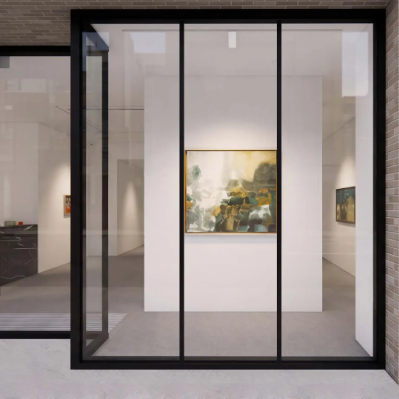
By the 1980s, Agape's strategic foresight was already evident in their dual-distribution approach. Beyond the traditional sanitary ware retailers, furniture dealers emerged as apt collaborators, aptly grasping Agape's vision of the bathroom as an integral part of holistic home design. Marrying innovative distribution with state-of-the-art services, Agape was among the first to establish its own internal design studio, Agape Studio, devoted to supporting its distribution partners and individual clients. A significant landmark was the inauguration of Agape12, a unique concept store in Milan in 2012. This was an exhibition space bringing together brands complementary to Agape's bathroom ethos. This evolving journey has led Agape to boast 11 dedicated Agape stores and over 300 discerning retailers globally.
Timeless, intimate architecture in evolution
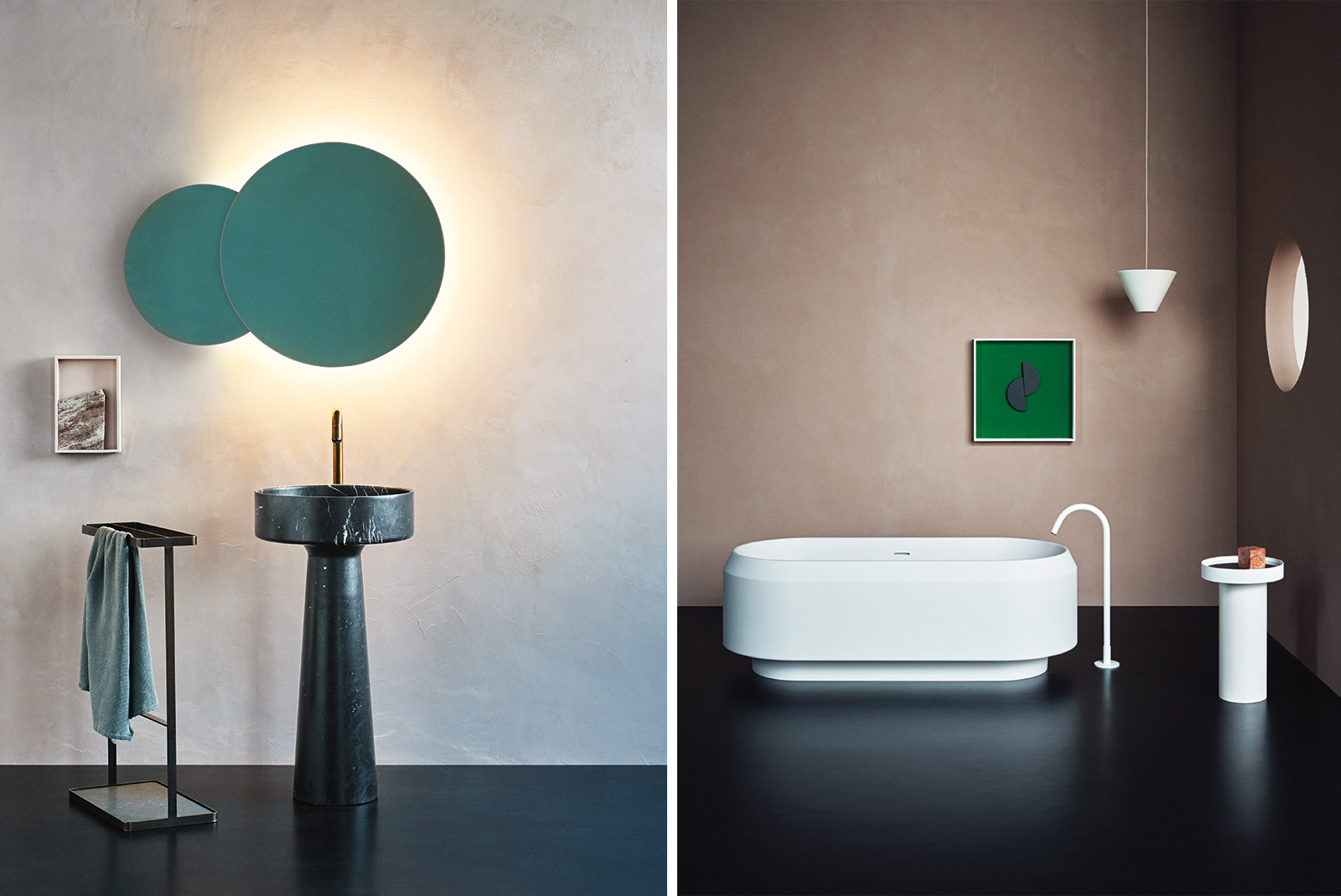
In the 1990s, Agape ventured onto the global stage, with exports now accounting for 80 per cent of its turnover. Alongside residential projects, there's a burgeoning focus on luxury hotel contracts and exclusive ventures. With an ever-expanding portfolio, Agape continues to delineate its unique mark both within Italy and on the global stage, always with a keen emphasis on a dynamically evolving bathroom vision and its architectural context. The most eloquent testament to Agape's distinctiveness is its diverse clientele, a compilation of global experiences showcasing a cultural sensitivity that has made Agape a trusted partner for myriad designers. Agape's products, while distinctive, seamlessly harmonise with varied contexts due to their intrinsic ability to resonate with spaces and architectural milieu.
Valuing people: present and future
The company's achievements are deeply anchored in the consistent efforts of its dedicated team. "The distinguishing factor lies in our valuable team members, some of whom embarked on their Agape journey in 1975 and have either retired or continue to contribute. It's imperative to recognise that our undeniable success also stems from all team members who feel an integral part of a squad. Besides Emanuele and me, recent years have seen the inclusion of my daughter Camilla, overseeing commercial and cultural settings and my wife Bibi, who has assumed varied roles since 1973, as required by evolving circumstances. It is evident that our parents' initial investment fortified our family ties. And we fervently hope this legacy continues for future generations," concludes Giampaolo Benedini.


What do you think?