Enter your details to sign in
Don’t have an account?
Sign upOr you can sign in with
a single account for all
STIR platforms
All your bookmarks will be available across all your devices.
Stay STIRred
Already have an account?
Sign inOr you can sign up with
Verification link sent to check your inbox or spam folder to complete sign up process



We use cookies and similar technologies, to help provide you with a better, faster, and safer experience while delivering content
tailored to your interests.
By clicking on the AGREE button, closing this banner, clicking or navigating the website, you consent to the use of all cookies and similar technologies for the purposes we describe in our
Privacy Policy.
We use several cookies that are related to the functionality, security & user preferences,
analytics, and advertising. While some are essential, you may choose to dis-allow the use of others.
Please choose your preference, or opt for the best experience by closing this banner, clicking or navigating the website.
For more detailed information please read our Privacy Policy
 Connect
Connect
Connect





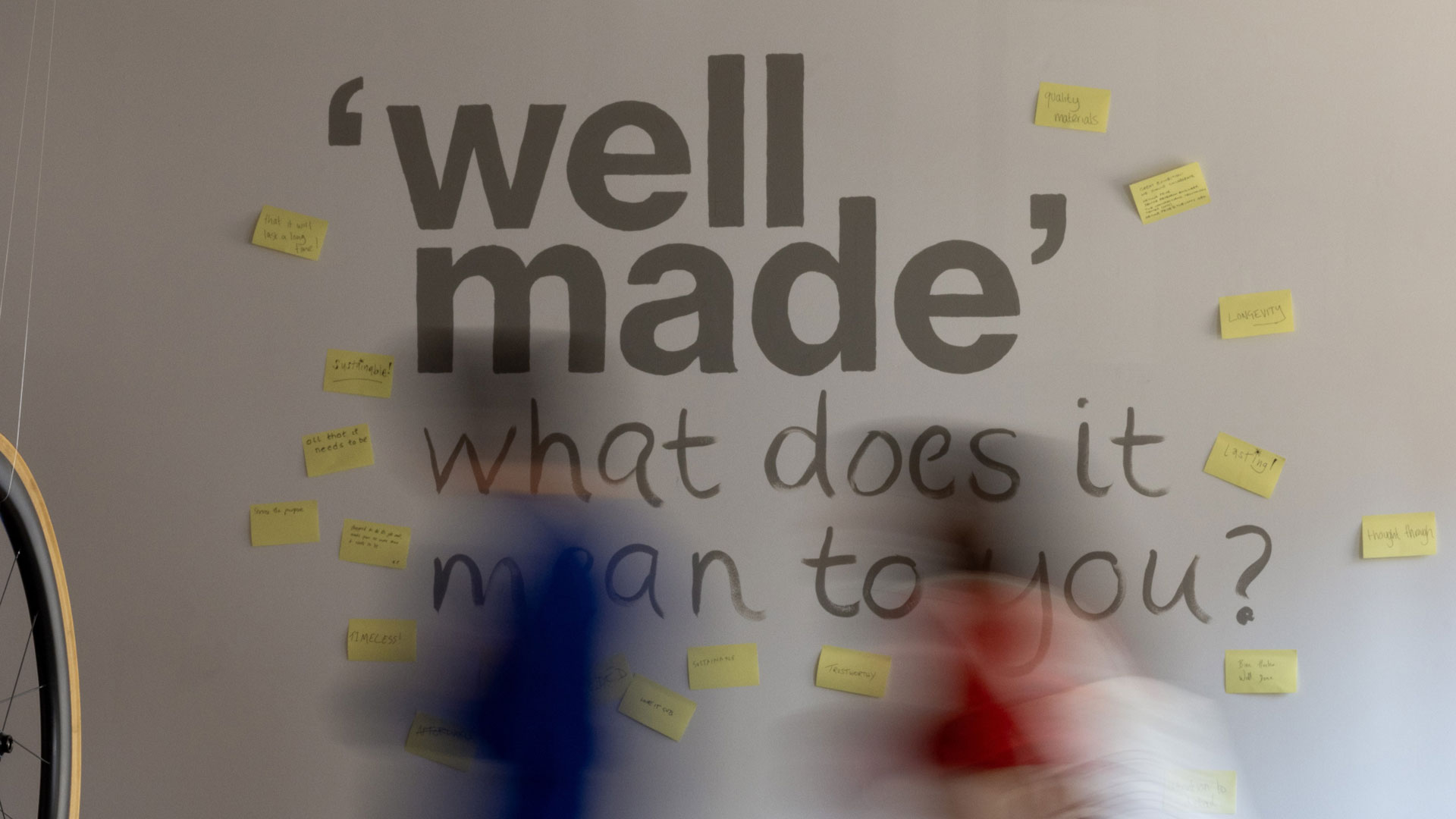
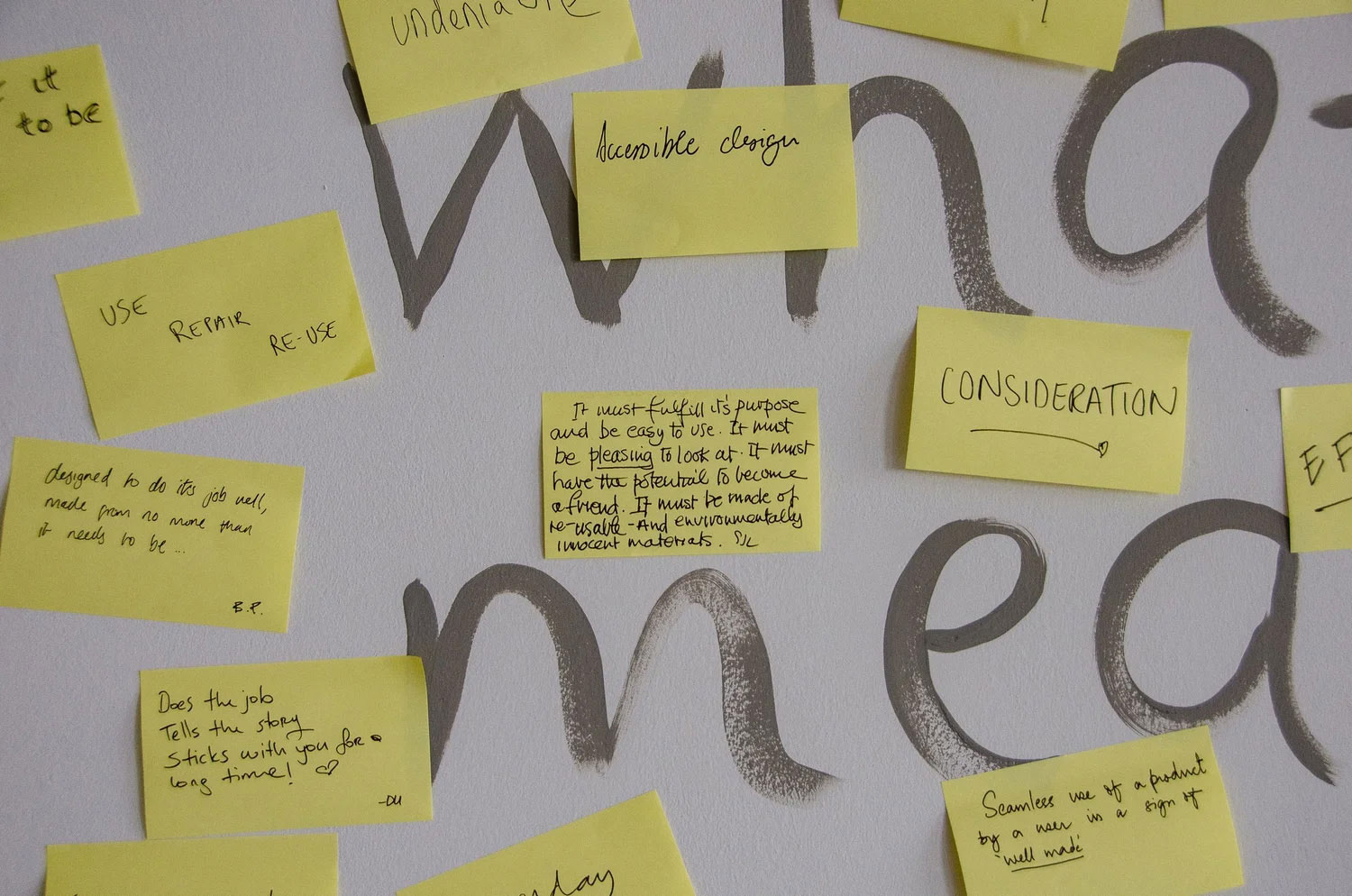
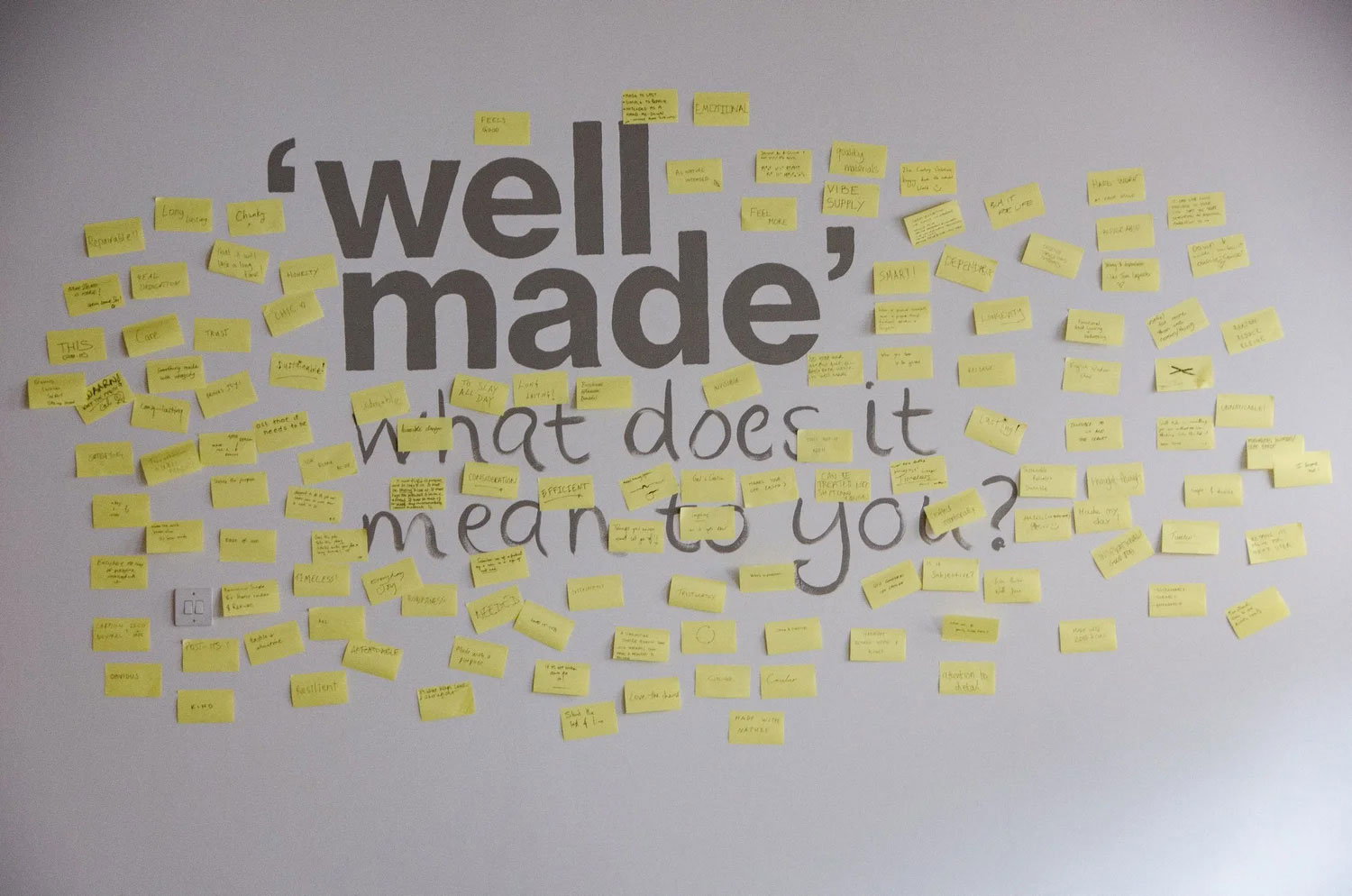
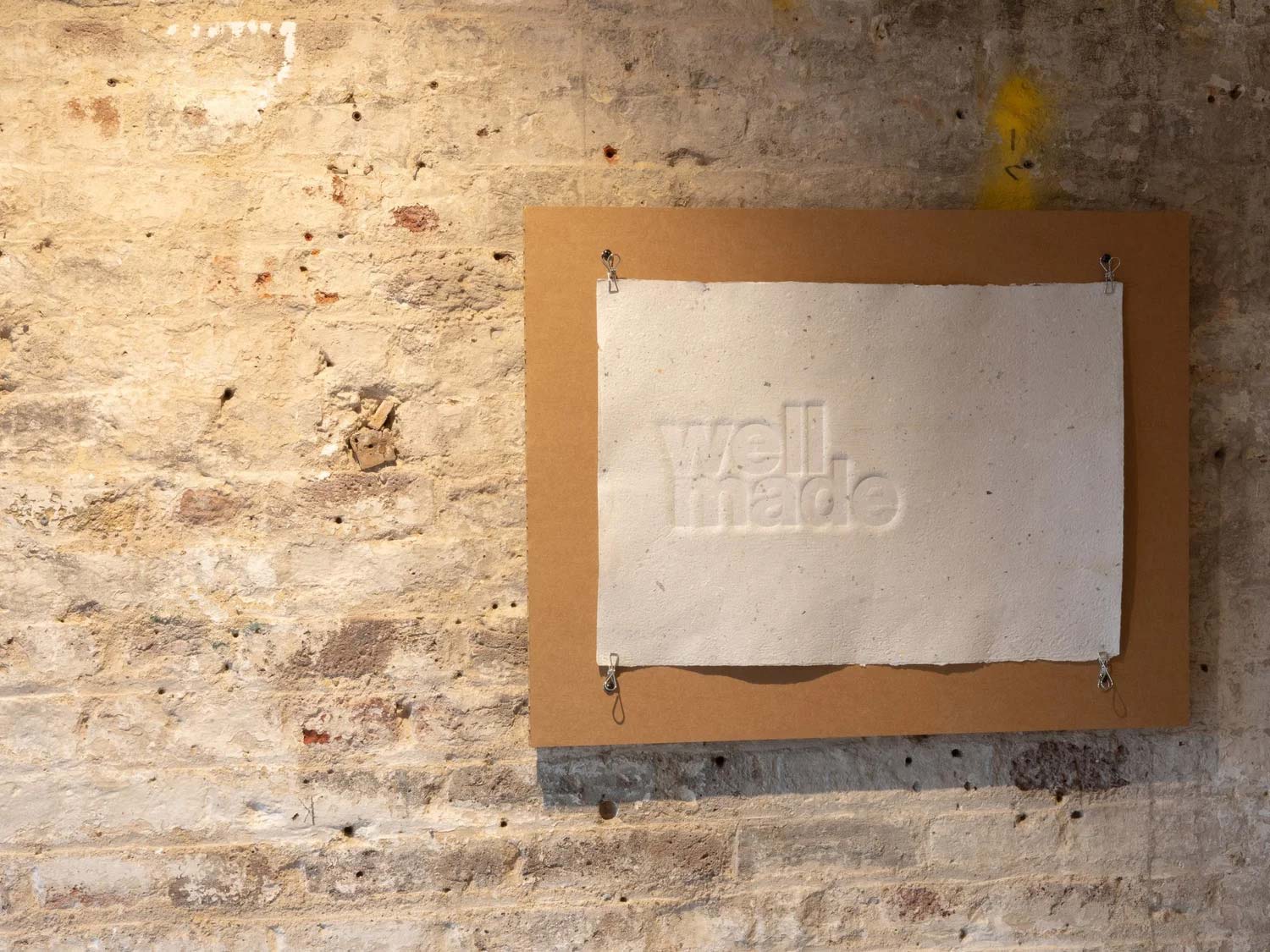
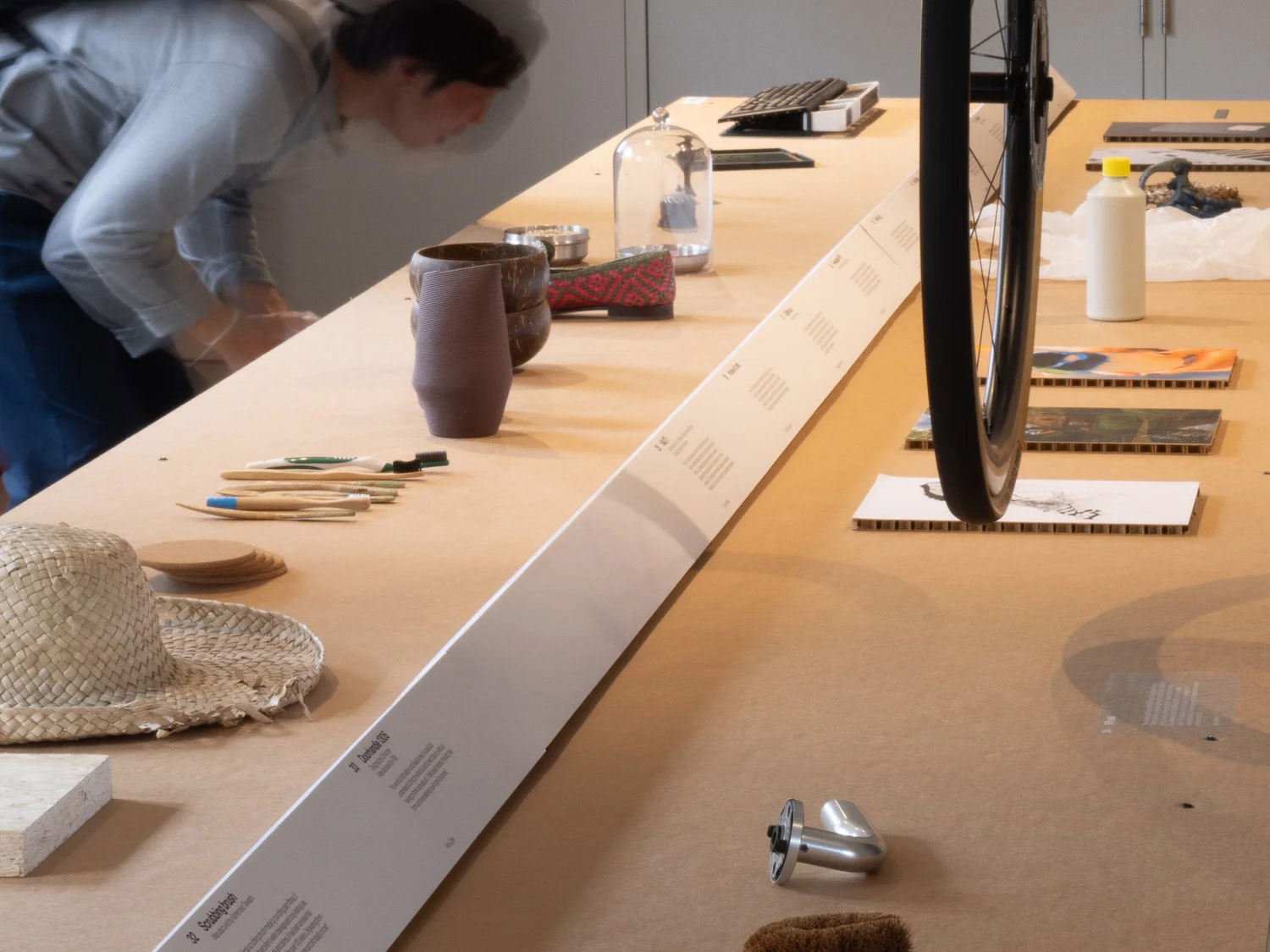
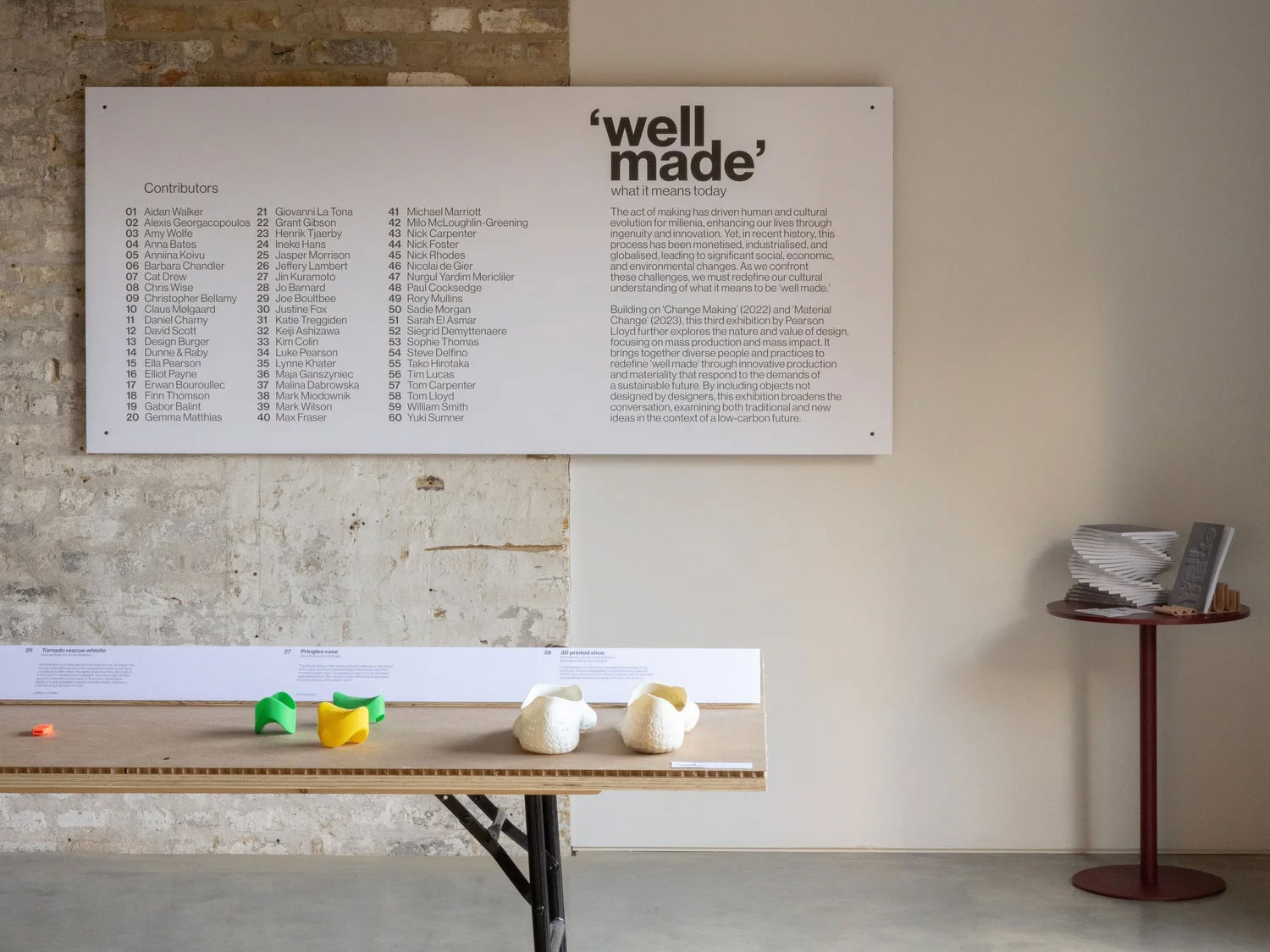
Beyond the classical principles of form, function, desirability, and feasibility, what truly defines something as ‘well made’? This is a question Pearson Lloyd has been exploring in recent years. To deepen this inquiry, we have curated a new exhibition titled ‘Well Made: what it means today’, which is part of London Design Festival 2024, held at Yorkton Workshops gallery in Hackney.
Historically, in our capitalist, consumption-driven economy, an object was considered ‘well made’ if, beyond its primary functional purpose, it met consumer expectations of desirability, price and value. However, little consideration was given to the social and environmental impacts of its production, consumption, and disposal. The relatively new globalised supply chain has exacerbated these impacts, contributing to biodiversity loss and environmental degradation.
The United Nations Sustainable Development Goals (SDGs) now emphasise the importance of aligning social and environmental health with economic growth in any future strategy for our planet.
They sought to broaden their understanding by looking beyond their own design and manufacturing practices, inviting a diverse group of contributors to share their views on what ‘well made’ means to them. The responses have been both enlightening and varied.
Key questions emerged: Where is something made? What materials are used, and by whom? How is it produced, and to what standard? How useful is it? How is it repaired, reused, or discarded? What is its carbon efficiency effectiveness, and how circular is its lifecycle? What is the impact of its production on those who make it and use it?
Some responses celebrate traditional craft practices, using both natural and artificial materials. Others challenge the conventions and production of our contemporary life. There is a strong tilt towards bio-based alternatives to the petrochemical-dominated materials of the past century, but also a celebration of well known materials and manufacturing processes that enable the creation of useful, affordable products.
This collection of perspectives reveals a fascinating blend of tradition and innovation. It reminds us that simple, time-tested solutions are as relevant today as ever, while also encouraging us to challenge orthodoxies and seek new interpretations of old ideas.



 Sign in with Google
 Sign in with email