Art04 mins. read
Pages from the Sketchbook – Laurie Baker
by Gautam BhatiaJun 02, 2019




by David ChipperfieldPublished on : Jun 04, 2019
It is a common misconception to think that architecture originates from a sketch on a napkin. The design process of architecture, in particular of built architecture, differs significantly from the prevalent perception of how art is produced. Just like an artist tries to cross boundaries, the architect tries to love boundaries. Architectural design is to project what the existing could be. The existing is many things: the place, its boundaries, the architectural task, the building regulations, the money, the people who design, the people who build, the people who use and reside in the building and those who own it. The idea of what might be does not only have to consider the possibilities and boundaries of the place and the budget, but also the notions of all these people. It is extremely difficult to build a house that the client cannot imagine. Architecture does not originate from a sketch on a napkin, but within a collective space of imagination, which in some sense represents a section of our society and culture. In order for an architectural practice to produce good architecture, a design culture must exist, which encompasses both the office culture and the project culture. In our experience, we have found that whoever wants to build good architecture, must acknowledge above all a cultural sphere of imagination, in which the people involved can concertedly unfold their power of imagination. Designing architecture means first and foremost making space for architecture. Architectural design means building space for the people, for their life and their thoughts.
(This article was first published in Issue#19 of mondo*arc india journal – an initiative by STIR.)

by Pranjal Maheshwari Oct 19, 2026
The Mumbai-based architects integrate courtyards, mesh screens and north light trusses to create a dining space that doubles up as a community hub at SR University, Warangal.
by Mrinmayee Bhoot Oct 17, 2026
The Rotterdam-based institute centres the Indian Ocean as a network for exploring material histories and transnational links shaping coastal cultures, positing them as future models.
by Pranjal Maheshwari Oct 16, 2026
At the 2026 Stirling Prize ceremony, Mary Duggan with RUFF Architects, MAKER Architecten and Nakshabid Architects were felicitated for proffering quality housing and social equity.
by Mrinmayee Bhoot Oct 12, 2026
The new Centre for Contemporary Arts, fostering public engagement with art in Uzbekistan, is housed in a tram depot refurbished by the French studio, emulating local craftsmanship.

make your fridays matter with a well-read weekend
Enter your details to sign in
Don’t have an account?
Sign upOr you can sign in with
a single account for all
STIR platforms
All your bookmarks will be available across all your devices.
Stay STIRred
Already have an account?
Sign inOr you can sign up with
Verification link sent to check your inbox or spam folder to complete sign up process
Tap on things that interests you.
Select the Conversation Category you would like to watch
Please enter your details and click submit.
Enter the 6-digit code sent at


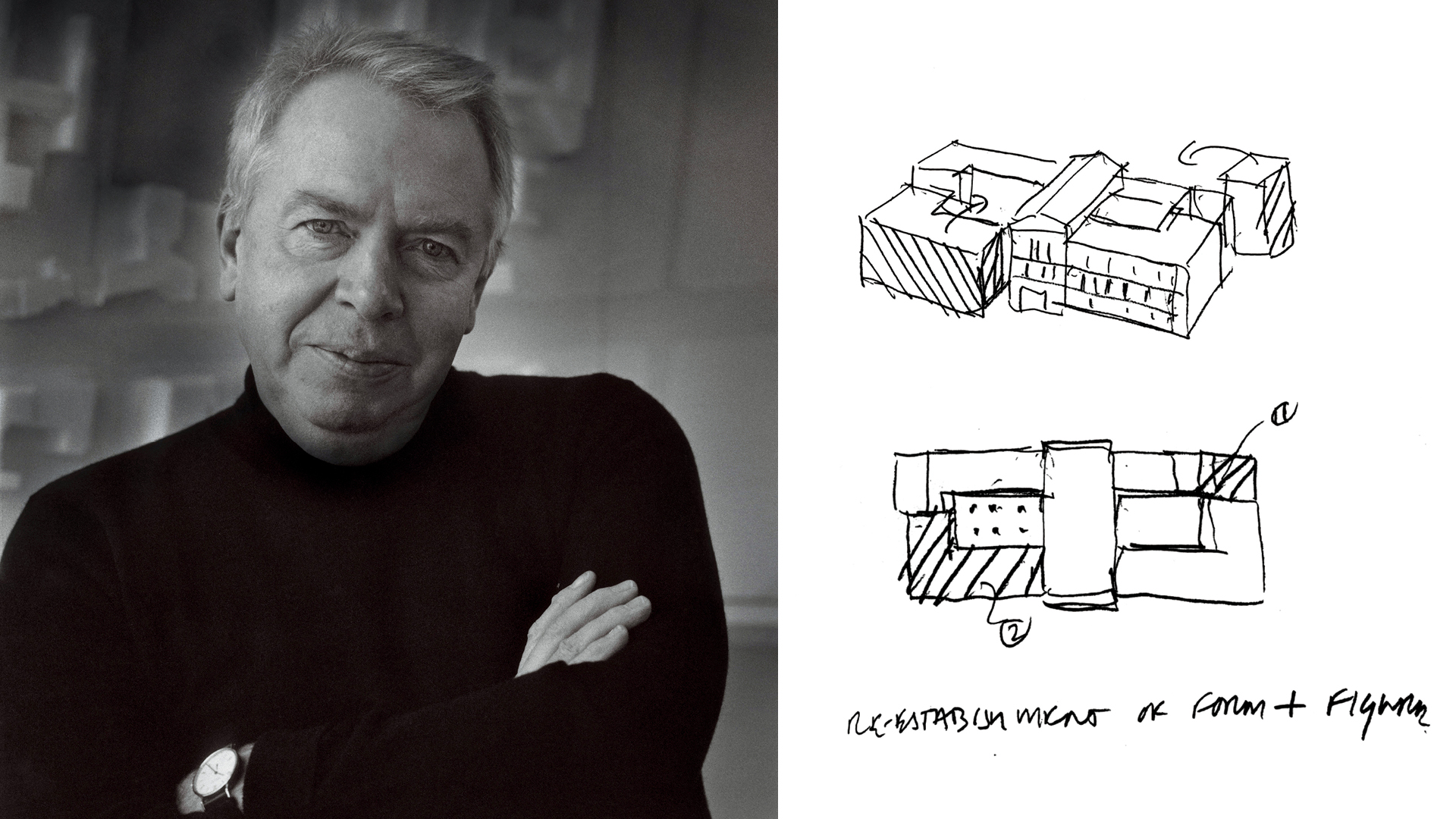
Making space for architecture
by David Chipperfield | Published on : Jun 04, 2019


 Sign in with Google
 Sign in with email
What do you think?