Design06 mins. read
FIND Design Fair Asia 2025 to explore Pan-Asian cultures and collective identity
by Bansari PaghdarAug 25, 2025



by Pranjal MaheshwariPublished on : Oct 12, 2026
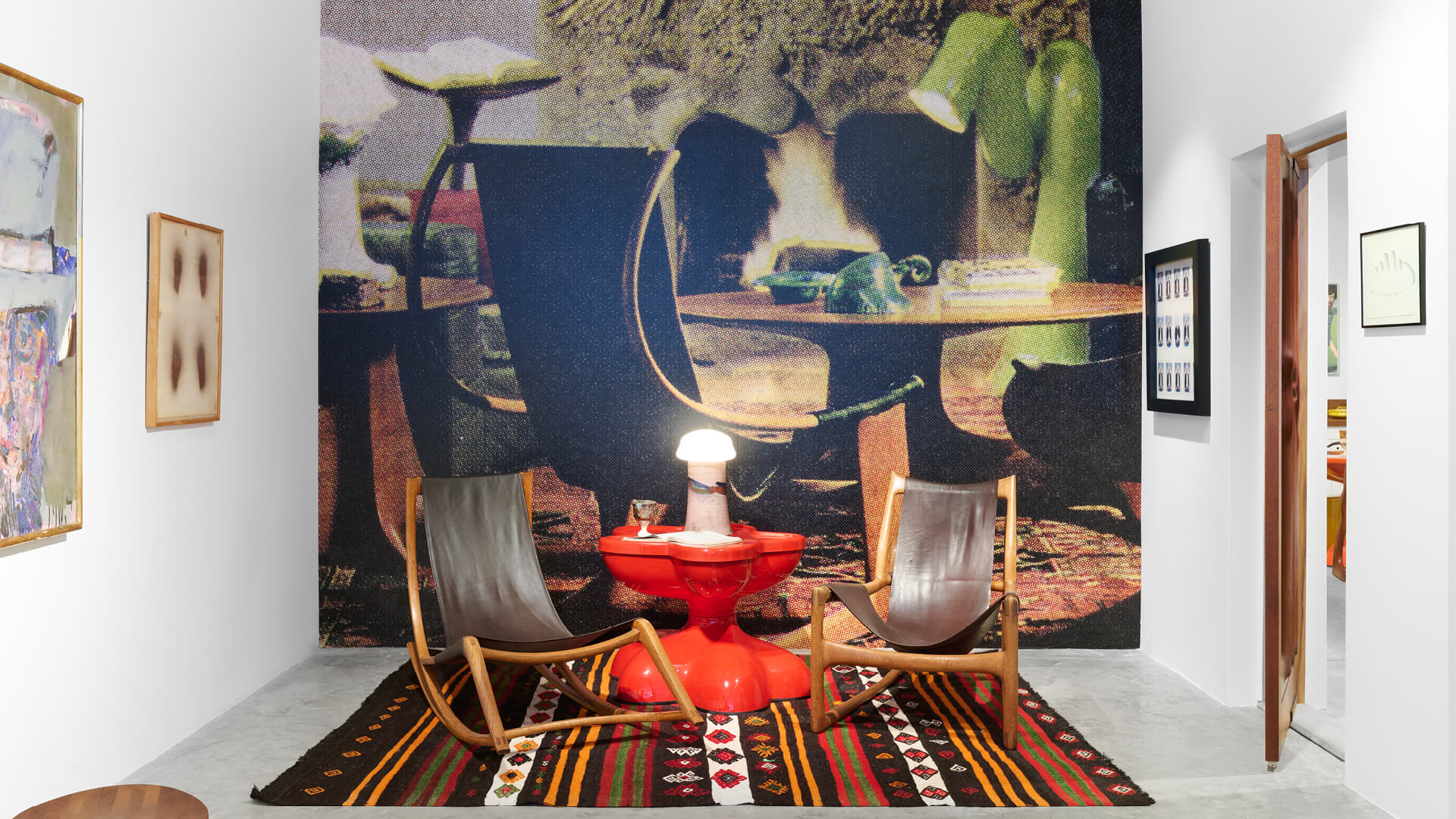
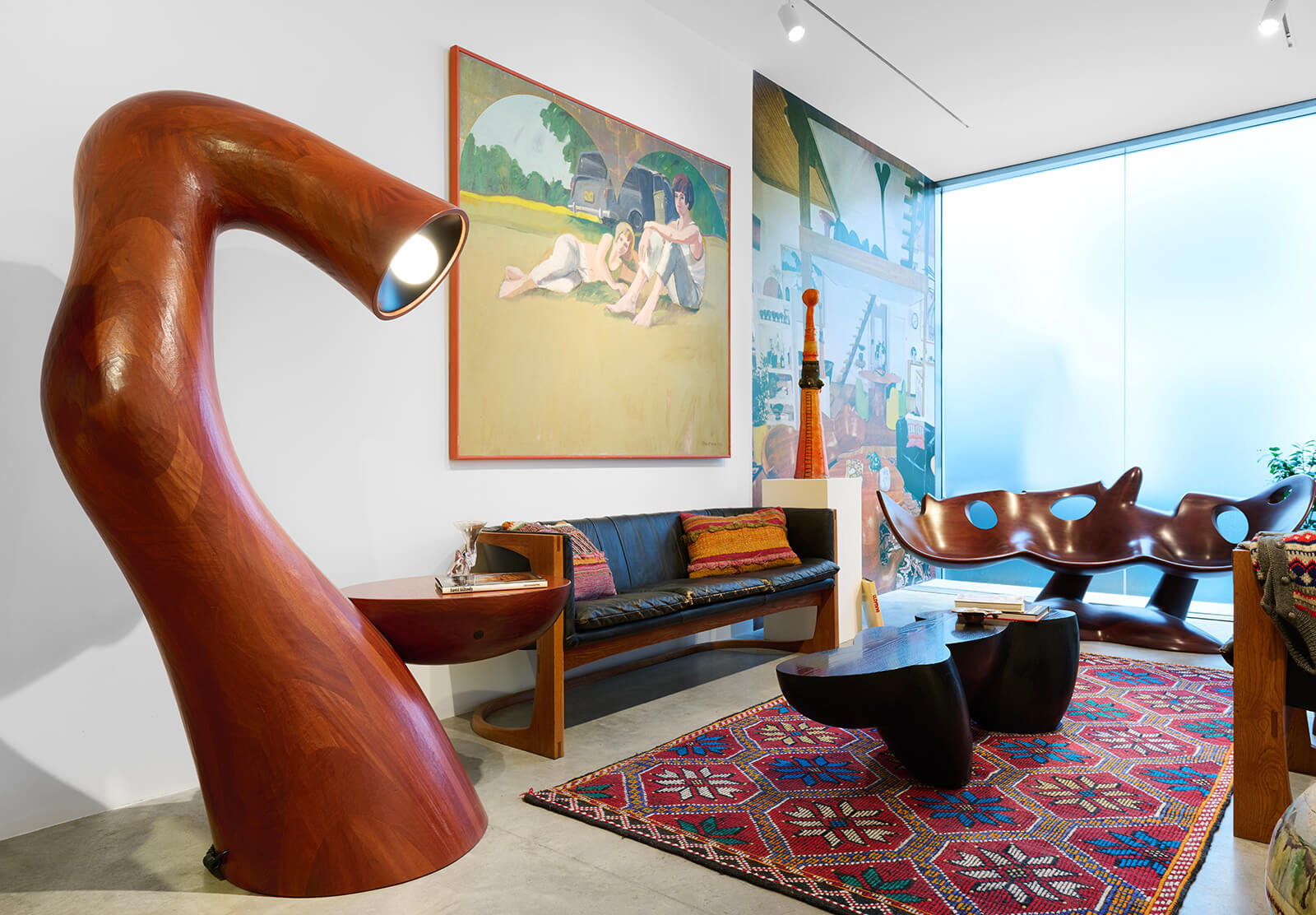
There is often an undisclosed distance between art and its observer. What may once have been a deeply personal expression takes up the space of a virtual (or literal) glass box, invariably accompanied by the injunction, Do Not Touch. The physical distance creates a zone of sanctity around the artwork, lending it a seemingly pious quality. Does art's meaning shift when it is experienced and lived, rather than merely observed? The living environments of famed American furniture designer Wendell Castle and his partner, Nancy Jurs, may offer insights into this inquiry—especially their Scottsville residence, where they lived and created iconic designs until his passing in 2018. The home’s interior layout has been recreated for a solo retrospective titled Wendell Castle: Living at the Friedman Benda gallery in New York.
Born in 1932 in Emporia, Kansas, to parents who were both school teachers, Castle struggled academically throughout his childhood due to dyslexia. He found refuge in drawing and daydreaming, cultivating a creative instinct in a household that did not value art. Perhaps as a result, his approach to design remained unburdened by preconceived notions of what art or furniture should be. His formal exposure to the discipline came during his sophomore year at the Baker University, when he took a drawing course as an elective. The experience proved formative and ultimately led him to pursue industrial design at the University of Kansas.
The rigid distinction between utility and sculpture prompted the American designer to seek a way into an expression fairly unique for its time. In the 1960s, he moved to Rochester, where he taught at the Rochester Institute of Technology and later met Jurs, who was then studying traditional pottery. He also acquired an abandoned soy mill in Scottsville, initially envisioning it as a working studio, though the space soon evolved to also accommodate his domestic life.
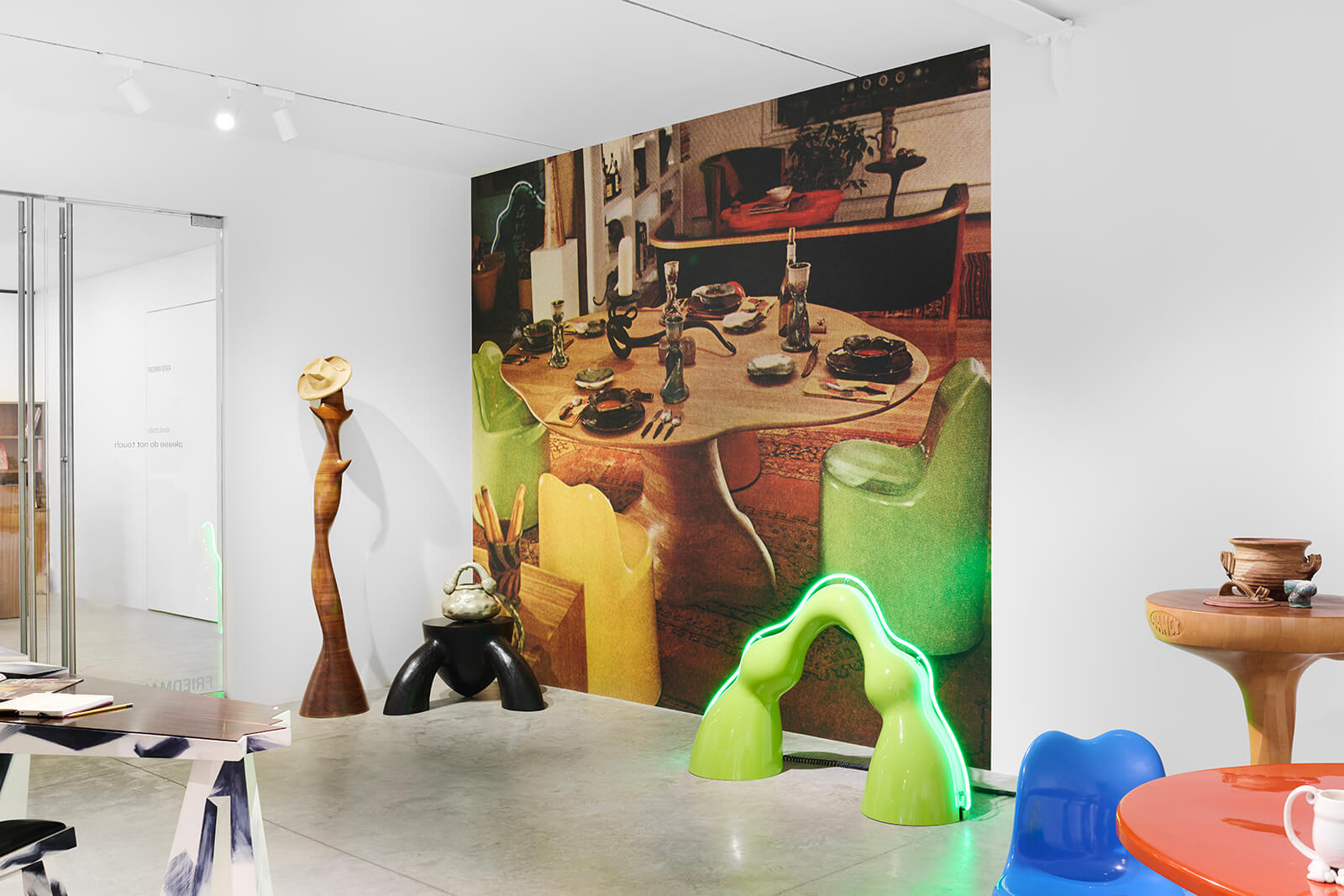
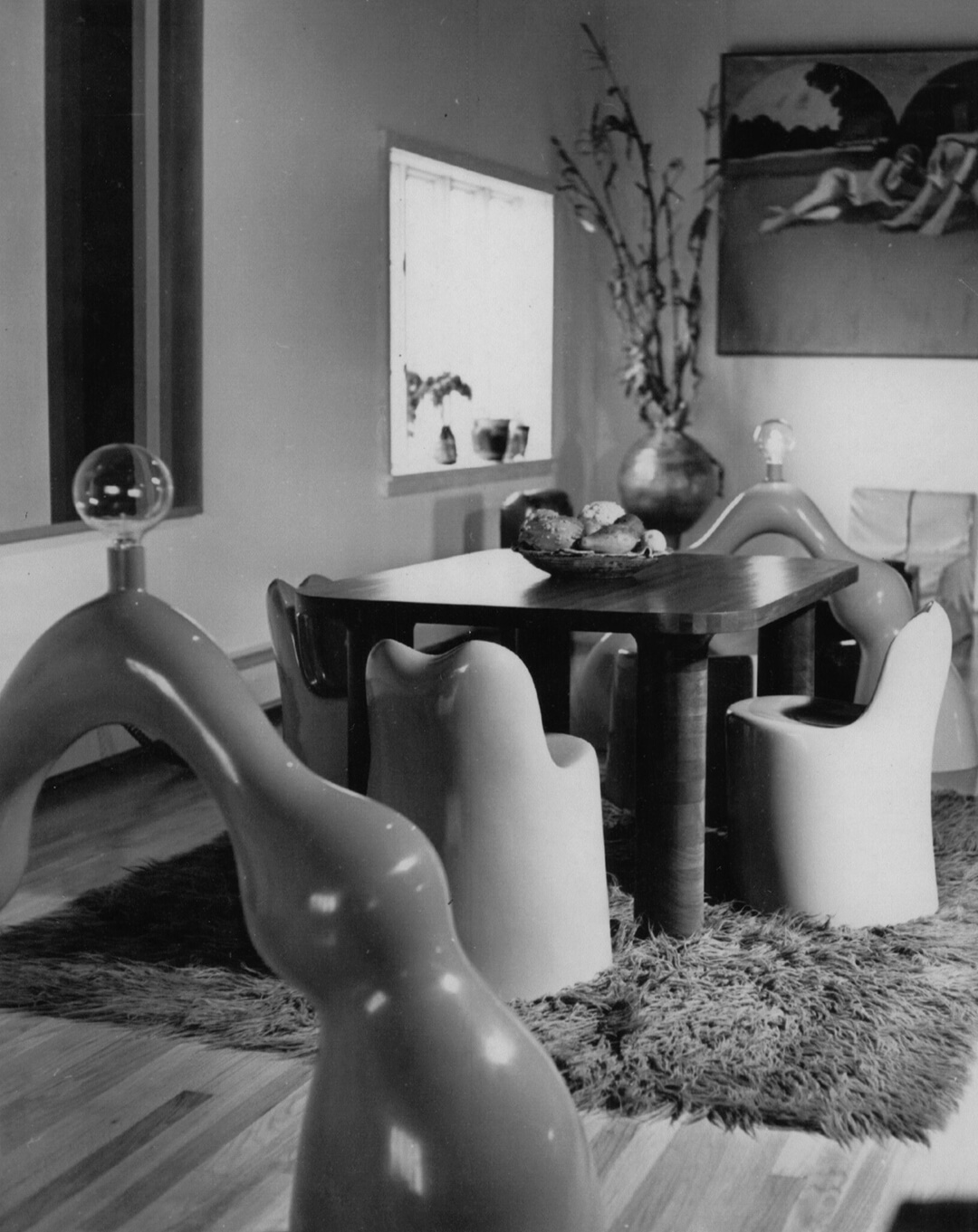
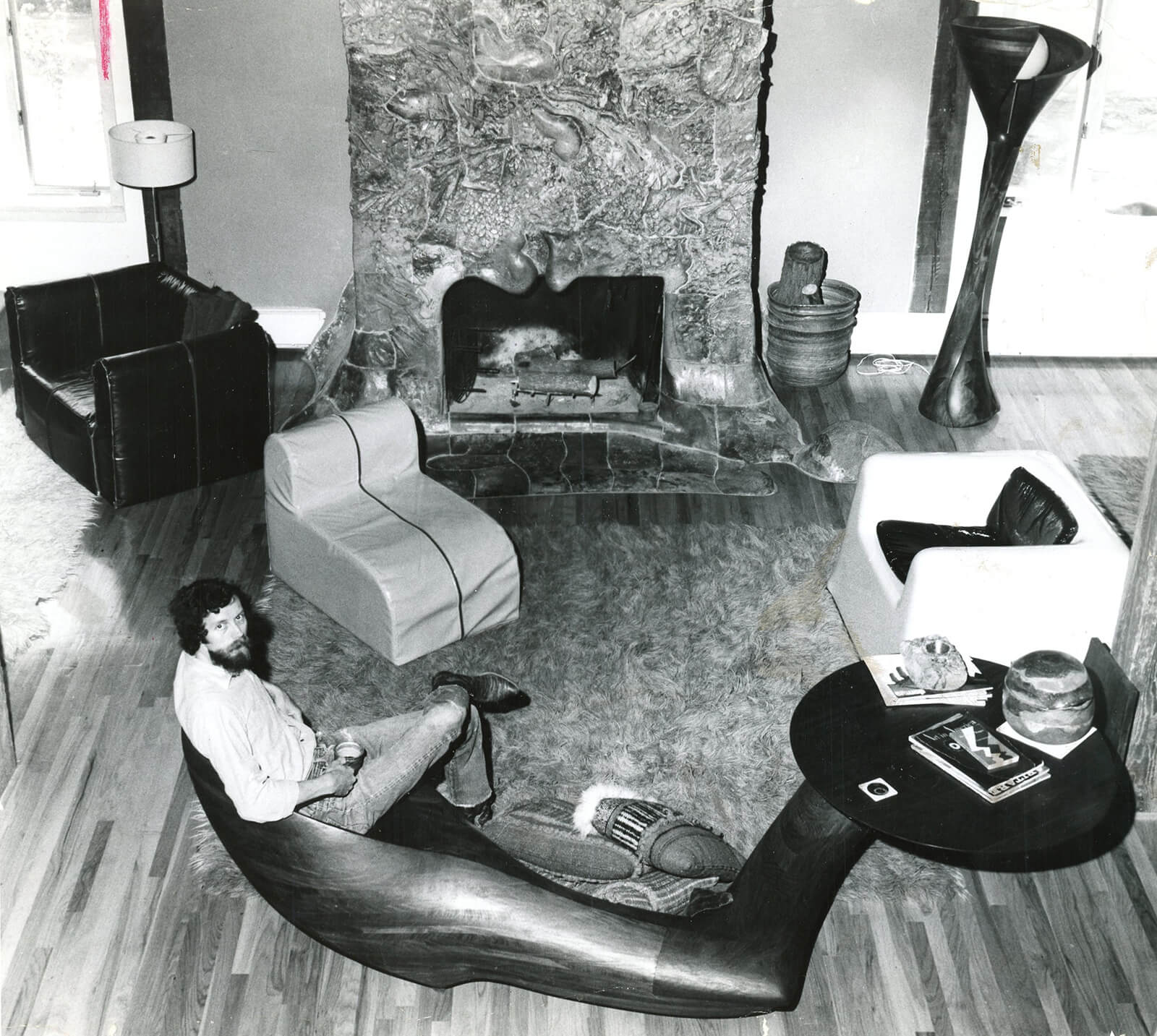
Throughout the 60s, Castle continued to develop a fairly novel vocabulary in furniture design using the production techniques such as stack lamination. The creative couple were, in parallel, devising a life in their cosy loft space where they welcomed their daughter in 1973. More than 50 years later, Alison Castle—an artist, designer, photographer and filmmaker—has recreated her childhood home for the exhibition.
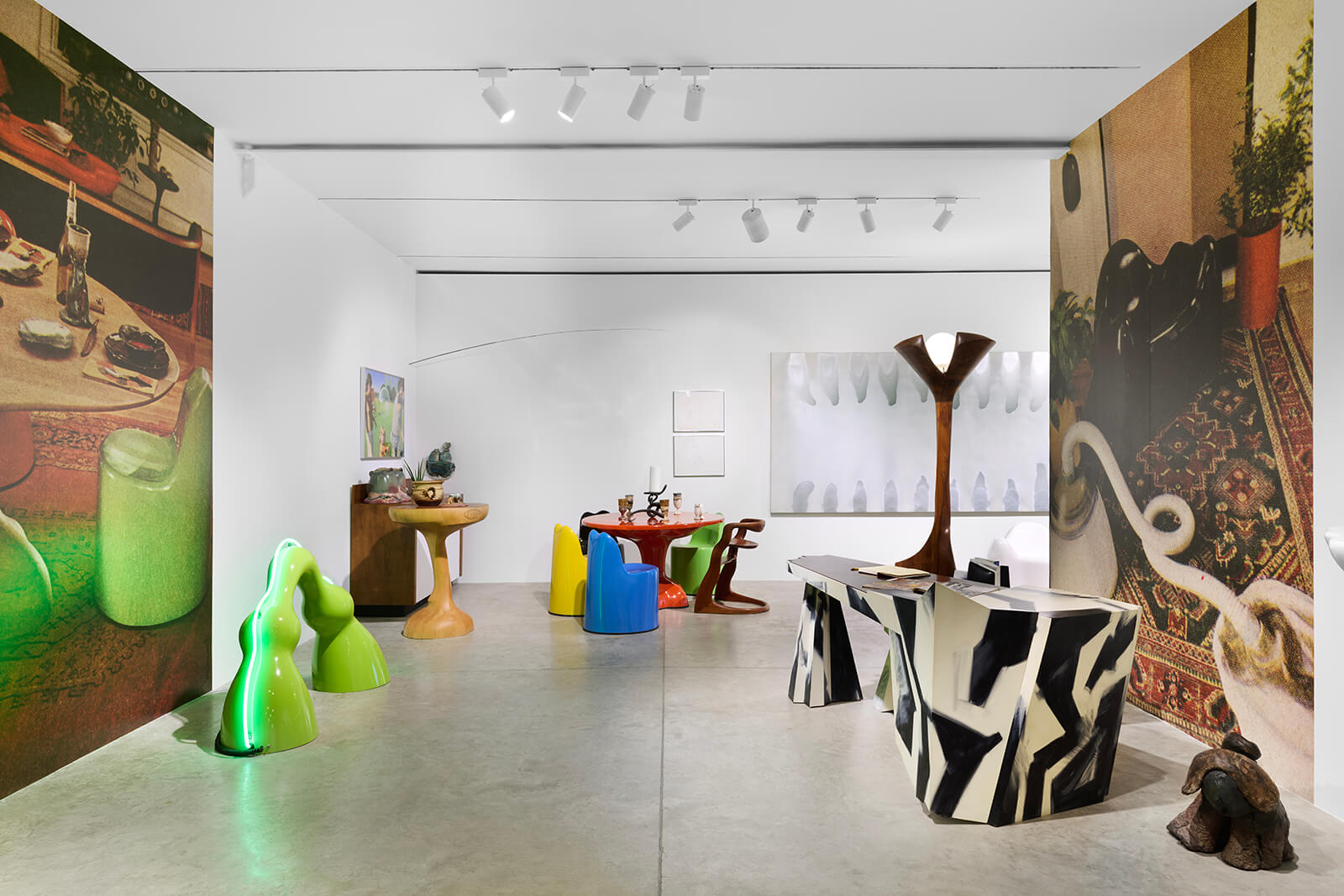
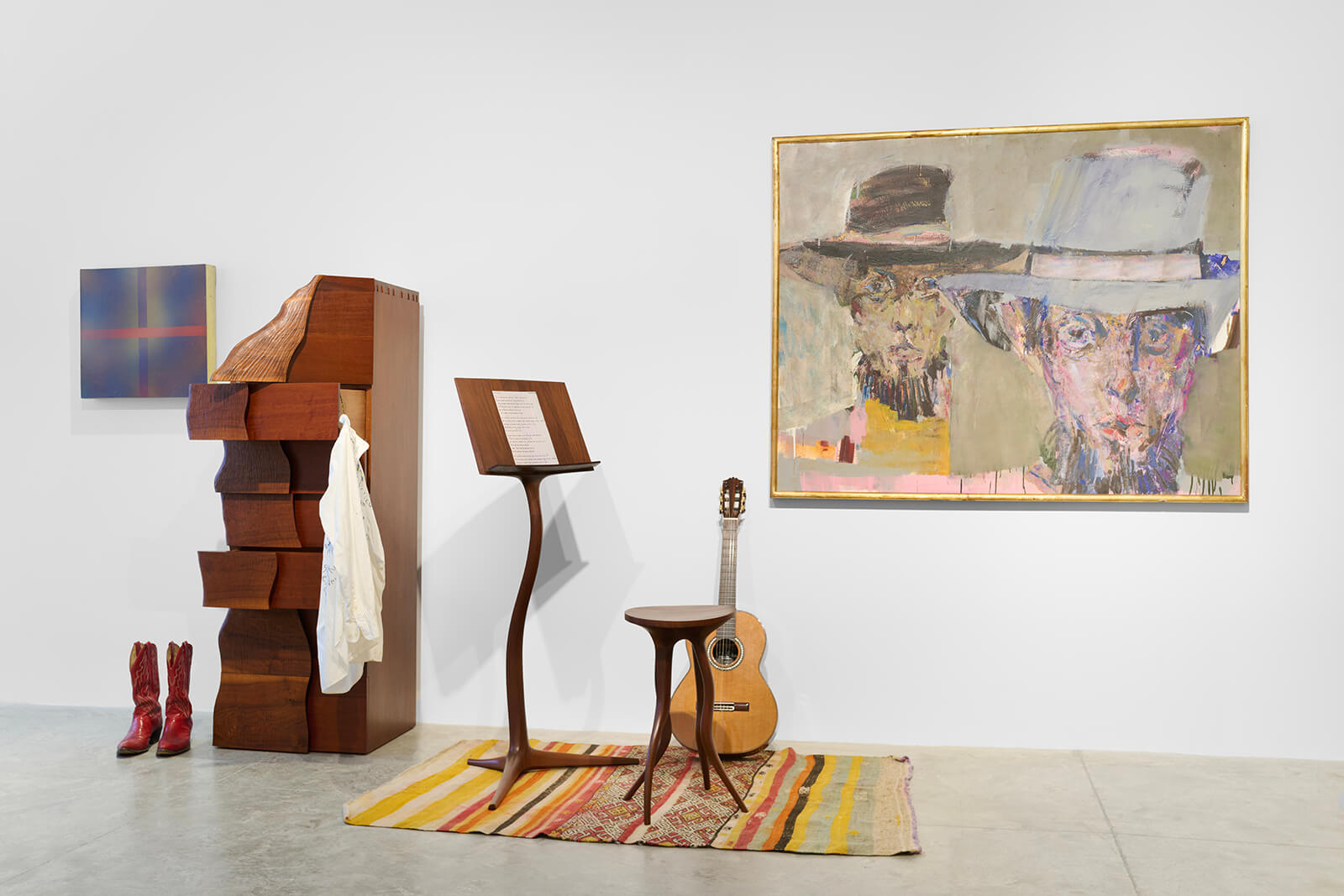
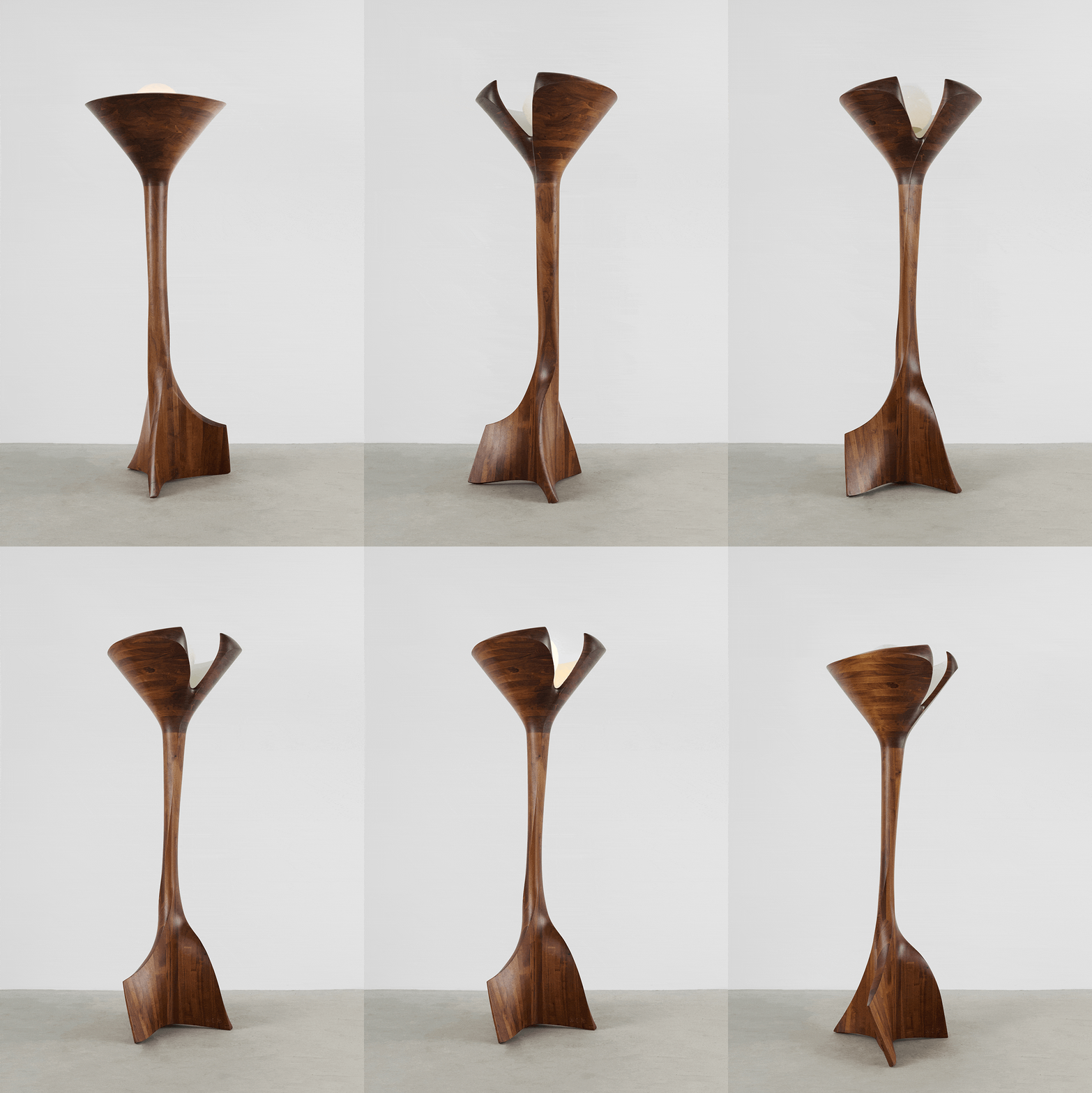
Looking back, Alison Castle acknowledges her parents’ creative inclination as an integral part of her upbringing, and, naturally, her own artistic pursuits. “Art was never separate from daily life,” she tells STIR. “Being raised surrounded by art, and particularly with wooden sculpture for furniture, fundamentally shaped who I am and how central creativity is in every aspect of my life.” The opportunity to simulate these settings within the shell of the art gallery was, hence, a personally profound experience for her. “Recreating my childhood environment in a gallery setting was surreal, but it also felt right. I get a rush of nostalgia when I'm in the space,” she says.
As a craftsperson, Castle dealt with utilitarian design with an artistic disposition, interpreting furniture as a functional sculpture. The showcase travels the expanse of his six-decade-long career, featuring early works such as Chaise Rocker (1962), Floor Lamp (1967) and Environment (1972) to some of his final collectible designs including Caligari’s Mistress’ Desk and Chair (1990), Arcadia (2010) and Opposites Attract (2017). Many of these works sensationalised the American design industry and beyond when they first arrived, demonstrating new possibilities of a fluid, sculptural expression in rudimentary materials such as wood.
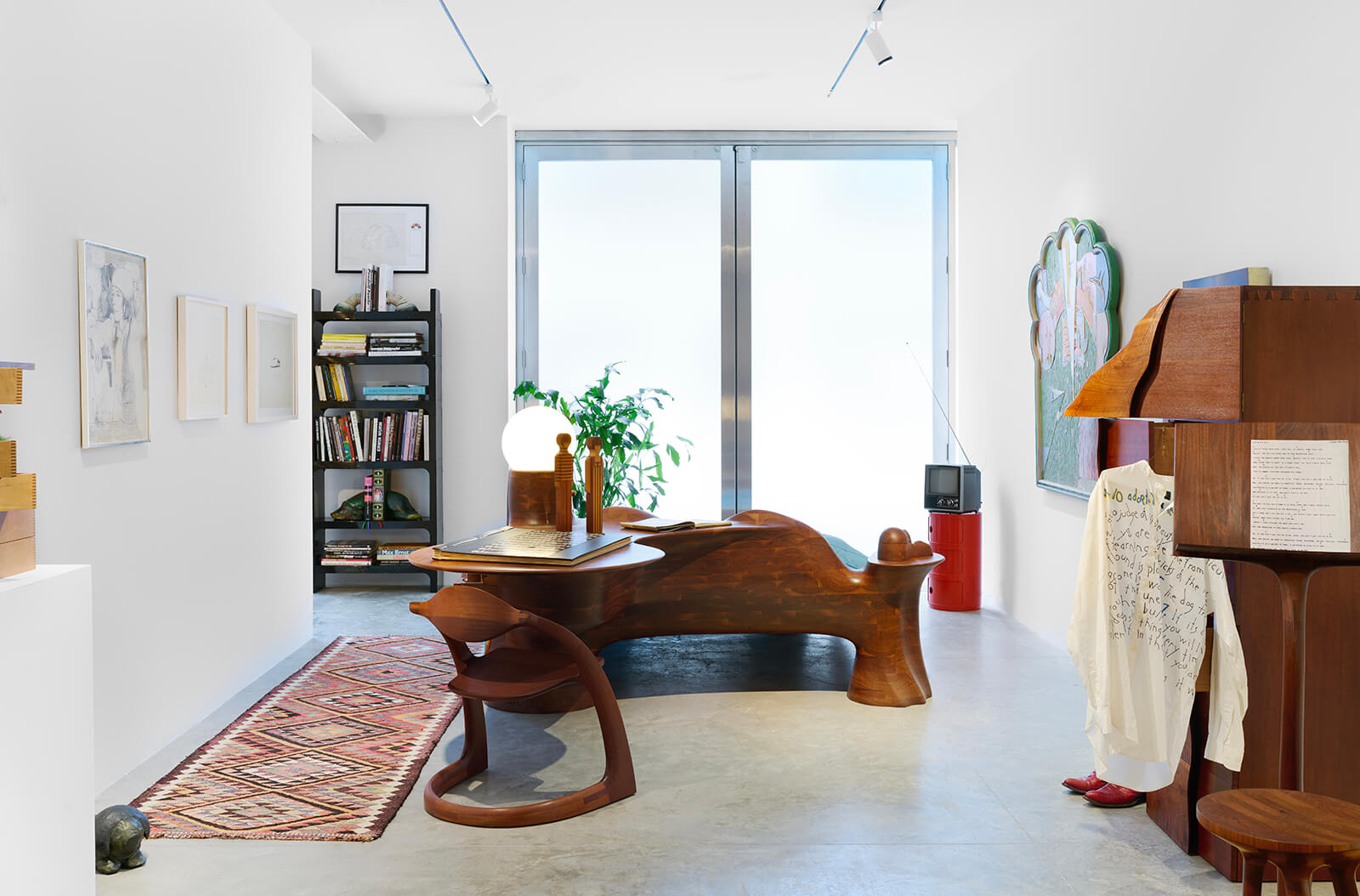
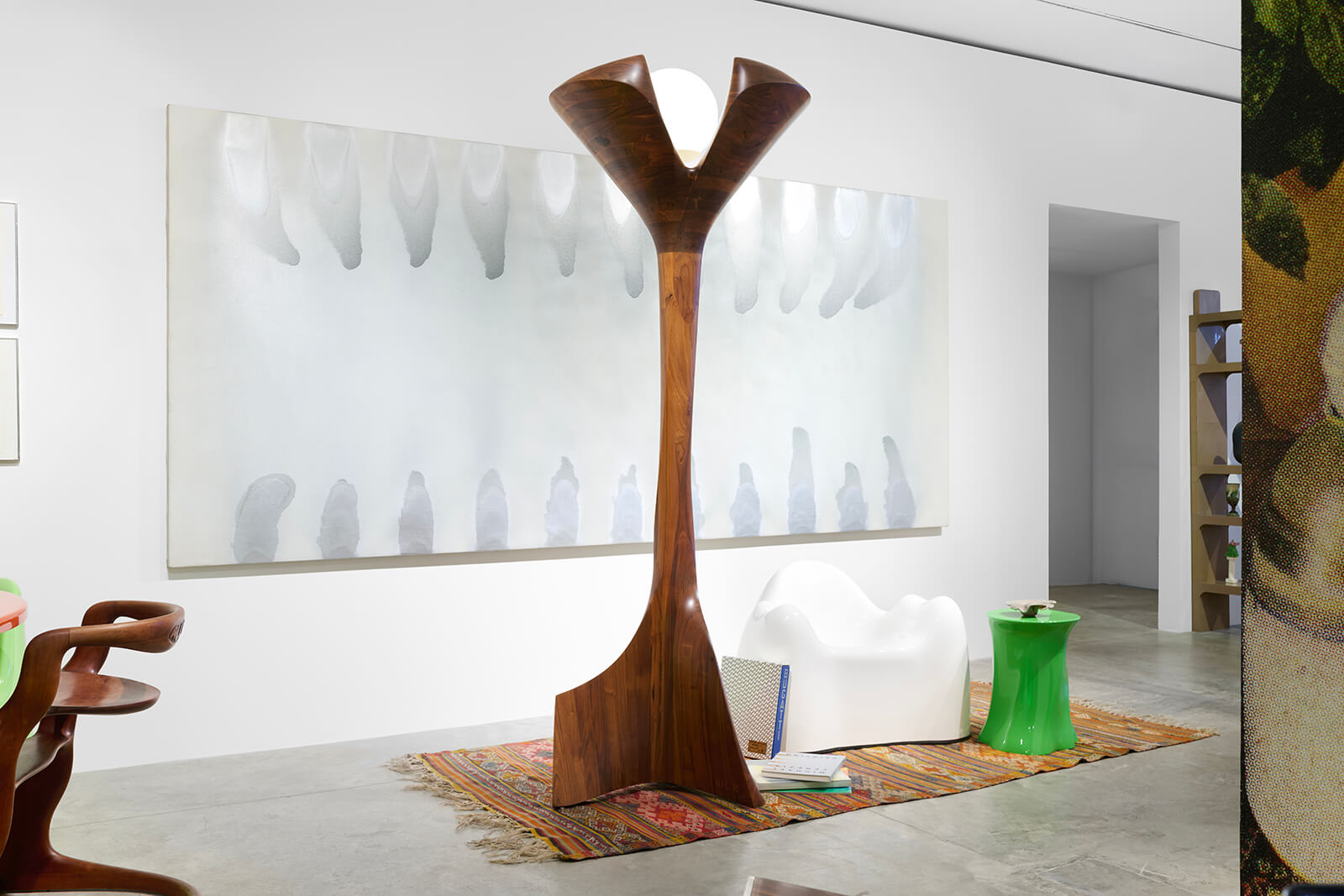
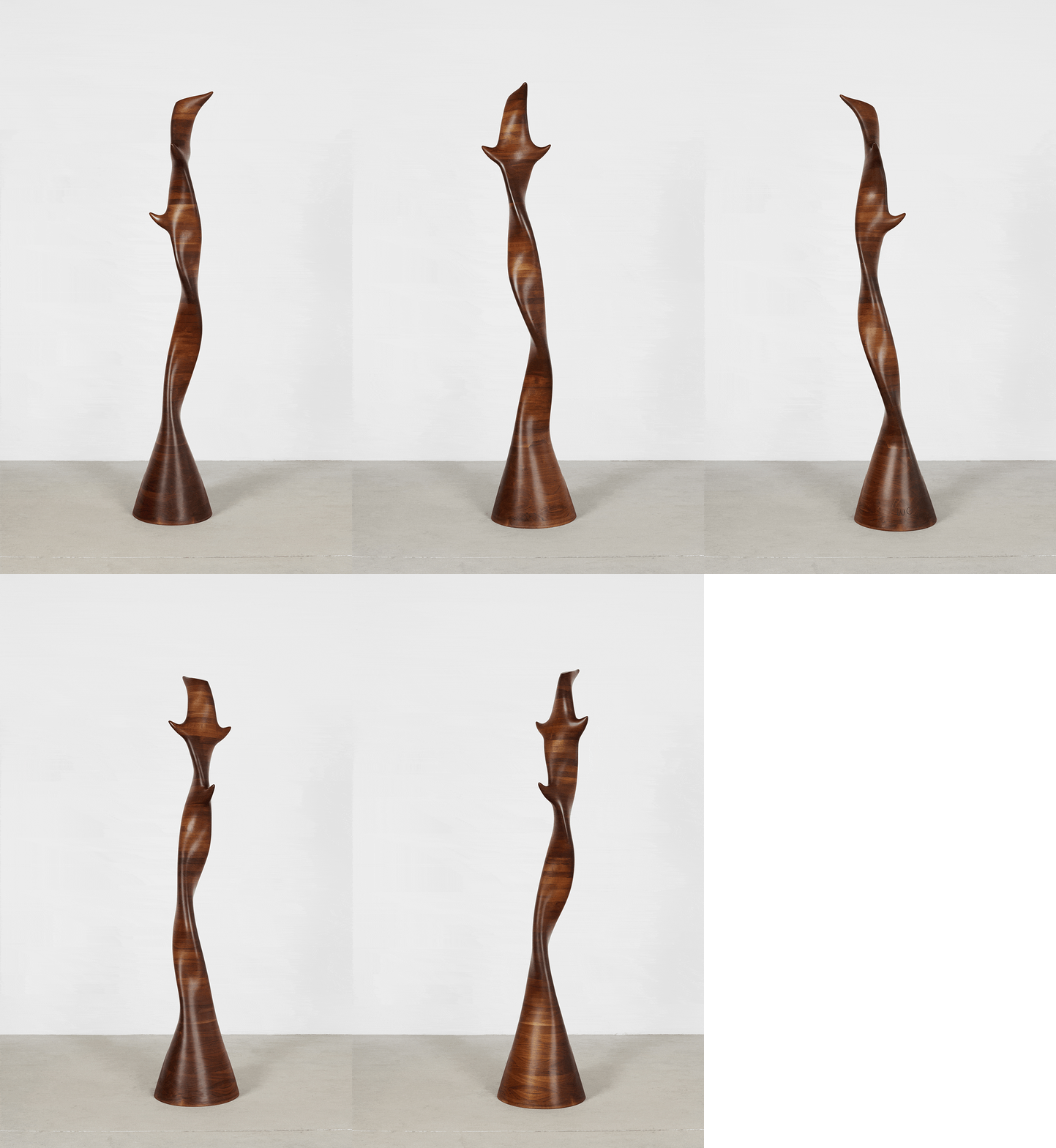
The showcase communicates how, for Castle, distinct organic forms settled into the everyday, and how a routine environment, in turn, fuelled a series of similar works. “My father's genre-defying pieces were collected and shown in galleries as sculpture, yet in our loft they were used every day, embodying the intersection of art and daily life that was central to his work,” relays Alison Castle. Her parents, she observes, were rallying for a paradigm shift through both their practice and lifestyles. “A home doesn’t have to be a shrine to an aesthetic or a trend; my parents, without setting out to make a statement, simply created a place that reflected who they were,” she recalls.
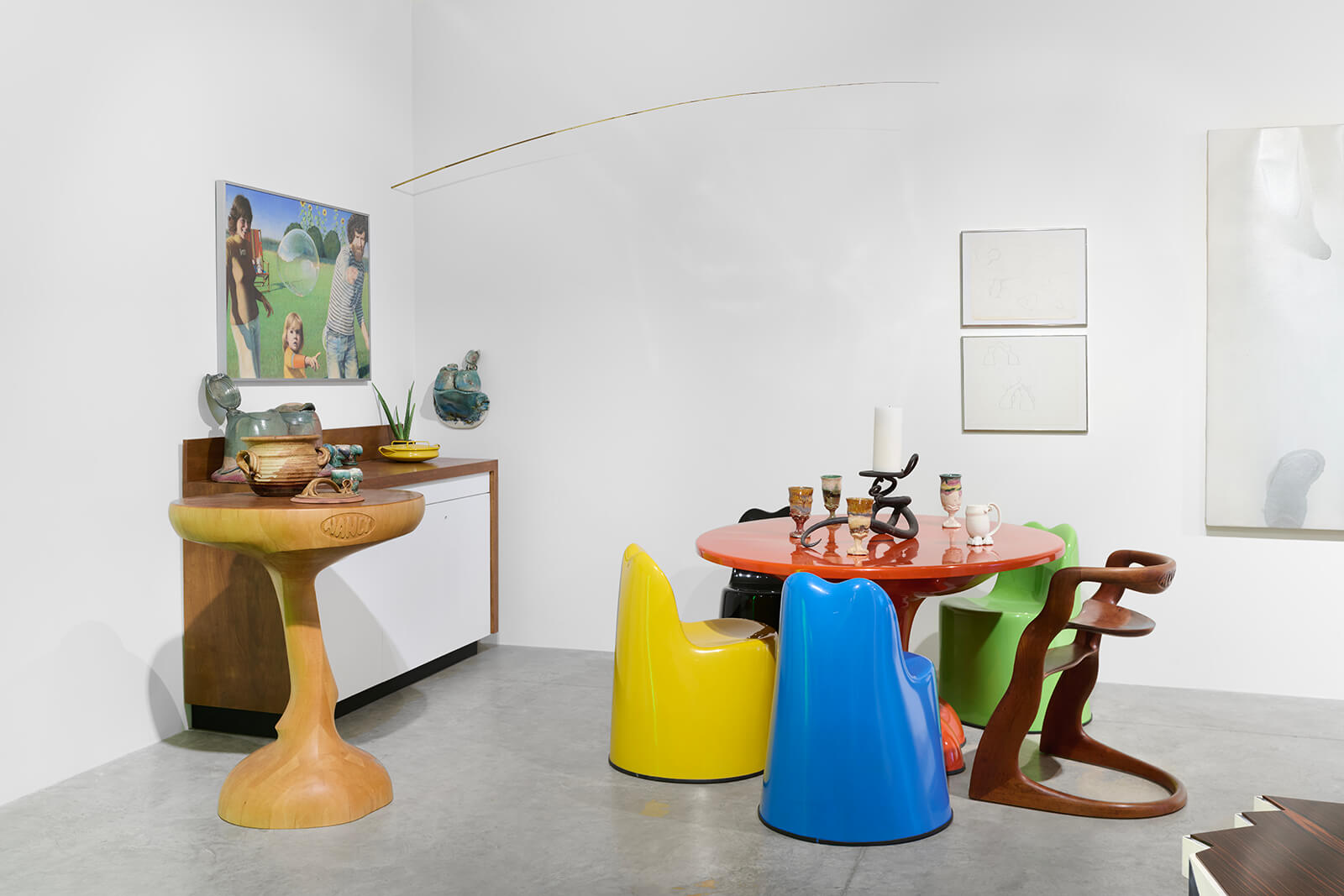
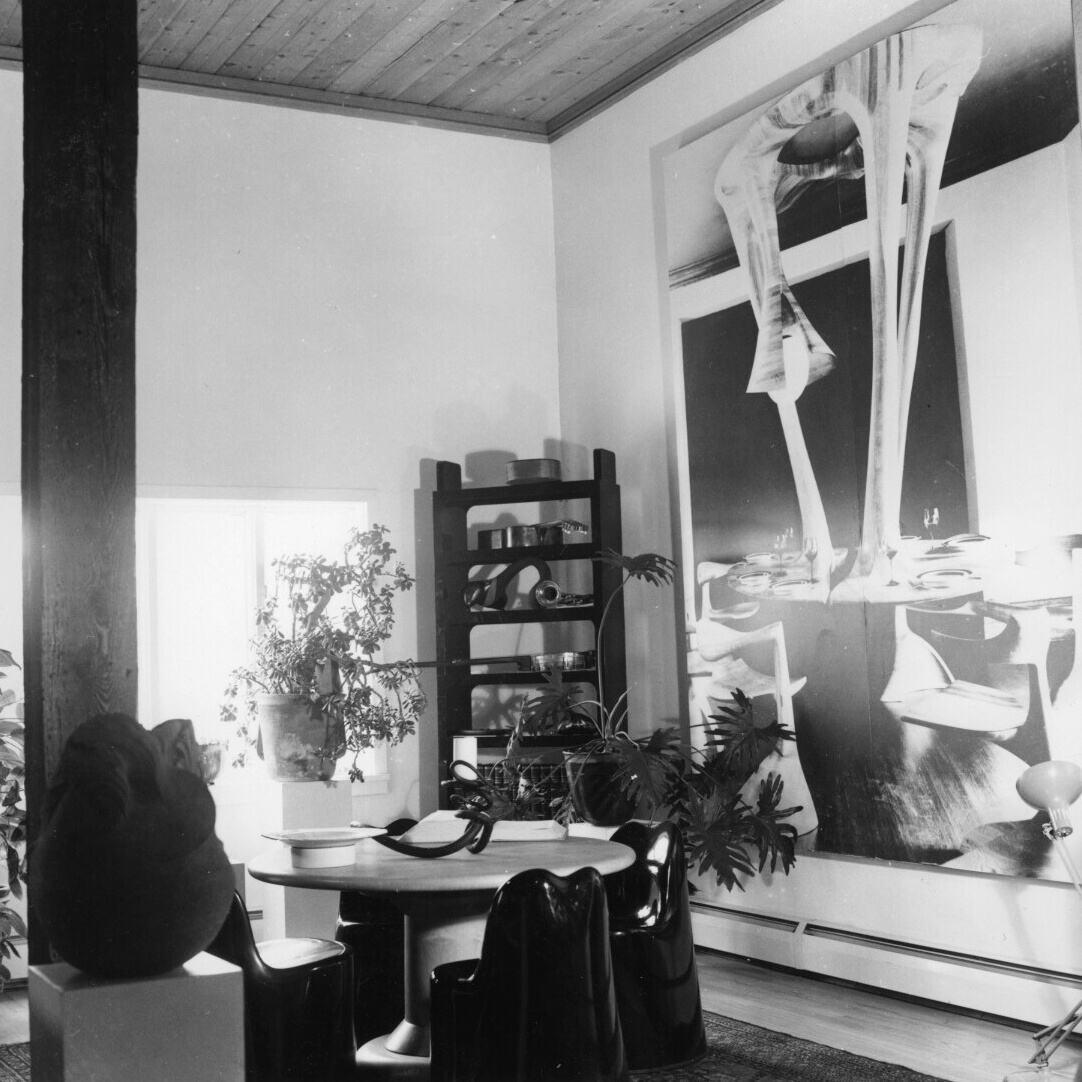
The bridge between bespoke, artistic expressions and routine objects, however, was traversed not by the reassembly of the sculptural designs into familiar compositions, but through the addition of precisely everything else: the signs of the aspect of living. Despite the furniture and lighting, custom-designed by and for the utility and aesthetic preferences of the owners, the virtual tussle between domestic life and artistic production could only be resolved through the rendition of personal objects. “The items included a selection of my parents’ books, items of my dad’s clothing, his guitar, his hat still covered in sawdust, several toys of mine from the 1970s and even a half-finished drawing of Sesame Street’s Ernie that I made when I was about four, which sits on the table in front of my highchair along with period-correct markers,” Alsion Castle shares.
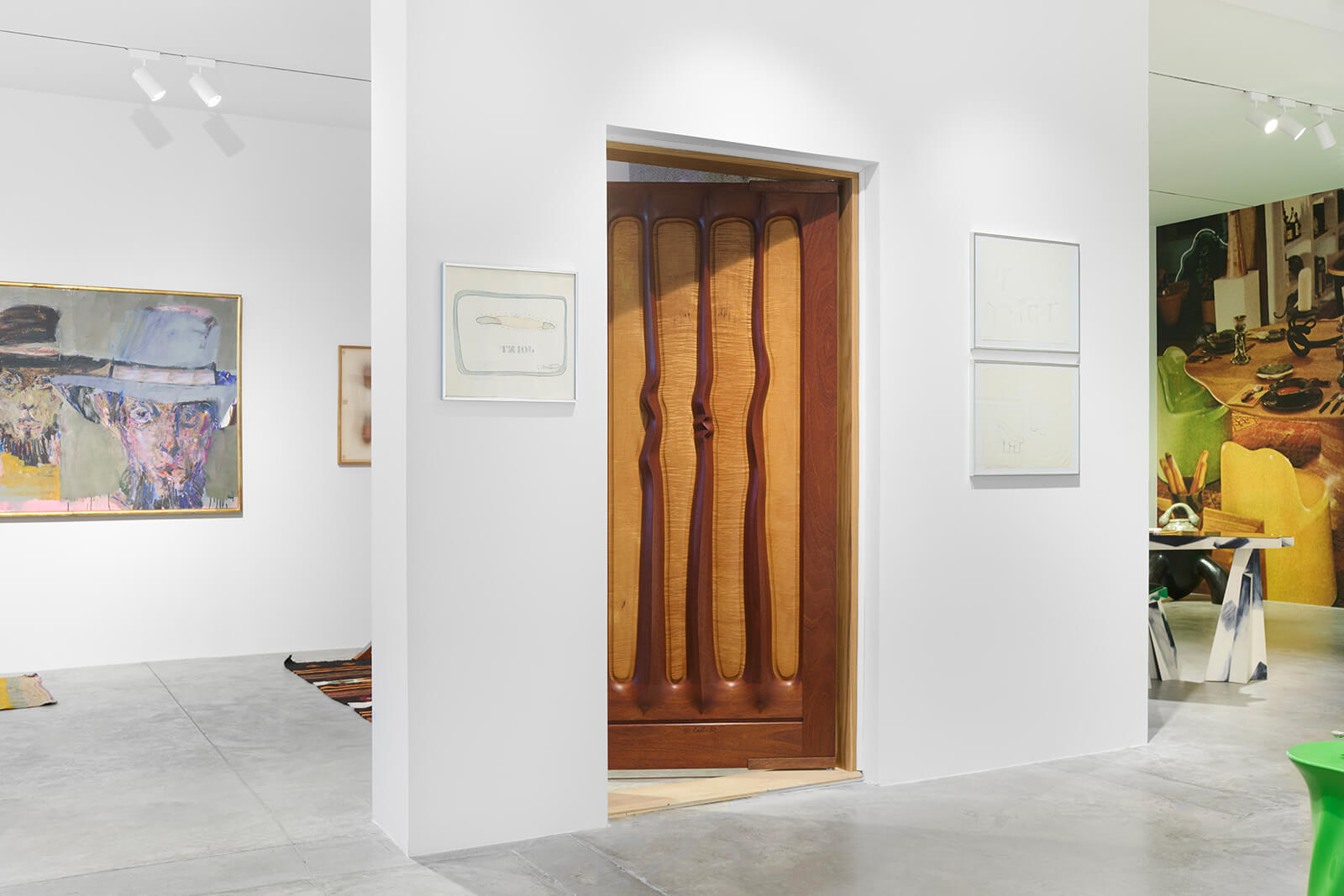
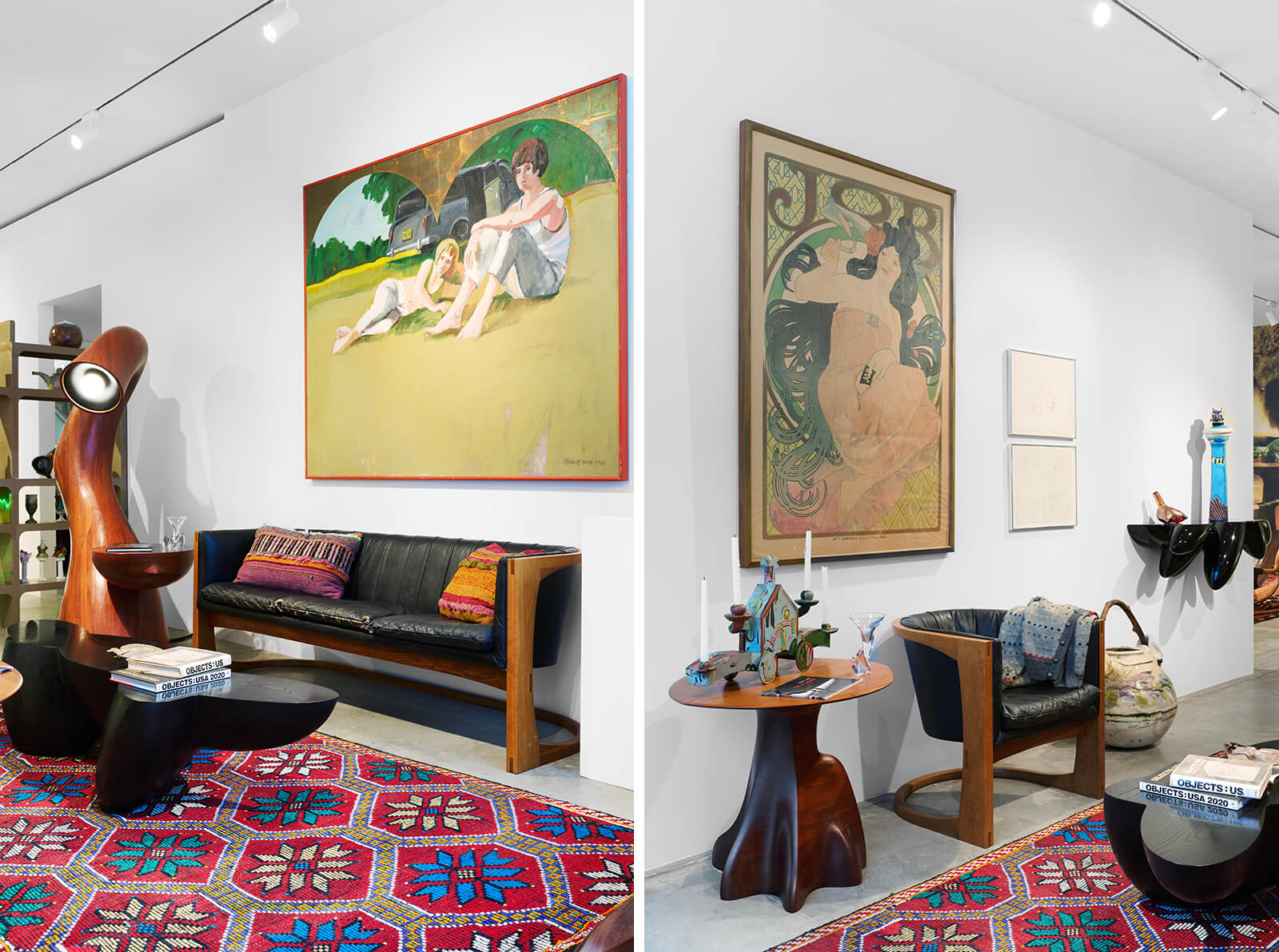
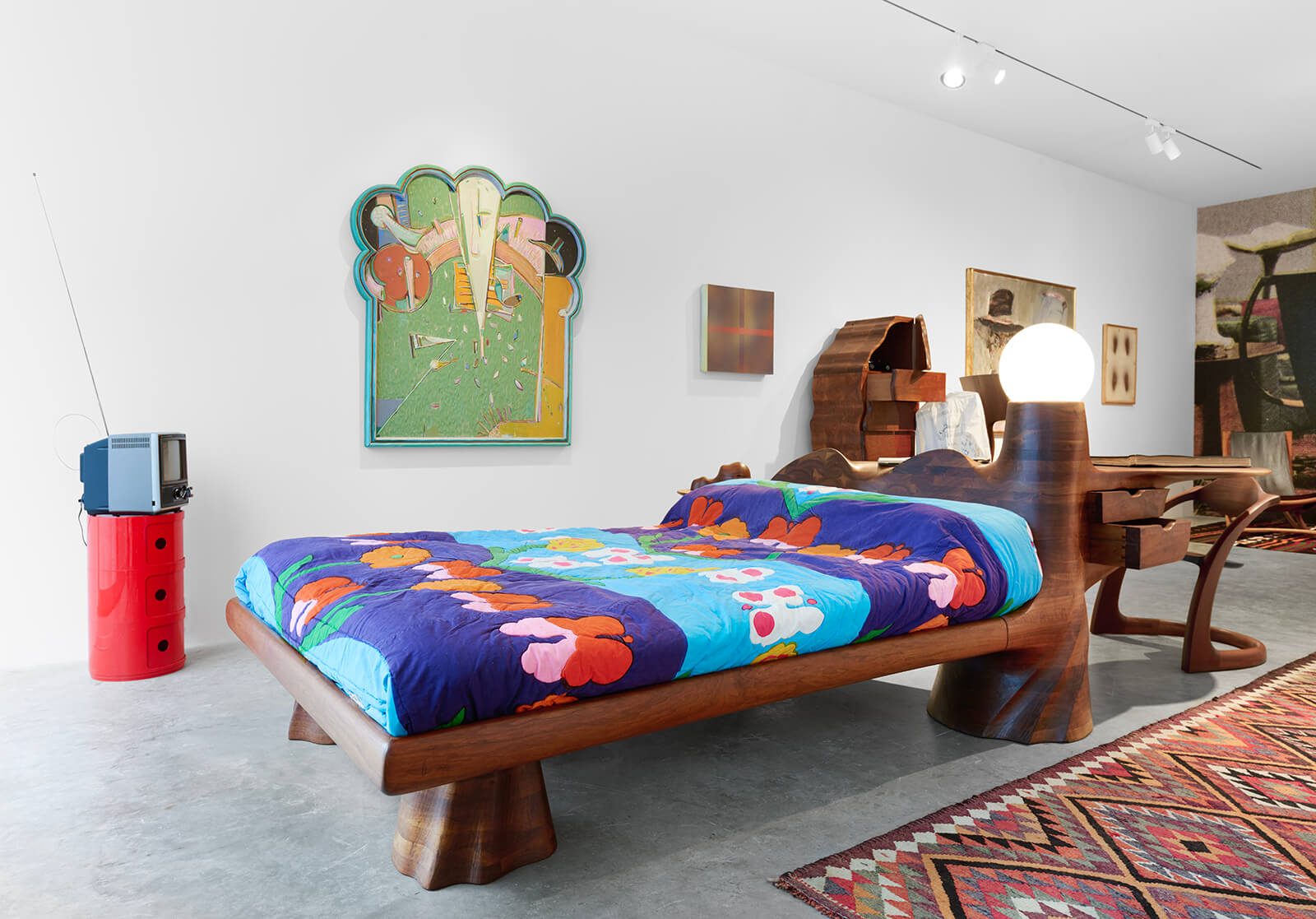
Given her physical and emotional proximity to the items on display, the showcase is, for Alison Castle, more a personal project than a public art exhibition. “I wanted to stay true to my parents’ taste in how the elements came together,” she tells STIR. “I credit them for instilling in me the instinct to preserve my individuality. That is the spirit I wanted to capture in the exhibition: my father’s works in their natural habitat, a family home rich with artworks by its inhabitants.”
‘Wendell Castle: Living’ is on view until October 17, 2026, at Friedman Benda, New York.

by Chahna Tank Oct 08, 2026
Javier Guzman Cervantes and Ulises Morin Arzola tell STIR about their ‘open code’ approach to design, working through a process of stockpiling and the idea of ‘queering’ materials.
by Mrinmayee Bhoot Oct 08, 2026
The game designer discusses their work and its manipulation of scale, scientific data and non-human perspectives to create speculative futures in conversation with STIR.
by Pranjal Maheshwari Oct 07, 2026
Under the theme R.A.W. (Rebel Authentic Worth), one of Europe’s most awaited design festivals returns for its 26th edition to investigate solutions for a world in crisis.
by Chahna Tank Oct 03, 2026
Wooden chairs by the Chilean designer reveals handmade forms and painted details that weave memories, literary references and personal stories.

make your fridays matter with a well-read weekend
Enter your details to sign in
Don’t have an account?
Sign upOr you can sign in with
a single account for all
STIR platforms
All your bookmarks will be available across all your devices.
Stay STIRred
Already have an account?
Sign inOr you can sign up with
Verification link sent to check your inbox or spam folder to complete sign up process
Tap on things that interests you.
Select the Conversation Category you would like to watch
Please enter your details and click submit.
Enter the 6-digit code sent at


Friedman Benda displays creative genius as quotidian in Wendell Castle’s retrospective
by Pranjal Maheshwari | Published on : Oct 12, 2026


 Sign in with Google
 Sign in with email
What do you think?