Art07 mins. read
STIR speaks with Gabriel Massan on 'Third World: The Bottom Dimension’
by Manu SharmaJul 07, 2023



by Manu SharmaPublished on : Dec 26, 2023
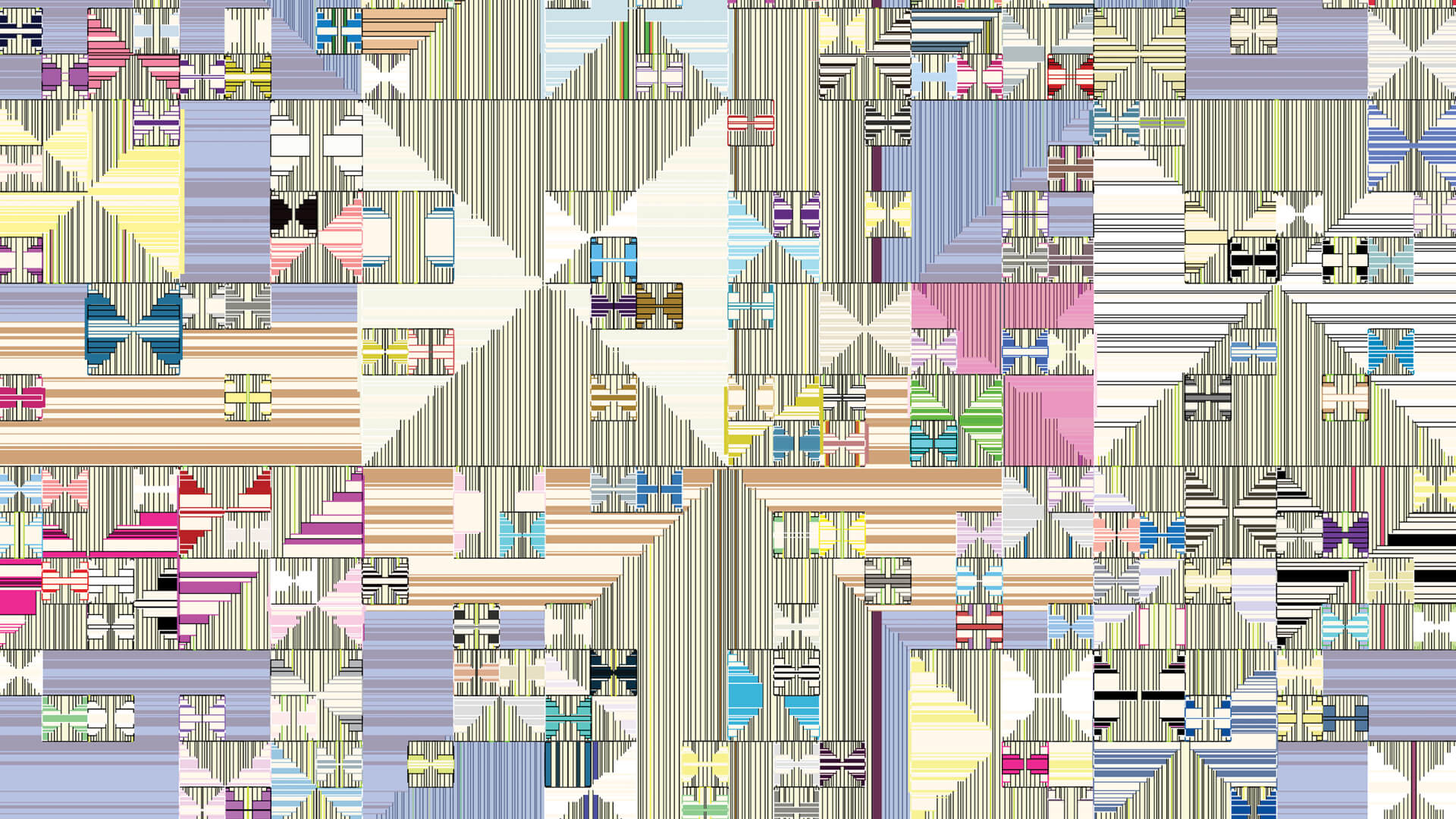
Holger Lippmann is a digital artist who creates intricate, geometrical code artworks, often quite hypnotic to look at. The German artist who hails from Dresden, introduces himself, telling STIR: "I started working with computers and programming shortly after studying fine arts. I have spent most of my waking hours over the past 20 years coding, programming, and creating digital and generative art.”
Lippmann’s artmaking career began soon after he graduated and quickly rose to some prominence. Reflecting on this time, he remarks, "I was already relatively successful with a young gallery from Dresden and was able to take part in international art fairs as well. During a scholarship stay in Paris and two more years in New York, I got in contact with computer-generated aesthetics through music videos and the club scene, which inspired me, right from the beginning.” Over time, Lippmann moved to Berlin, where he began working as a VJ, and simultaneously built inroads into galleries that were opening up to digital art. He has since dubbed his highly valued work as e-art.
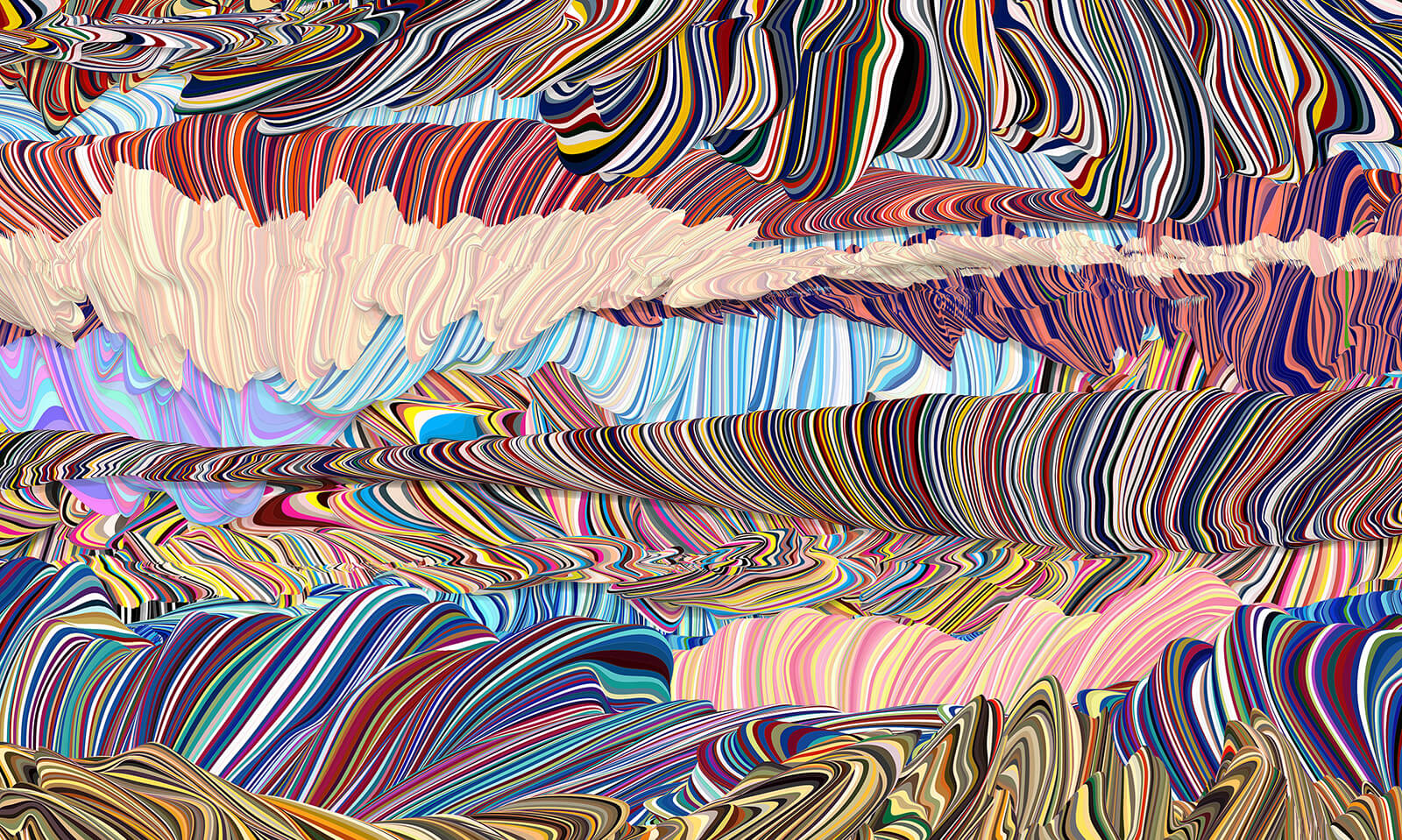
The artist’s work has evolved, having featured pieces resembling abstract topographical art, along with representative depictions of flower blossoms appearing within his oeuvre as well. It would seem that the circumstances of his life have played a major role in the formative aspects of the series that encompass Lippmann’s larger body of art. For example, he explains that a move with his family from urban to more rural areas outside Berlin, Germany, after over two decades of city life, opened his eyes to the wonders of the natural world, which in turn, led to floral motifs appearing within his pieces.
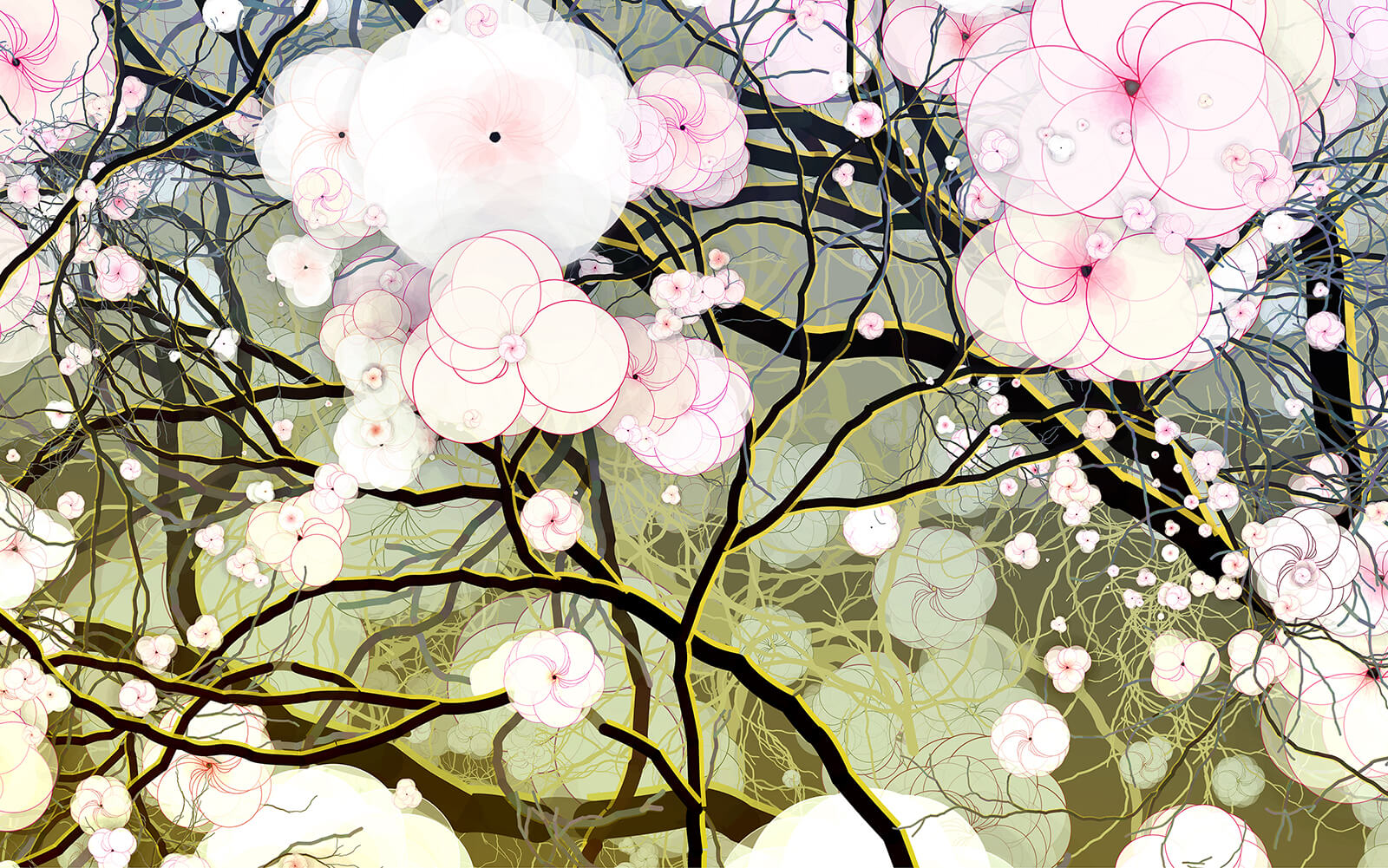
In his words, “It was for me, also in connection with the joy of having our children; a kind of discovery of the beauty of nature. We (the artist and his family) have made endless hikes through the woods and fields, to beautiful lakes and heaths. Hundreds of photos were taken by us, and finally, without thinking much, the first grass and plant motifs appeared in my work.”
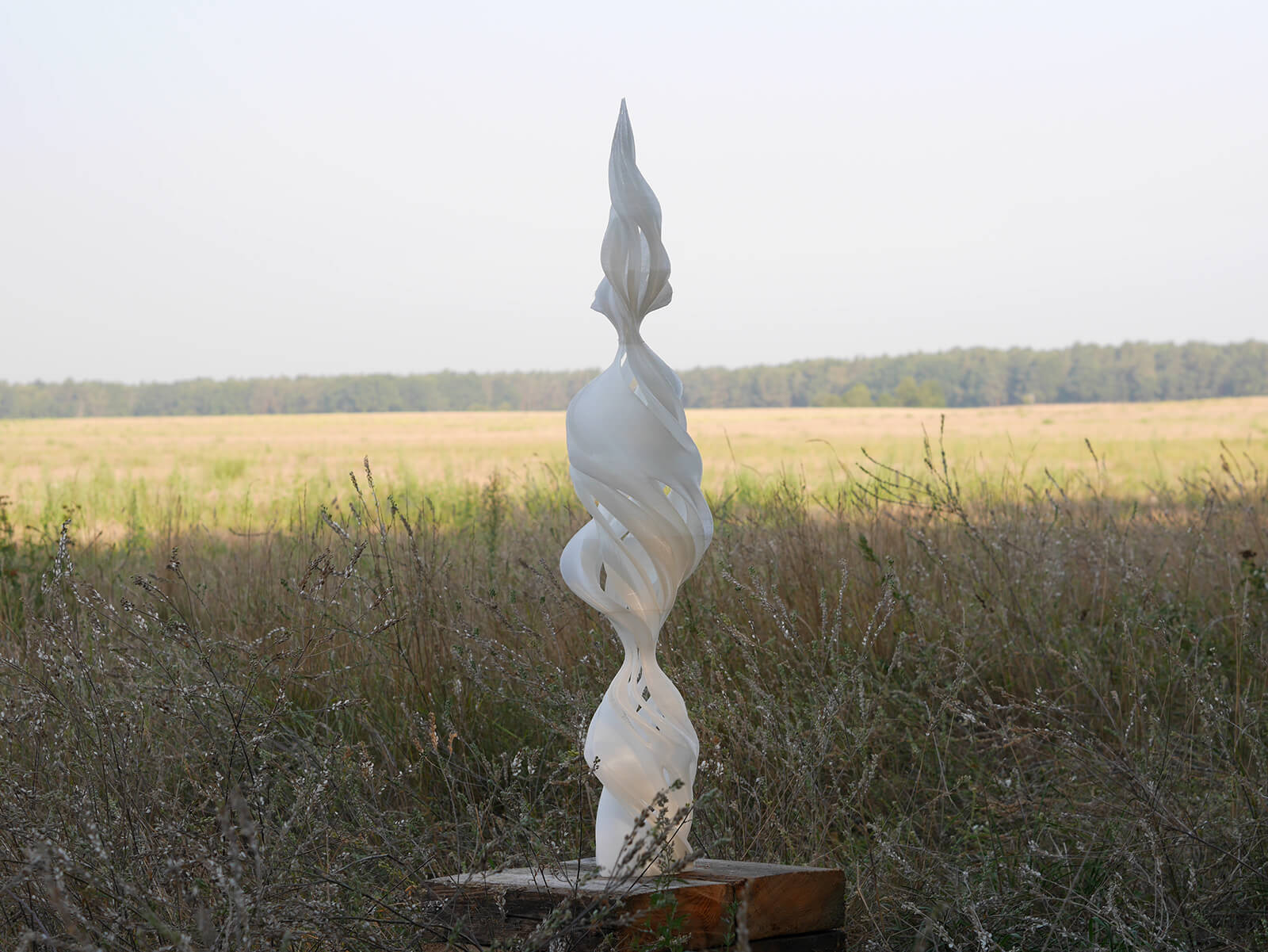
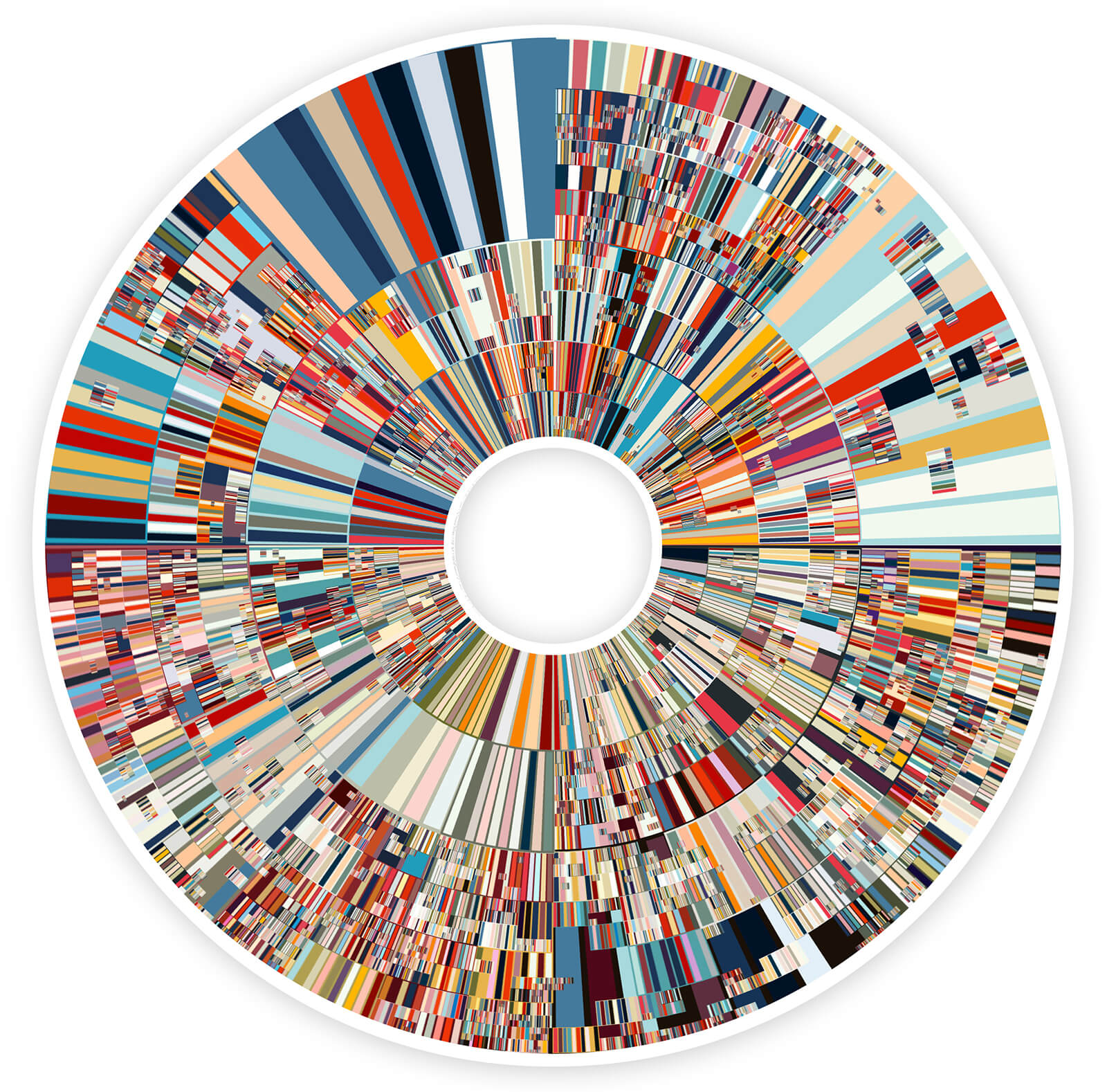
Besides these, geometric forms can be found throughout Lippmann’s oeuvre. As he explains, he has a predilection towards the stark symmetry these forms entail, which goes back to an older appreciation for Bauhaus. His preference for geometry is so strong, that when he uses the floral motifs discussed above in his work, he often finds himself simplifying them until they become minimalist and geometric.
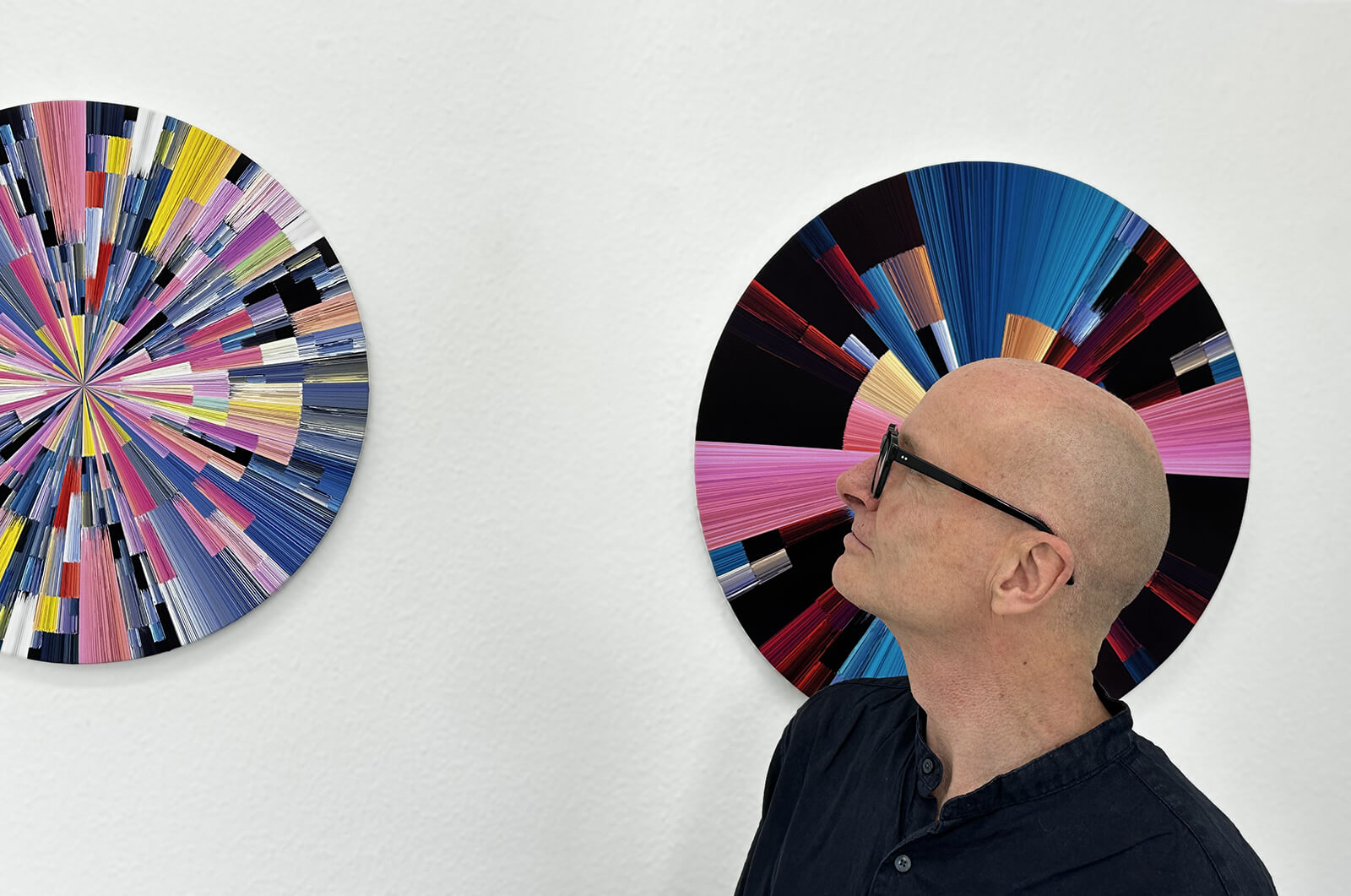
The artist played with the idea of becoming a painter ever since he was 16, and subsequently attended a three-year preparatory course at the Dresden Art Academy to then study there for another five years, before enrolling into a postgraduate program for another two years. It is interesting to consider that Lippmann originally wished to pursue painting when engaging with some of his topographical code art pieces. Even though they are created entirely using digital tools, one may draw parallels between them and massive landscape paintings.
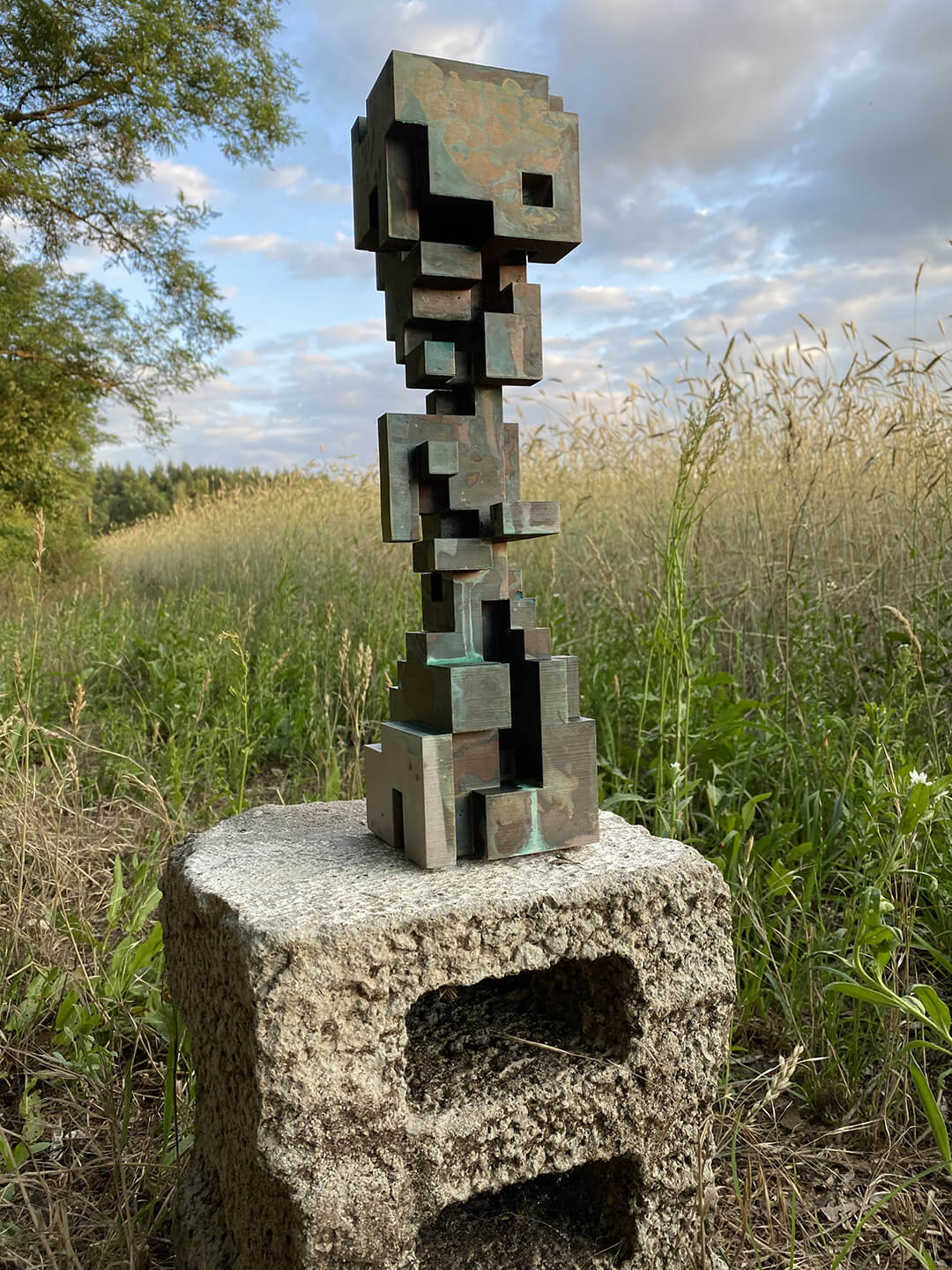
One observes how the artist has turned to the timeless medium of sculpture to plan out his future works. He tells STIR, “I started about half a year ago, inspired by the video game Minecraft, to develop and print out pixel figures. I call these VOXEL.” Lippmann intends to take these further through his work with the JavaScript library p5js and looks forward to adding dynamism and variability to the results, but refuses to say any more on the matter. In the artist’s words, “It’s a big project and one I actually shouldn't talk about yet, because as they say; don't talk about unlaid eggs!”

by Srishti Ojha Oct 21, 2026
Increasingly, artists, filmmakers and activists are turning to VR to create more personal, tangible accounts of the climate emergency and its impact on vulnerable communities.
by Mirra Lynn Oct 20, 2026
The Indian artist paints the old wadas of central Pune, capturing the traces of everyday life that cling to these structures, battered by time but unbowed.
by Anmol Ahuja Oct 15, 2026
How do heaps of souvenirs and relics with racist Aboriginal motifs and features become art? MCA Sydney’s winter showcase—the artist’s largest to date—beckons a possibility.
by Vandana Kalra Oct 14, 2026
With his latest exhibition as a point of departure, the modernist discusses his decades-long practice, the spontaneity of drawing and the social responsibility of artists.

make your fridays matter with a well-read weekend
Enter your details to sign in
Don’t have an account?
Sign upOr you can sign in with
a single account for all
STIR platforms
All your bookmarks will be available across all your devices.
Stay STIRred
Already have an account?
Sign inOr you can sign up with
Verification link sent to check your inbox or spam folder to complete sign up process
Tap on things that interests you.
Select the Conversation Category you would like to watch
Please enter your details and click submit.
Enter the 6-digit code sent at


Holger Lippmann discusses his geometrical code art with STIR
by Manu Sharma | Published on : Dec 26, 2023


 Sign in with Google
 Sign in with email
What do you think?