Art09 mins. read
The Bangkok Art Biennale embraces Mother Nature
by Rémy JarryNov 18, 2024



by Manu SharmaPublished on : Dec 25, 2023
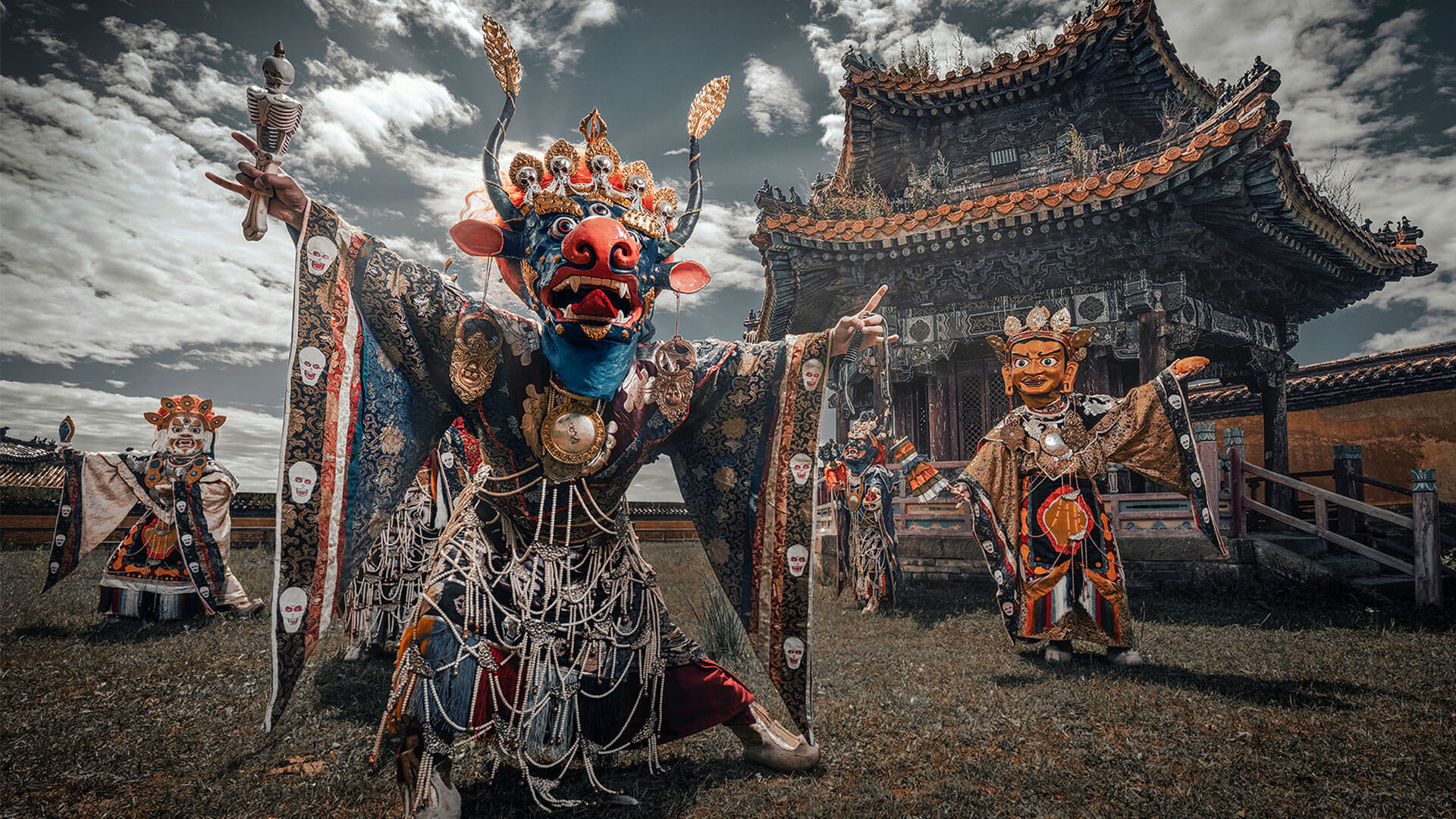
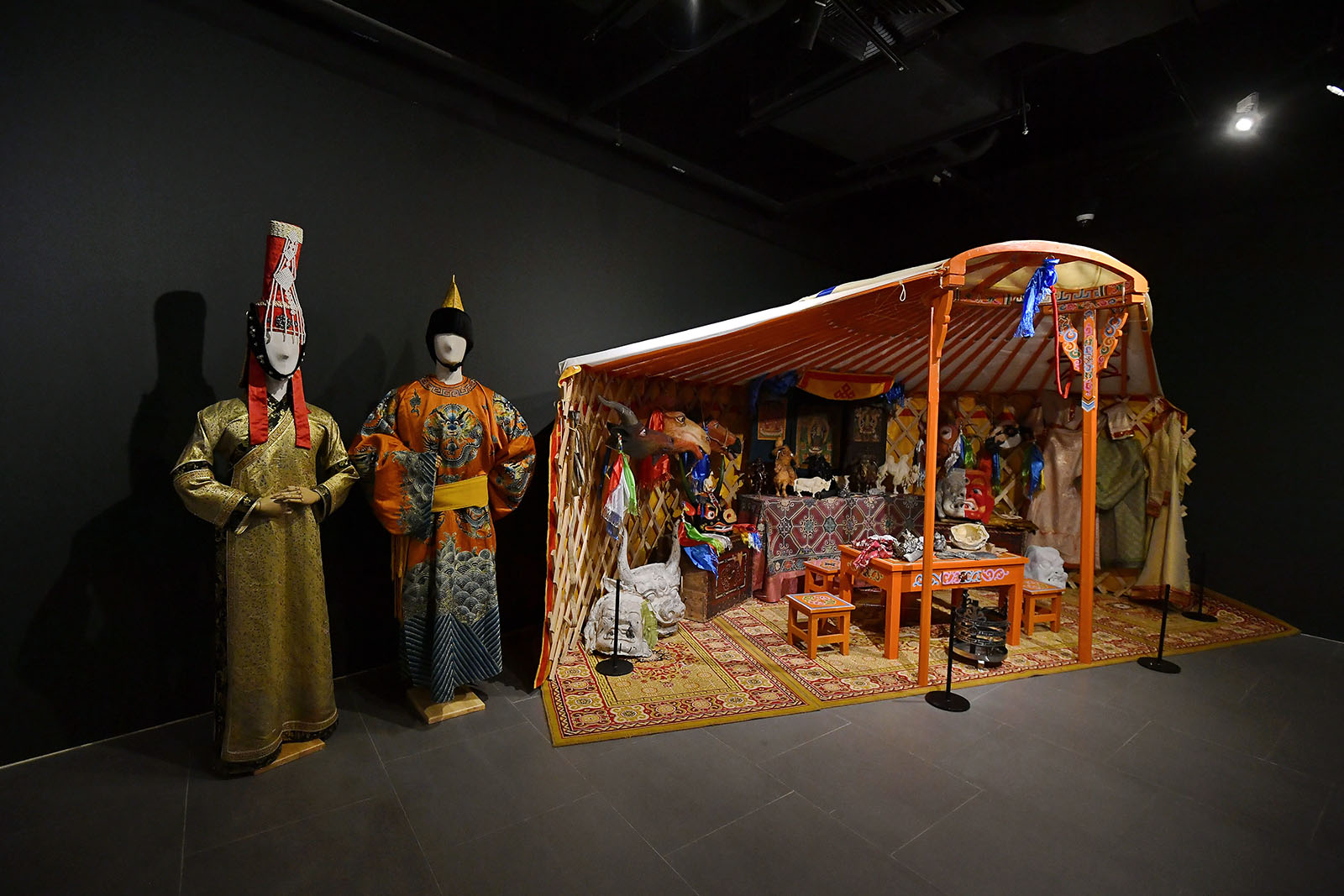
Tsam dances are traditional Vajrayana Buddhist moral plays with roots in Tibet. As Buddhism spread across Asia, so did the colourful masked dance, and Tsam came to be hybridised by the cultures it met. Particularly evident in Mongolia, where it developed into a distinct form – the Khuree Tsam, which introduced deities from the Mongolian pantheon, like the fertility god, ‘Old White Man’ into the dance plays. Recently, River City Bangkok presented an expansive exhibition on the Khuree Tsam titled People and Their World: Tsam – The Dance of Gods, which was on view from October 24, 2023 – December 5, 2023. The exhibition presented works by renowned photographer Jatenipat Ketpradit, better known as JKboy, along with pieces from the Mongolian Mask Museum, videos exploring the dance and a Tsam recital.
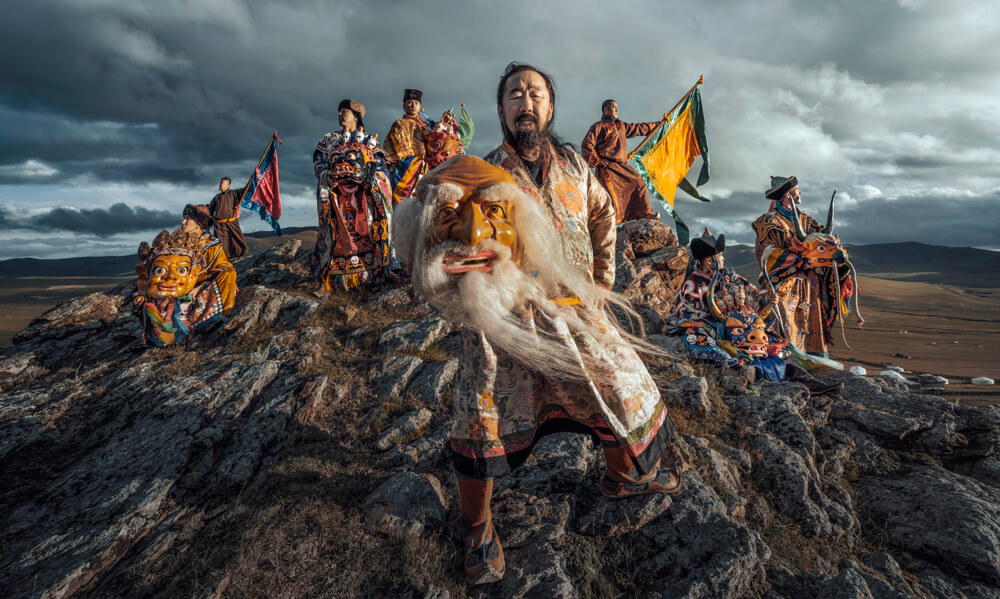
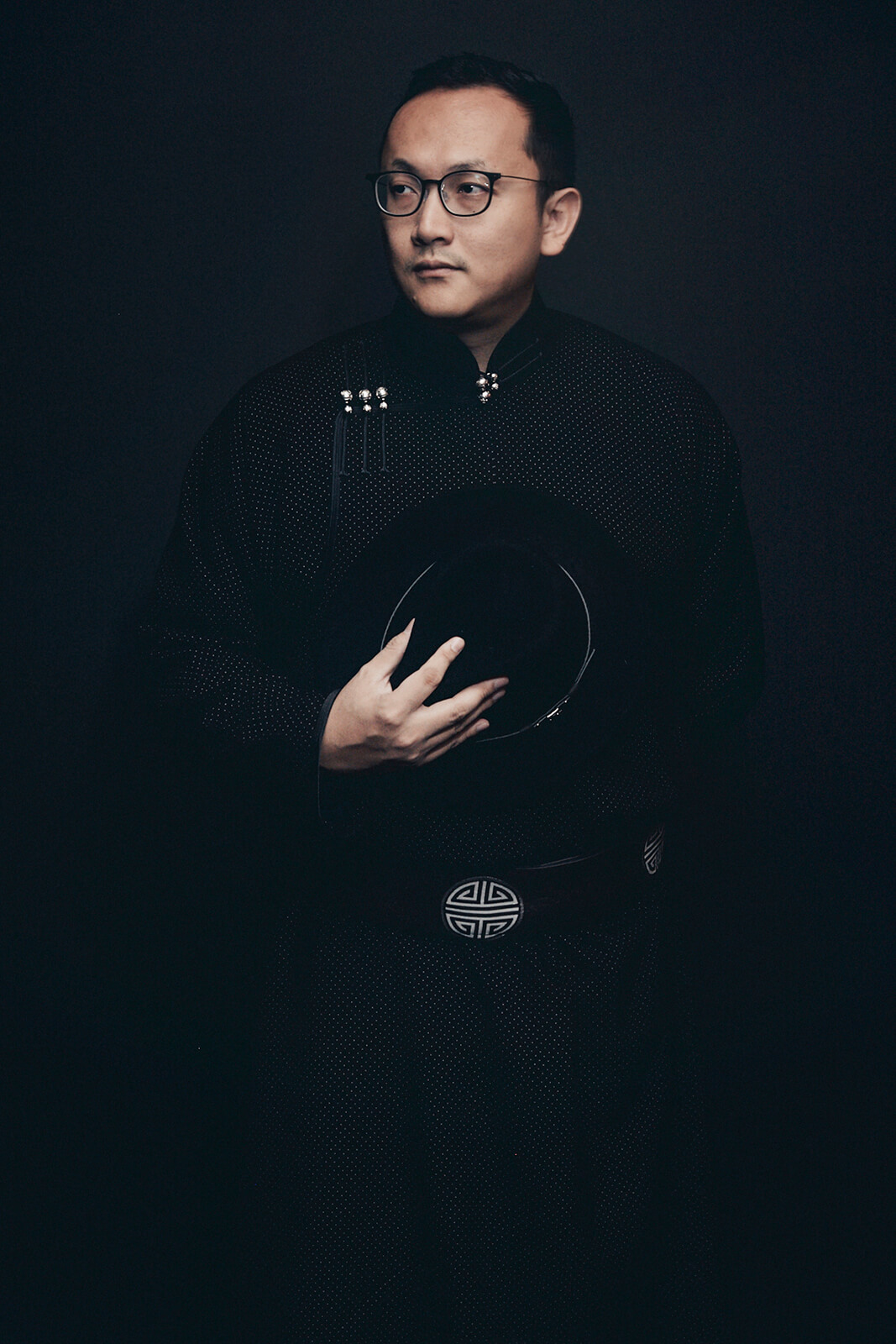
The exhibition is the latest chapter in the People and Their World project, which Ketpradit describes as “a medium for presenting interesting cultures from around the world.” In the past, the project has brought him in contact with groups of people such as the Mentawai of Indonesia and the Suri of Ethiopia. This time, Ketpradit travelled in an old Russian van through Mongolia, to the Amarbayasgalant Monastery, the Mask Museum of Mongolia and several other places of deep cultural significance to Mongolian Buddhism in 2022, and again in 2023. Here, he would use his signature photographic style - one that bestows a sense of grandeur upon the subjects - to capture Tsam dances in traditional yurts and temple settings, along with the stunning Mongolian landscape as a backdrop for some of the photographs in the exhibition. The result is a breathtaking look into a facet of Mongolian art and culture that lacks visibility within the world of contemporary art.
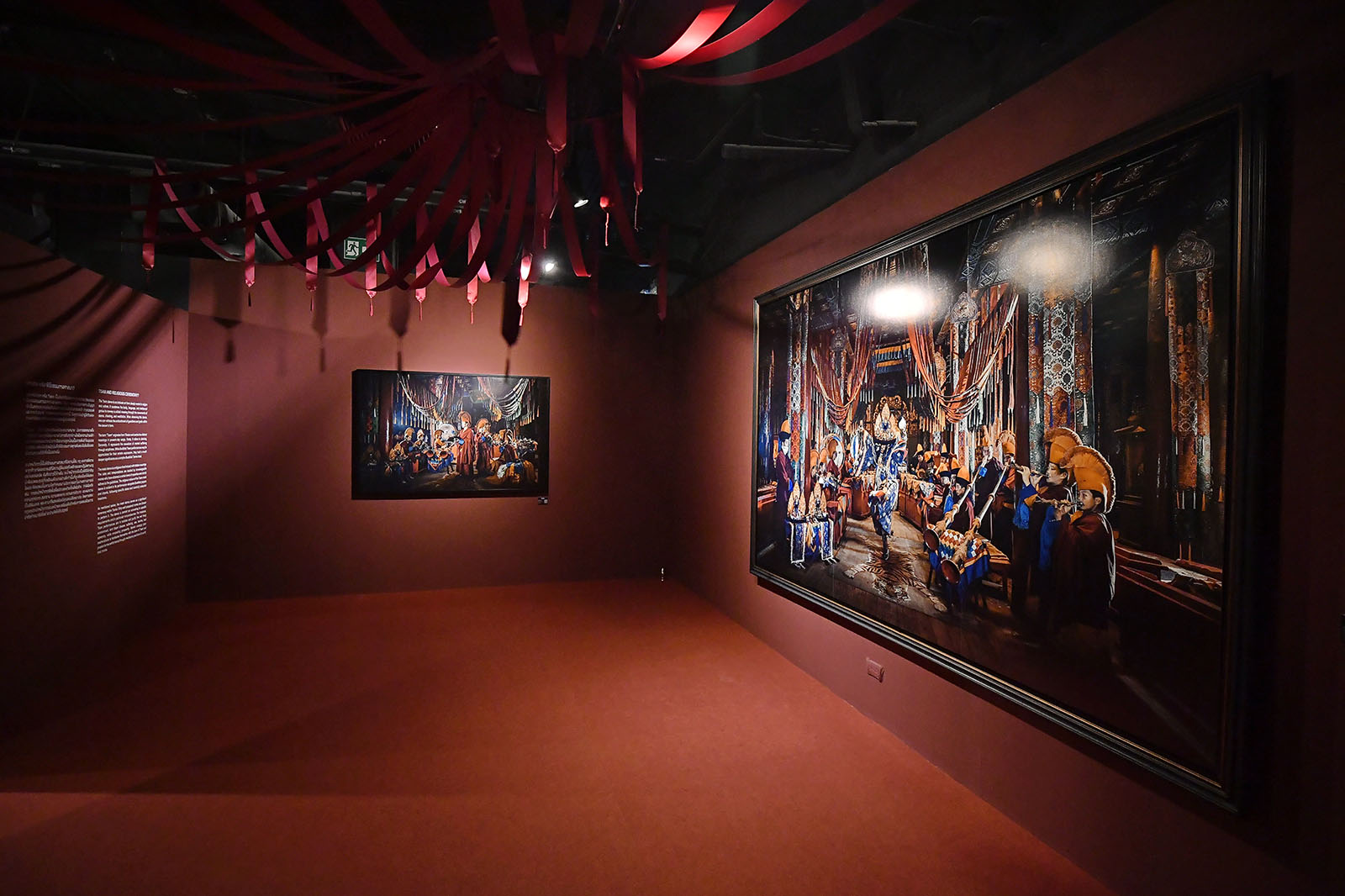
In his exploration of the Khuree Tsam at the Amarbayasgalant Monastery, Ketpradit has focused on a sect of Vajrayana Buddhism that is alternatively called Kadampa or Gelukpa. This group, informally known as the ‘Yellow Hat Sect’, prioritises the value of education, morality and logic, all of which are presented through their Tsam recitals as essential to achieving liberation from mental suffering.
Amarbayasgalant Monastery is also commonly referred to as the ‘Monastery of Peace,’ according to the exhibition’s press release. One of the three largest monasteries in Mongolia and it rests on the Oven Valley in Northern Mongolia. It was originally constructed between 1727 and 1737 and is dedicated to prominent Buddhist leader, Zanabazar whose mummified body rests on the premises of Amarbayasgalant.
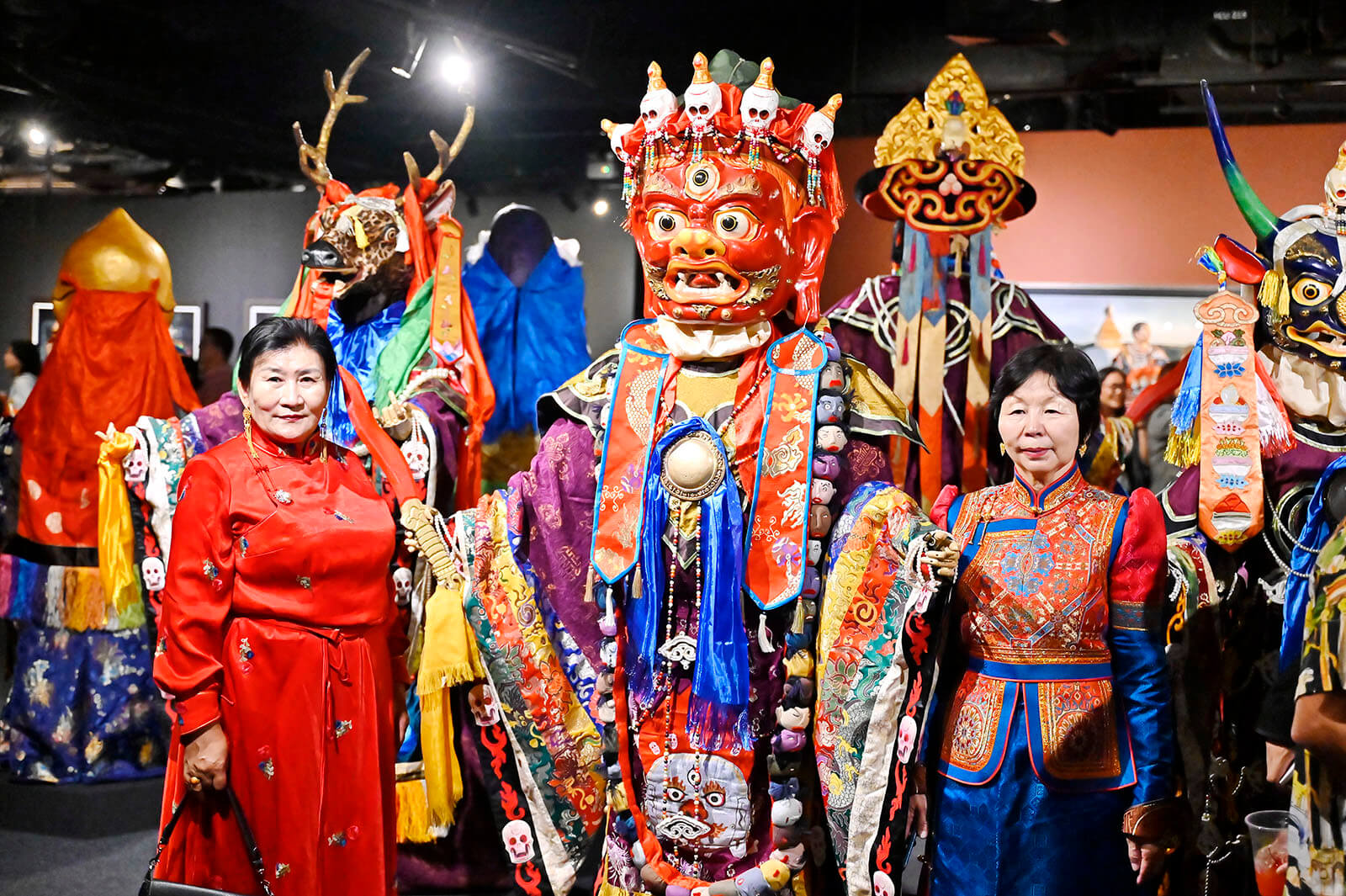
On the importance of the Khuree Tsam that is performed at the monastery and elsewhere, the photographer tells STIR, that it was a “soft strategy to spread the Buddhist religion while maintaining the main purpose of the mask dance ritual and keeping the main tenets of Vajrayana Buddhism intact.”
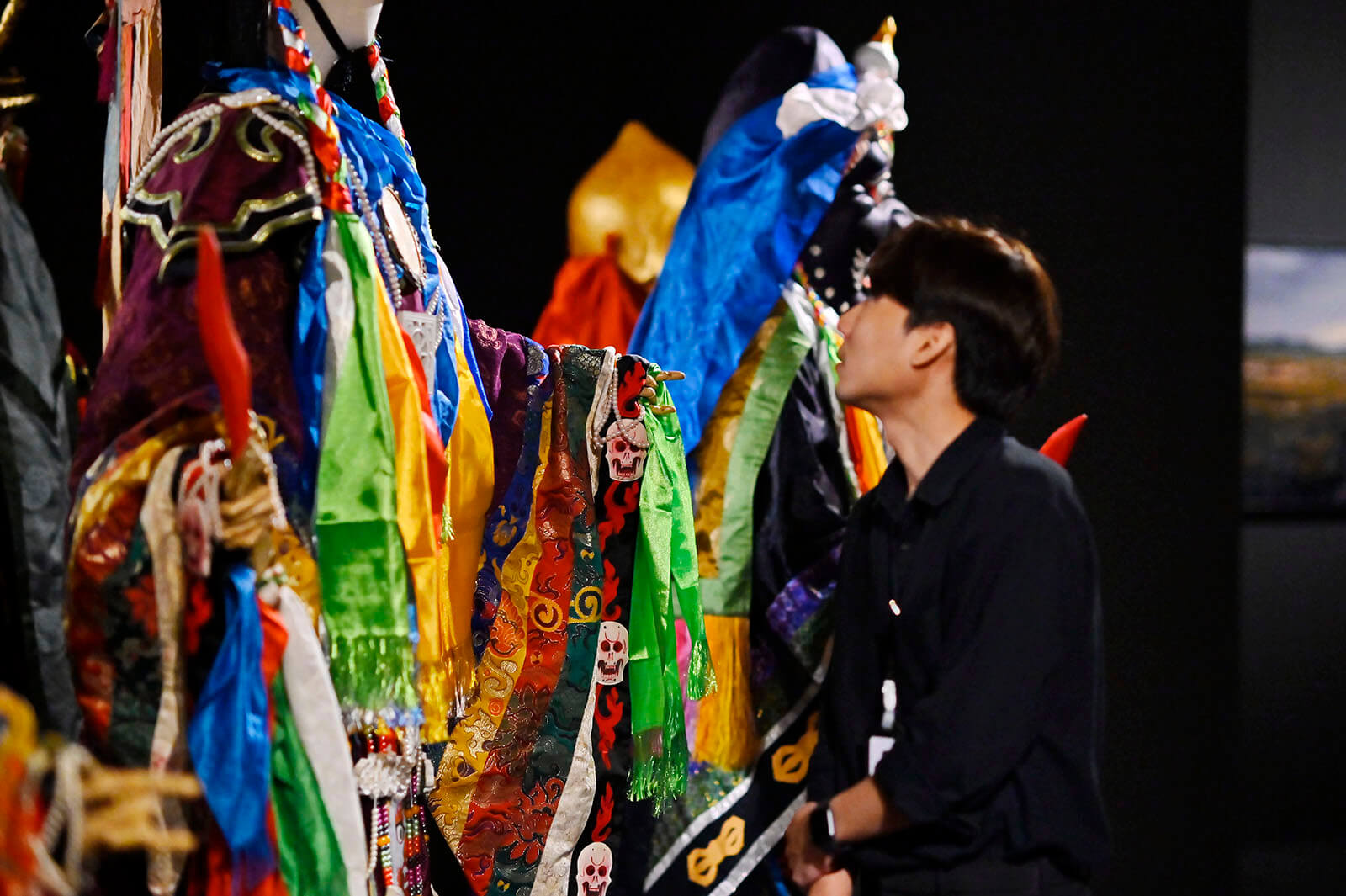
In the early decades of the 20th century, Mongolia became a satellite state of the USSR and saw purges led by Stalin in 1937, targeting the nation’s Buddhist heritage. Numerous monasteries and artefacts were lost, along with the lives of many monks. While Amarbayasgalant Monastery managed to survive the violence, the Tsam tradition was largely lost in Mongolia.
Over 70 years later, a celebrated Mongolian artist Gankhuyag Natsag, who is also known as GaNa, would spend a decade painstakingly restoring the 108 original Tsam masks that now have homes at the Mongolian Mask Museum, as well as other institutions in the country. Along with Ketpradit’s stunning photographs, these colourful artefacts transported the audiences of Tsam – The Dance of Gods to a world of divine beings, each one residing in their corresponding Tsam mask. The exhibition, attended by the Mongolian Ambassador alongside the ambassadors of 11 nations, makes it an important milestone in the restoration of an ancient art tradition and an indispensable element of Mongolian culture.

by Pranjal Maheshwari Oct 23, 2026
Co-authored by Jareh Das, Chairman traces the British designer’s fixation on chairs as symbols of power and identity and as mediums of expression and community building.
by Mirra Lynn Oct 22, 2026
The curators behind Palestine Design Week 2026 reflect on its intent, considering how design holds memory, makes space for loss and imagines a future in Palestine.
by Chahna Tank Oct 22, 2026
STIR speaks with the Mumbai-based type designer about her practice, type walks and why she wants more people to have stronger opinions about Indian-script fonts.
by Jincy Iype Oct 15, 2026
STIR explores craft, material intelligence and people shaping Indian design through dialogues with Design Democracy’s co-founders and the curators of its special exhibitions.

make your fridays matter with a well-read weekend
Enter your details to sign in
Don’t have an account?
Sign upOr you can sign in with
a single account for all
STIR platforms
All your bookmarks will be available across all your devices.
Stay STIRred
Already have an account?
Sign inOr you can sign up with
Verification link sent to check your inbox or spam folder to complete sign up process
Tap on things that interests you.
Select the Conversation Category you would like to watch
Please enter your details and click submit.
Enter the 6-digit code sent at


Jatenipat Ketpradit captures the beauty of ‘Tsam’ dances in a recent show
by Manu Sharma | Published on : Dec 25, 2023


 Sign in with Google
 Sign in with email
What do you think?