|
At first, the word ingrained feels static—settled, fixed, embedded deep into the fabric of thought, habit and culture. Yet in its roots lies tension between repetition and transformation. Patterns get ingrained not by accident but by persistence; the daily decisions we make, the systems we inhabit as well as the creative instincts that steer us back, again and again, to familiar yet evolving challenges.

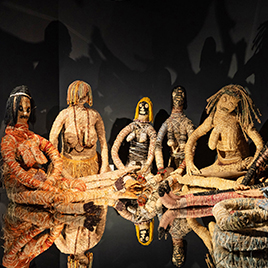
In the creative and artistic space, an ingrained process might anchor a practice, yet it can also blind us to alternatives found beyond habit. Then, true innovation doesn't obliterate what is ingrained but uses it as substrate, a fertile ground from which to disrupt, reassemble and redefine. This week's stories present new encounters with what has been there, at least, for a long time: In the show 'Songlines: Tracking the Seven Sisters' at Humayun's Tomb Museum, Indigenous Australian creation stories are revealed as living, cross-generational landscapes, where
|
|
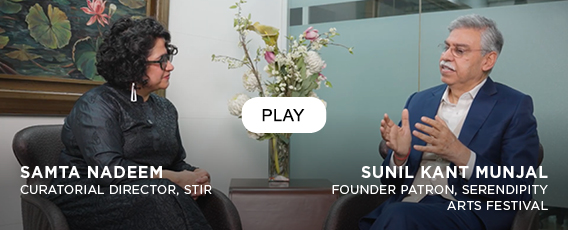
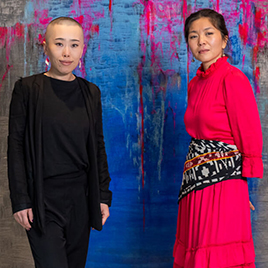
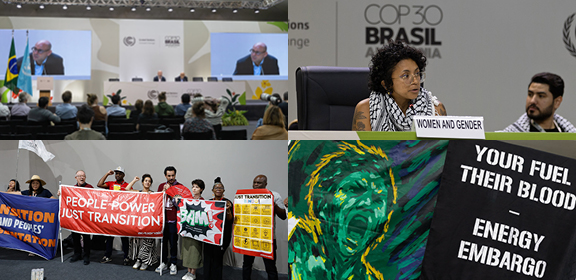
song, movement and imagery entwine place with cosmology. At CHAT Hong Kong, the exhibition 'Dowry of the Soul' uses Gulnur Mukazhanova's tactile felt and textile narratives to show how tradition and contemporary expression are intricately ingrained, carrying cultural history into the present. The 10th edition of the Serendipity Arts Festival in Goa demonstrates a rooting, an embedment that comes through persistent placemaking. And in the broader sphere of collective action, the dialogues emerging from COP30 in Belém challenge how deeply our commitments to climate futures are inevitably embedded in policies, priorities, politics and practice.
As we encounter processes and forms this week, let us consider not what we have always done, but why we do it and how that ingrained logic can become our most generative resource for thinking next.

|