Art08 mins. read
Ocean futures and rooted practices take centre stage at Hastings Contemporary
by Srishti OjhaJul 01, 2026




by Mrinmayee BhootPublished on : Dec 11, 2025
It is but an unfortunate irony that some of the final deliberations at the annual COP in Belém, Brazil, were disrupted by a fire breaking out in one of the venues—a sick metaphor indeed. But this is the world we live in, and by all accounts, it is burning; while those in power squabble, while they pander, while they delay the implementation of meaningful action to address the exacerbating climate crises to the next symposium. That is on top of enabling conglomerates that continue to plunder what little we have left, displacing indigenous communities, and funnelling funds into war efforts that annihilate entire populations and natural landscapes.
The Conference of the Parties (COP), the United Nations Framework Convention on Climate Change's (UNFCCC) annual international climate summit, has continued to draw negative attention from activists, scholars and even delegates for precisely its lack of urgency in delineating what constitute appropriate sustainable measures. Belém drew significant criticism over the greenlighting of the Avenida Liberdade, a four-lane highway planned especially for the conference. Like many mega projects around the world, it was built on the claims that it would benefit 2.2 million people in the long term. Complete with bike lanes, solar lighting and animal crossings, the project has been earmarked as a ‘sustainable highway’. It also only slices through tens of thousands of acres of protected Amazon rainforest. This is despite the Brazilian president, Luiz Inácio Lula da Silva, announcing at the start of his term in 2023 that his government’s goal was to ensure zero deforestation in the country by 2030.


As da Silva pointed out in his opening speech, the symbolic gesture of holding the conference in the shadow of the Amazon, presided over this year by André Aranha Corrêa do Lago, was to highlight the sheer, amazing fact of its existence—made more acute in the grim wake of the forests that were razed to make such an endeavour possible. This, then, meant significant urban redevelopment projects for a city that isn’t ‘fully developed’.1 A new site for negotiations was built, the airport modernised, a brand-new port terminal constructed, parks built and roads paved. Local news sources, however, detailed that the refurbishment efforts were confined to already well-off parts of the city. In many ways, the lead-up to Belém proved to be a reflection of the more often than not performative, surface-level nature of such transformations carried out only for the facade of urban development, to be presented to the rest of the world, like painting the brick road yellow or the roses red. This is acutely the case for every city—more so in 'developing' nations—where it must brace for (and often crumble under) the fresh international attention it is touted to get.
In his opening speech, da Silva also emphasised that this COP would not be like the others; that it would be the ‘COP of truth’, addressing accusations over rampant climate misinformation that has continued to affect how countries respond to and implement environmental policies. Meaningful implementation was what da Silva promised from this democratic meeting of parties from all over the world. As he went on to emphasise, this COP, the first Amazonian COP, would put ‘people at the centre of the climate agenda’, and would work towards effectually accelerating climate action and a move away from fossil fuels. Such posturing in itself is somewhat contradictory if one is to consider da Silva’s rally for oil and gas expansion in Brazil, including controversial offshore drilling near the mouth of the Amazon River.
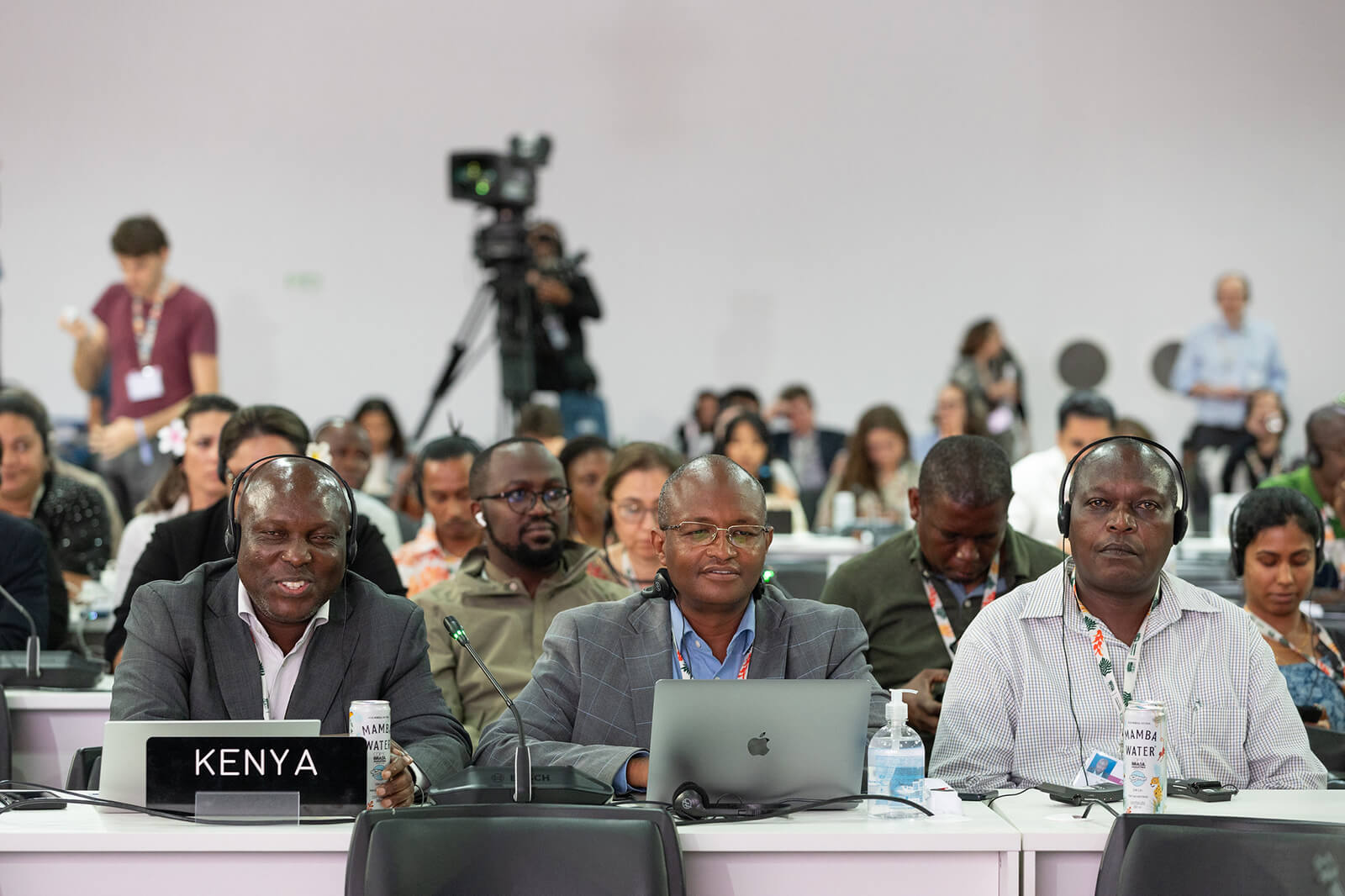
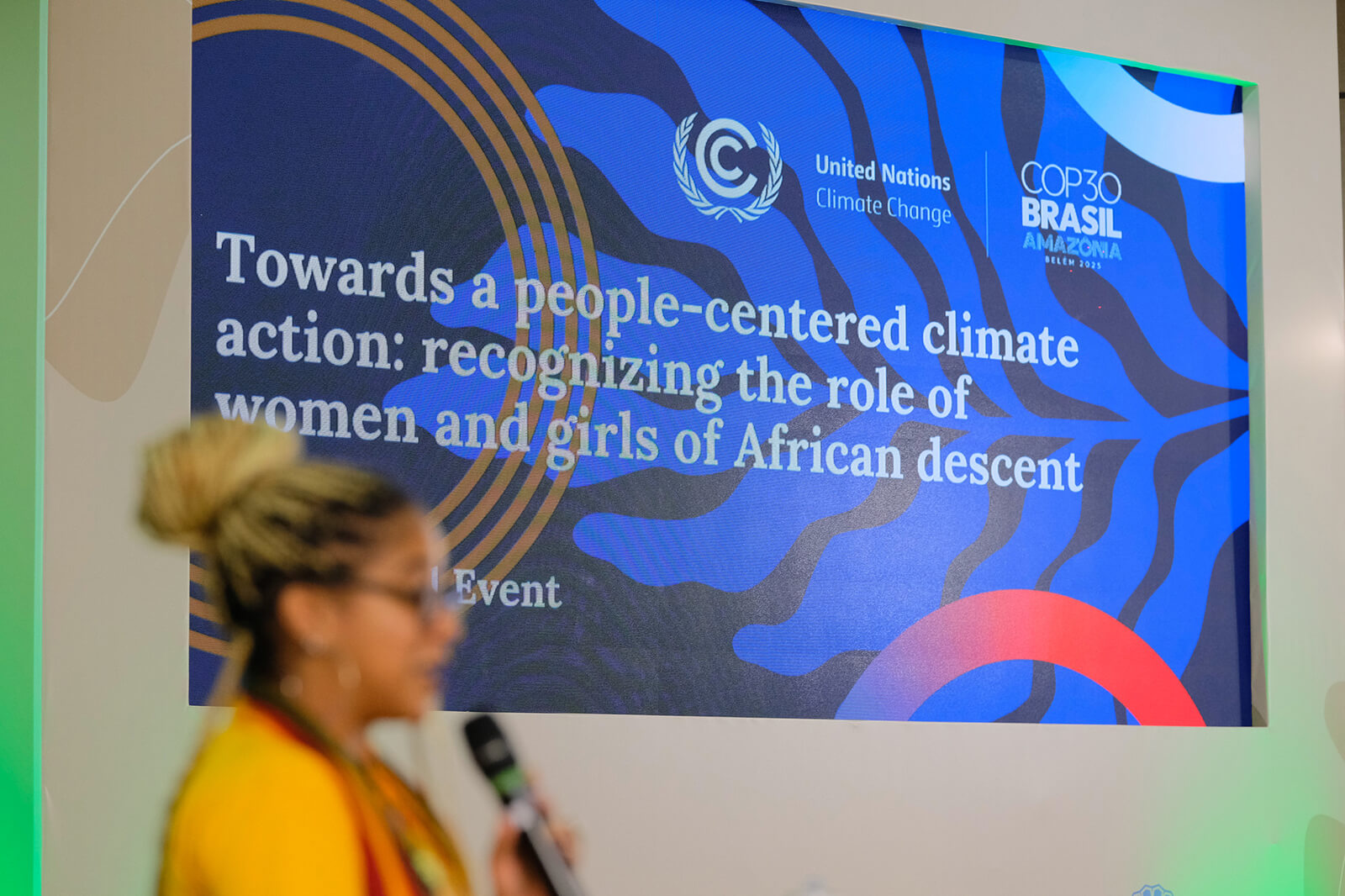
A similar stance—the expansion of economic capability for the developing nation—led da Silva to greenlight what has been termed a ‘devastation bill’ in 2025, which aimed to ease environmental licensing requirements. One might—given enough of a capacity for forgiveness and a disregard of a collective attitude—suppose that development for a country considered ‘developing’ (or one which is not quite there yet) is excuse enough to carry on, as it were. The question here becomes: What should development for a burning world and an uncertain future look like? How, under the long shadow of colonialism, can those countries that have thus far been exploited, go on? What can reparations look like, if at all?
The 27th edition of COP proposed a potential strategy for reparations—the ‘Loss and Damage Fund’—which officially went into operation during the 28th edition. The fund was created to provide financial assistance to vulnerable countries disproportionately affected by the impacts of climate change. Needless to say, these have been countries in the Global South, who continue to bear the burdens—sociopolitical and economic—of being a formerly colonised peoples. That reparations should be directed towards financial aid that helps in capacity building, skill upgradation and adaptation seems like a step towards ensuring that the globe can collectively move towards caring for the planet, towards regenerative practices, towards, in some form, the mitigation of the worst of the burning world that we face today.
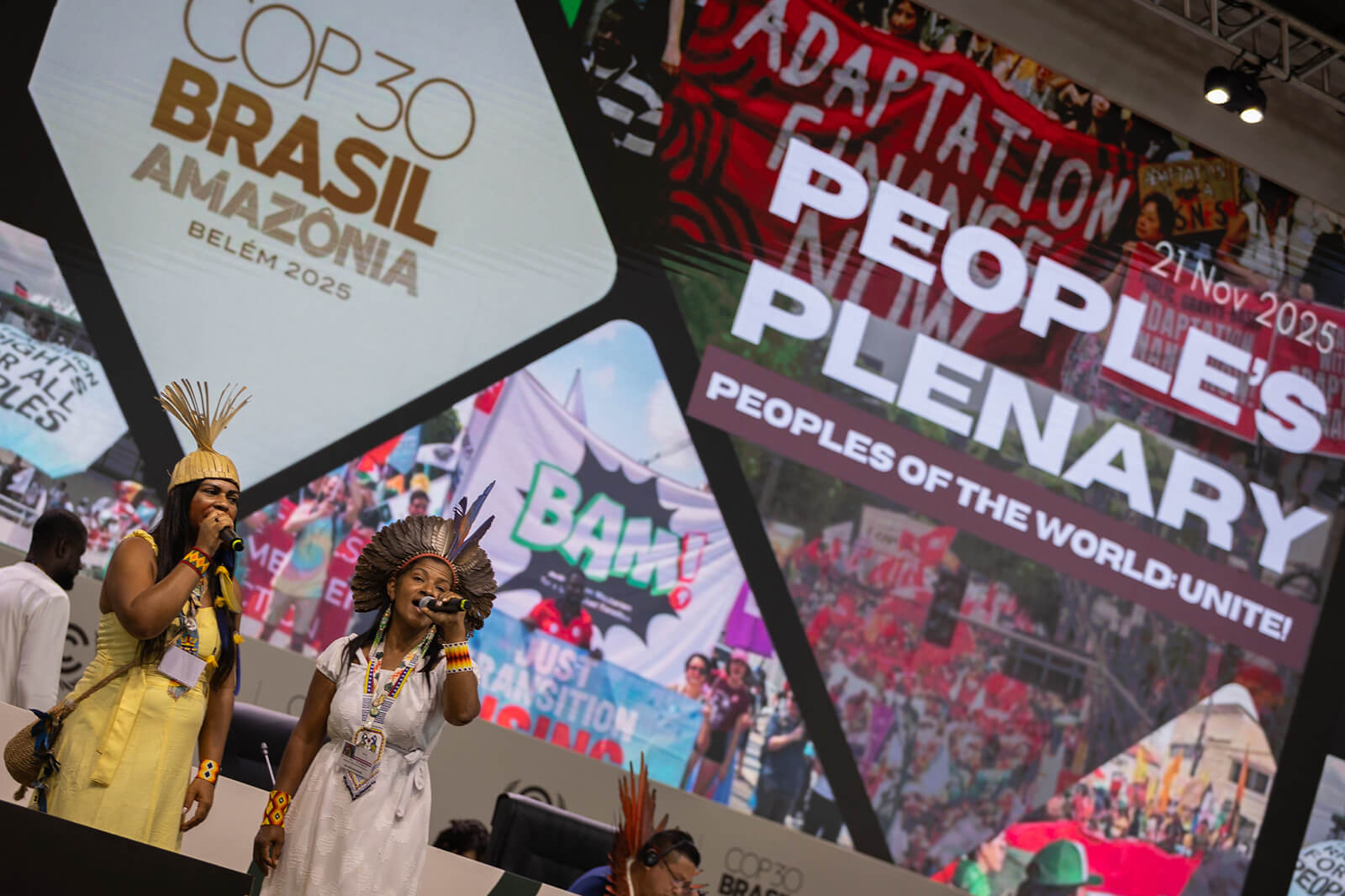
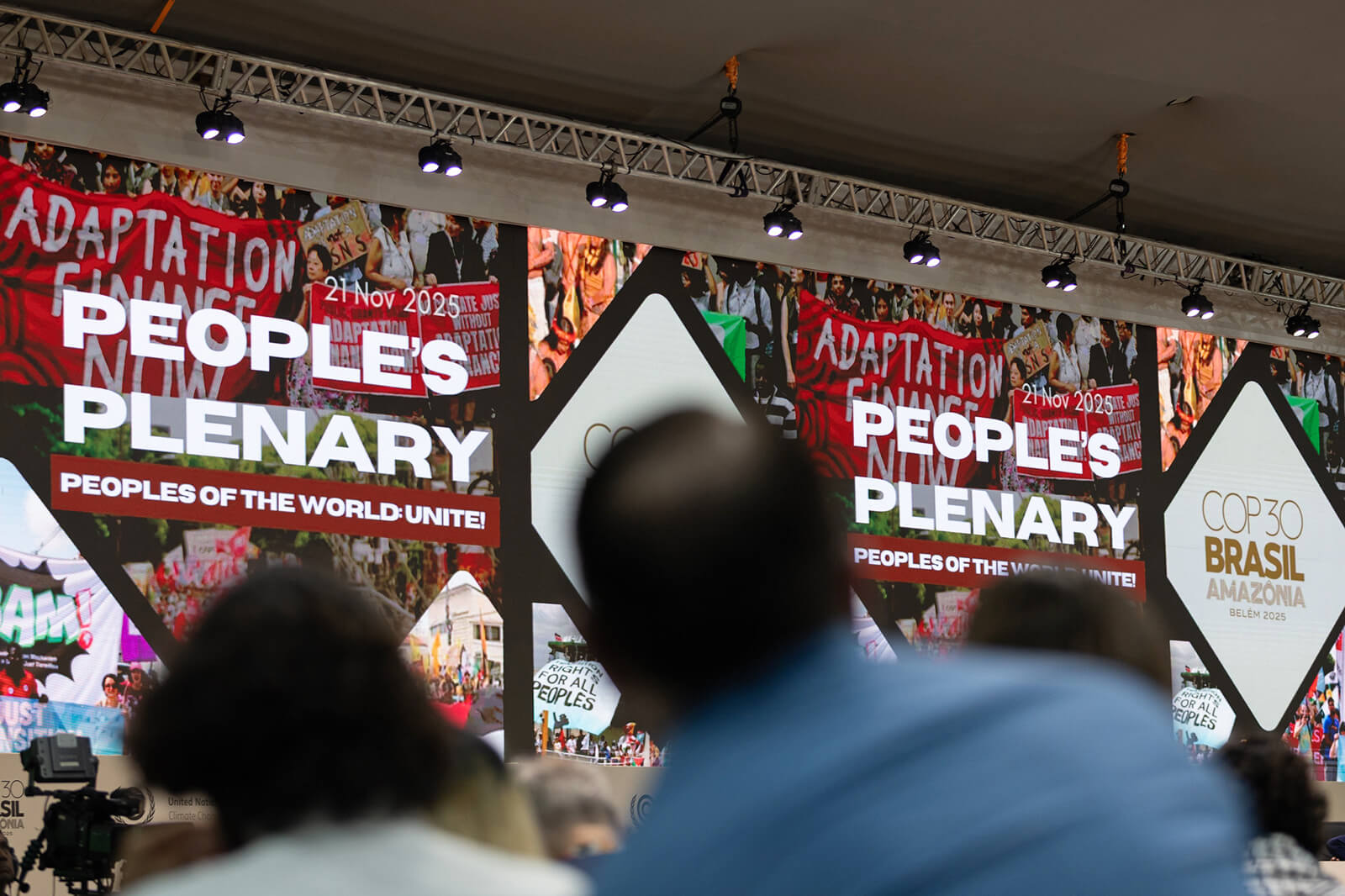
However, the goal of reaching $1.3 trillion by 2035, with wealhy countries at COP29 in Baku pledging to contribute at least $300 billion, was deemed ‘insulting’ by developing nations. Moreover, the reliance on financial support alone fails to address the systemic question of equity, of justice that does, in some form, continue to proliferate the divide between the countries rich enough to provide support and those vulnerable in the Global South that have limited fiscal space and must, hence, rely on the benevolence of the North. Numerous low and middle-income countries are struggling with overwhelming debt burdens, provoking liquidity and solvency issues.2
Questions also arise about what financial support means and towards what goals it is executed; whether the globe should focus on adaptation, of living with the consequences of the world we made, or mitigation—and whether any significant progress can be made in reducing these. While adaptation seems like a probable move for the global majority who are already being disproportionately affected through recurring natural disasters at an alarming frequency, does this imply that the onus of mitigation would lie on wealthy nations? In this, the question of who truly benefits, and what outcomes conferences like the COP can achieve is a persistent one.
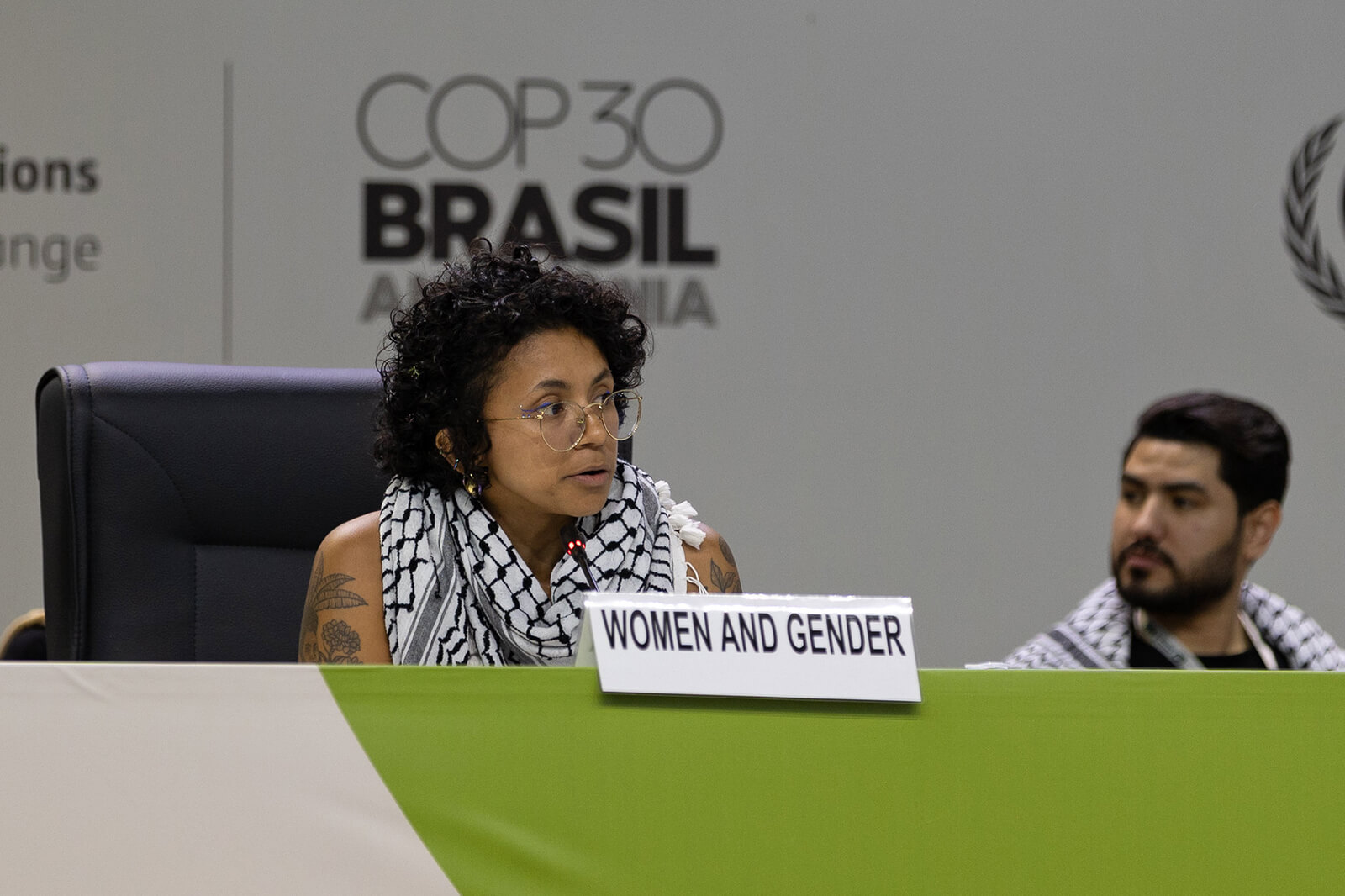
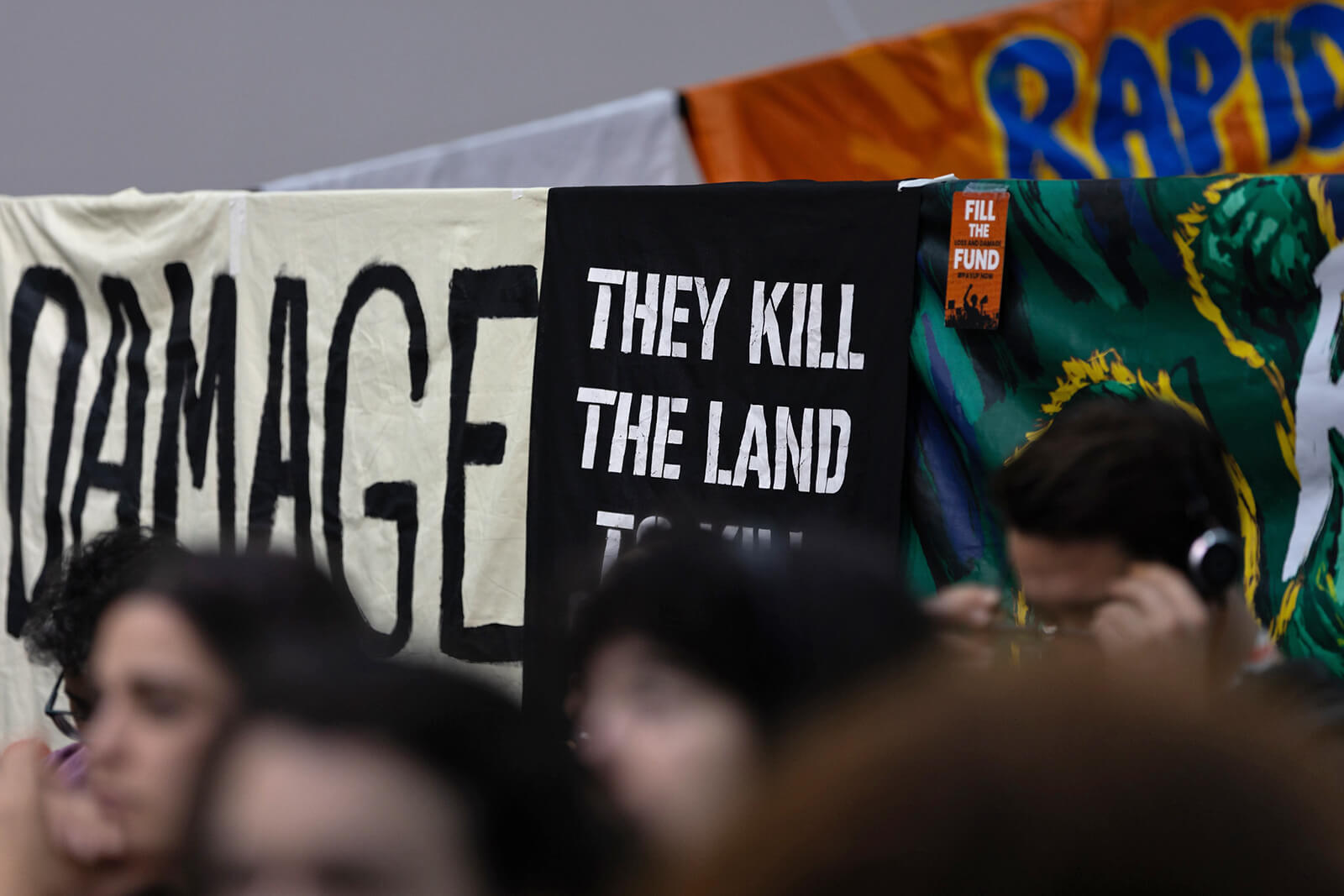
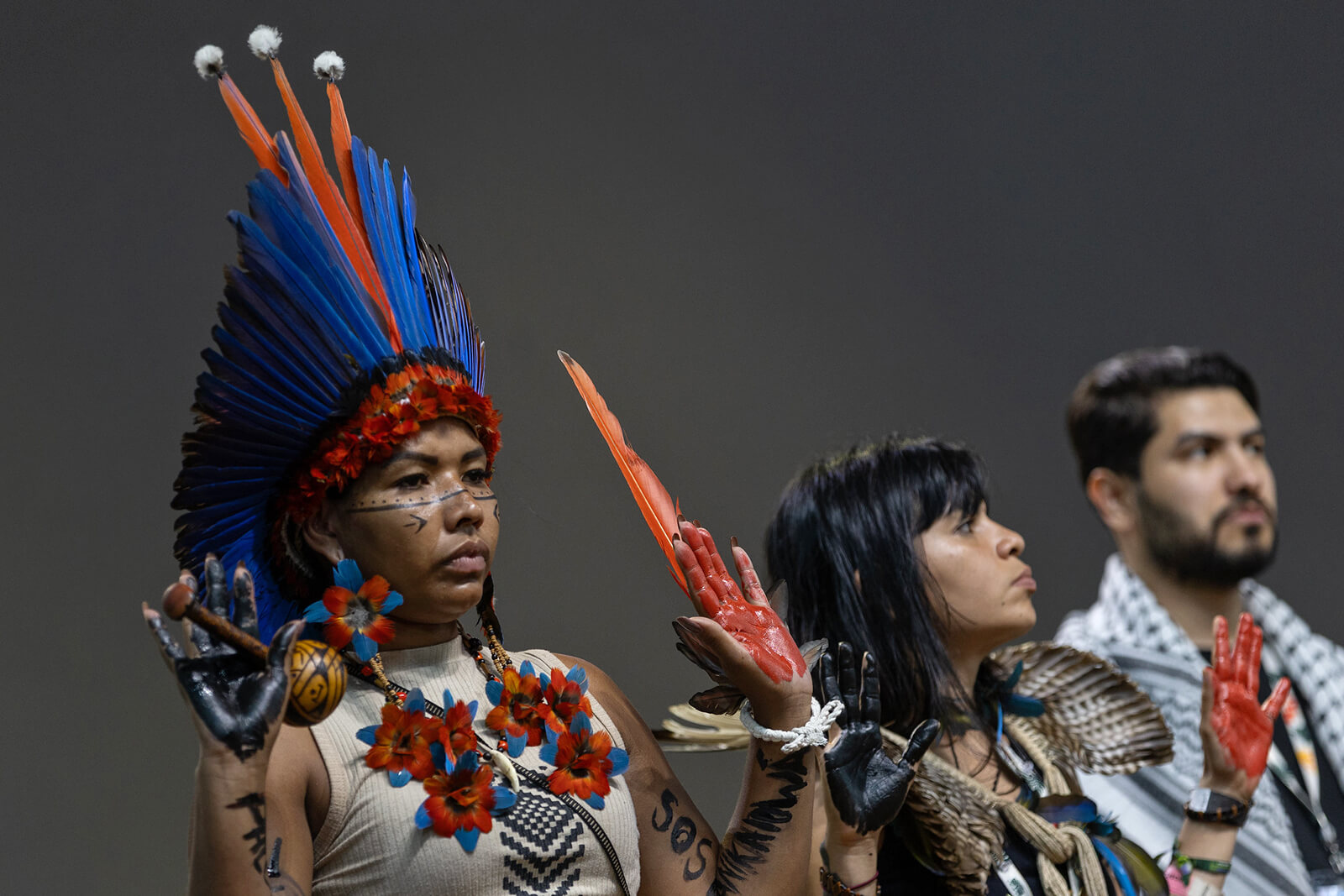
The official absence of the United States from the formal negotiations at COP30 sticks out, increasing the deadlock on core issues such as climate finance and loss and damage, and the contention that we ought to move forward by relying on climate science. As experts have claimed, the absence of one of the largest emitters of greenhouse gases also influenced other developed countries to avoid robust financial commitments. Apart from the absence of the US, this year marked the largest-ever participation by Indigenous Peoples in COP history, with over 3,000 Indigenous Peoples' representatives.
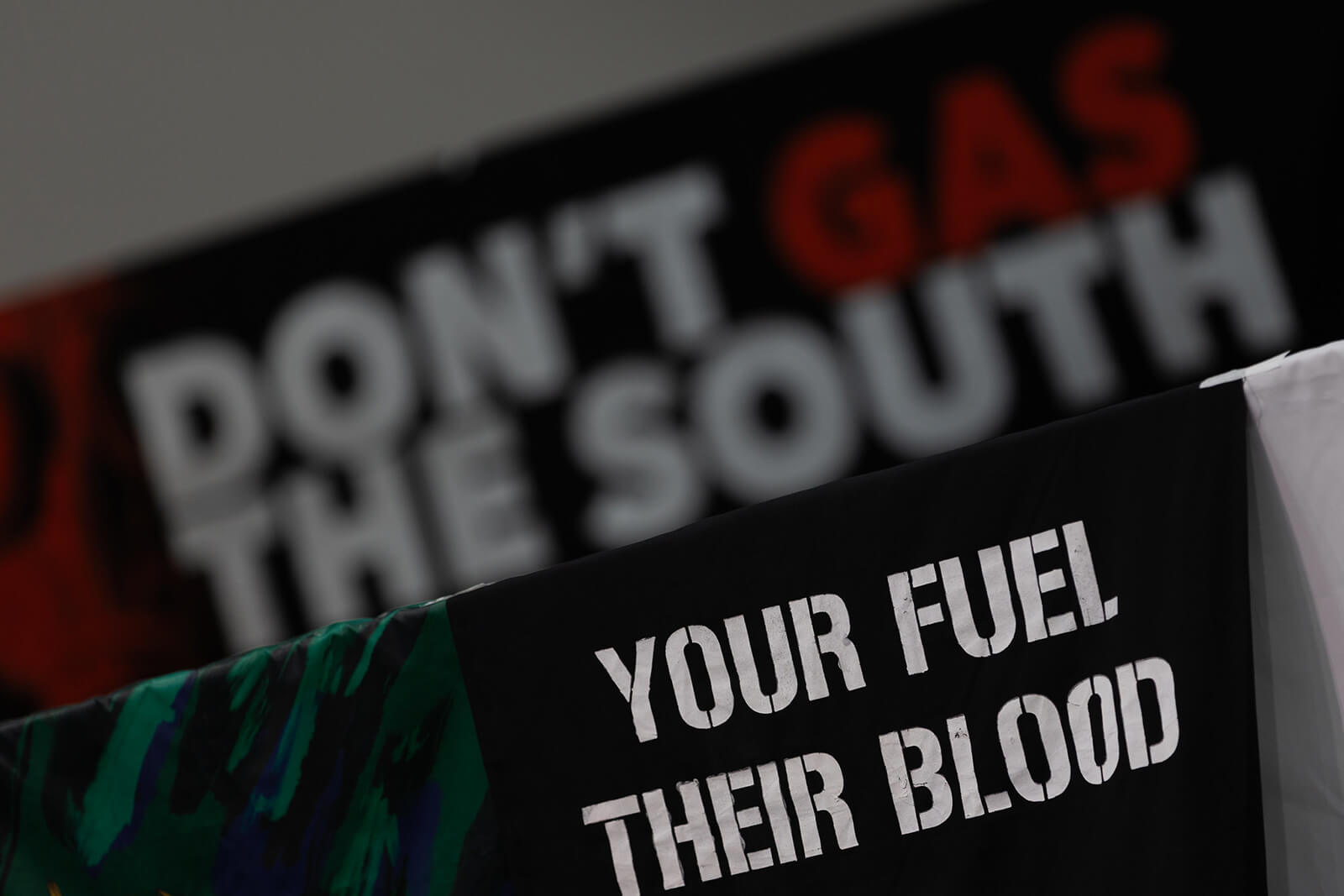
However, despite all the government's assurances, only 14 per cent (360 Indigenous Brazilians) received accreditation to visit the Blue Zone (the official negotiation area). Many Indigenous leaders were thus reduced to protesting, demanding that their voices be heard in negotiations that affected them directly. They were seen carrying flags and signs that read ‘Our Land is Not for Sale’ and ‘We can’t eat money, we want our lands free from agribusiness, oil exploration, illegal mining and illegal logging’, mainly against the Brazilian government’s recent policies, but also the false narrative of progress often painted for projects of public infrastructure.
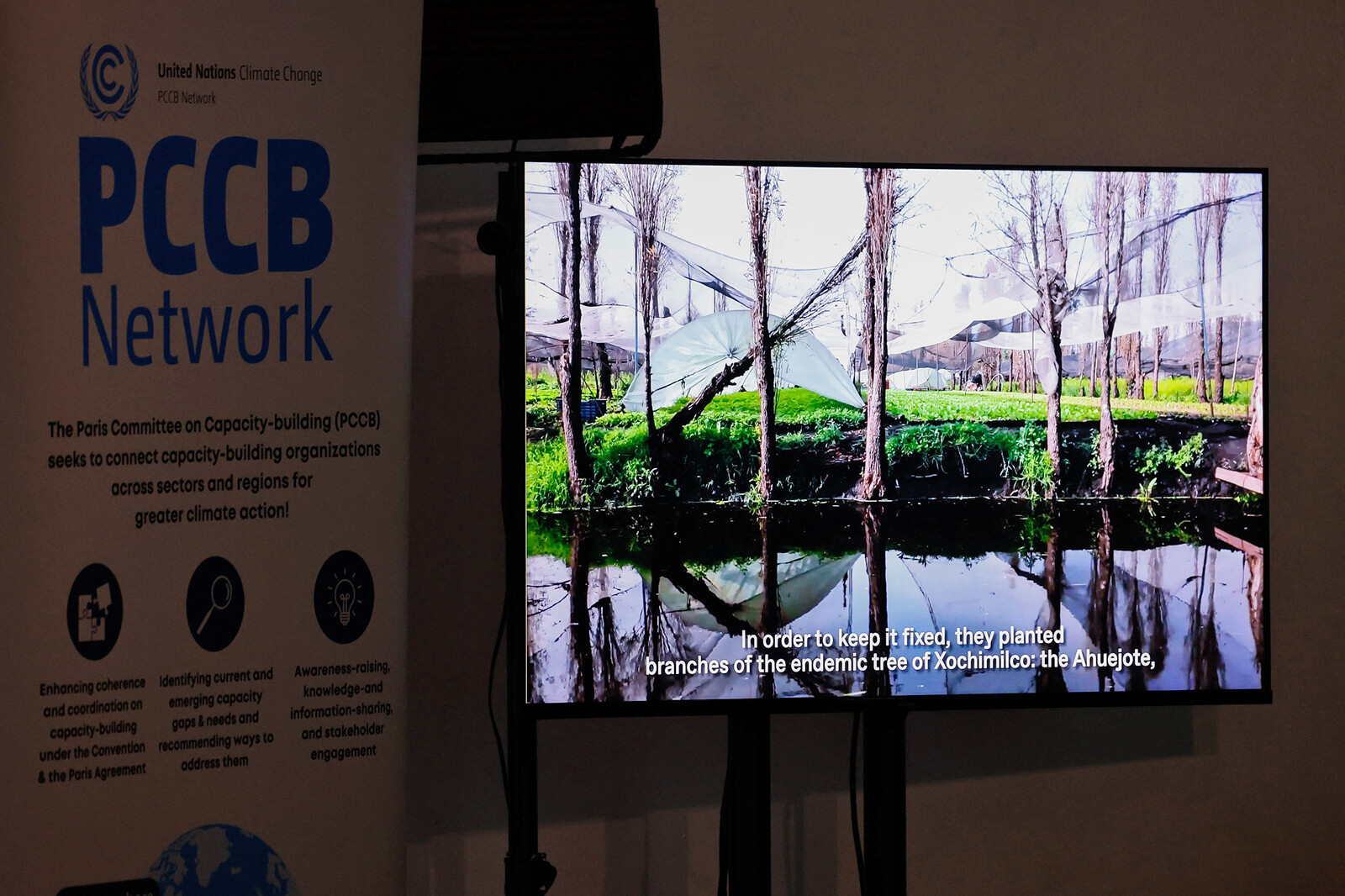
Here, it’s worth noting that Brazil also officially launched its Tropical Forests Forever Facility to provide long-term, predictable finance to countries that protect their tropical forests. Countries also renewed the Forest and Land Tenure pledge, committing $1.8 billion in funding through 2030 and expanding coverage beyond forests to savannas, mangroves and other at risk ecosystems. Fifteen governments launched the Intergovernmental Land Tenure Commitment, which aims to secure and formally recognise 160 million hectares of land held and used by Indigenous Peoples and local communities.
Apart from advocating for biodiversity and indigenous peoples and communities as vanguards for a more multilateral outlook on global climate conditions, the biggest elephant in the sweltering rooms of COP30 was da Silva’s proclamation of delivering a global agreement on phasing out fossil fuels. By the end of the conference, all mention of a fossil fuel roadmap had been scrubbed from the text of the final outcomes, following fierce pushback from countries such as Russia, Saudi Arabia, India and many emerging economies. Instead, countries agreed to launch ‘the Global Implementation Accelerator […] to keep 1.5°C within reach’ and ‘taking into account’ previous COP decisions. Meanwhile, the world keeps getting hotter, with 2024 already having breached the 1.5-degree rise. Meanwhile, infrastructure projects are greenlit in the name of development, in the name of economic stability and especially in the name of sustainability and scientific progress, which raze natural habitats, are planned over tracts of forest and simply do not regard lives other than human.
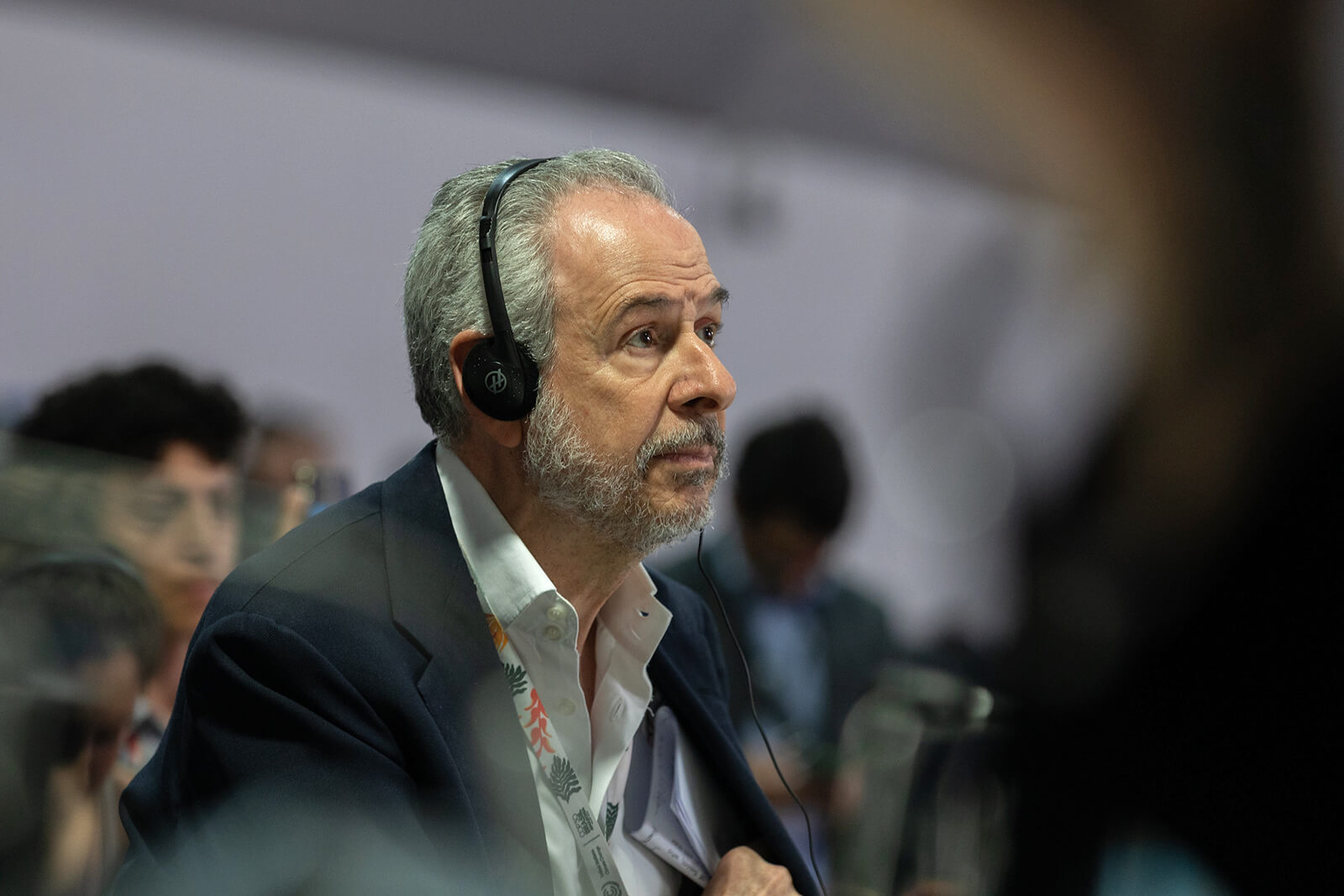
For a conference like COP, which always seems to be about reaching consensus toward direct action, we could belatedly ask what sustainability actually entails. With many of the initial steps towards implementation driven by finance, another question persists: What does sufficient action look like? Why, when speaking of reparations, do we come back to financial debt that will fuel development, as if the answer to tackling a more uncertain future was to equip ourselves with more technological advancements? Developing countries might, given the space, the time and the pristine conditions characterised in uber-green future visions, march towards a sense of progress, but that is not the world we live in. Reducing the exigencies of a world that is dying to decimal points, to data that fails to capture on-the-ground realities, that fails to put the welfare of everyone over development for a few, continues to haunt negotiations for any collective action. When those in power can sign off on 100 million, or even 1 trillion, in the name of mitigation, the demand for it begins to feel less urgent.
It is in the unspoken chasm of that which continues to haunt conferences like the COP that any true action must orient itself—in the difference between the developed and developing, between mitigation and adaptation, between most pressingly, the natural and the manmade. “The Amazon is not an abstract entity,” da Silva pronounced in his opening speech. And it cannot be, if we are ever to imagine a tomorrow that’s not another version of today.
References
1.https://news.mongabay.com/2025/10/belem-faces-its-social-and-natural-demons-as-host-to-cop30/
2.https://www.cambridge.org/core/journals/american-journal-of-international-law/article/looking-to-the-horizon-the-meanings-of-reparations-for-unbearable-crises/8B369101B61E54B78BDB301A704E60A4

by Pranjal Maheshwari Oct 19, 2026
The Mumbai-based architects integrate courtyards, mesh screens and north light trusses to create a dining space that doubles up as a community hub at SR University, Warangal.
by Mrinmayee Bhoot Oct 17, 2026
The Rotterdam-based institute centres the Indian Ocean as a network for exploring material histories and transnational links shaping coastal cultures, positing them as future models.
by Pranjal Maheshwari Oct 16, 2026
At the 2026 Stirling Prize ceremony, Mary Duggan with RUFF Architects, MAKER Architecten and Nakshabid Architects were felicitated for proffering quality housing and social equity.
by Mrinmayee Bhoot Oct 12, 2026
The new Centre for Contemporary Arts, fostering public engagement with art in Uzbekistan, is housed in a tram depot refurbished by the French studio, emulating local craftsmanship.

make your fridays matter with a well-read weekend
Enter your details to sign in
Don’t have an account?
Sign upOr you can sign in with
a single account for all
STIR platforms
All your bookmarks will be available across all your devices.
Stay STIRred
Already have an account?
Sign inOr you can sign up with
Verification link sent to check your inbox or spam folder to complete sign up process
Tap on things that interests you.
Select the Conversation Category you would like to watch
Please enter your details and click submit.
Enter the 6-digit code sent at


What we talk about when we convene for climate action: COP30 and the way ahead
by Mrinmayee Bhoot | Published on : Dec 11, 2025


 Sign in with Google
 Sign in with email
What do you think?