|
Memory foam was invented for astronauts, a material that was self-restoring, one that could receive bodies under pressure, absorb in-flight shocks and still hold its shape. It is perhaps both material and disposition as it yields without breaking—remembering, and then lushly expanding into fullness again, but never forgetting.

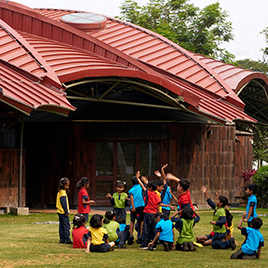
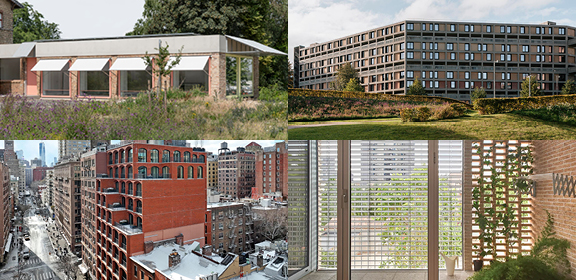
This week, we view buildings, films and objects in the same vein. Things carry ideas, bodies and impressions—of the people who make them, inhabit them or even fleetingly pass through them. In a project by Vastushilpa Sangath, a school in Chennai is designed to be porous. Light, air, the elements—and children—pass through the building without feeling contained by it. The 'Living together' category of the BRICK AWARD 26 asks what it means to house people together, and how materiality can become a social and ethical act, underscored by care and repair.
|
|
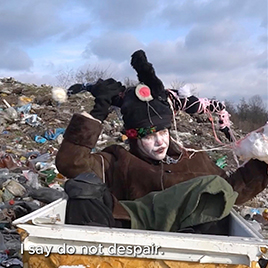
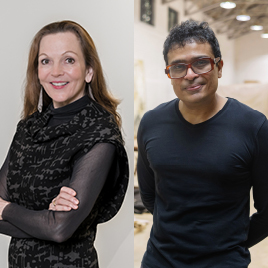
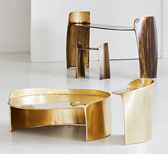
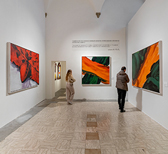
In the age of simulation, experimental cinema does its own time travel, through the device of montage. Our Think piece asks what happens when civilisation remixes itself so thoroughly that the original is no longer traceable. Curator Alexandra Munroe and artist Jitish Kallat recall the space race and the Cold War, delving into once redacted and classified documents to tell a fascinating story. Christian Fregnan's 'Gentle Resilience' proposes objects that embody solidity and softness, their contradictions a dance of giving and receiving—but in metal.
Memory foam, despite its name, is hardly about the past. It is a dance in the moment—between what is held and then released, slowly and tenderly. In that encounter, what do we remember, and what do we let go of?

|